 Get app
Blue pottery, a famous painter, a dinosaur called Trix and a daring escape from prison. Ten questions about South Holland, along the North Sea coast.
Beach day-tripper 0–4 · Windmill watcher 5–8 · South Holland insider 9–10

Tap the right answer
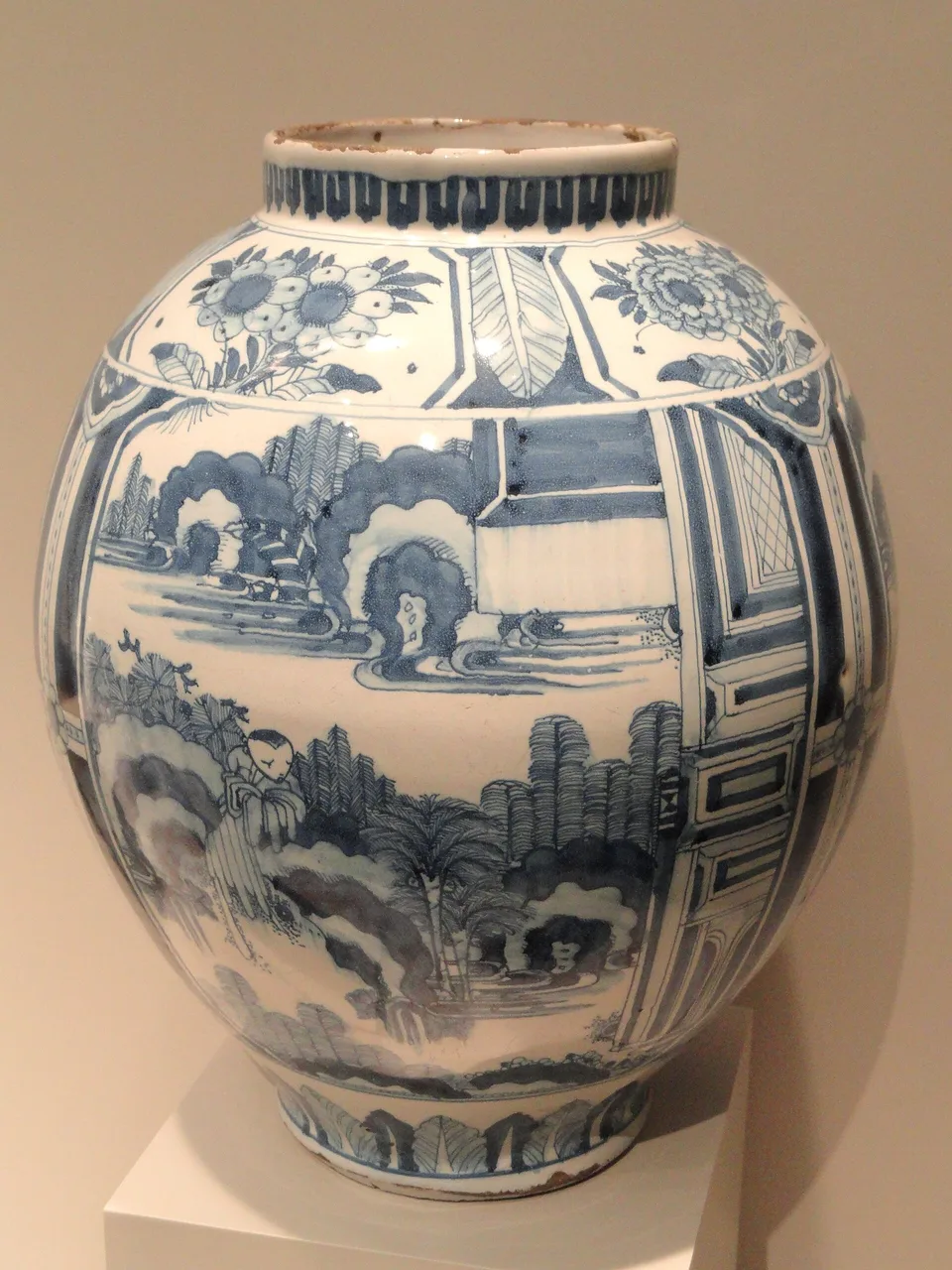
Delft Blue started in the 1600s, when potters tried to copy expensive porcelain from China. The blue colour comes from cobalt, painted on before the piece goes into the oven.
Photo: Daderot, Wikimedia Commons, CC0.
Tap the right answer
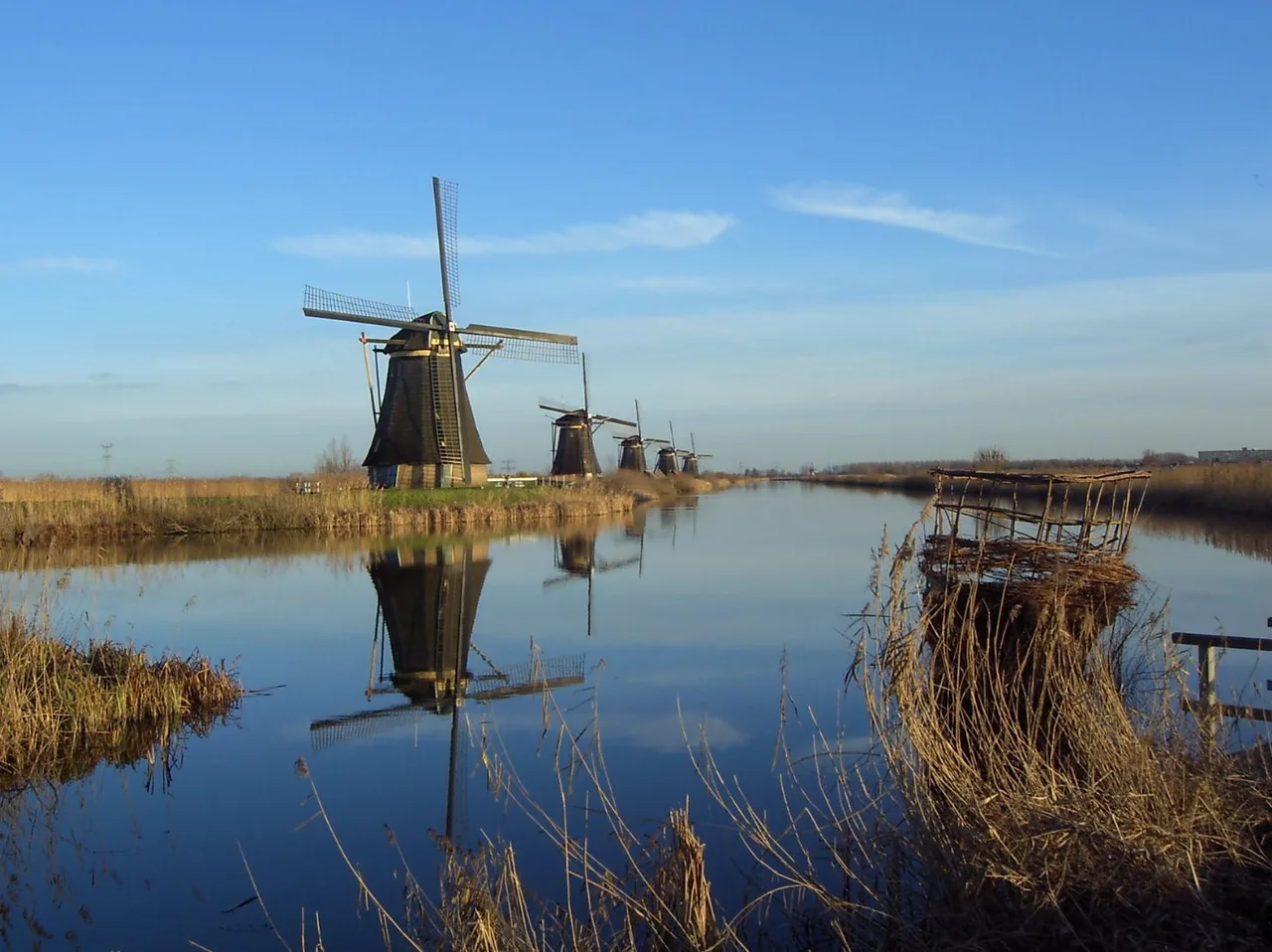
The mills were built around 1740 to keep the polders dry. They pumped the water up step by step, into the river. Today pumping stations do most of the work, but the mills are a UNESCO World Heritage Site.
Photo: Lucas Hirschegger, Wikimedia Commons, CC BY-SA 3.0.
Tap the right answer
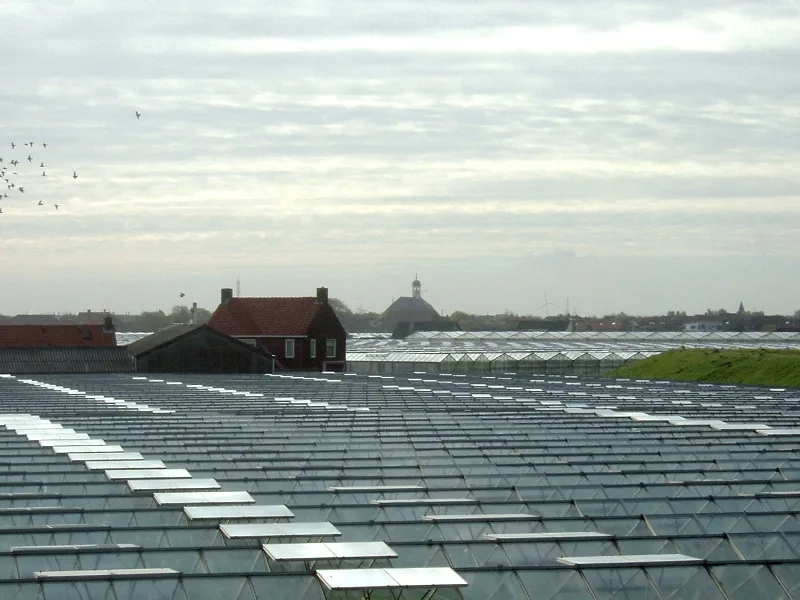
The Westland is sometimes called a city of glass. Under the glass, growers raise tomatoes, peppers and flowers all year round.
Photo: Wikimedia Commons, CC BY 1.0.
Tap the right answer
William of Orange founded Leiden University in 1575. Its botanical garden is the oldest in the country. Utrecht's university followed in 1636.
Tap the right answer
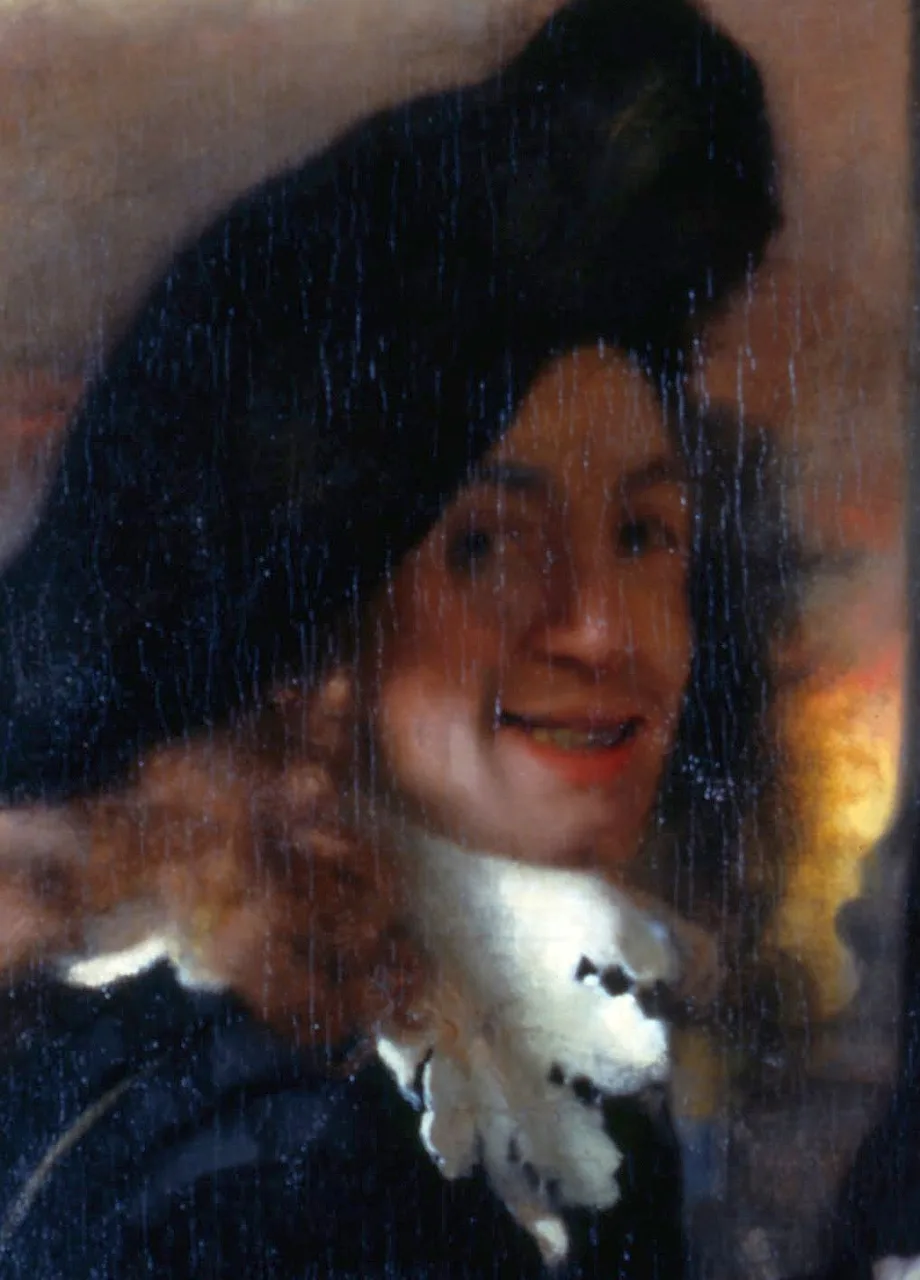
Vermeer painted quiet scenes of people indoors, lit by soft daylight from a window. Only about 35 of his paintings are known. Frans Hals worked in Haarlem.
Photo: Johannes Vermeer, Wikimedia Commons, Public domain.
Tap the right answer
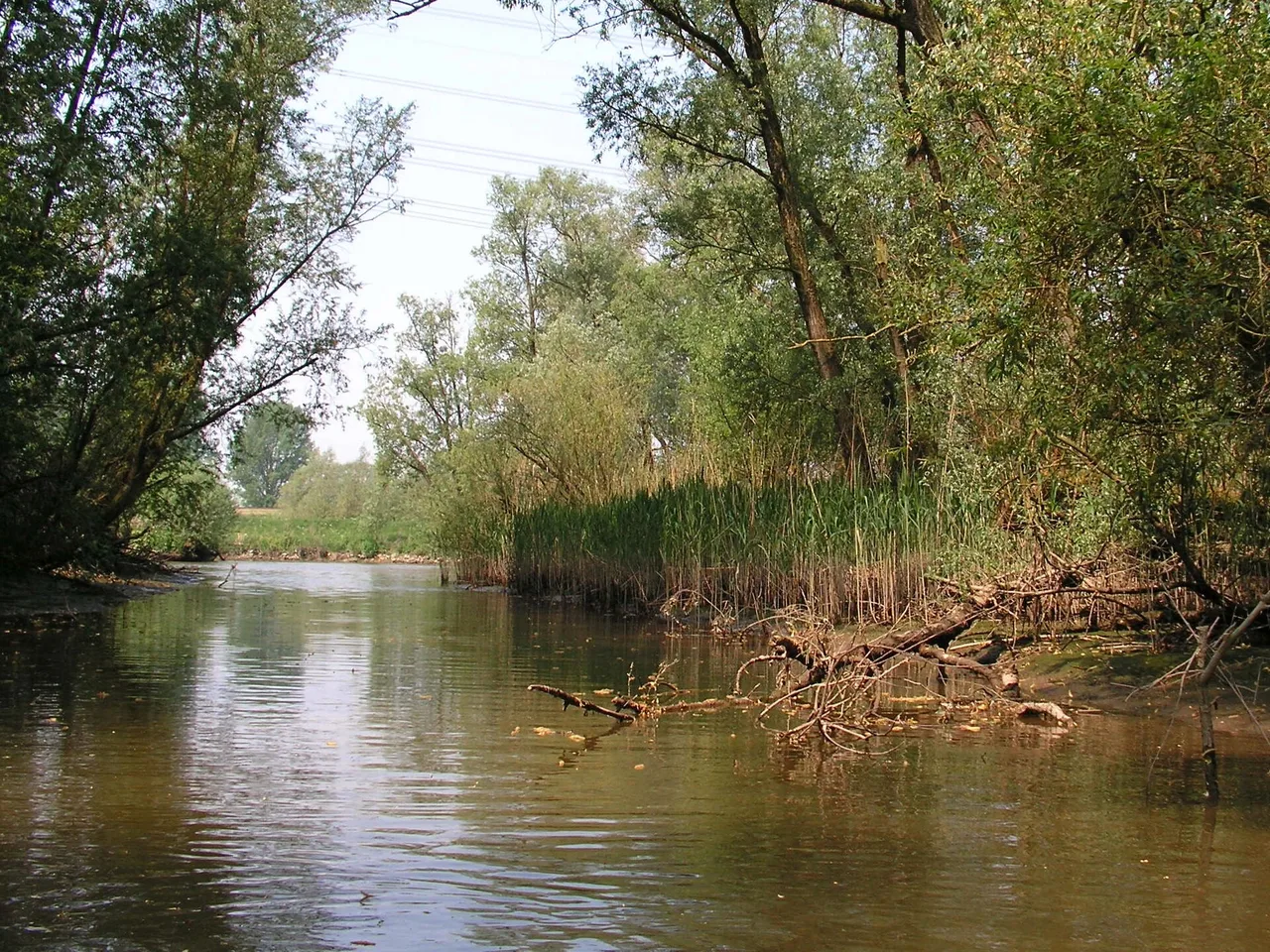
The last Dutch beaver disappeared in 1826. In 1988 the first beavers from the river Elbe in Germany were set free in the Biesbosch wetlands, and today beavers live in most parts of the country again.
Photo: No machine-readable author provided. Jensbn~commonswiki assumed (based on copyri, Wikimedia Commons, CC BY-SA 2.5.
Tap the right answer
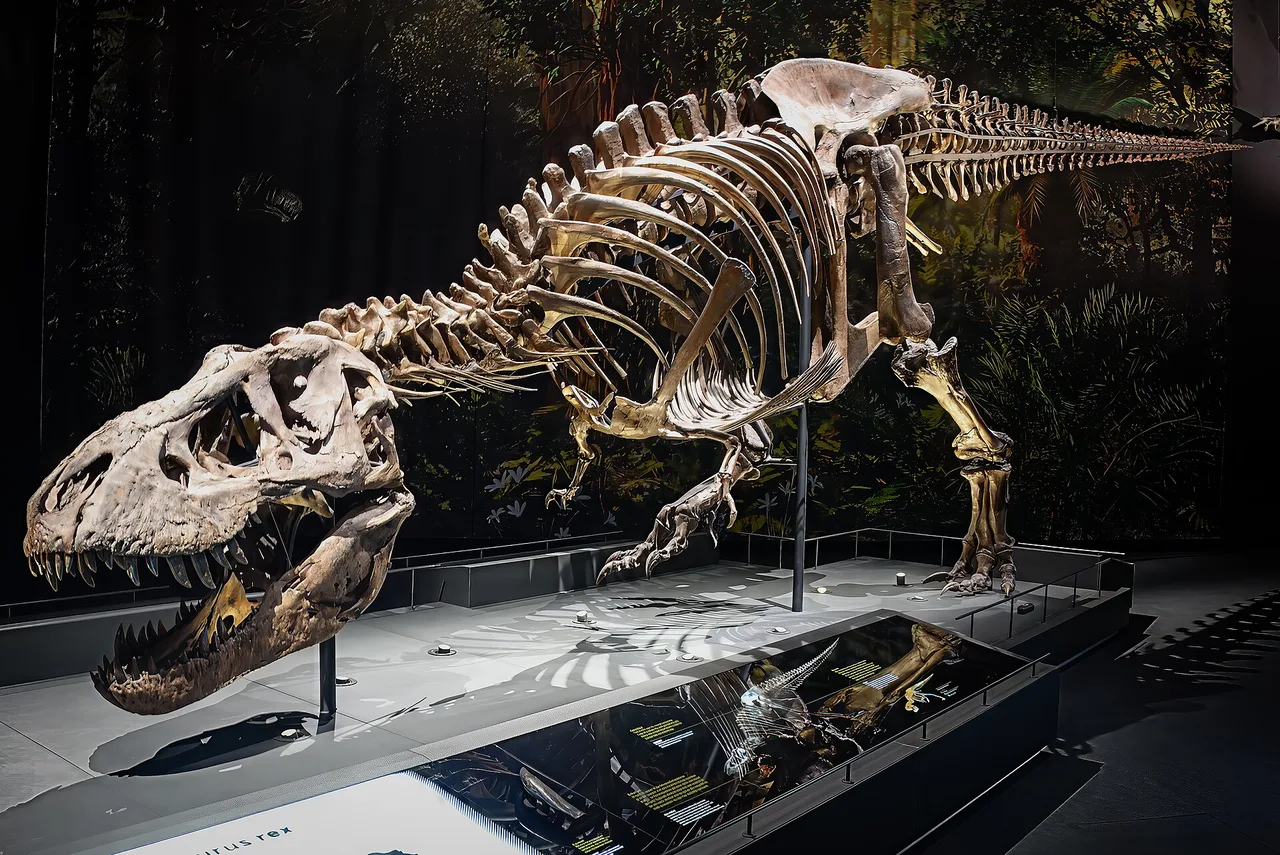
Trix is one of the most complete T. rex skeletons ever found. A Dutch team dug her up in Montana, in the United States, in 2013, and she is one of very few real T. rex skeletons on show in Europe.
Photo: AbstractionBlue, Wikimedia Commons, CC BY 4.0.
Tap the right answer
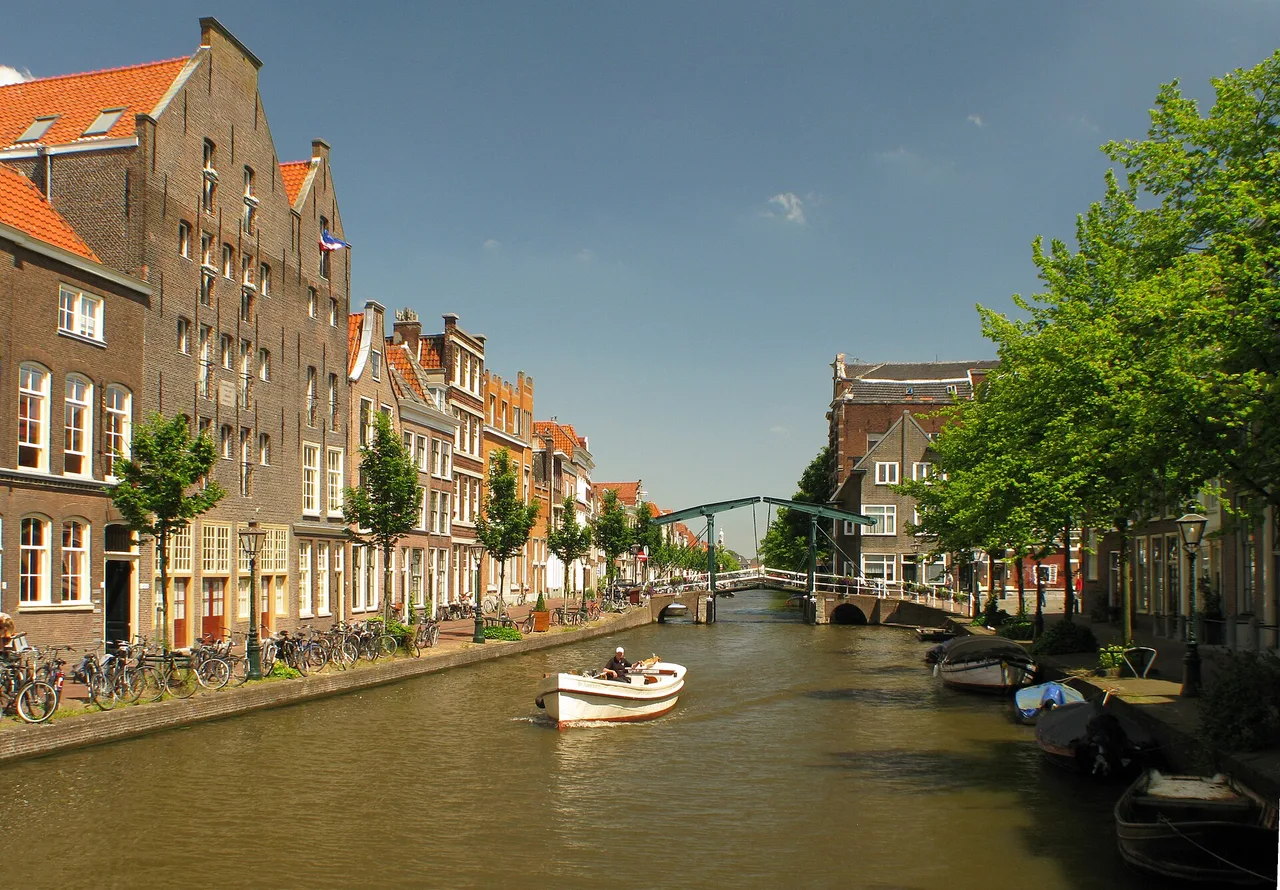
The Rhine starts in the Swiss Alps. One of its old branches ends at Katwijk, where sluices and a pumping station let the water out into the sea.
Photo: Erik Zachte, Wikimedia Commons, CC BY-SA 3.0.
Tap the right answer
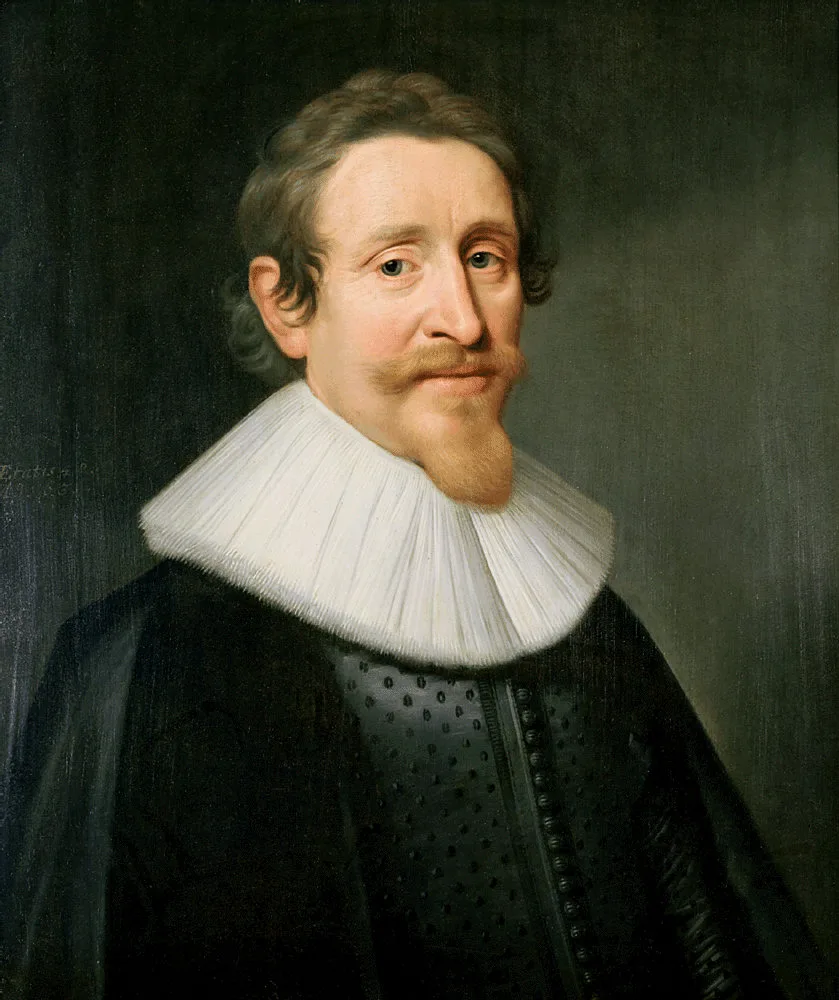
Grotius was locked up in Loevestein Castle and was allowed to have books brought in. His wife hid him in the book chest, and it was carried out of the castle. Two museums both say they have the real chest.
Photo: Michiel Jansz. van Mierevelt, Wikimedia Commons, Public domain.
Tap the right answer
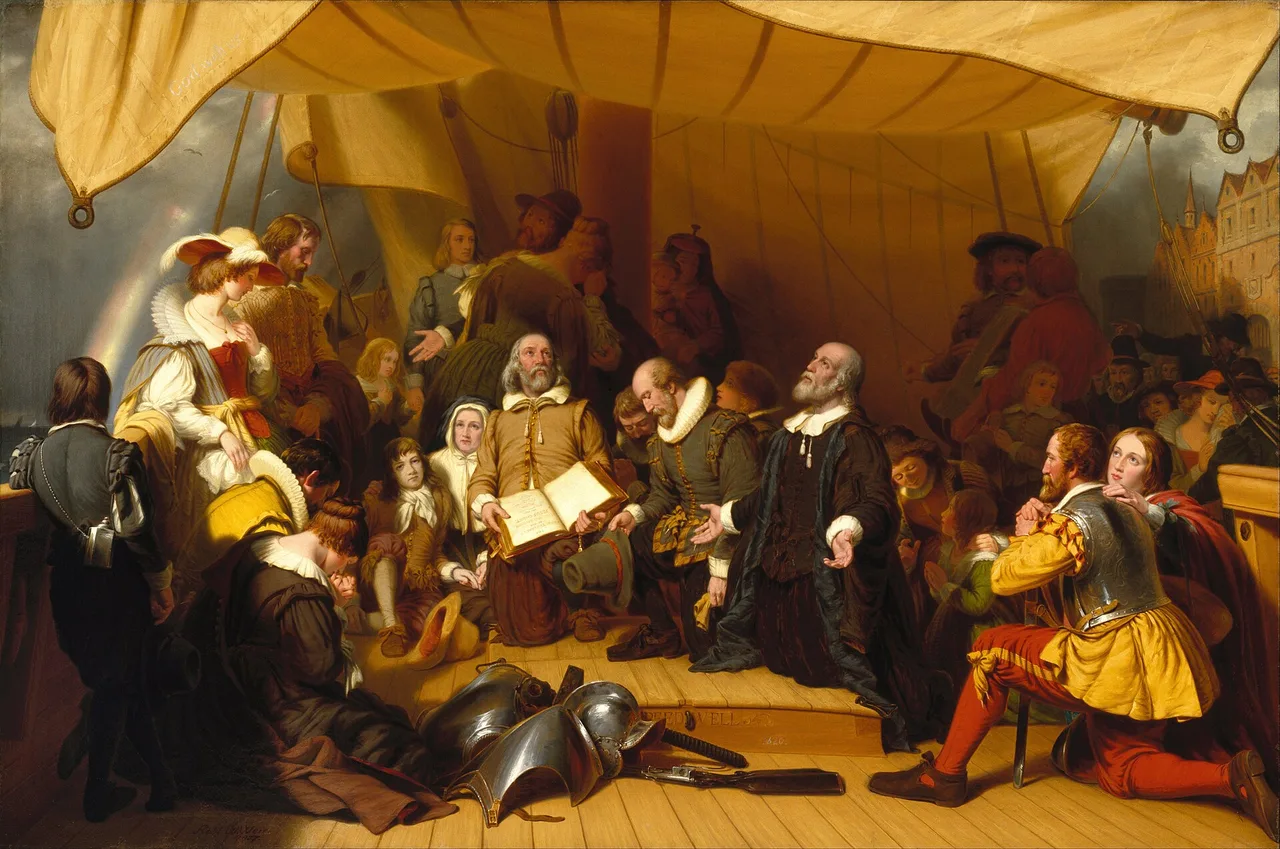
The Pilgrims came to Leiden for the freedom to practise their faith. Many worked in the cloth trade. In 1620 they left by boat from Delfshaven and later crossed the ocean on the Mayflower.
Photo: Robert Walter Weir, Wikimedia Commons, Public domain.


Want to make a quiz like this yourself? Do it on Votur, it's free.
Paste the code into your page. The player fits itself in, and every vote counts in Votur.
On WordPress, Ghost or Squarespace? Just paste the link of this page into your post.
This is how it looks
Also fun