Get app
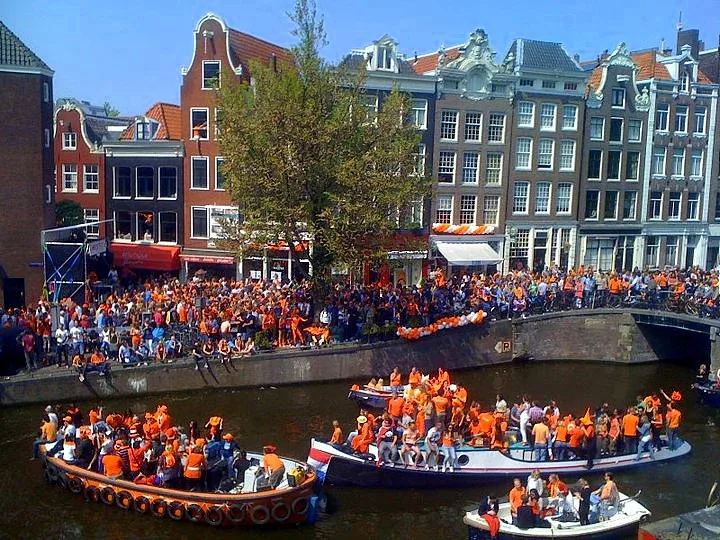
 Photo: Andrés Barrios, Wikimedia Commons, CC BY-SA 4.0.
Test your knowledge of Dutch culture, history, geography, and famous landmarks! Discover fascinating facts about this unique European nation.
Canal Cruiser 0–4 · Bike Lane Navigator 5–8 · Dike Defender 9–10
Pick one

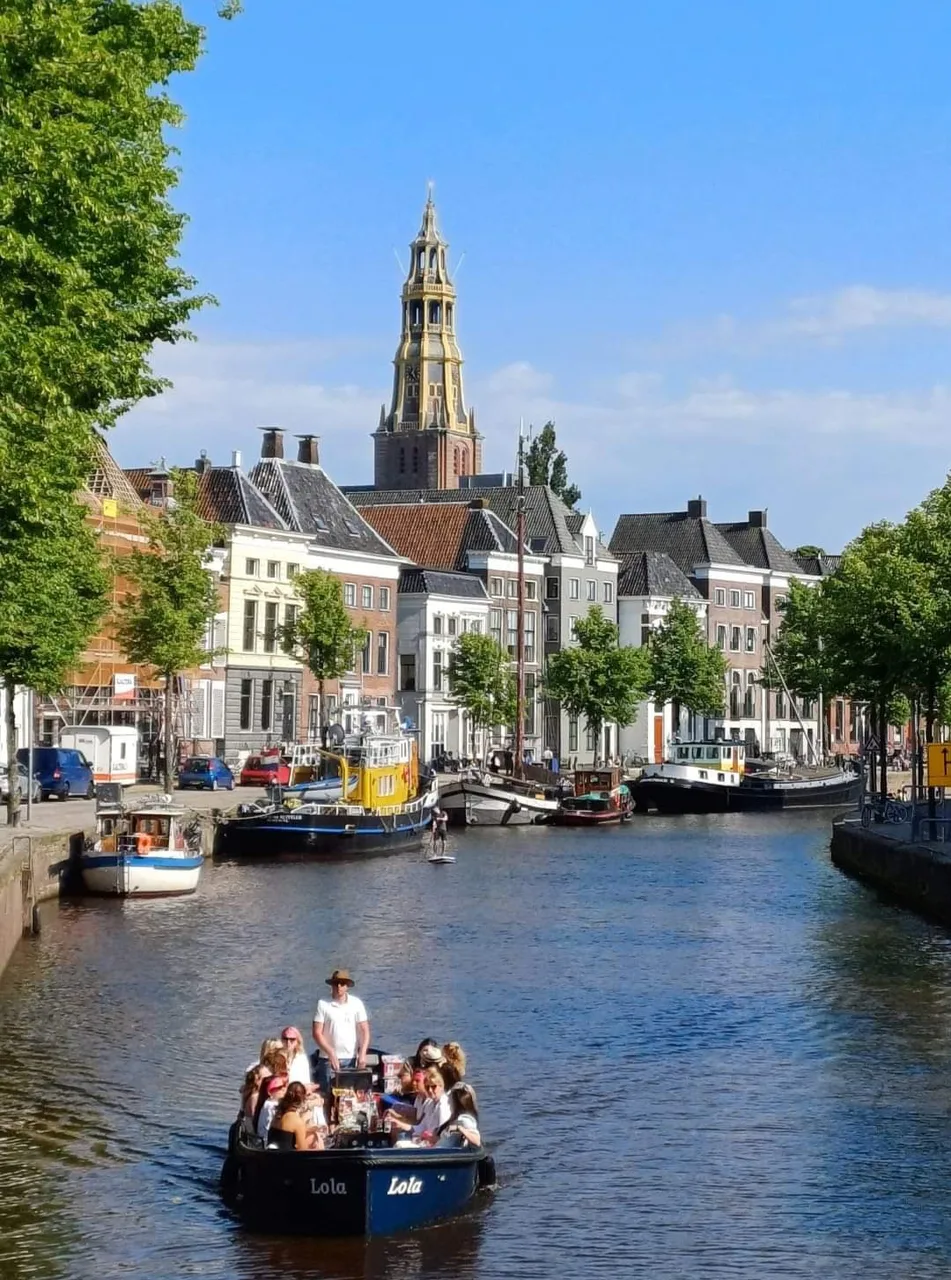
The Netherlands is renowned for its cycling culture, with more bicycles than people. Extensive, well-maintained cycle paths and a flat landscape make it an ideal country for biking, serving as a primary mode of transport for many citizens, often even for daily commutes.
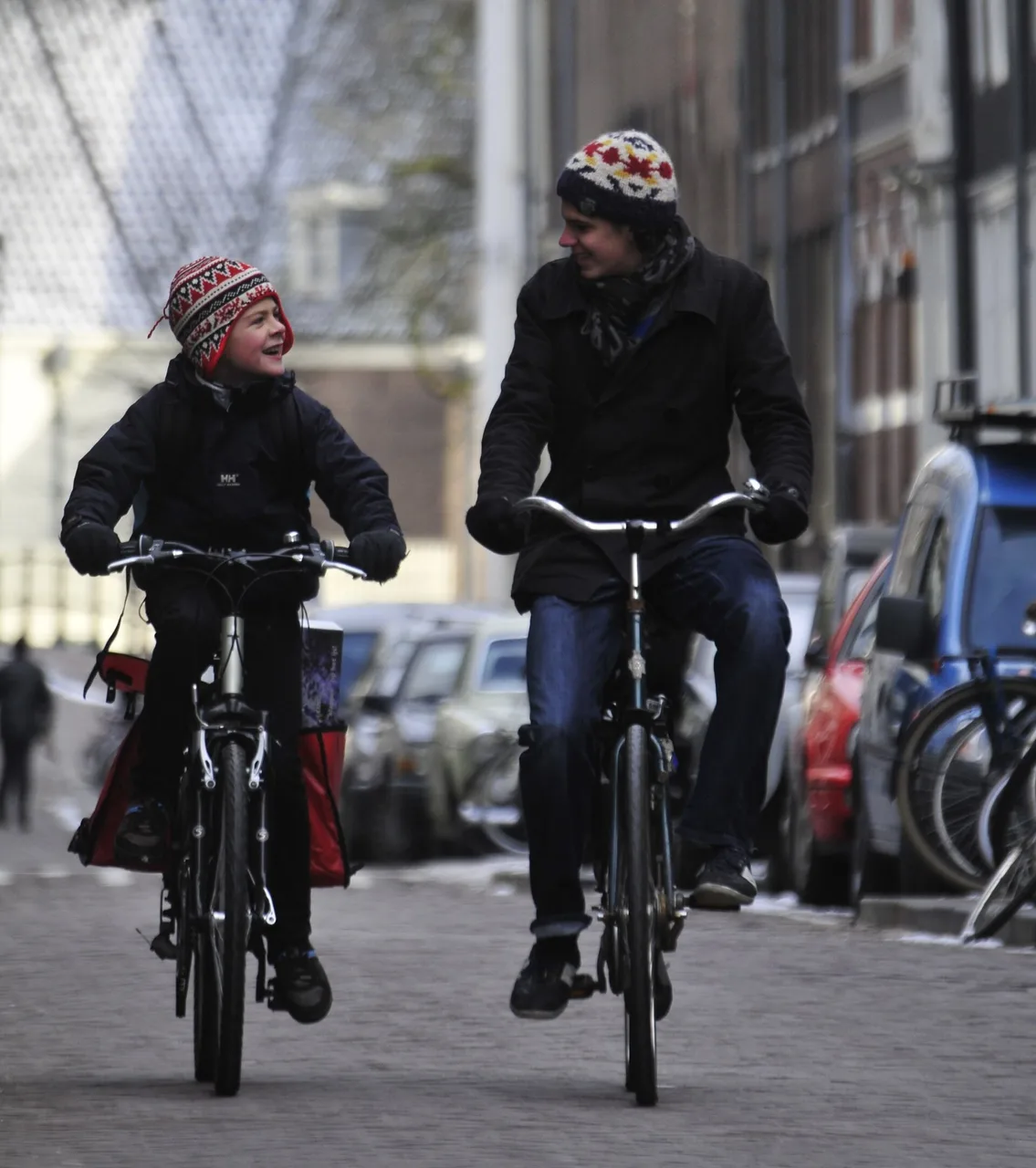
Photo: Marc van Woudenberg, Wikimedia Commons, CC BY-SA 2.0.
Pick one
While The Hague is the seat of the Dutch government, parliament, and royal residence, Amsterdam is constitutionally recognized as the capital of the Netherlands. This unique arrangement means the political heart of the country is separate from its formal capital, which is also its largest city.
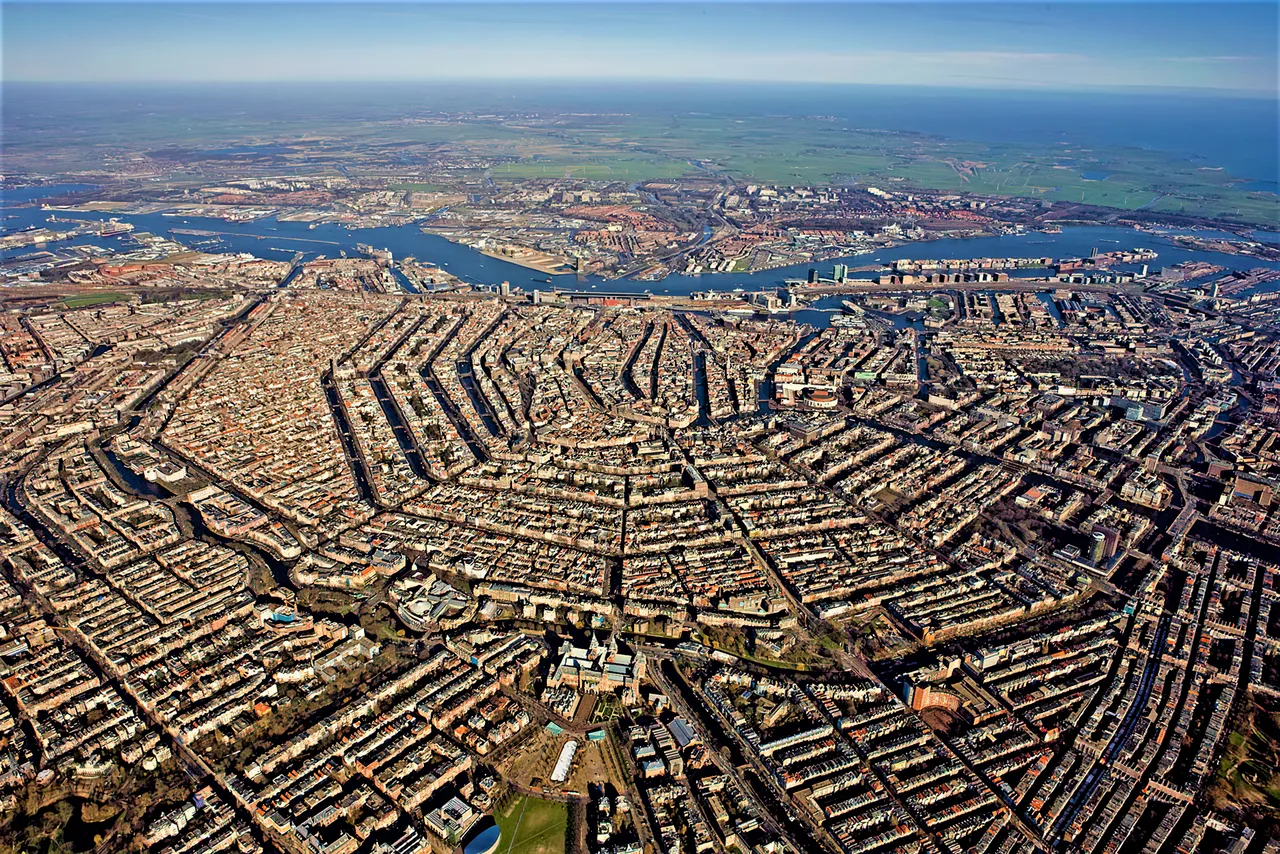
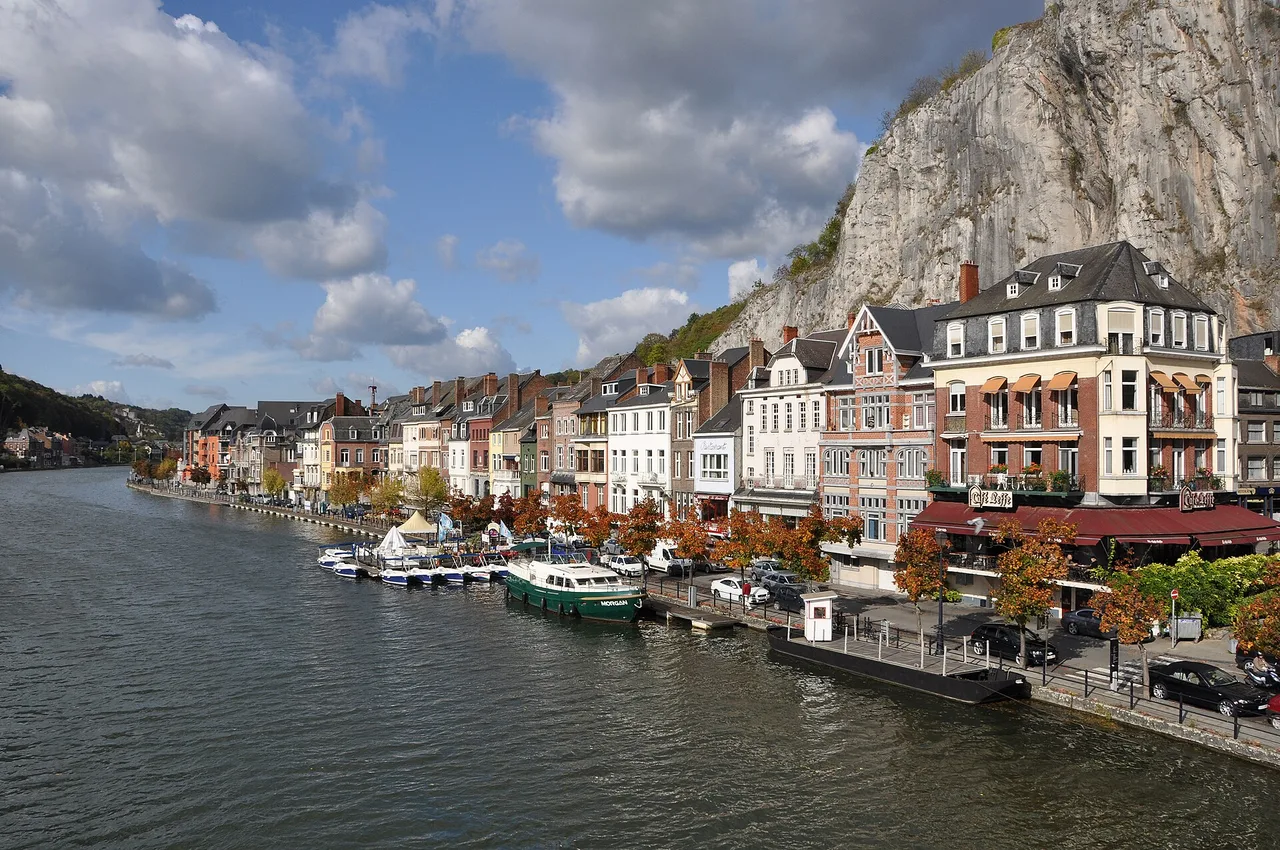
Photo: Andrés Barrios, Wikimedia Commons, CC BY-SA 4.0.
Pick one
Tulips originated in Central Asia and were introduced to the Netherlands from Turkey in the 16th century. They quickly became immensely popular, leading to "Tulip Mania" in the 17th century, and remain an iconic symbol of Dutch culture and horticulture today, with vast fields blooming each spring.
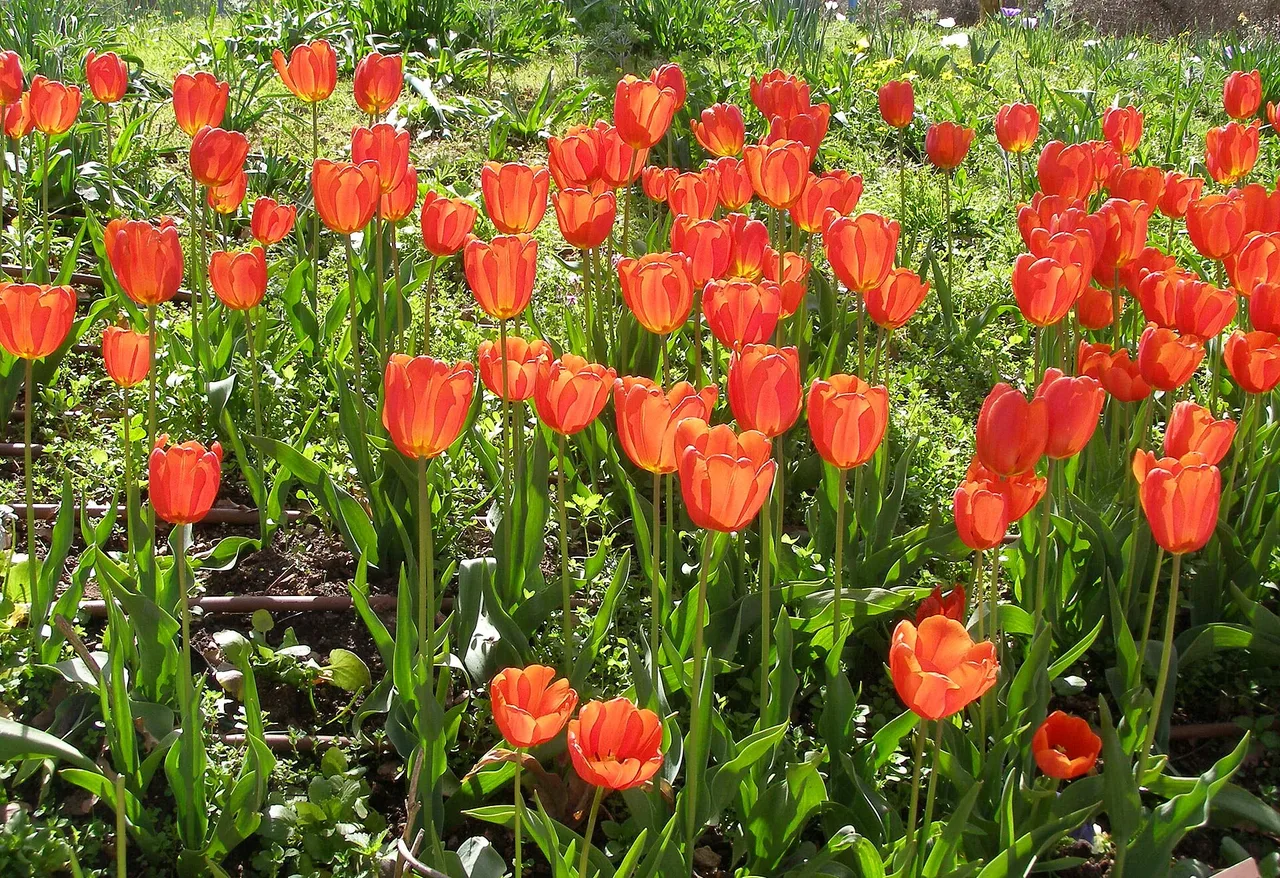
Photo: Dina L, Wikimedia Commons, CC0.
Pick one
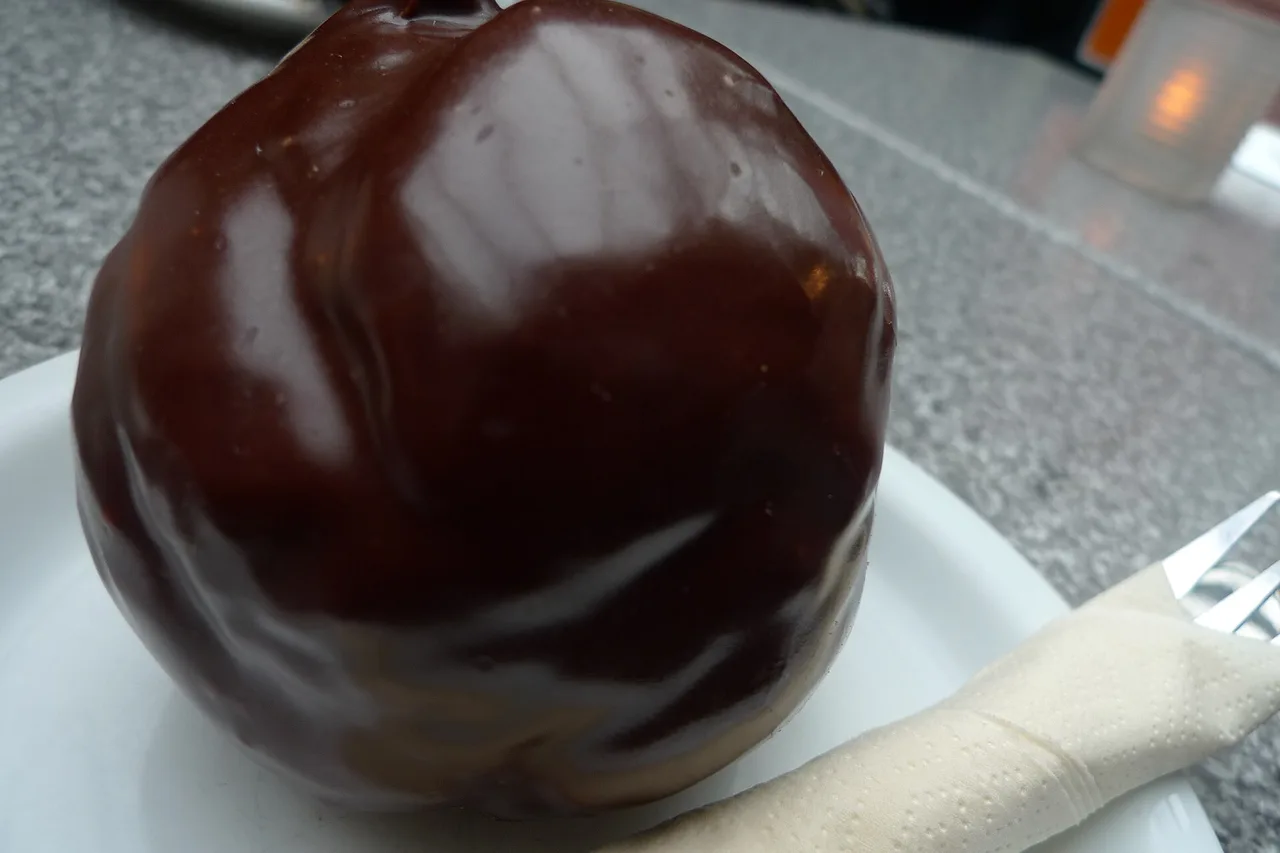
The stroopwafel is a beloved Dutch cookie, traditionally warmed over a cup of hot tea or coffee before eating, which softens the caramel filling. Oliebollen are deep-fried dough balls, often dusted with powdered sugar, typically eaten during New Year's Eve celebrations.

Photo: Takeaway, Wikimedia Commons, CC BY-SA 3.0.
Pick one
Rembrandt van Rijn is considered one of the greatest painters in Dutch history, celebrated for his mastery of light and shadow in works like "The Night Watch." Vermeer, another Dutch master, is famous for his exquisite domestic scenes, most notably "Girl with a Pearl Earring."
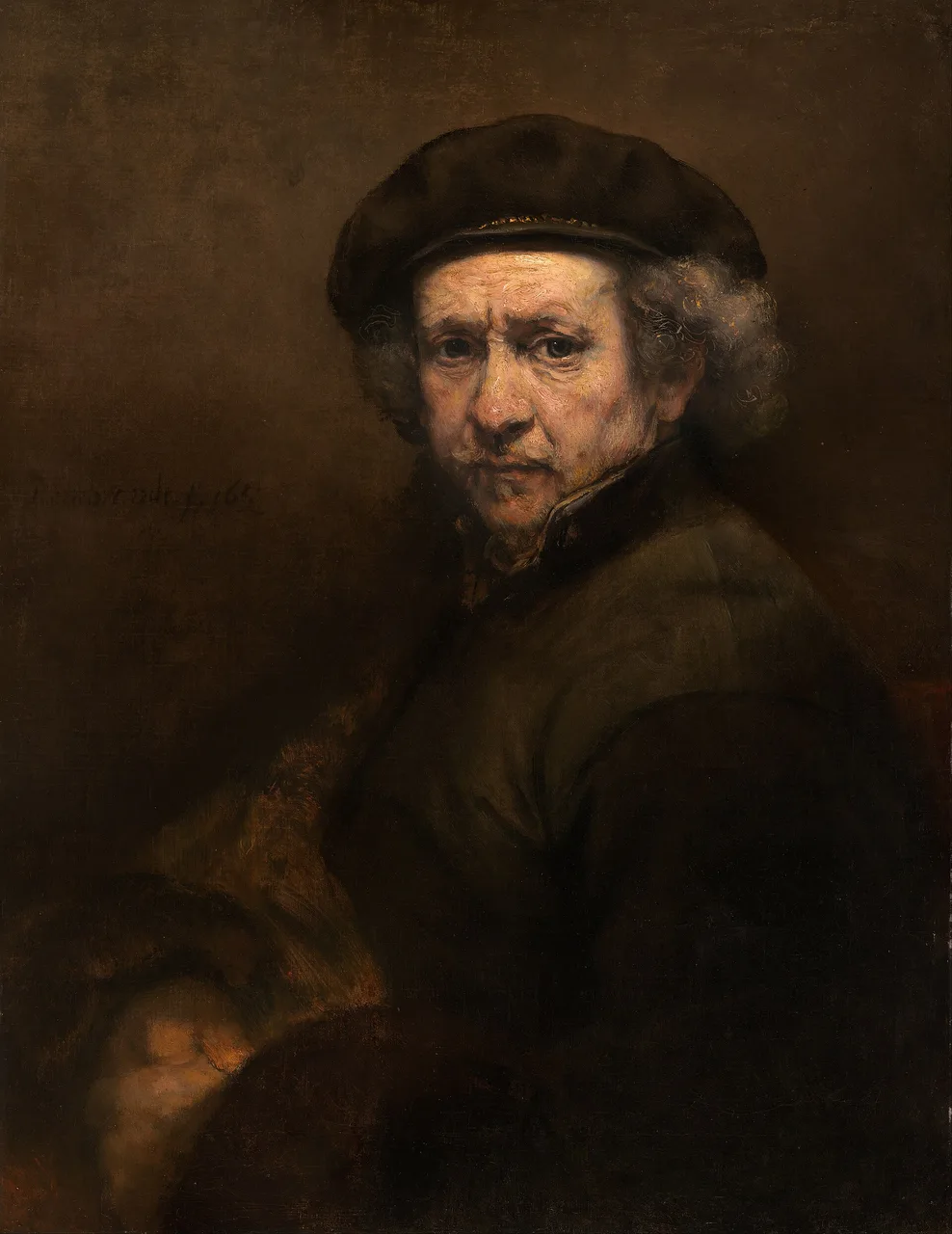
Photo: Rembrandt, Wikimedia Commons, Public domain.
Pick one
Polders are low-lying tracts of land enclosed by dikes, from which water has been pumped out. About 26% of the Netherlands is below sea level, and 17% of its total land area is made up of polders, demonstrating an extraordinary feat of engineering and human perseverance against the sea.
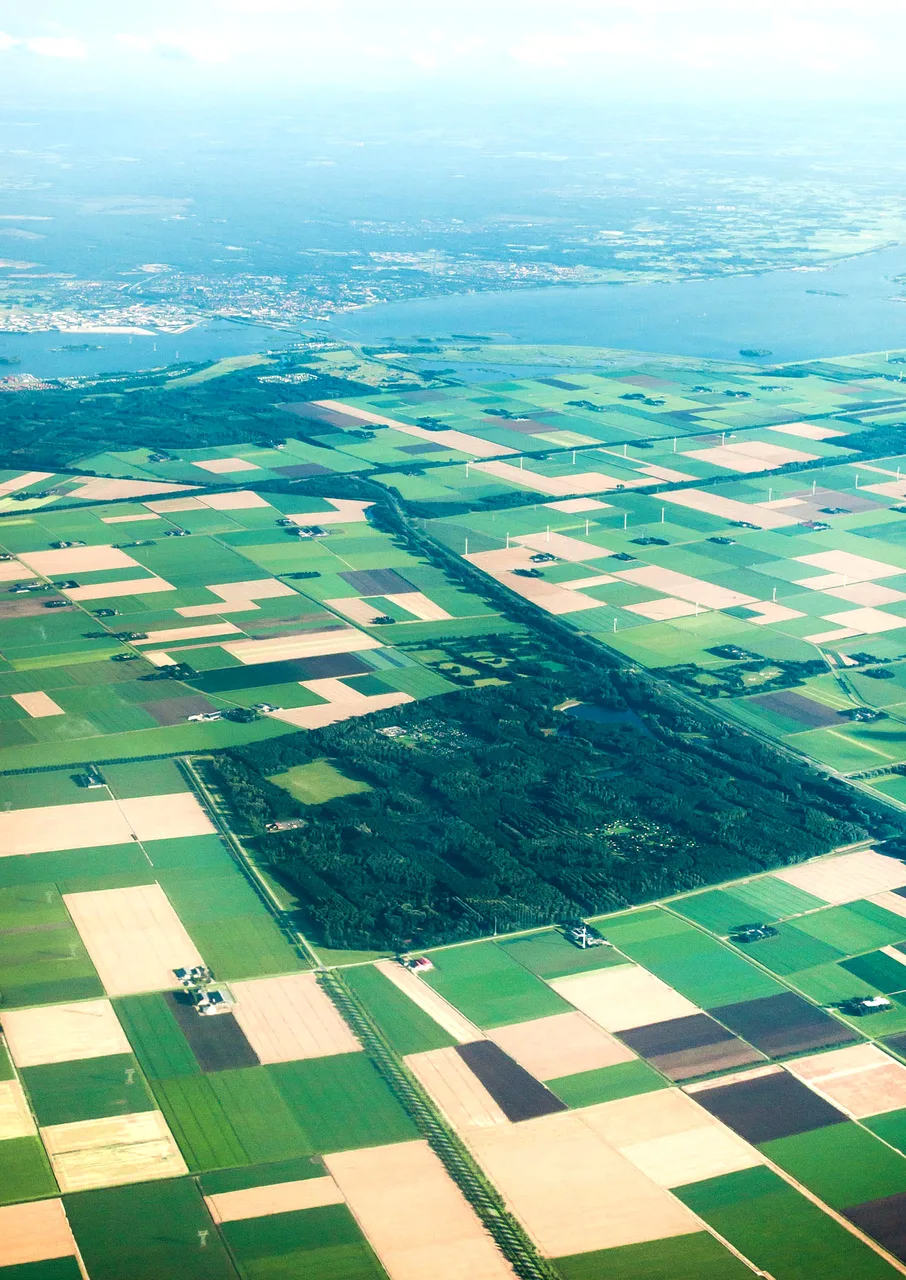
Photo: Takeaway, Wikimedia Commons, CC BY-SA 3.0.
Pick one
After the North Sea flood of 1953, the Netherlands built the Delta Works between 1954 and 1997: a chain of dams, sluices and storm barriers in Zeeland and South Holland. The Eastern Scheldt barrier is about 9 km long, and its giant gates normally stay open so the tides can flow in and out. The Afsluitdijk is much older (1932) and lies in the north.
Pick one
The House of Orange-Nassau has played a central role in the history of the Netherlands since the 16th century, leading the Dutch Revolt against Spanish rule. Its members have been stadtholders and later kings and queens of the Netherlands, a lineage that continues with King Willem-Alexander.
Pick one
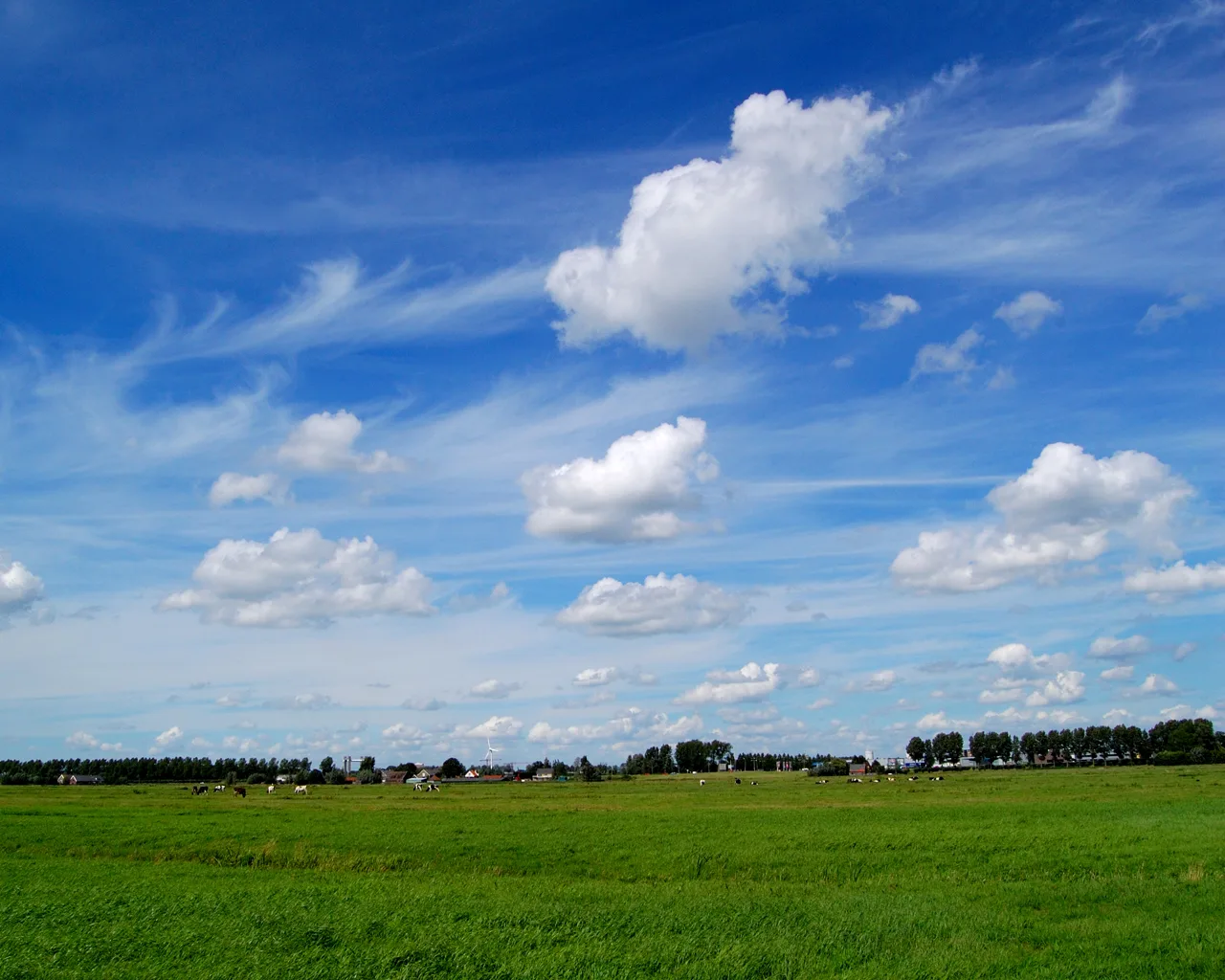
The Zuidplaspolder, near Rotterdam, lies 6.76 metres below sea level: the lowest point in the Netherlands and, together with Lammefjord in Denmark, one of the lowest in the European Union. The Haarlemmermeer, the polder where Schiphol Airport lies, is below sea level too, but not as deep.
Photo: Moody at Dutch Wikipedia (Original text: Dick Mudde), Wikimedia Commons, CC BY-SA 3.0.
Pick one
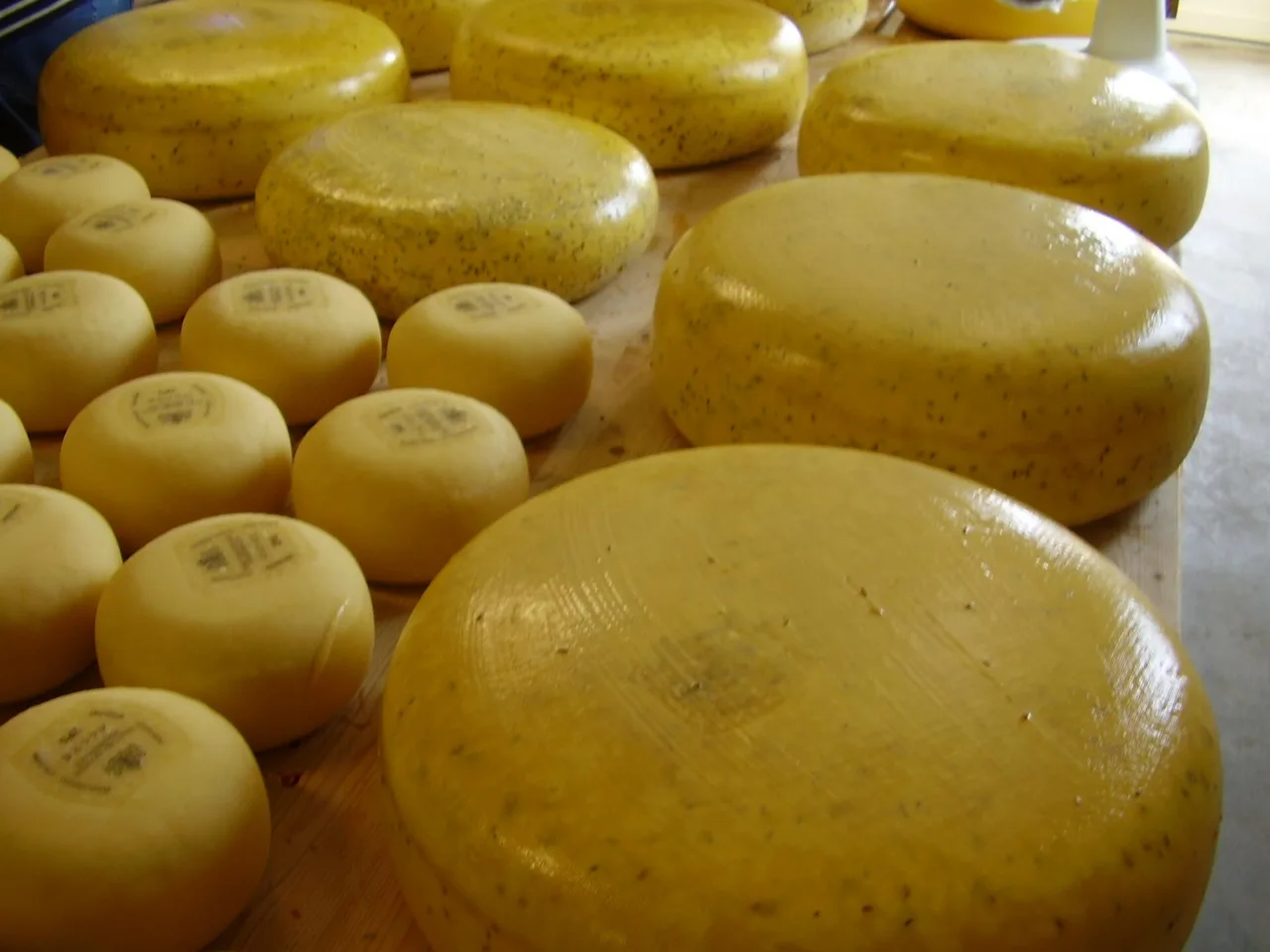
Gouda is one of the most famous Dutch cheeses, named after the city of Gouda, where it has been traded for centuries. It's known for its characteristic wheel shape and can range from young and creamy to aged and hard with a rich, complex taste. Brie is a soft French cheese.

Photo: No machine-readable author provided. Alpha.prim~commonswiki assumed (based on co, Wikimedia Commons, Public domain.


Paste the code into your page. The player fits itself in, and every vote counts in Votur.
On WordPress, Ghost or Squarespace? Just paste the link of this page into your post.
This is how it looks
Also fun