Get app
 Photo: Sage Ross, Wikimedia Commons, CC BY-SA 4.0.
How well do you know the tiny supercomputers in your pocket? Test your knowledge on the history, technology, and culture of the ubiquitous smartphone!
Casual Scroller 0–4 · Tech Enthusiast 5–8 · Silicon Guru 9–10
Pick one

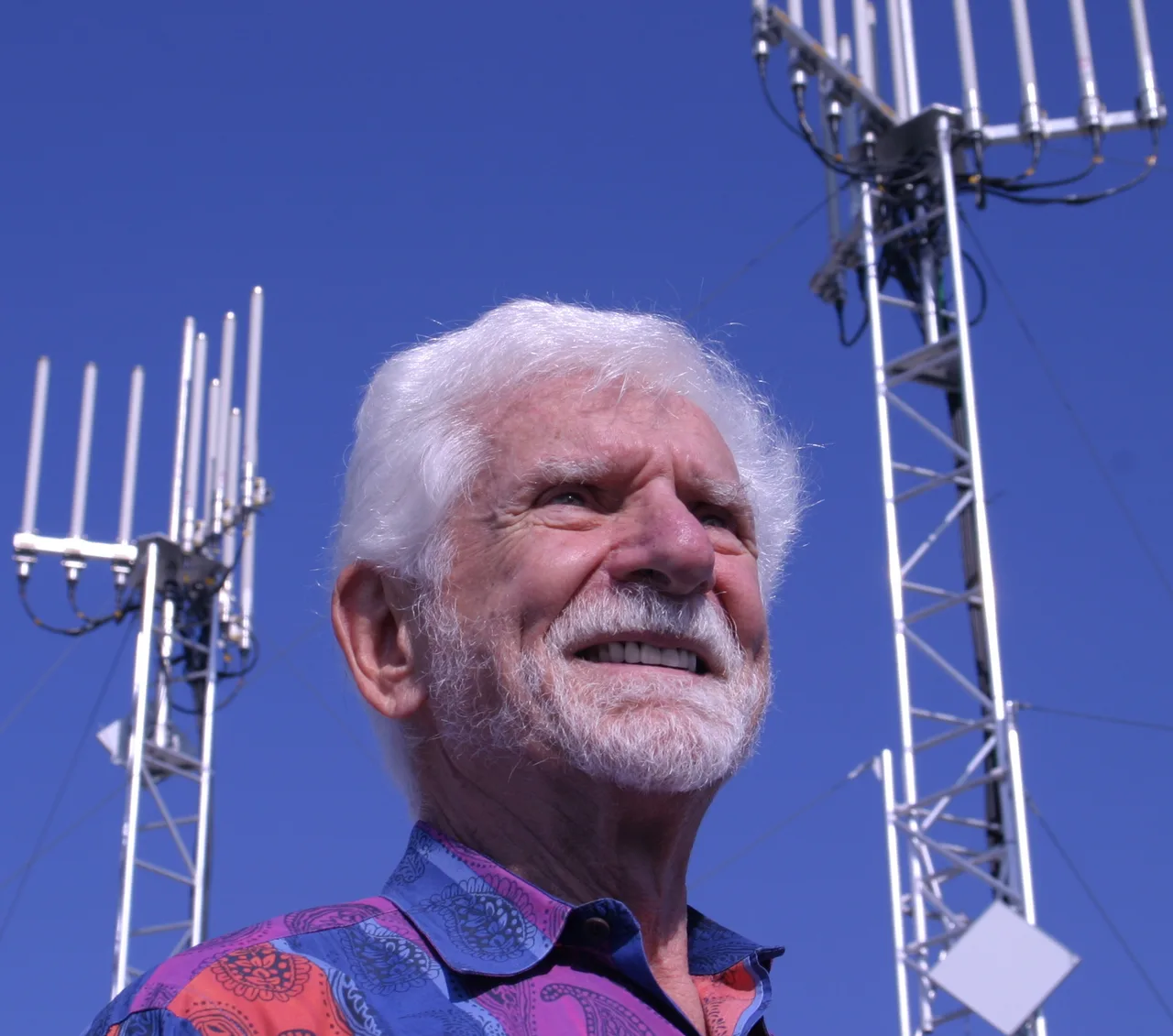
Martin Cooper of Motorola made the historic first call to his rival, Joel Engel of Bell Labs, using a prototype DynaTAC phone. That hefty device weighed over two pounds and took ten hours to charge for just thirty minutes of talk time.
Photo: GS200, Wikimedia Commons, CC BY-SA 3.0.
Pick one
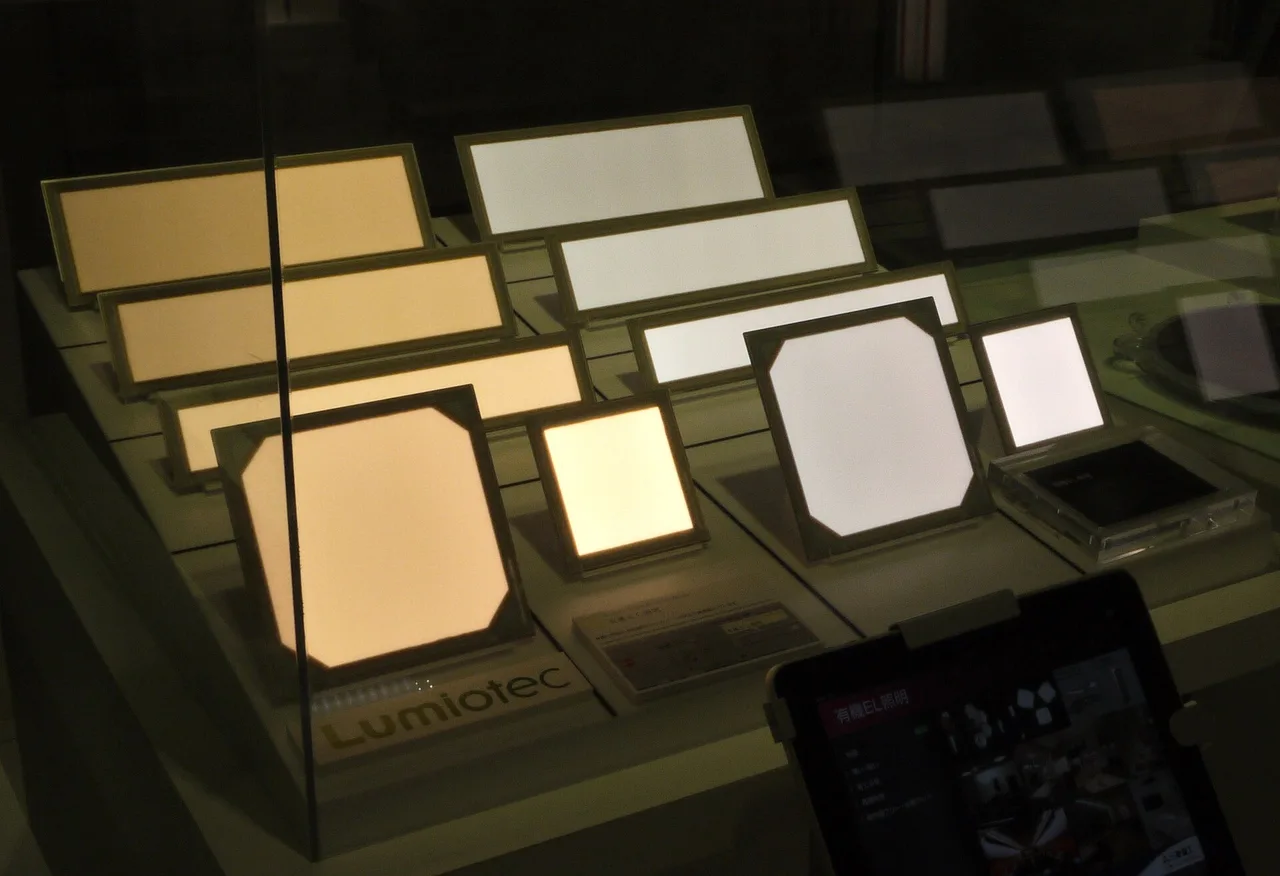
OLED screens do not require a single background backlight. Because each pixel emits its own light, displaying black simply means turning those pixels completely off, which saves precious battery power and offers infinite contrast.
Photo: STRONGlk7, Wikimedia Commons, CC BY-SA 3.0.
Pick one
Blue light mimics daylight, tricking our brains into stopping the release of melatonin, the hormone responsible for sleep. Using 'night mode' shifts the screen to warmer tones to help reduce this sleep-disrupting effect.
Pick one
An eSIM (embedded SIM) replaces the physical plastic card with a small chip soldered directly to the phone's circuit board. This allows users to switch carriers or activate cellular plans instantly over the air without waiting for a physical card.
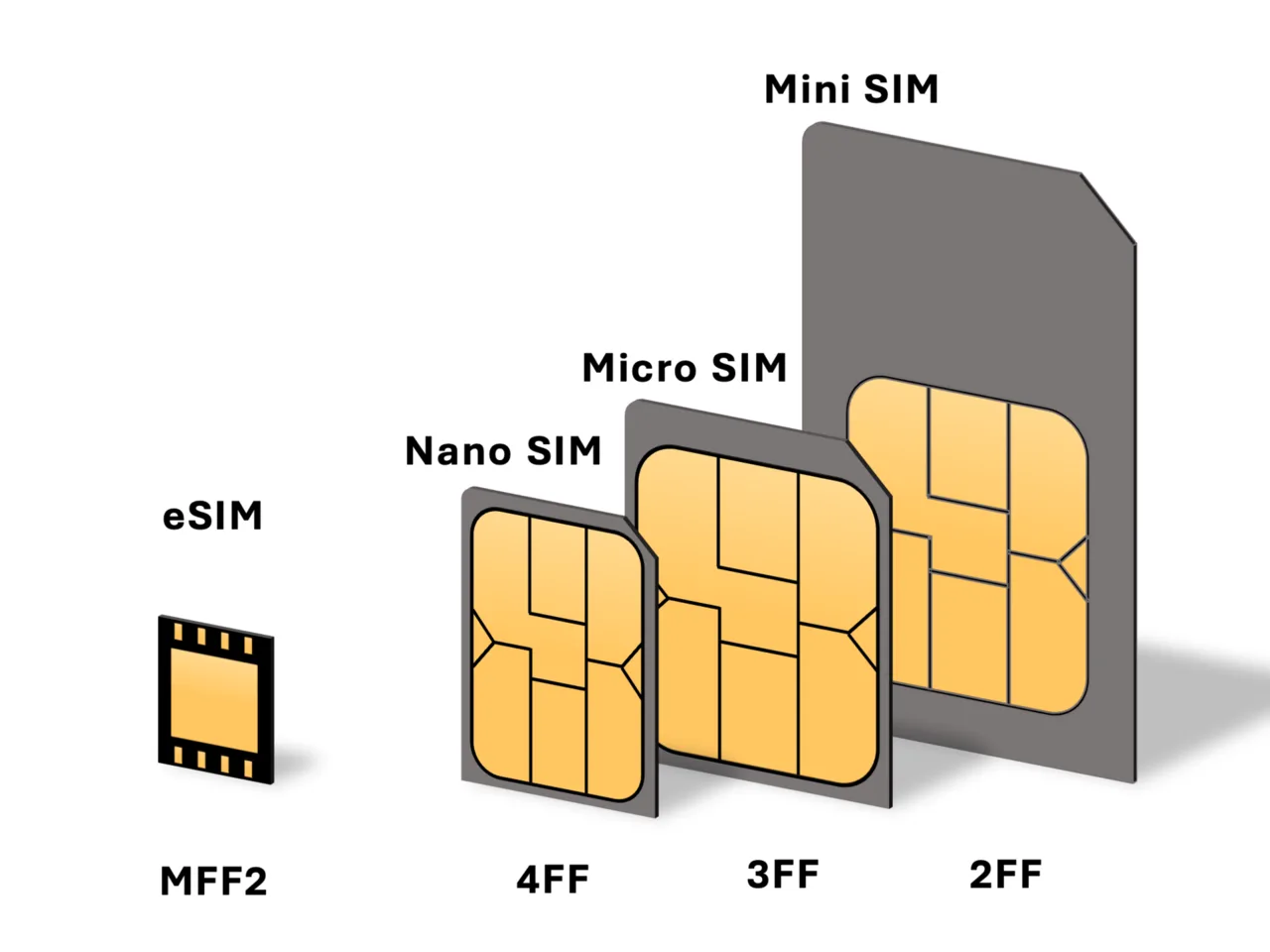
Photo: Jbond2018, Wikimedia Commons, CC0.
Pick one
The IBM Simon Personal Communicator combined a mobile phone and a PDA, featuring a monochrome touchscreen and early built-in apps like a calendar and address book. The Nokia 9000 Communicator, while highly influential, came later in 1996.

Photo: IBM, Wikimedia Commons, Public domain.
Pick one
Although the first iPhone launched in 2007, the App Store opened in July 2008 alongside the iPhone 3G. It debuted with just 500 apps, but achieved an astonishing ten million downloads in its very first weekend of operation.
Pick one
Corning developed Gorilla Glass, which is chemically strengthened to resist scratches and drops. In a famous tech story, Steve Jobs personally contacted Corning's CEO to secure this durable glass for the very first iPhone model.
Photo: John Karakatsanis, Wikimedia Commons, CC BY 2.0.
Pick one
Nomophobia (short for 'no mobile phone phobia') describes the anxiety people feel when they lose signal, run out of battery, or misplace their device. Studies show that a majority of mobile users experience some degree of this modern stress.
Pick one
Optical Image Stabilization (OIS) uses tiny gyroscopes and motors to physically shift the camera elements. This mechanical adjustment keeps your photos sharp and videos smooth, especially in low-light conditions where exposure times are longer.
Pick one
Near-field communication (NFC) operates at a very short range, usually under four centimeters, to securely transmit encrypted payment tokens. This extremely close range is a built-in security feature that prevents accidental transactions.


Paste the code into your page. The player fits itself in, and every vote counts in Votur.
On WordPress, Ghost or Squarespace? Just paste the link of this page into your post.
This is how it looks
Also fun