 Get app
Think electric cars are a brand-new invention? Test your knowledge on the surprising history, quirky science, and global records of battery-powered vehicles!
Spark Seeker 0–4 · Charge Cruiser 5–8 · Grid Master 9–10

Tap the right answer
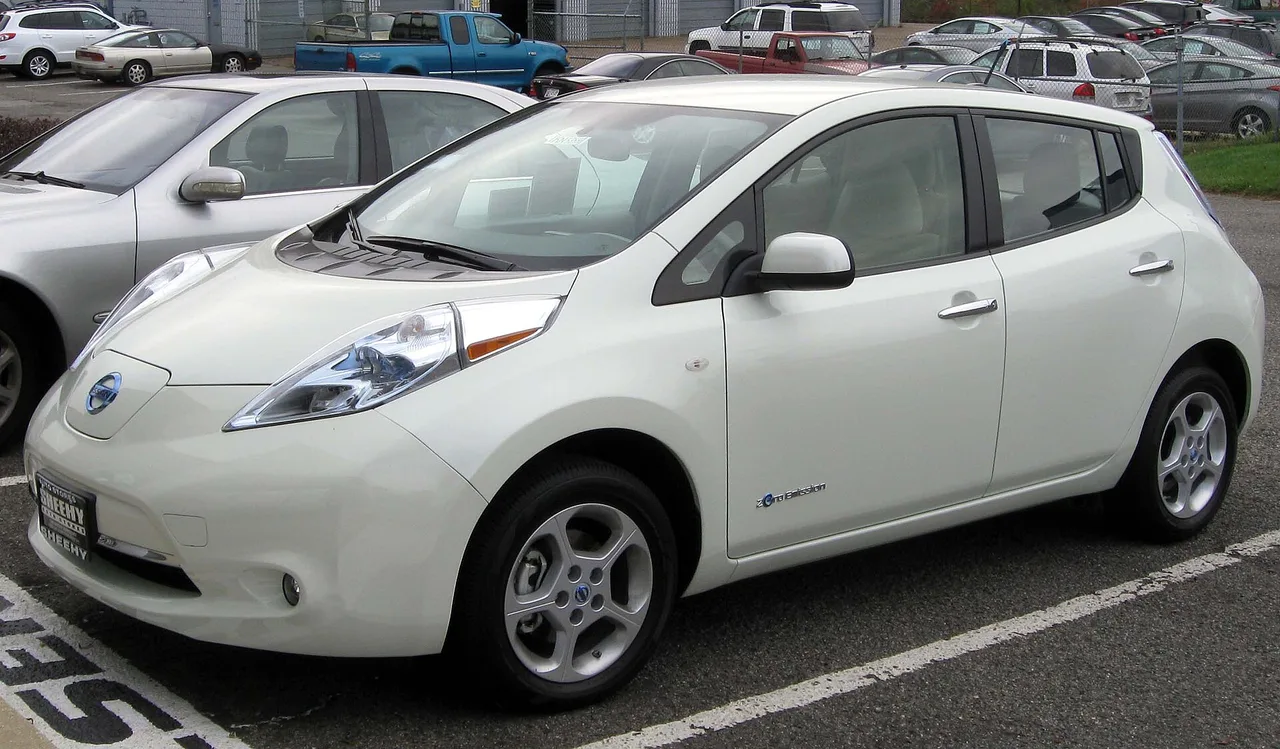
Electric motors are incredibly quiet at low speeds, making them difficult for pedestrians, especially those with visual impairments, to hear. Safety regulations now require electric vehicles to emit an artificial sound when traveling slowly. Once the car speeds up, the natural noise of the tires on the road is loud enough to make the artificial hum unnecessary.
Photo: IFCAR, Wikimedia Commons, Public domain.
Tap the right answer
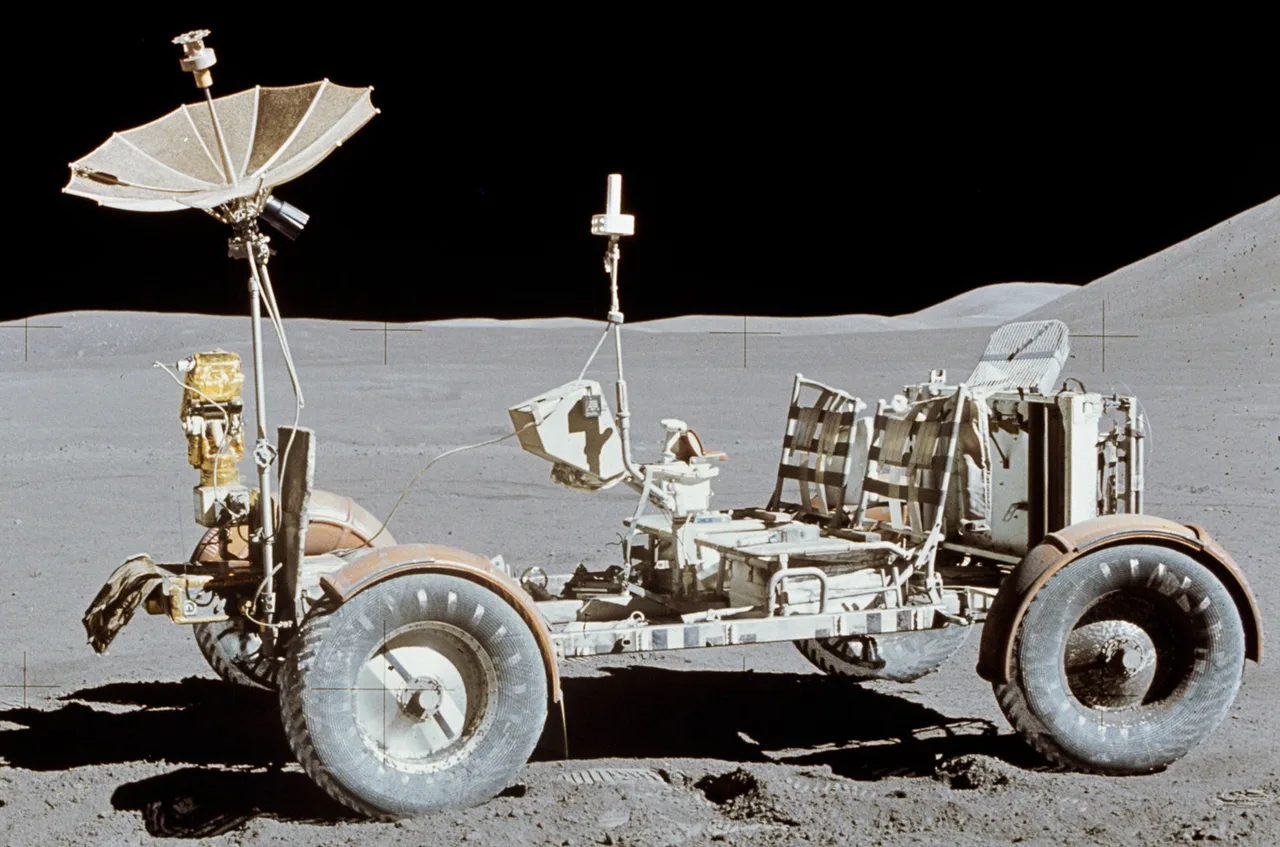
NASA's famous Moon buggies used during the Apollo 15, 16, and 17 missions were completely electric. They relied on non-rechargeable silver-zinc batteries to operate in the vacuum of space. These lightweight vehicles could reach a top speed of about 8 miles per hour, and their tires were made of woven steel piano wire rather than rubber.
Photo: NASA/Dave Scott; cropped by User:Bubba73, Wikimedia Commons, Public domain.
Tap the right answer
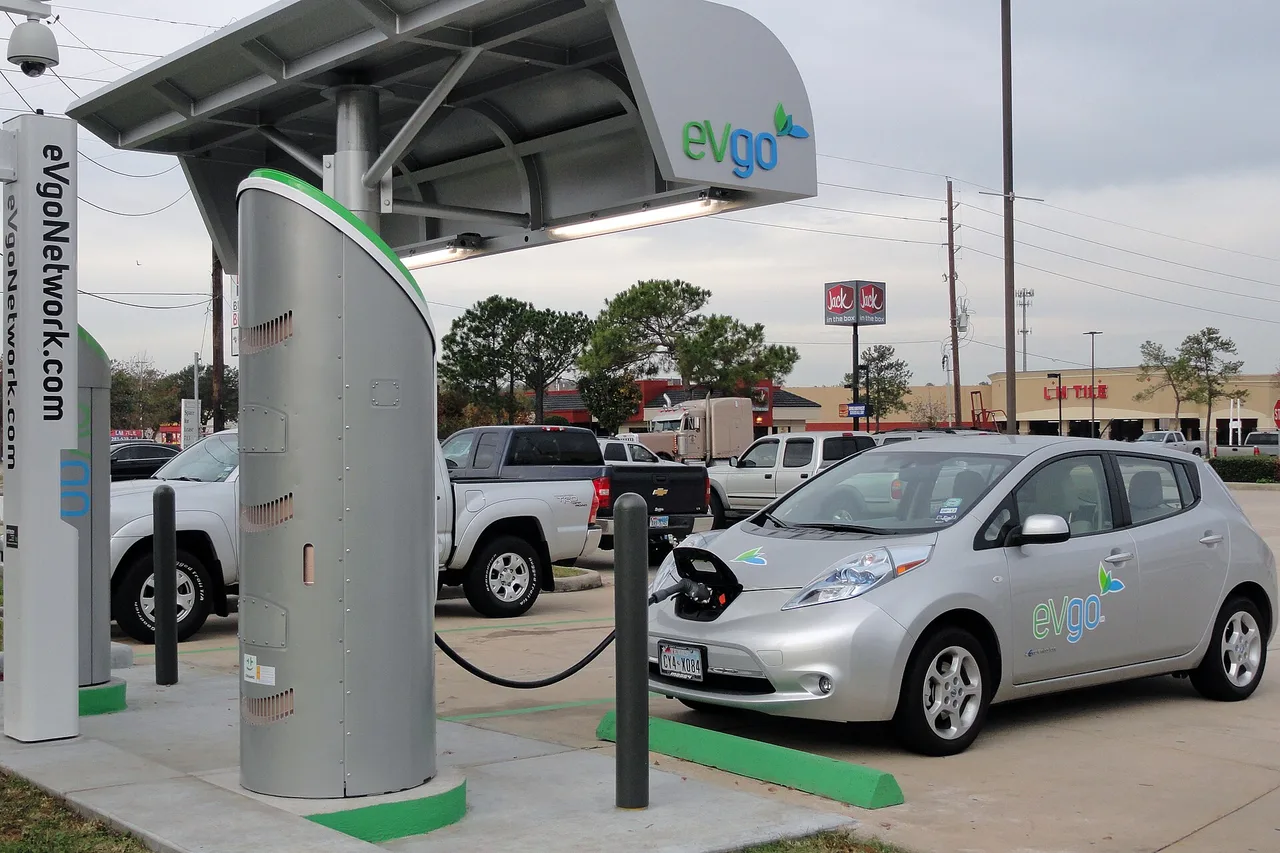
Range anxiety is the fear that an electric vehicle will run out of battery power before the driver can find a charging station, leaving them stranded. While early electric cars had limited ranges of under 80 miles, modern battery technology and expanding charging networks have greatly reduced this concern for everyday drivers.
Photo: evgonetwork (eVgo Network). Original image was trimmed and retouched (lighting a, Wikimedia Commons, CC BY 2.0.
Tap the right answer
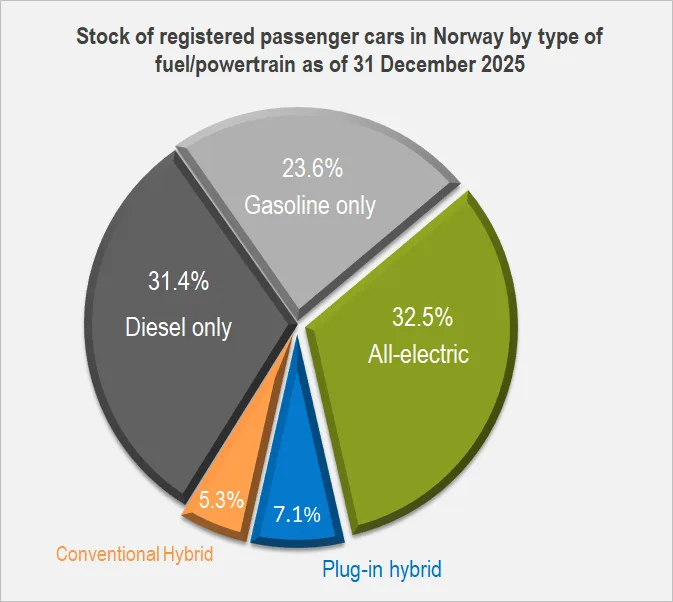
In 2020, fully electric cars made up more than half of all new car sales in Norway, a world first. The government helped by scrapping heavy car taxes for electric models and giving them perks like free toll roads and access to bus lanes. Since then, petrol cars have become a rare sight in Norwegian showrooms.
Photo: Mariordo, Wikimedia Commons, CC BY-SA 4.0.
Tap the right answer
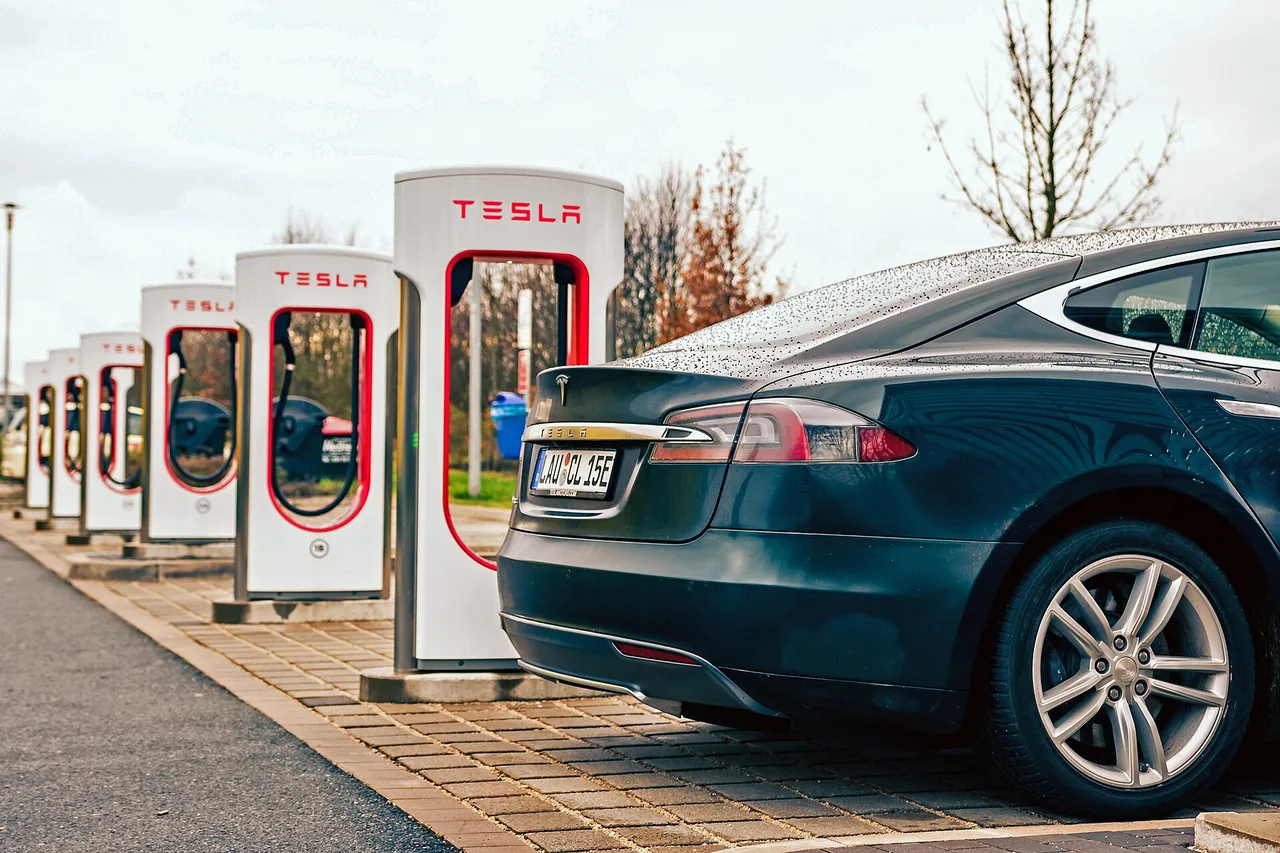
Electric motors can deliver maximum torque at zero RPM and can spin efficiently up to very high speeds. Because of this wide operating range, most electric cars only need a single-speed gearbox rather than a complex multi-speed transmission. This reduces mechanical complexity, lowers the vehicle's weight, and eliminates the need for gear shifting.
Photo: Model S charging at a Tesla station.jpg : Jakob Härter derivative work: Mariordo, Wikimedia Commons, CC BY-SA 2.0.

Tap the right answer
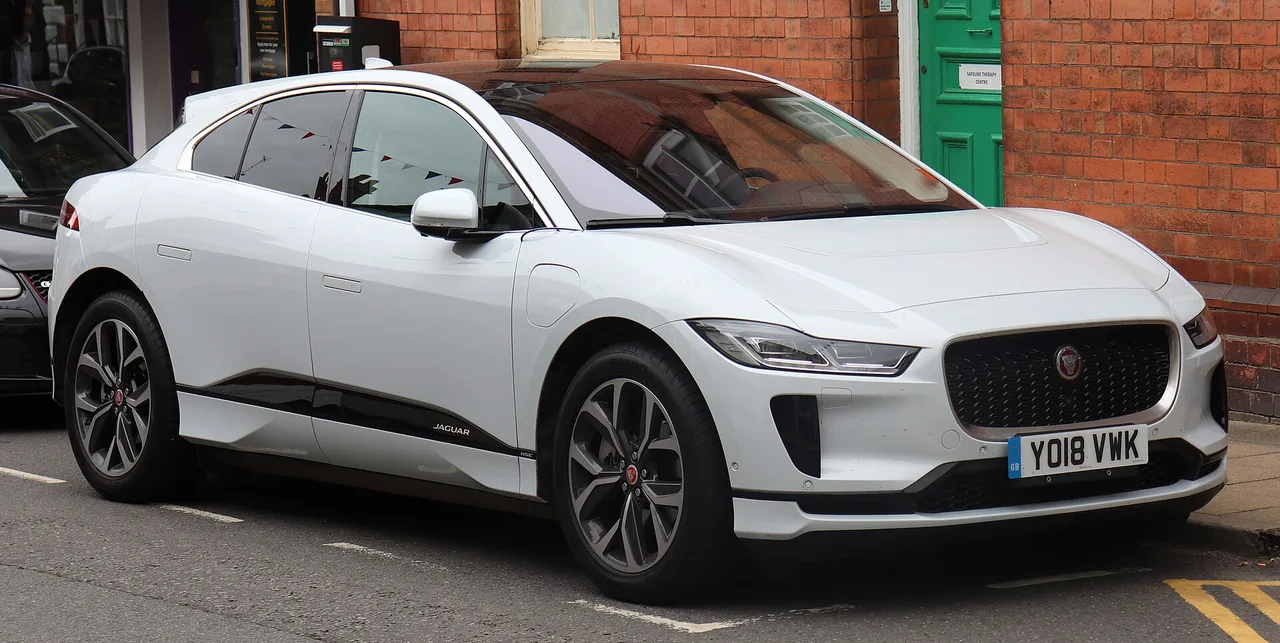
Henry Ford bought his wife, Clara, a Detroit Electric car. At the time, early gasoline cars like the Model T were noisy, vibrated heavily, and required a physically demanding hand crank to start. Clara Ford preferred the quiet, clean, and instant-start convenience of her electric vehicle, which she drove for years.
Photo: Power Wagons, Wikimedia Commons, Public domain.
Tap the right answer
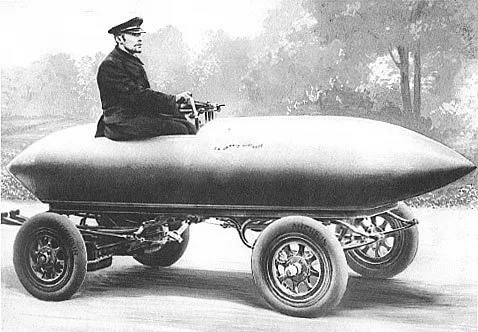
Electric vehicles are much older than most people realize. Inventors in countries like France, Great Britain, and the United States built the first practical electric cars in the late 19th century. Around the year 1900, electric cars were actually more popular than gasoline cars because they were quiet, did not smell, and did not require a hand crank to start.
Photo: Vauxford, Wikimedia Commons, CC BY-SA 4.0.
Tap the right answer
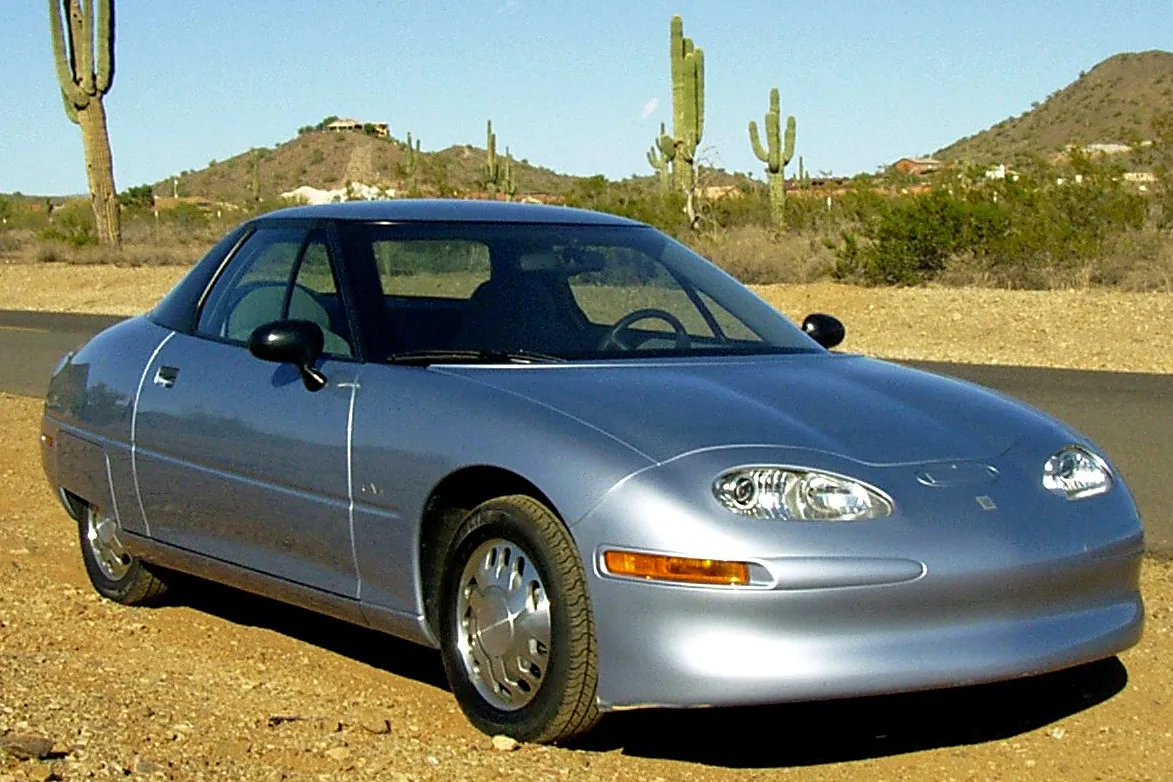
A torpedo-shaped electric car named "La Jamais Contente" (The Never Satisfied) set the world land speed record in France. Driven by Camille Jenatzy, it reached over 105 kilometers per hour. The car featured a lightweight alloy body and two electric motors, proving the high-performance potential of electric propulsion long before gasoline engines dominated.
Photo: Wikimedia Commons, Public domain.
Tap the right answer
The GM EV1 was a highly advanced electric car that gained a passionate cult following. However, General Motors decided to cancel the program, citing high costs and a limited market. Because the cars were only leased, the company gathered them up and crushed the vast majority, an event that inspired a famous documentary film.
Photo: EV1A014_(1).jpg : RightBrainPhotography (Rick Rowen) derivative work: Mariordo, Wikimedia Commons, CC BY-SA 2.0.
Tap the right answer
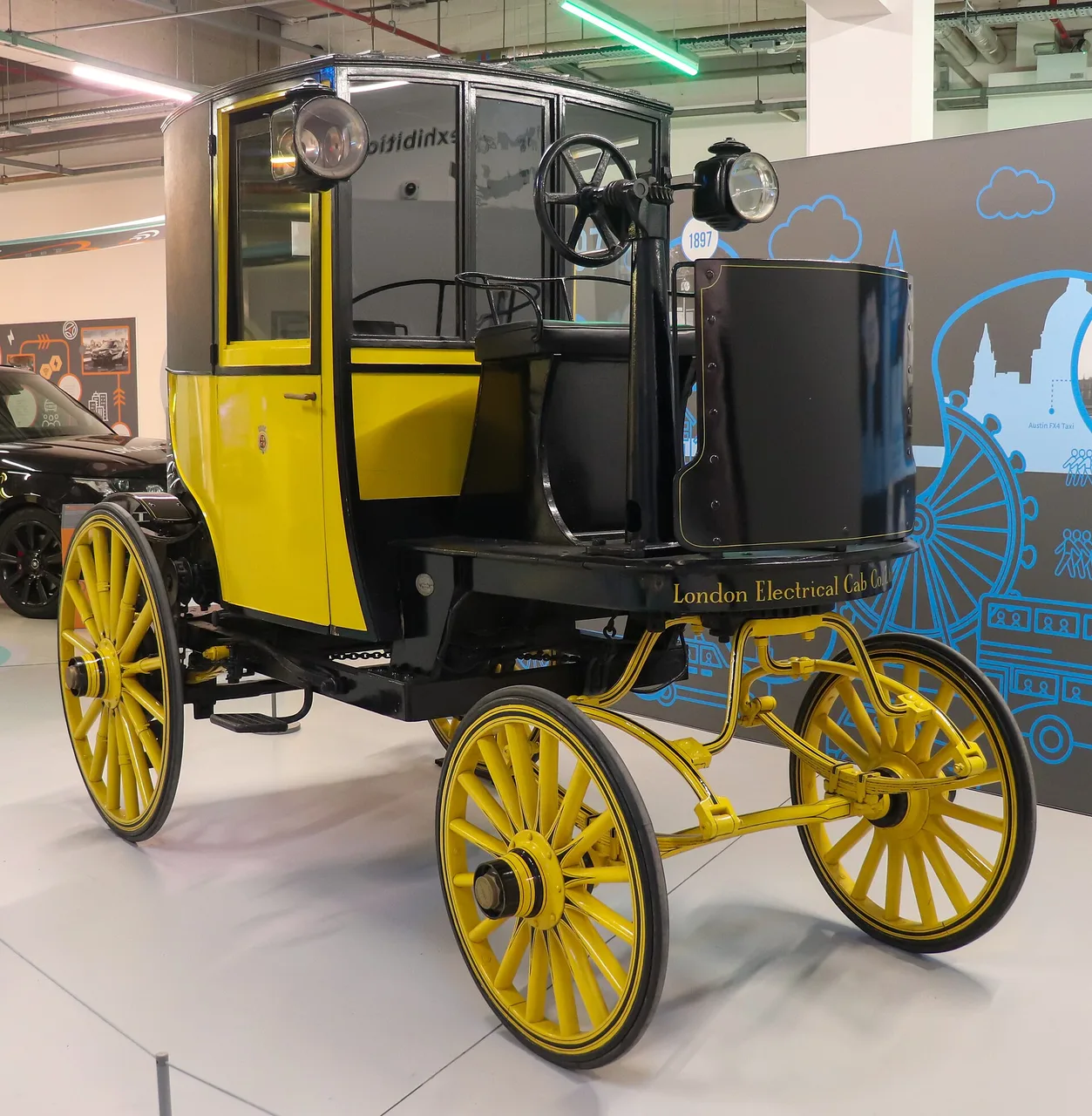
Designed by Walter Bersey, London's first electric taxis were introduced in 1897 and quickly became known as "Hummingbirds" due to the distinct humming sound made by their electric motors. They were popular for their smooth ride, but they proved too heavy for the tires of the era and were eventually withdrawn from service after a few years.
Photo: Vauxford, Wikimedia Commons, CC BY-SA 4.0.


Want to make a quiz like this yourself? Do it on Votur, it's free.
Paste the code into your page. The player fits itself in, and every vote counts in Votur.
On WordPress, Ghost or Squarespace? Just paste the link of this page into your post.
This is how it looks
Also fun