Get app
 Photo: Zazaa Mongolia, Wikimedia Commons, CC BY-SA 4.0.
How well do you know Mongolia's vibrant capital? Test your knowledge on Ulaanbaatar's rich history, beautiful landmarks, and unique cultural traditions!
Steppe Traveler 0–4 · City Explorer 5–8 · Ger District Expert 9–10
Pick one

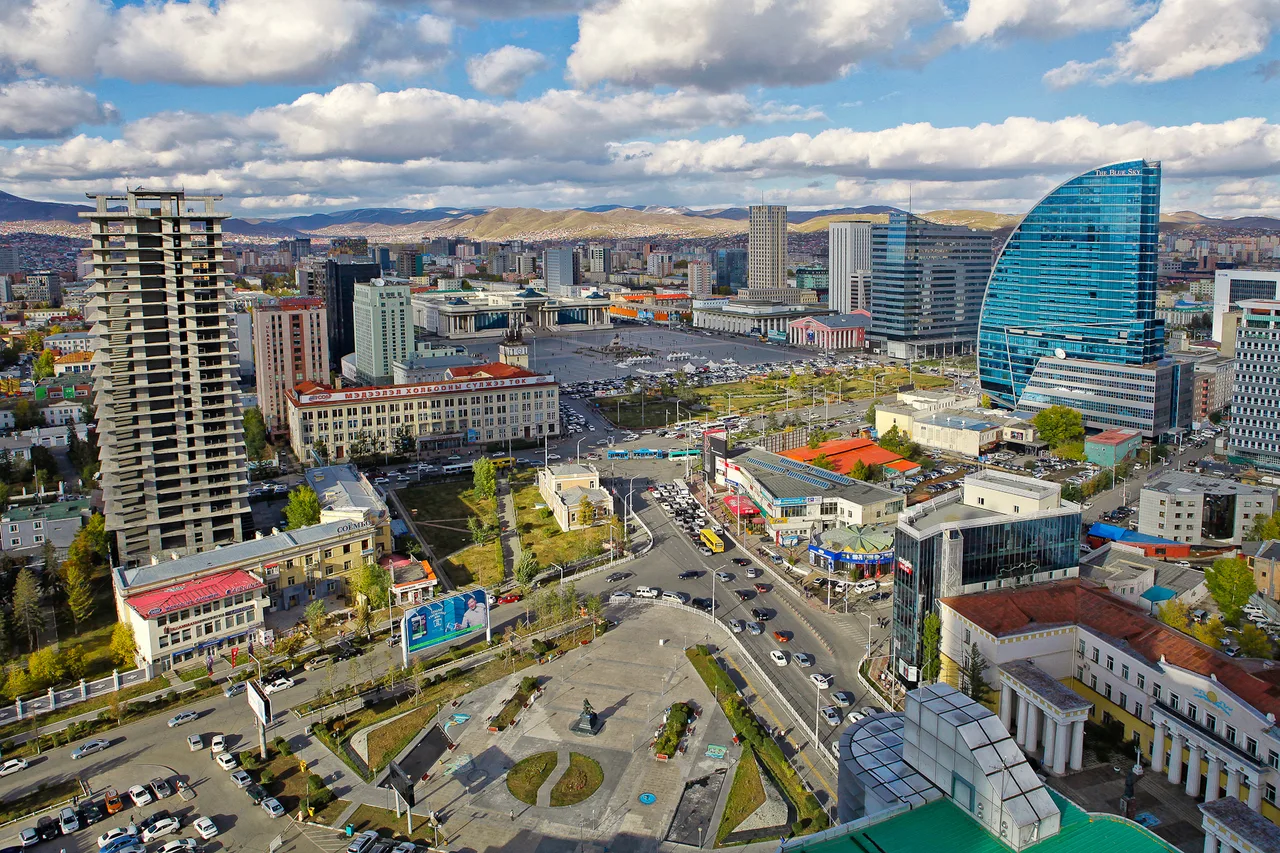
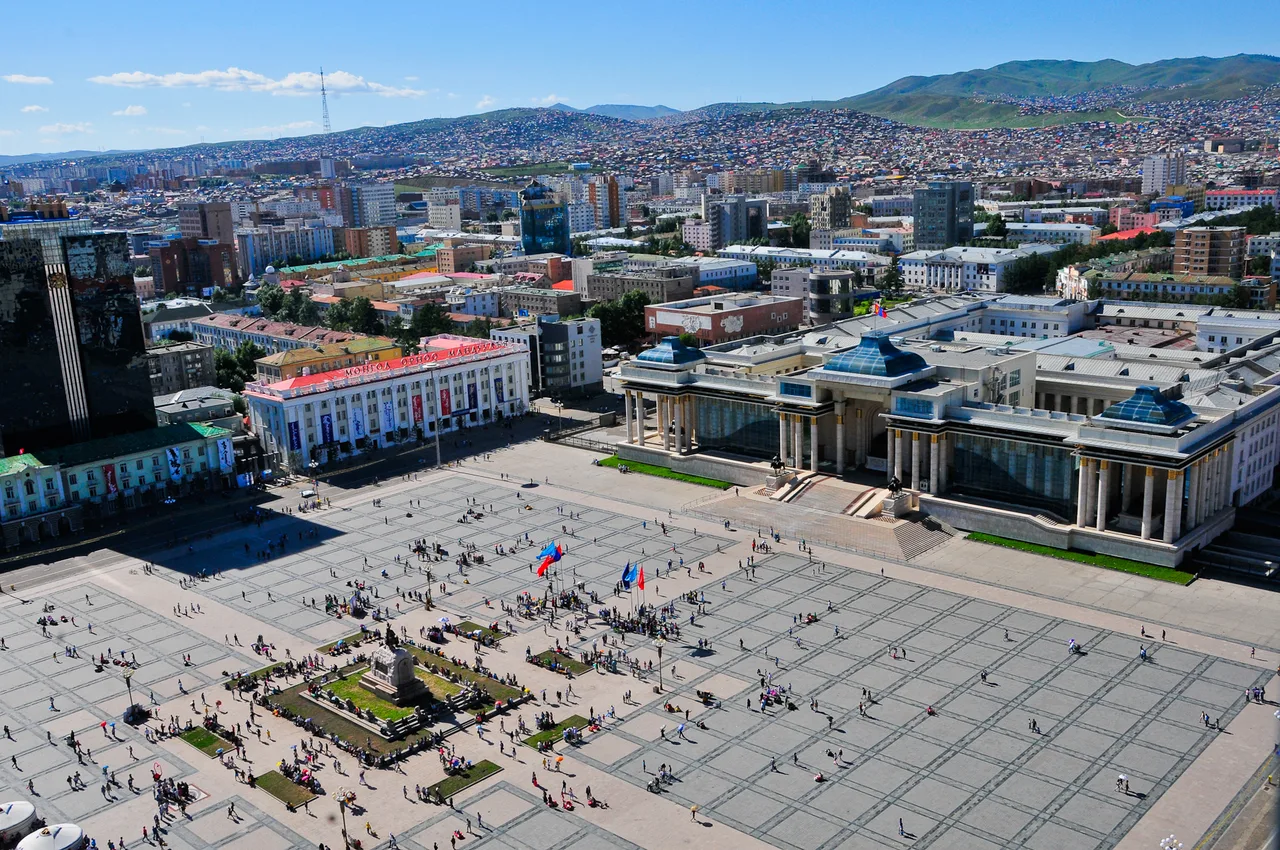
Sükhbaatar Square is the civic heart of Ulaanbaatar, named after the revolutionary hero who declared Mongolia's independence here in 1921. It is bordered by the Government Palace, which features a massive colonnade statue of Genghis Khan. The square is a popular gathering place for concerts and festivals.
Photo: Zazaa Mongolia, Wikimedia Commons, CC BY-SA 4.0.
Pick one
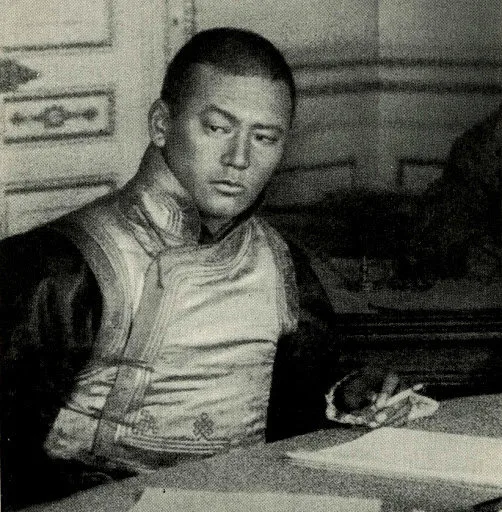
Ulaanbaatar translates to 'Red Hero', a name chosen to honor Damdin Sükhbaatar, who led Mongolia's 1921 revolution. He died in 1923, and the capital was renamed in his memory a year later. Interestingly, the city had been a mobile nomadic center for centuries before settling in its current location.
Photo: Unknown authorUnknown author, Wikimedia Commons, Public domain.
Pick one
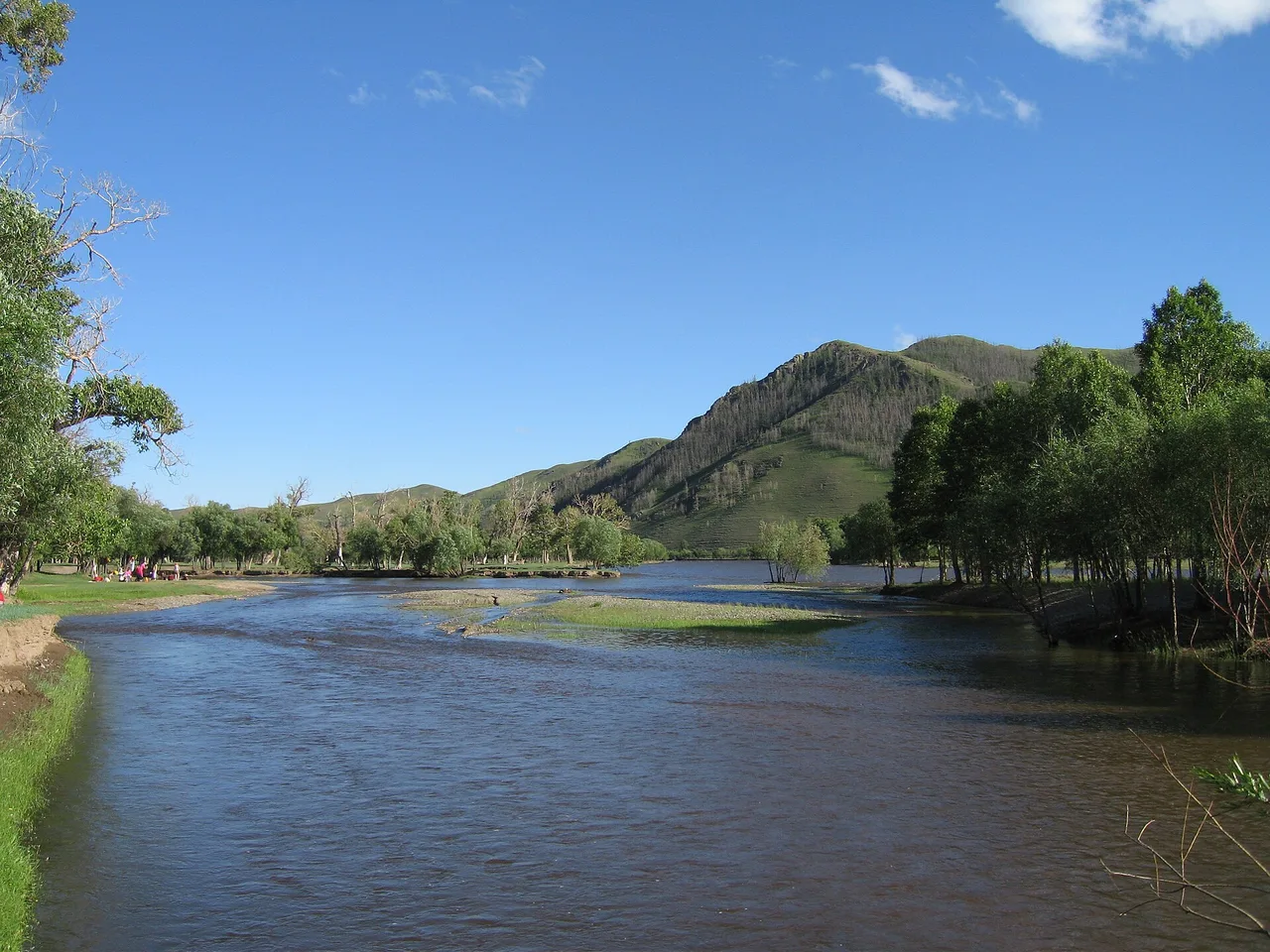
The Tuul River, also known as the 'Queen Tuul', flows through the southern edge of Ulaanbaatar. It is an essential water source for the city's residents and holds sacred value in Mongolian culture. The river eventually empties into the Orkhon River further north.
Photo: Vidor at English Wikipedia, Wikimedia Commons, Public domain.
Pick one
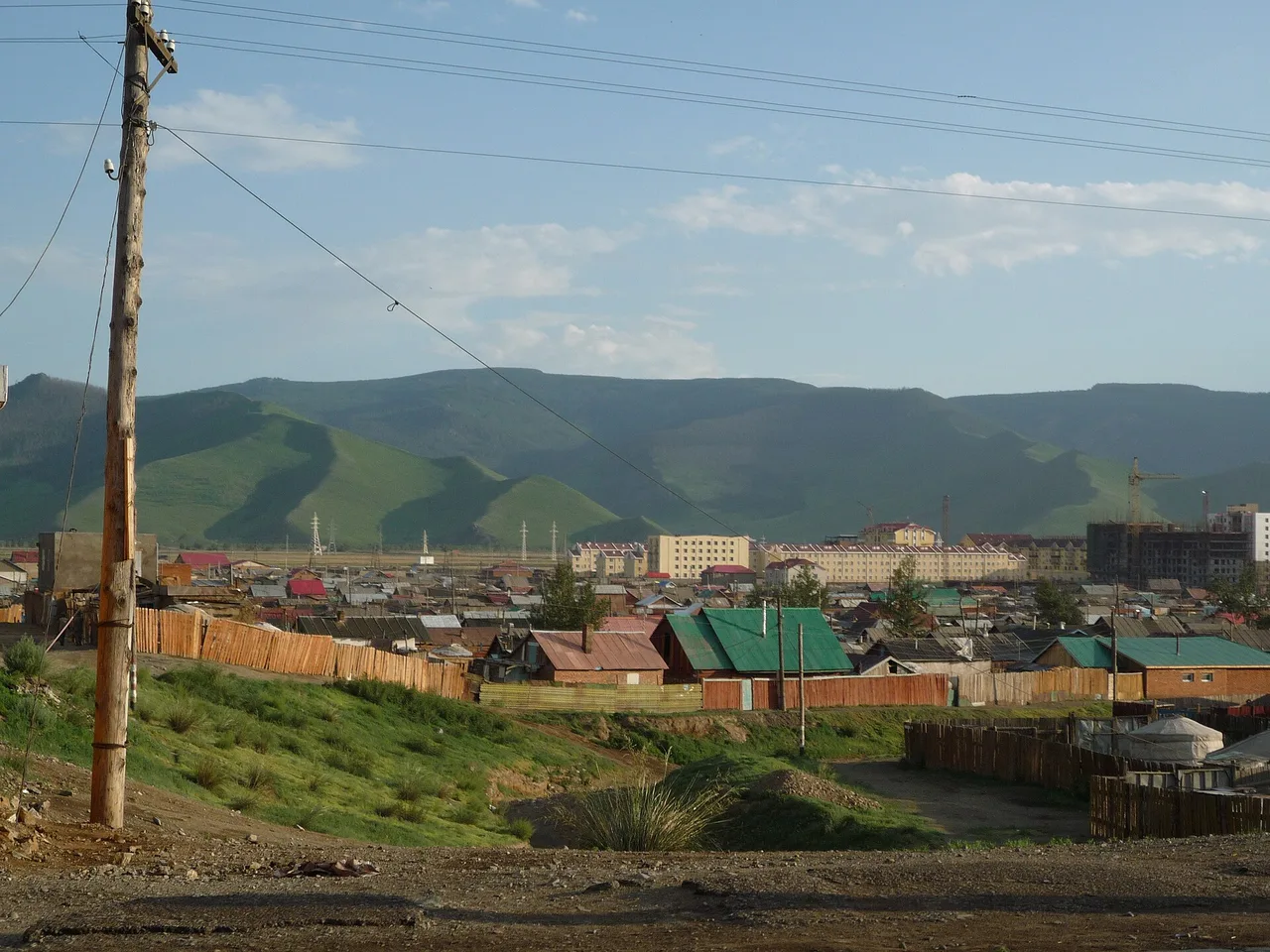
Bogd Khan Mountain overlooks Ulaanbaatar and has been legally protected since 1778, making it one of the oldest national parks in the world. Local traditions forbade logging and hunting here long before official laws. It is considered a deeply sacred site by Mongolian Buddhists.
Photo: Bogomolov.PL, Wikimedia Commons, Public domain.
Pick one
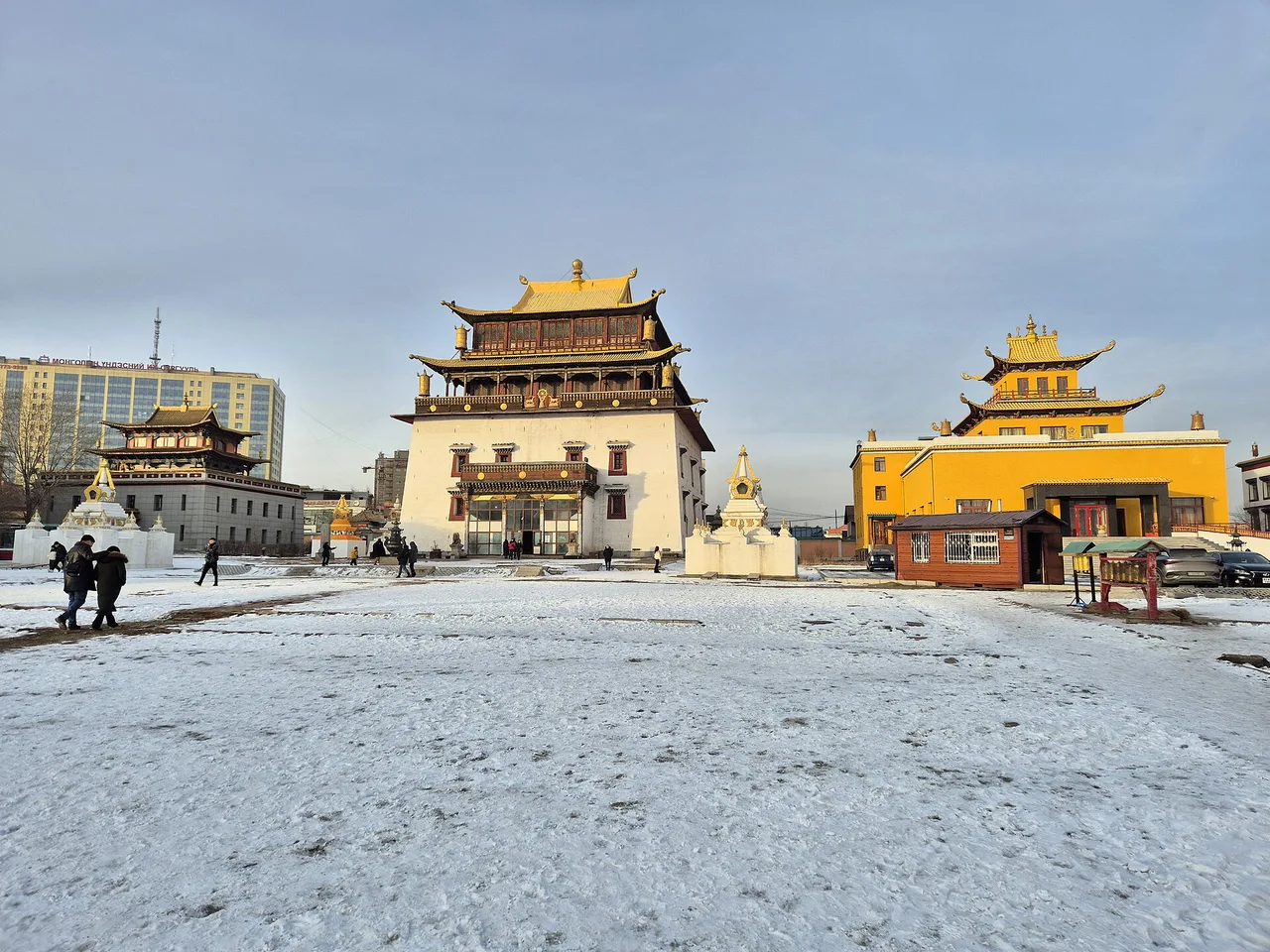
Gandantegchinlen Monastery, often shortened to Gandan, is the most important active Buddhist monastery in Mongolia. It survived the communist-era purges as a showcase temple for foreign visitors. Inside, you can marvel at a spectacular 26-meter-tall statue of Megjid-Janraiseg.
Photo: Chongkian, Wikimedia Commons, CC BY-SA 4.0.
Pick one
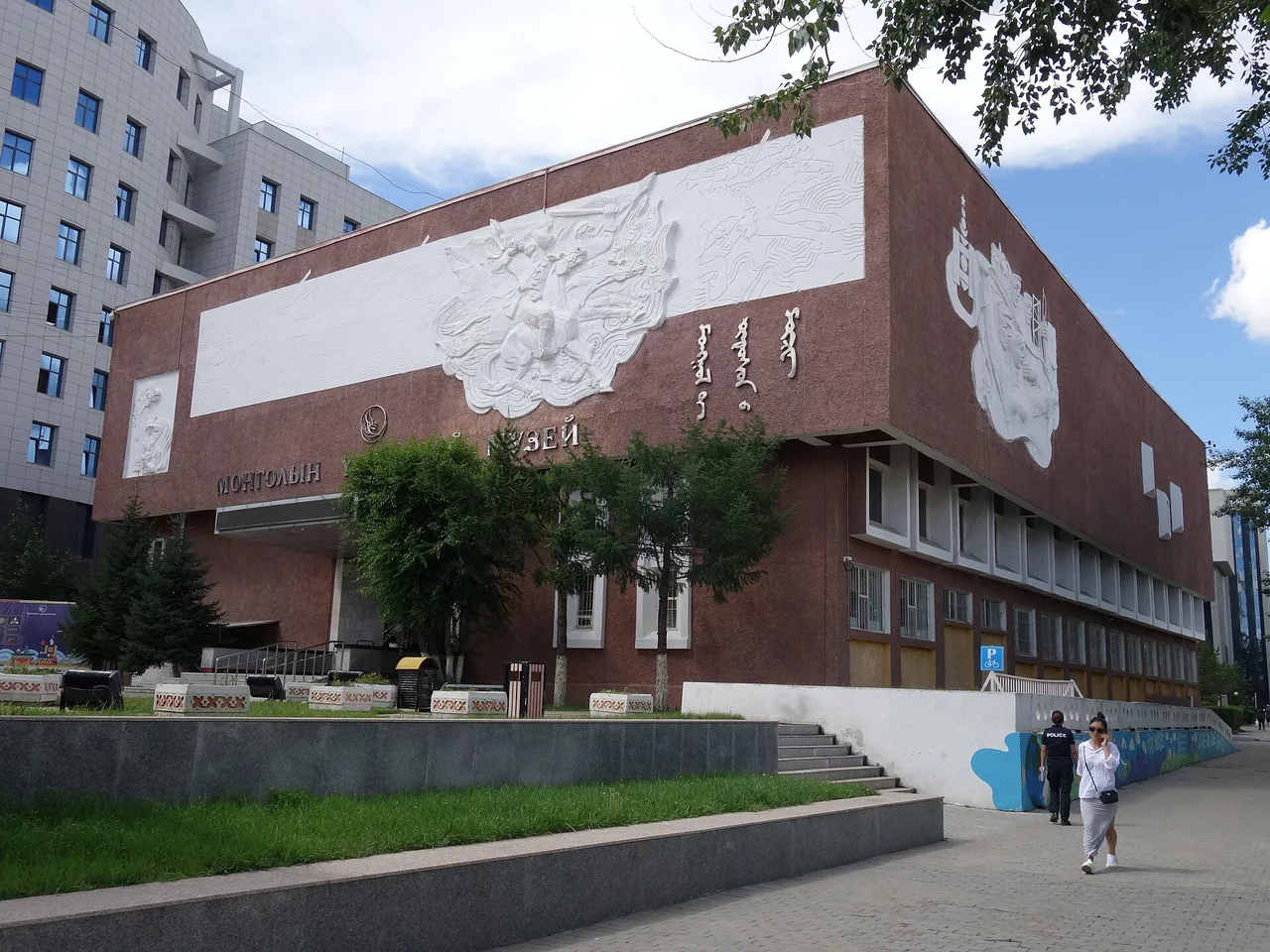
The National Museum of Mongolia is the country's premier historical museum, showcasing everything from prehistoric stone tools to modern democratic reforms. Its collection of traditional ethnic clothing and jewelry from Mongolia's diverse nomadic groups is particularly famous.
Photo: Chongkian, Wikimedia Commons, CC BY-SA 4.0.
Pick one
With an average yearly temperature of only about 0 °C, Ulaanbaatar is the coldest national capital in the world. On the coldest winter mornings the temperature can drop to around −40 °C, much colder than a kitchen freezer. Some Siberian towns are colder still, but none of them is a capital.
Photo: Zazaa Mongolia, Wikimedia Commons, CC BY-SA 4.0.
Pick one
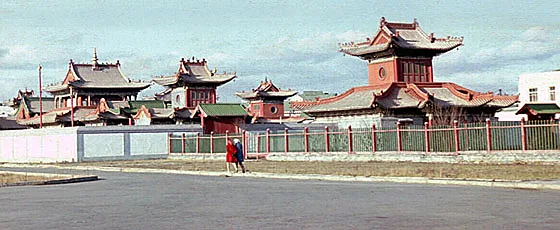
The Choijin Lama Temple complex was converted into a museum in 1938, which saved it from destruction during the communist era. Today, it houses an extraordinary collection of traditional Buddhist art, including elaborate papier-mâché tsam dance masks.
Pick one
The new Chinggis Khaan International Airport is situated in the Khushigt Valley, about 52 kilometers south of Ulaanbaatar's city center. It replaced the older, wind-prone Buyant-Ukhaa Airport to handle larger aircraft and modern passenger volumes safely.
Pick one
The State Department Store, or 'Ikh Delguur' (meaning Great Shop), was established in 1921 and moved to its current iconic Soviet-style building in 1961. It remains a central landmark and meeting point in Ulaanbaatar. It sells everything from cashmere to traditional souvenirs.


Paste the code into your page. The player fits itself in, and every vote counts in Votur.
On WordPress, Ghost or Squarespace? Just paste the link of this page into your post.
This is how it looks
Also fun