Get app
 Photo: The original uploader was Adagio at English Wikipedia. (Original text: Adagio), Wikimedia Commons, CC BY-SA 3.0.
How well do you know Mongolia? Test your knowledge on the rich history, vibrant nomadic culture, and stunning natural landscapes of this vast East Asian nation.
Steppe Visitor 0–4 · Curious Explorer 5–8 · Nomadic Expert 9–10
Pick one

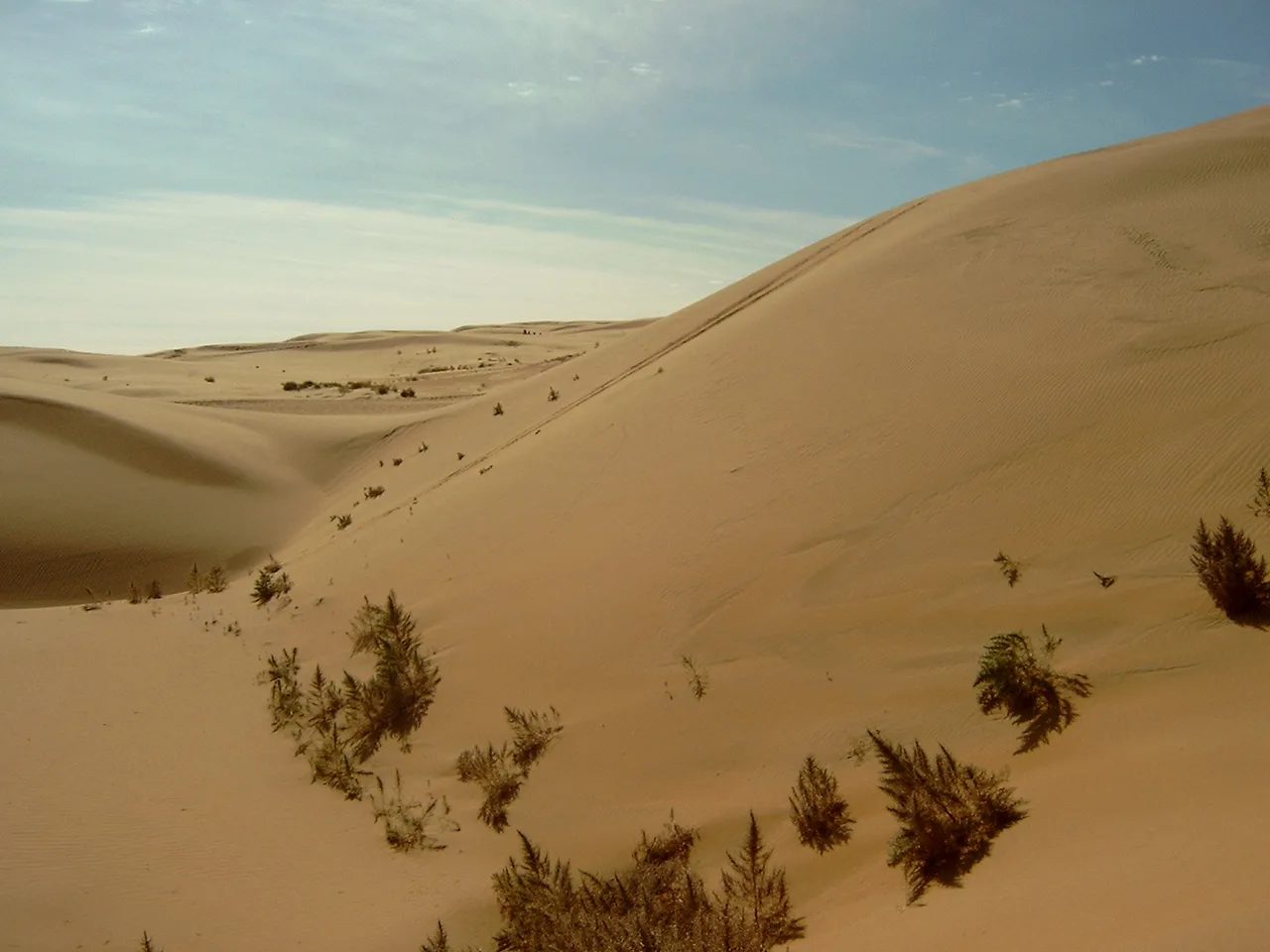
The Gobi Desert is a vast, cold desert spanning southern Mongolia and northern China. It is famous for its dramatic dunes and rich fossil beds, where some of the first known dinosaur eggs were found in 1923, and for rare wildlife like the wild Bactrian camel.
Photo: Wikimedia Commons, CC BY-SA 3.0.
Pick one
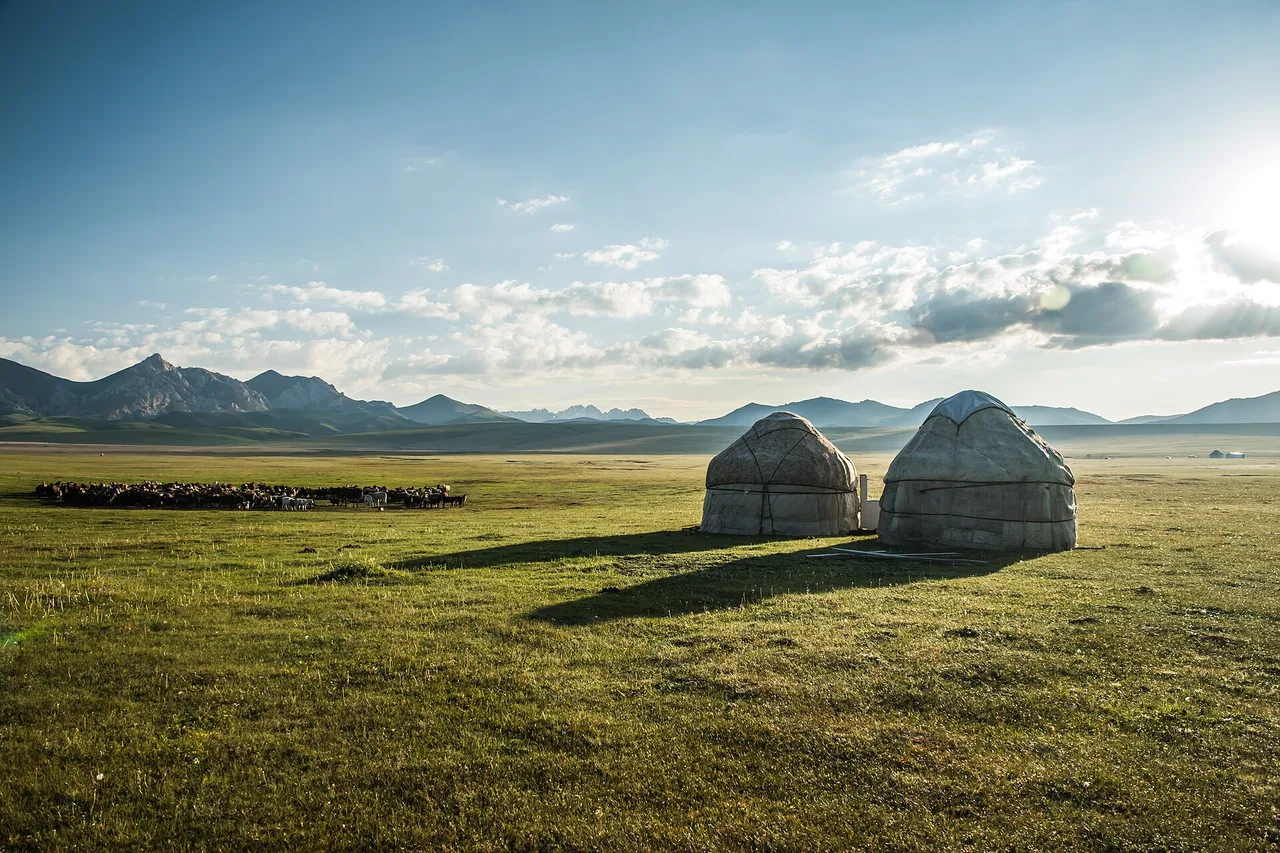
While known internationally by its Turkic name "yurt", Mongolians call this circular, wooden-framed tent a "ger". It is designed to be easily assembled and dismantled, perfectly suited for a nomadic lifestyle. The door of a ger always faces south to maximize sunlight and help track the time of day.
Photo: Myrzabek Ozubekov, Wikimedia Commons, CC BY-SA 4.0.
Pick one
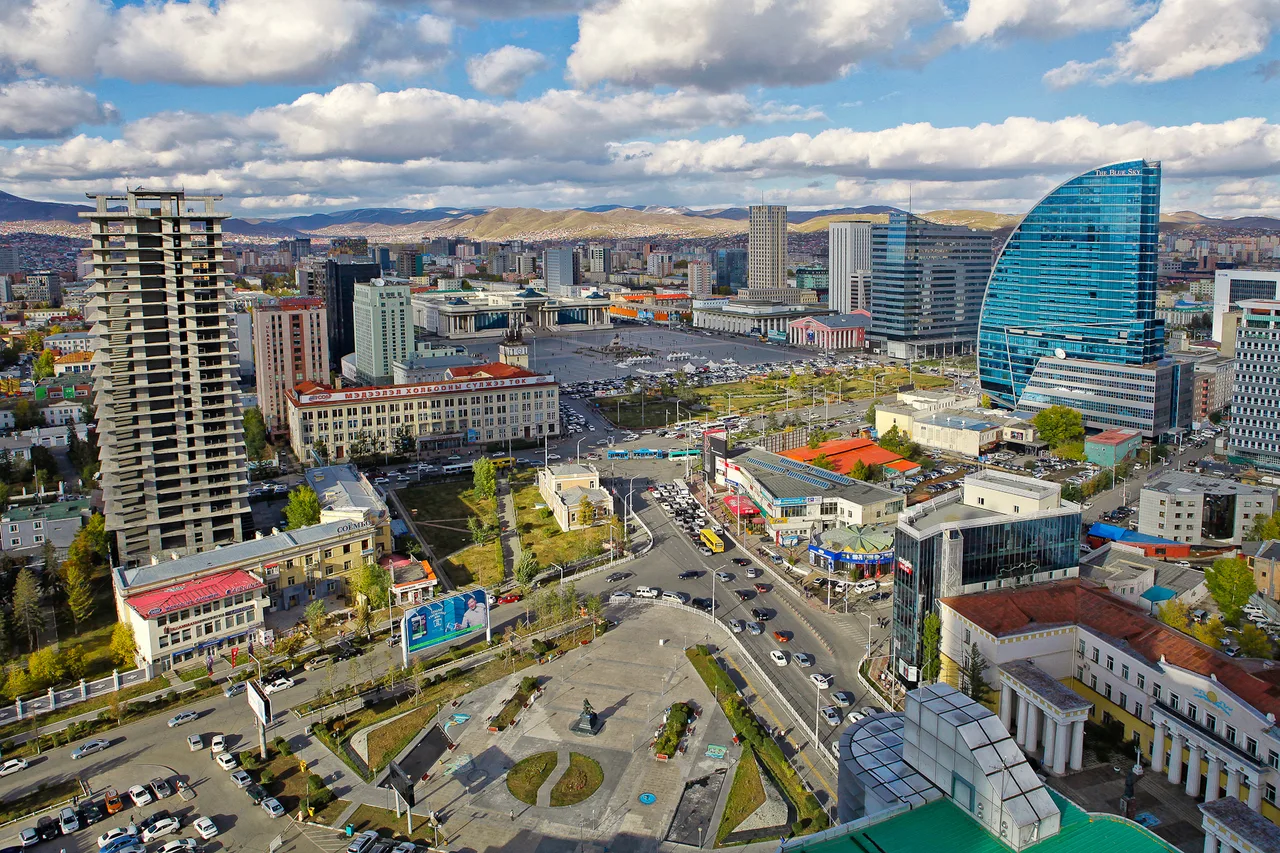
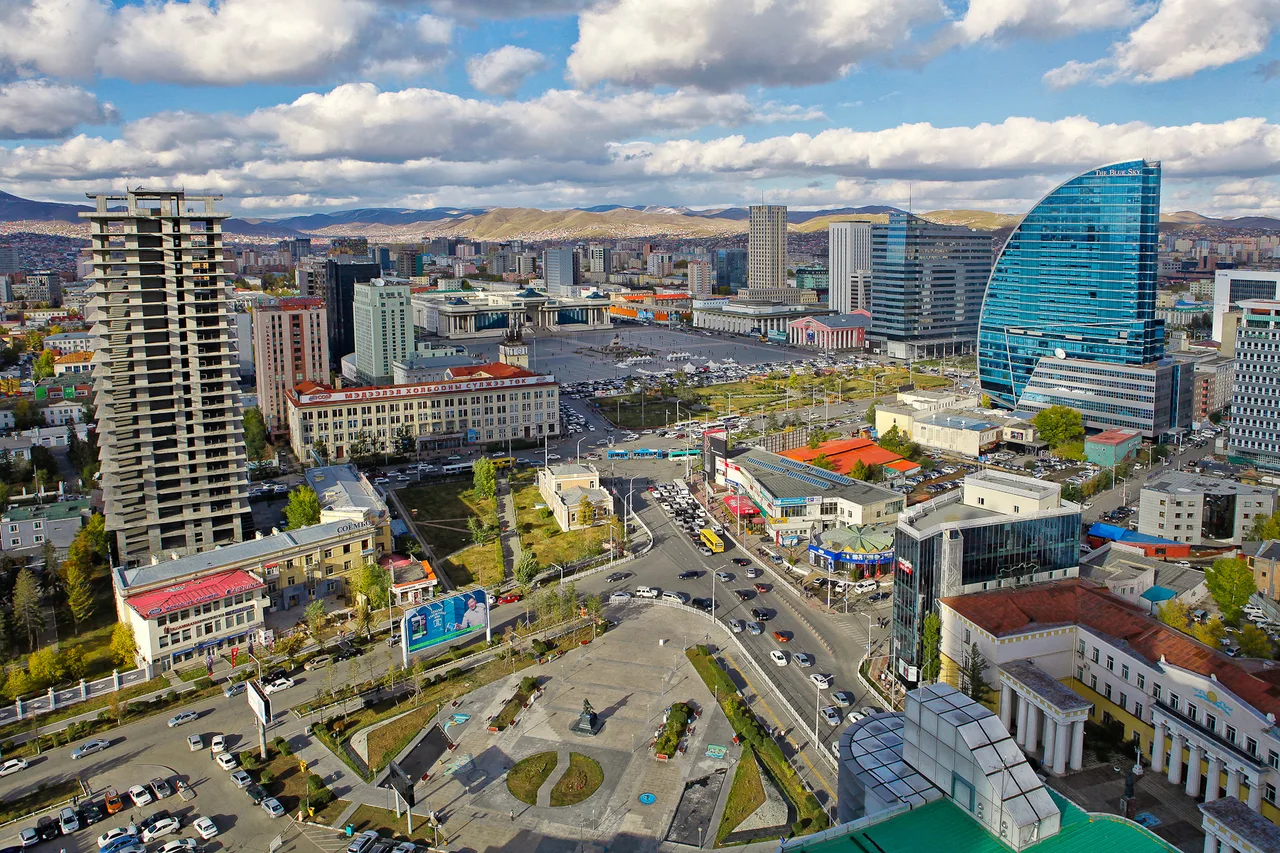
Ulaanbaatar translates directly to "Red Hero" in the Mongolian language. The city was renamed in 1924 in honor of the communist revolutionary hero Damdin Sükhbaatar. Before this, the settlement had several names, including Urga. Today, it is home to nearly half of Mongolia's entire population.
Photo: Zazaa Mongolia, Wikimedia Commons, CC BY-SA 4.0.
Pick one
The Bactrian camel has two humps and a thick, shaggy coat that helps it survive the Gobi's freezing winters and scorching summers. Mongolian herders still use them to carry loads. Its humps store fat, not water. The dromedary has just one hump.
Pick one
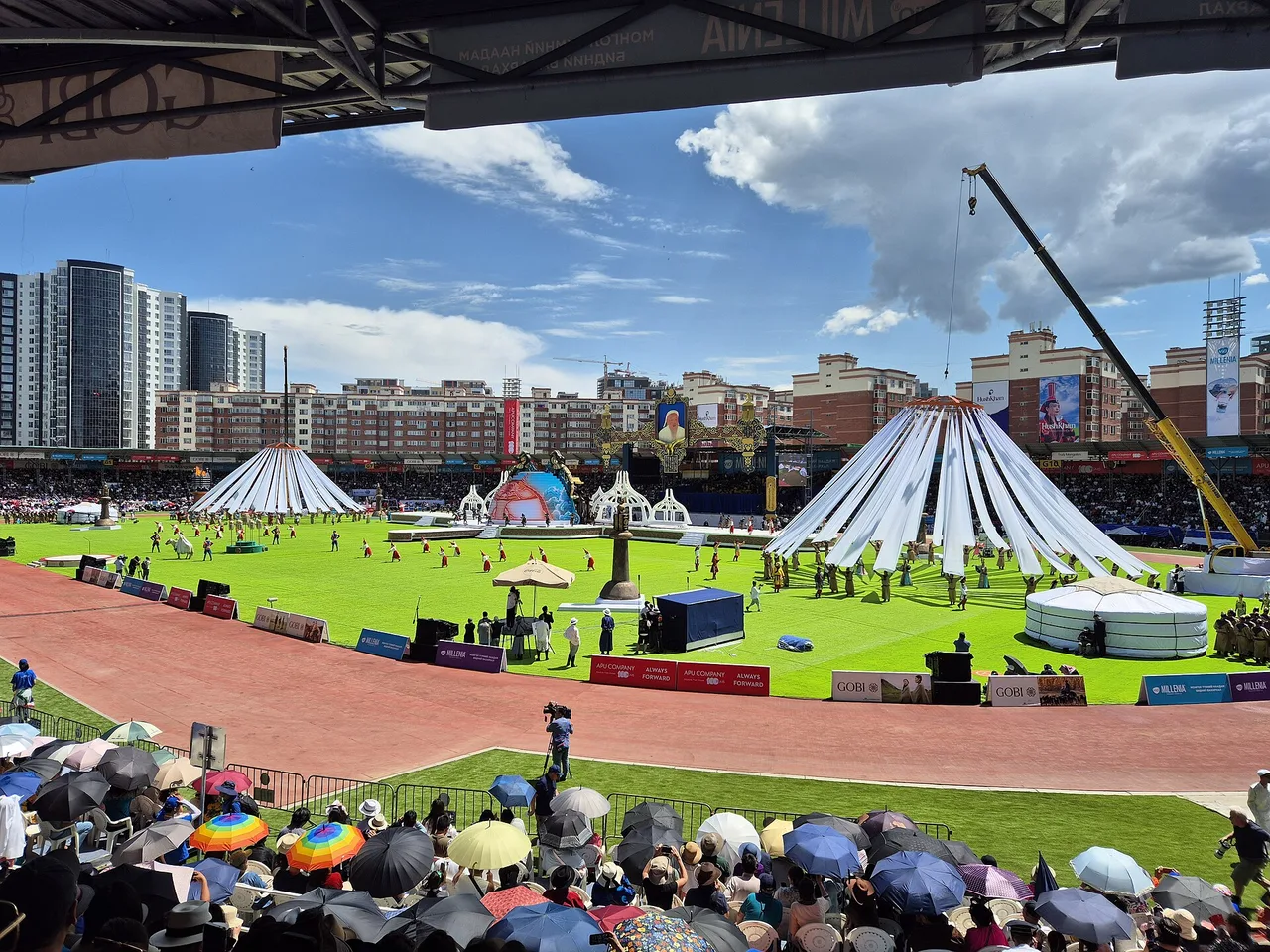
Naadam is Mongolia's most famous national festival, held annually in mid-summer. It showcases the "three manly games" of wrestling, horse racing, and archery, though women now participate in the latter two. Tsagaan Sar, on the other hand, is the traditional Lunar New Year celebration.
Photo: Chongkian, Wikimedia Commons, CC BY-SA 4.0.
Pick one
Przewalski's horse, known locally as the takhi, was long thought to be the last truly wild horse on Earth, although DNA research suggests its distant ancestors may have been herded by people some 5,000 years ago. After dying out in the wild, it was brought back to Mongolian parks such as Khustai, where herds roam free again.
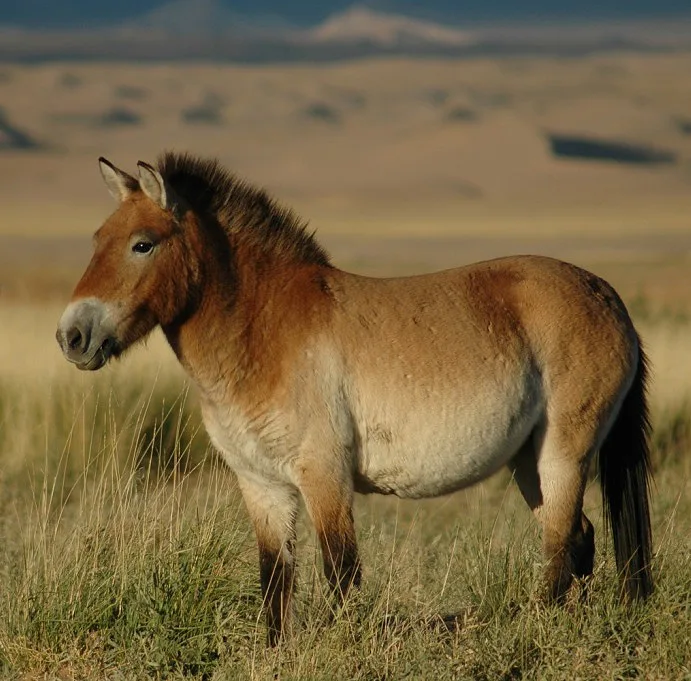
Photo: Claudia Feh, Wikimedia Commons, CC BY-SA 4.0.
Pick one
The tögrög has been the official currency of Mongolia since 1925, replacing the various foreign currencies and silver bars previously used. The banknotes feature portraits of historical figures like Genghis Khan and the revolutionary leader Damdin Sükhbaatar.
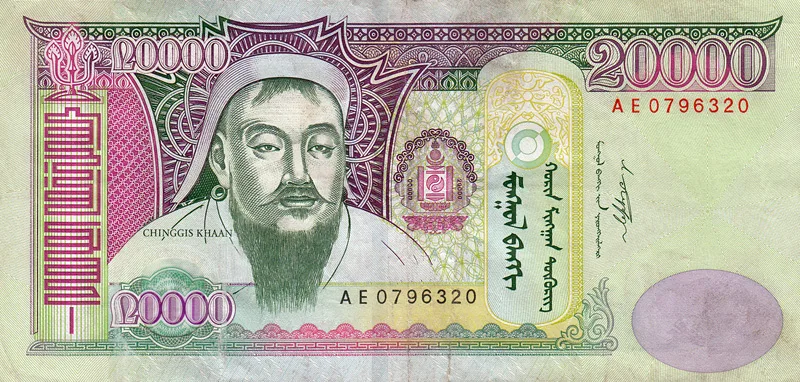
Photo: Chinneeb, Wikimedia Commons, CC BY-SA 3.0.
Pick one
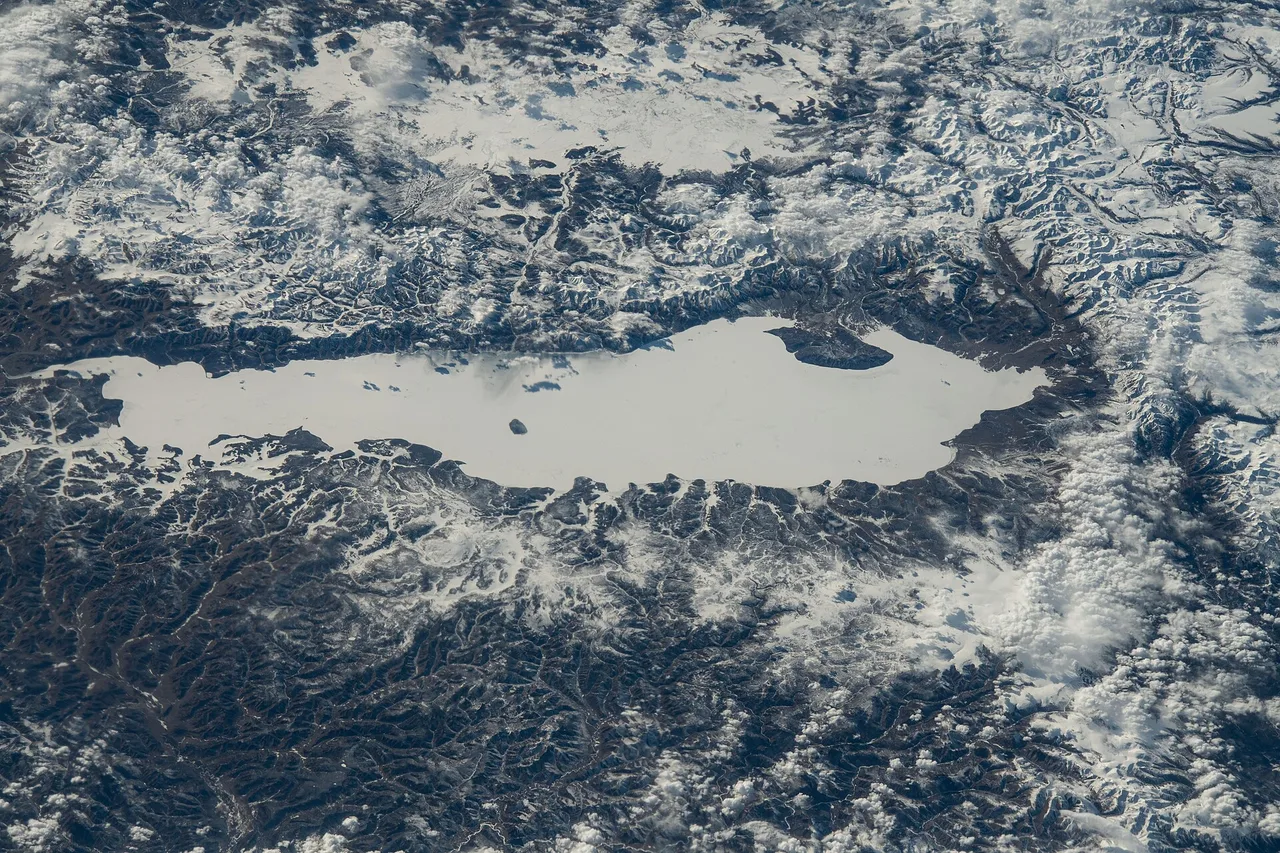
Lake Khövsgöl is one of the oldest lakes in the world, containing incredibly pure, drinkable water. Often referred to as Mongolia's "Blue Pearl," it is geologically closely related to Russia's Lake Baikal, which lies just over 200 kilometers to the northeast.
Photo: Earth Science and Remote Sensing Unit, Lyndon B. Johnson Space Center, Wikimedia Commons, Public domain.
Pick one
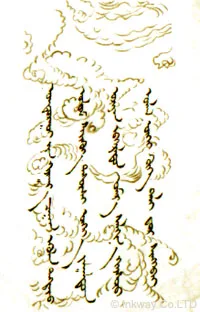
The traditional Mongolian script was adapted from the Uyghur alphabet in the early 13th century on the orders of Genghis Khan. It is unique for being one of the very few vertical scripts written from left to right. Today, Mongolia is working to fully restore its official use alongside Cyrillic.
Photo: Injinash Banchinval, Wikimedia Commons, Public domain.
Pick one
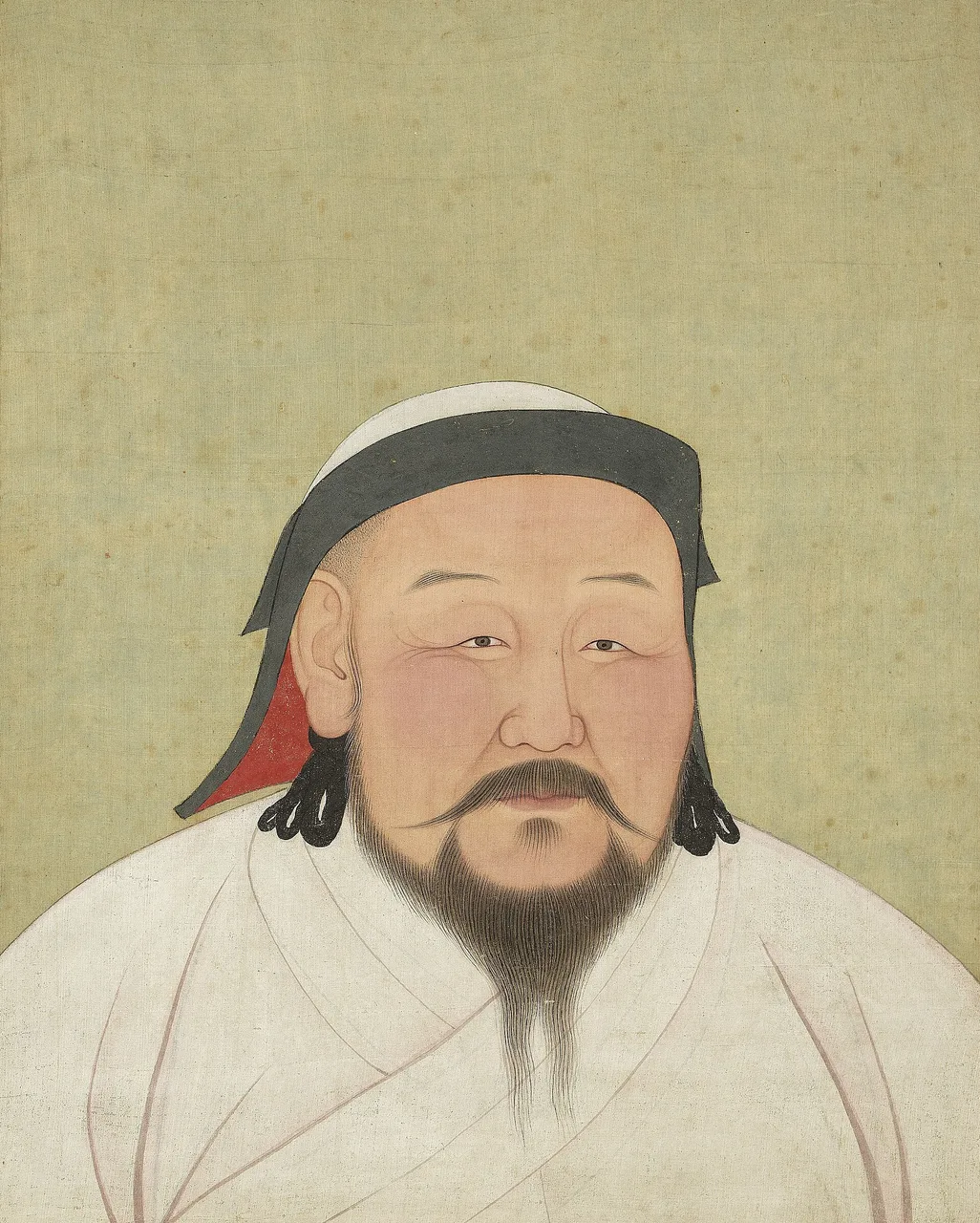
Kublai Khan founded the Yuan dynasty in 1271, becoming its first emperor, and completed his conquest of China in 1279. He famously moved the capital to Khanbaliq, which is modern-day Beijing. His brother Hulagu, meanwhile, went west to establish the Ilkhanate in Persia.
Photo: Araniko, Wikimedia Commons, Public domain.


Paste the code into your page. The player fits itself in, and every vote counts in Votur.
On WordPress, Ghost or Squarespace? Just paste the link of this page into your post.
This is how it looks
Also fun