 Get app
The youngest province in the Netherlands. Ten questions about wild horses, former islands, surprises in the fields and brand-new cities.
New on the new land 0–4 · Polder pioneer 5–8 · Master of the polders 9–10

Tap the right answer
Flevoland became the twelfth province on 1 January 1986. Before that, the Netherlands had had eleven provinces for well over a century.
Tap the right answer
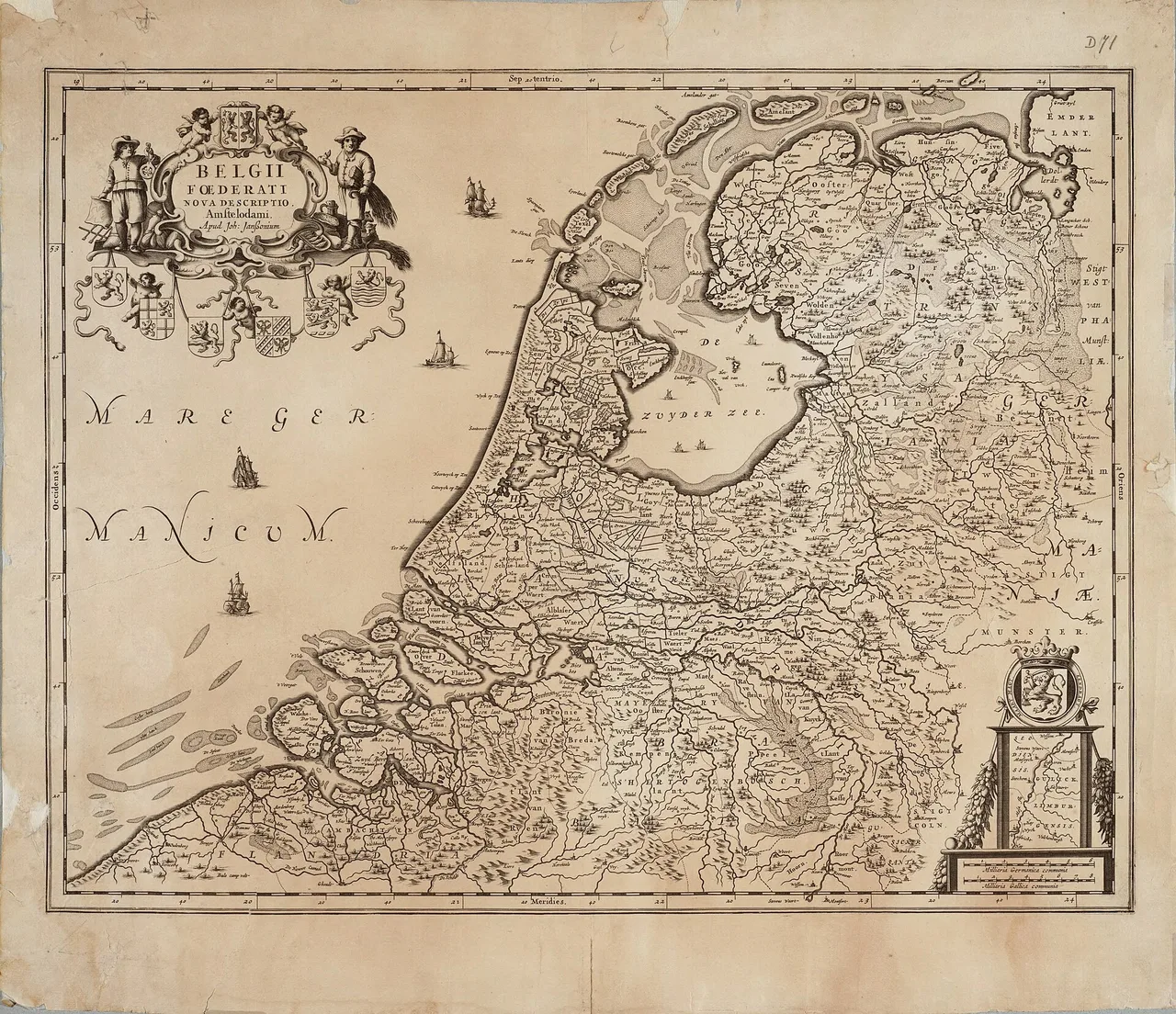
Dykes were built out in the old Zuiderzee and the water inside was pumped away. That is why large parts of the province lie metres below sea level.
Photo: Jan Janssonius, Wikimedia Commons, Public domain.
Tap the right answer
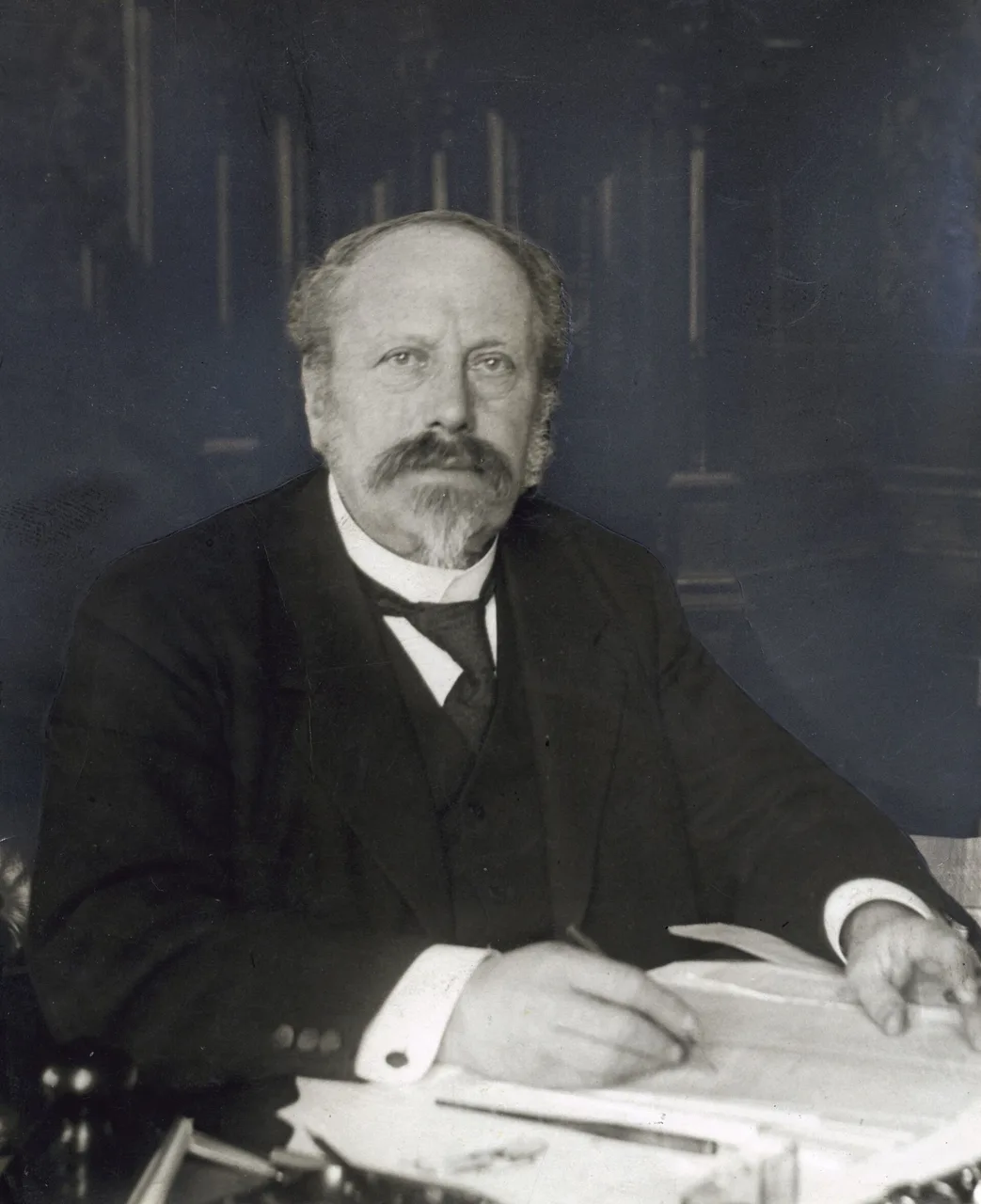
Lely drew up the plan to close off and drain the Zuiderzee. In Lelystad, a statue of him stands on top of a tall tower of basalt blocks, about 35 metres high.
Photo: Wikimedia Commons, Public domain.
Tap the right answer
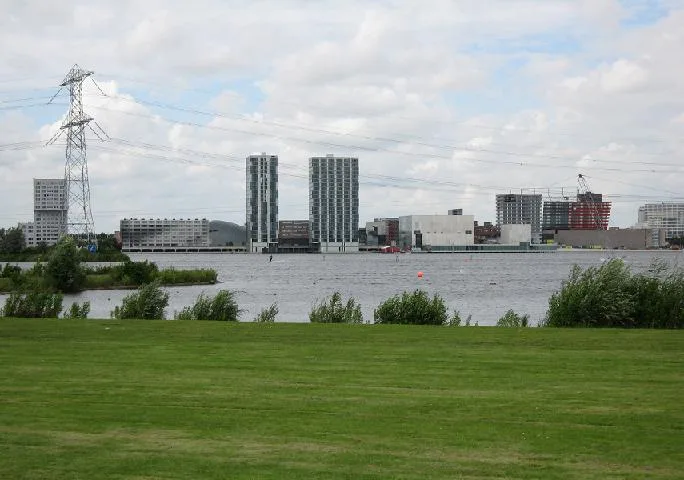
Almere is one of the newest cities in the Netherlands: the land it stands on was only reclaimed from the water in the 1960s. In about fifty years it grew into one of the biggest cities in the country.
Photo: Bartholomeusll at Dutch Wikipedia ( Original text: Bart Winkelhuijzen ), Wikimedia Commons, CC BY-SA 3.0.
Tap the right answer
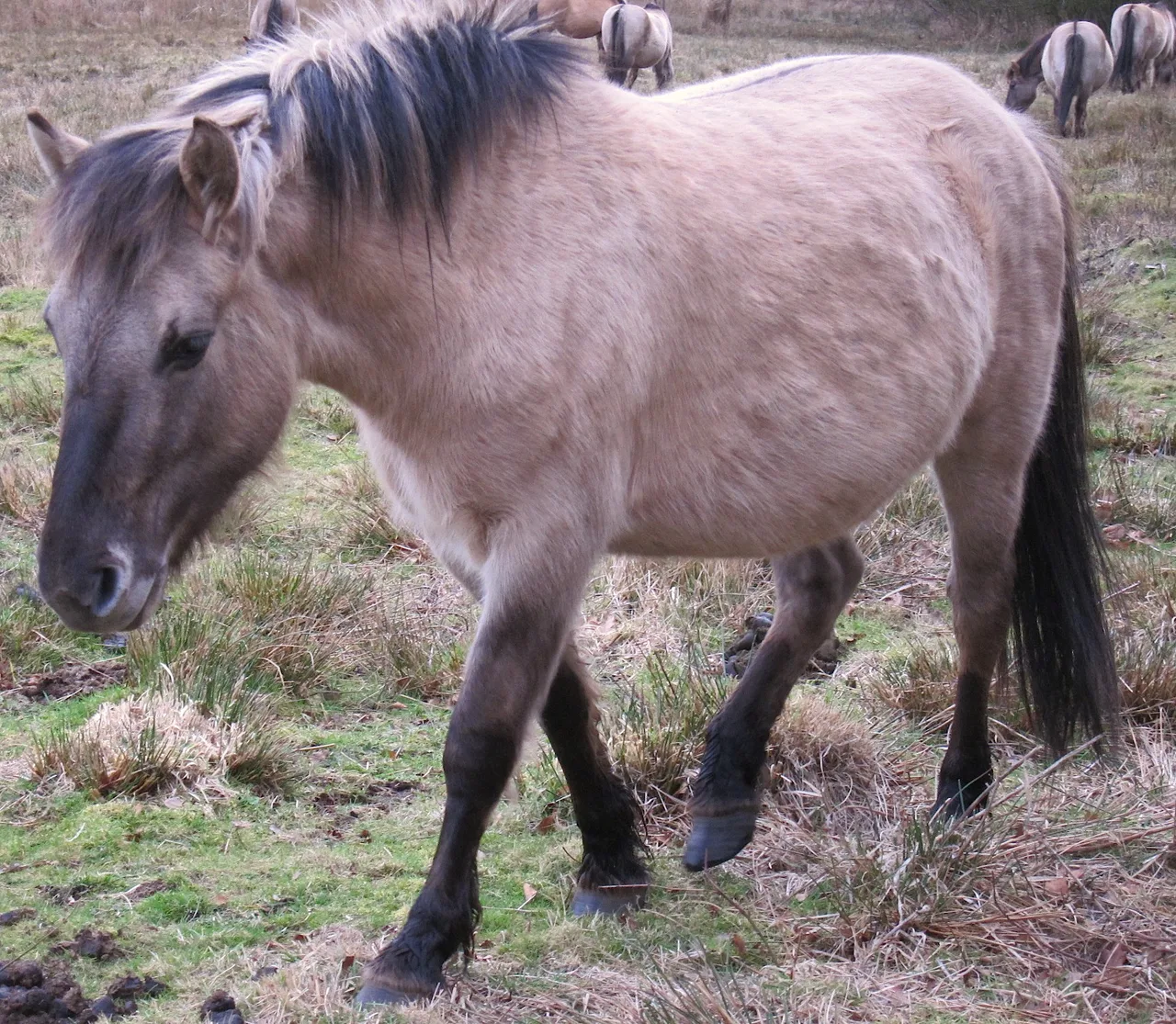
Koniks graze the reserve together with red deer and cattle, which keeps it open for birds such as spoonbills, great egrets and white-tailed eagles. The breed comes from Poland.
Photo: Alethe, Wikimedia Commons, CC BY-SA 3.0.
Tap the right answer
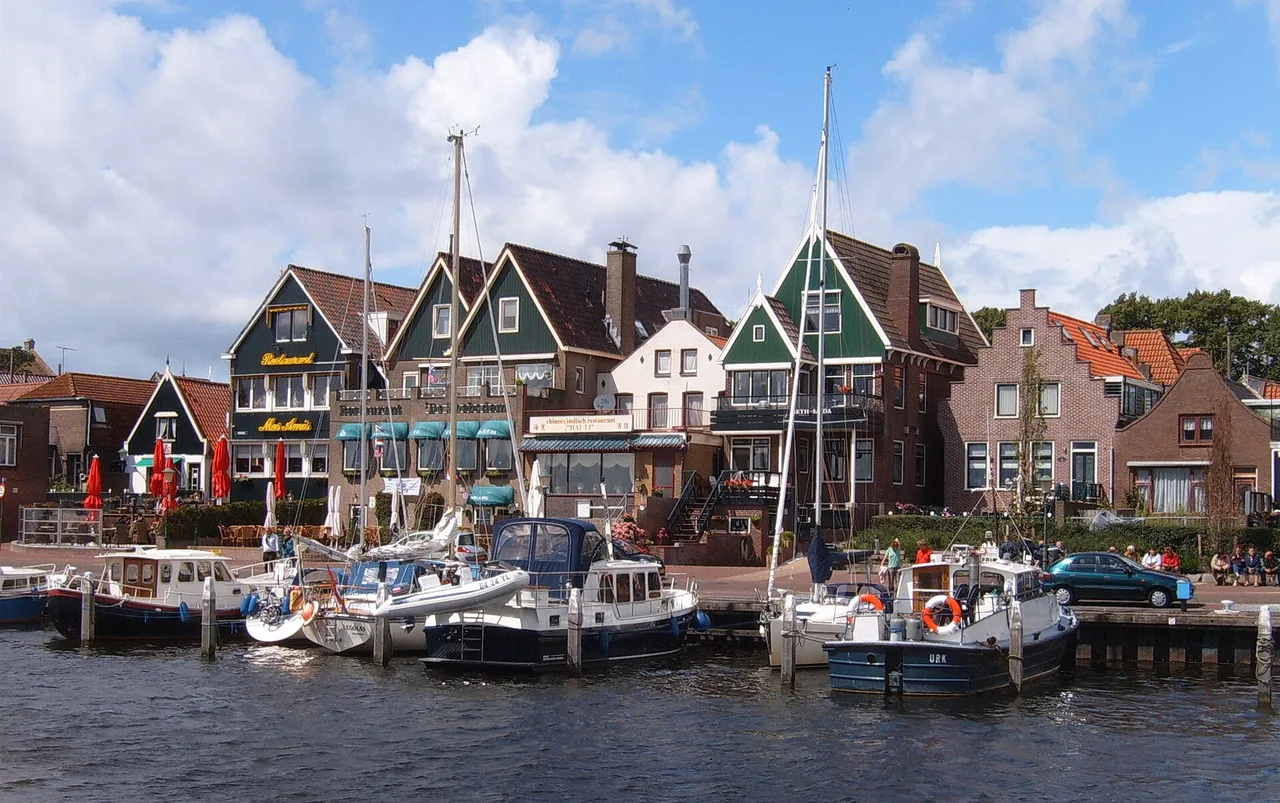
Urk has the largest fishing fleet in the Netherlands. When the Zuiderzee was closed off and turned into a lake, its fishermen simply moved their boats out to the North Sea.
Photo: Markus Bernet, Wikimedia Commons, CC BY-SA 2.5.
Tap the right answer
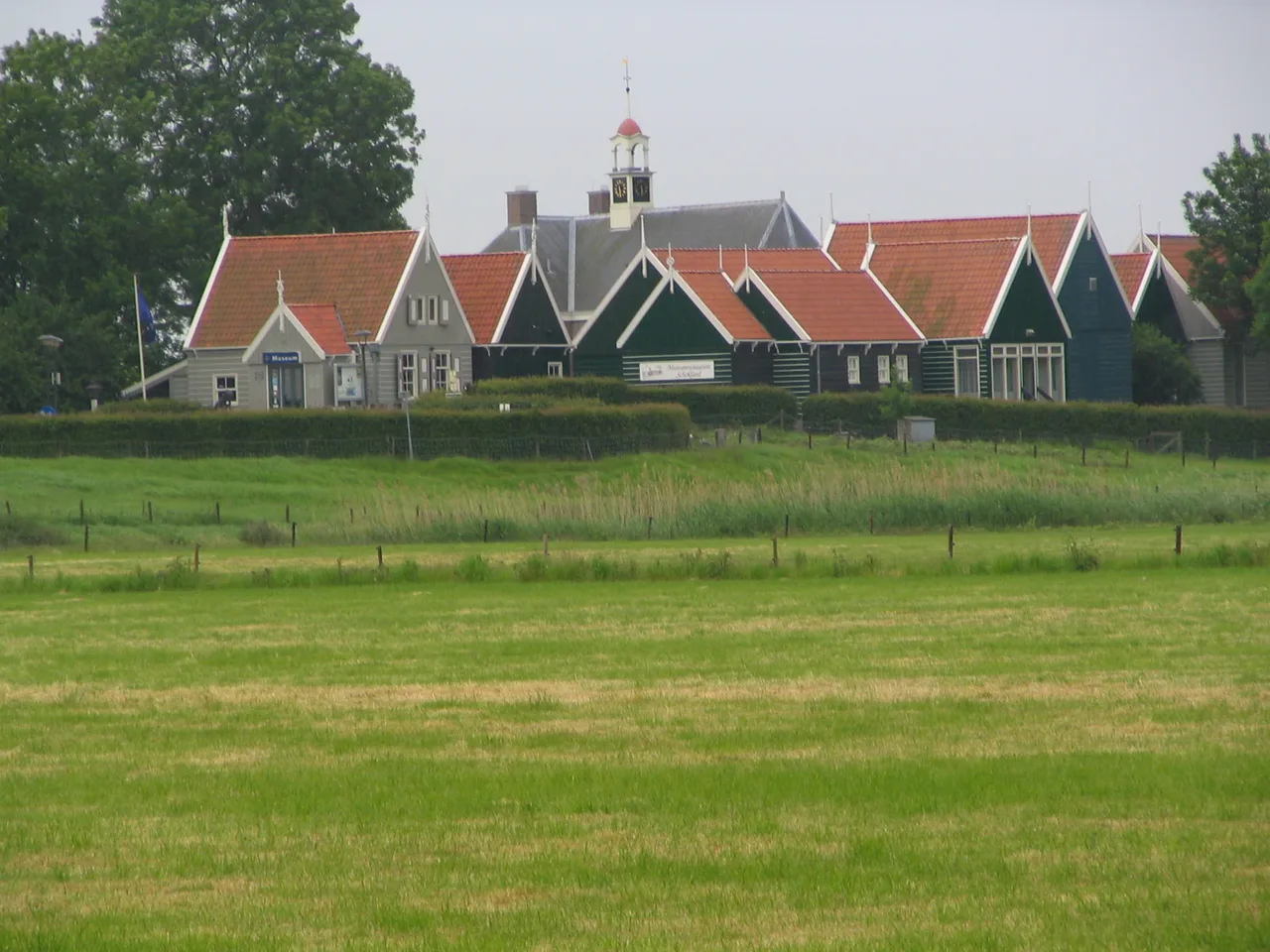
Floods kept eating away at the narrow strip of land, so the government ended life on the island. Today it lies on dry land in the middle of fields, and it was the first UNESCO World Heritage Site in the Netherlands.
Photo: GerardM, Wikimedia Commons, CC BY-SA 3.0.
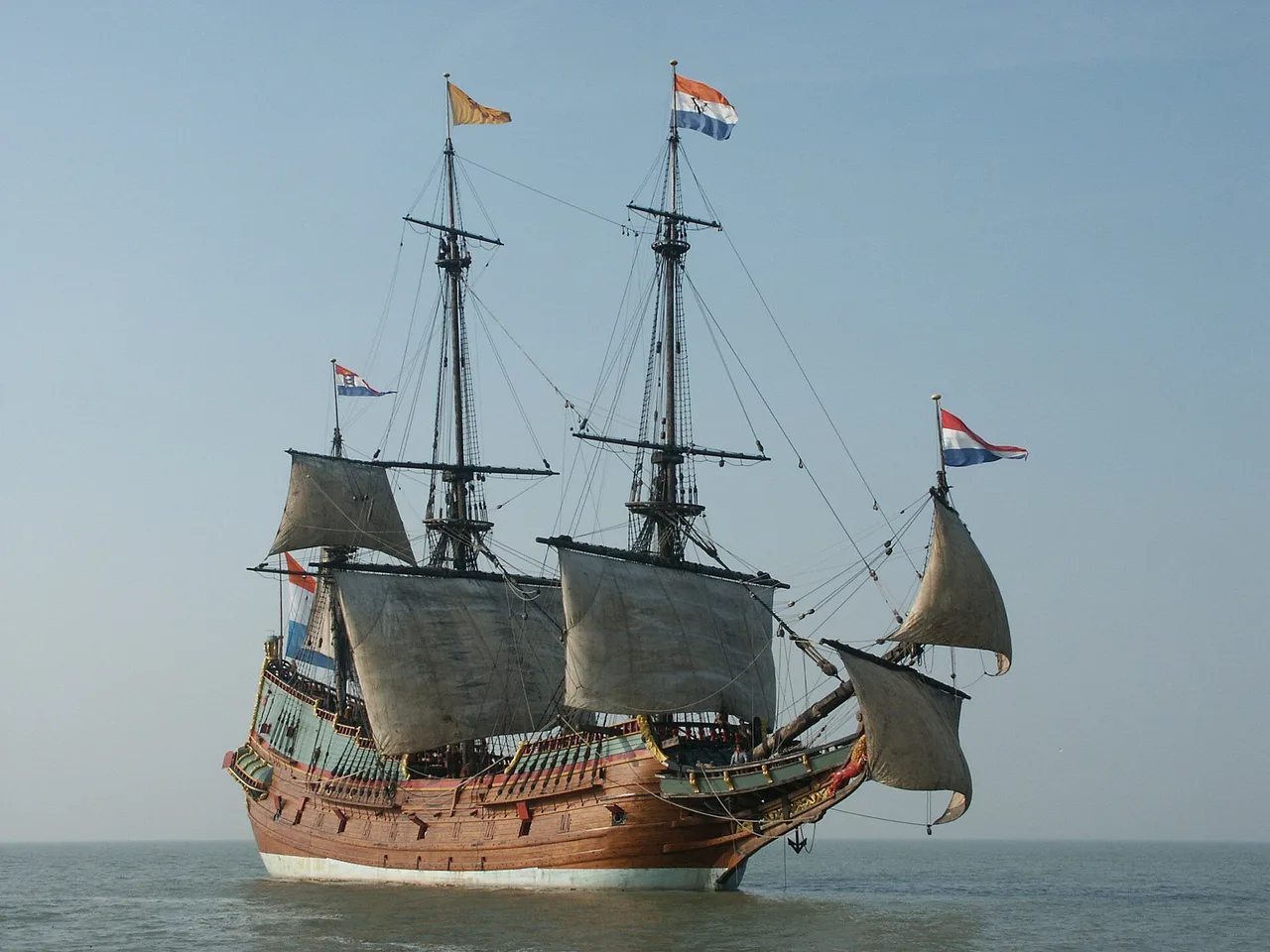
Tap the right answer
The copy was built between 1985 and 1995 with old-style tools and materials. The real Batavia, a ship of the Dutch East India Company, ran aground off Australia on its first voyage in 1629.
Photo: ADZee, Wikimedia Commons, Public domain.
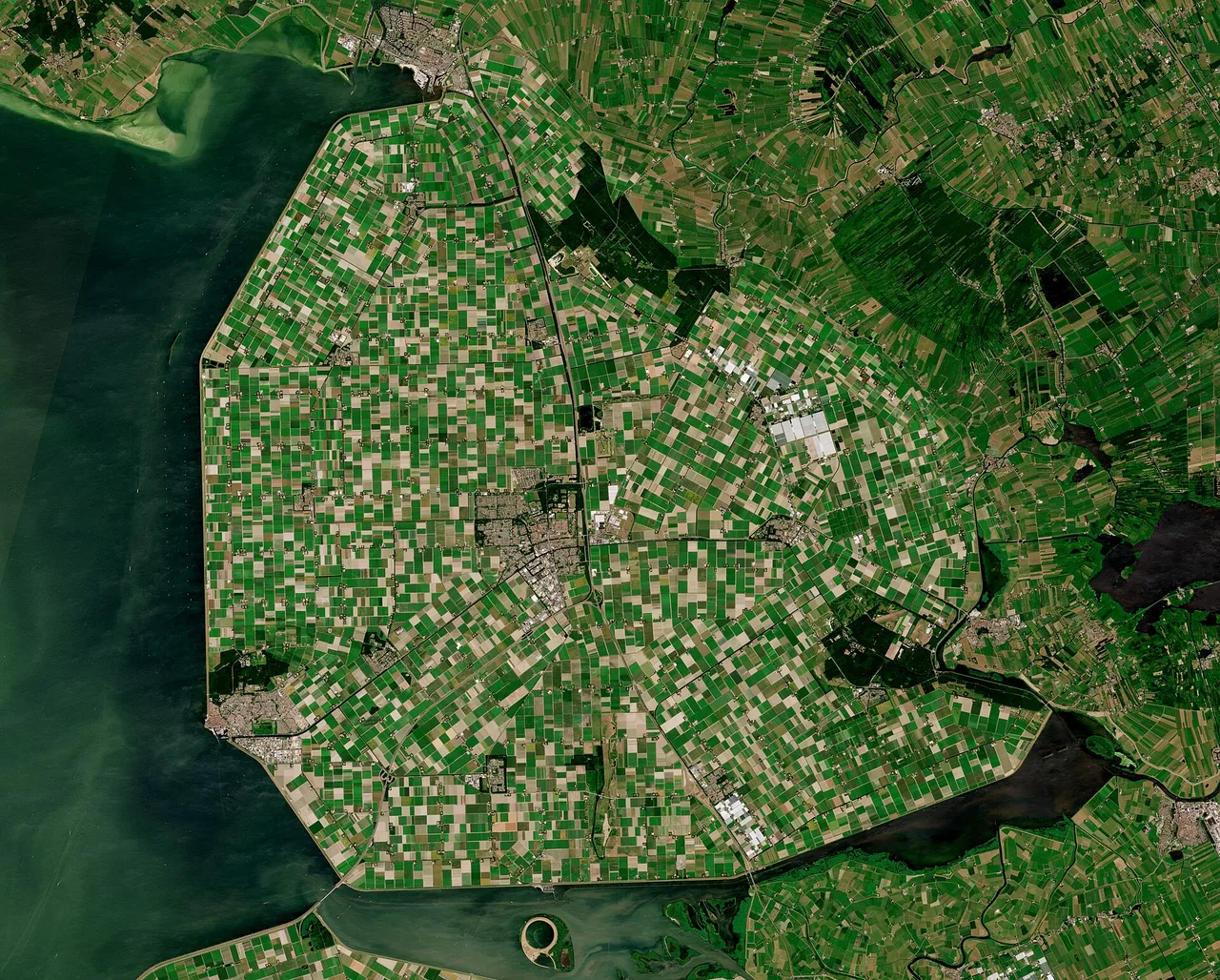
Tap the right answer
When the sea floor was drained, ships that had sunk over the centuries ended up under fields. Some were found by farmers ploughing their land, which makes Flevoland one of the biggest ship graveyards on dry land.
Photo: Copernicus Sentinel-2, ESA, Wikimedia Commons, CC BY-SA 3.0 igo.
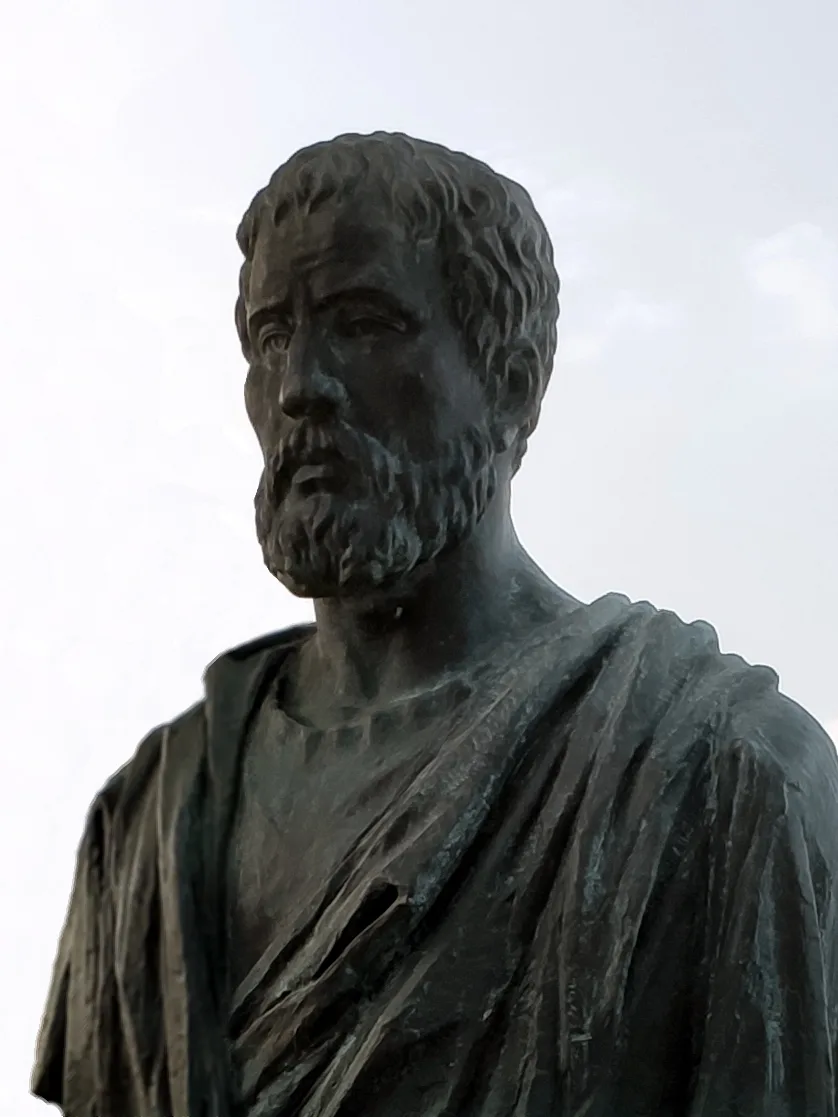
Tap the right answer
The Roman writer Pomponius Mela described a 'Lacus Flevo' here in 44 AD. Over the centuries the lake grew, joined the sea and became the Zuiderzee.
Photo: Américo Toledano, Wikimedia Commons, CC BY-SA 4.0.


Want to make a quiz like this yourself? Do it on Votur, it's free.
Paste the code into your page. The player fits itself in, and every vote counts in Votur.
On WordPress, Ghost or Squarespace? Just paste the link of this page into your post.
This is how it looks
Also fun