 Get app
 Photo: Dina L, Wikimedia Commons, CC0.
How well do you know the flower that took the world by storm? Test your knowledge on the history, science, and cultural impact of the beloved tulip.
Sprout 0–4 · Garden Enthusiast 5–8 · Master Botanist 9–10
Pick one

Tulips belong to the lily family, Liliaceae, together with lilies and fritillaries. Their name is thought to come from an old word for turban, because the flower looks a little like one.
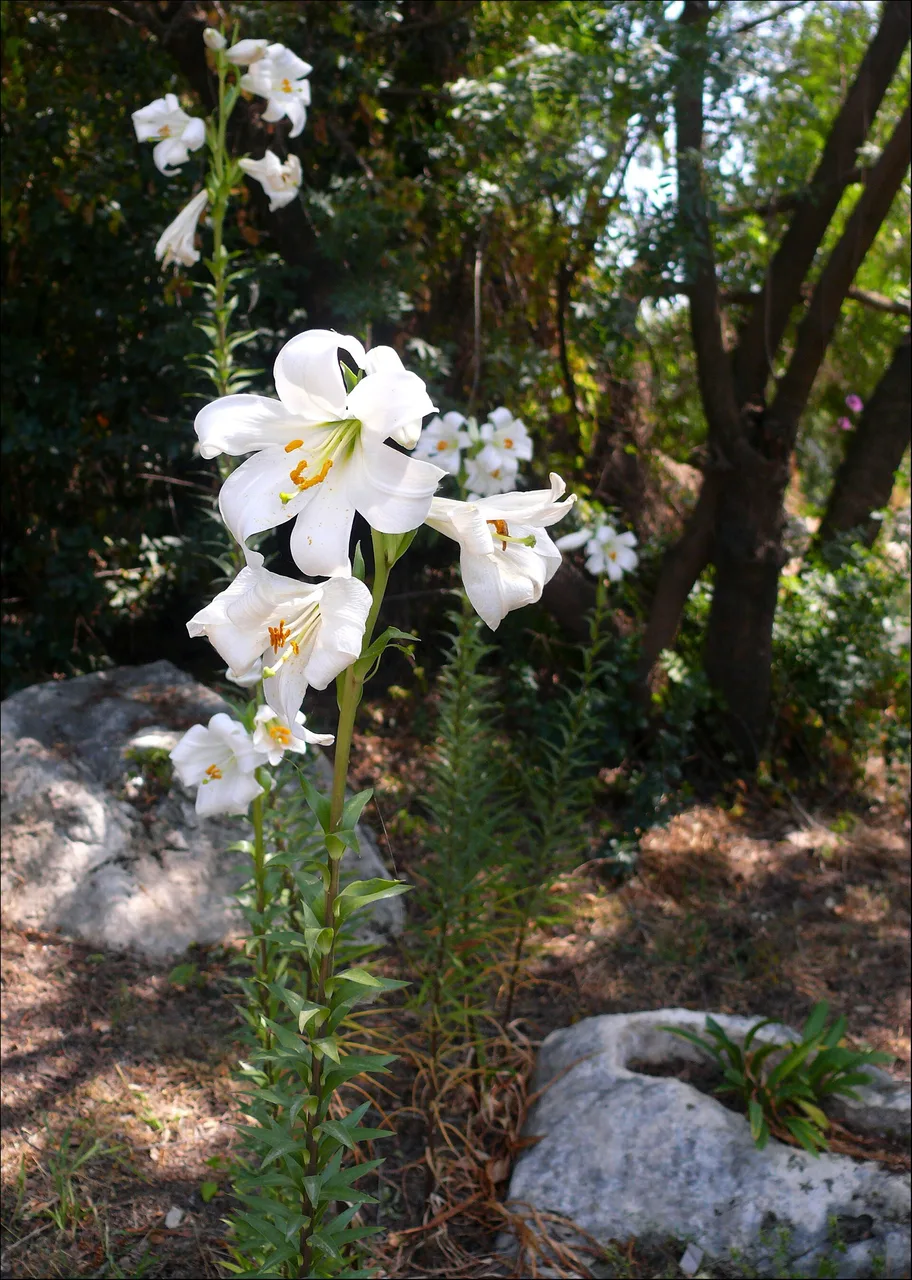
Photo: Zachi Evenor, Wikimedia Commons, CC BY 2.0.
Pick one
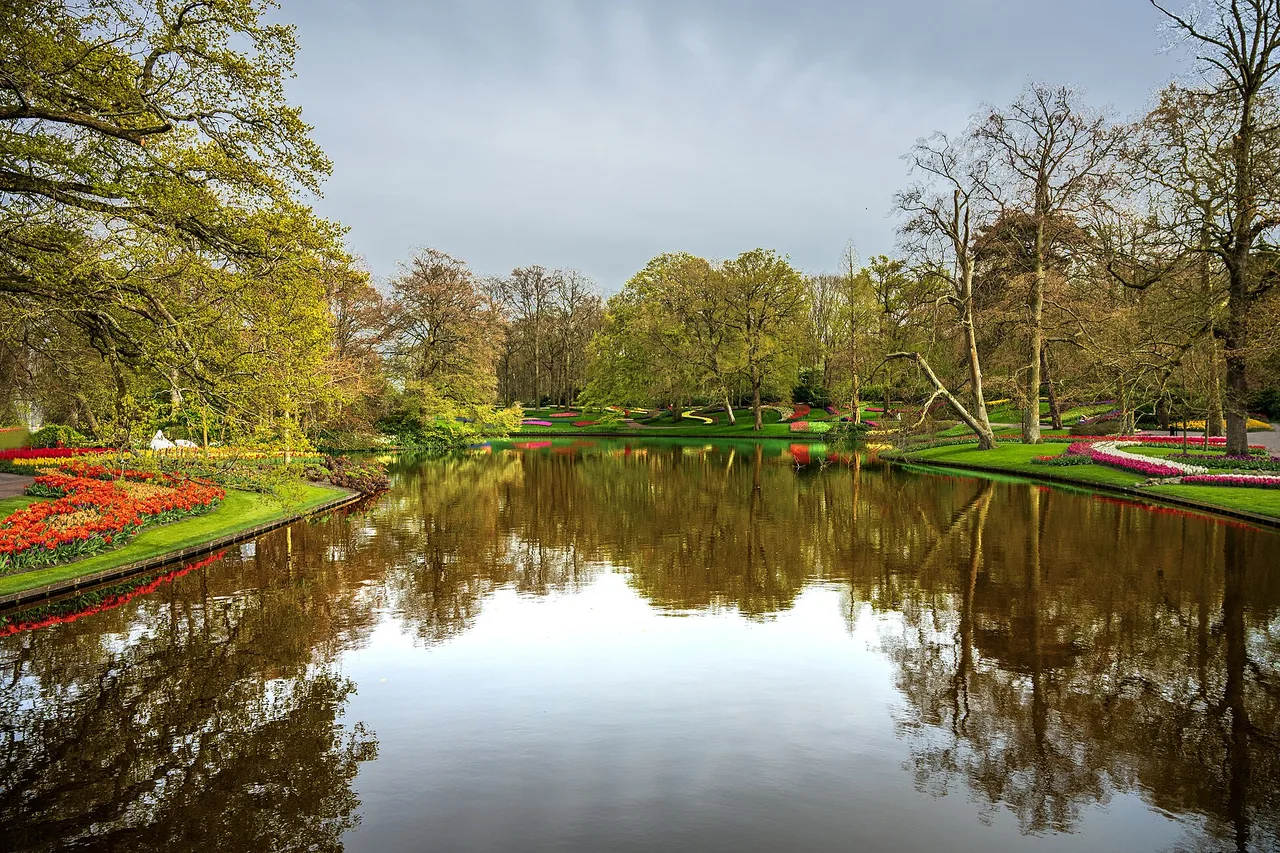
Located in Lisse, Keukenhof is known as the Garden of Europe. Around seven million flower bulbs are planted there by hand every single year. The park only opens for about eight weeks in spring, attracting visitors from all over the globe.
Photo: Urdulife, Wikimedia Commons, CC BY-SA 4.0.
Pick one
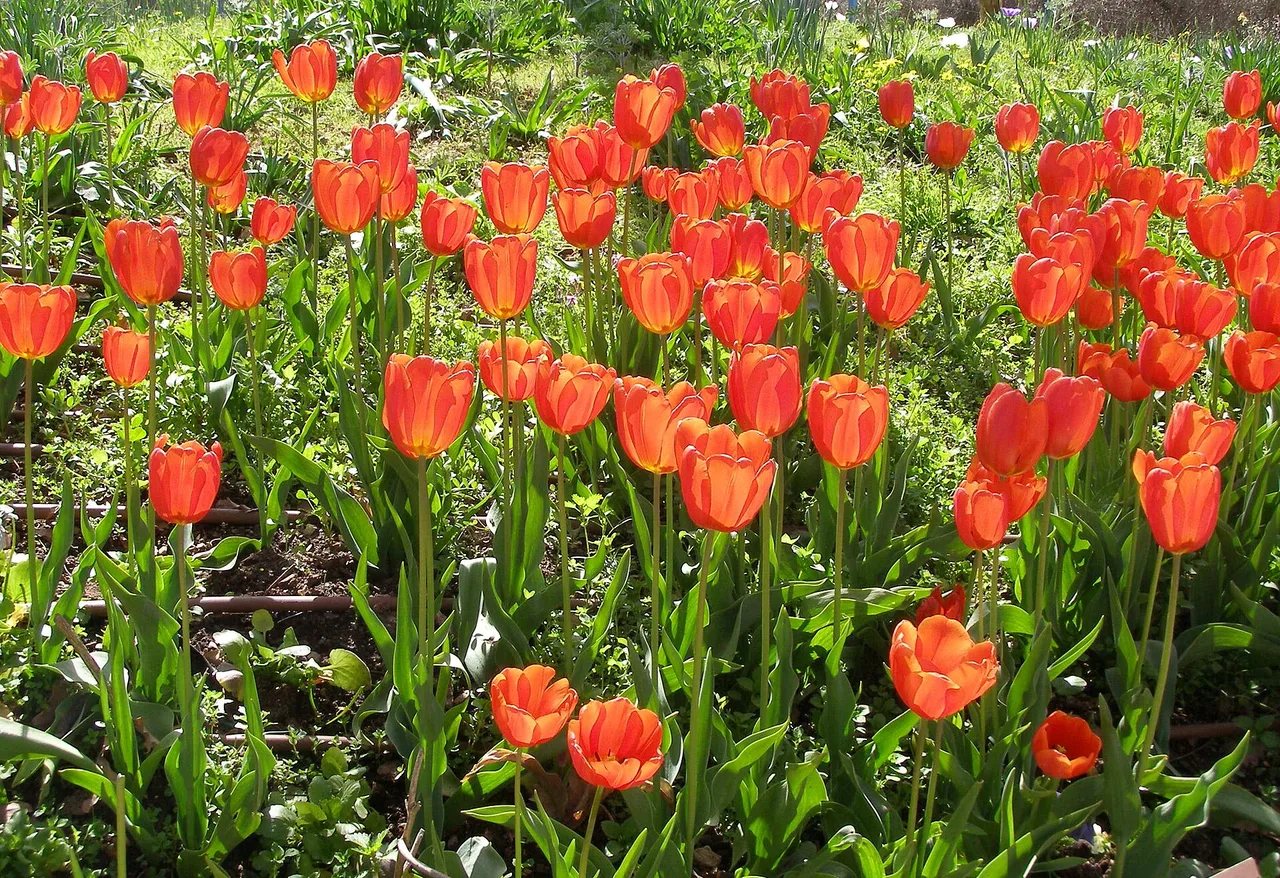
While the Netherlands is world-famous for tulips, these flowers actually originated in the mountainous regions of Central Asia. They were later cultivated by the Ottoman Empire in modern-day Turkey before botanists introduced them to Western Europe in the sixteenth century.
Photo: Dina L, Wikimedia Commons, CC0.
Pick one
Alexandre Dumas published The Black Tulip in 1850. The story revolves around a fictional contest in Haarlem to breed a truly black tulip. While breeders have come close with deep purple varieties like Queen of Night, a pure, natural black tulip remains impossible to grow.
Pick one
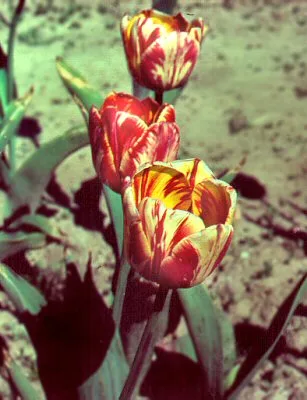
The striking, flame-like stripes on famous historical tulips like the Semper Augustus were caused by the Tulip Breaking Virus. This virus, spread by aphids, actually weakened the bulb over time, making these beautiful varieties extremely rare and difficult to keep alive.
Photo: ThorbenL at Danish Wikipedia, Wikimedia Commons, Public domain.
Pick one
During the harsh Hongerwinter near the end of World War II, Nazi blockades cut off food supplies to the western Netherlands. Desperate citizens ate tulip bulbs, which are high in starch. While bland and potentially toxic if not properly cleaned, they saved thousands of lives.

Photo: Fotograaf Onbekend / Anefo, Wikimedia Commons, CC BY-SA 3.0.
Pick one
Carolus Clusius planted tulip bulbs at the Hortus Botanicus Leiden in 1593. He realized they could tolerate the harsh Dutch climate, sparking a nationwide obsession. Interestingly, local thieves stole some of his prized bulbs right out of his garden!
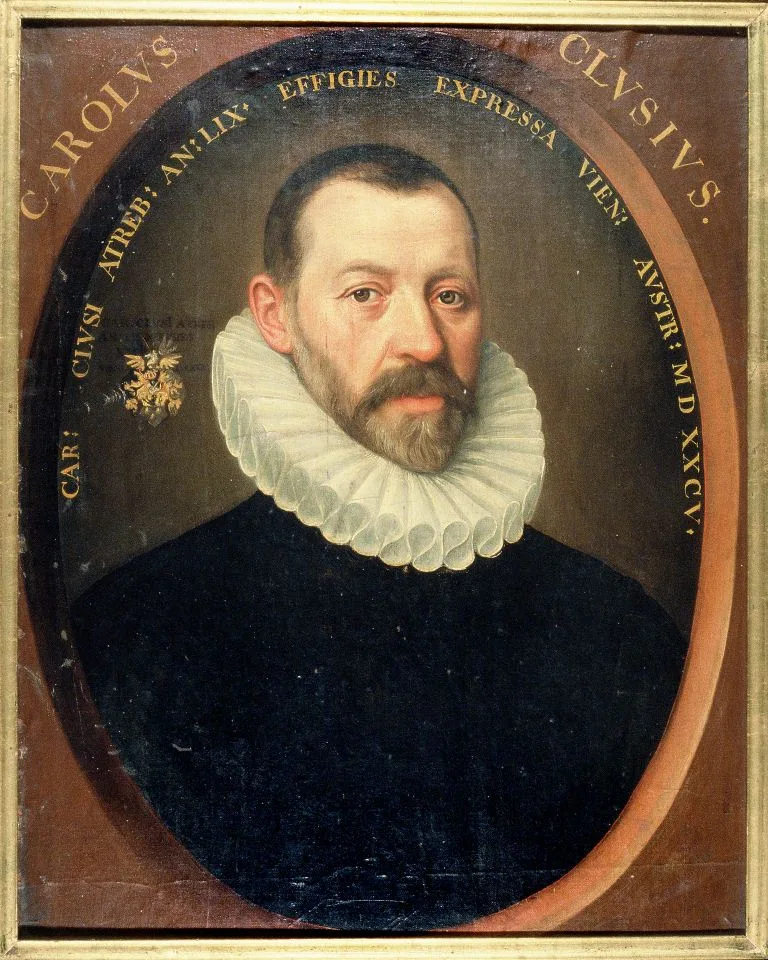
Photo: Attributed to Jacob de Monte, Wikimedia Commons, Public domain.
Pick one
The Semper Augustus was the most famous and costly bulb during the 1637 Tulip Mania. A single bulb could cost as much as a grand canal house in Amsterdam. Its beautiful flame-like stripes were actually caused by a plant virus.
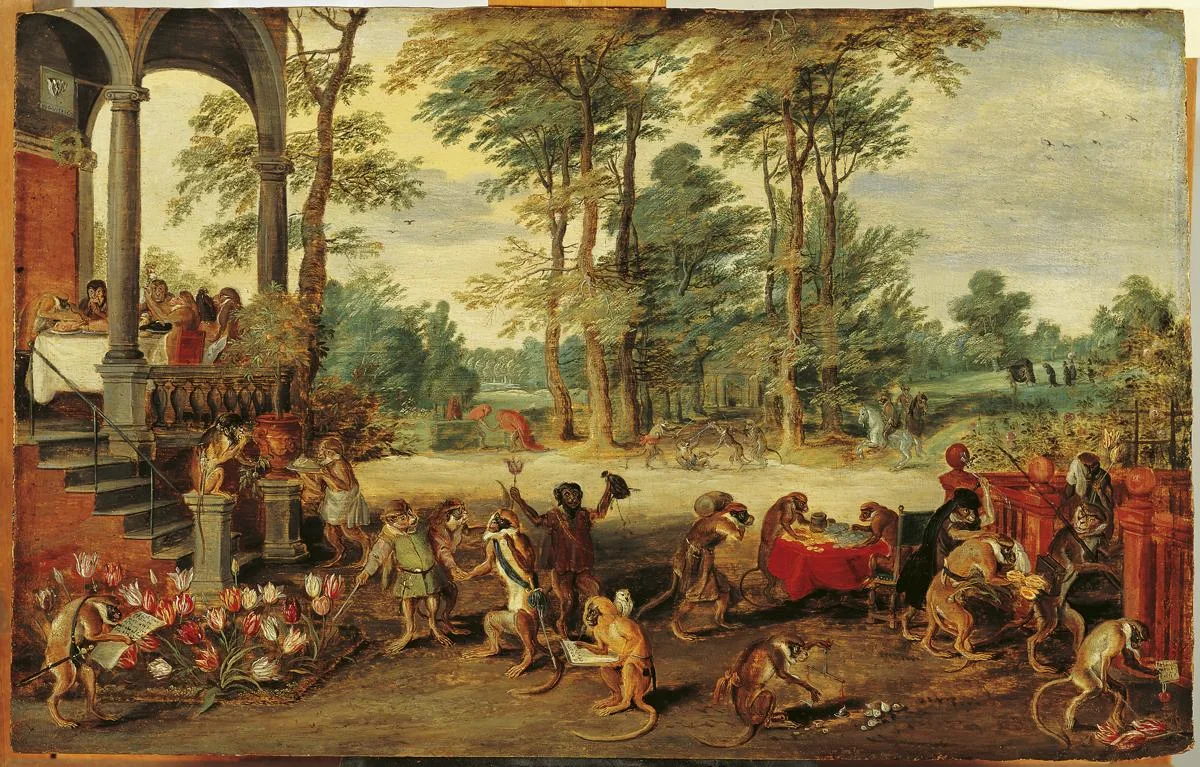
Photo: Jan Brueghel the Younger, Wikimedia Commons, Public domain.
Pick one
Tulip Mania reached its frantic climax in the winter of 1636 to 1637. At the height of the bubble, a single luxury bulb could cost more than a grand canal house in Amsterdam, making it one of the most famous economic crashes in history.
Pick one
The Canadian Tulip Festival in Ottawa claims to be the world's largest tulip festival. It began with 100,000 bulbs sent in 1945 by the Dutch royal family, as thanks for sheltering Princess Juliana and her daughters during the war. Princess Margriet was even born in Ottawa, in a hospital ward that was briefly declared not to be Canadian territory.

Photo: Andrew Scheer, Wikimedia Commons, CC0.


Paste the code into your page. The player fits itself in, and every vote counts in Votur.
On WordPress, Ghost or Squarespace? Just paste the link of this page into your post.
This is how it looks
Also fun


