 Get app
 Photo: Sascha Grabow www.saschagrabow.com, Wikimedia Commons, CC BY-SA 3.0.
Embark on a journey to Madagascar, the world's fourth-largest island! Test your knowledge on its unique wildlife, vibrant traditions, historic kingdoms, and breathtaking natural landscapes.
Island Explorer 0–4 · Baobab Spotter 5–8 · True Malagasy Insider 9–10
Pick one

The baobab tree is affectionately known as 'Renala' in Malagasy. Madagascar is home to six endemic species of this majestic tree, which can store thousands of liters of water in its massive trunk to survive harsh dry seasons. The famous Avenue of the Baobabs features trees that are centuries old.
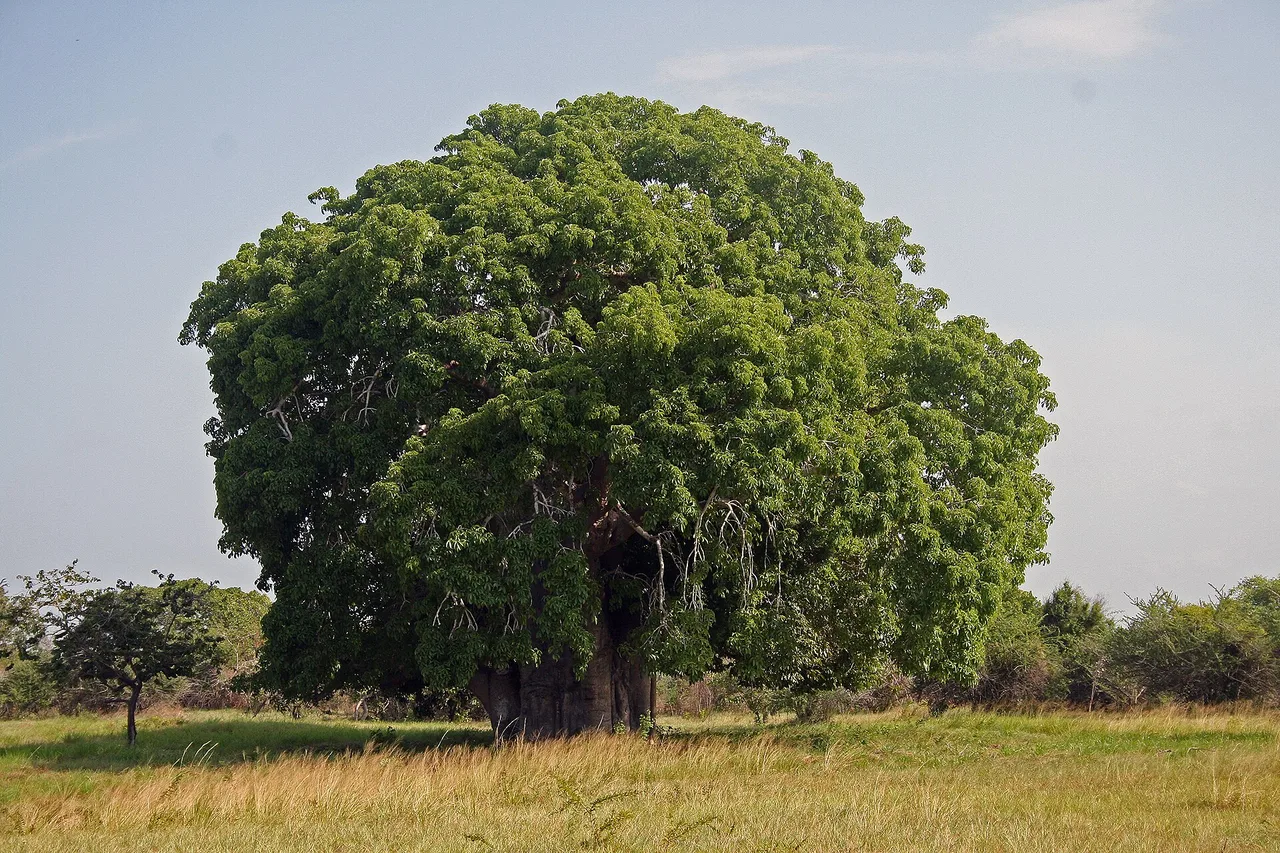
Photo: Muhammad Mahdi Karim, Wikimedia Commons, GFDL 1.2.
Pick one
Nosy Be, which means 'Big Island' in Malagasy, is Madagascar's busiest tourist destination. It is often called the 'Perfume Island' due to the intense fragrance of ylang-ylang, vanilla, and coffee plantations that cover its hills. It also boasts beautiful volcanic lakes and coral reefs.
Pick one
Tsingy de Bemaraha is famous for its massive 'forests' of sharp, vertical limestone needles. The word 'tsingy' translates to 'where one cannot walk barefoot' in the local dialect. This unique landscape serves as a natural fortress, protecting many endemic species of plants and animals.
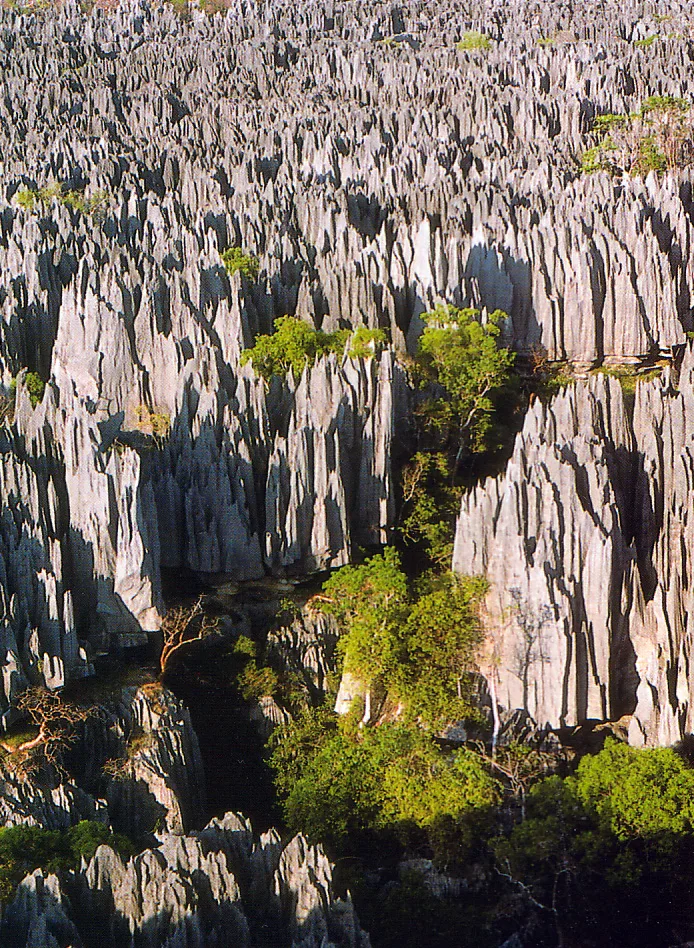
Photo: My father (who approves of its use), Wikimedia Commons, CC BY-SA 3.0.
Pick one
Romazava is the undisputed national dish of Madagascar, traditionally made with beef, pork, or chicken cooked with a unique blend of leafy greens including anamalao. These greens give the broth a distinct, slightly numbing flavor. It is always served alongside a large portion of white rice.
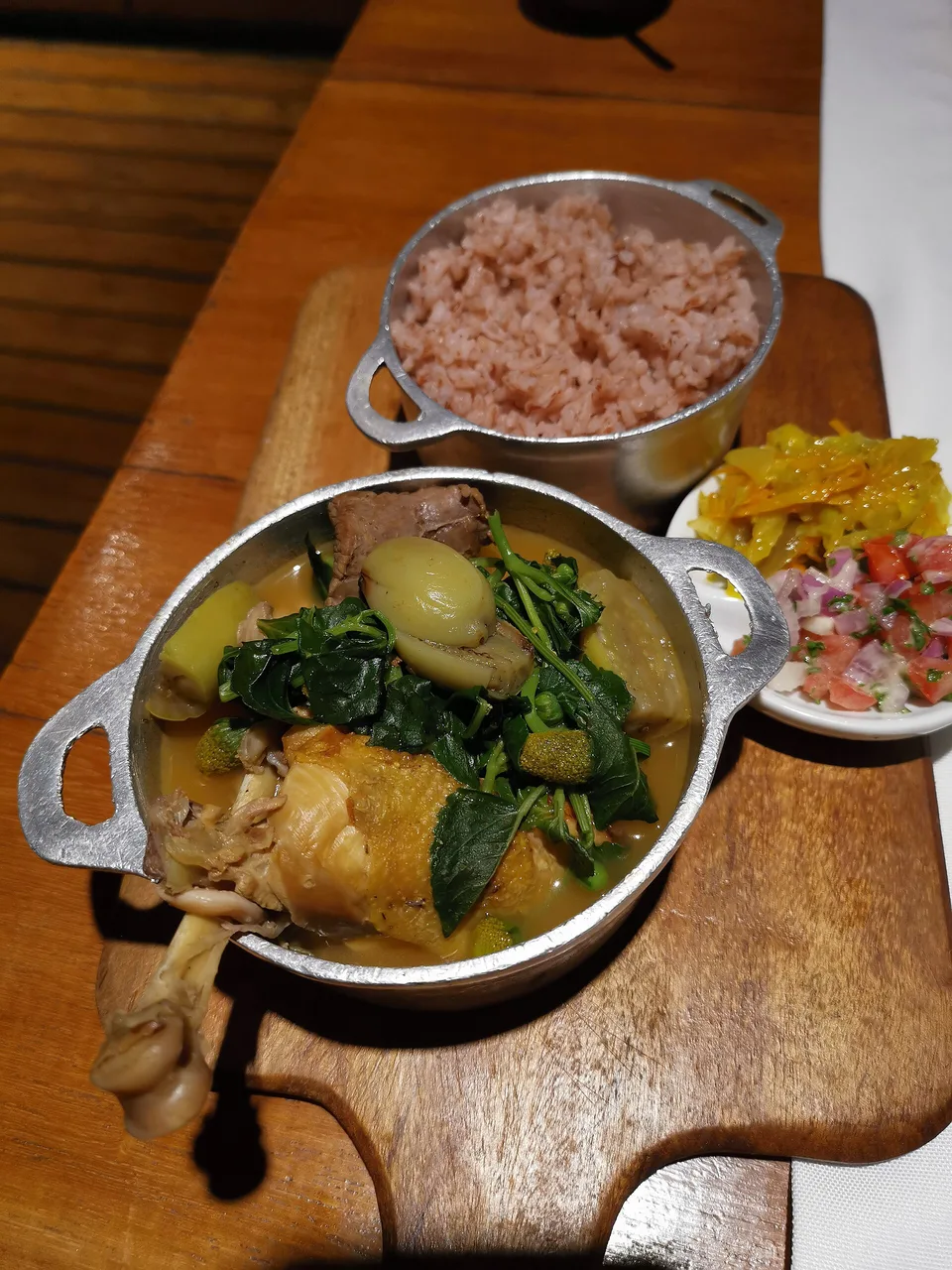
Photo: Z thomas, Wikimedia Commons, CC BY-SA 4.0.
Pick one
Famadihana, or 'the turning of the bones', is a sacred funerary tradition where families exhume the remains of their ancestors, wrap them in fresh silk shrouds, and dance with them. It is a joyful celebration of family bonds, based on the belief that spirits do not join ancestors until fully decomposed.
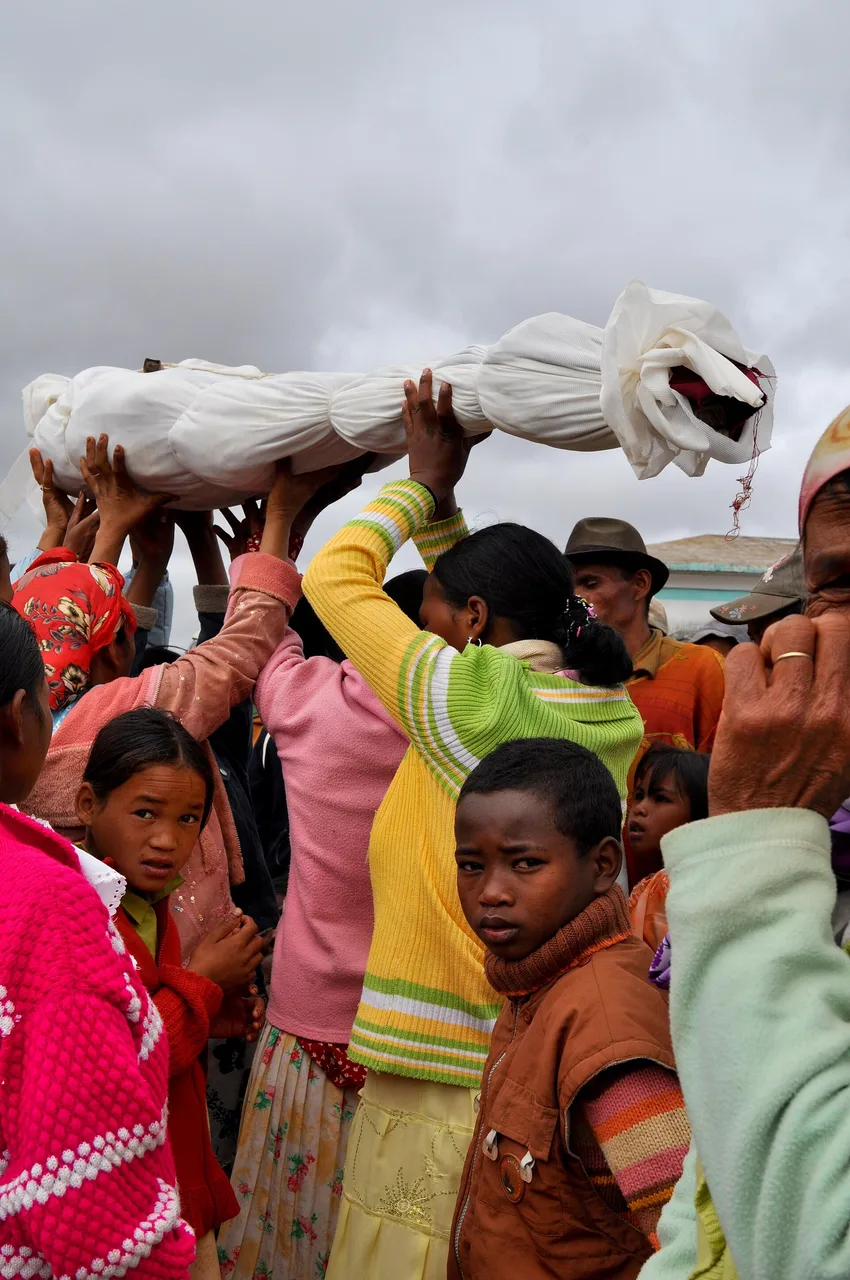
Photo: Saveoursmile (Hery Zo Rakotondramanana), Wikimedia Commons, CC BY-SA 2.0.
Pick one
The indri, also called the babakoto, is the largest living lemur and is famous for its eerie, siren-like songs that echo through the rainforest canopy. These duets help groups defend their territory. Interestingly, they are among the few primate species that have a rhythmic, human-like beat in their songs.
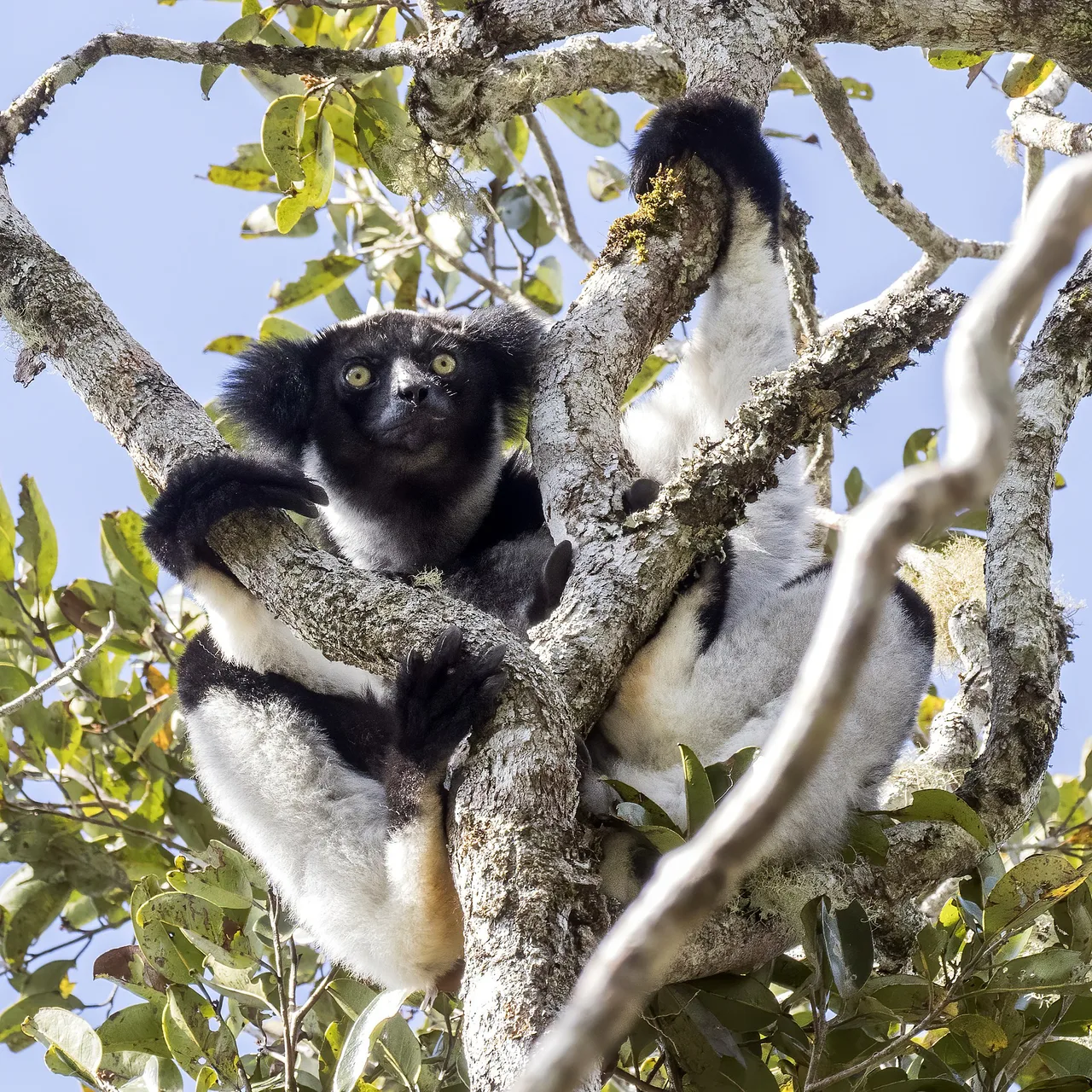
Photo: Charles J. Sharp, Wikimedia Commons, CC BY-SA 4.0.
Pick one
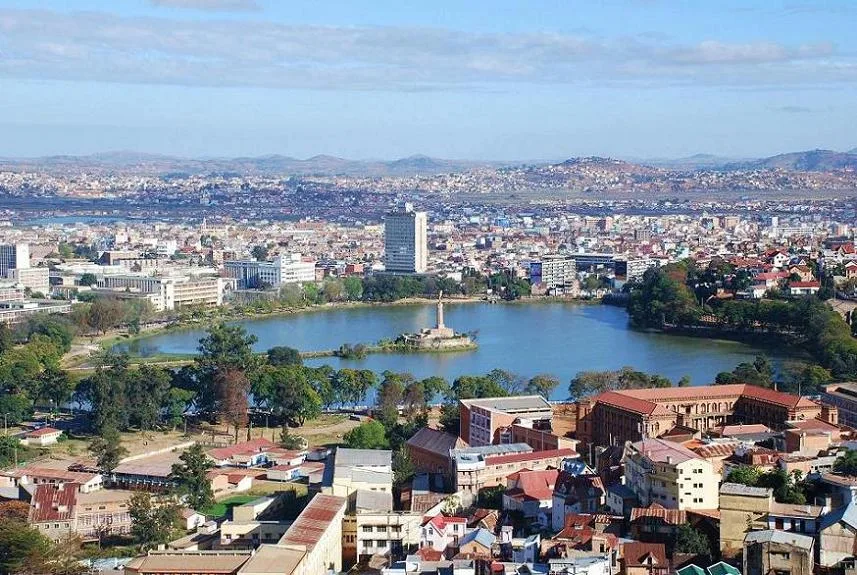
Antananarivo translates to 'The City of the Thousand', referring to the one thousand soldiers assigned by King Andrianjaka to guard the newly established settlement in the 17th century. The city was built on high ridges, which made it highly defensible against rival kingdoms.
Photo: Sascha Grabow www.saschagrabow.com, Wikimedia Commons, CC BY-SA 3.0.
Pick one
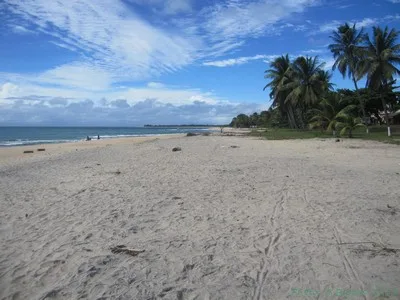
The Sava Region in northeastern Madagascar is known as the vanilla capital of the world. Because vanilla orchids do not have their natural pollinators here, every single flower must be painstakingly hand-pollinated by local farmers using a tiny bamboo needle.
Photo: Tonton Bernardo, Wikimedia Commons, CC BY-SA 3.0.
Pick one
Queen Ranavalona III was the last sovereign of Madagascar. After France took over the island, she was sent into exile in 1897, first to Réunion and later to a villa in Algiers, and she was never allowed to return home. She remains a symbol of Malagasy identity and pride.
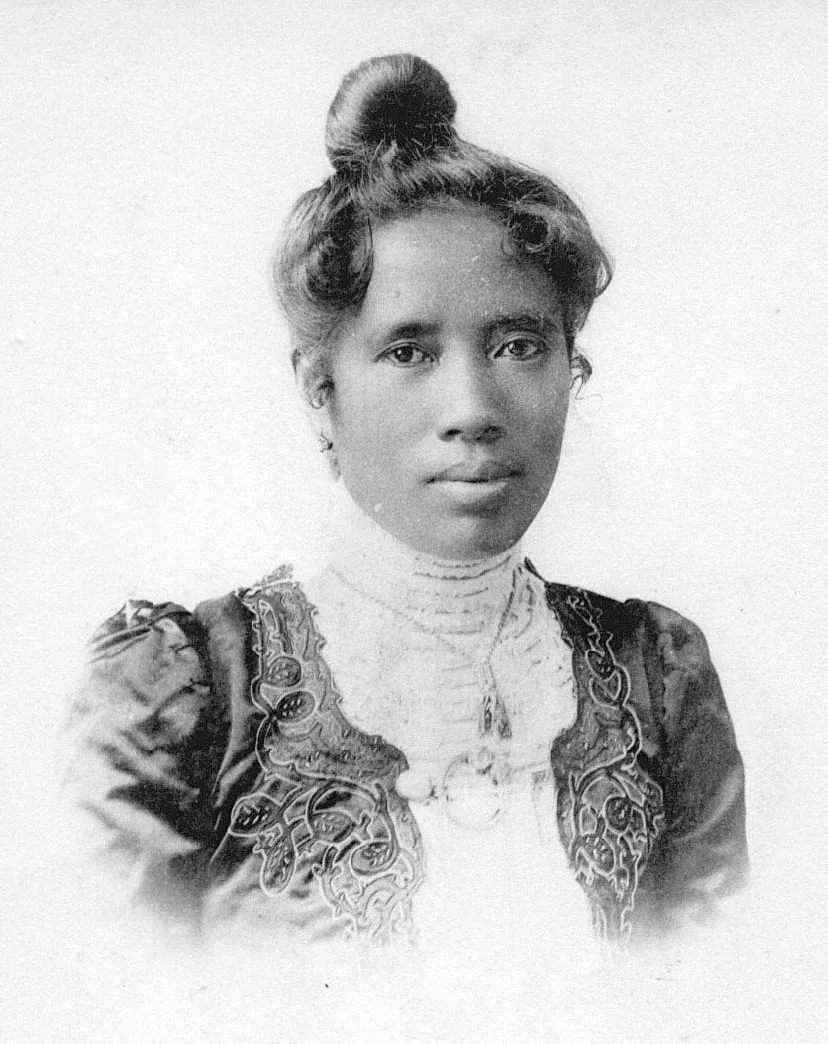
Photo: J. Geiser. Algier phot., Wikimedia Commons, Public domain.
Pick one
The fossa is Madagascar's largest native carnivore. Although it looks somewhat like a wild cat or a small cougar, it is actually closely related to the mongoose family. It is an incredibly agile climber, using its long tail for balance to hunt lemurs high up in the forest canopy.
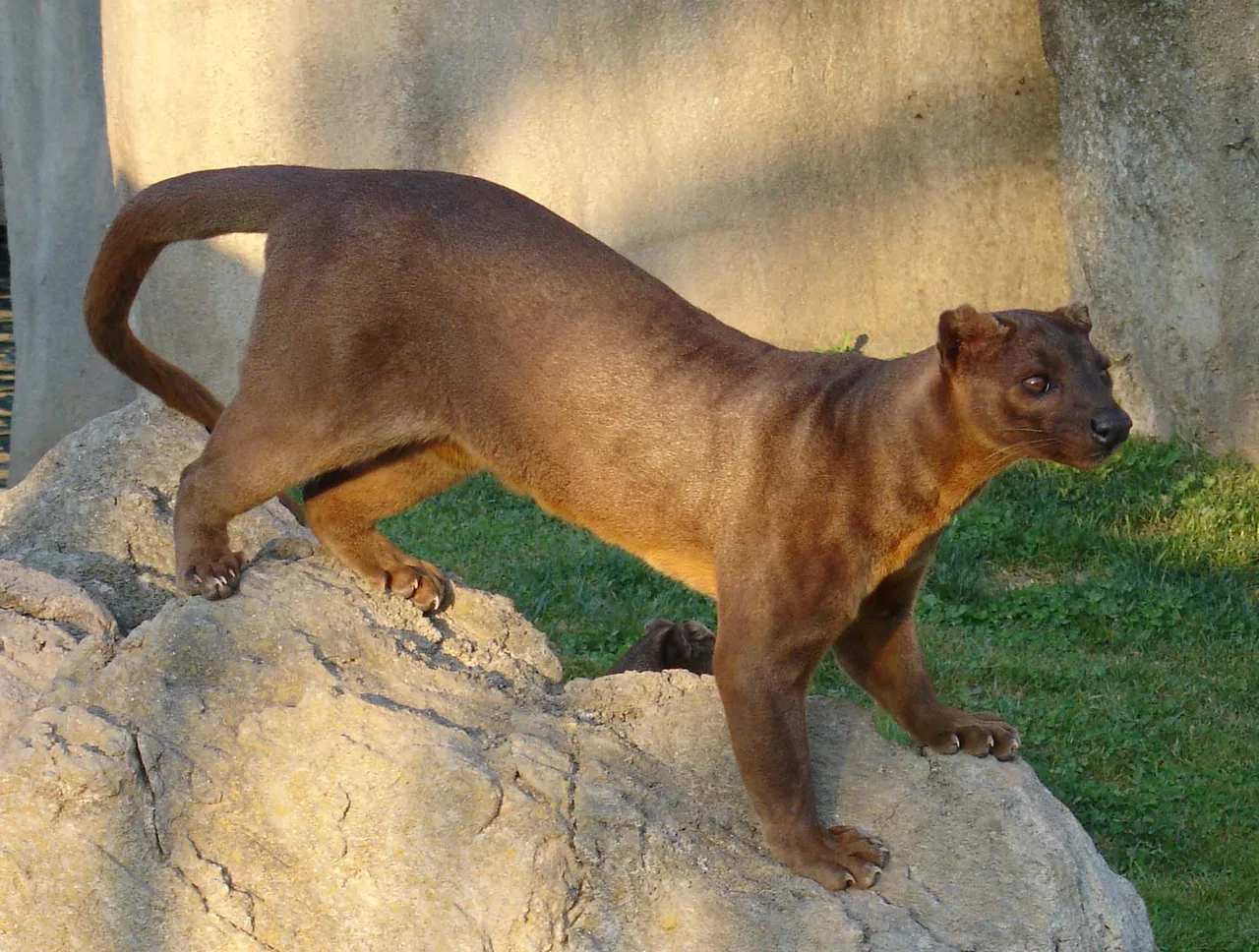
Photo: Ran Kirlian, Wikimedia Commons, CC BY-SA 4.0.


Paste the code into your page. The player fits itself in, and every vote counts in Votur.
On WordPress, Ghost or Squarespace? Just paste the link of this page into your post.
This is how it looks
Also fun


