 Get app
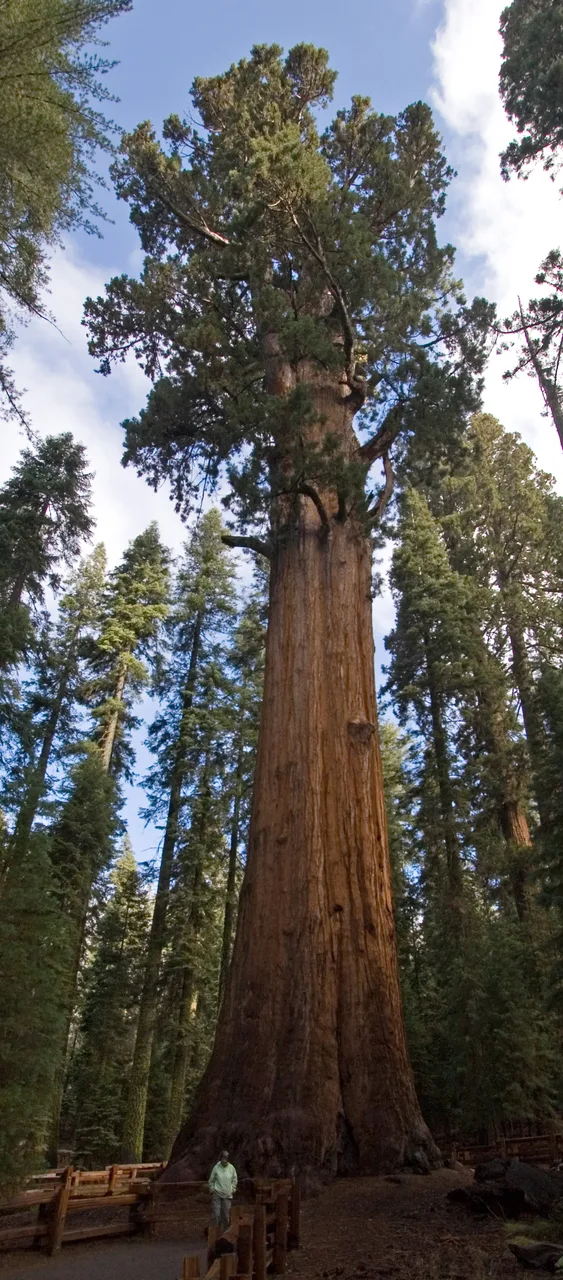
 Photo: Mike Murphy (talk · contribs), Wikimedia Commons, CC BY-SA 3.0.
Test your knowledge about the giant sequoias, the most massive living trees on Earth. Discover their unique adaptations, history, and surprising secrets.
Sprout in Training 0–4 · Canopy Explorer 5–8 · Ancient Giant 9–10
Pick one

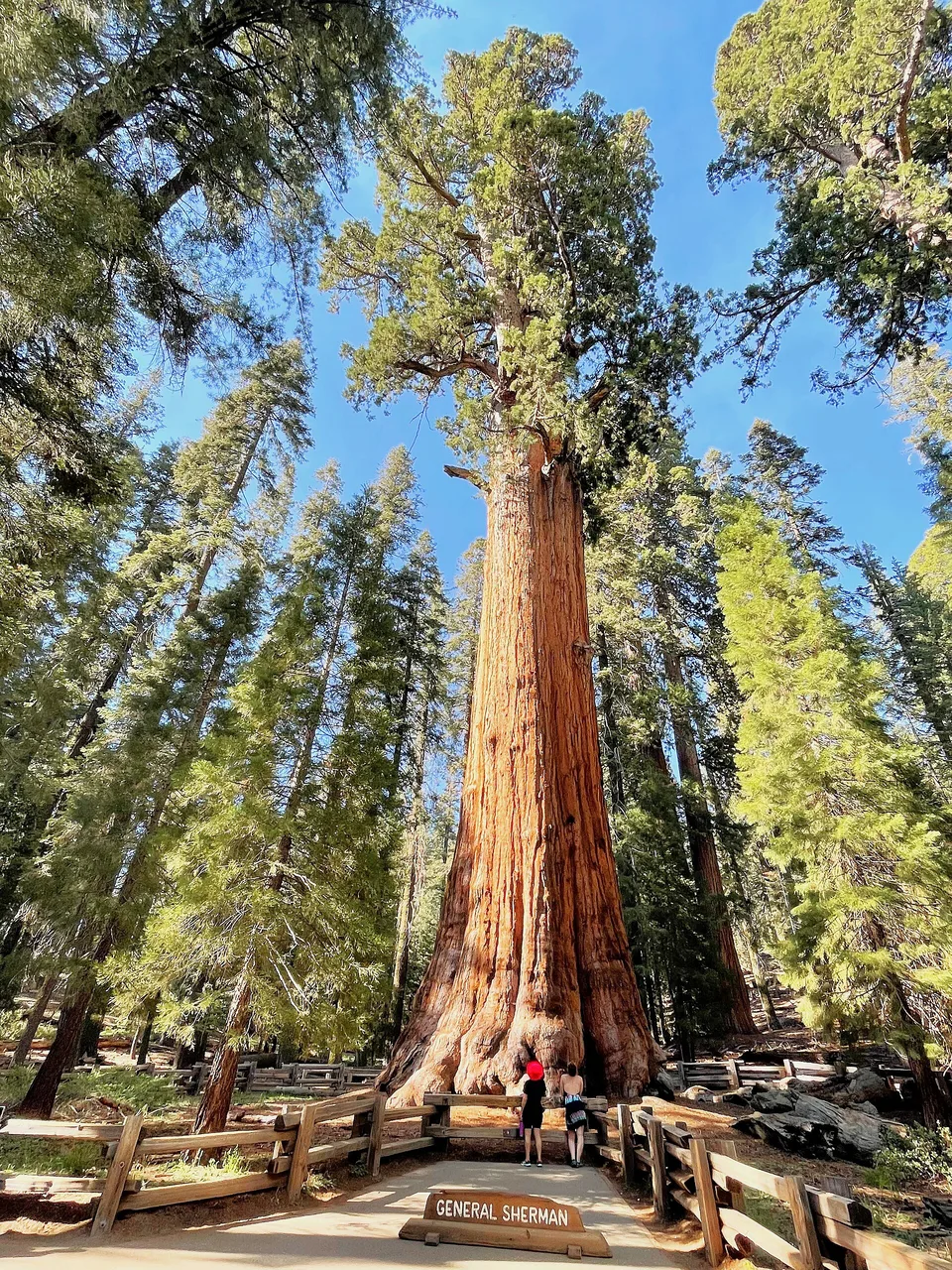
The General Sherman tree, located in California's Sequoia National Park, boasts a volume of about 1,487 cubic meters. Interestingly, it is not the tallest or the widest tree, but its sheer trunk volume makes it the undisputed heavyweight champion of the plant world.
Photo: Kimon Berlin, Wikimedia Commons, CC BY-SA 2.0.
Pick one
Sequoia National Park was created in 1890 to protect these ancient giants from logging. It was the second national park established in the United States, following Yellowstone. The Giant Forest within the park contains five of the ten largest trees on Earth.
Photo: Marty Aligata, Wikimedia Commons, CC BY-SA 4.0.
Pick one
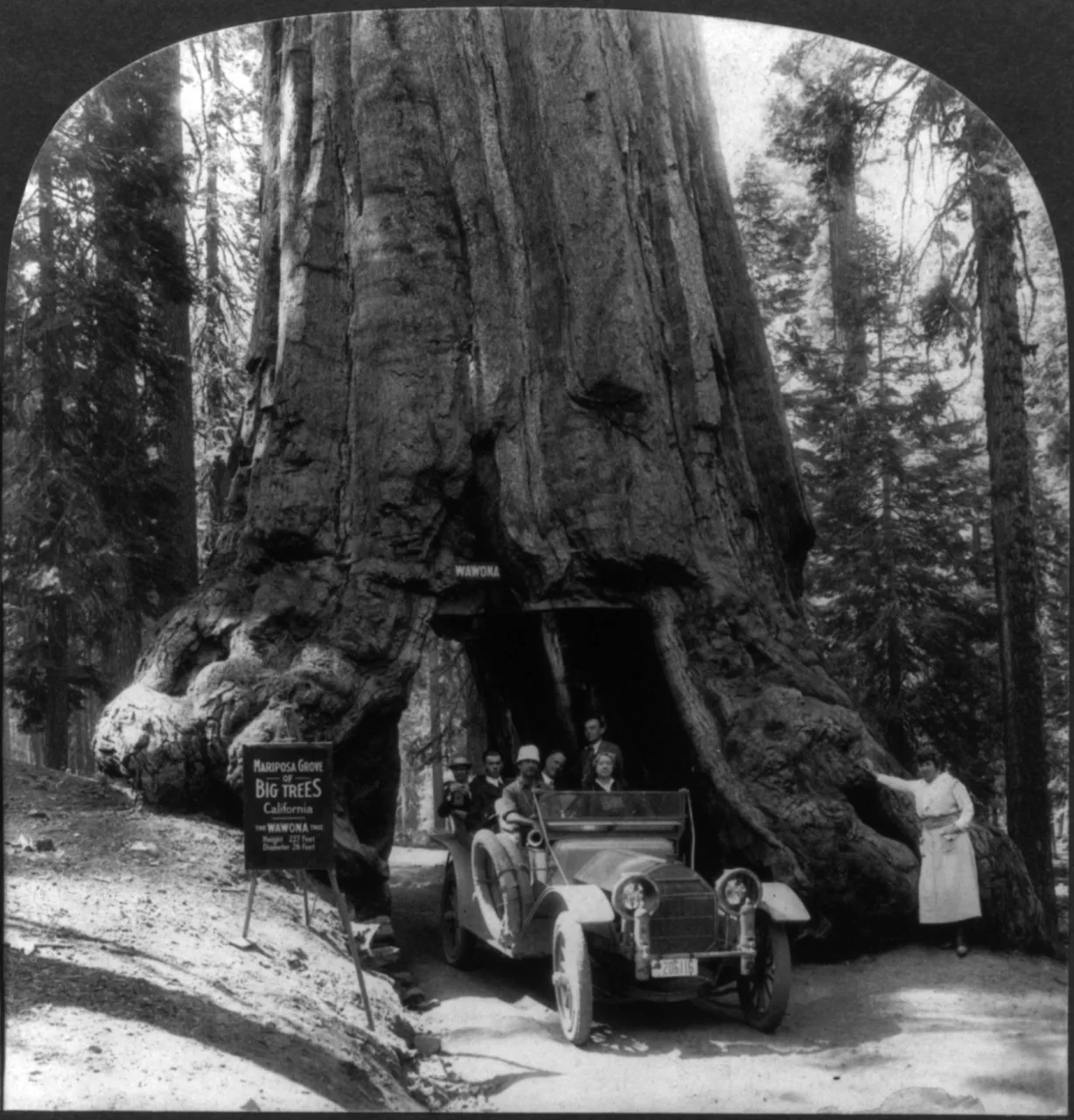
The Wawona Tree in Yosemite's Mariposa Grove had a wide tunnel cut through its base in 1881 to attract tourists. Although it survived for nearly nine decades and became an iconic symbol of early national park tourism, a heavy snow load finally caused it to topple in 1969.
Photo: Keystone View Co., Wikimedia Commons, Public domain.
Pick one
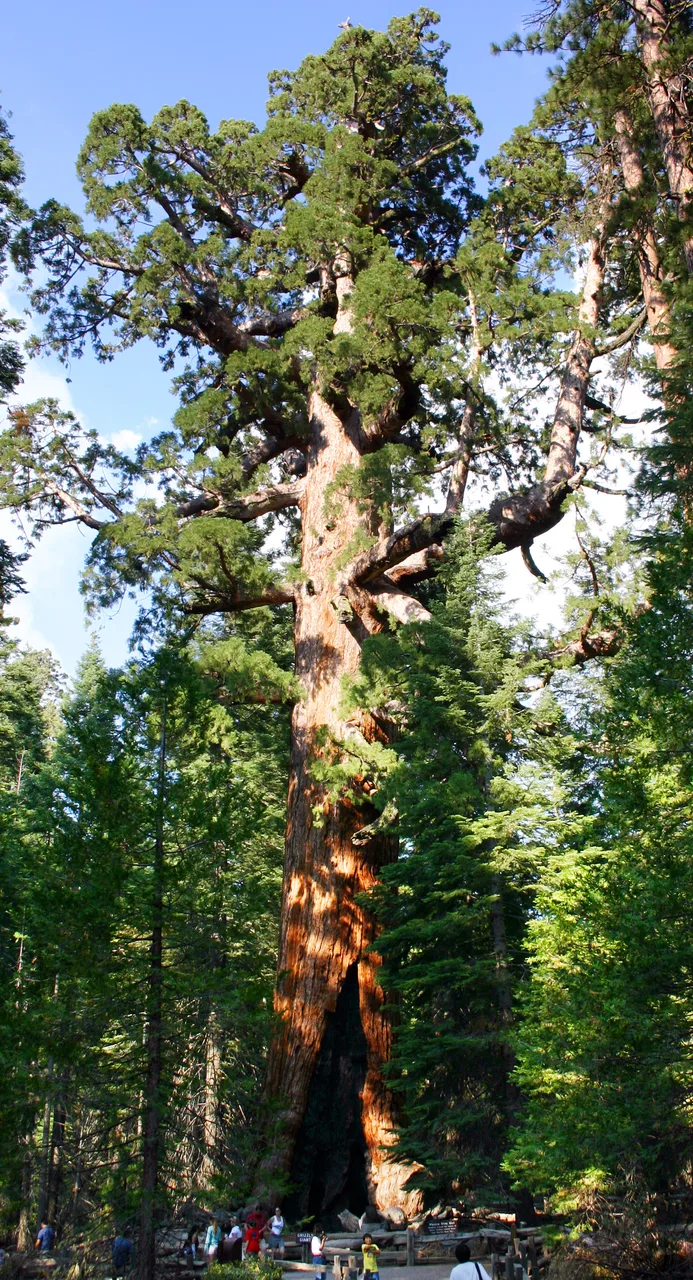
These massive trees are native exclusively to the western slopes of California's Sierra Nevada mountain range, thriving in a narrow elevation band. They require the unique combination of dry summer heat and deep winter snowpack found in this region to survive.
Photo: Mike Murphy (talk · contribs), Wikimedia Commons, CC BY-SA 3.0.
Pick one
John Muir spent years exploring the Sierra Nevada and studied the giant sequoia groves in the 1870s. He called the Big Tree 'the king of all the conifers in the world', and his writings helped win support for protecting these giants, including in Sequoia National Park.
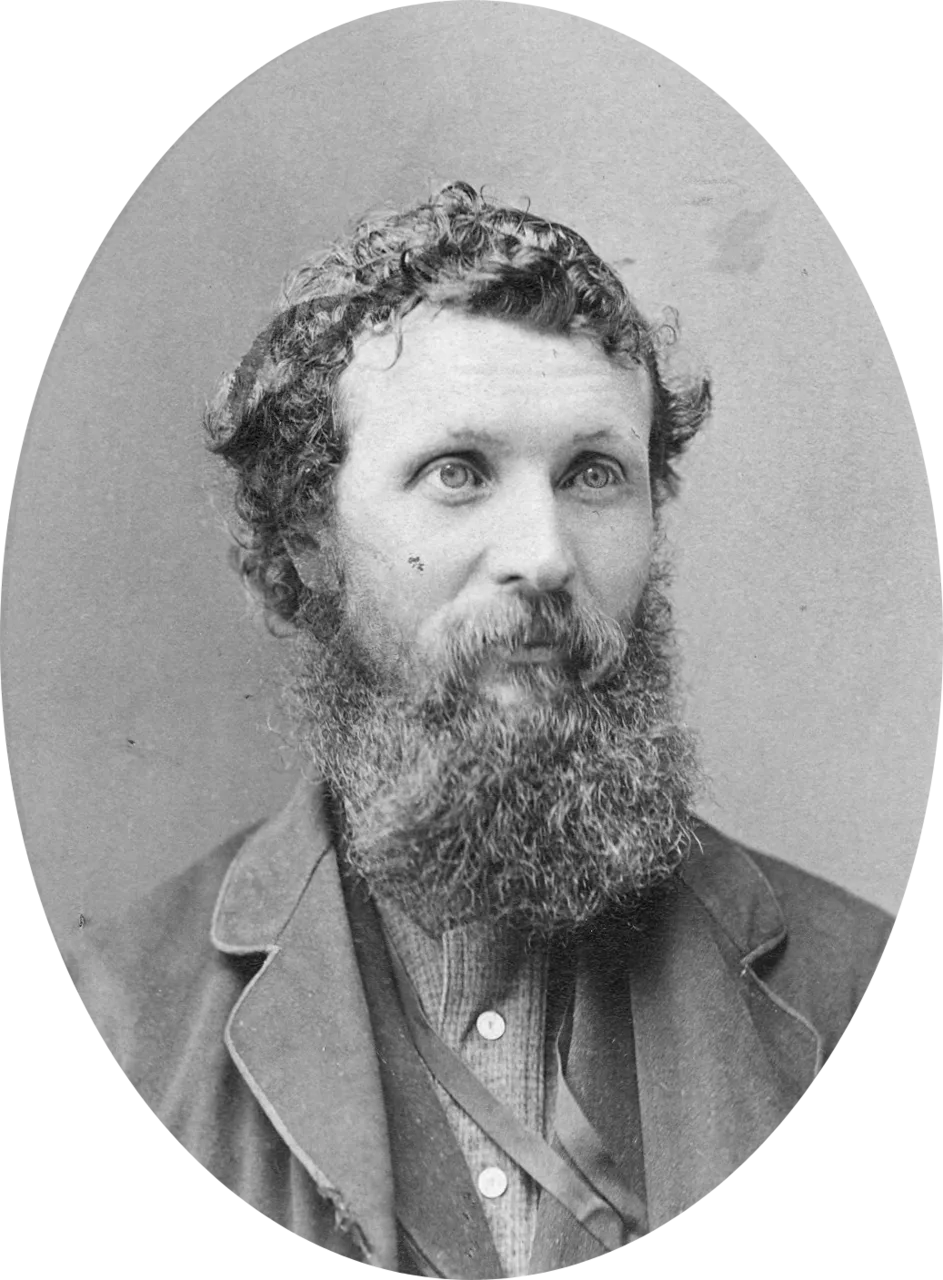
Photo: Carlton E. Watkins, Wikimedia Commons, Public domain.
Pick one
Austrian botanist Stephan Endlicher named the genus Sequoia in 1847 but never wrote down why; today the coast redwood keeps that name, while the giant sequoia has its own genus, Sequoiadendron. The most popular explanation is that he honoured Sequoyah, the brilliant Cherokee scholar who created the Cherokee writing system on his own. Some historians think the name comes from the Latin word for 'to follow' instead, so the mystery is still debated.
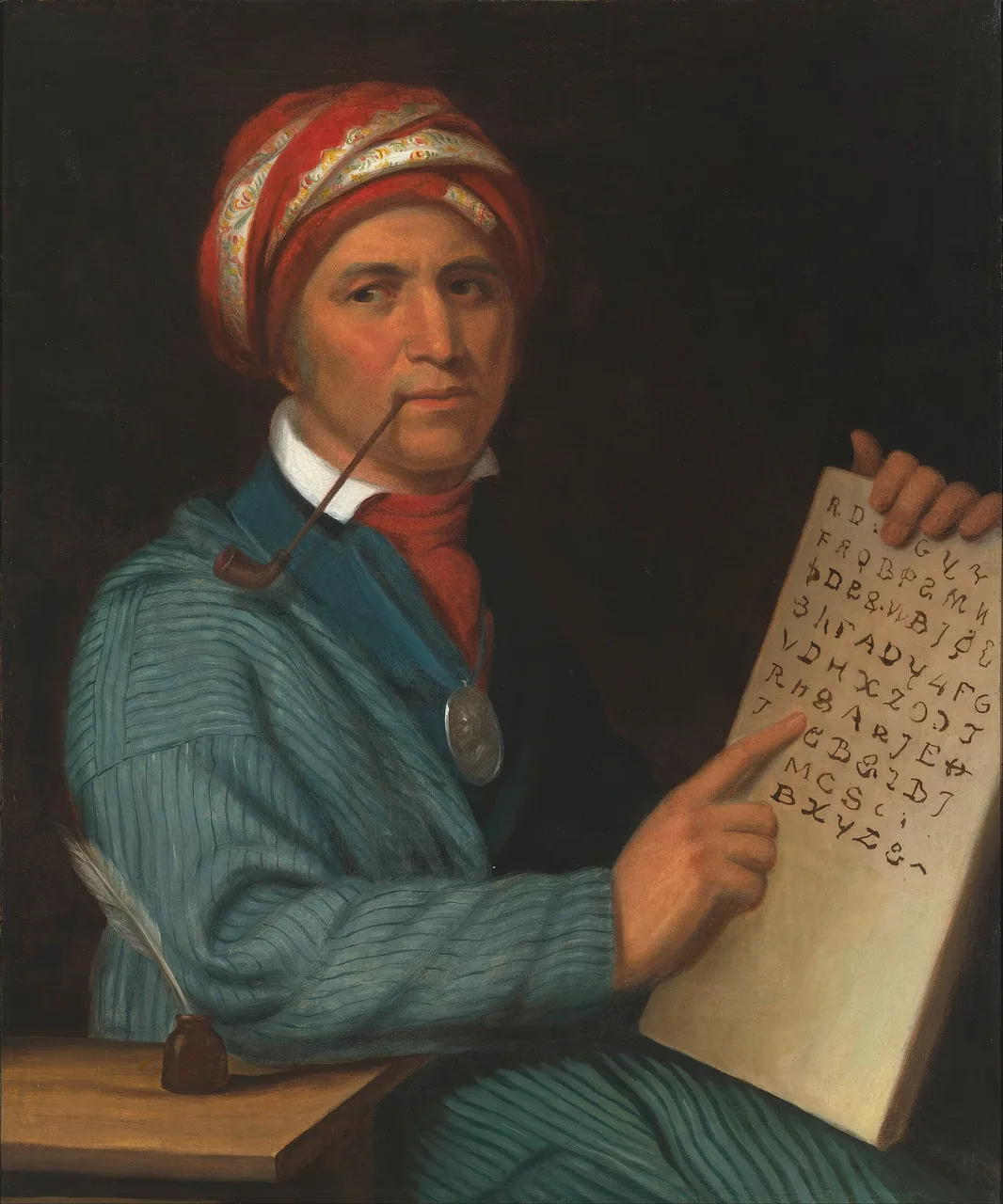
Photo: Henry Inman, Wikimedia Commons, Public domain.
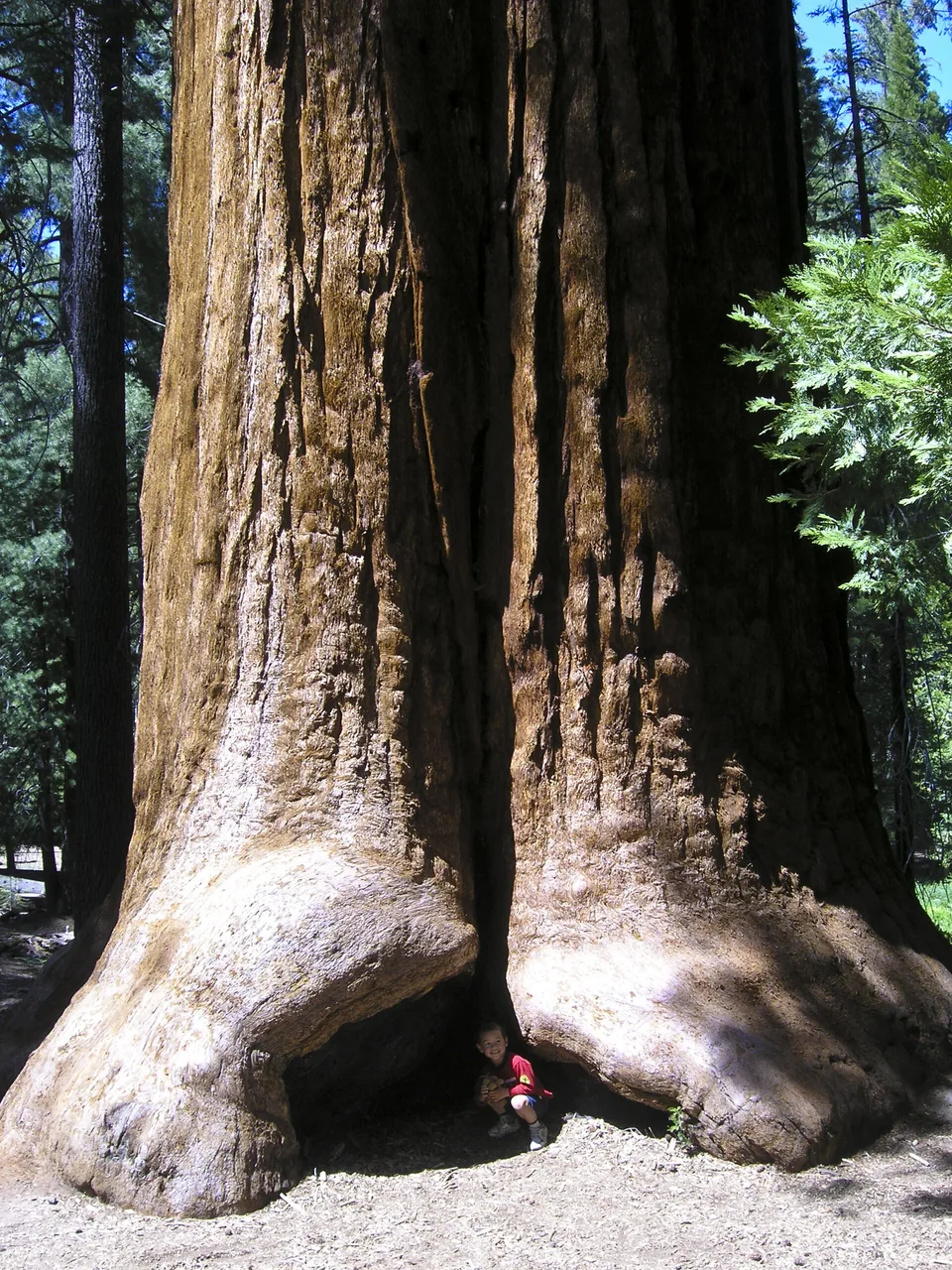
Pick one
President Bill Clinton created the Giant Sequoia National Monument in April 2000 using the Antiquities Act. This proclamation protected over 328,000 acres of land in California, ensuring that dozens of irreplaceable groves would be safe from commercial logging.
Photo: Jason Hickey, Wikimedia Commons, CC BY 2.0.
Pick one
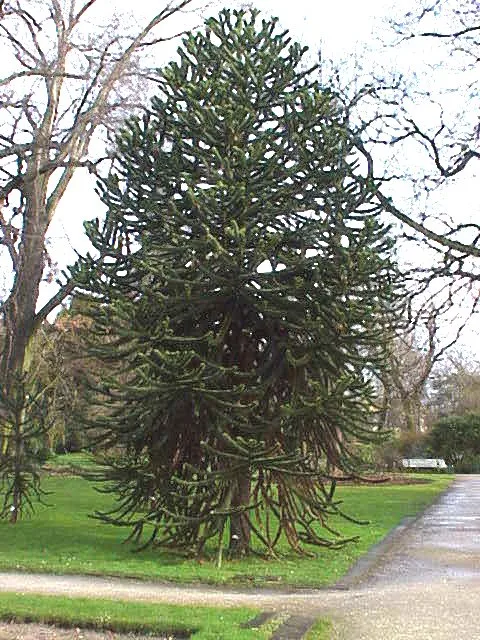
William Lobb collected seeds in California and rushed them back to England in 1853. The exotic trees became an instant status symbol for wealthy Victorian estate owners, and today, some of these cultivated British sequoias are already over 150 feet tall!
Photo: Wikimedia Commons, CC BY-SA 3.0.
Pick one
The famous National Park Service arrowhead insignia, designed in the 1950s, features a giant sequoia tree and a bison to represent vegetation and wildlife. The emblem also depicts scenic mountains and water to symbolize the preservation of natural resources.
Pick one
Giant sequoias rely on fire ecology to reproduce. The heat of a forest fire dries out the woody cones, causing them to open and drop seeds onto the freshly cleared, nutrient-rich ash. Squirrels and beetles open some cones too, but fire also clears away competing plants and opens up the canopy, so the seedlings get plenty of sunlight.
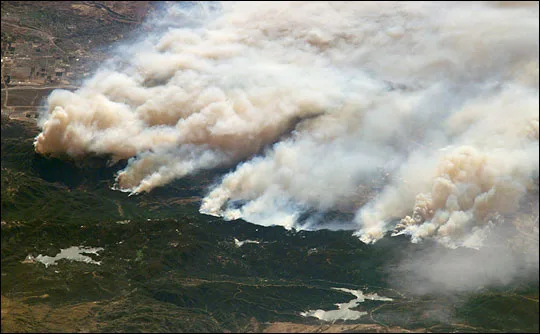
Photo: Wikimedia Commons, Public domain.


Paste the code into your page. The player fits itself in, and every vote counts in Votur.
On WordPress, Ghost or Squarespace? Just paste the link of this page into your post.
This is how it looks
Also fun


