 Get app
 Photo: G. Mütrel, Leipzig ; Berlin ; Wien : F.A. Brockhaus, Wikimedia Commons, Public domain.
Test your knowledge on cacti, the ultimate survivors of the plant world. Discover their surprising history, unique adaptations, and the myths surrounding these thorny giants.
Desert Wanderer 0–4 · Botanical Explorer 5–8 · Master Succulent Sage 9–10
Pick one

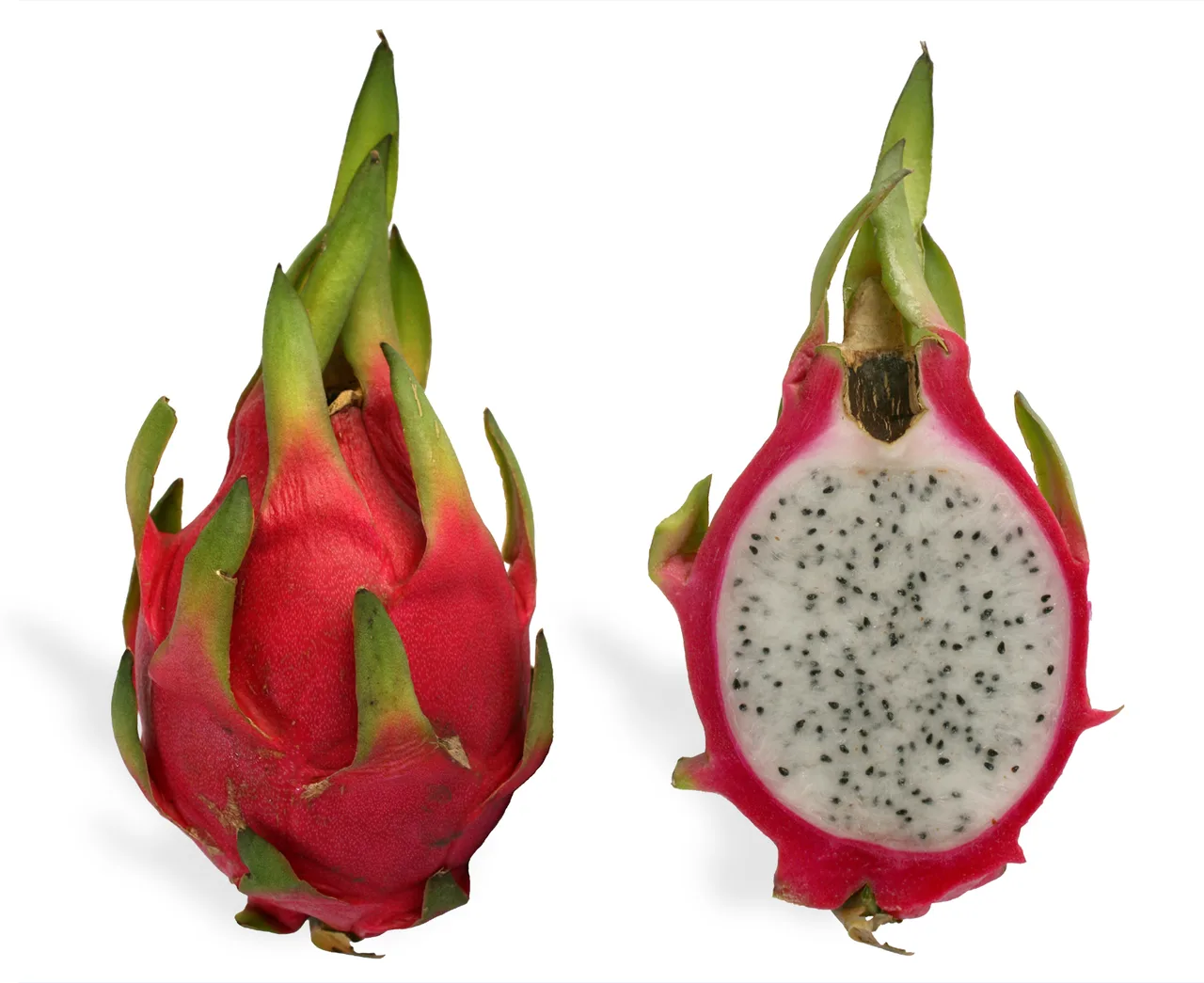
Dragon fruit, or pitahaya, comes from climbing cacti of the genus Selenicereus. These plants use aerial roots to cling to trees and rocks, and they produce spectacular nocturnal flowers that bloom for just one night.
Photo: SMasters, Wikimedia Commons, CC BY-SA 3.0.
Pick one
Saguaro National Park protects giant saguaro forests near Tucson. These iconic plants can live for over 150 years and grow up to 50 feet tall, though they often take up to 75 years just to grow their very first branch.

Photo: Saguaro Pictures, Wikimedia Commons, CC BY 3.0.
Pick one
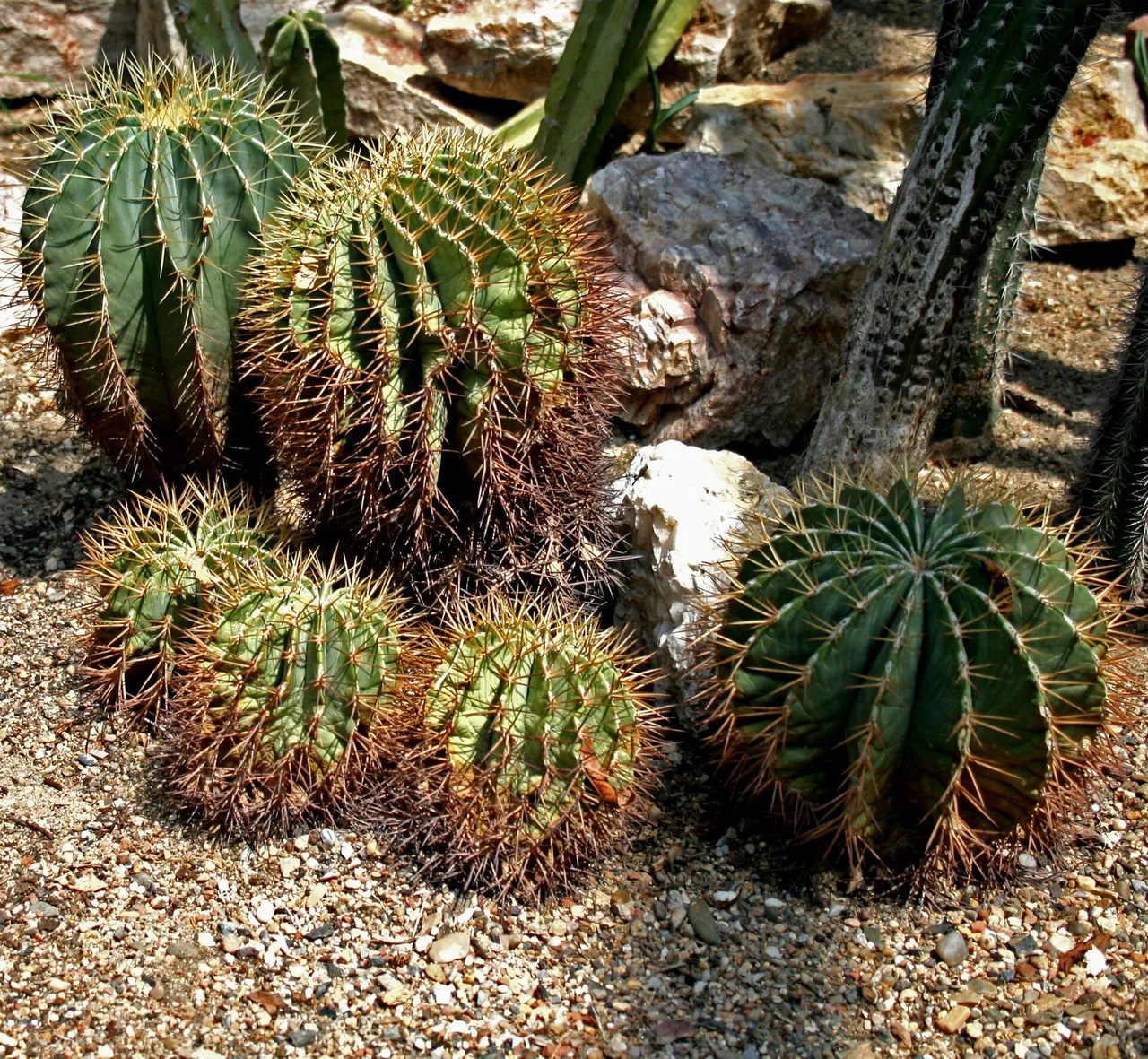
While popular culture suggests you can easily drink from a cactus, the fluid inside is actually a bitter, slimy fluid packed with toxic alkaloids and acids. Drinking it can cause severe diarrhea and vomiting, which quickly speeds up dehydration.
Photo: Karelj, Wikimedia Commons, Public domain.
Pick one
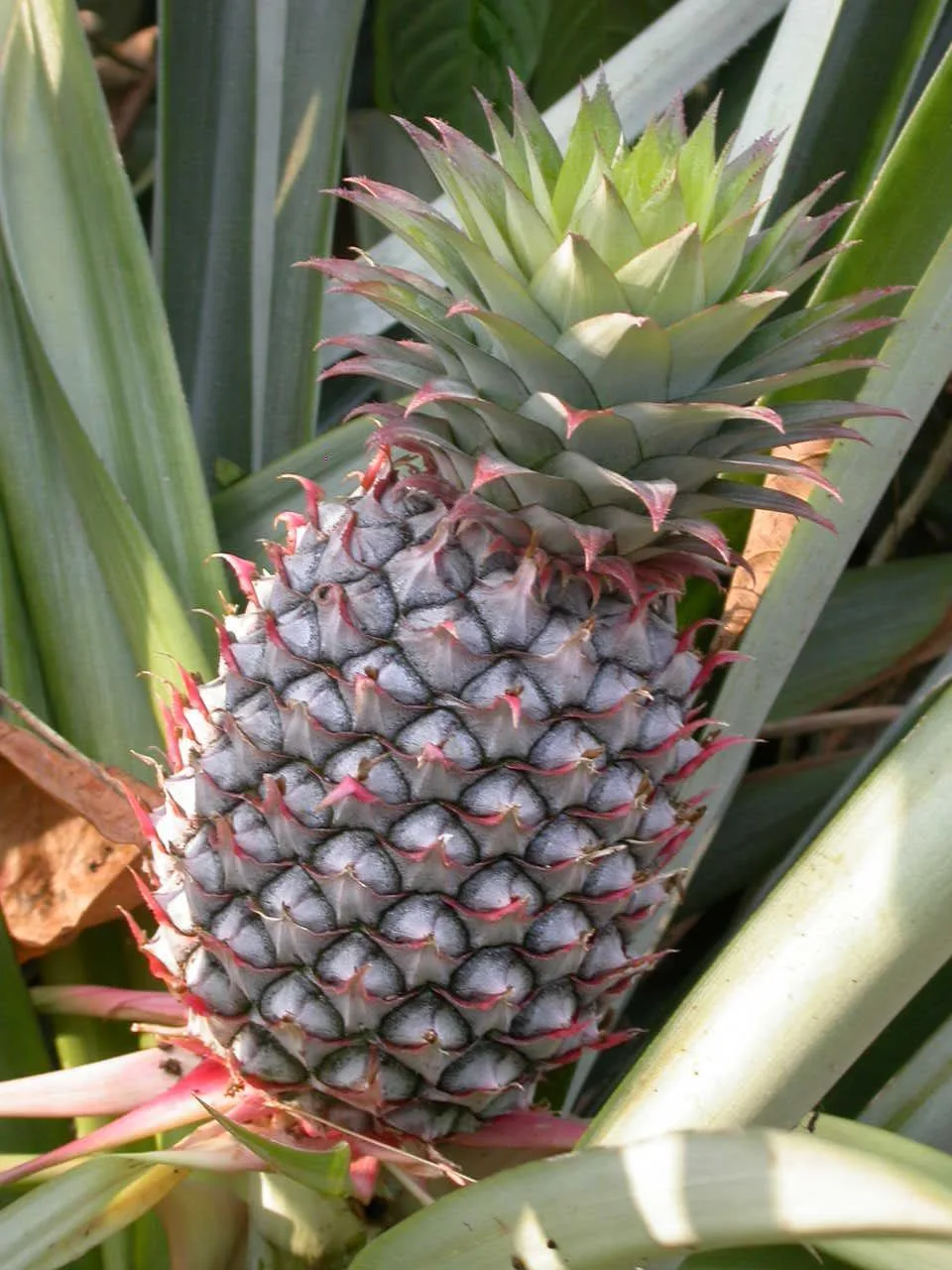
Cacti use a special process called Crassulacean Acid Metabolism. By opening their pores at night when temperatures are cooler, they lose far less water to evaporation than typical plants do during the day.
Photo: MANOJTV at English Wikipedia, Wikimedia Commons, CC BY-SA 3.0.
Pick one
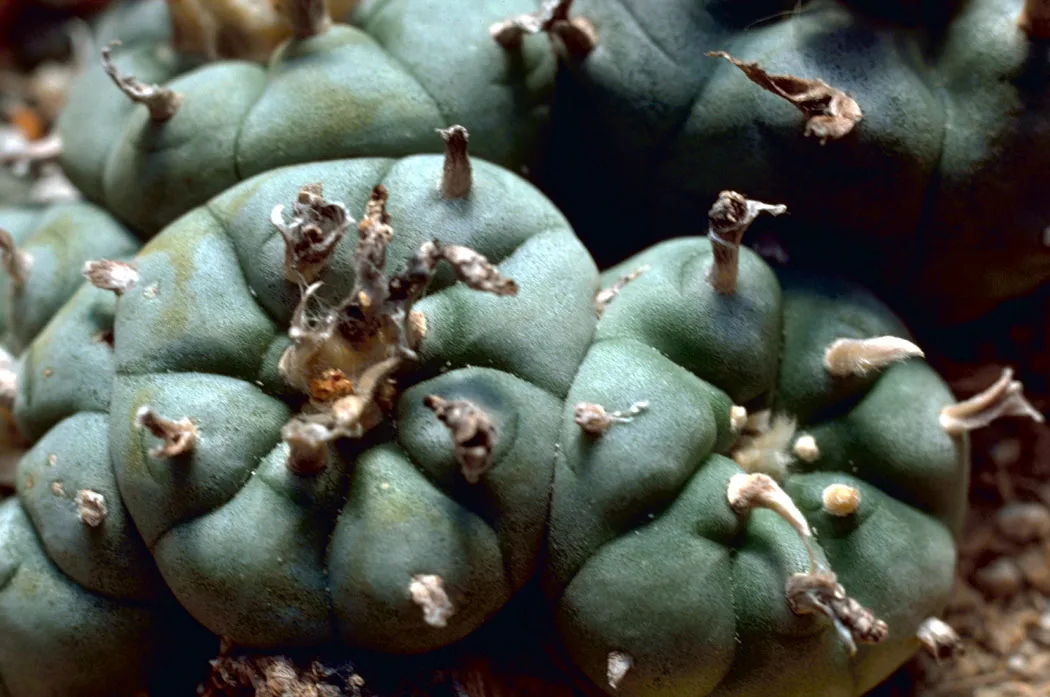
Cactus spines are leaves that have changed so much they no longer look like leaves at all. They keep hungry animals away, give a little shade and slow down water loss, while the green stem takes over the leaves' job of making food from sunlight.
Photo: G. Mütrel, Leipzig ; Berlin ; Wien : F.A. Brockhaus, Wikimedia Commons, Public domain.
Pick one
The cactus wren, the state bird of Arizona, constructs large, football-shaped nests inside thorny desert plants like cholla cacti. The heavy spines provide excellent protection for their chicks against predators like snakes and hawks.
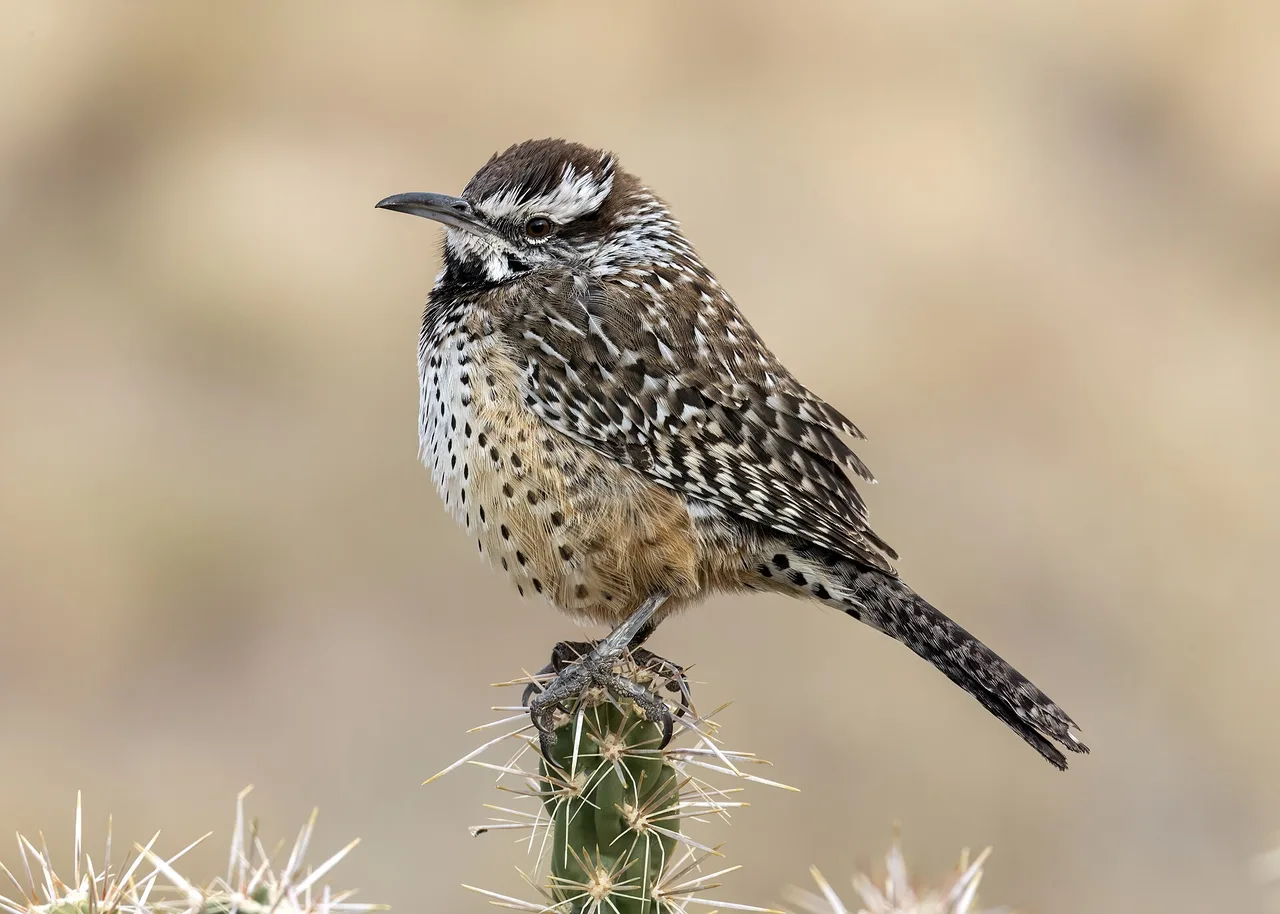
Photo: Polinova, Wikimedia Commons, CC BY-SA 4.0.
Pick one
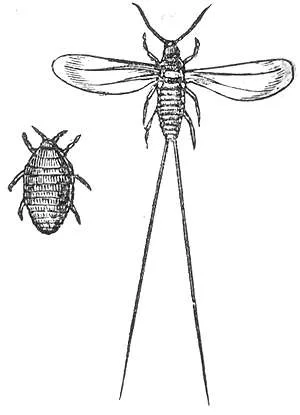
Cochineal insects feed on the moisture and nutrients of prickly pear cacti. When crushed, they produce a brilliant red dye that was once so valuable it was traded globally like gold and used to color the red coats of the British army.
Photo: Wikimedia Commons, Public domain.
Pick one
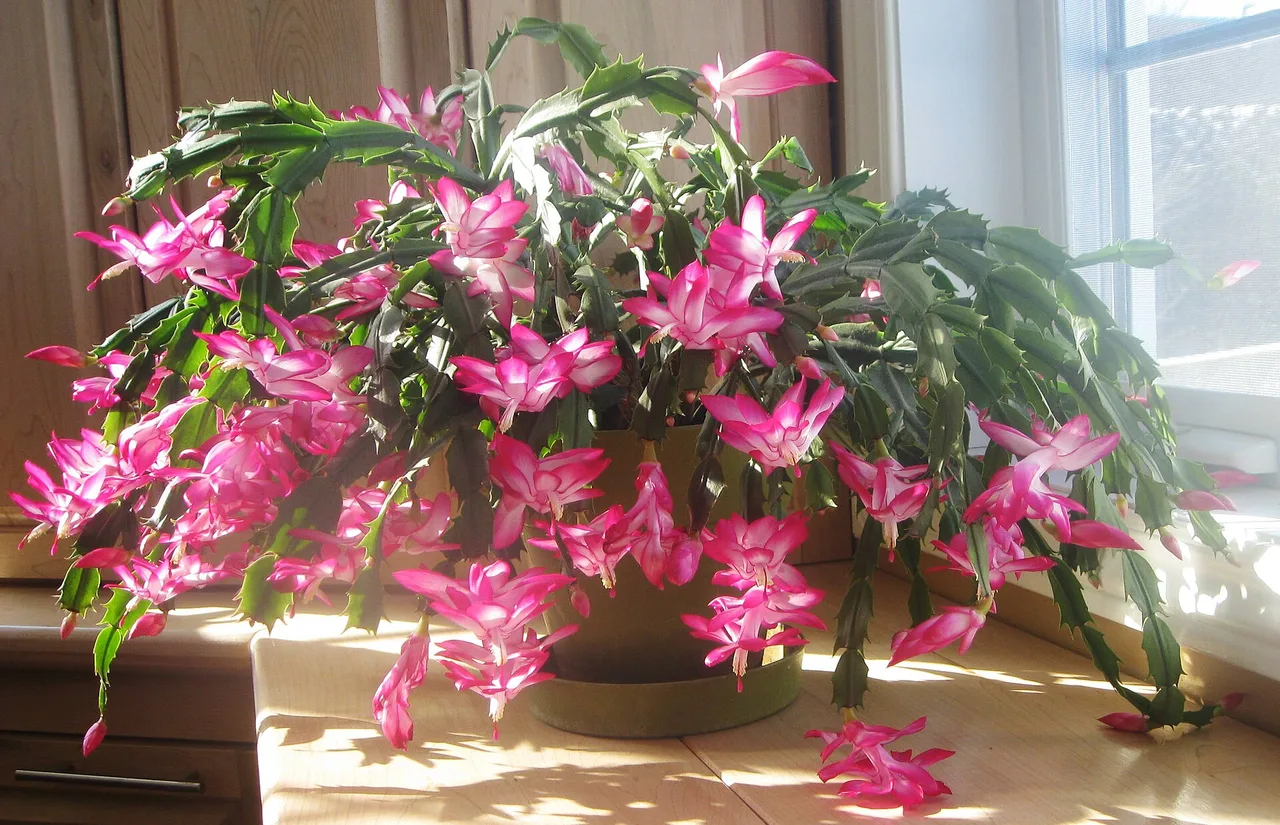
Schlumbergera, known as the Christmas cactus, grows as an epiphyte on trees and rocks in the humid, shaded coastal forests of southeastern Brazil. Because of this, they prefer indirect light and much more moisture than typical desert cacti.
Photo: Cactus_de_noël.jpg: Empereur Day derivative work: Peter coxhead (talk), Wikimedia Commons, CC BY-SA 3.0.
Pick one
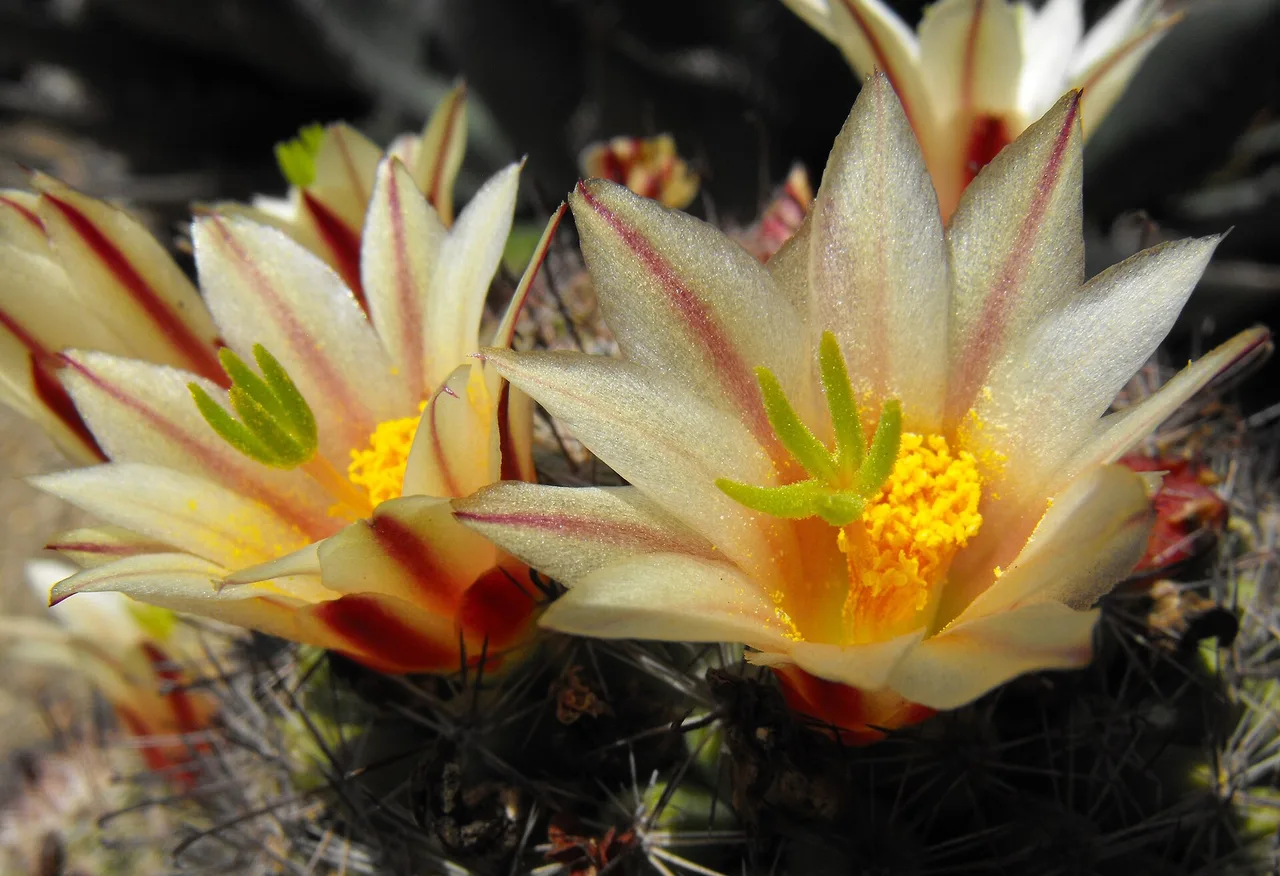
The naturally curved and incredibly strong spines of the fishhook cactus were used directly as functional fishing hooks. The plant also produces bright red, edible fruits that taste similar to strawberries.
Photo: Stickpen, Wikimedia Commons, Public domain.
Pick one
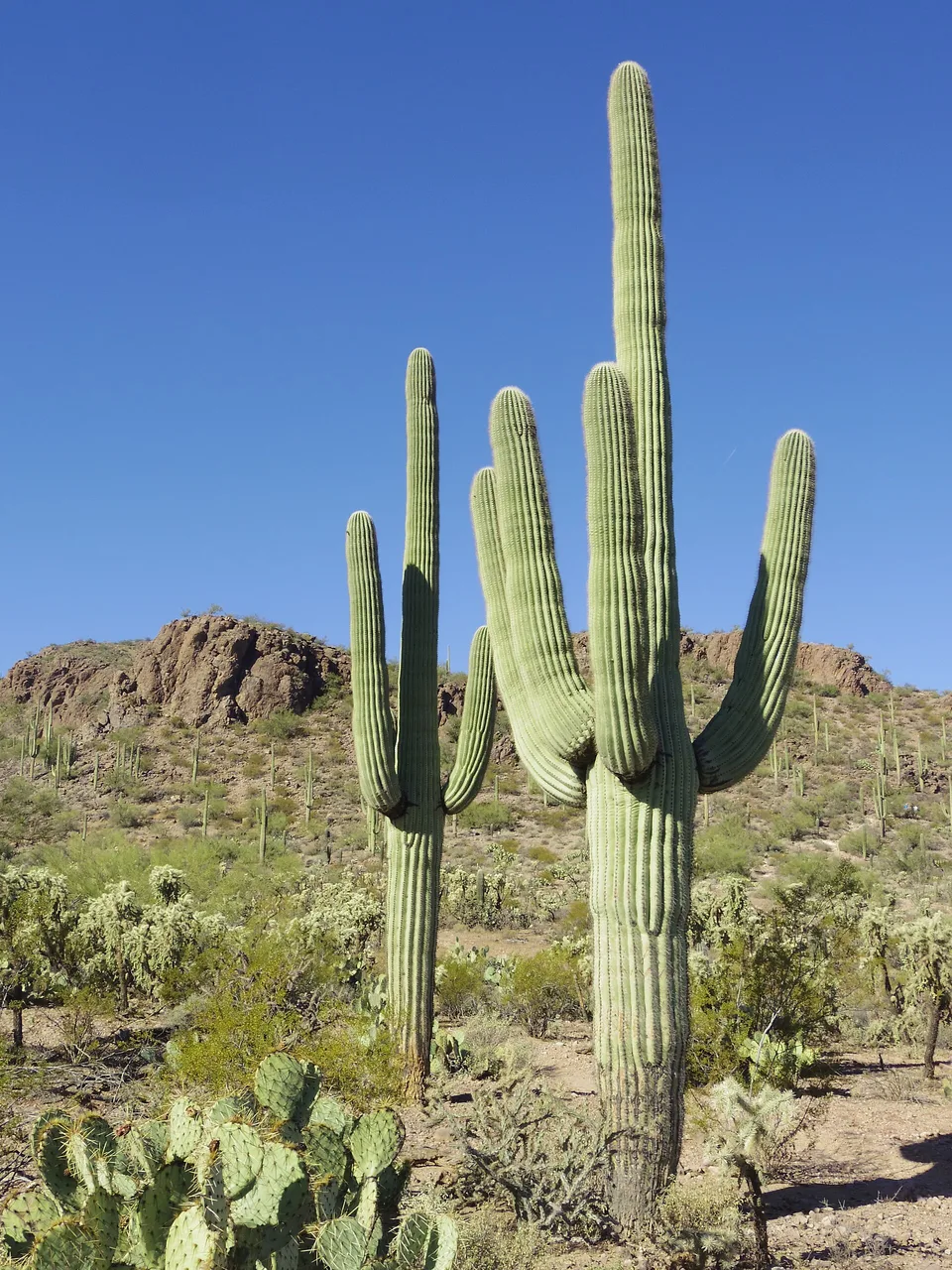
The saguaro cactus blossom was adopted as Arizona's state flower in 1931. These beautiful white flowers bloom only at night during late spring and are pollinated by bats, bees, and doves.
Photo: WClarke, Wikimedia Commons, CC BY-SA 3.0.


Paste the code into your page. The player fits itself in, and every vote counts in Votur.
On WordPress, Ghost or Squarespace? Just paste the link of this page into your post.
This is how it looks
Also fun


