Get app
Eight welcoming questions about the essentials of Ethiopia. No need to be an expert: young and old can join in and discover something new along the way.
Highland newcomer 0–3 · Welcome at the table 4–6 · True friend of Ethiopia 7–8
Pick one

Ethiopia's green, yellow and red stripes were first combined into one flag in 1897, and since 1996 a blue disc with a golden star has sat in the middle. The very first version had the stripes the other way round, with red on top, and nobody knows for sure why the order was flipped.
Pick one
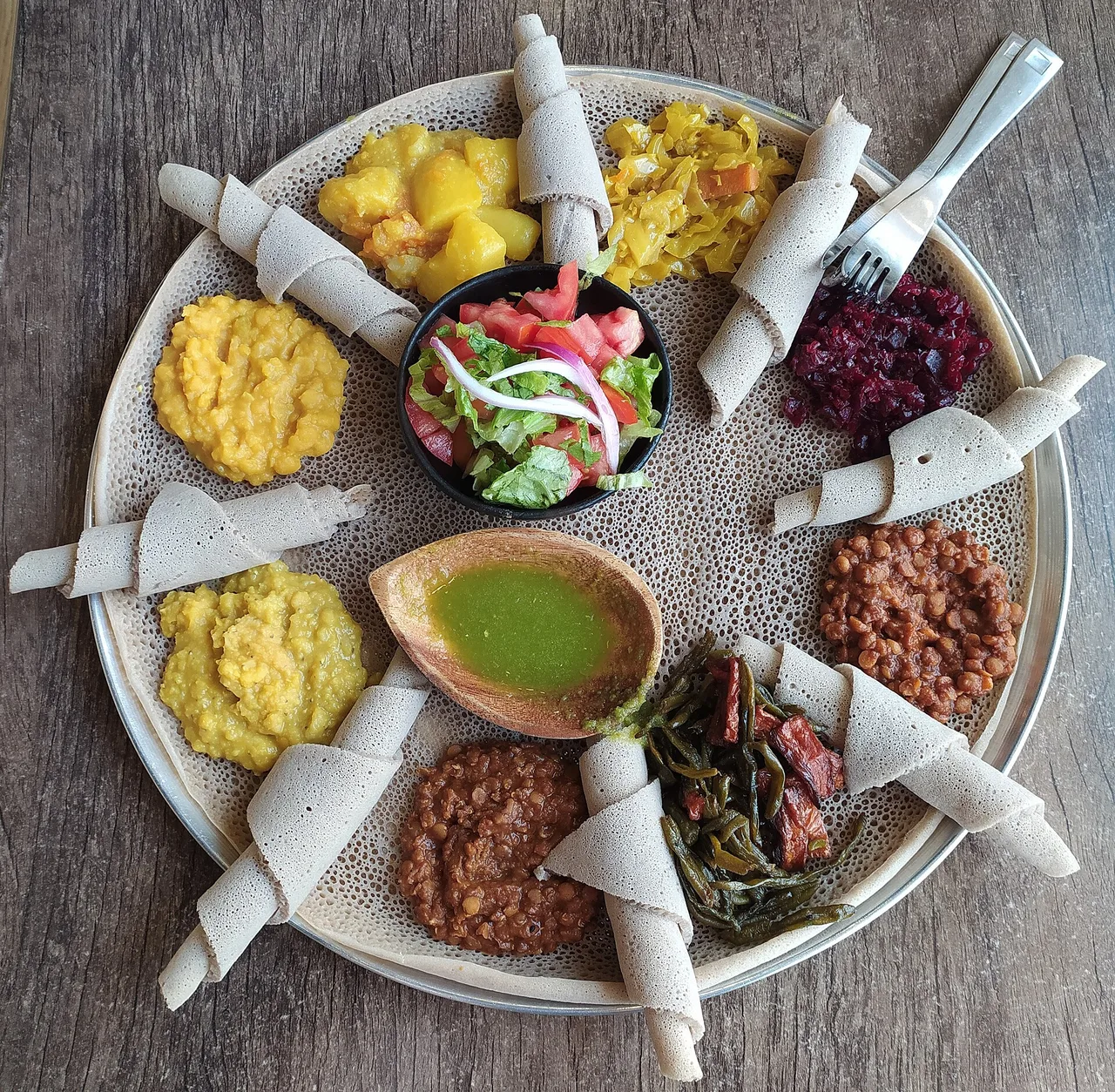
This flatbread is called injera: a big, slightly sour pancake that often serves as plate and spoon at once, with stews spooned on top. Diners usually eat with their right hand, tearing off pieces of injera to scoop up their food.
Photo: Artem.G, Wikimedia Commons, CC BY-SA 4.0.
Pick one
Lucy lived about 3.2 million years ago and was found in 1974, with about 40% of her skeleton still there. She was named after the Beatles song 'Lucy in the Sky with Diamonds', which was played again and again at the camp that night, and in Ethiopia she is also called Dinkinesh, 'you are marvellous'.
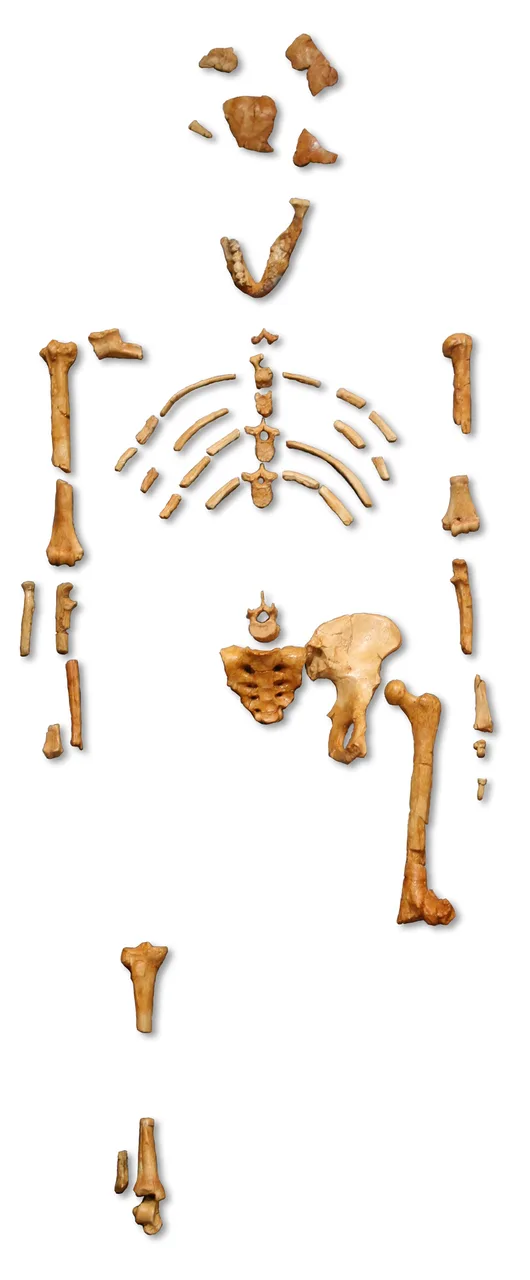
Photo: 120, Wikimedia Commons, CC BY 2.5.
Pick one
Berbere usually mixes chilli with garlic, ginger, coriander, fenugreek and other spices, and it gives the spicy versions of wat, Ethiopia's much-loved stews, their warmth. The word berbere can also simply mean the chilli pepper itself.

Photo: Badagnani, Wikimedia Commons, CC BY 3.0.
Pick one
The church was carved from the top down out of one single block of rock about 800 years ago, so it now stands deep in a pit cut into the ground. It is one of eleven rock churches in Lalibela, and it has been called the 'Eighth Wonder of the World'.
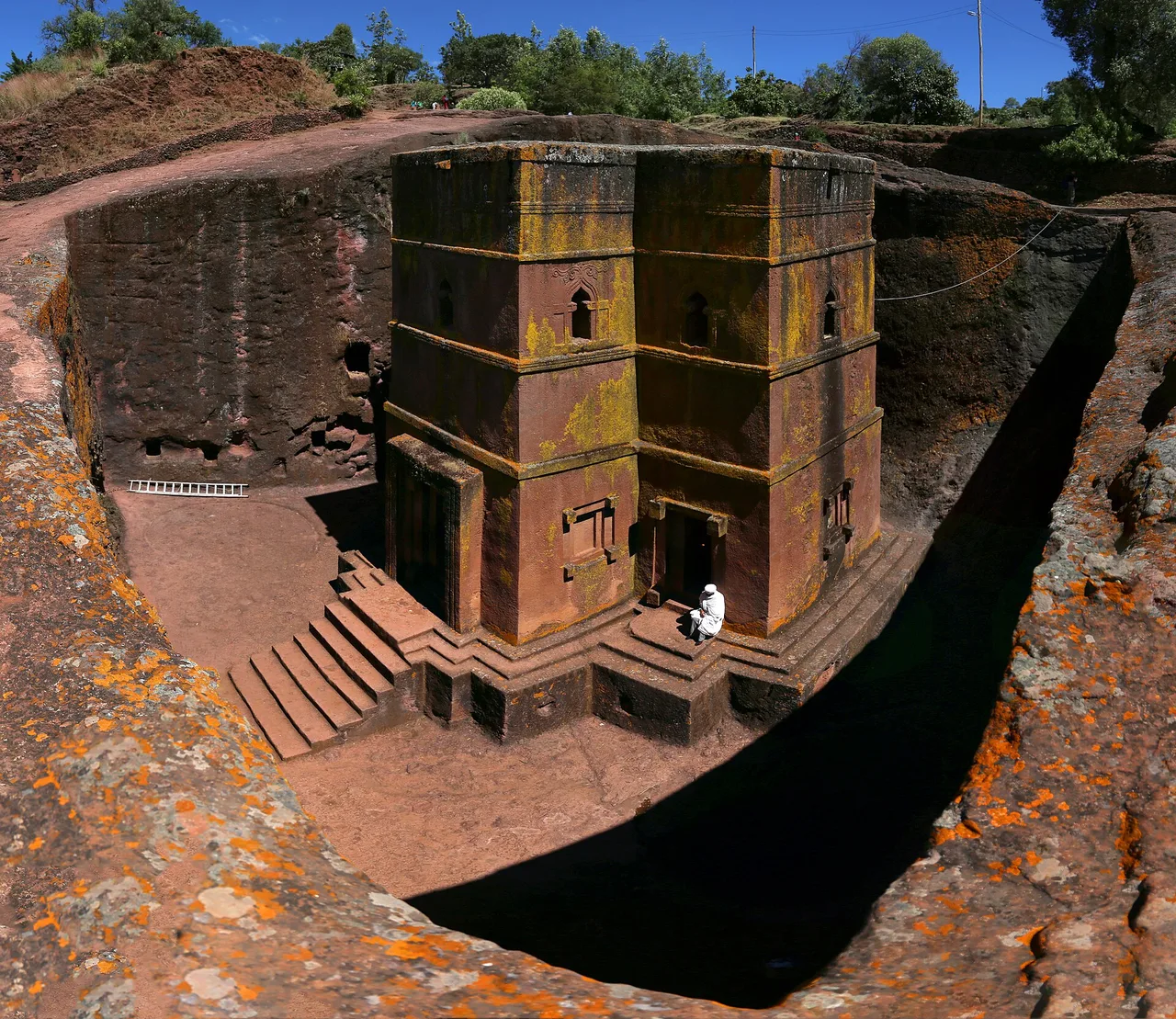
Photo: Sailko, Wikimedia Commons, CC BY 3.0.
Pick one
Grass makes up to nine tenths of a gelada's diet, making it the only monkey that lives mainly by grazing, and it has strong little fingers for plucking the blades. At night geladas sleep on steep cliff ledges, and the males have a bright red, hourglass-shaped patch of bare skin on their chests.
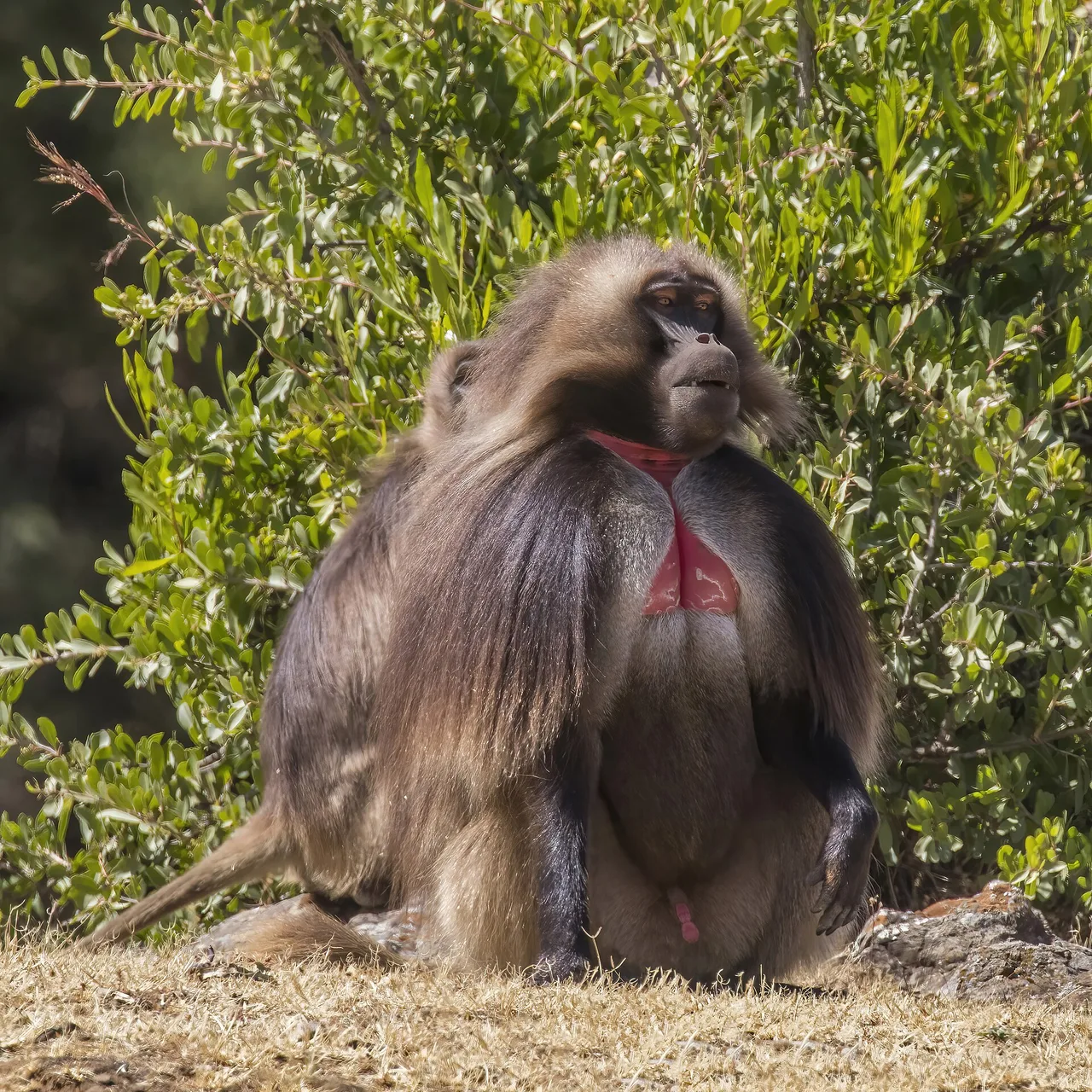
Photo: Charles J. Sharp, Wikimedia Commons, CC BY-SA 4.0.
Pick one
In Ethiopian time, the twelve hours of the day start at dawn, which is 6 a.m. on the clocks most of the world uses, so 1 o'clock comes at 7 a.m. The twelve night hours start again at dusk, so to switch to Ethiopian time you simply take away six hours.
Pick one
The goatherd, later given the name Kaldi, belongs to legend, but wild coffee plants really do come from the forests of south-western Ethiopia. At a traditional Ethiopian coffee ceremony, the beans are roasted in a pan in front of the guests, and the coffee is often served with popcorn.
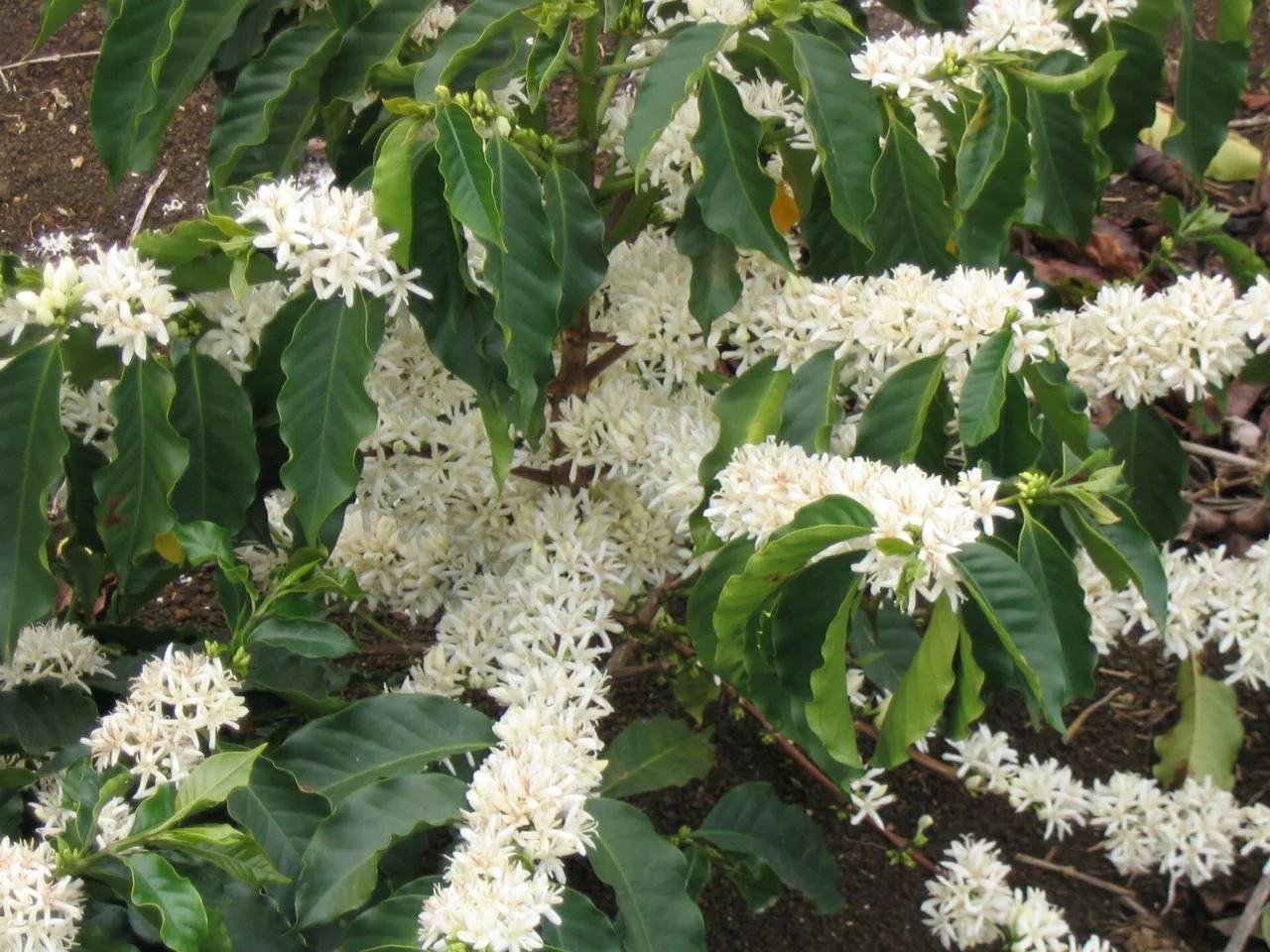
Photo: Marcelo Corrêa, Wikimedia Commons, CC BY-SA 3.0.


Paste the code into your page. The player fits itself in, and every vote counts in Votur.
On WordPress, Ghost or Squarespace? Just paste the link of this page into your post.
This is how it looks
Also fun