Get app
 Photo: Abshewaga, Wikimedia Commons, CC BY-SA 4.0.
Explore the vibrant heart of Ethiopia! Test your knowledge on the rich history, famous landmarks, delicious food, and unique culture of Addis Ababa.
Friendly Visitor 0–4 · Street Smart Explorer 5–8 · True Addis Insider 9–10
Pick one

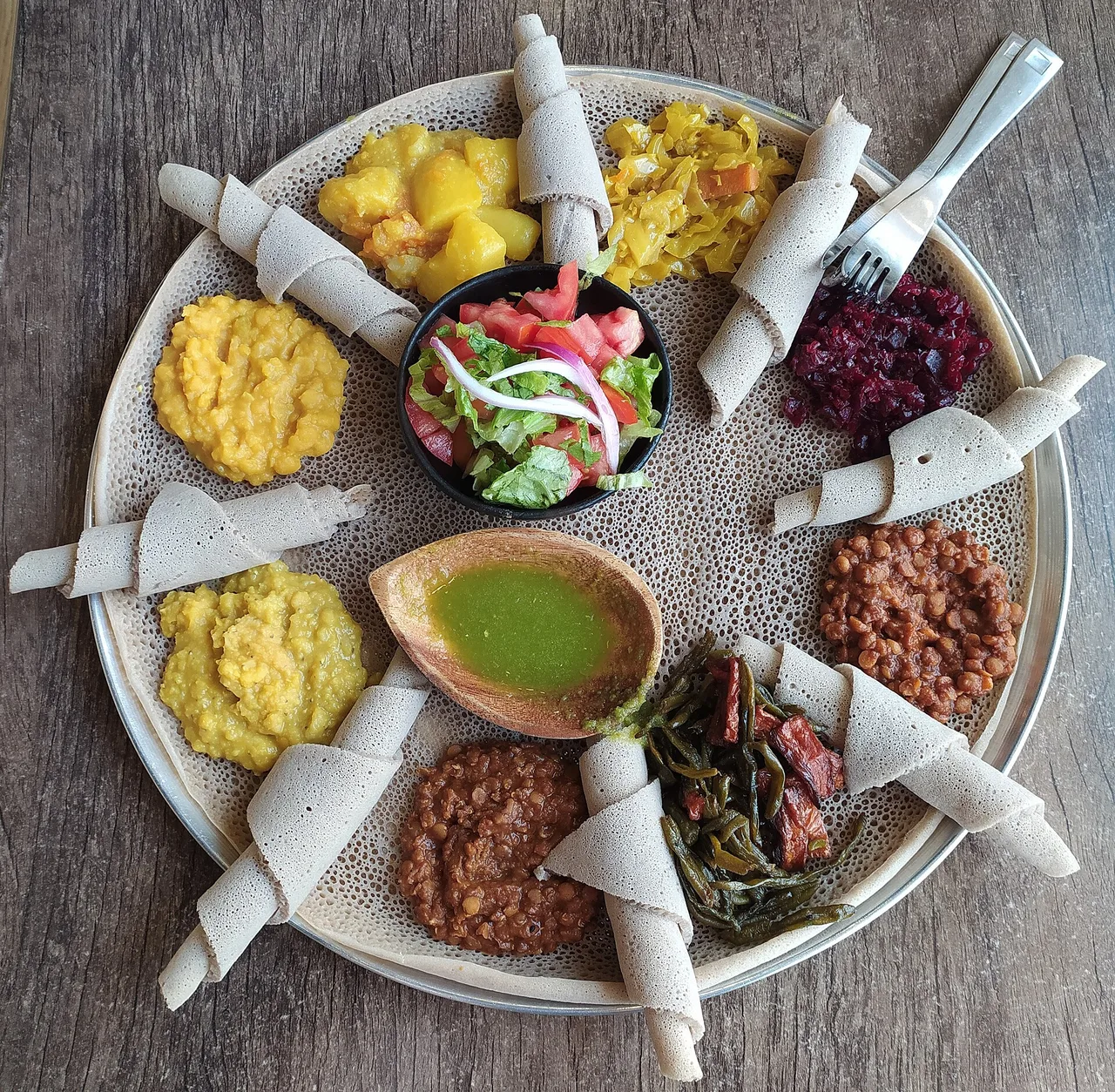
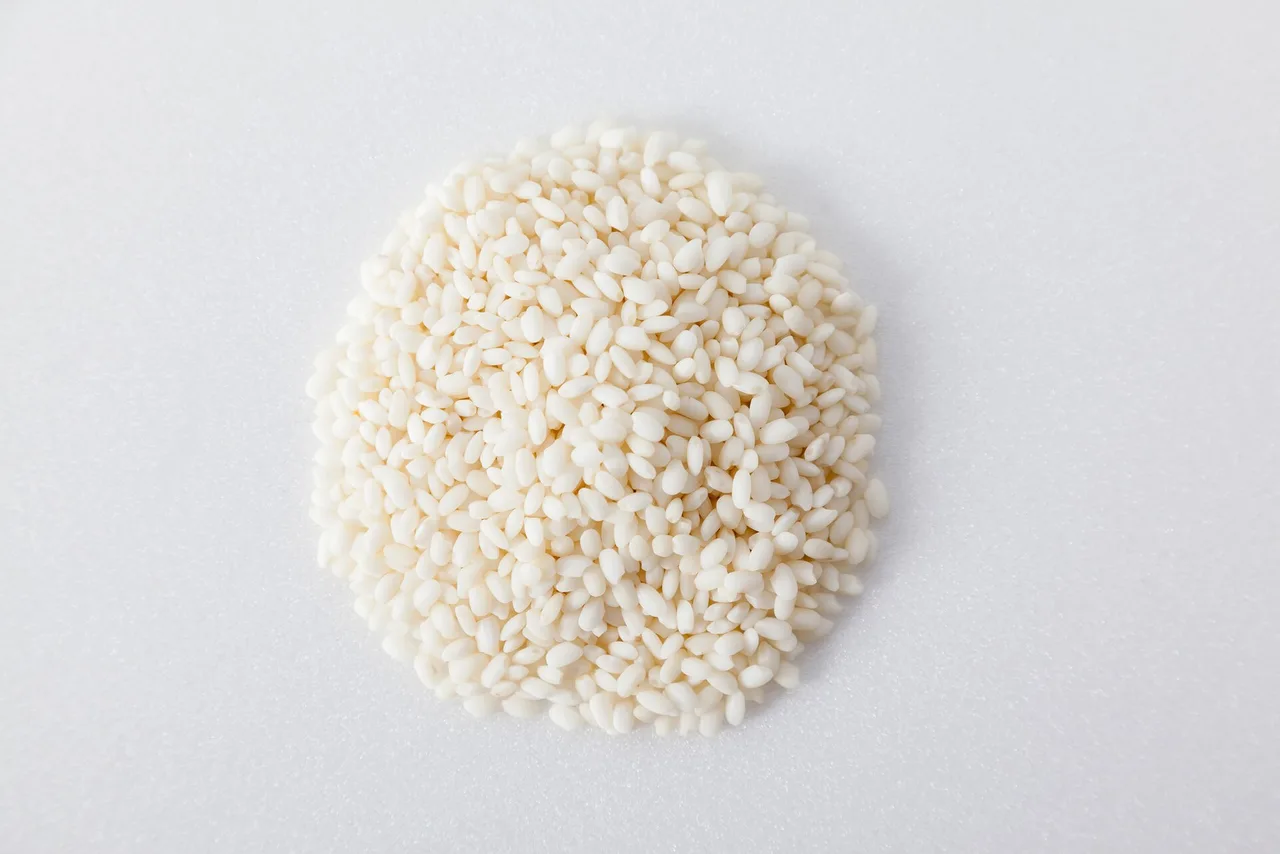
Injera is a spongy, slightly sour flatbread that is fundamental to Ethiopian cuisine. It is made from teff, an ancient, tiny grain that is gluten-free and highly nutritious. In Addis Ababa, stews called 'wat' are scooped up directly with pieces of injera using only your right hand, making the bread serve as both your plate and your utensil.
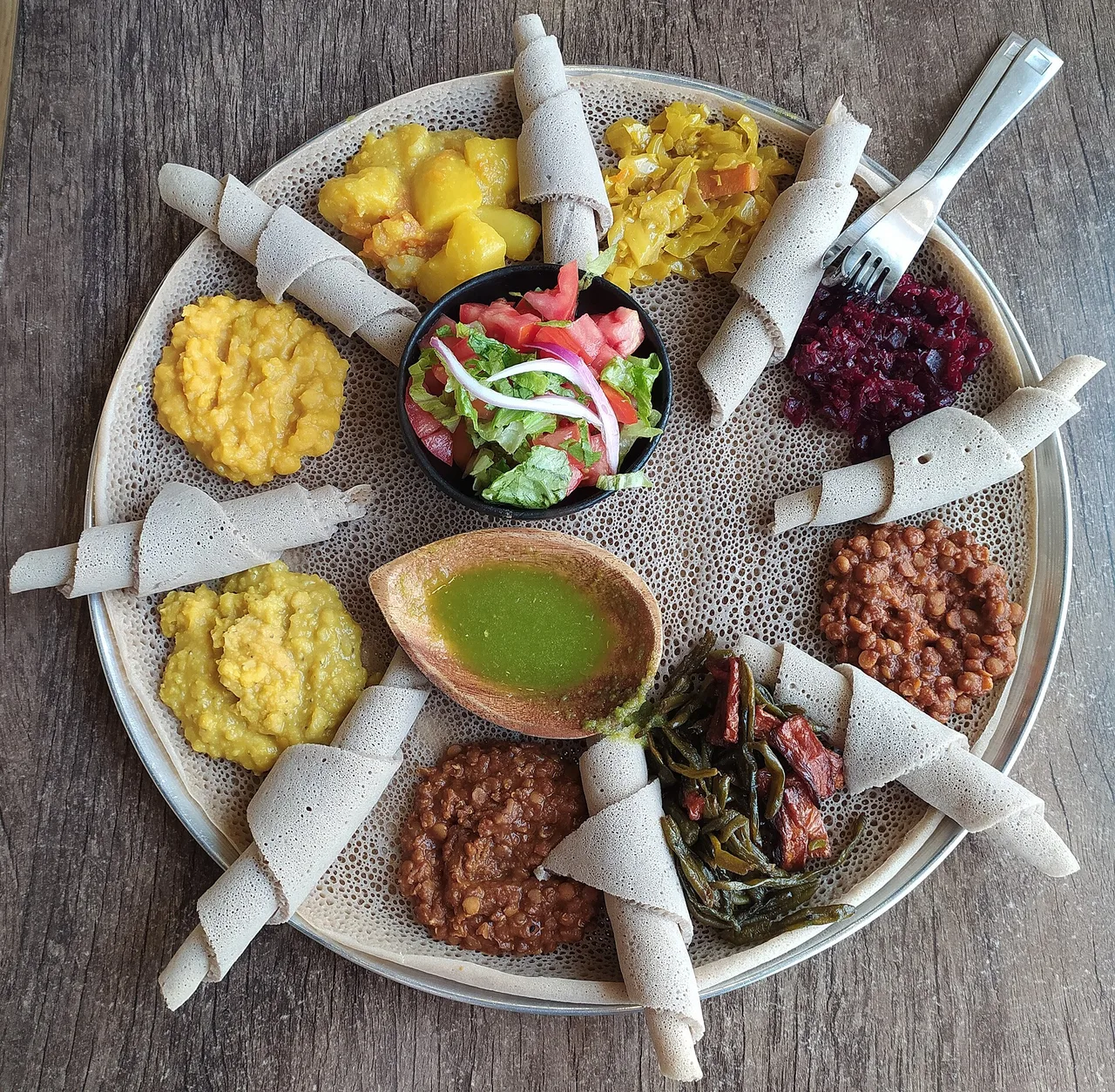
Photo: Artem.G, Wikimedia Commons, CC BY-SA 4.0.
Pick one
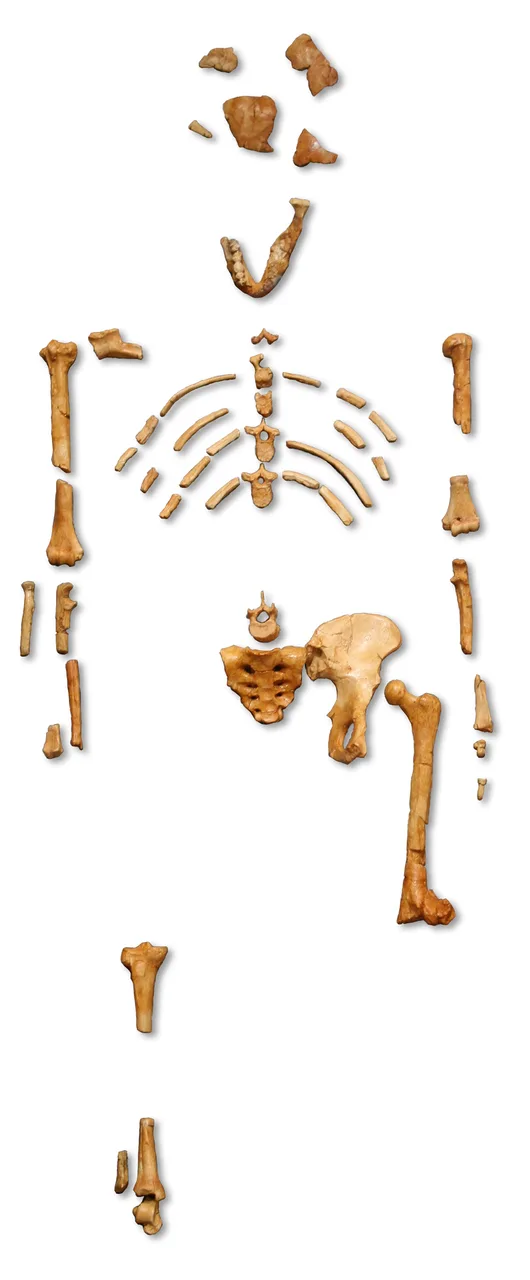
The National Museum of Ethiopia houses the fossilized remains of Lucy, a 3.2-million-year-old hominid discovered in the Afar region in 1974. Locally, she is affectionately known as 'Dinknesh', which translates to 'you are marvelous' in Amharic. While the real bones are kept safely in a secure vault, visitors can view an incredibly detailed replica on public display.
Photo: 120, Wikimedia Commons, CC BY 2.5.
Pick one
Addis Ababa is often called the political capital of Africa because it hosts the headquarters of the African Union. The city has held this central role since the AU's predecessor, the Organization of African Unity, was founded here in 1963. The stunning, high-tech AU headquarters building was fully funded and built by China as a gift to Africa.
Pick one
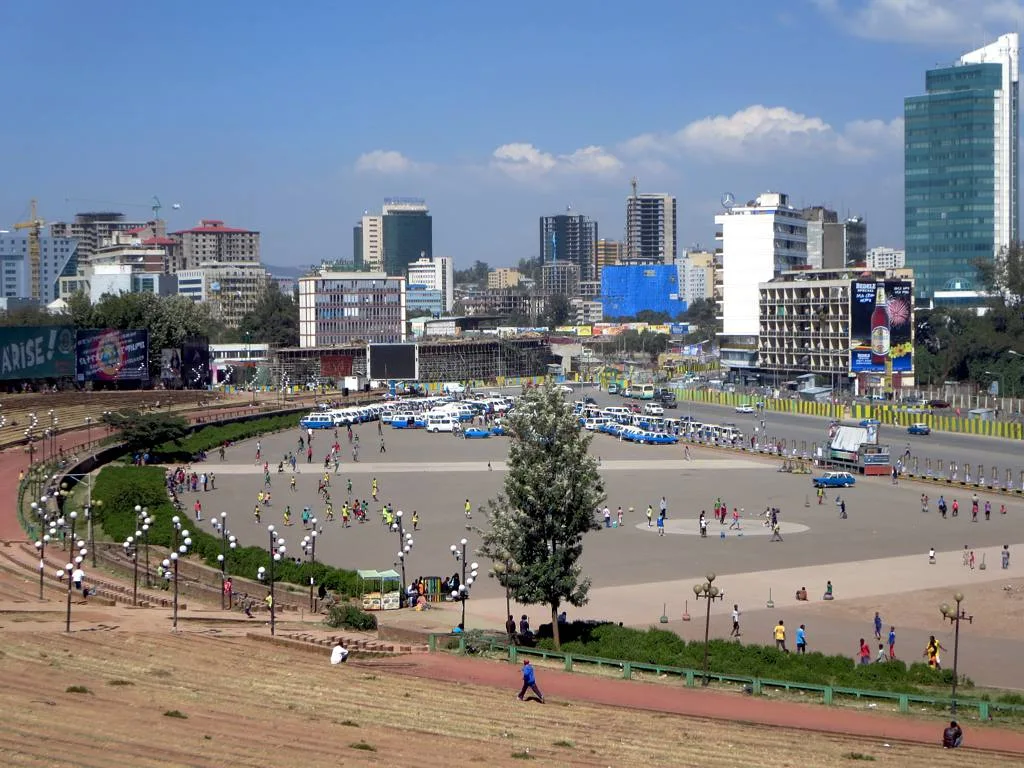
Meskel Square is the ultimate gathering spot in Addis Ababa, most famous for celebrating the Meskel festival, which commemorates the finding of the True Cross. During this vibrant event, tens of thousands of people gather to watch the burning of a massive bonfire called the Demera. The square is also a popular spot for early morning runners and major political rallies.
Photo: David Stanley from Nanaimo, Canada, Wikimedia Commons, CC BY 2.0.
Pick one
Addis Ababa made history in 2015 by launching its Light Rail Transit system, the first of its kind in sub-Saharan Africa. Spanning over 34 kilometers, the electric train system features two main lines that carry thousands of commuters daily across the bustling city. It was designed to ease traffic congestion and provide an affordable transport option.
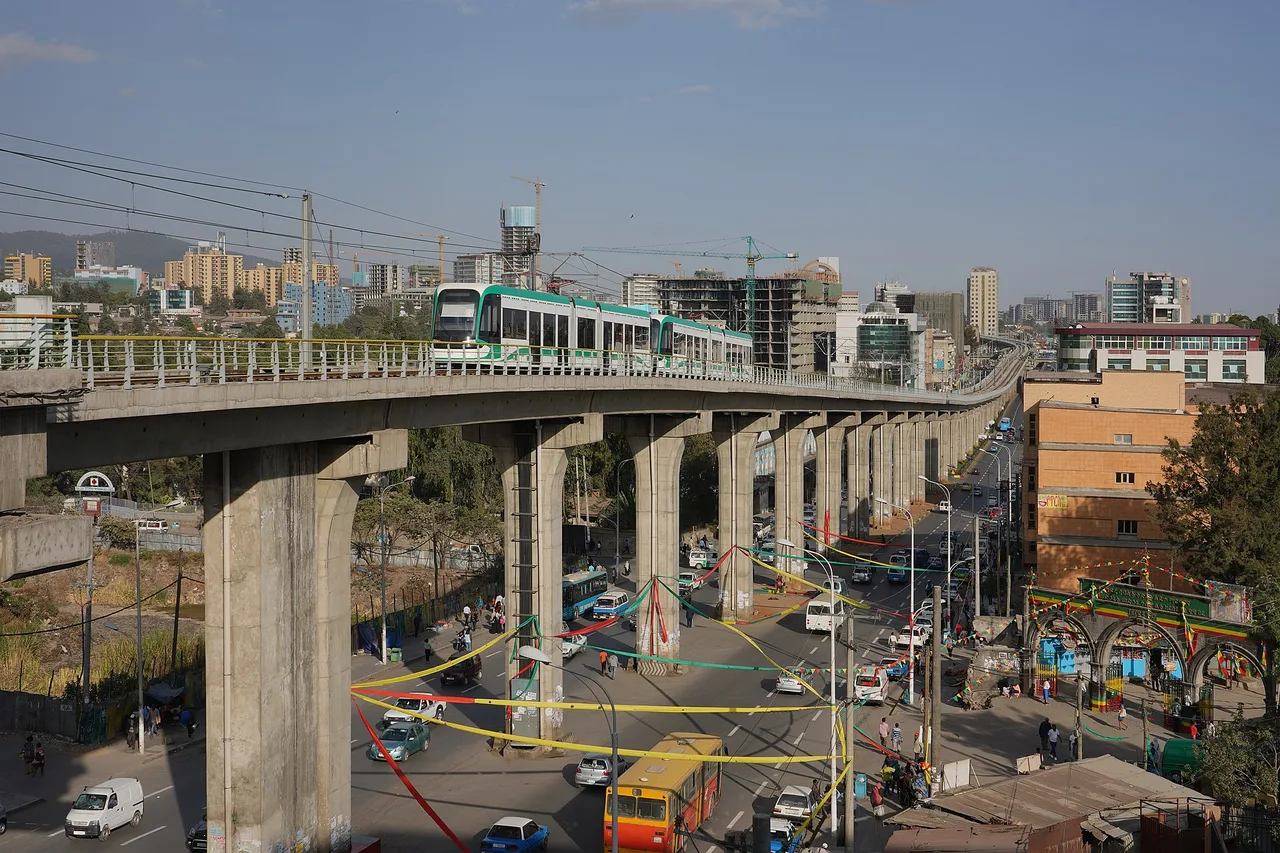
Photo: A.Savin, Wikimedia Commons, FAL.
Pick one
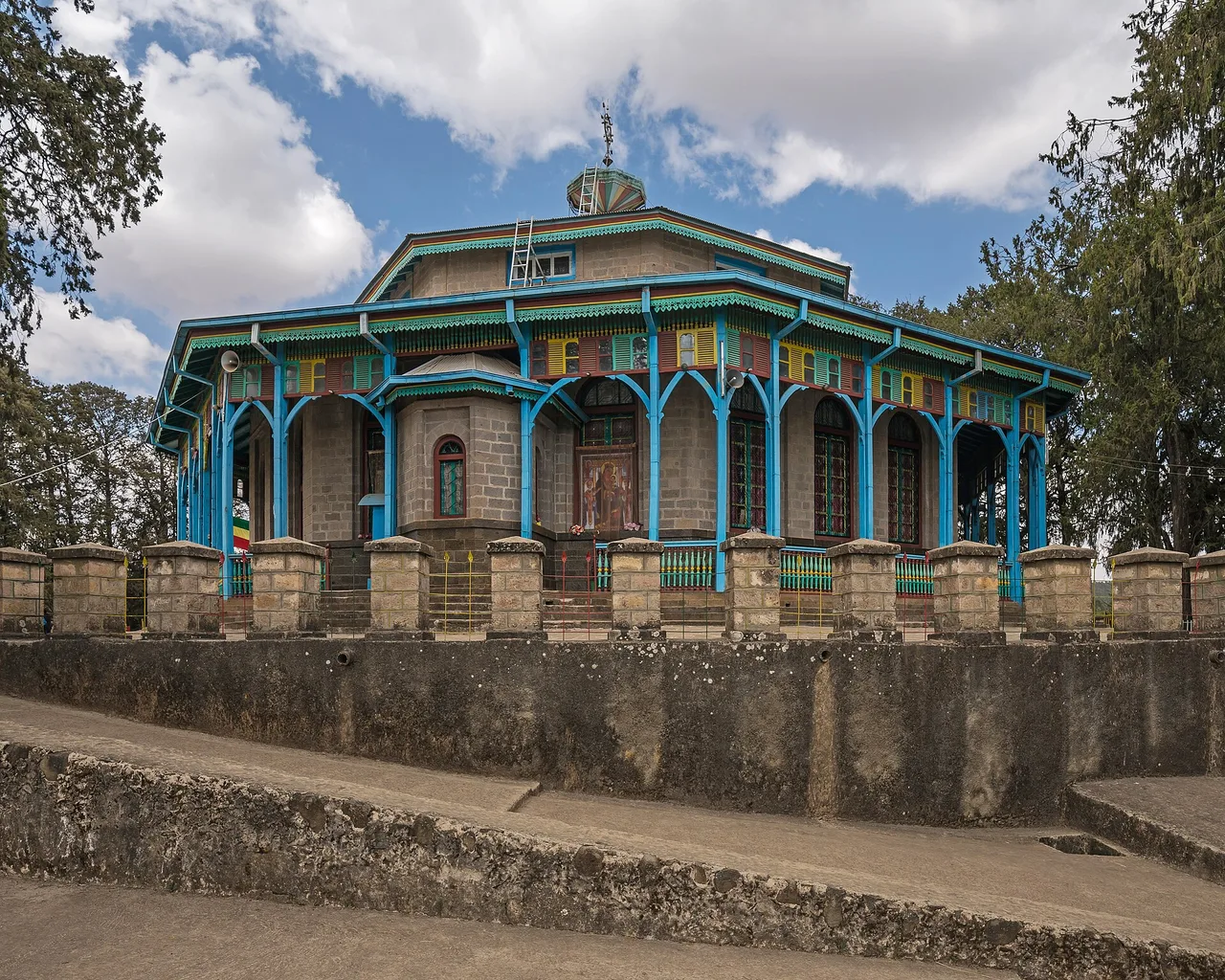
Mount Entoto rises to over 3,000 meters above sea level, offering breathtaking panoramic views of Addis Ababa. Before moving down to the valley, Emperor Menelik II built his palace on this chilly peak. Today, the mountain is covered in vast eucalyptus forests, which were imported from Australia in the late 19th century to supply the growing city with firewood.
Photo: A.Savin, Wikimedia Commons, FAL.
Pick one
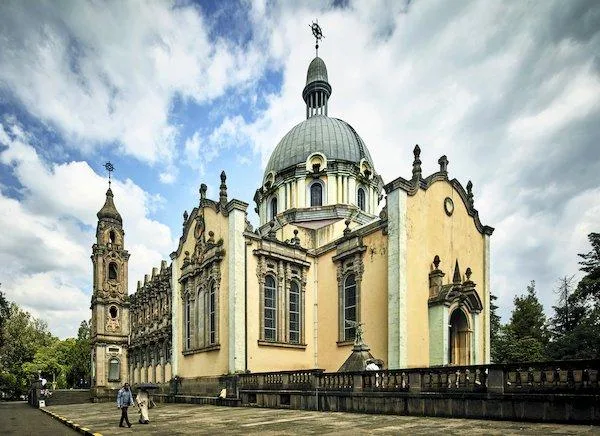
The Holy Trinity Cathedral, known in Amharic as Kidist Selassie, is the grandest Orthodox cathedral in the city. It serves as the final resting place for Emperor Haile Selassie and Empress Menen Asfaw, whose granite tombs lie inside. The cathedral's stunning architecture blends European and Ethiopian styles, featuring beautiful stained-glass windows.
Photo: Gize12, Wikimedia Commons, CC BY-SA 4.0.
Pick one
Empress Taytu Betul, the influential wife of Emperor Menelik II, was the true driving force behind establishing the capital in 1886. She preferred the warm valley breeze of the lower plains over the cold climate of Mount Entoto. Taytu was also a brilliant military strategist who played a crucial role during the Battle of Adwa against Italian forces.
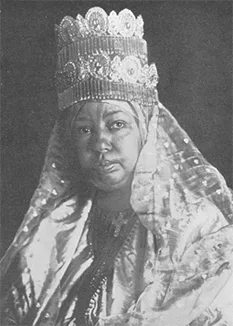
Photo: Wikimedia Commons, Public domain.
Pick one
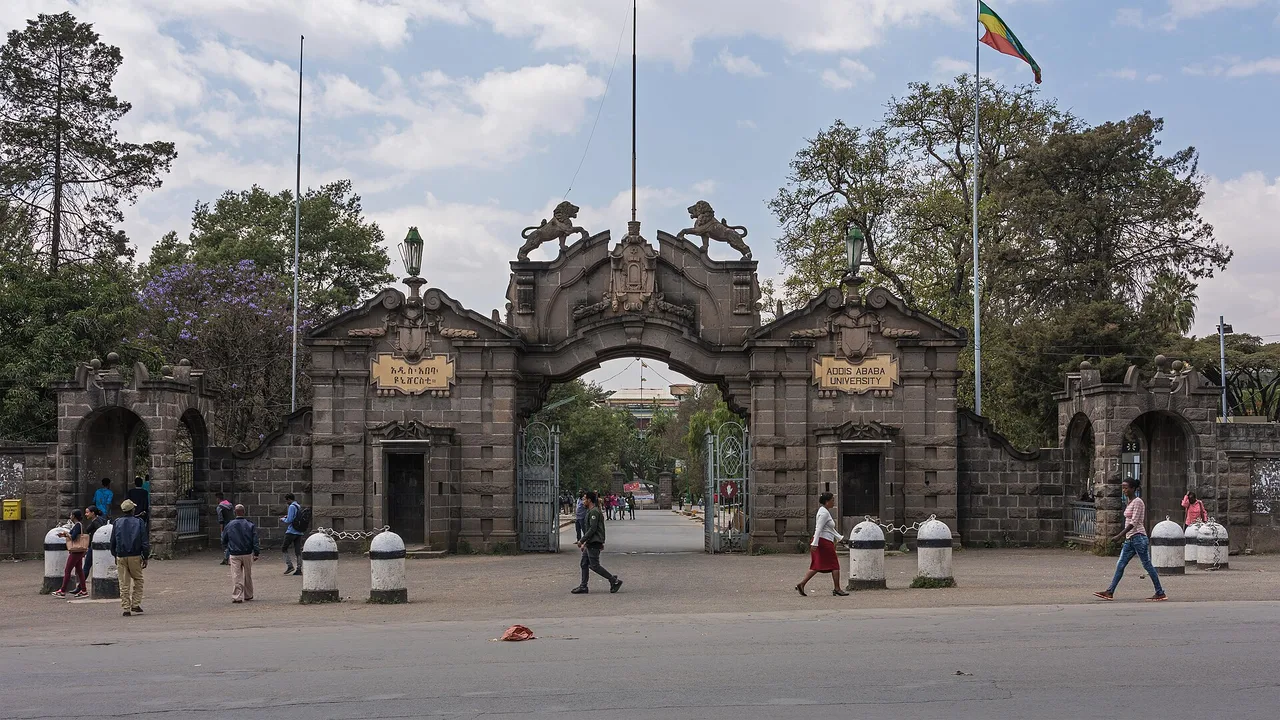
Genete Leul Palace, which translates to 'Paradise of Princes', was built by Haile Selassie in 1935. After the Emperor survived a coup attempt there in 1960, he decided to donate the palace to serve as the main campus for Addis Ababa University. Today, the building houses the fascinating Ethnological Museum, allowing visitors to walk through the Emperor's former bedroom.
Photo: A.Savin, Wikimedia Commons, FAL.
Pick one
Addis Ababa translates to 'New Flower' in Amharic. Empress Taytu Betul chose the name after being captivated by the beautiful, blooming mimosa trees near the hot springs where she decided to build her house. Interestingly, the area was initially valued for its mineral-rich thermal waters, which the locals called 'Filwoha' and used for therapeutic baths.
Photo: Abshewaga, Wikimedia Commons, CC BY-SA 4.0.


Paste the code into your page. The player fits itself in, and every vote counts in Votur.
On WordPress, Ghost or Squarespace? Just paste the link of this page into your post.
This is how it looks
Also fun