Get app
 Photo: Abshewaga, Wikimedia Commons, CC BY-SA 4.0.
Embark on a journey through the Horn of Africa! Test your knowledge on Ethiopia's rich history, stunning landscapes, unique culture, and legendary figures.
Curious Traveler 0–4 · Coffee Table Regular 5–8 · Habesha Expert 9–10
Pick one

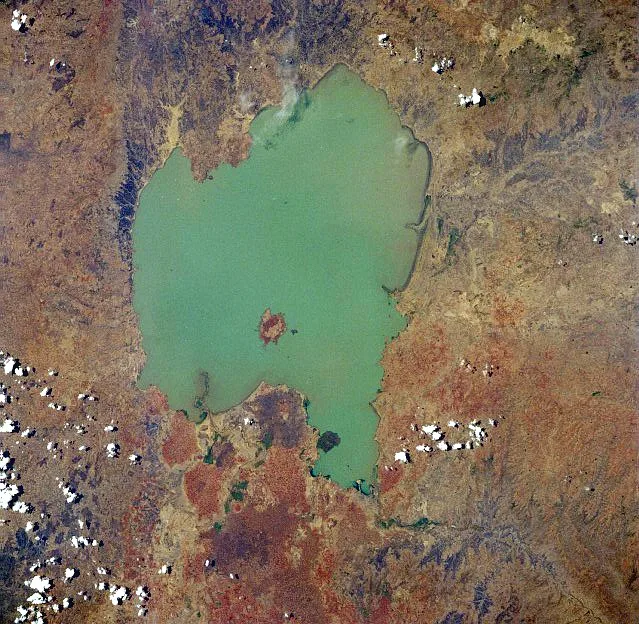
Lake Tana is the source of the Blue Nile, which flows from Ethiopia to meet the White Nile in Sudan, eventually forming the main Nile River. The Blue Nile contributes more than 80% of the water and silt that flows into Egypt during the summer rainy season.
Photo: NASA, Wikimedia Commons, Public domain.

Pick one
Abebe Bikila became the first Sub-Saharan African to win an Olympic gold medal by running the entire marathon barefoot. He decided to run without shoes because the pair provided by the sponsor did not fit comfortably. He even broke the world record during the race!
Photo: Anefo Derivative work MagentaGreen, Wikimedia Commons, CC BY-SA 3.0 nl.
Pick one
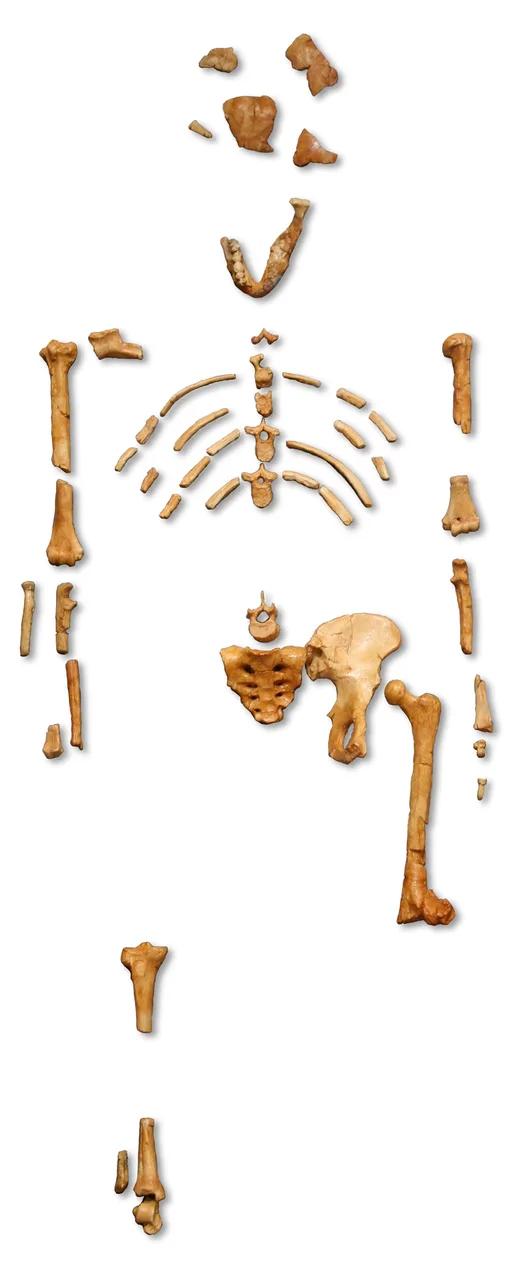
Lucy is a 3.2-million-year-old skeleton belonging to the species Australopithecus afarensis. Her discovery in 1974 provided crucial evidence that early human ancestors walked upright before developing larger brains. In Ethiopia, she is known as 'Dinkinesh,' meaning 'you are marvelous.'
Photo: 120, Wikimedia Commons, CC BY 2.5.
Pick one
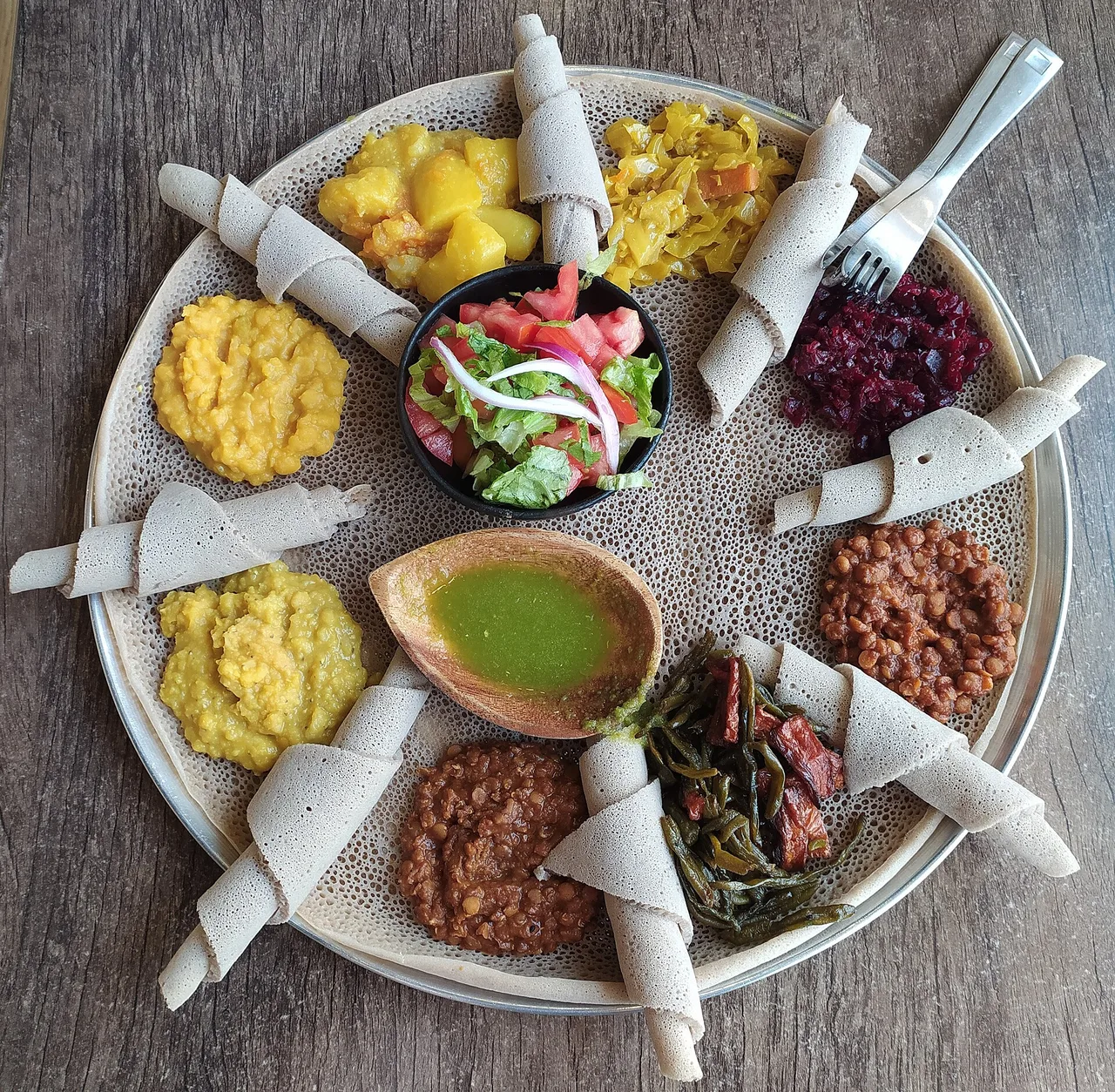
Injera is traditionally made from teff, a tiny ancient grain native to the Horn of Africa. It is highly nutritious and naturally gluten-free. Interestingly, teff seeds are so small that it takes about 150 grains of teff to weigh as much as a single grain of wheat!
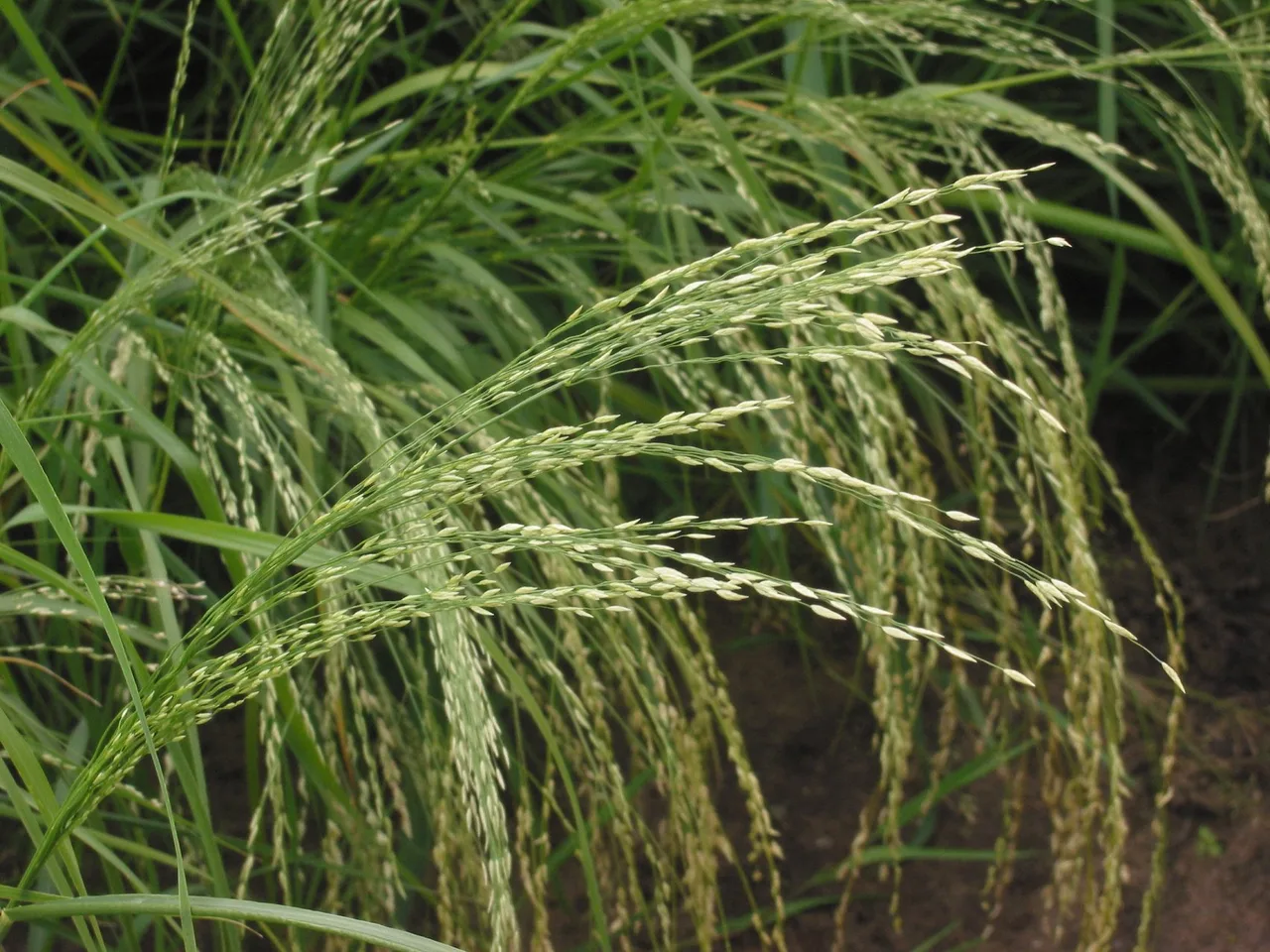
Photo: No machine-readable author provided. Rasbak assumed (based on copyright claims)., Wikimedia Commons, CC BY-SA 3.0.
Pick one
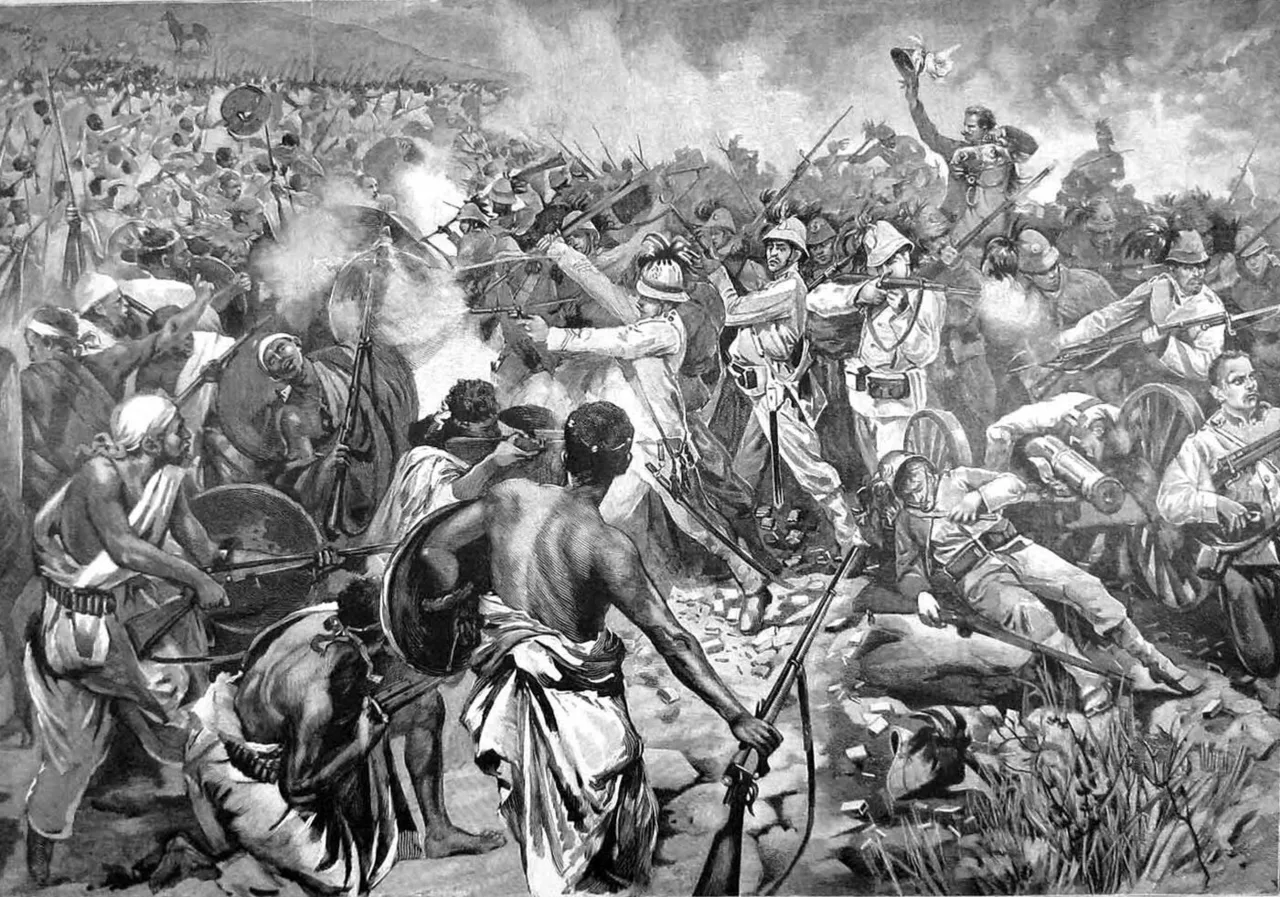
The Battle of Adwa was a historic victory where Ethiopian forces under Emperor Menelik II defeated the invading Italian army. This monumental triumph secured Ethiopia's sovereignty during the Scramble for Africa, making it a powerful symbol of African independence.
Photo: The Graphic, from details supplied by survivors, Wikimedia Commons, Public domain.
Pick one
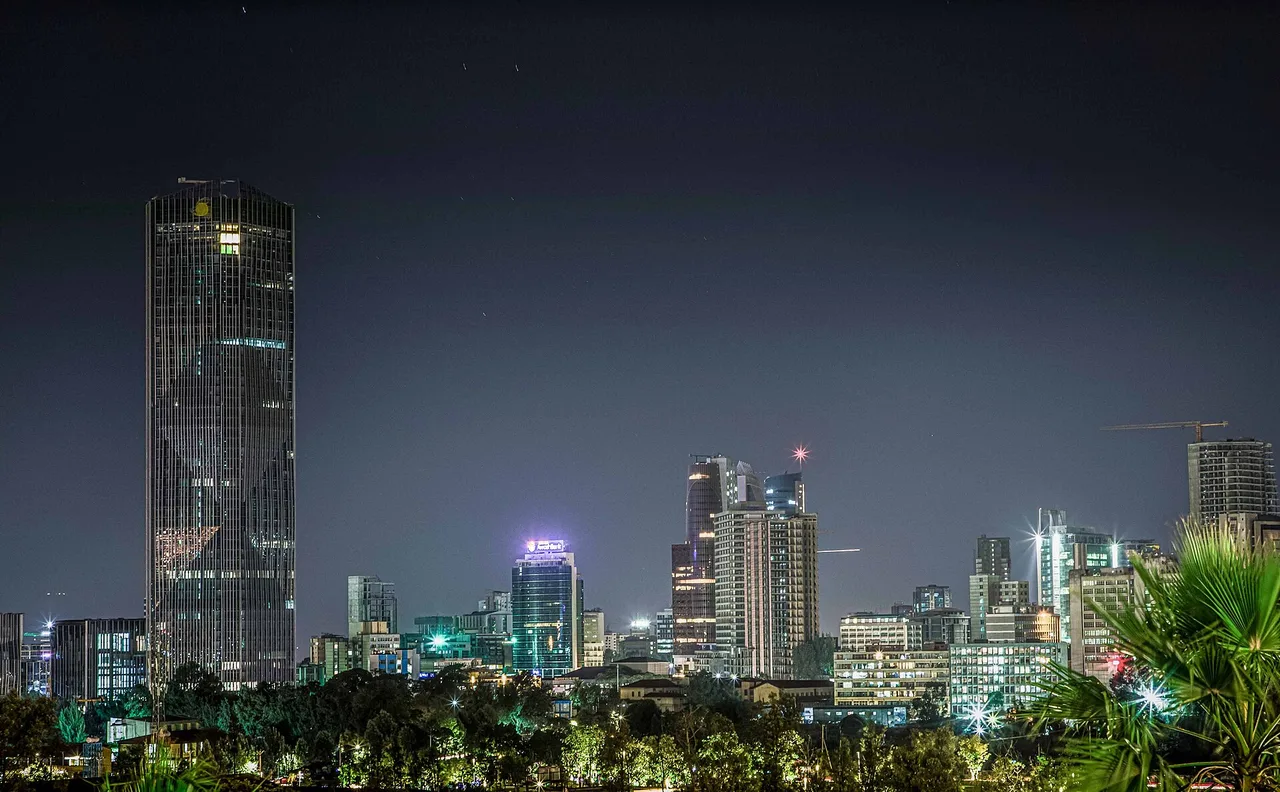
Addis Ababa sits at an impressive elevation of about 2,350 meters (7,700 feet) above sea level, making it the highest capital city in Africa. Its high altitude ensures a surprisingly mild and pleasant climate year-round, despite its proximity to the equator.
Photo: Abshewaga, Wikimedia Commons, CC BY-SA 4.0.
Pick one
The eleven medieval monolithic churches of Lalibela were carved directly down into red volcanic tuff rock. Legend has it that angels assisted King Lalibela in constructing these subterranean marvels, which remain active pilgrimage sites today.
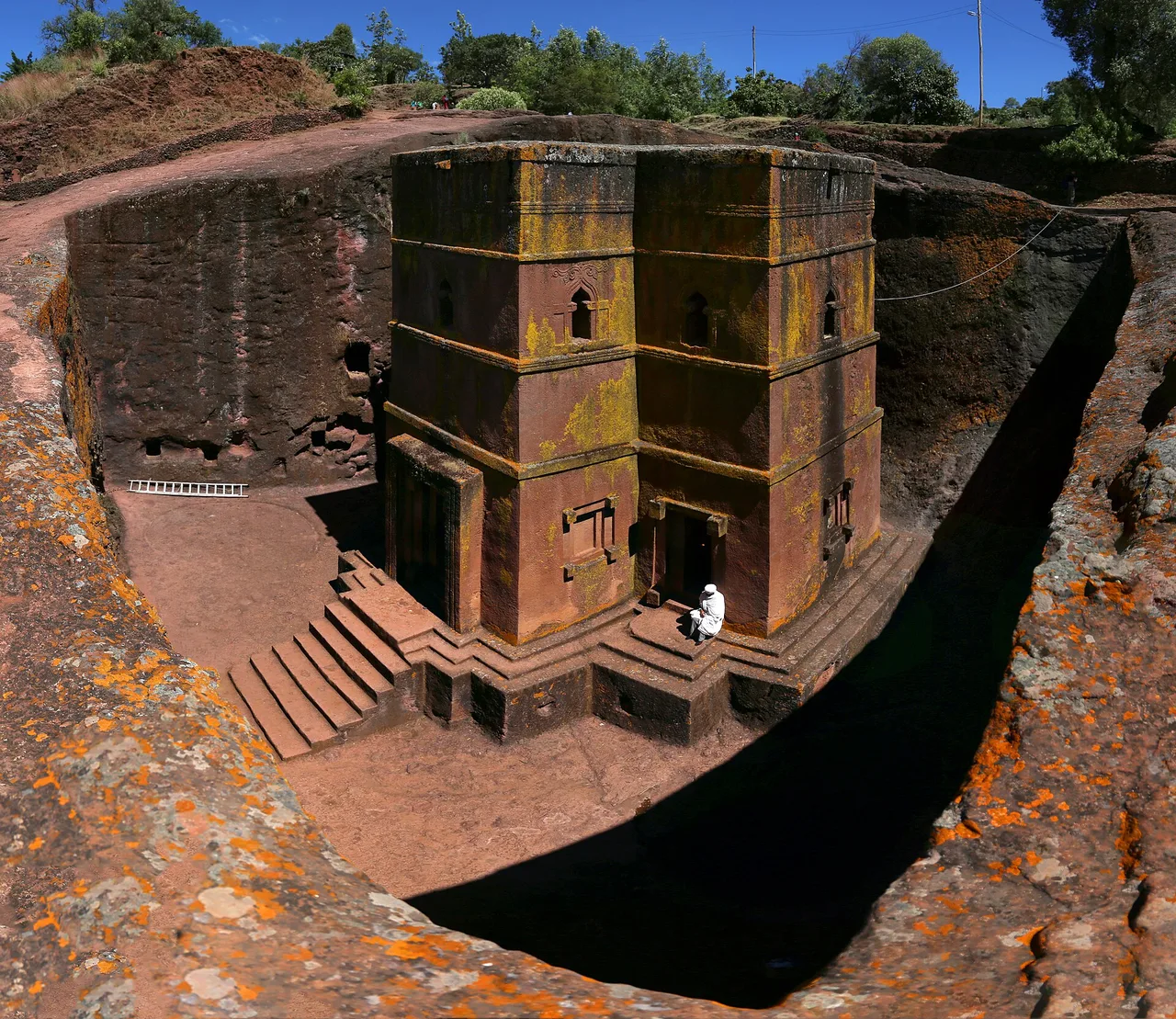
Photo: Sailko, Wikimedia Commons, CC BY 3.0.
Pick one
Ethiopian music uses a unique pentatonic modal system called Qenet. There are four main modes (Tezeta, Bati, Ambassel, and Anchihoye), each carrying distinct emotional weight and history. This system gives Ethiopian music its hauntingly beautiful, instantly recognizable sound.
Pick one
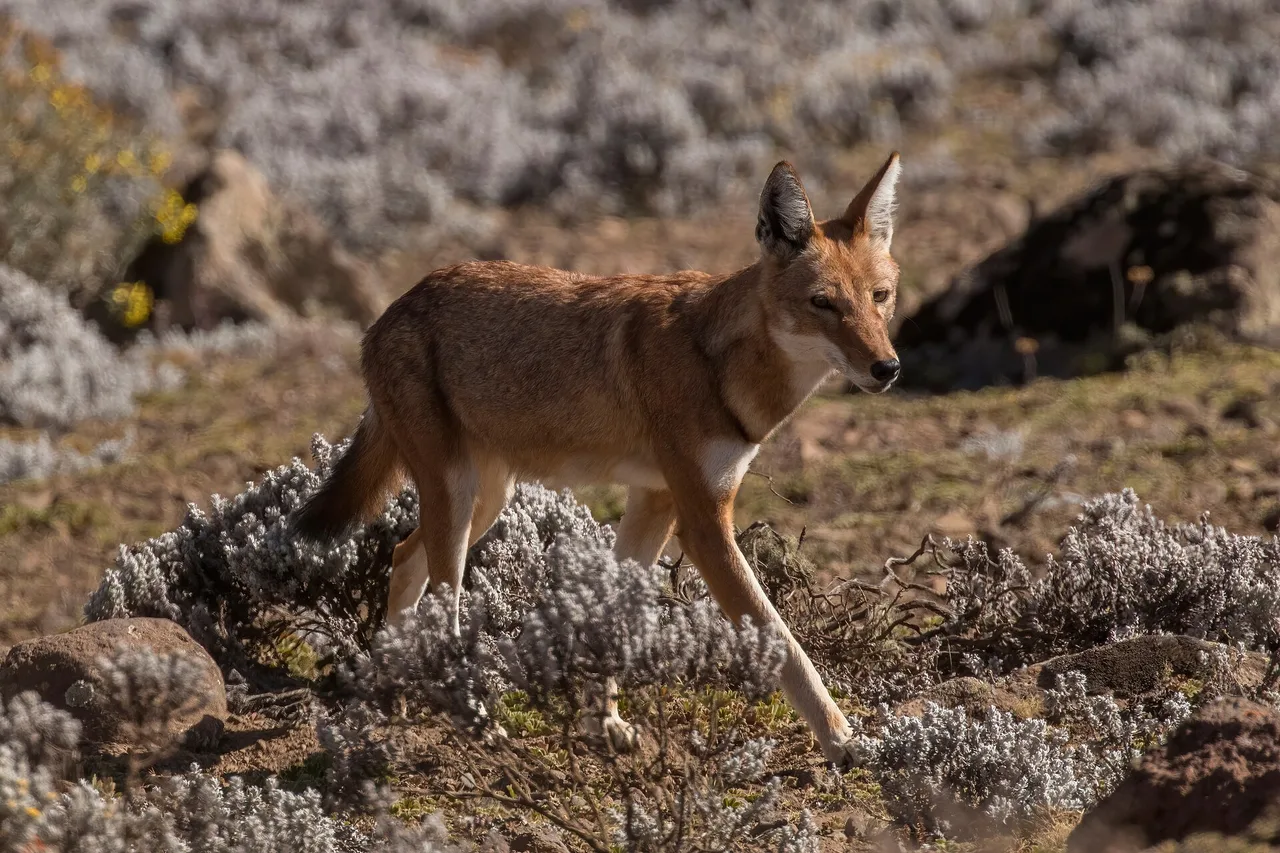
Unlike other wolves that hunt in packs for large prey, the Ethiopian wolf is a solitary hunter specializing in rodents, particularly the giant mole-rat. It is Africa's most endangered carnivore, with fewer than 500 individuals remaining in the wild.
Photo: Charles J. Sharp, Wikimedia Commons, CC BY-SA 4.0.
Pick one
The Ethiopian calendar has 12 months of 30 days each, plus a short thirteenth month of five days (six in a leap year). It also counts its years from an older calculation of the date of the Annunciation, which is why it runs seven to eight years behind the Gregorian calendar.


Paste the code into your page. The player fits itself in, and every vote counts in Votur.
On WordPress, Ghost or Squarespace? Just paste the link of this page into your post.
This is how it looks
Also fun