Get app
 Photo: Bracodbk, Wikimedia Commons, CC BY-SA 3.0.
Explore the sun-drenched coast, ancient history, and vibrant culture of Croatia with this engaging quiz. Test your knowledge of its famous landmarks, delicious food, and natural wonders!
Croatia Curious 0–4 · Adriatic Aficionado 5–8 · Croatian Insider 9–10

Pick one

Zagreb is not only the capital but also the most populous city in Croatia, situated in the northwest of the country along the Sava river. It serves as the nation's cultural, economic, and political heart, boasting a rich history reflected in its Austro-Hungarian architecture. The city is known for its vibrant arts scene, numerous museums, and the charming Upper Town (Gornji Grad).
Photo: Nick Savchenko from Kiev, Ukraine, Wikimedia Commons, CC BY-SA 2.0.
Pick one
Croatia's stunning coastline stretches along the Adriatic Sea, an arm of the Mediterranean Sea. This extensive coastline, famous for its crystal-clear waters, numerous islands, and picturesque coves, is a major draw for tourism. The Adriatic is relatively shallow and warm, making it ideal for swimming and boating. Croatia shares the Adriatic with several other countries, including Italy and Montenegro.
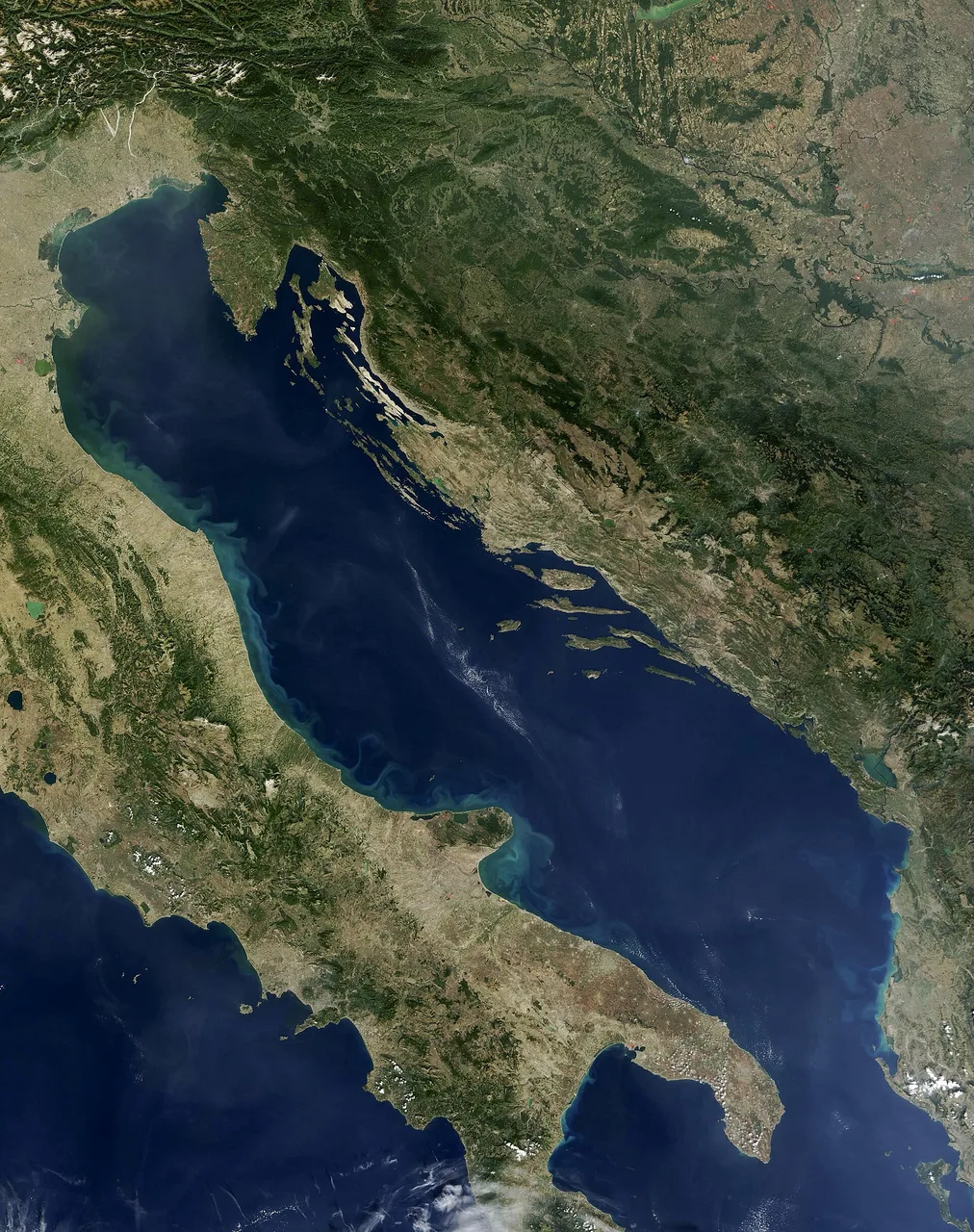
Photo: National Aeronautics and Space Administration, Wikimedia Commons, Public domain.
Pick one
The Walls of Dubrovnik have protected the city, once the Republic of Ragusa, since the Middle Ages. They run for nearly two kilometres around the Old Town, reach up to 25 metres high and are up to 6 metres thick on the land side. Dubrovnik is also nicknamed the 'Pearl of the Adriatic'.
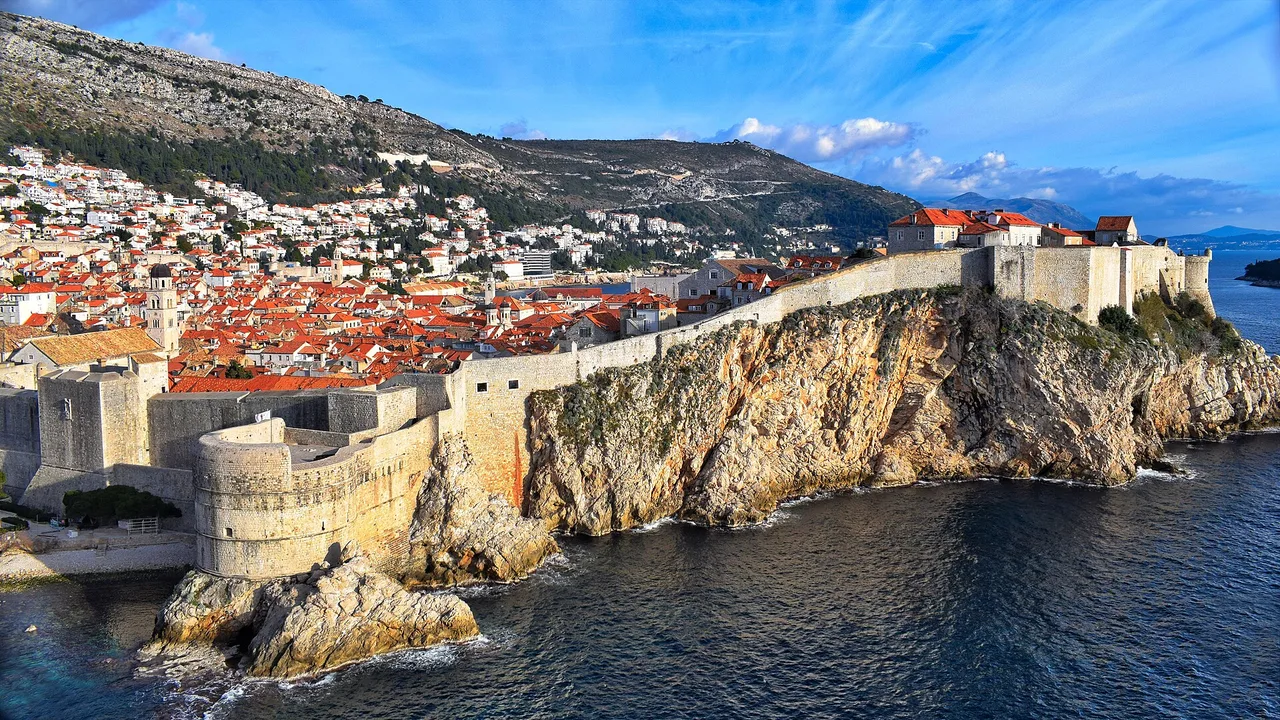
Photo: Miroslav.vajdic, Wikimedia Commons, CC BY-SA 4.0.
Pick one
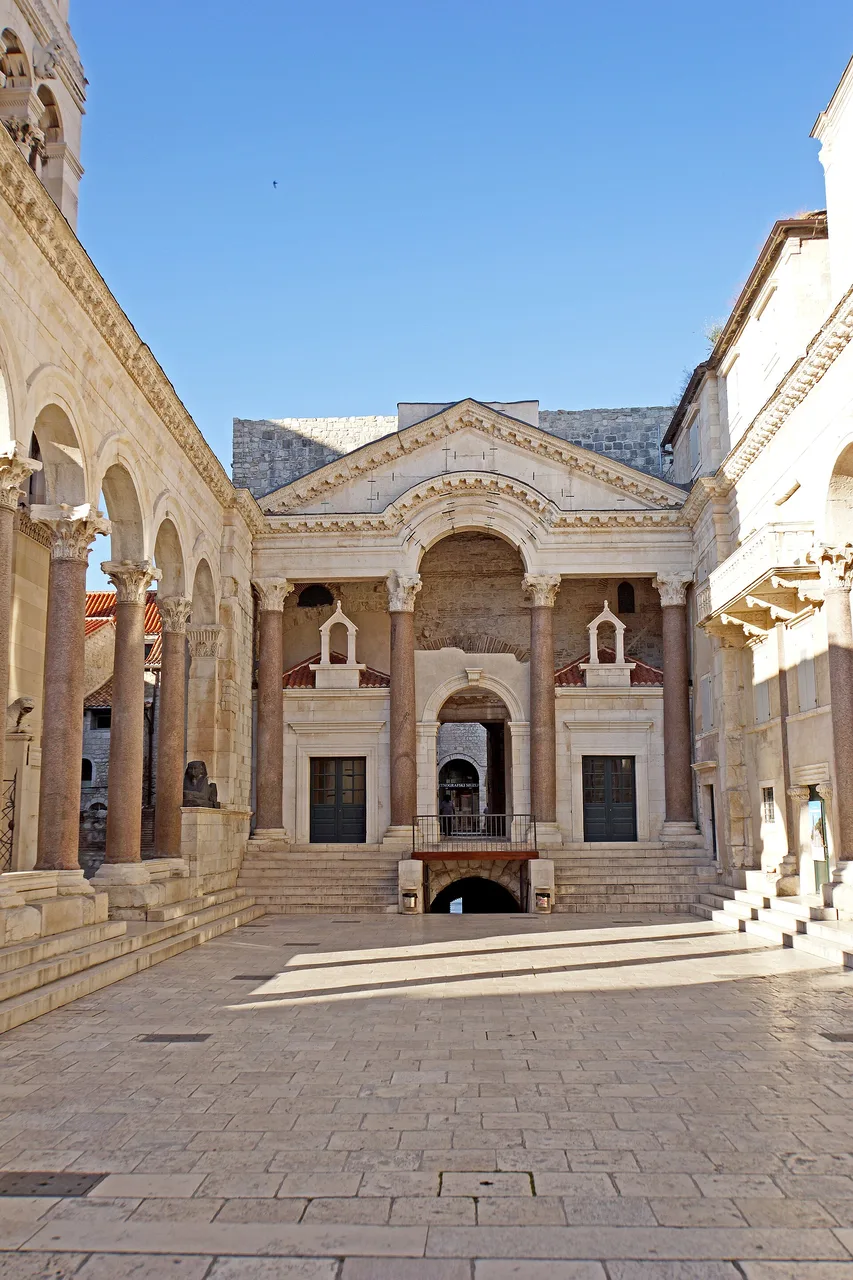
Diocletian's Palace, a UNESCO World Heritage site, is located in the heart of Split. Built for the Roman Emperor Diocletian at the turn of the 4th century AD, it served as both a military camp and a luxurious retirement residence. Today, its walls encompass much of Split's Old Town, with shops, cafes, and homes integrated directly into the ancient structure, showcasing a vibrant blend of history and modern life.
Photo: Dennis G. Jarvis, Wikimedia Commons, CC BY-SA 2.0.
Pick one
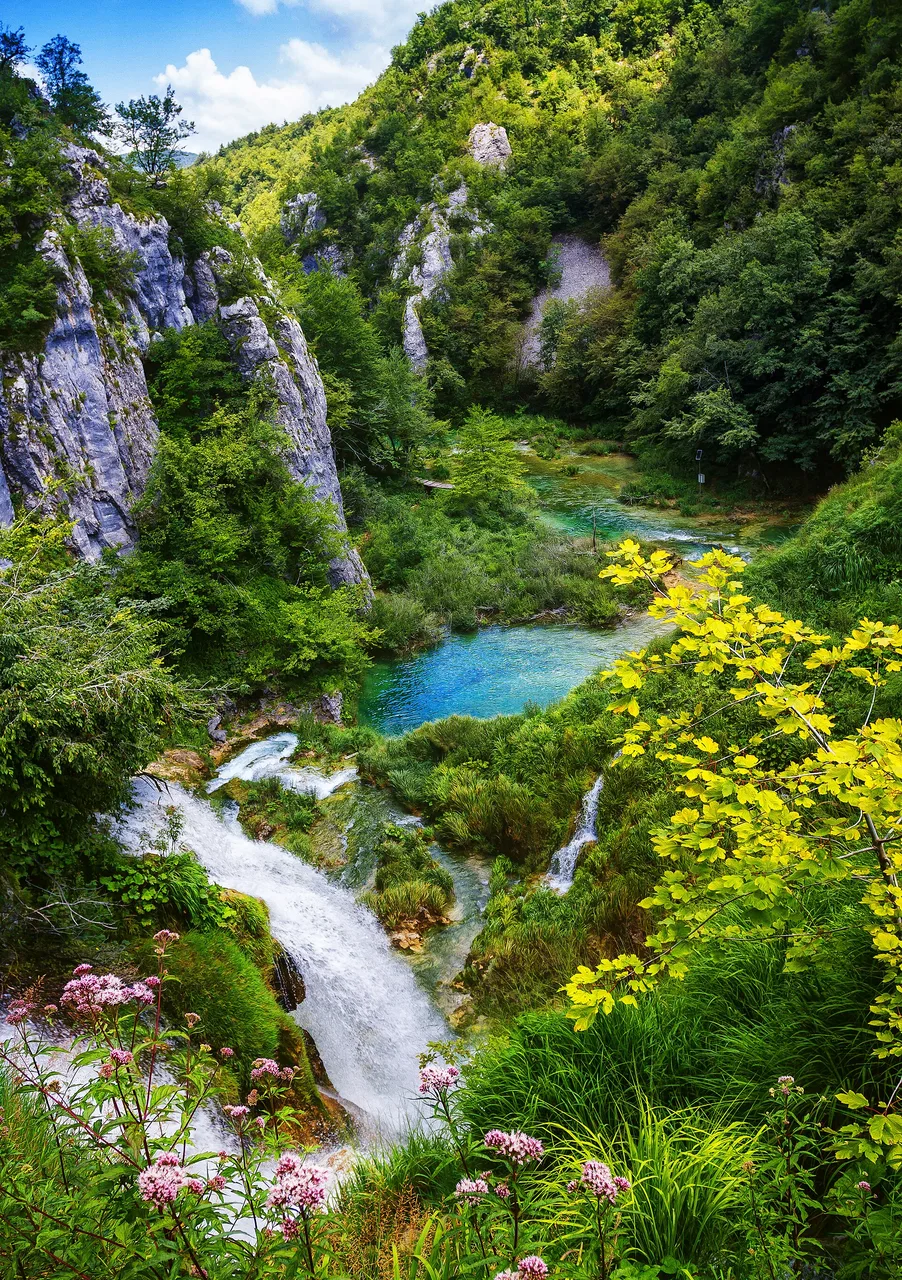
Plitvice Lakes National Park is a UNESCO World Heritage site known for its 16 terraced lakes, interconnected by waterfalls. These lakes are formed by the natural deposition of travertine, a type of limestone, which creates unique natural dams. The park's distinct blue and green waters are home to diverse flora and fauna, including bears and wolves, making it a pristine natural wonder.
Photo: Zysko serhii, Wikimedia Commons, CC BY-SA 4.0.
Pick one
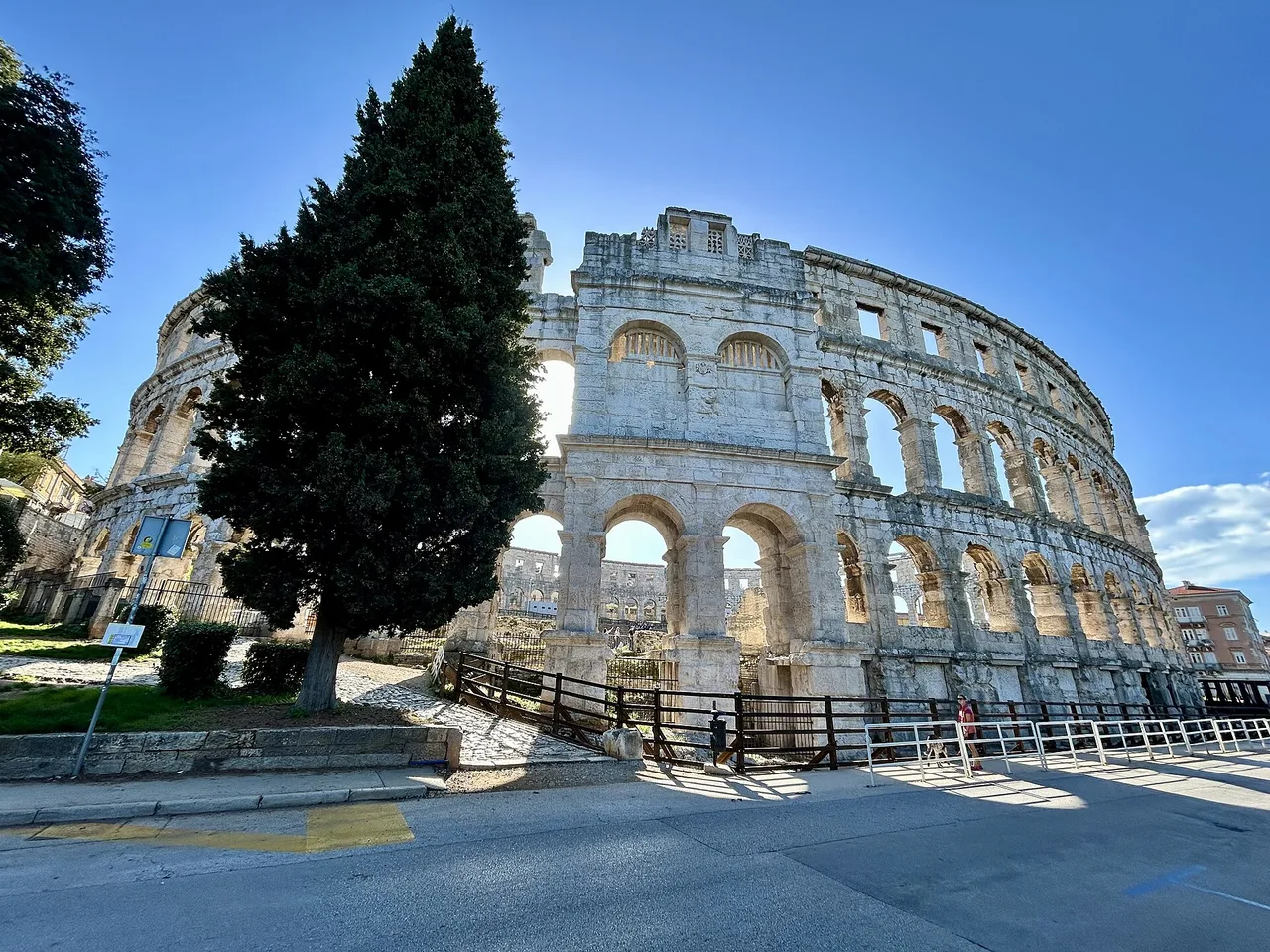
The Pula Arena, located in the city of Pula, is the only remaining Roman amphitheater in the world to have four side towers and all three Roman architectural orders entirely preserved. Built between 27 BC and 68 AD, it could once hold over 20,000 spectators for gladiatorial contests. Today, it hosts concerts, film festivals, and other events, standing as a magnificent testament to Roman engineering.
Photo: Olgierd Rudak, Wikimedia Commons, CC BY-SA 4.0.
Pick one
The Istrian peninsula in Croatia is renowned worldwide for its abundance of high-quality truffles, both black and white. The moist, fertile soil and specific climate conditions in Istria create an ideal environment for these subterranean fungi to thrive. Truffle hunting with specially trained dogs is a traditional practice, and Istrian truffles are a cornerstone of the region's gourmet cuisine.
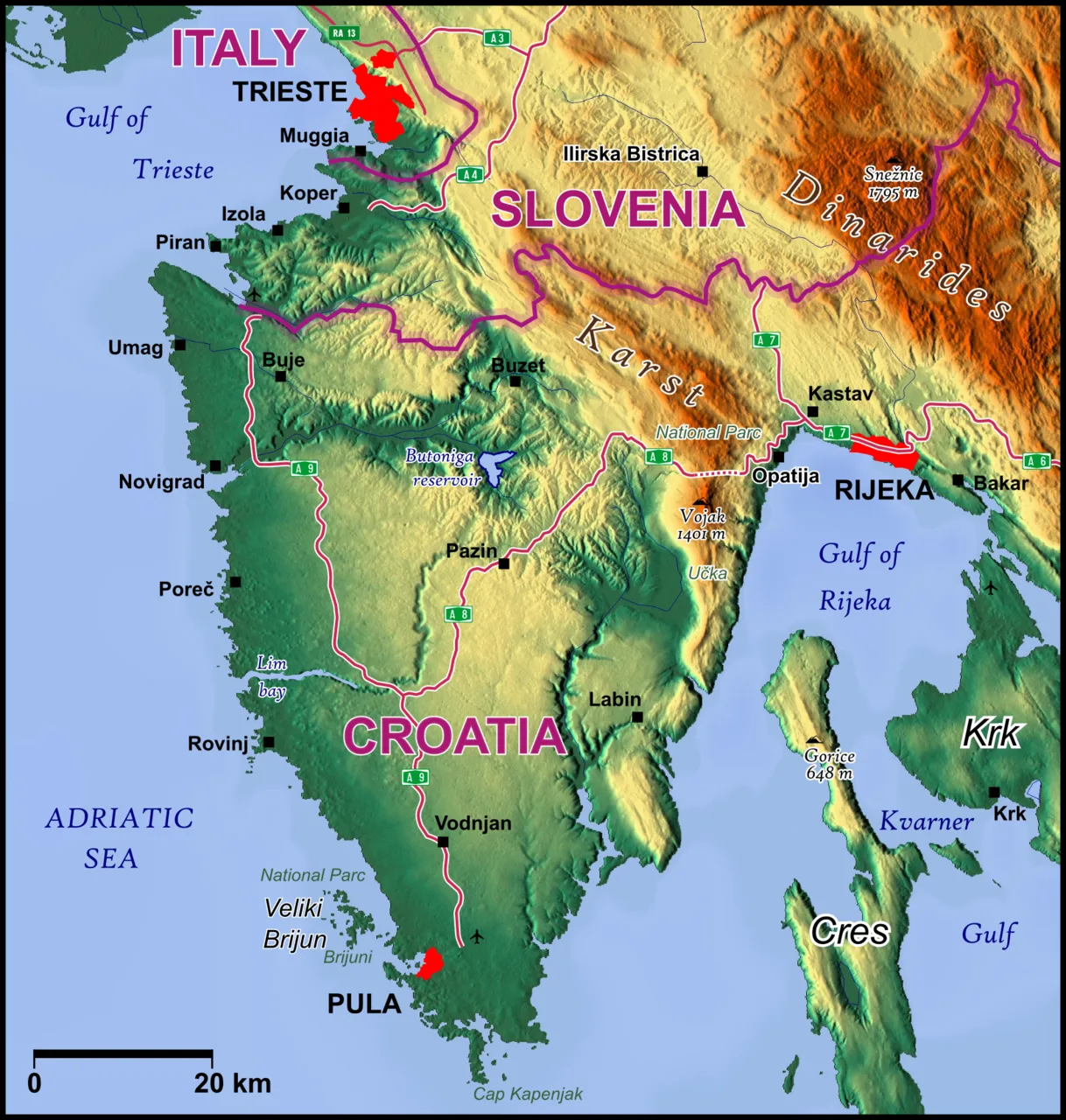
Photo: Alabasterstein, Wikimedia Commons, CC BY-SA 4.0.
Pick one
Peka refers to both a cooking method and the resulting dish, typically involving meat (often lamb or octopus) and vegetables, baked slowly under a cast-iron or clay bell-shaped lid. The lid is covered with hot embers, creating a unique convection oven effect that tenderizes the ingredients and infuses them with smoky flavors. This ancient technique is still widely used today, especially in Dalmatia.
Pick one
Klapa is a form of traditional a cappella singing specific to the Dalmatian region of Croatia. Typically performed by a group of male singers, though female groups also exist, it focuses on harmony and melody without instrumental accompaniment. The themes often revolve around love, the sea, and homeland. In 2012, Klapa singing was inscribed on UNESCO's Representative List of the Intangible Cultural Heritage of Humanity.
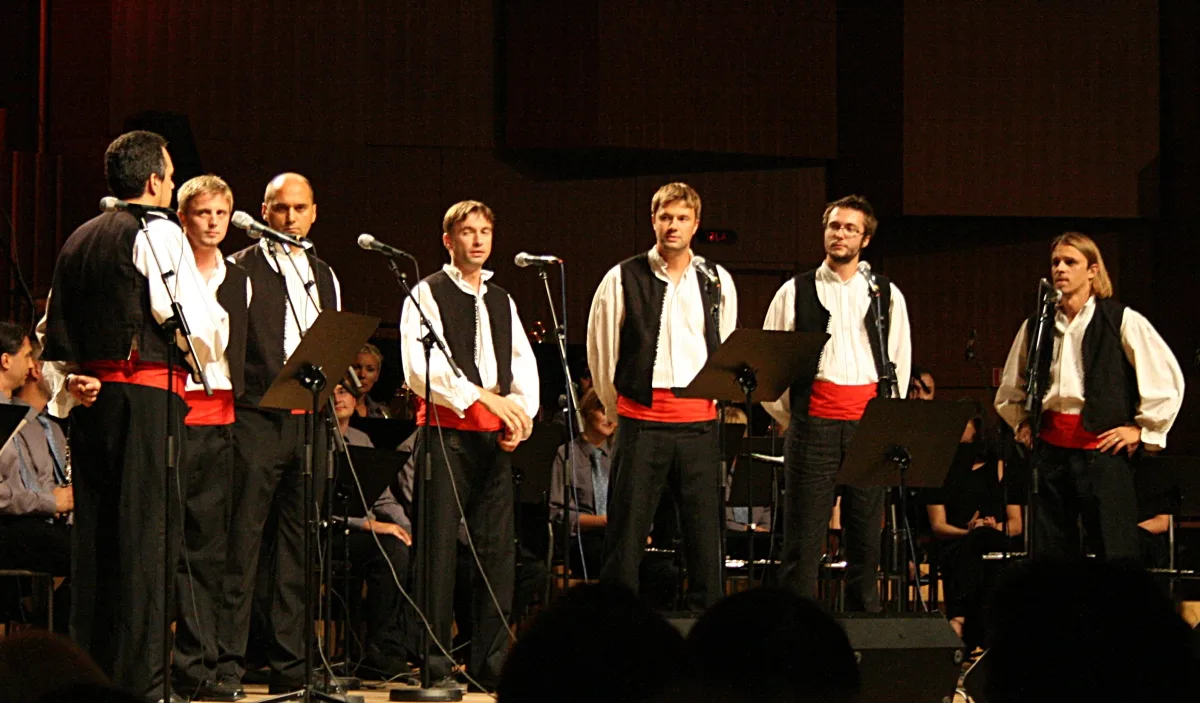
Photo: Roberta F., Wikimedia Commons, CC BY-SA 3.0.
Pick one
Nikola Tesla, a Serbian-American inventor, electrical engineer, mechanical engineer, and futurist, was born in 1856 in Smiljan, a village in what is now Croatia. His contributions to the design of the modern alternating current (AC) electricity supply system were revolutionary. Though he spent most of his career in the United States, his birthplace remains a point of national pride.
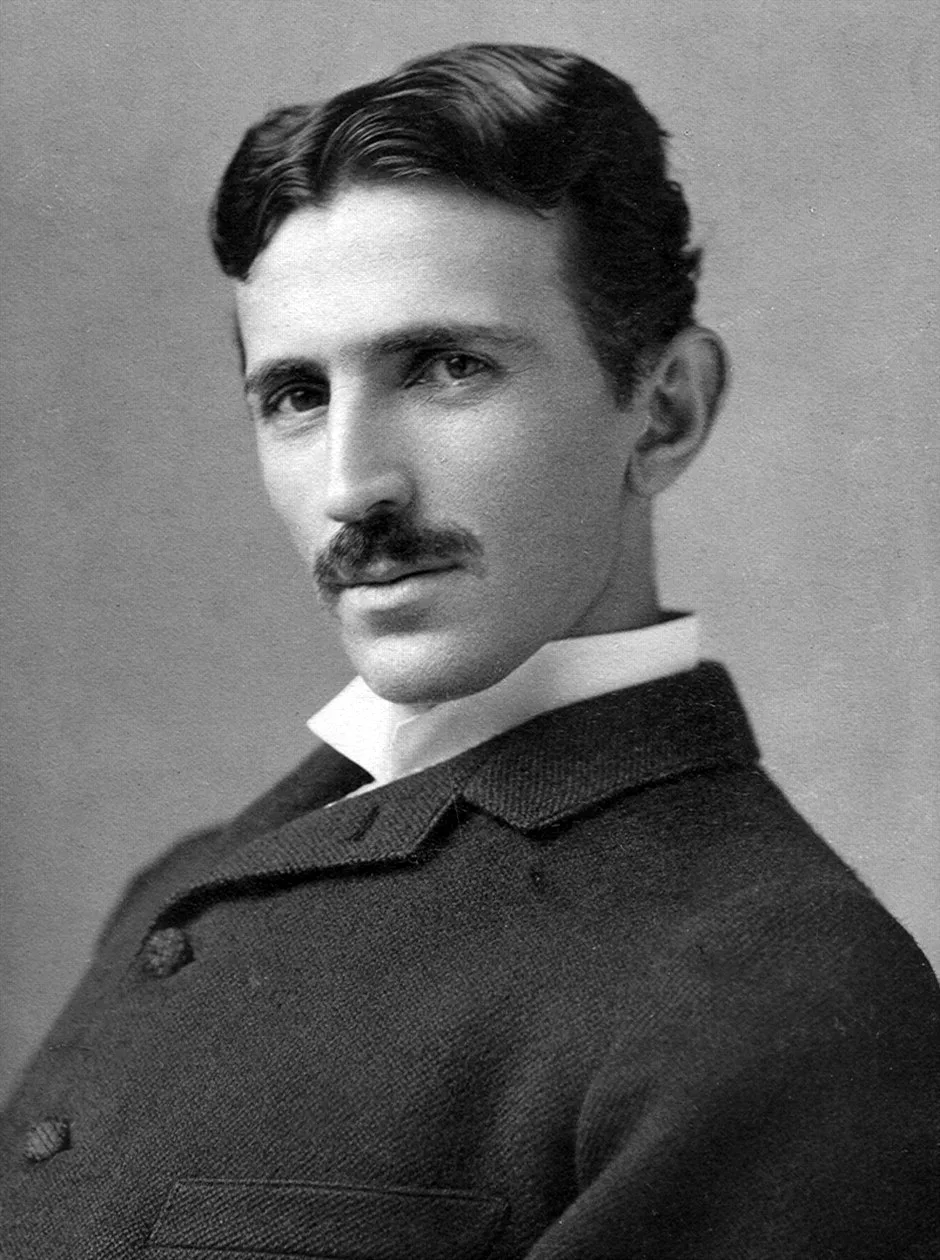
Photo: Napoleon Sarony, Wikimedia Commons, Public domain.


Paste the code into your page. The player fits itself in, and every vote counts in Votur.
On WordPress, Ghost or Squarespace? Just paste the link of this page into your post.
This is how it looks
Also fun