Get app
 Photo: Nick Savchenko from Kiev, Ukraine, Wikimedia Commons, CC BY-SA 2.0.
Explore the heart of Croatia! Test your knowledge of Zagreb's rich history, iconic landmarks, unique culture, and fascinating people. How well do you truly know this vibrant European capital?
Zagreb Newbie 0–4 · Upper Town Wanderer 5–8 · Grič Cannon Pro 9–10
Pick one

Ban Jelačić Square stands as the vibrant heart and main meeting point of Zagreb. Dominated by the impressive equestrian statue of Ban Josip Jelačić, a 19th-century Croatian national hero, the square is a bustling hub for public transport, cultural events, and social gatherings. It's surrounded by historic buildings and cafes, making it a focal point of city life. Cvjetni trg, or Flower Square, is another popular and lively square known for its flower stalls and cafe culture, but it is smaller and more focused on leisure than the central Ban Jelačić Square.
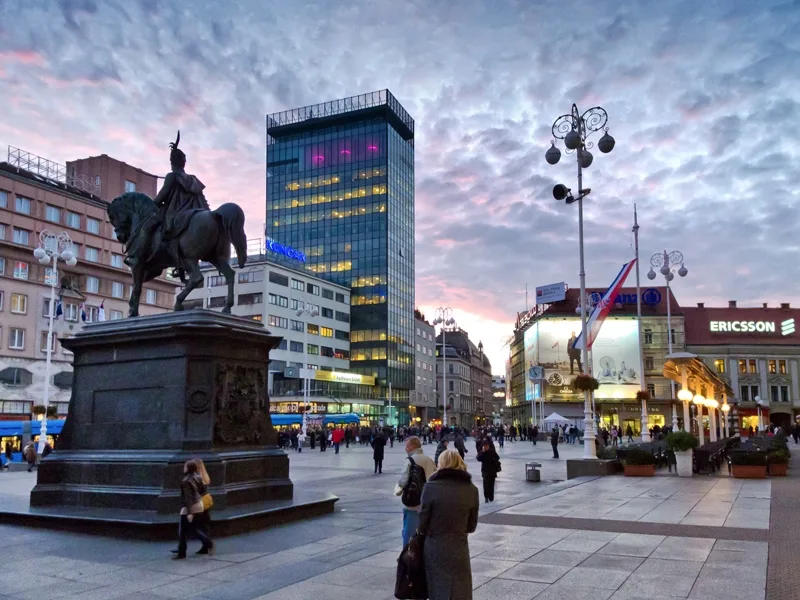
Photo: Roberta F., Wikimedia Commons, CC BY-SA 3.0.
Pick one
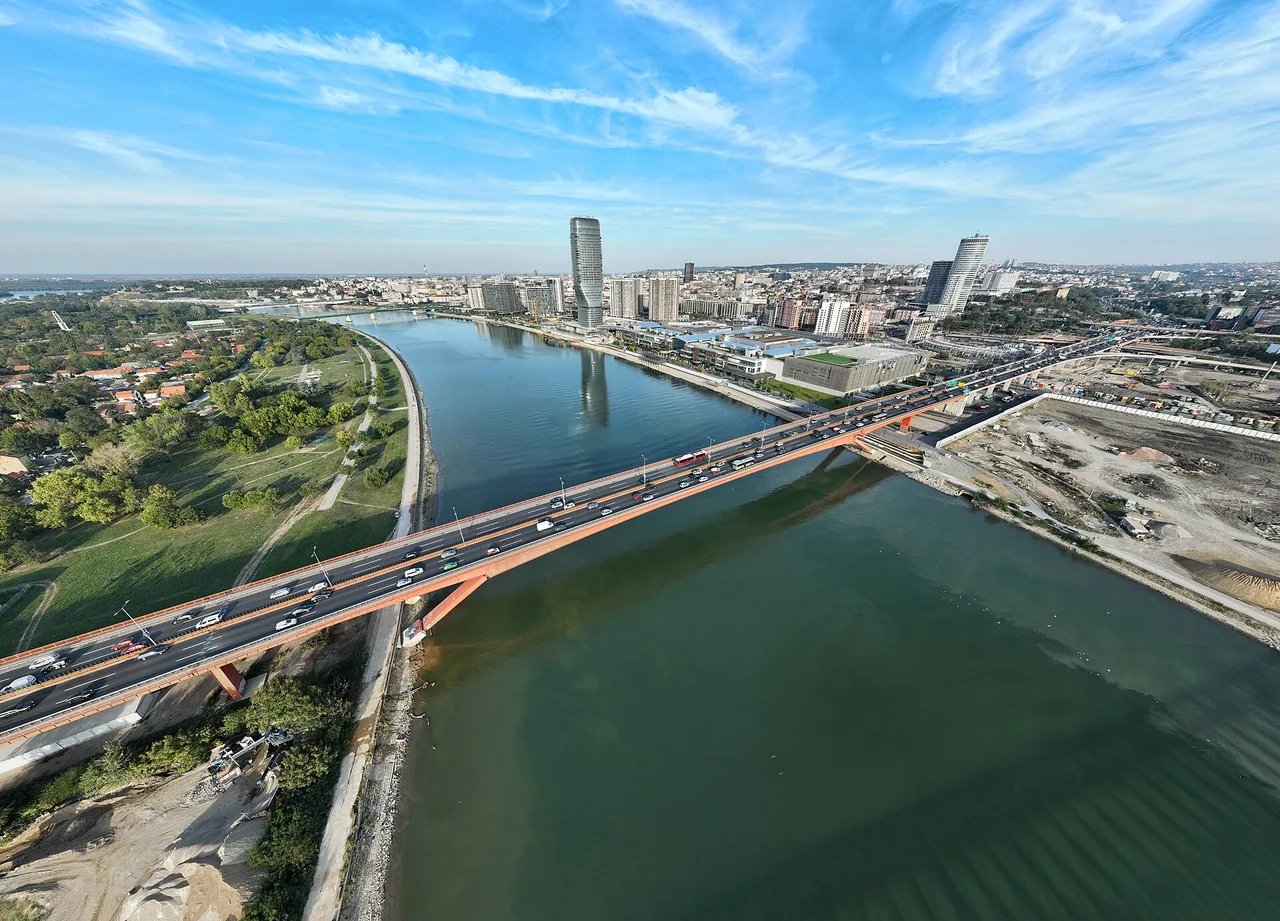
The Sava River is a significant waterway that flows along the southern edge of Zagreb, although it doesn't cut through the historic city center itself. As a major tributary of the Danube, it plays an important role in the region's geography and history, with its banks offering recreational areas and floodplains. The city's bridges over the Sava are crucial transport links. The Drava River, while another major river in Croatia, flows further north and east, away from the immediate Zagreb area.
Photo: Petar Milošević, Wikimedia Commons, CC BY 4.0.
Pick one
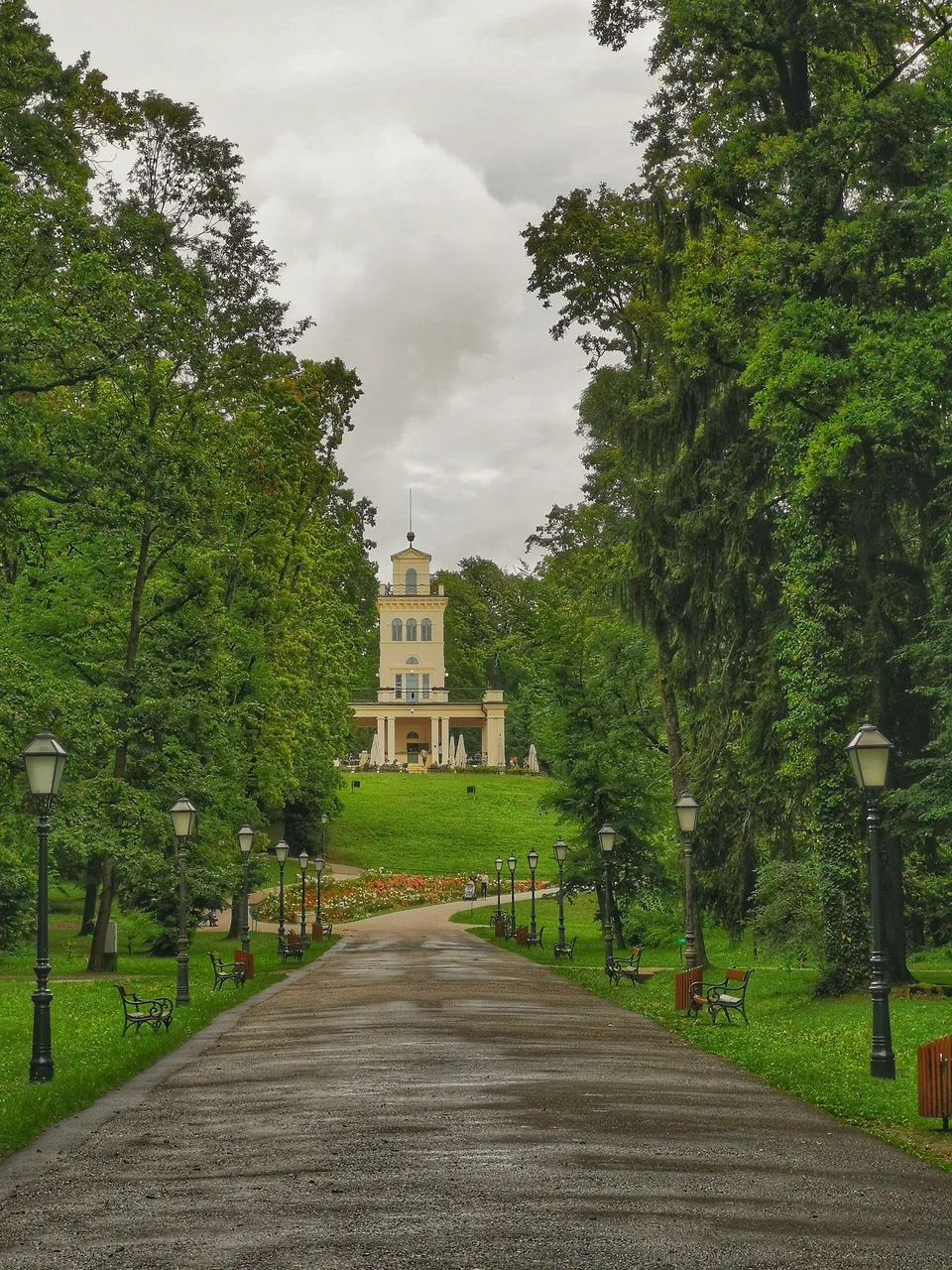
Maksimir Park, opened to the public in 1794, holds the distinction of being Zagreb's oldest and largest public park, spanning over 300 hectares. Designed in the English style, it offers lush greenery, scenic walking paths, five artificial lakes, and is home to the Zagreb Zoo. It's a vital green lung for the city, providing a tranquil escape. Jarun Lake, while a popular recreational spot with beaches and sports facilities, is a newer development and not considered the city's historical 'park'.
Photo: Aldenita, Wikimedia Commons, CC BY-SA 4.0.
Pick one
St. Mark's Church, nestled in Zagreb's Upper Town, is instantly recognizable by its vibrant, multicolored tiled roof featuring the coats of arms of Croatia, Dalmatia, Slavonia, and the city of Zagreb itself. This 13th-century Gothic church is one of the city's oldest buildings and a true architectural gem. In contrast, the grand Zagreb Cathedral, while the tallest building in Croatia with its impressive Gothic spires, has a more traditional roof.
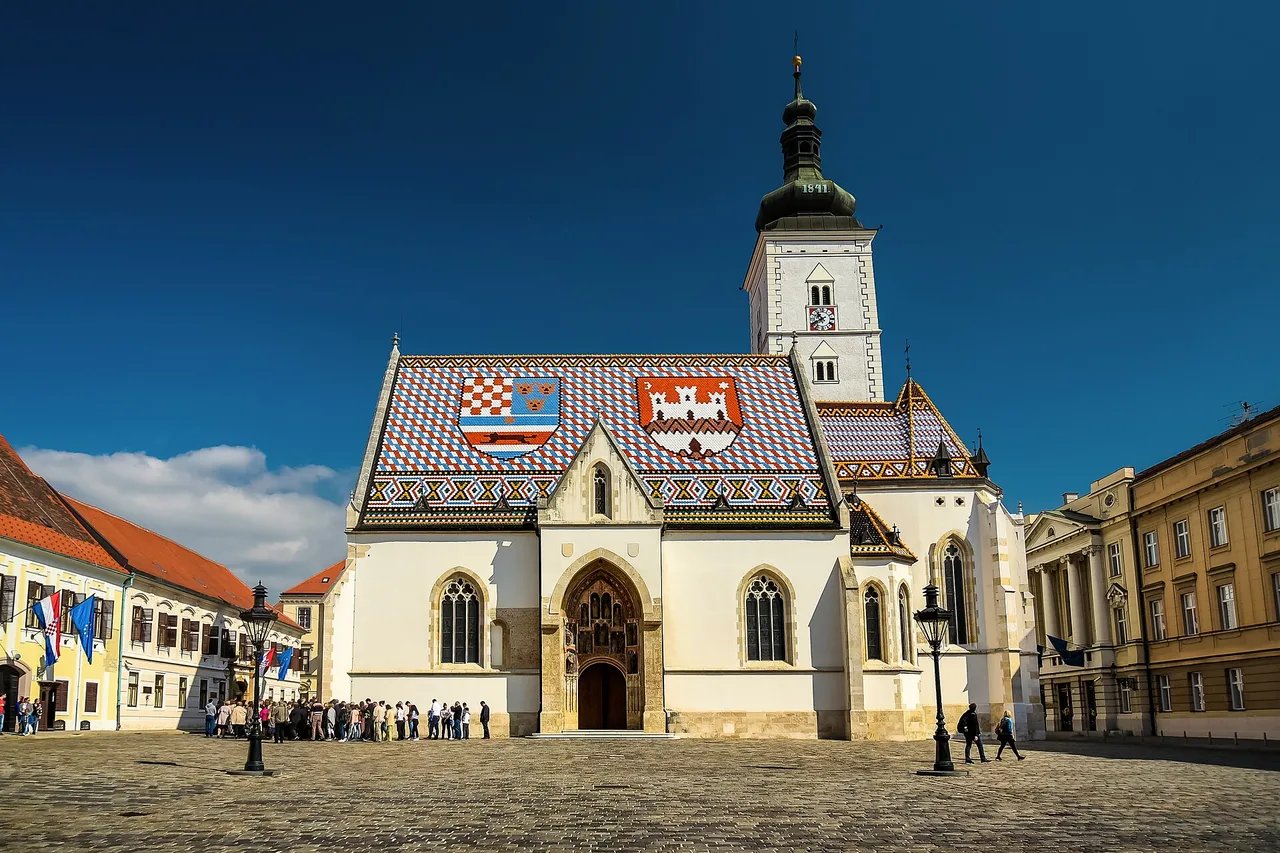
Photo: Jorge Franganillo, Wikimedia Commons, CC BY 2.0.
Pick one
Dolac Market is Zagreb's bustling and most famous open-air market, often referred to as the 'belly of Zagreb.' Located just above Ban Jelačić Square, it's instantly recognizable by its iconic red umbrellas, under which local farmers sell fresh produce, meat, fish, and dairy products daily. It's a vibrant hub for both locals and tourists to experience authentic Zagreb life. Britanski trg also hosts a popular market, particularly known for its antique and art stalls on weekends, but Dolac is the primary fresh food market.
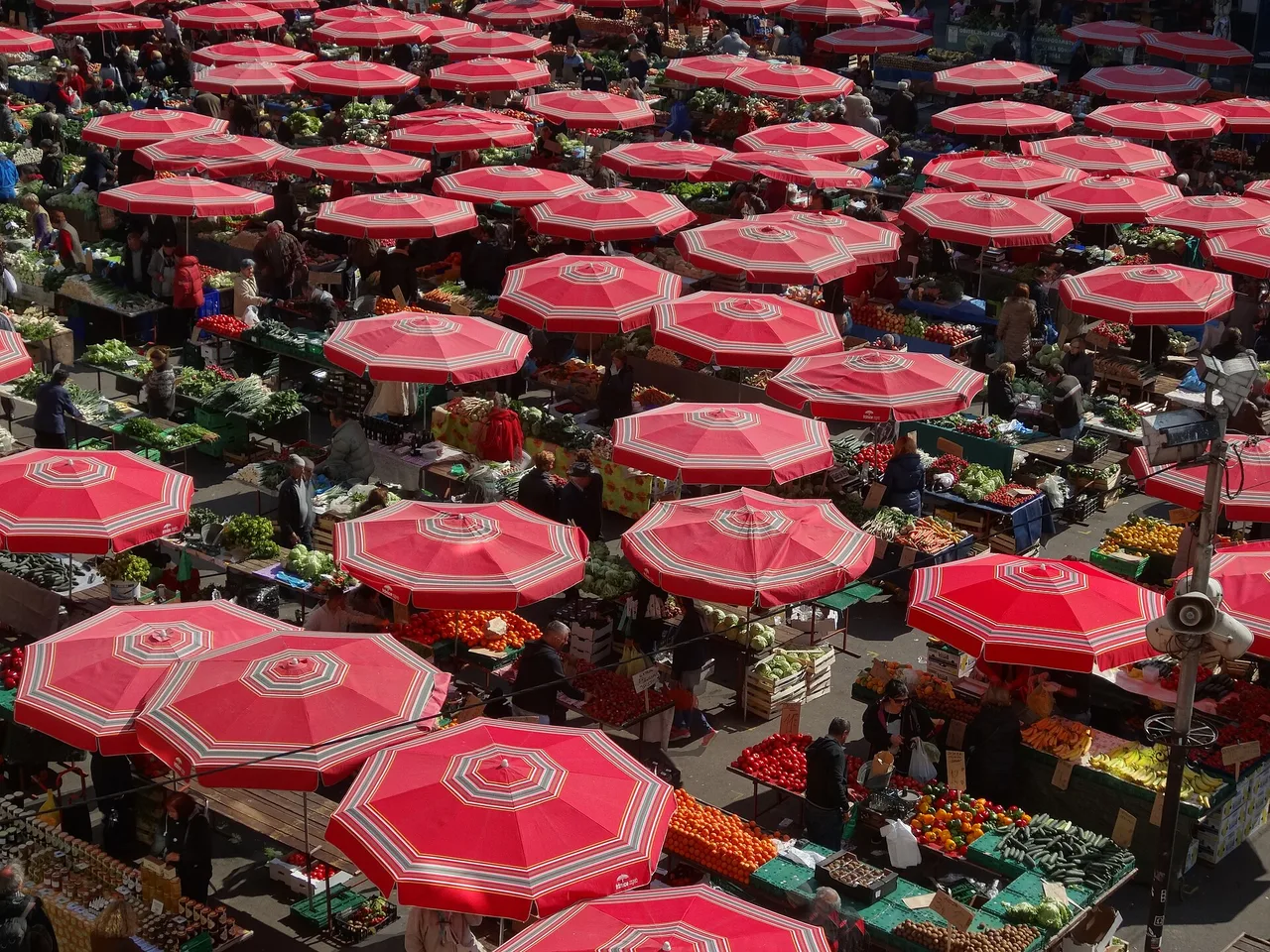
Photo: Rilegator, Wikimedia Commons, CC BY-SA 4.0.
Pick one
The Lotrščak Tower, a prominent landmark in Zagreb's Upper Town, was built in the 13th century to guard the southern gate of the Gradec town walls. It is famous for its daily tradition, dating back to 1877, of firing a cannon precisely at noon, a signal that once helped synchronize church bells across the city. The Stone Gate, another historic structure in the Upper Town, is renowned for its chapel housing a revered painting of the Virgin Mary, but it does not have the cannon tradition.
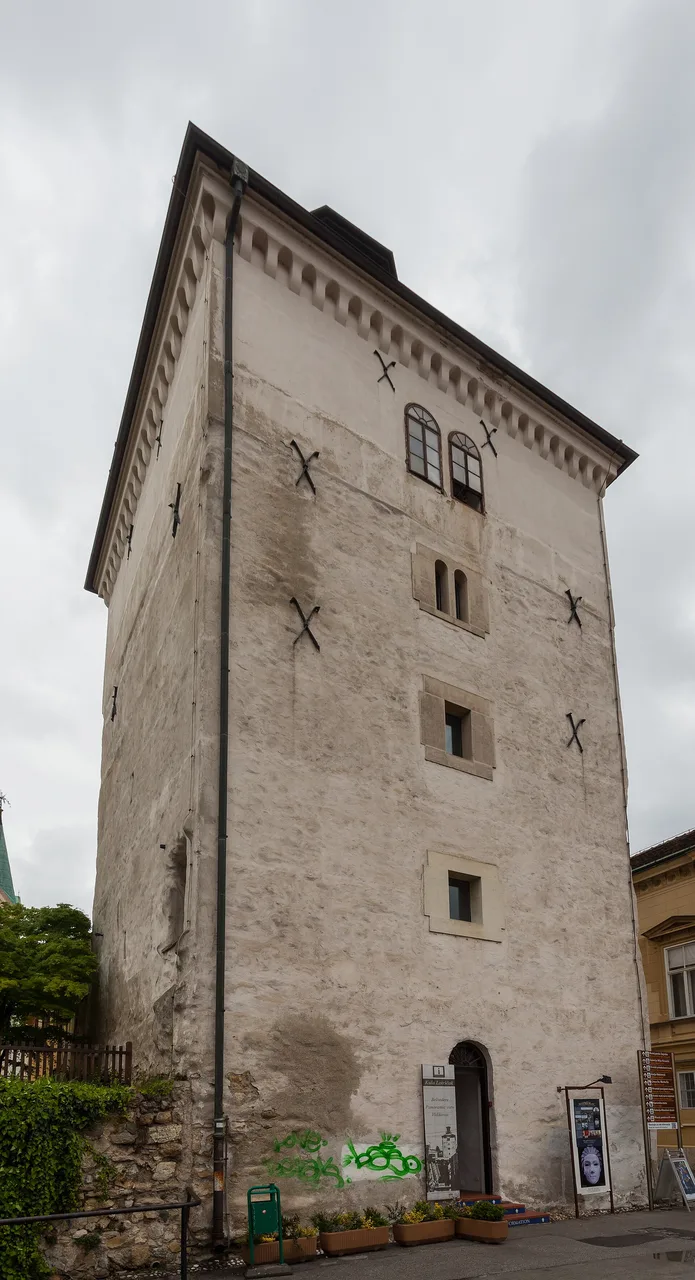
Photo: Diego Delso, Wikimedia Commons, CC BY-SA 3.0.
Pick one
The Zagreb Funicular provides a charming and quick connection between the bustling Lower Town and the historic Upper Town. Opened in 1890, it is one of the shortest public transport funiculars in the world, with a track length of just 66 meters. Despite its brevity, it saves a steep climb and offers lovely views. In contrast, the Sljeme Cable Car, recently reopened, takes visitors up Medvednica mountain for recreation and skiing, connecting a different part of the city to nature.
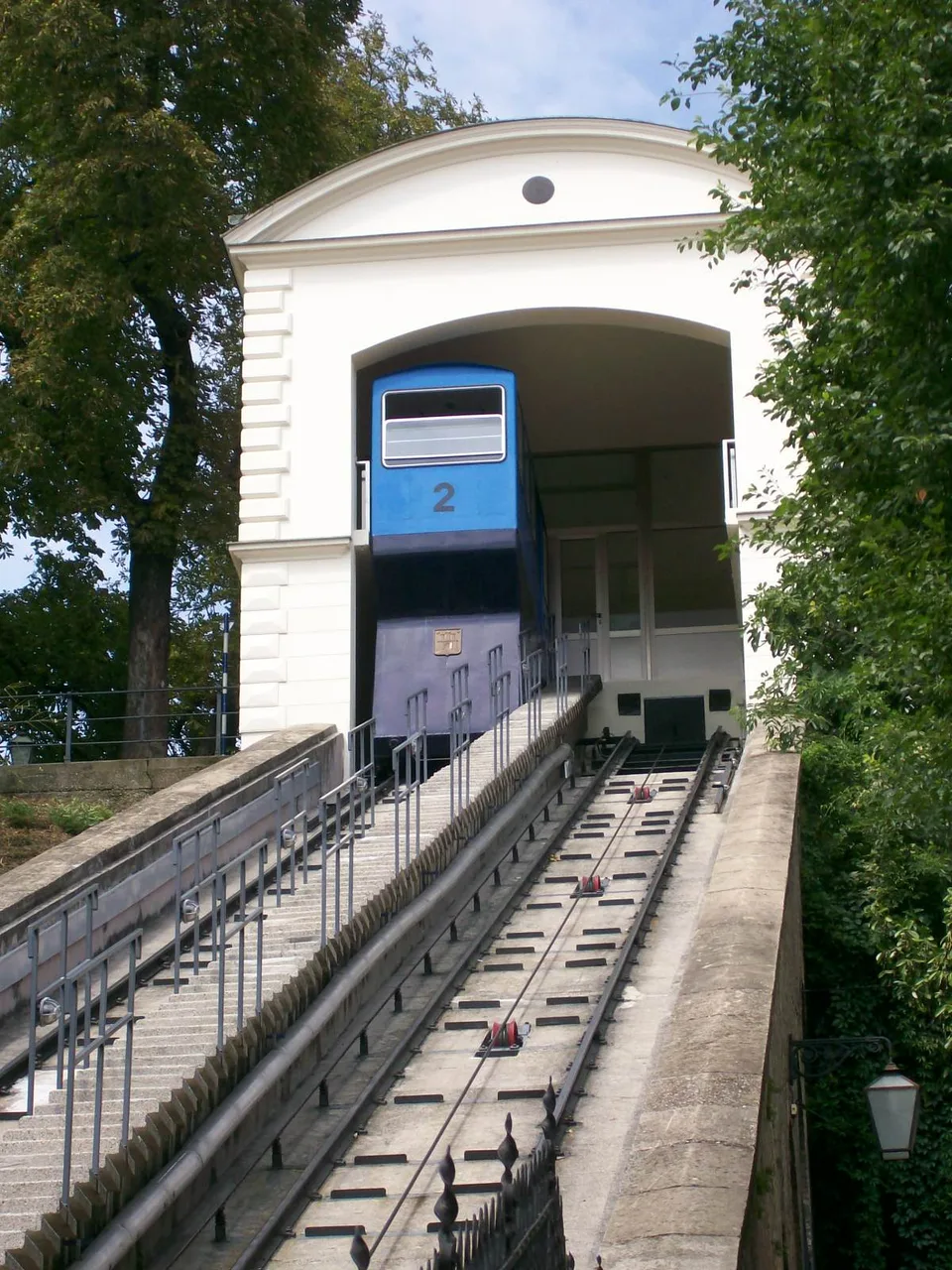
Photo: Suradnik13, Wikimedia Commons, CC BY-SA 3.0.
Pick one
Zagreb's origins trace back to two distinct medieval settlements perched on neighboring hills: Gradec, which became a royal free city, and Kaptol, the ecclesiastical seat of the bishopric. For centuries, these two communities were separate, often rival, entities, each with its own fortifications and administration. They eventually merged in the 19th century to form the unified city we know today. Other cities like Varaždin and Osijek are important Croatian centers but not part of Zagreb's direct formation story.
Photo: Suradnik13, Wikimedia Commons, CC BY-SA 3.0.
Pick one
Mlinci are a traditional Croatian and Slovenian side dish, often described as a type of flat, baked pasta or thin flatbread. They are prepared by baking a thin dough until dry and crispy, then typically softened with hot water or pan drippings before serving, especially alongside roasted turkey or goose. This unique preparation gives them a distinct texture and makes them a beloved accompaniment to festive meals.
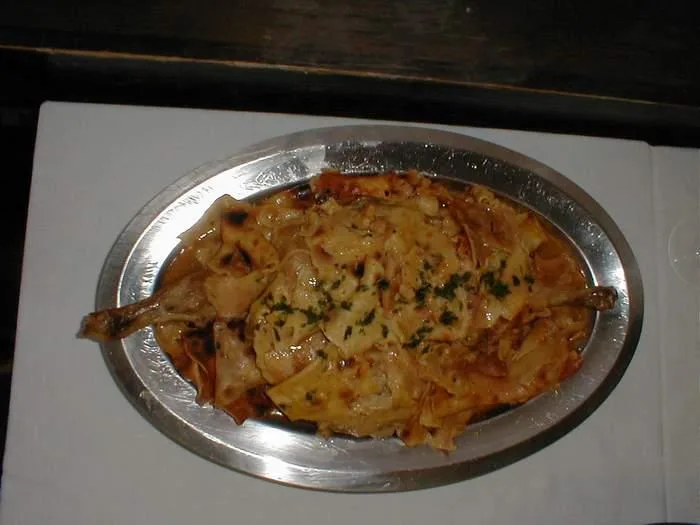
Photo: No machine-readable author provided. Fornax assumed (based on copyright claims)., Wikimedia Commons, CC BY-SA 3.0.
Pick one
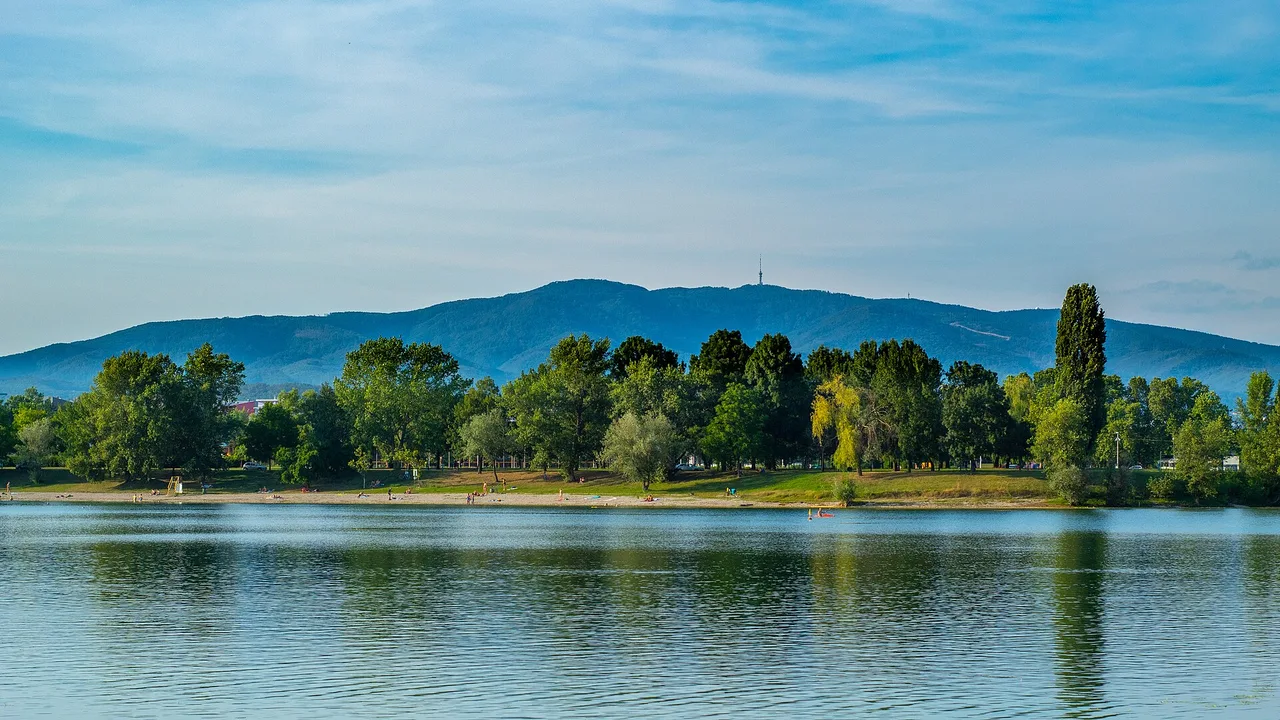
Medvednica is a mountain range just north of Zagreb, forming a natural backdrop to the city. It's a protected nature park and a popular destination for locals and tourists alike, offering trails, picnic spots, and the Sljeme ski resort. The mountain is also home to Medvedgrad, a medieval fortified town with a rich history.
Photo: Hrvoje Bađinec, Wikimedia Commons, CC BY-SA 4.0.


Paste the code into your page. The player fits itself in, and every vote counts in Votur.
On WordPress, Ghost or Squarespace? Just paste the link of this page into your post.
This is how it looks
Also fun