Get app
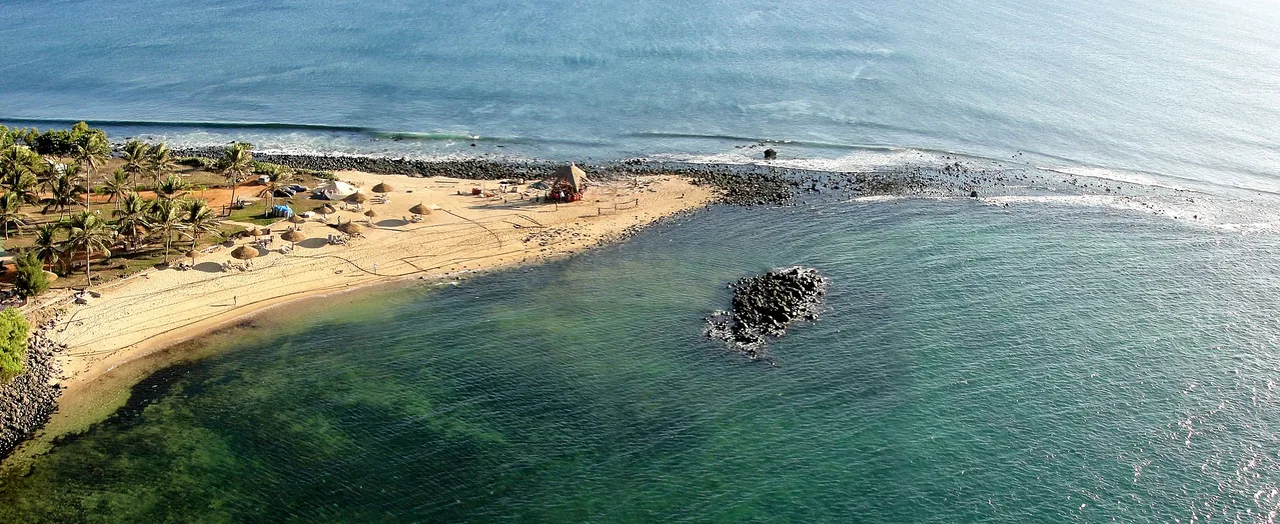
 Photo: Vyacheslav Argenberg, Wikimedia Commons, CC BY 4.0.
Embark on a journey through the Land of the Cedars! Test your knowledge on Lebanon's rich history, stunning natural wonders, delicious cuisine, and world-famous cultural icons.
Friendly Visitor 0–4 · Cedar Explorer 5–8 · True Insider 9–10
Pick one

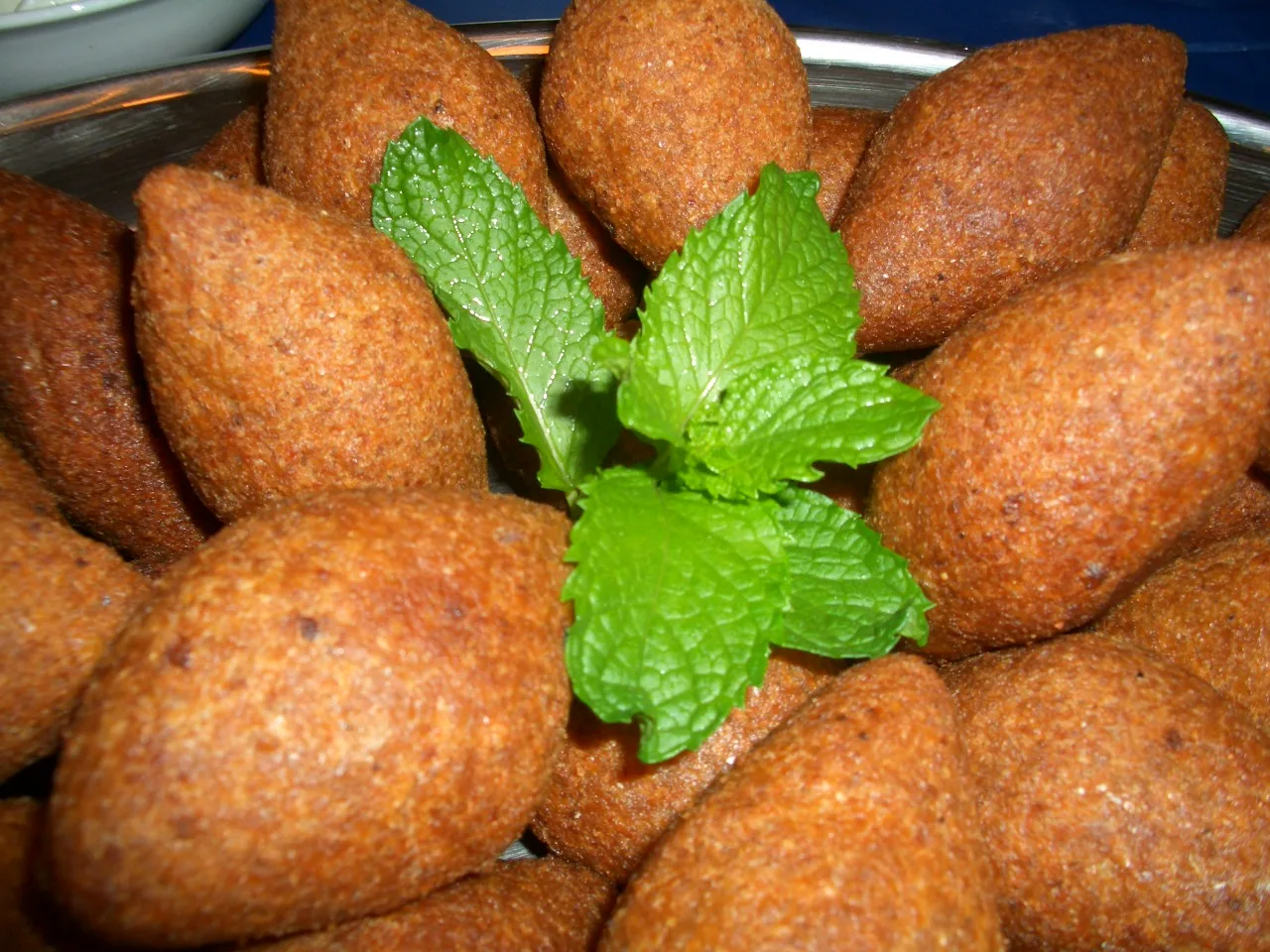
Kibbeh, the national dish of Lebanon, is made by pounding finely minced lamb or beef with bulgur wheat and spices. It can be served raw, baked, or fried into torpedo-shaped croquettes. Freekeh is another popular grain but is not used for Kibbeh.
Photo: Bazel, Wikimedia Commons, CC BY-SA 3.0.

Pick one
Kahlil Gibran, born in the northern town of Bsharri, wrote 'The Prophet', which has been translated into over 100 languages. He was also an accomplished visual artist, creating hundreds of paintings and drawings during his lifetime.
Photo: Wikimedia Commons, Public domain.

Pick one
The ancient Phoenician port of Byblos was a major trading hub for Egyptian papyrus. Because of this trade, the Greek name of the city, 'Byblos', came to mean papyrus, and it eventually became the root of the English word 'Bible'.
Photo: Orient at de.wikipedia, Wikimedia Commons, CC BY-SA 2.0 de.
Pick one
The Jeita Grotto consists of two separate but interconnected cave galleries. While the upper gallery is explored on foot via a walkway, the lower gallery features an underground river that visitors must navigate by boat.
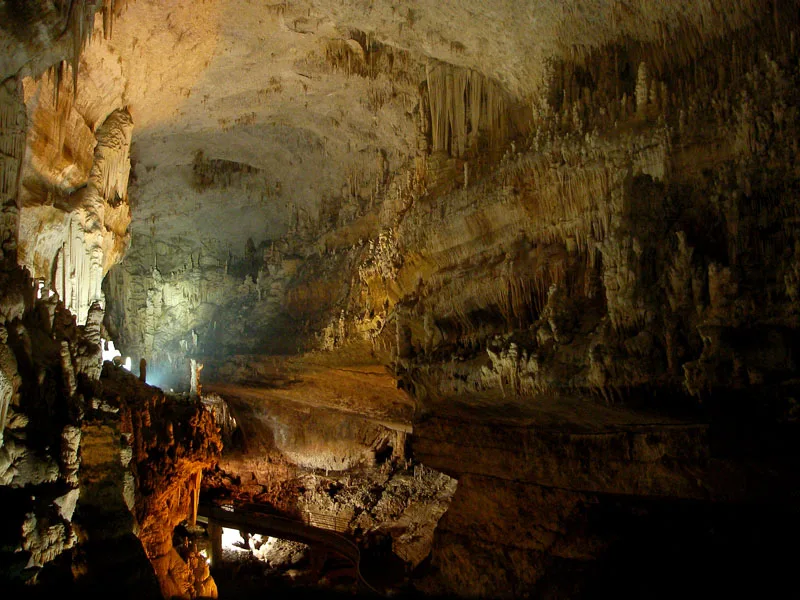
Photo: kcakduman, Wikimedia Commons, CC BY 2.0.
Pick one
Tyrian purple was a luxurious dye harvested from the mucus of predatory sea snails, specifically the Murex brandaris. It was so difficult to produce that the dye was worth its weight in gold, making it a symbol of royalty across the ancient world.
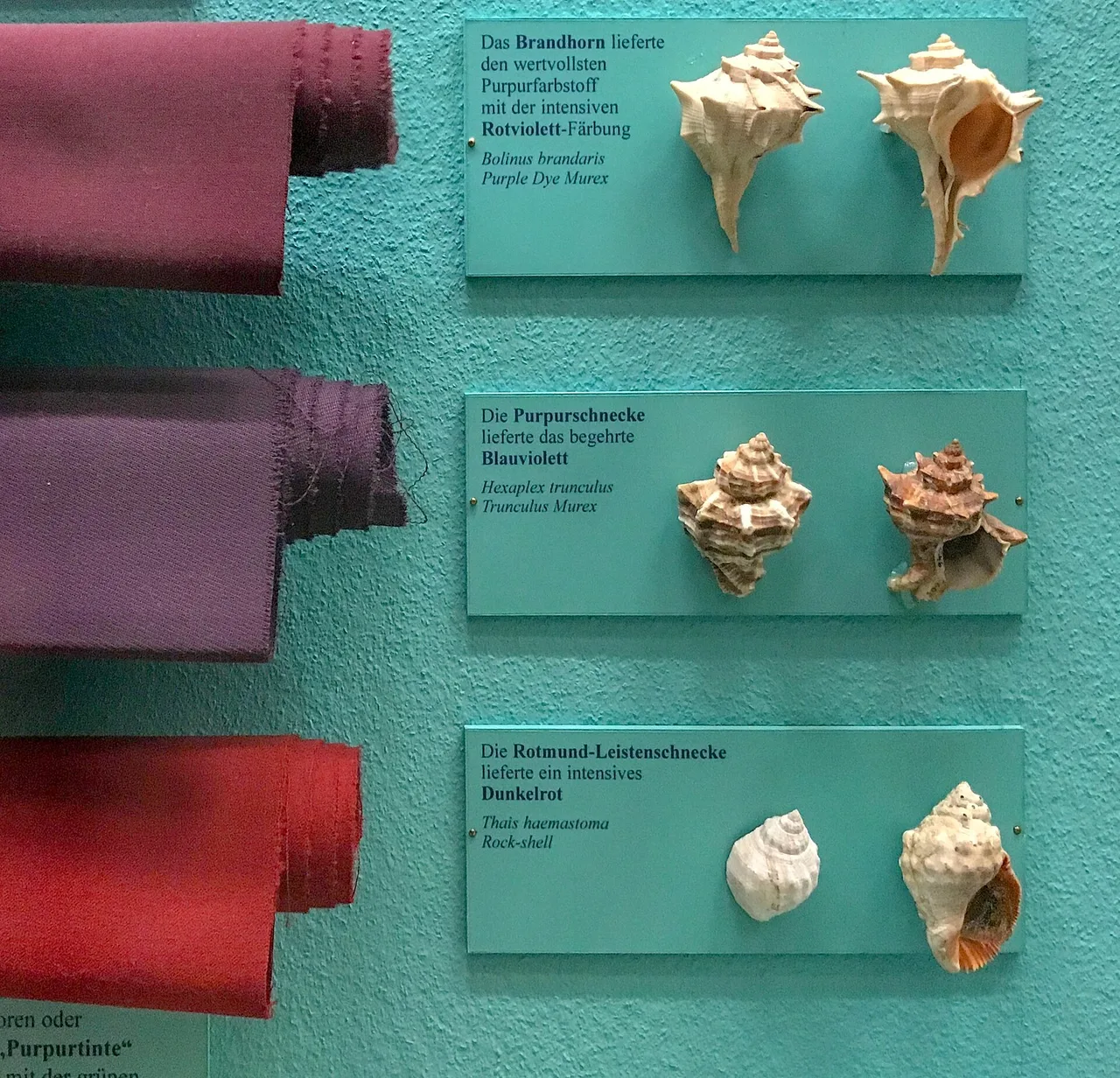
Photo: Photograph: U.Name.Me Derivative work: TeKaBe, Wikimedia Commons, CC BY-SA 4.0.

Pick one
The Litani River is the longest river contained entirely within Lebanon, flowing for about 140 kilometers before emptying into the Mediterranean Sea. The Orontes River also flows through Lebanon but continues into Syria and Turkey.
Photo: Sonia Rachid (Sonia Fares), Wikimedia Commons, CC BY-SA 2.5.
Pick one
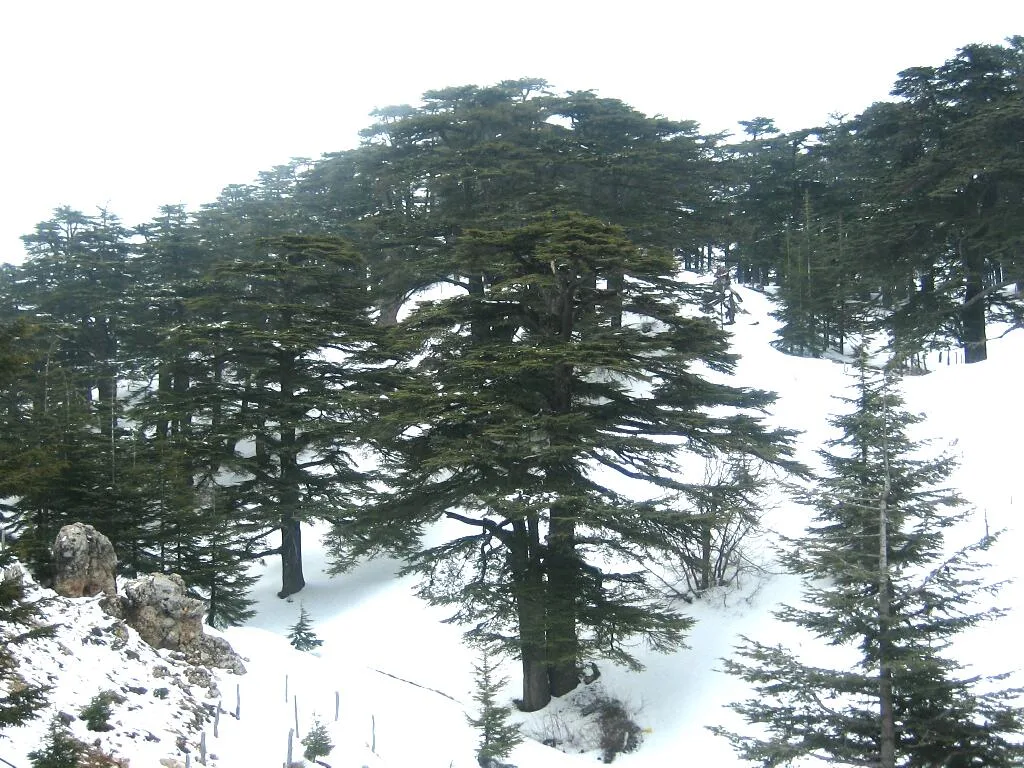
The Cedars of God are located in the Kadisha Valley, a stunning gorge that is also a UNESCO World Heritage site. These ancient trees were once prized by Phoenicians, Egyptians, and Israelites for building temples and ships. Today, they are a protected national symbol.
Photo: BlingBling10 at English Wikipedia, Wikimedia Commons, CC BY-SA 3.0.
Pick one
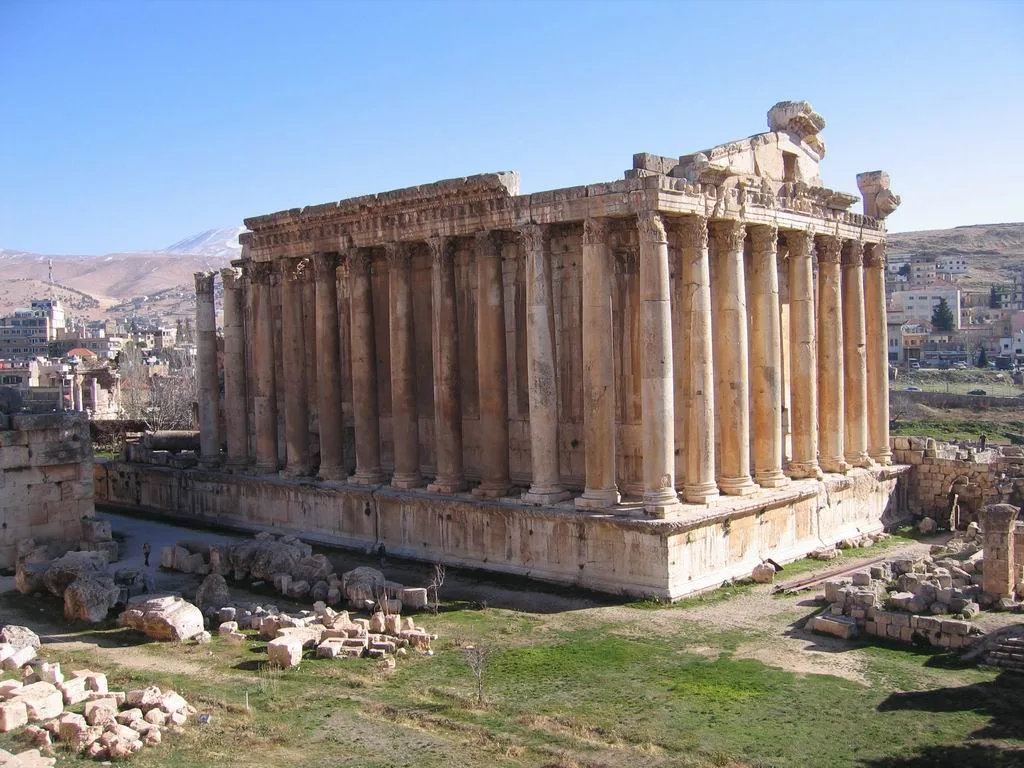
While the Temple of Jupiter is famous for its colossal columns, the Temple of Bacchus is one of the best-preserved Roman temple ruins in the world. It is actually larger than the Parthenon in Greece and features incredibly detailed stone carvings.
Photo: Jan Hilgers, Wikimedia Commons, CC BY-SA 3.0.
Pick one
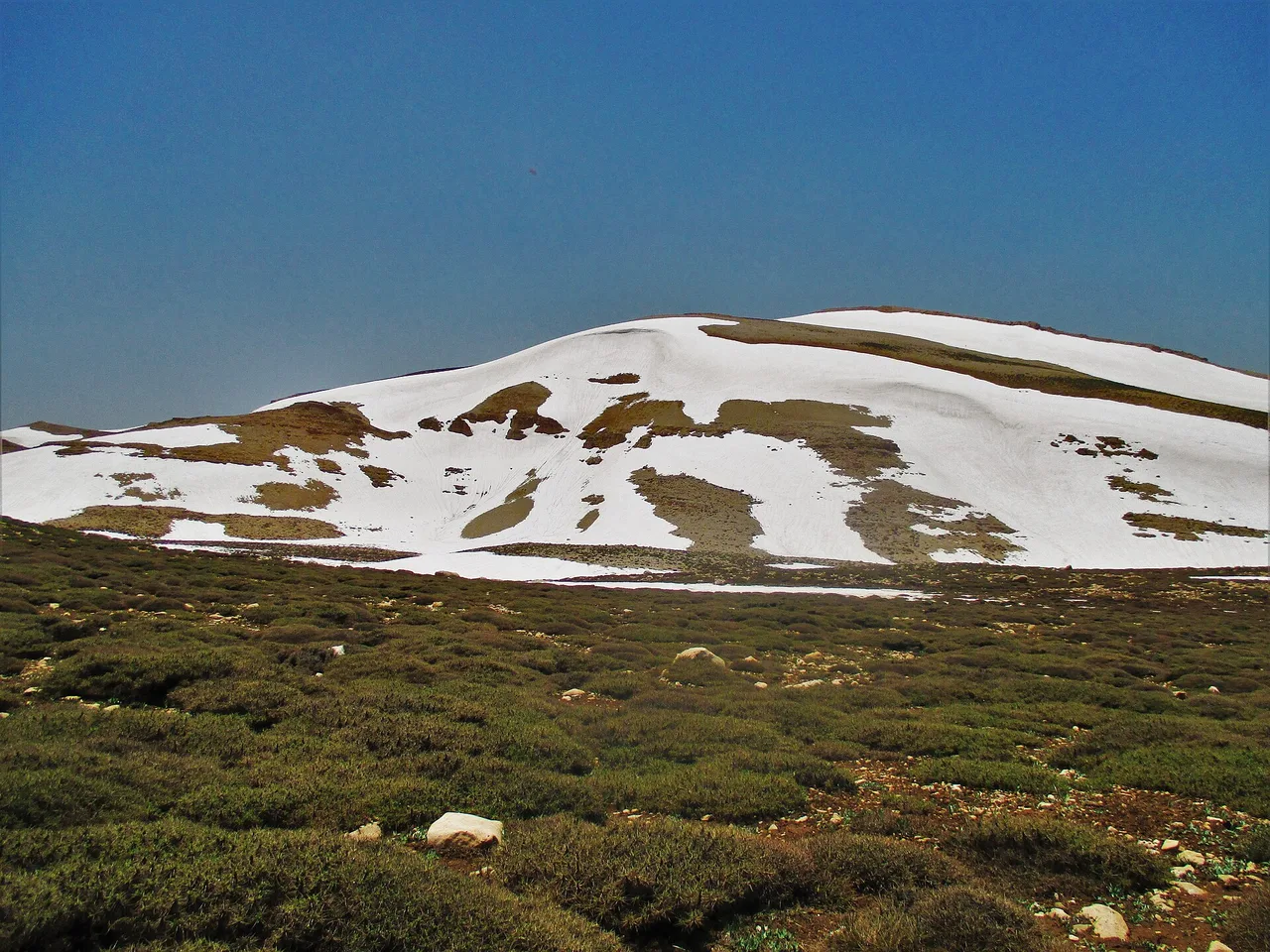
Qurnat as Sawda rises to 3,088 metres in the Mount Lebanon range, making it the highest point in Lebanon and the whole Levant. The famous Mount Hermon, on the border with Syria, reaches 2,814 metres, about 270 metres lower.
Photo: Hachoumi92, Wikimedia Commons, CC BY-SA 4.0.
Pick one
Tabbouleh is mostly parsley, mixed with soaked bulgur, tomatoes, mint and onion, and dressed with olive oil and lemon juice. It is so loved that Lebanon has celebrated a National Tabbouleh Day on the first Saturday of July since 2001. Fattoush is a different salad, made with crispy pieces of toasted bread.


Paste the code into your page. The player fits itself in, and every vote counts in Votur.
On WordPress, Ghost or Squarespace? Just paste the link of this page into your post.
This is how it looks
Also fun