Get app
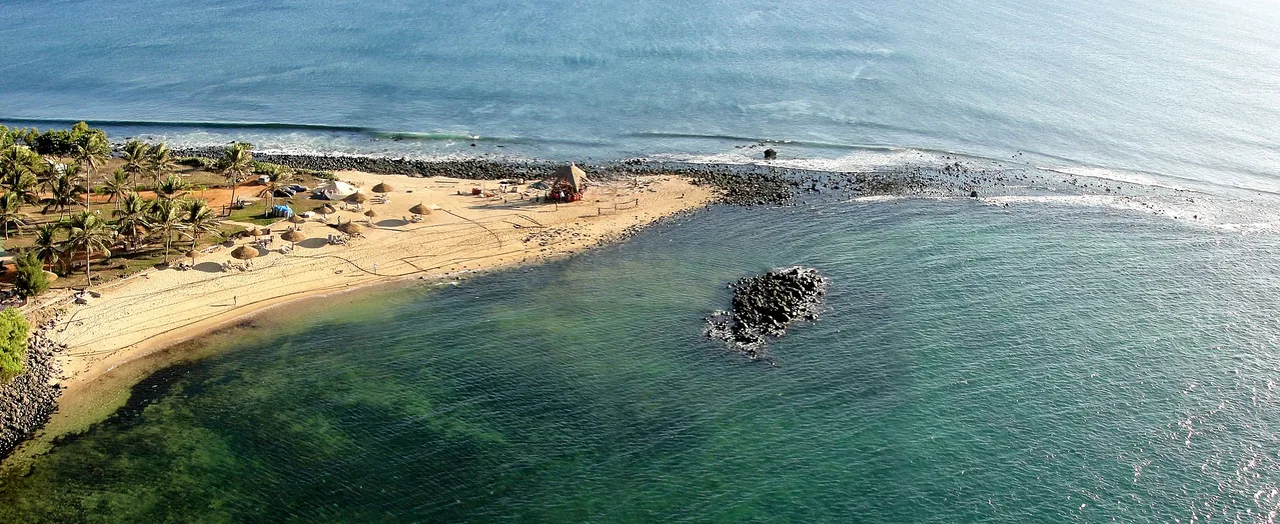
 Photo: SCHW, Wikimedia Commons, CC BY-SA 4.0.
Discover the vibrant capital of Lebanon! Test your knowledge on Beirut's rich history, stunning landmarks, delicious culinary traditions, and legendary cultural icons.
Curious Wanderer 0–4 · Street Smart 5–8 · Beiruti Expert 9–10
Pick one

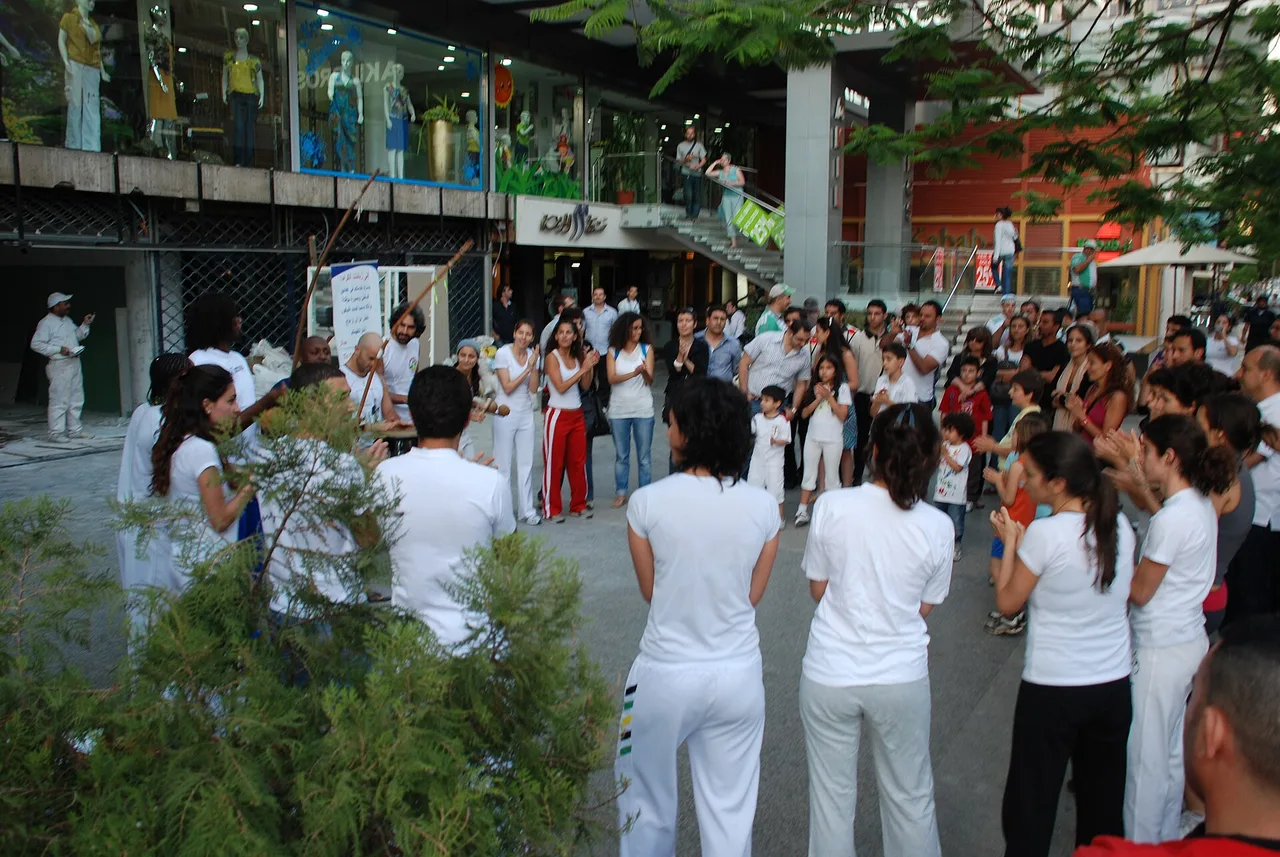
Hamra Street was the intellectual and cultural epicenter of Beirut in the 1960s and 1970s, packed with sidewalk cafes, theaters, and bookstores where artists and politicians from across the Arab world gathered. It earned the nickname 'Champs-Élysées' because of its cosmopolitan vibe and fashionable boutiques.
Photo: Youssef Chaker, Wikimedia Commons, CC BY-SA 2.0.

Pick one
Fatteh is a comforting Levantine dish made of crispy toasted flatbread, warm chickpeas, and a rich, garlic-infused yogurt sauce, topped with toasted pine nuts. It is a staple of Beiruti Sunday breakfasts. Traditionally, it is served in deep bowls so the yogurt can soak beautifully into the crunchy bread layers below.
Photo: Eaeeae, Wikimedia Commons, CC BY 3.0.

Pick one
Fairuz, born Nouhad Haddad in 1934, is one of the most celebrated singers in the Arab world. Her stage name, Fairuz, translates to 'turquoise' in Arabic. Her ethereal voice became a symbol of unity and hope for Lebanon, especially because she chose to remain in Beirut during the difficult years of the civil war.
Photo: photographer unknown, published by AP, Wikimedia Commons, Public domain.
Pick one
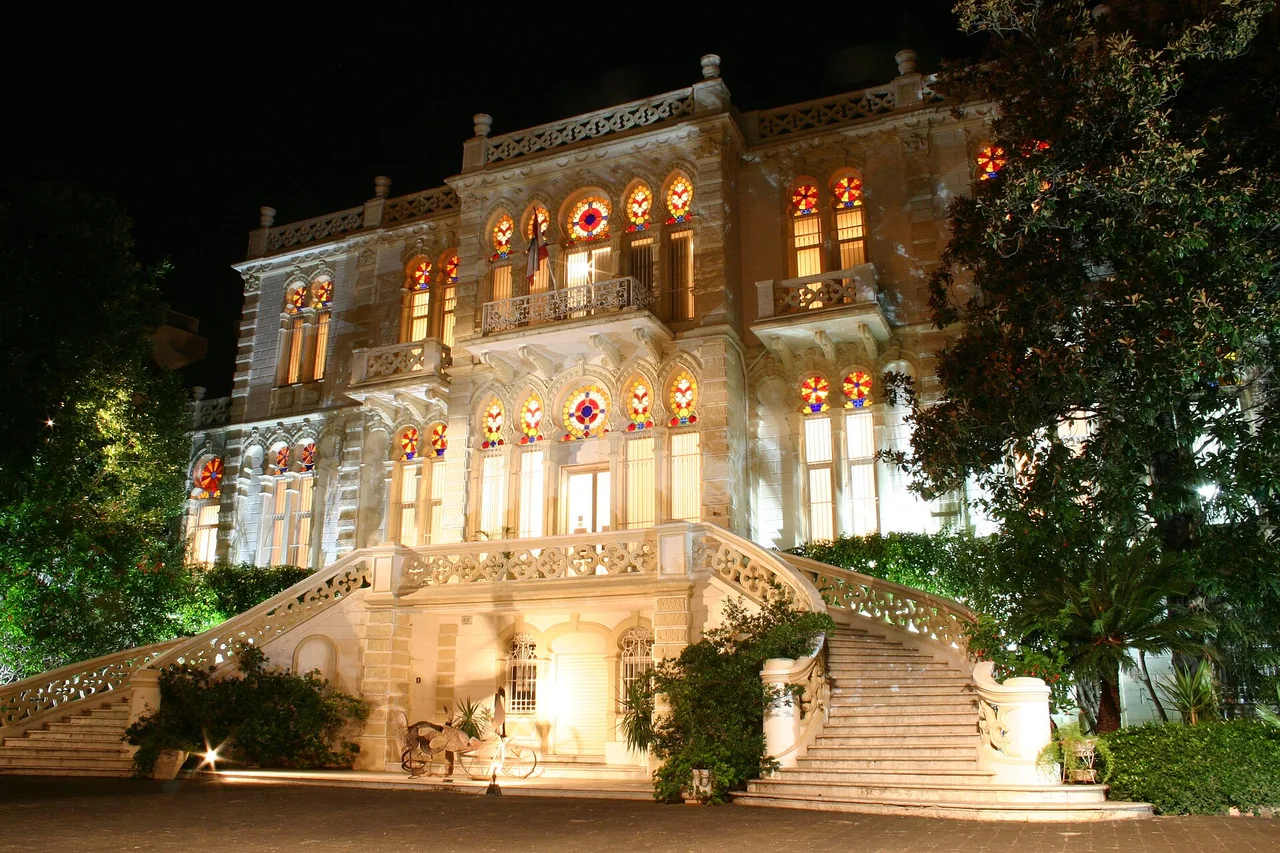
The Sursock Museum is located in Achrafieh, one of Beirut's oldest and most beautiful residential quarters. Built in 1912 by Nicolas Ibrahim Sursock, this magnificent villa was bequeathed to the city to become a modern art museum. It features stunning Lebanese-Venetian architecture and hosts incredible exhibitions of local and international modern art.
Photo: Bertilvidet, Wikimedia Commons, CC BY 2.5.
Pick one
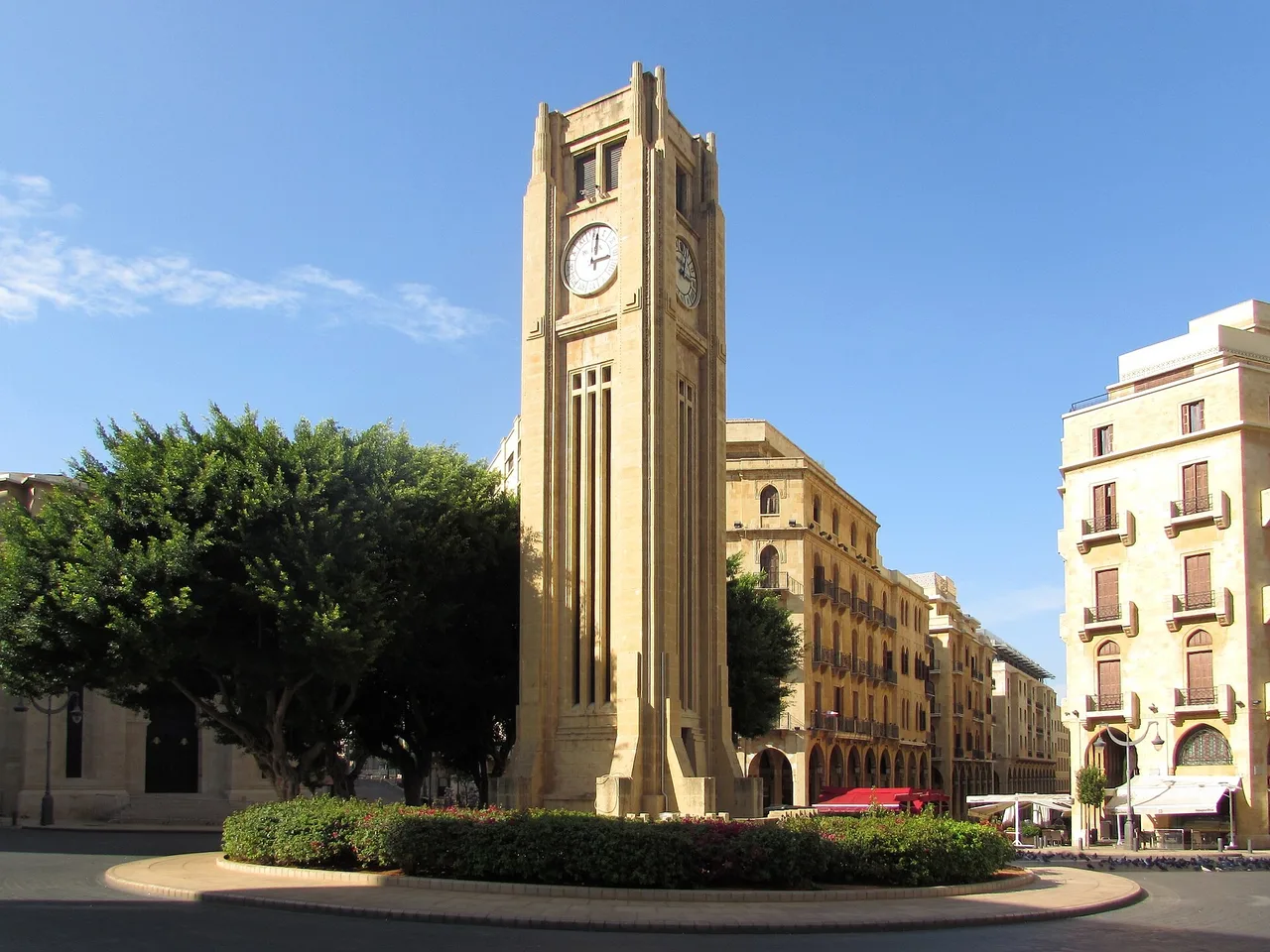
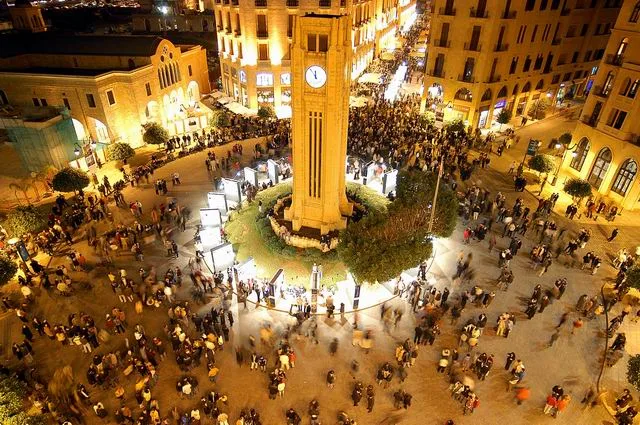
The clock tower in Nejmeh Square (Place de l'Étoile) was built in 1934 during the French Mandate period. Designed by Armenian-Lebanese architect Mardiros Altounian, it was commissioned by Michel Abed. Today, the square and its clock tower stand as central symbols of downtown Beirut's reconstruction and architectural heritage.
Photo: Gregor Rom, Wikimedia Commons, CC BY-SA 4.0.
Pick one
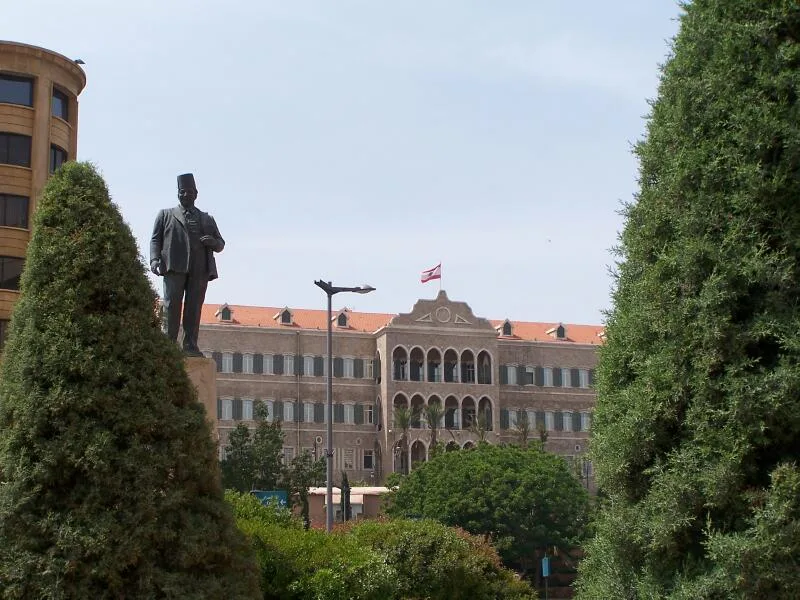
The Grand Serail was built in 1853 as a grand military barracks for the Ottoman Empire, designed to house up to 1,200 soldiers. After World War I, it became the headquarters of the French High Commissioner, and today it serves as the official office of Lebanon's Prime Minister, standing proudly on a hill overlooking downtown.
Photo: BlingBling10, Wikimedia Commons, CC BY-SA 3.0.
Pick one
The American University of Beirut was founded in 1866 as the Syrian Protestant College by Daniel Bliss, an American missionary. It was renamed in 1920 to reflect its evolving secular identity and deep connection to Beirut. Today, its lush, cliffside campus overlooking the Mediterranean is home to a world-renowned botanical garden.
Pick one
The Law School of Berytus was renowned throughout the Roman Empire, earning Beirut the title 'Nutrix Legum' or Mother of Laws. It was considered the premier institution for legal studies in the East until a devastating earthquake and subsequent tsunami destroyed the city in 551 AD, leading to the school's eventual relocation.
Photo: Yoniw at English Wikipedia, Wikimedia Commons, Public domain.
Pick one
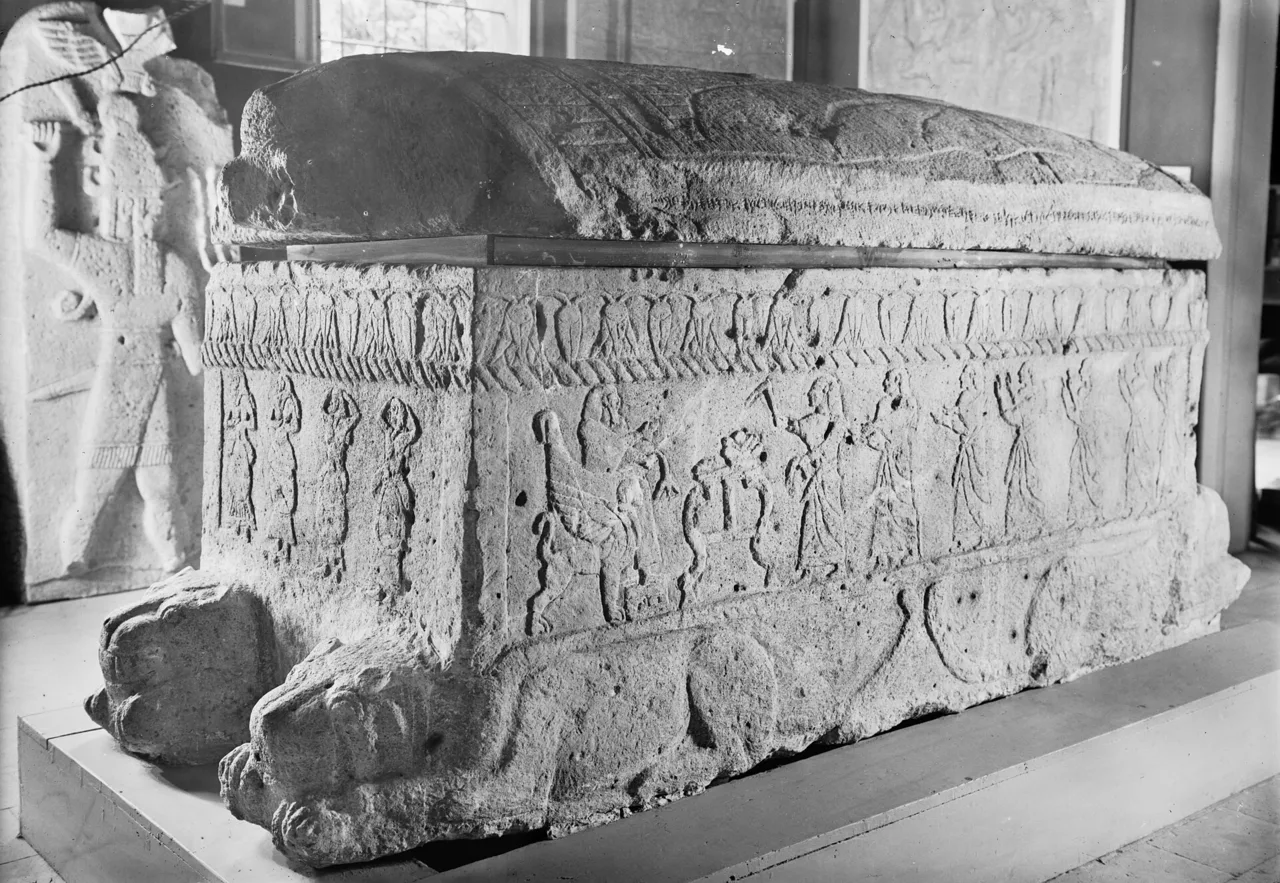
The Sarcophagus of Ahiram, a Phoenician king of Byblos, is the crown jewel of the National Museum of Beirut. It features the oldest known fully developed Phoenician alphabetic inscription, carved around 1000 BC. The museum itself is famous for having saved many of its treasures by casing them in concrete during the Lebanese Civil War.
Photo: Matson Photo Service, photographer, published in 1936, Wikimedia Commons, Public domain.
Pick one
The Mohammad Al-Amin Mosque, completed in 2008, is a prominent landmark in downtown Beirut. Its bright blue dome and 65-meter-high minarets are designed in the classic Ottoman style, reminiscent of Istanbul's Sultan Ahmed Mosque. The mosque stands right next to the historic Saint George Maronite Cathedral, beautifully symbolizing the religious diversity and coexistence of the city.
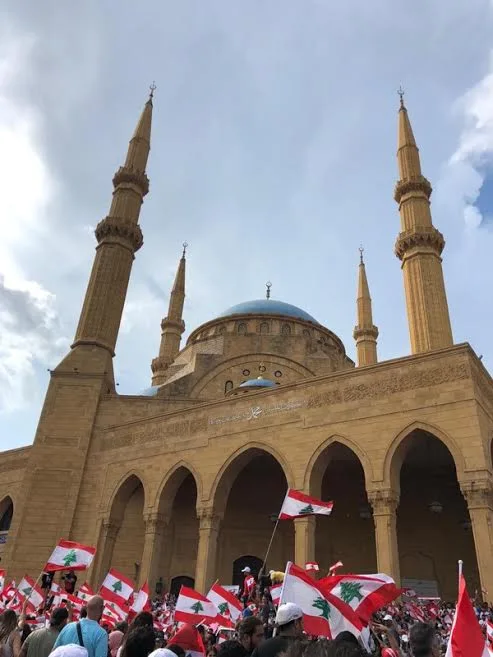
Photo: NicolasGaron, Wikimedia Commons, CC BY-SA 4.0.


Paste the code into your page. The player fits itself in, and every vote counts in Votur.
On WordPress, Ghost or Squarespace? Just paste the link of this page into your post.
This is how it looks
Also fun