Get app
Peru in a nutshell: eight questions about the essentials that many people already half know. Everyone can play, young and old.
Backpacking beginner 0–3 · Cloud-forest explorer 4–6 · Honorary Peruvian 7–8
Pick one

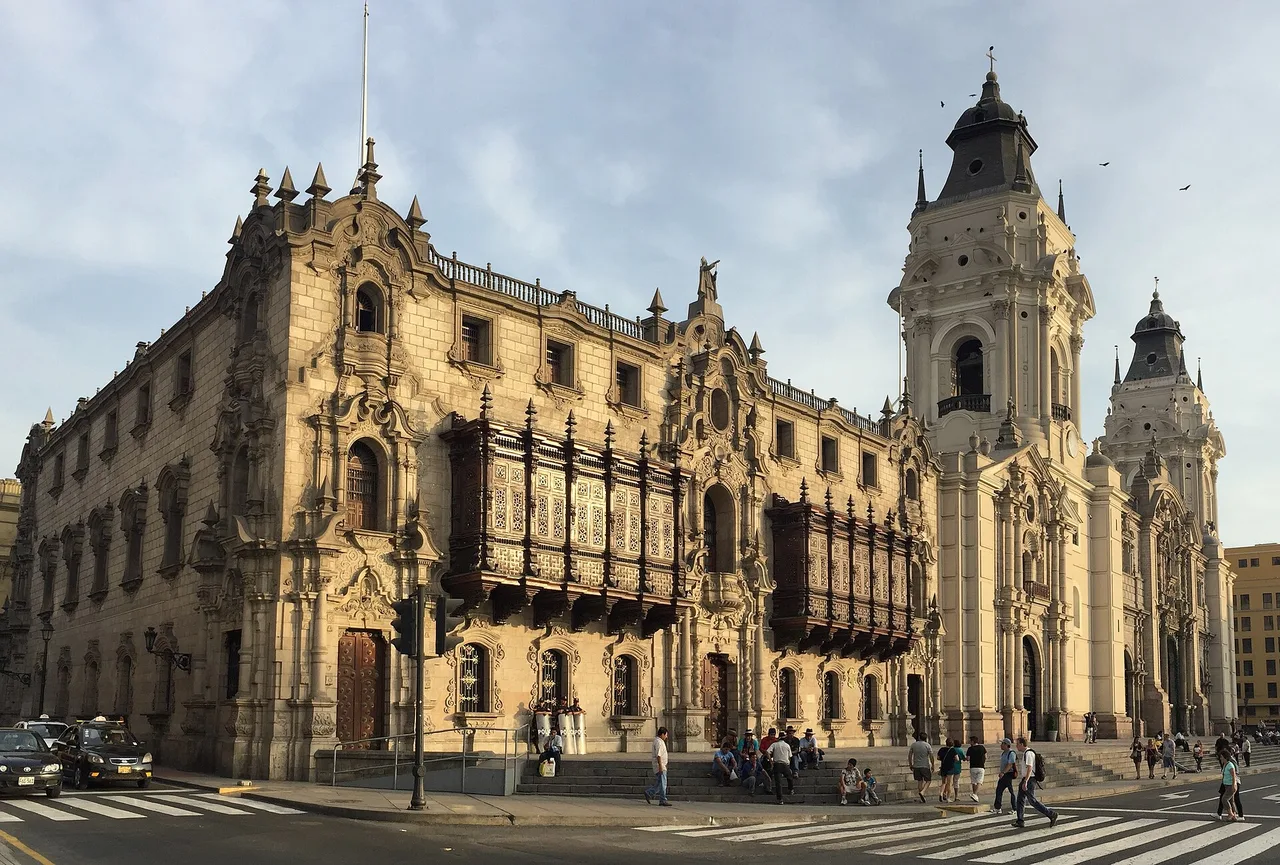
Peru's constitution calls Cusco the country's historic capital, but the capital is Lima, on the coast in a desert where rain is so rare that winter brings mostly grey skies and a light drizzle called garúa. Lima was founded in 1535 as the City of Kings, because the decision was made on 6 January, the feast of the Three Kings.
Photo: David Felipe Ruiz Hoyos, Wikimedia Commons, CC BY-SA 4.0.
Pick one
A cold current, the Humboldt Current, flows north along the coast and keeps the sea chilly even close to the equator, so penguins live on Peru's shores. Its cool, rich waters provide about a fifth of all the sea fish caught in the world.
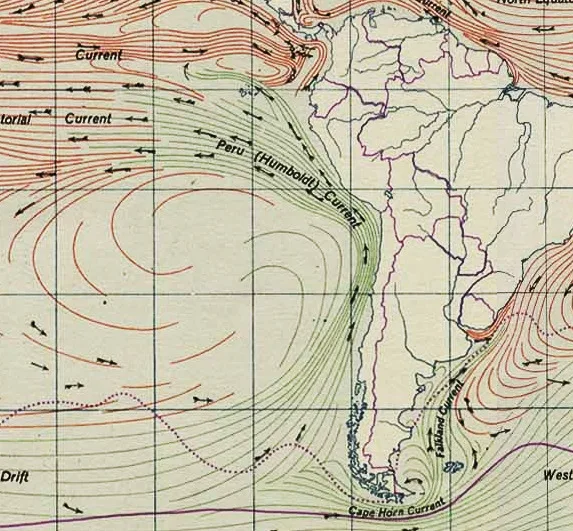
Photo: Wikimedia Commons, Public domain.
Pick one
More than nine in ten Peruvians speak Spanish, but Quechua and Aymara, which were spoken in Peru long before the Spanish arrived, are official languages too. English has even borrowed a few words from Quechua, such as condor, puma and jerky.
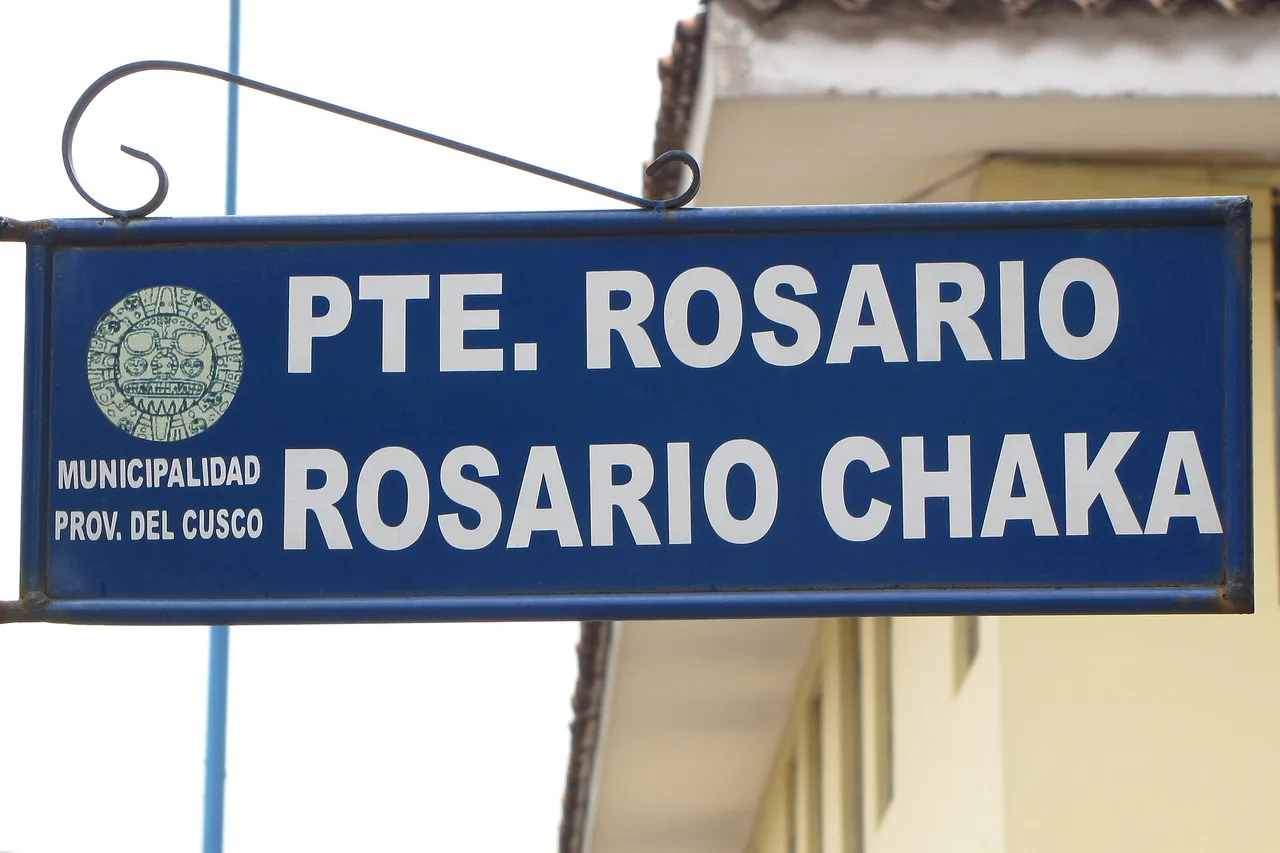
Photo: AgainErick, Wikimedia Commons, CC BY-SA 3.0.
Pick one
Machu Picchu was built around 1450, about 2,400 metres up, with stones cut so precisely that many walls fit together without any mortar. The wider world only learned about it in 1911, and in 2007 it was named one of the New Seven Wonders of the World.
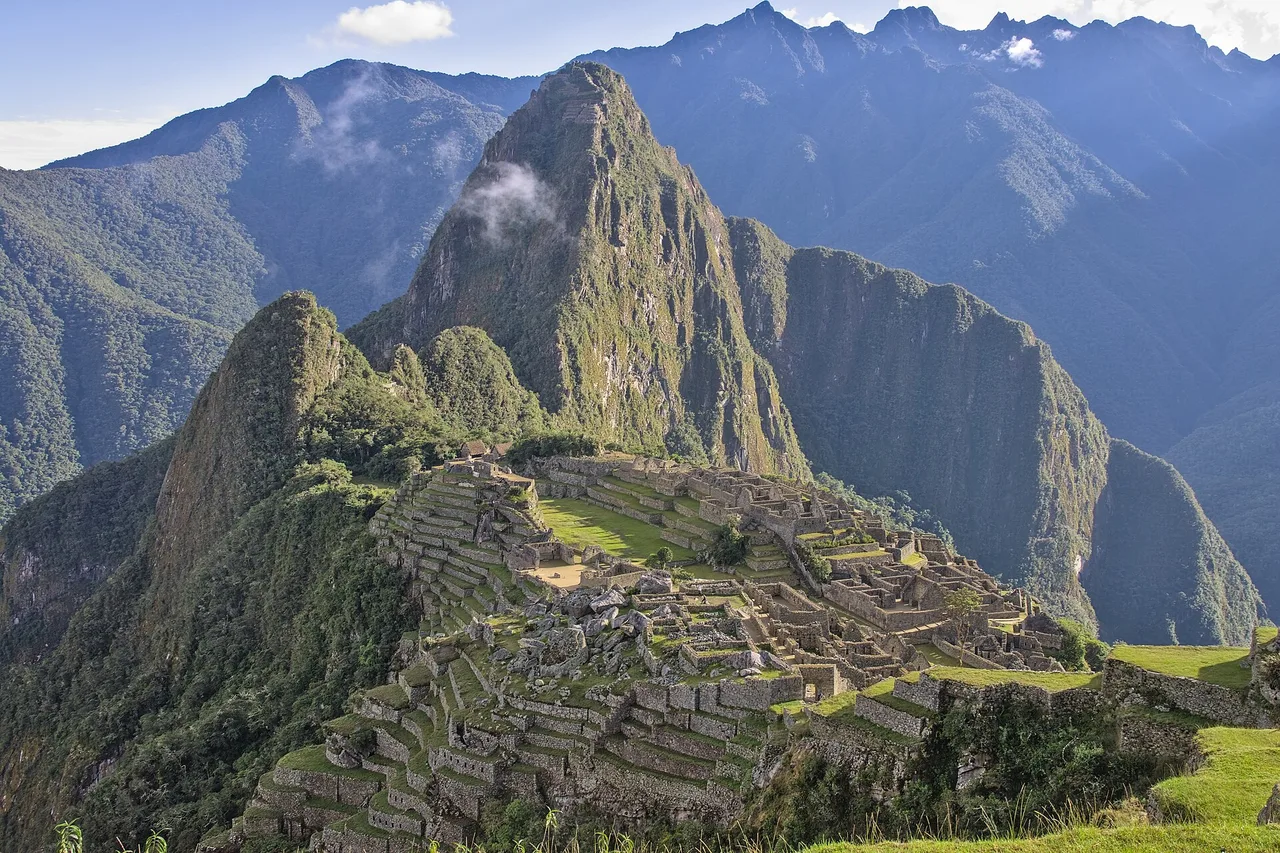
Photo: Draceane, Wikimedia Commons, CC BY-SA 4.0.
Pick one
The Andes are the longest mountain range on land in the world, stretching nearly 9,000 km along the western edge of South America through seven countries. In Peru, whole cities lie high up in them: Cusco sits about 3,400 metres above the sea.
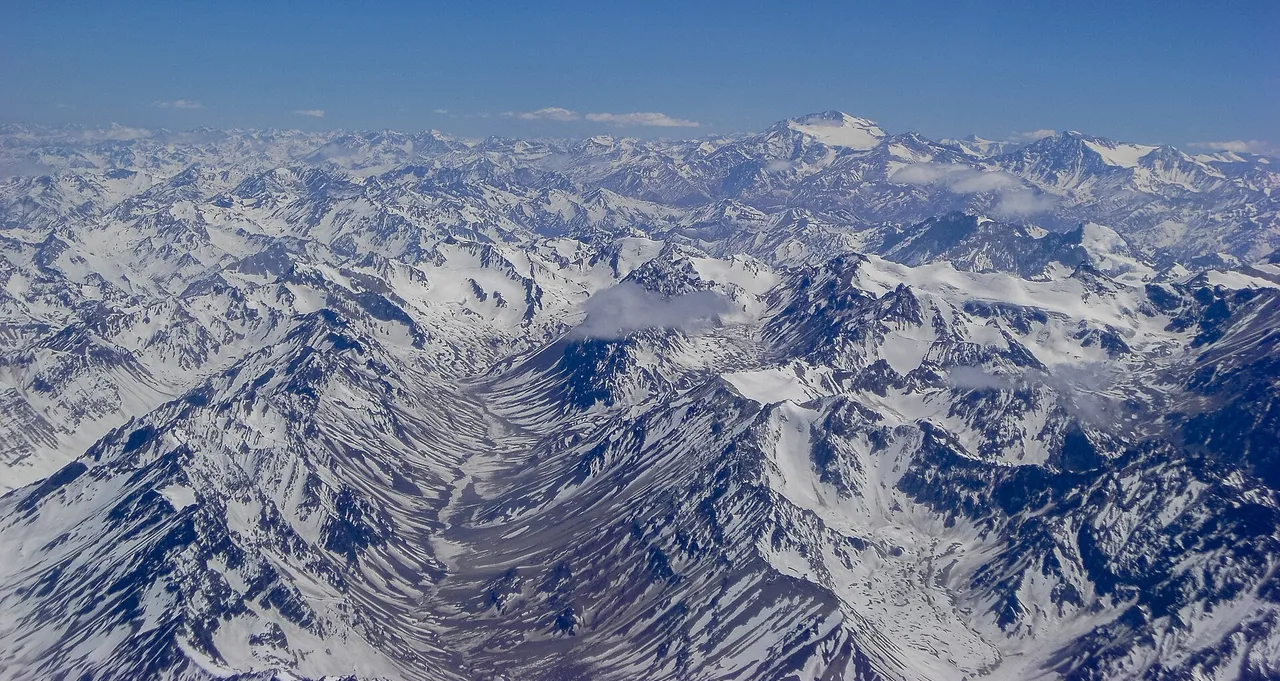
Photo: Diego Delso, Wikimedia Commons, CC BY-SA 3.0.
Pick one
People made them between about 1,500 and 2,500 years ago by moving reddish-brown stones aside to uncover the paler ground underneath. There are hundreds of lines and shapes, including a hummingbird, a monkey and a spider, and the biggest figures are about 370 metres long; some of the shapes are best seen from the air.
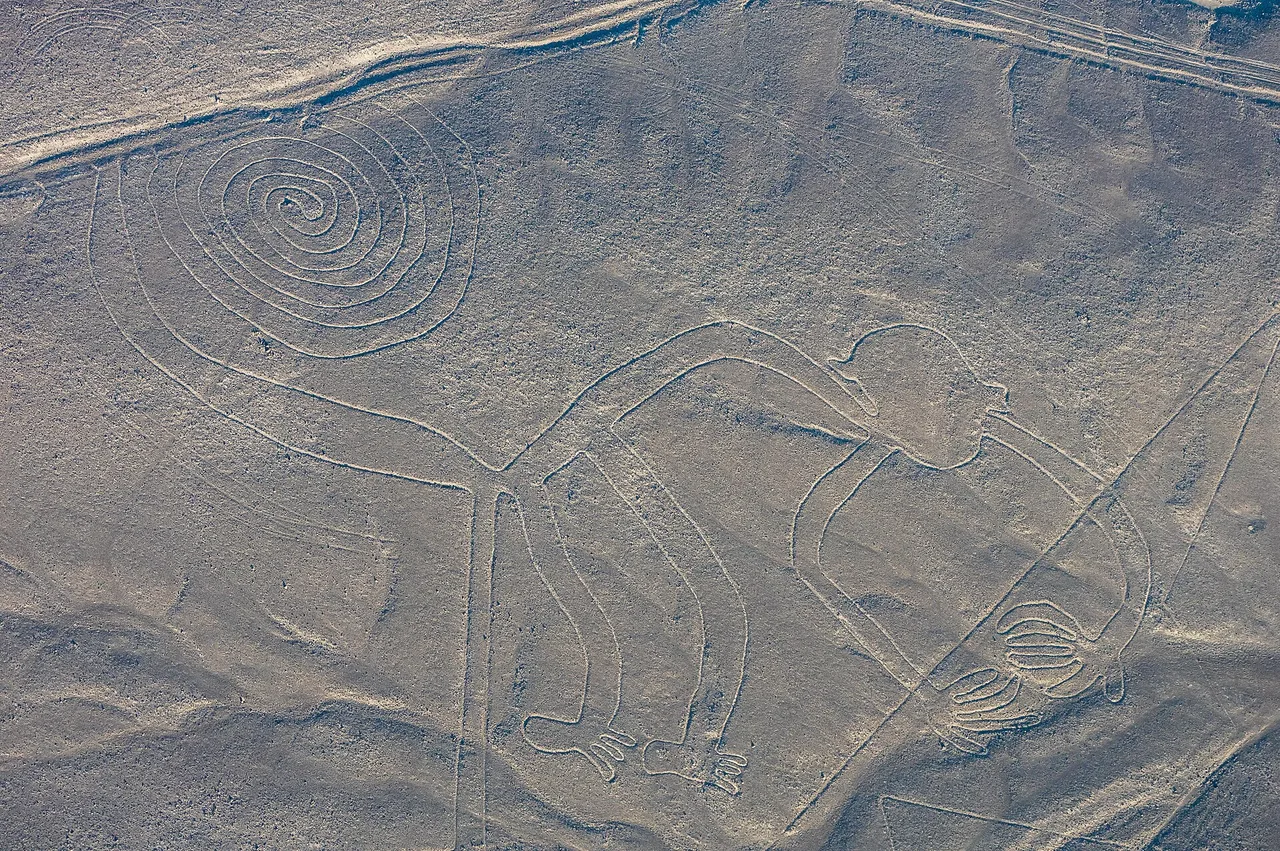
Photo: Diego Delso, Wikimedia Commons, CC BY-SA 4.0.
Pick one
Quinoa is not a true grain at all: the plant is related to spinach, and its name comes from the Quechua word kinwa. It was first farmed thousands of years ago in the Andes of Peru and Bolivia, and the Incas nicknamed it the 'mother of all grains'.
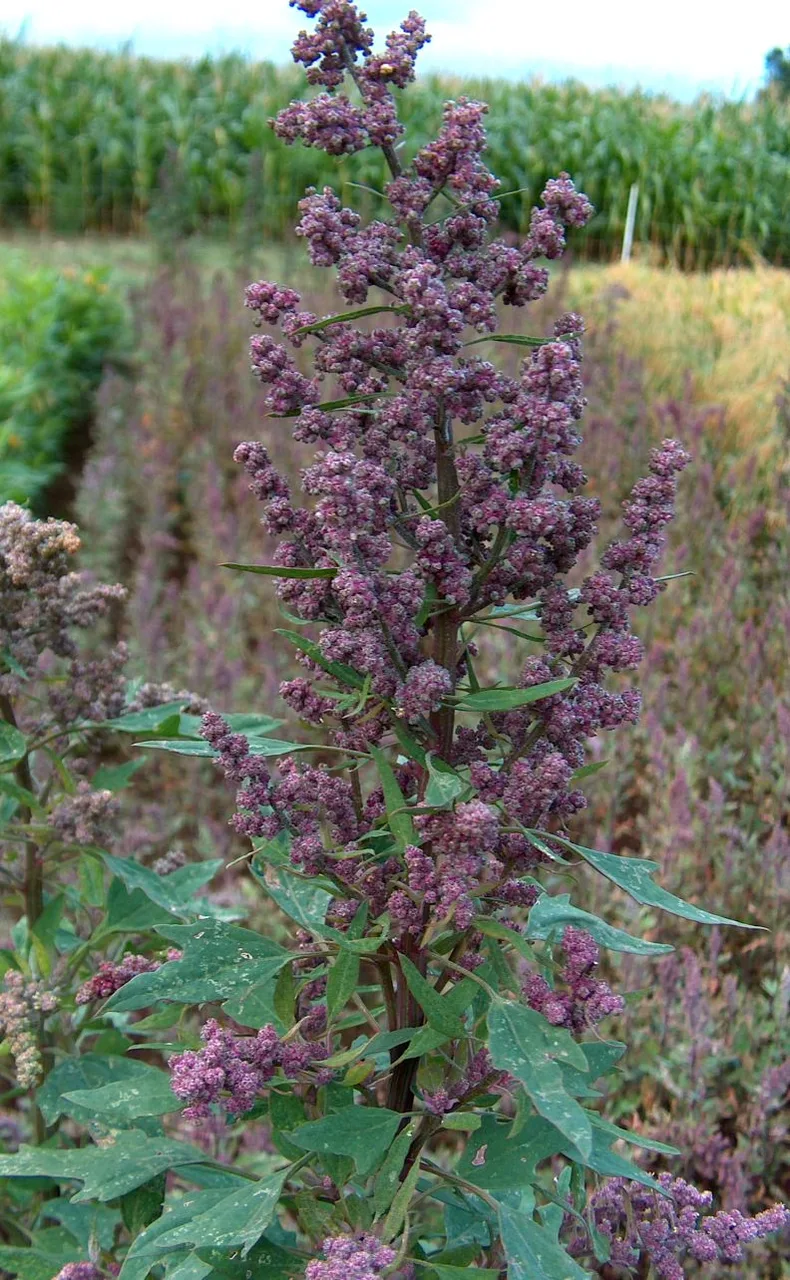
Photo: User:MarkusHagenlocher, Wikimedia Commons, CC BY-SA 3.0.
Pick one
Llamas have carried goods for the peoples of the Andes for many centuries, and they mostly spit at each other to settle arguments in the herd, rather than at people. Some sheep farmers in other countries even keep llamas to guard their flocks.
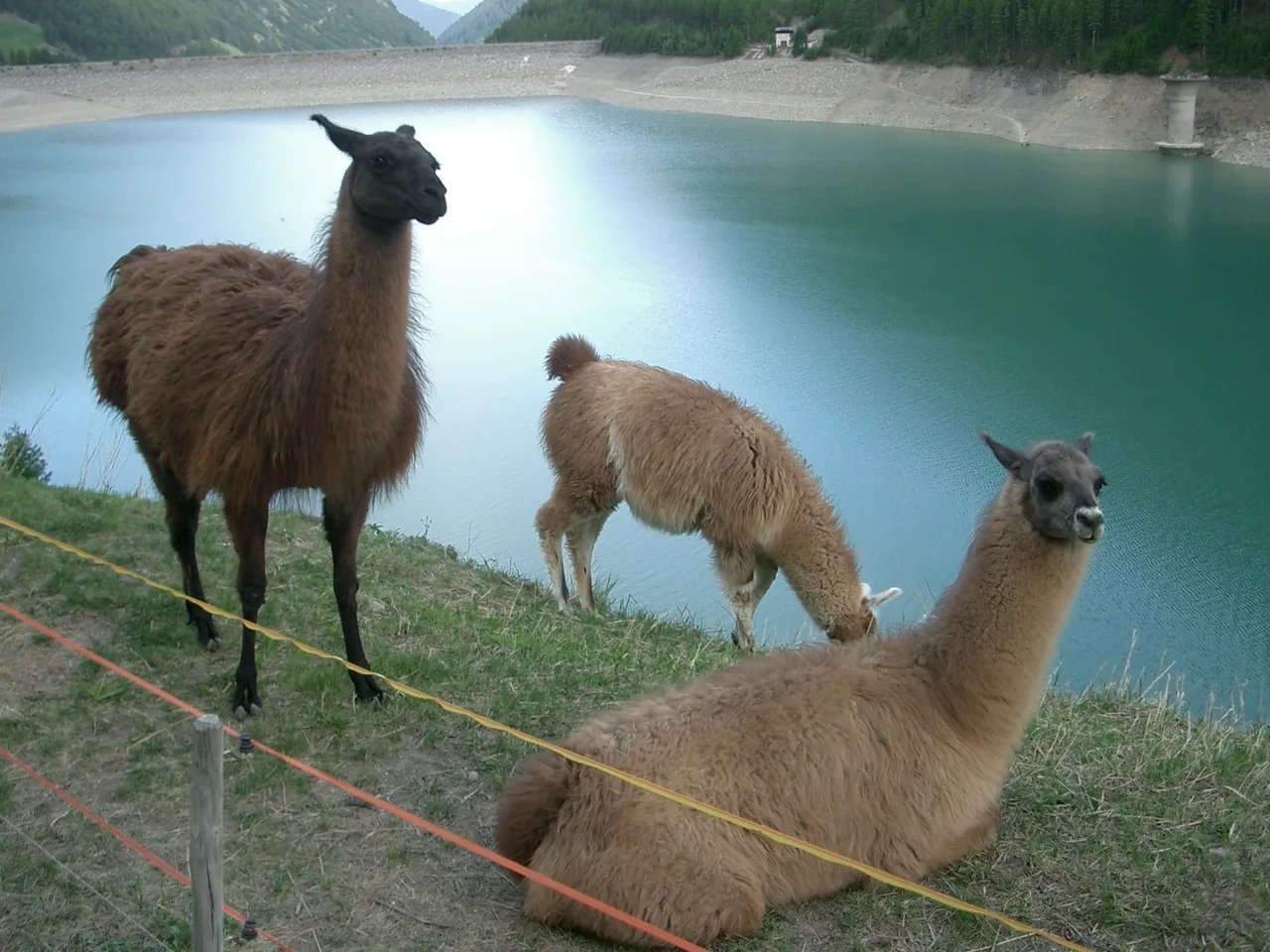
Photo: Andrija12345678, Wikimedia Commons, CC BY-SA 4.0.


Paste the code into your page. The player fits itself in, and every vote counts in Votur.
On WordPress, Ghost or Squarespace? Just paste the link of this page into your post.
This is how it looks
Also fun