Get app
 Photo: Ministerio de Defensa del Perú, Wikimedia Commons, CC BY 2.0.
Embark on a journey through Peru's spectacular landscapes, rich history, and vibrant culture. Test your knowledge on everything from ancient ruins to culinary delights!
First Steps in Peru 0–4 · Curious Explorer 5–8 · True Andean Insider 9–10
Pick one

Domesticated thousands of years ago in the Andes region near Lake Titicaca, the potato is native to Peru. Today, Peru grows more than 4,000 unique varieties of potatoes, ranging in colors from deep purple to bright yellow. They are celebrated annually on National Potato Day on May 30th.
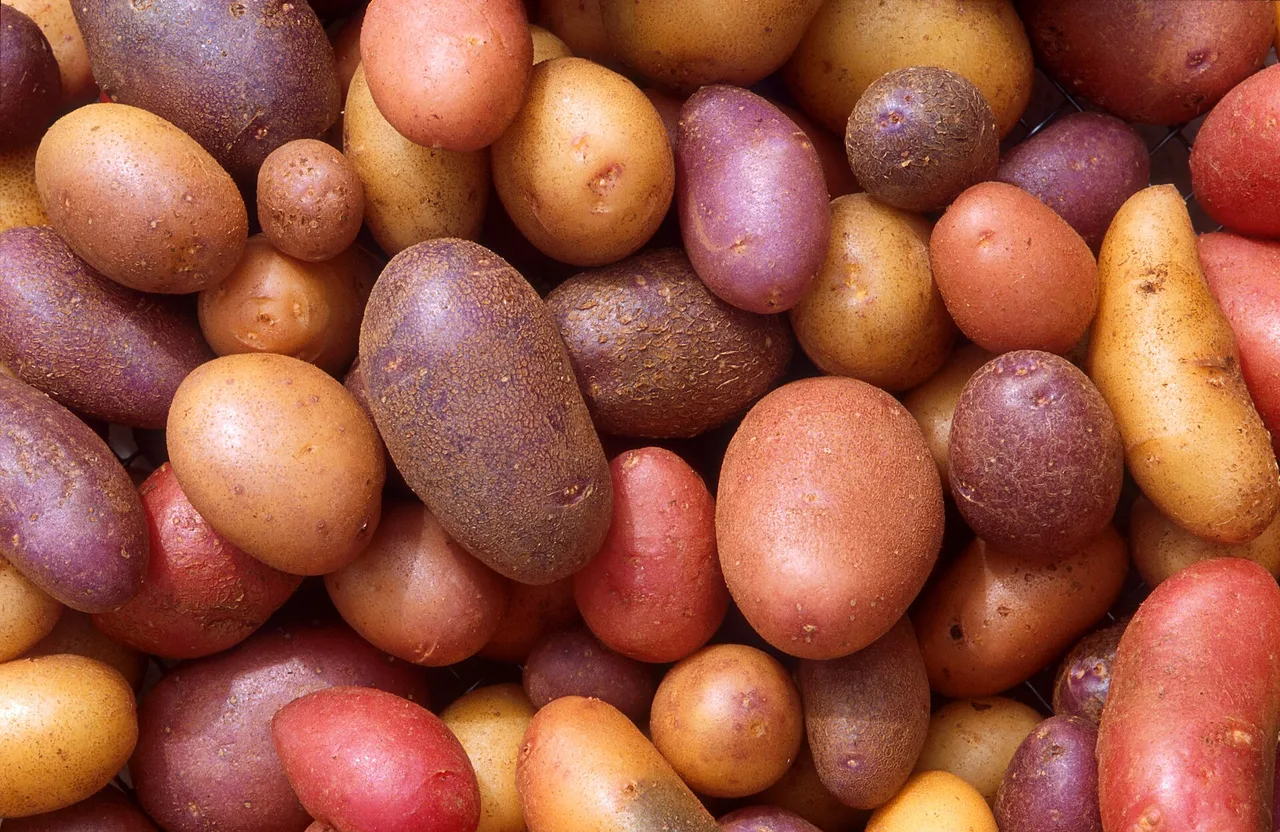
Photo: Scott Bauer, USDA ARS, Wikimedia Commons, Public domain.
Pick one
Paddington's author, Michael Bond, first wanted his bear to come from Africa, but his agent pointed out that no bears live there. So Bond picked Peru, home of the spectacled bear, the only bear native to South America.
Photo: Wilfredor, Wikimedia Commons, CC0.
Pick one
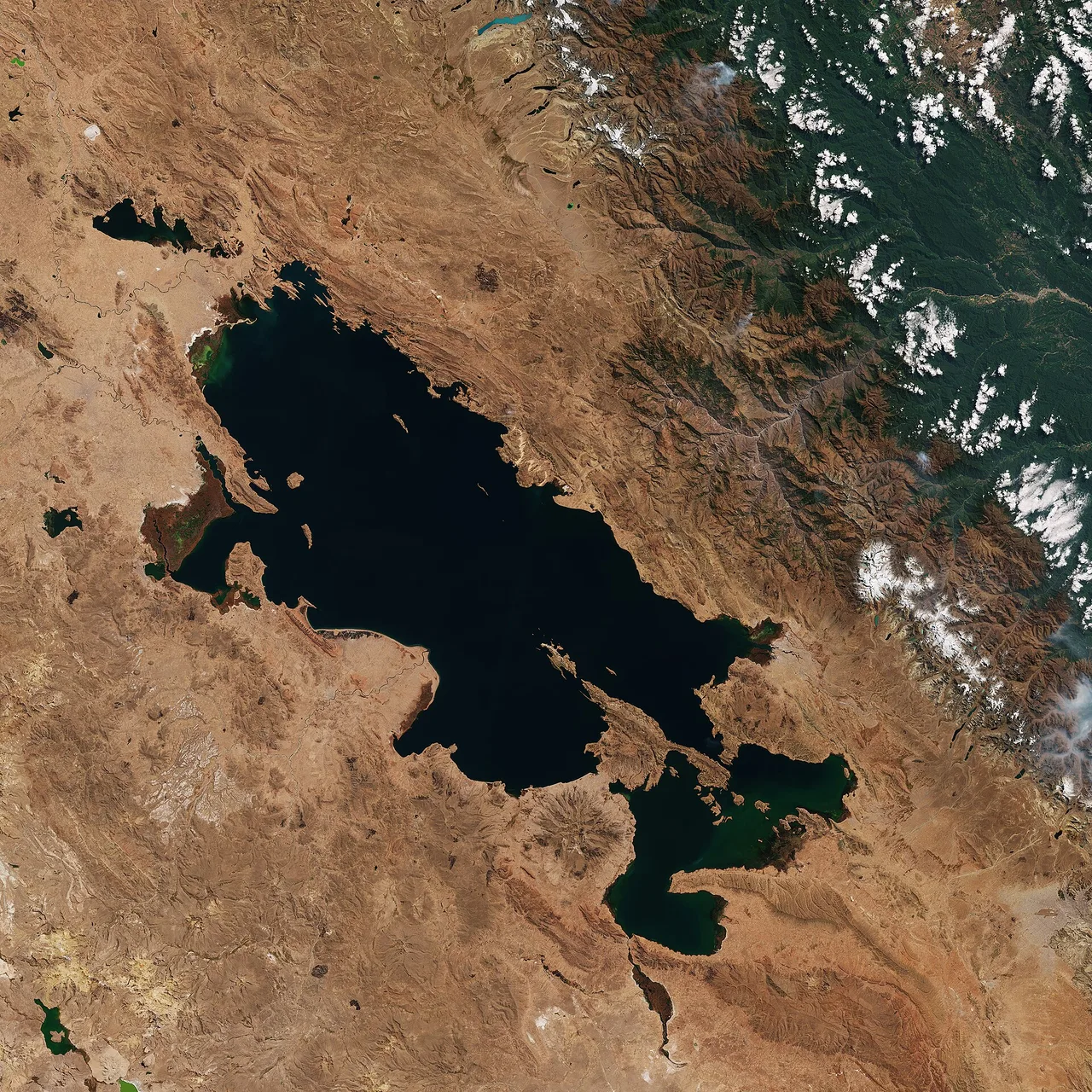
Lake Titicaca is the highest navigable body of water in the world, sitting at over 3,800 meters above sea level. It is split almost evenly between Peru and Bolivia. The lake is also home to the famous artificial floating islands built by the Uros people out of totora reeds.
Photo: European Space Agency, Wikimedia Commons, Attribution.

Pick one
Mario Vargas Llosa (1936–2025) was one of Latin America's most celebrated novelists, famous for books such as 'The Time of the Hero'. Besides the Nobel Prize, he received a rare honour in 2021: a seat in the Académie française, even though he wrote his books in Spanish.
Photo: Bernard Gotfryd, Wikimedia Commons, Public domain.
Pick one
Almost 60 percent of Peru lies in the selva, the hot, wet rainforest of the Amazon basin in the east. Some rainforest areas there get more than 8 metres of rain a year, while parts of Peru's coastal desert get less than 2 centimetres.
Photo: CREES-MANU, Wikimedia Commons, CC BY 3.0.
Pick one
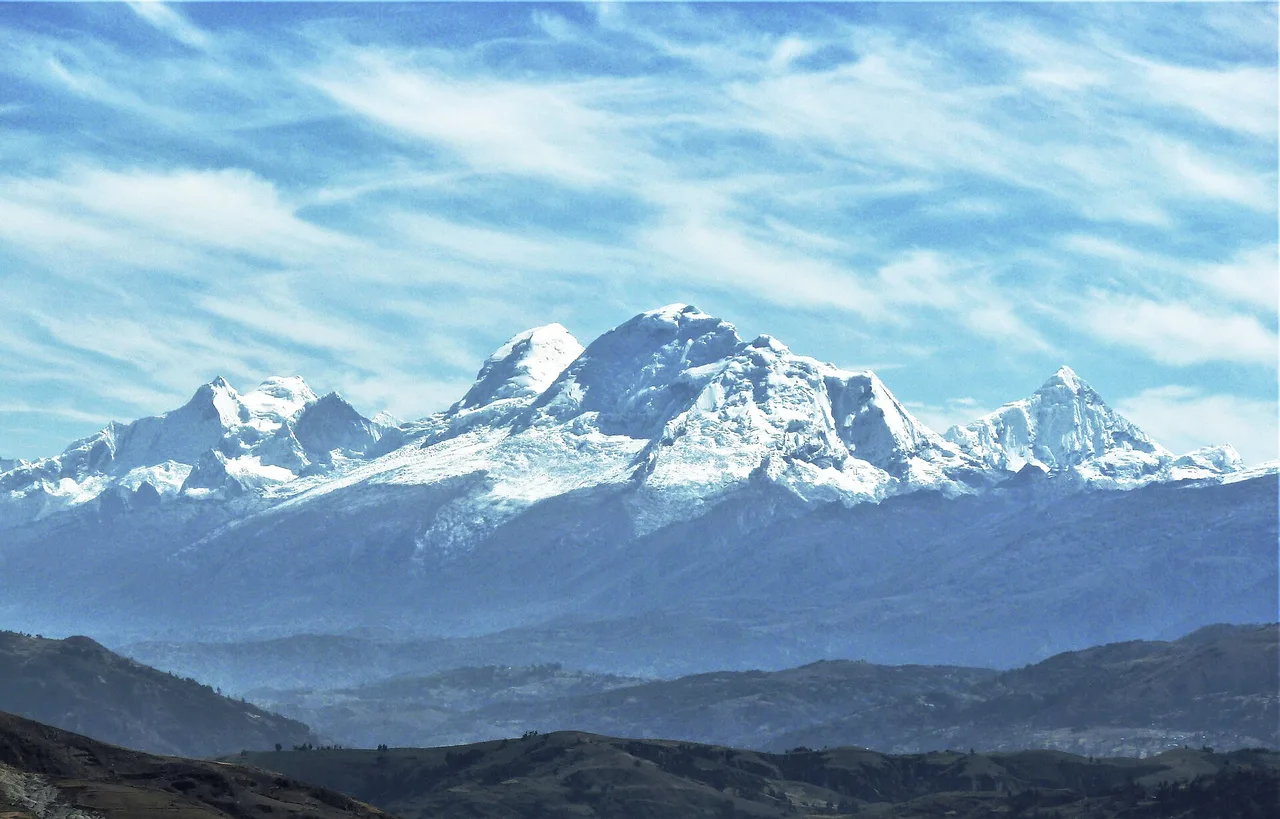
Rising to 6,768 meters above sea level, Mount Huascarán is the highest peak in Peru and the fourth-highest in South America. It is located in the Cordillera Blanca range of the Andes. Because of its location near the equator, its summit is one of the points on Earth farthest from the planet's center.
Photo: MrBasically, Wikimedia Commons, CC BY-SA 4.0.
Pick one
The vicuña is the national animal of Peru and appears on the country's coat of arms. Its incredibly soft and warm wool can only be shorn once every three years, making it highly valuable and legally protected. Under the Incas, only royalty was permitted to wear garments made of vicuña wool.
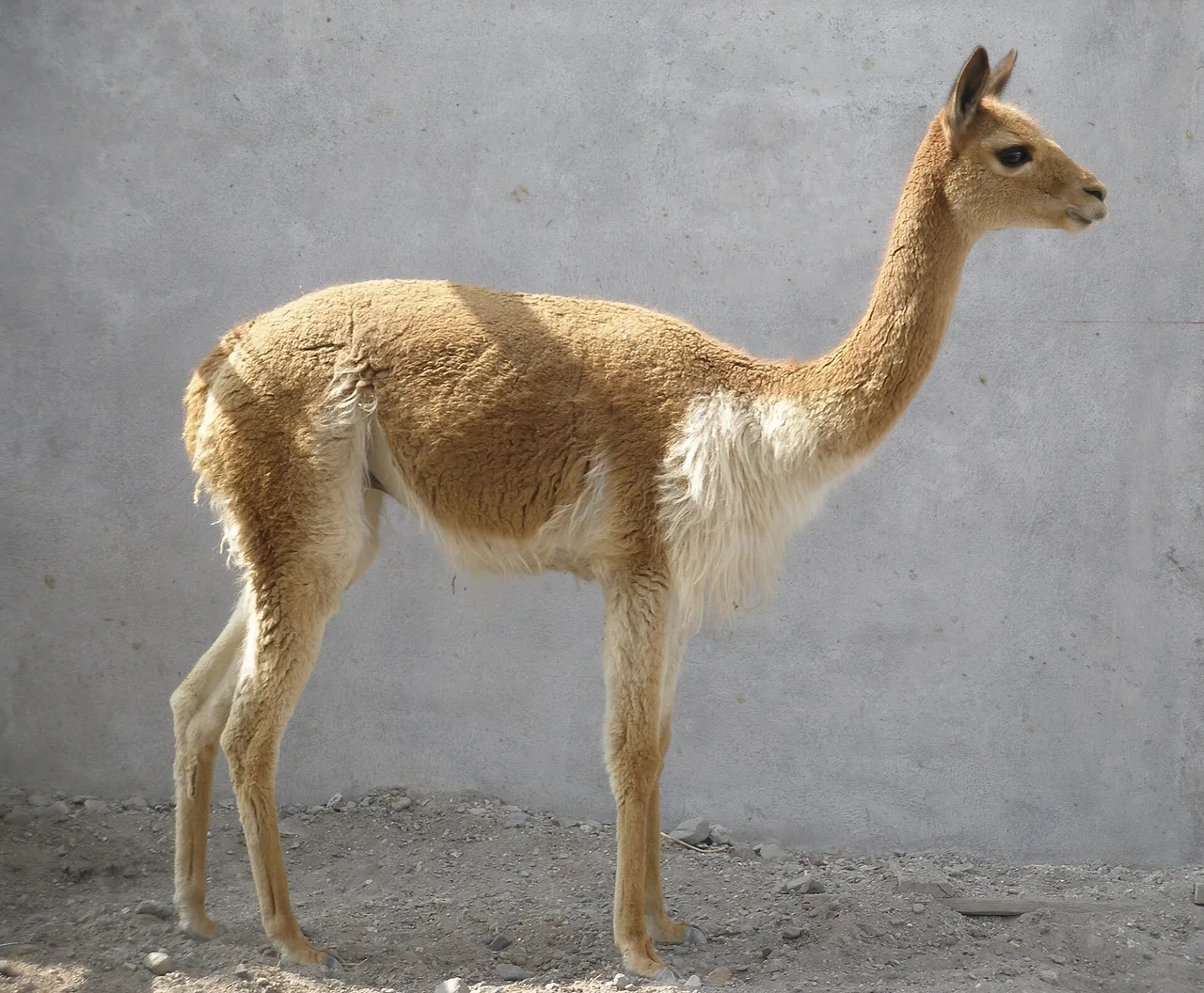
Photo: Thomas Quine, Wikimedia Commons, CC BY 2.0.
Pick one
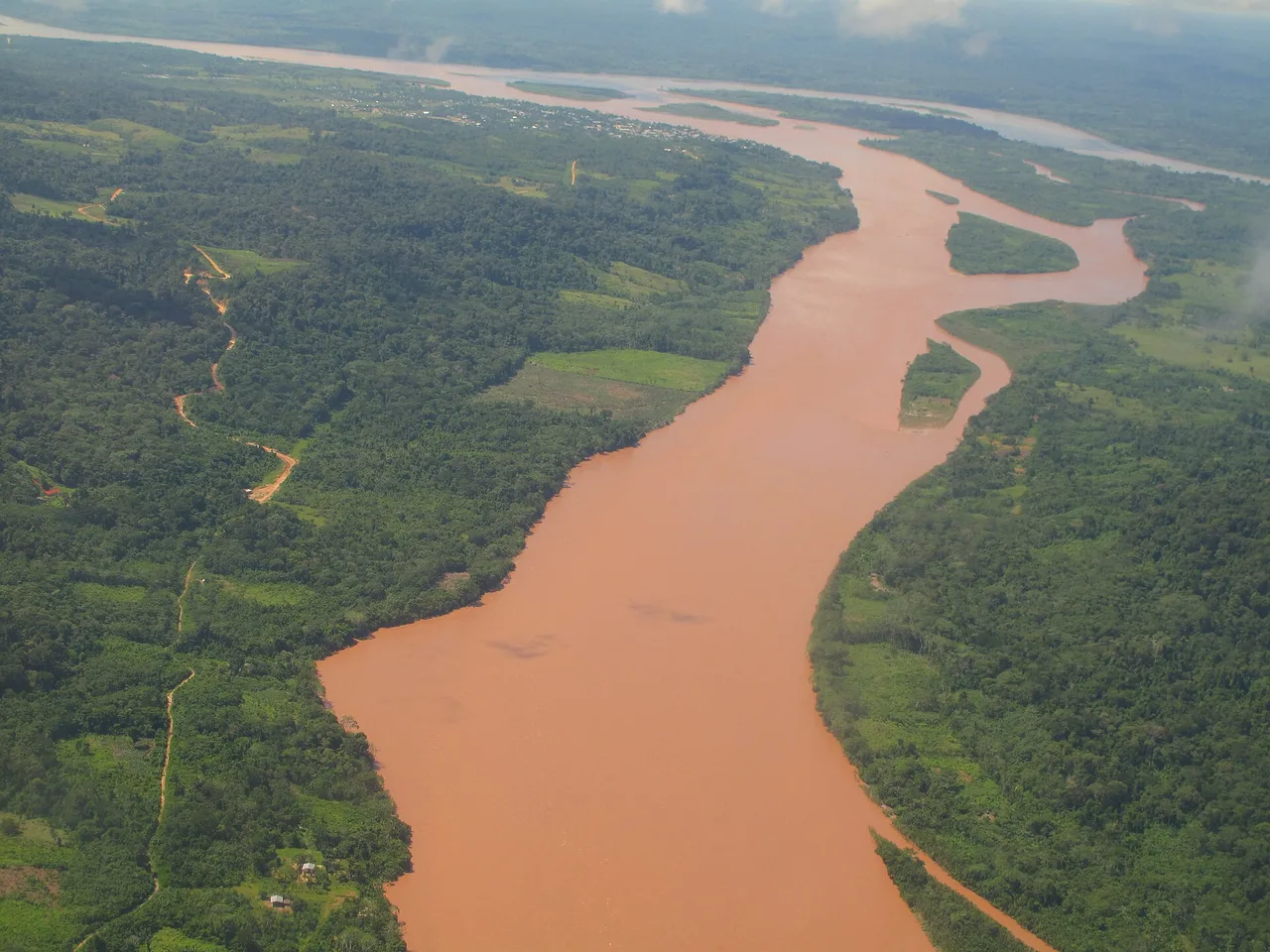
The Ucayali River is the main headstream of the Amazon River. It merges with the Marañón near the town of Nauta to form the mighty Amazon. The Ucayali is incredibly winding and flows through deep rainforests, stretching over 1,400 kilometres before this famous confluence.
Photo: Maurice Chédel, Wikimedia Commons, Public domain.
Pick one
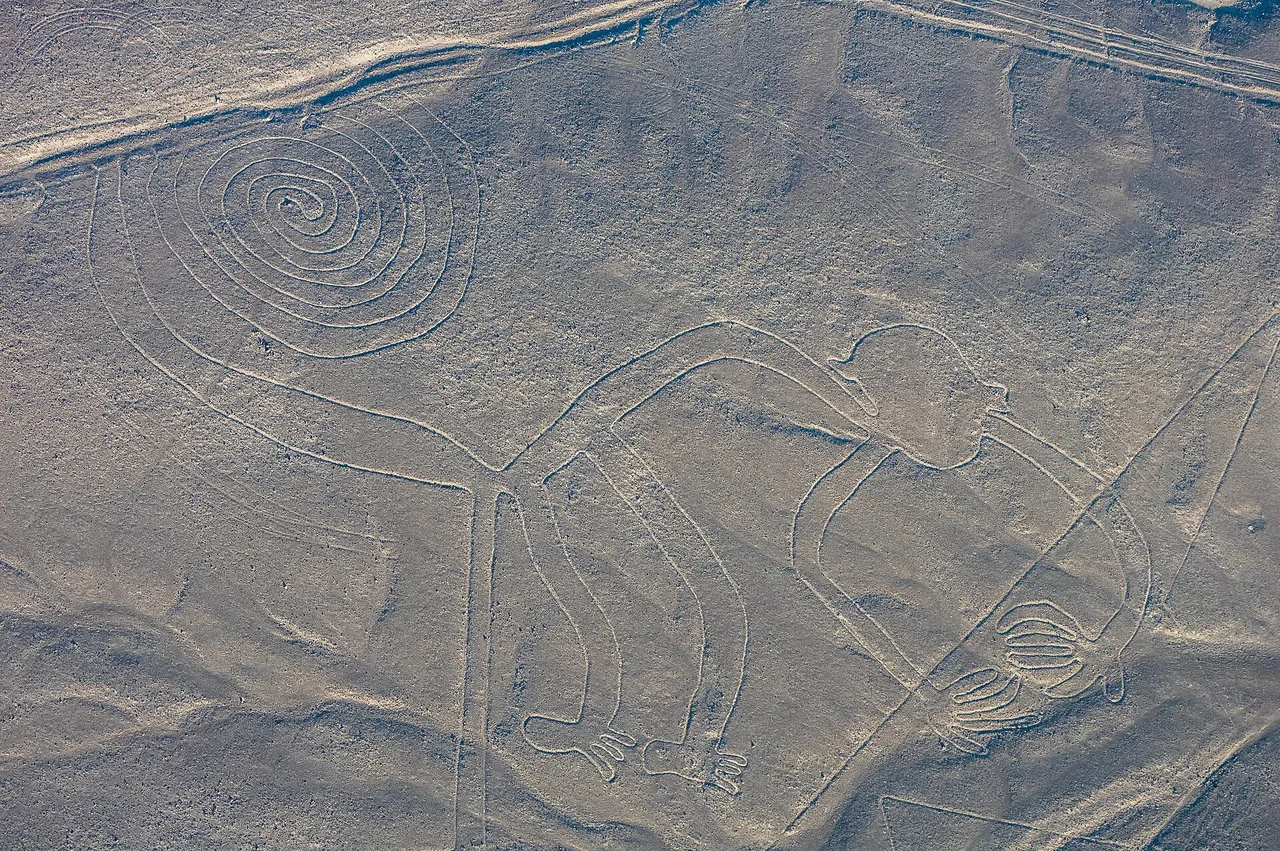
The Nazca Lines are located in the Ica region of southern Peru. Created between 500 BCE and 500 CE, these massive geoglyphs depict various animals and plants. Because of the extremely dry, windless, and stable climate of the desert, these shallow lines have survived naturally for over a thousand years.
Photo: Diego Delso, Wikimedia Commons, CC BY-SA 4.0.
Pick one
Inca Kola is a sweet, bright yellow soda flavoured with lemon verbena, and it tastes a bit like bubblegum. It is so loved in Peru that it is one of the few places where Coca-Cola could not win the top spot, so in 1999 Coca-Cola simply bought a share in the brand.


Paste the code into your page. The player fits itself in, and every vote counts in Votur.
On WordPress, Ghost or Squarespace? Just paste the link of this page into your post.
This is how it looks
Also fun