Get app
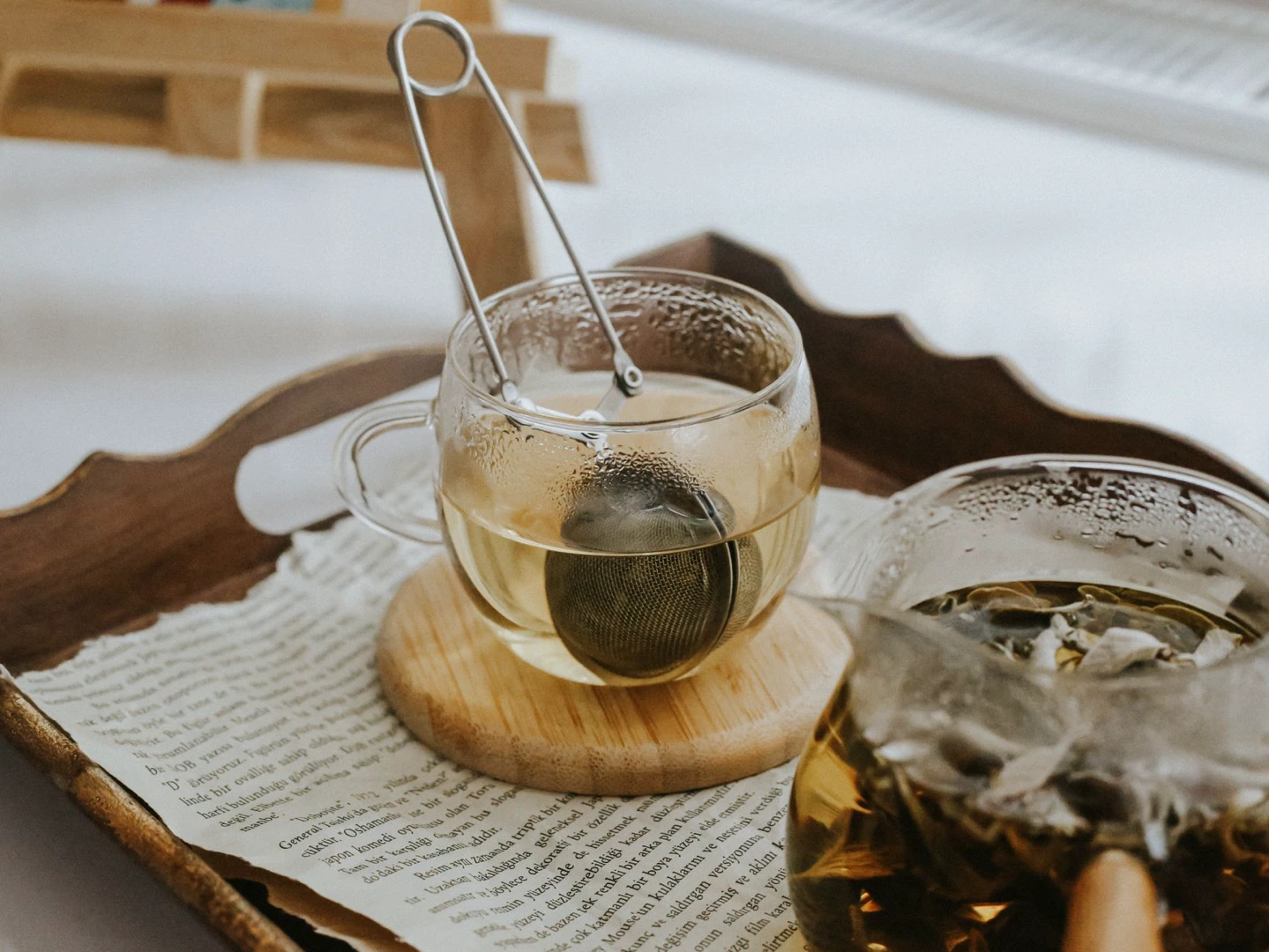
Ten questions about all types of tea around the world.
Tea Explorer 0–4 · Tea Enthusiast 5–8 · Tea Master 9–10
Pick one

Duchess Anna Maria Russell of Bedford popularized afternoon tea in the 1840s to bridge the long gap between lunch and dinner. Aristocrats quickly turned the meal into a fashionable social event. Today, traditional afternoon tea always includes bite-sized sandwiches, scones with clotted cream, and delicate pastries.
Pick one
Camellia sinensis is the versatile shrub behind almost all traditional teas. The difference in your cup comes down entirely to how the harvested leaves are processed. Black leaves are fully oxidized and dried, while green leaves are quickly heated to stop oxidation, preserving their bright color and fresh flavor.
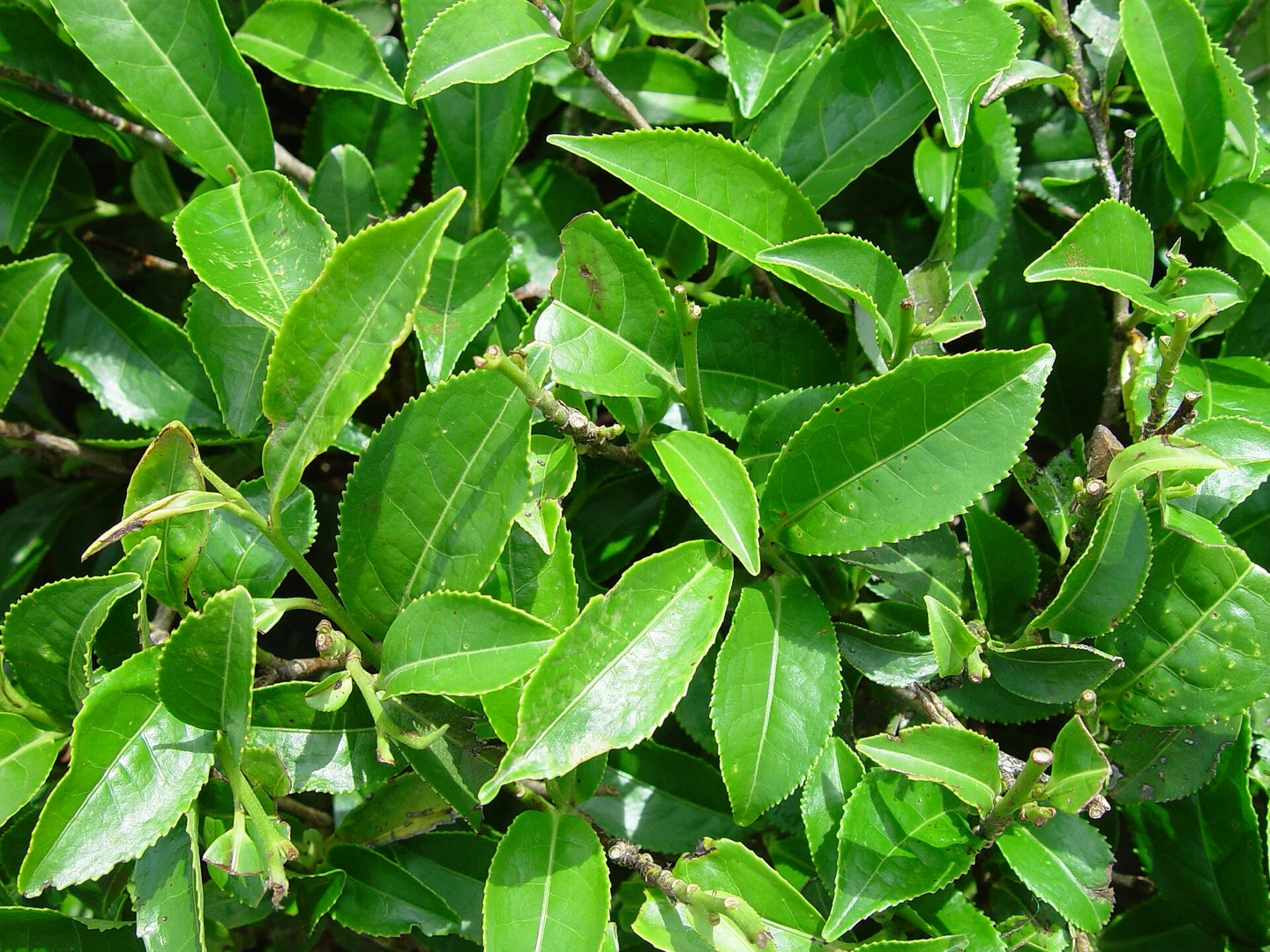
Photo: AxelBoldt at en.wikipedia, Wikimedia Commons, Public domain.
Pick one
Masala chai translates simply to spiced tea. Brewing it involves simmering robust black tea leaves together with crushed ginger, cardamom, cinnamon, cloves, and black pepper in a mixture of water and milk. Street vendors known as chaiwalas serve it hot in small clay cups across the country every single day.
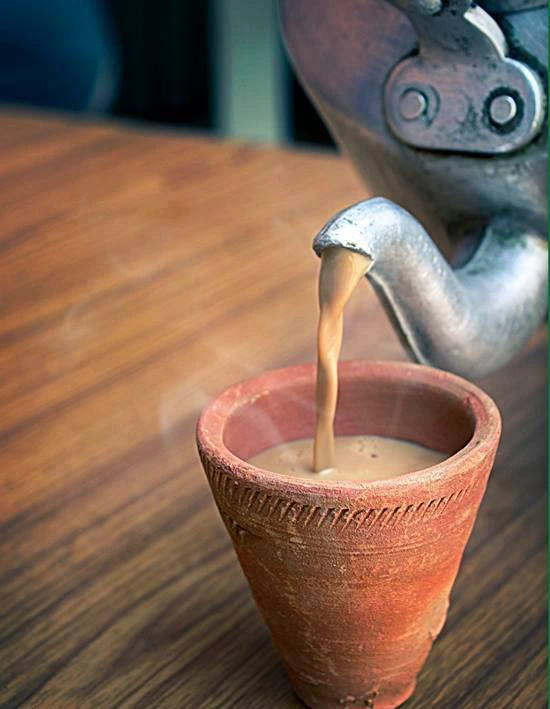
Photo: Dadhichbittu007, Wikimedia Commons, CC BY-SA 4.0.
Pick one
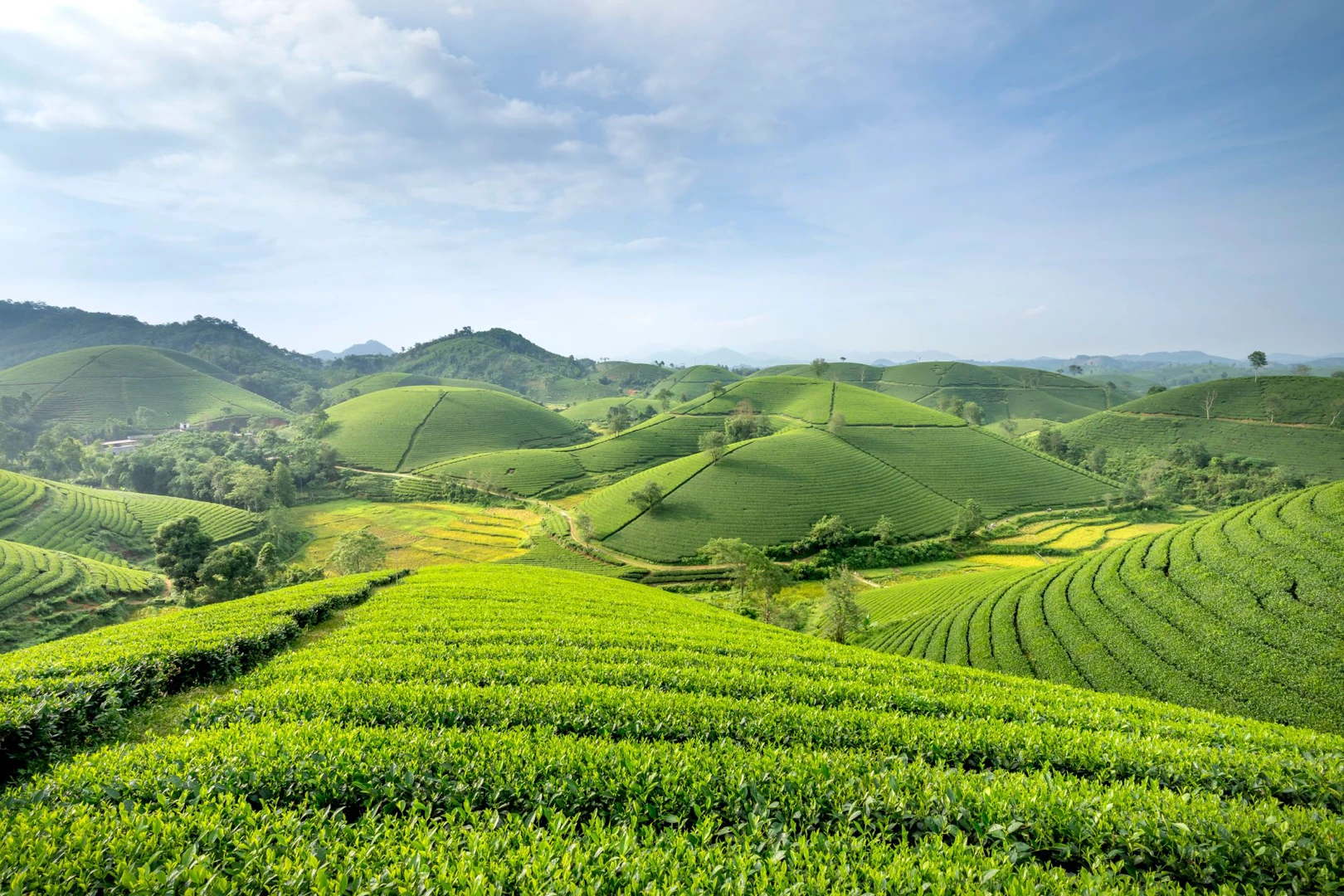
Legend says that Emperor Shennong discovered tea in ancient times when wild leaves accidentally blew into his pot of boiling water. The refreshing aroma and taste won him over instantly. Today, China produces a massive variety of green, black, oolong, and white teas, remaining one of the largest tea exporters on Earth.
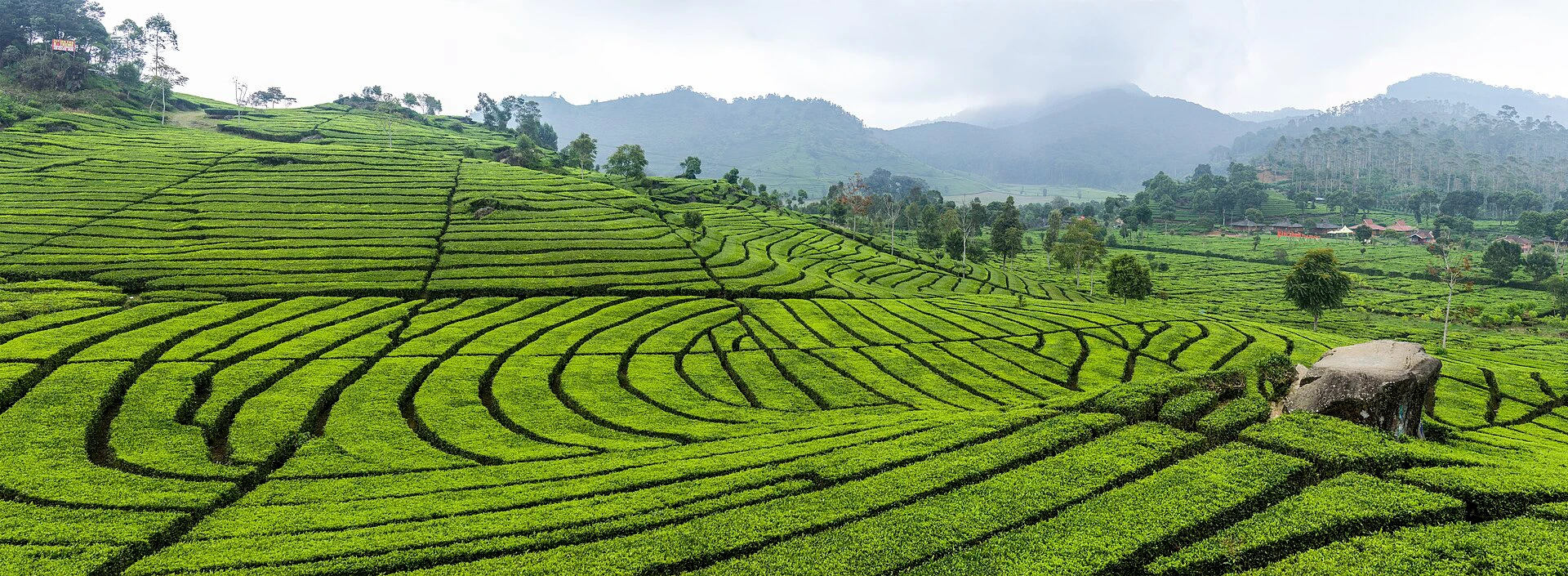
Photo: Crisco 1492, Wikimedia Commons, CC BY-SA 4.0.
Pick one
Farmers cover the green tea bushes with bamboo mats or cloth for about three weeks before harvesting. Blocking the sunlight forces the plants to produce extra chlorophyll and amino acids, which boosts the savory flavor known as umami and turns the leaves a vibrant jade green before they are stone-ground into powder.
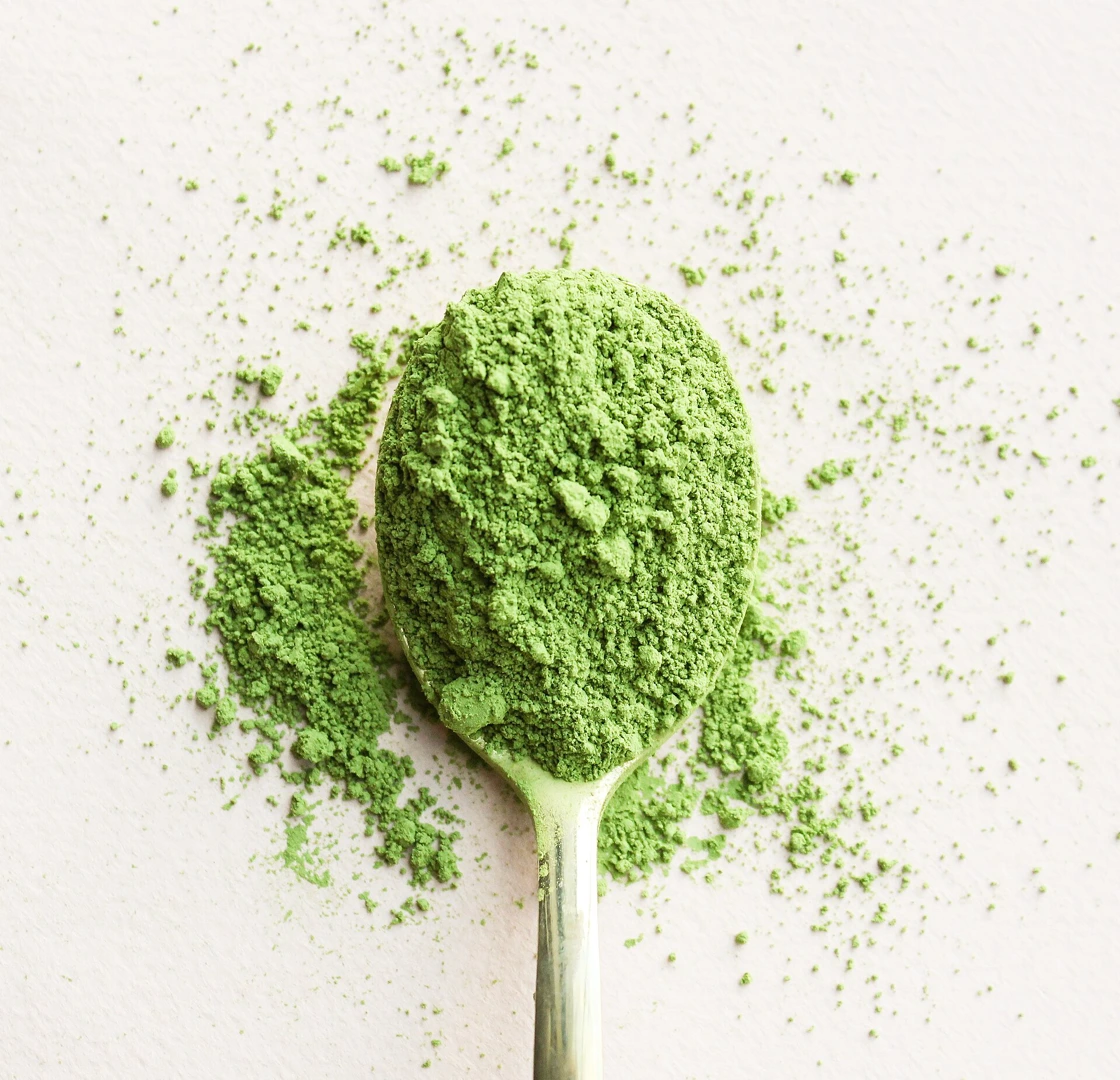
Photo: Evanhoever, Wikimedia Commons, CC BY-SA 4.0.
Pick one
Moroccan mint tea combines strong gunpowder green tea with heaps of fresh spearmint leaves and plenty of sugar. The drink is traditionally poured from a great height into small glasses to create a frothy top layer. Hospitality customs dictate that the host pours at least three rounds for every honored guest.
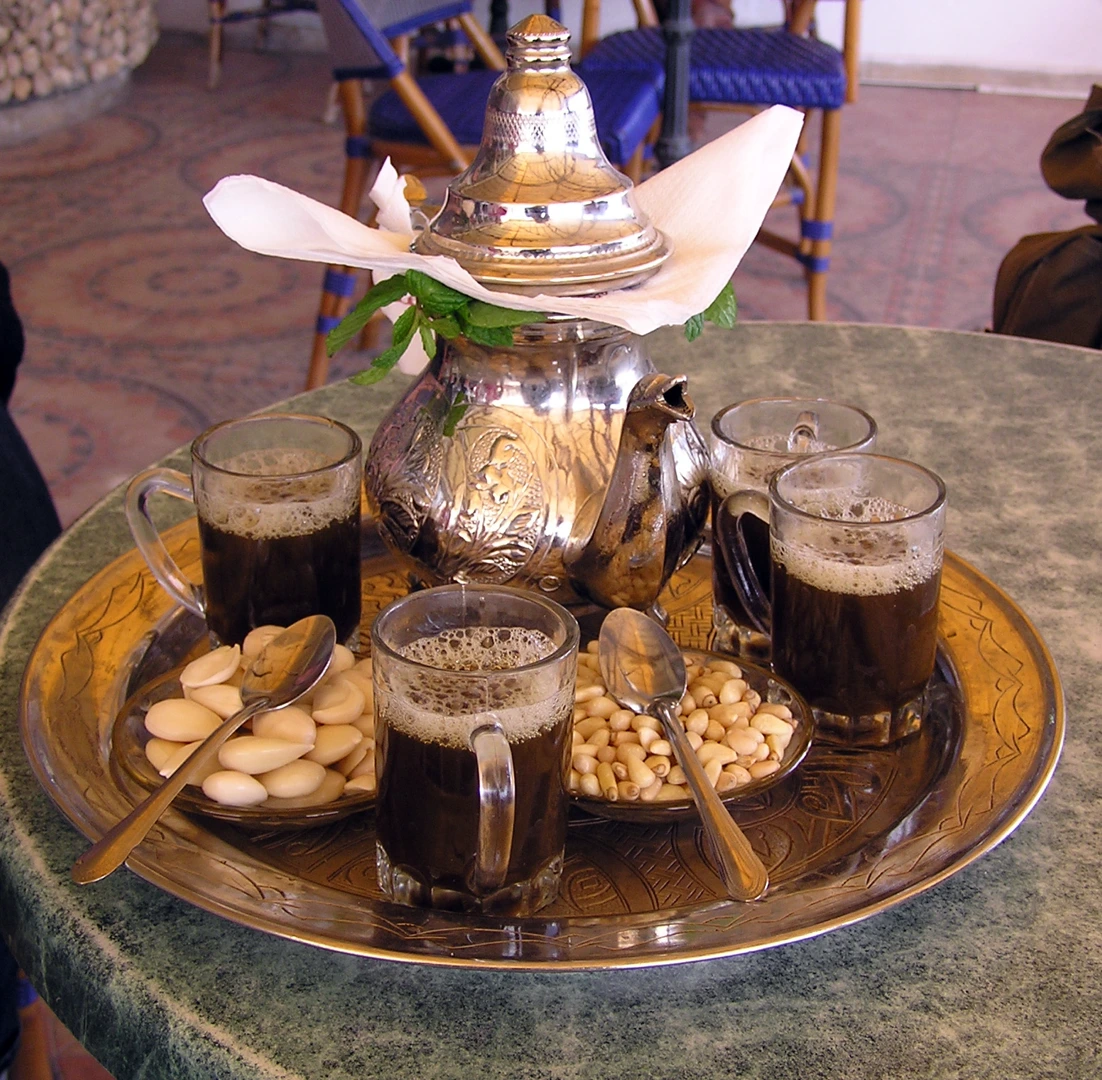
Photo: sky#walker, Wikimedia Commons, CC BY-SA 2.0.
Pick one
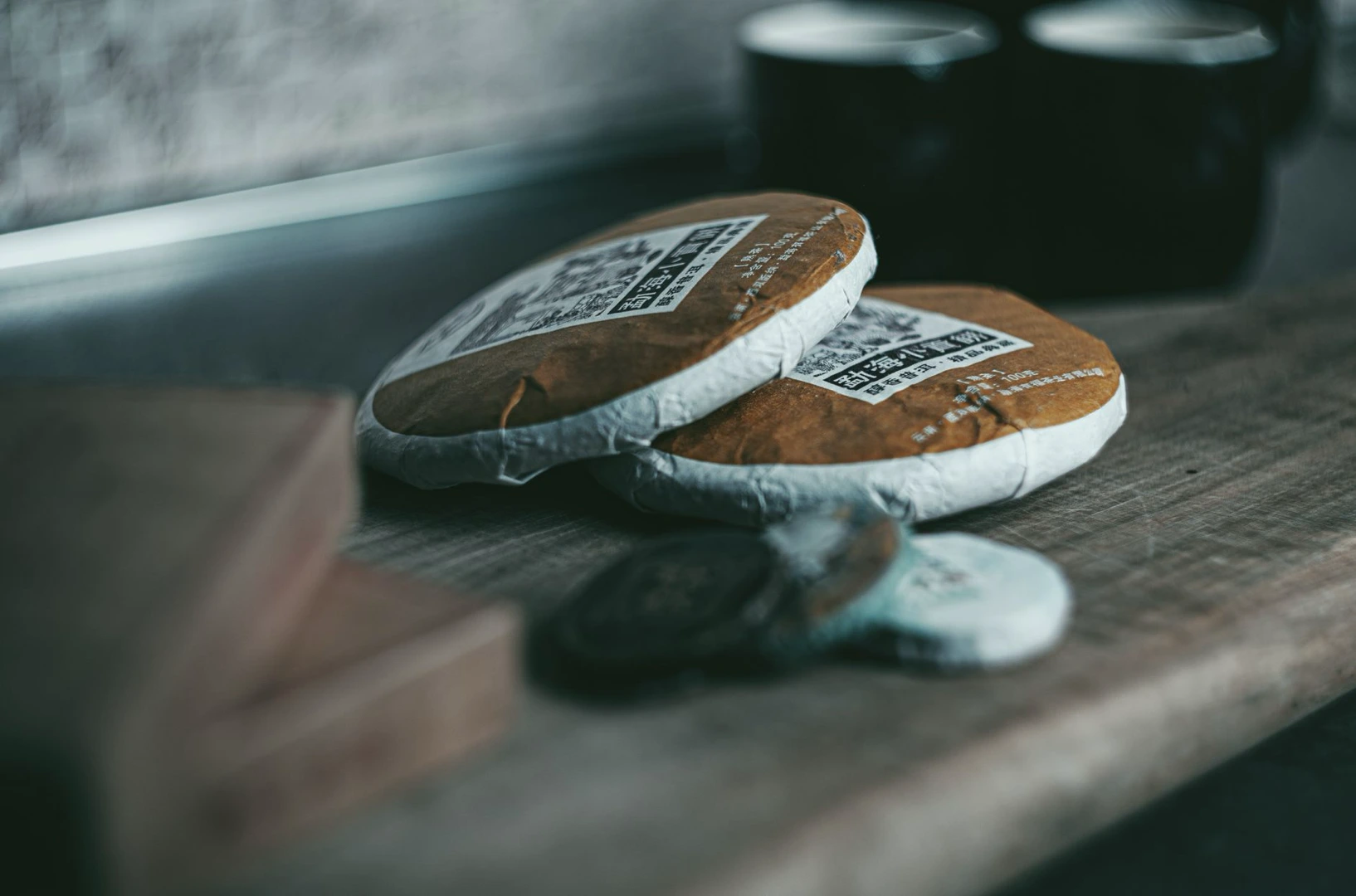
Pu-erh is a fermented tea compressed into bricks or cakes that can age for decades like fine wine. During storage, beneficial molds and bacteria slowly transform the chemical makeup of the leaves. This unique process mellows the bitterness and creates a deep, earthy flavor that grows more complex with time.
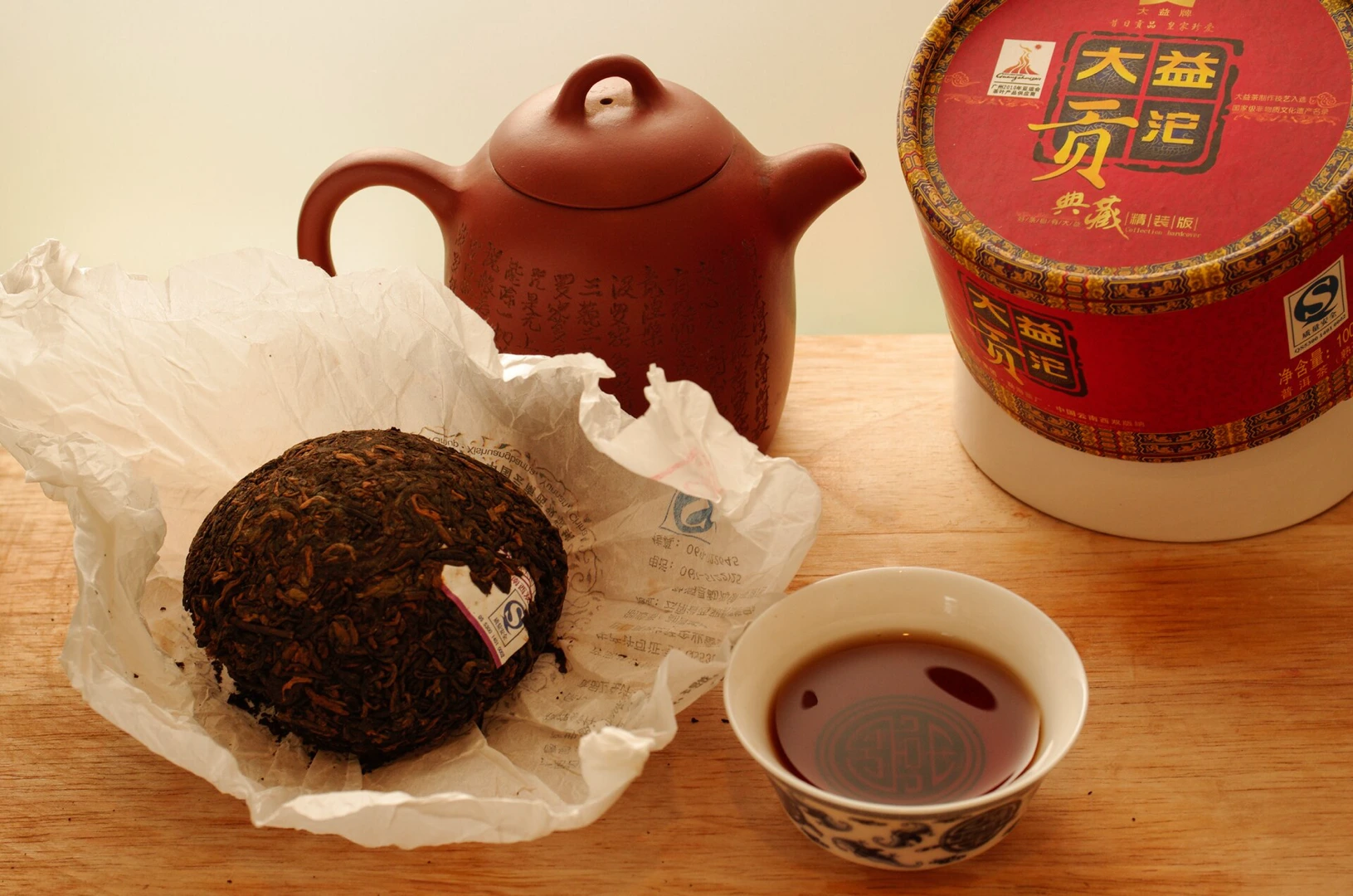
Photo: Copypaiste, Wikimedia Commons, CC BY-SA 3.0.
Pick one
Earl Grey blends black tea with bergamot orange oil, a fragrant citrus fruit grown mostly in southern Italy. Legend connects the blend to a British prime minister who received it as a diplomatic gift from China, though commercial records show it first appeared in English tea shops during the early nineteenth century.
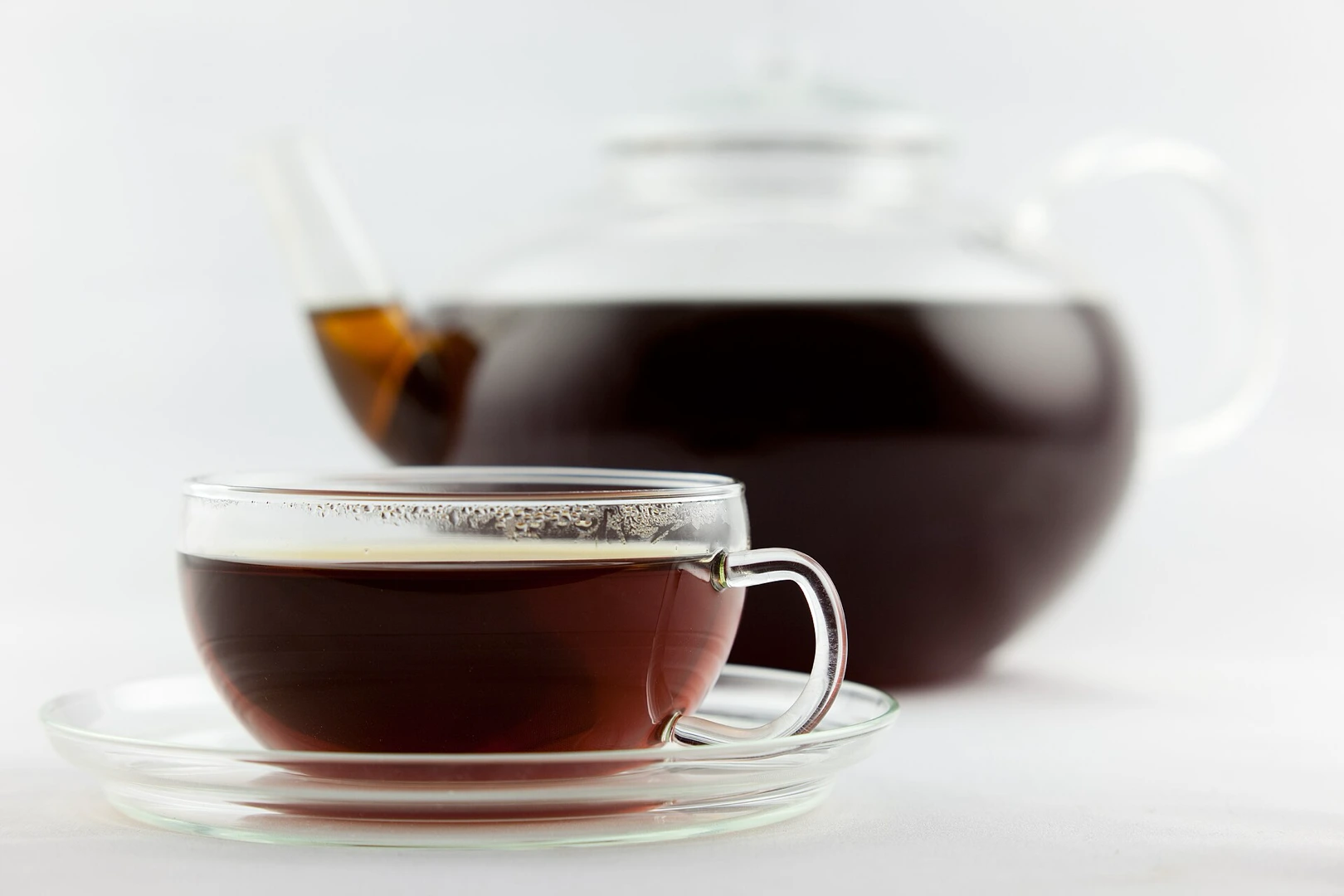
Photo: soultea.de /André Helbig, Wikimedia Commons, CC BY-SA 3.0.
Pick one
Yerba mate is prepared by filling a hollow gourd with dried holly leaves and pouring hot water over them. Drinkers sip the infusion through a filtered metal straw called a bombilla. Sharing a mate gourd is a powerful social ritual symbolizing friendship and community across countries like Argentina, Uruguay, and Paraguay.
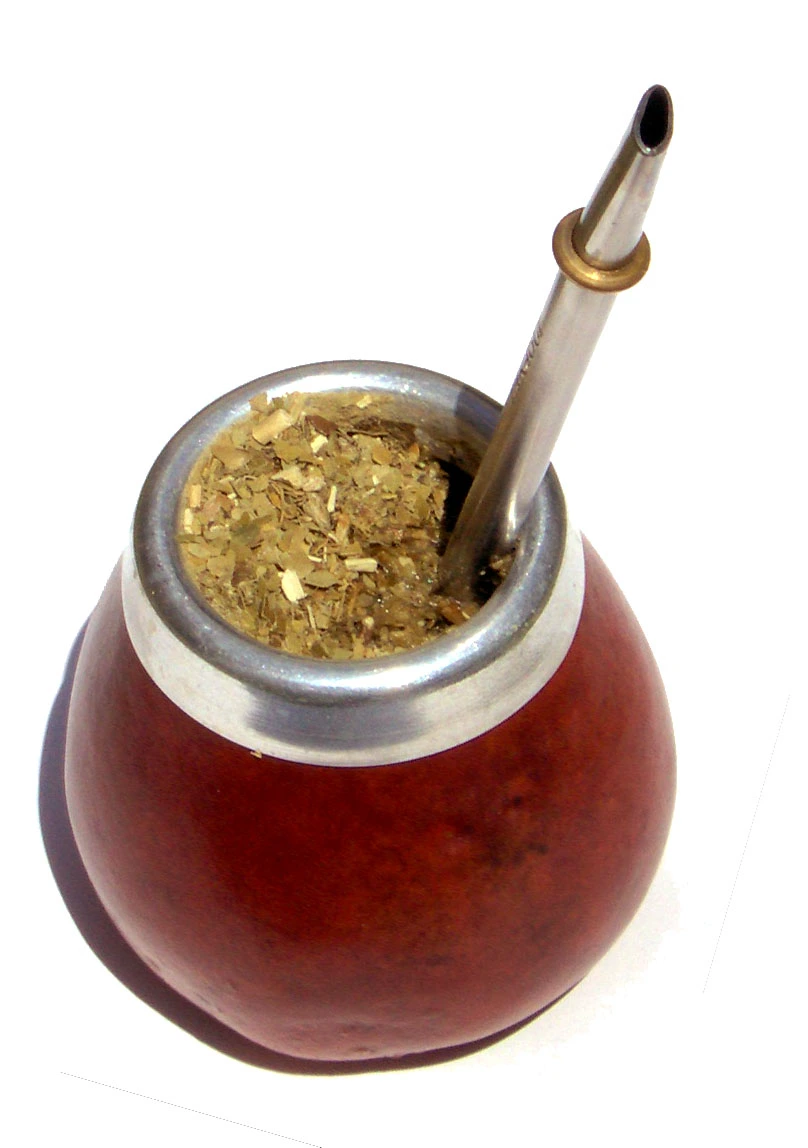
Photo: Jorgealfonso, Wikimedia Commons, CC BY-SA 2.5.
Pick one
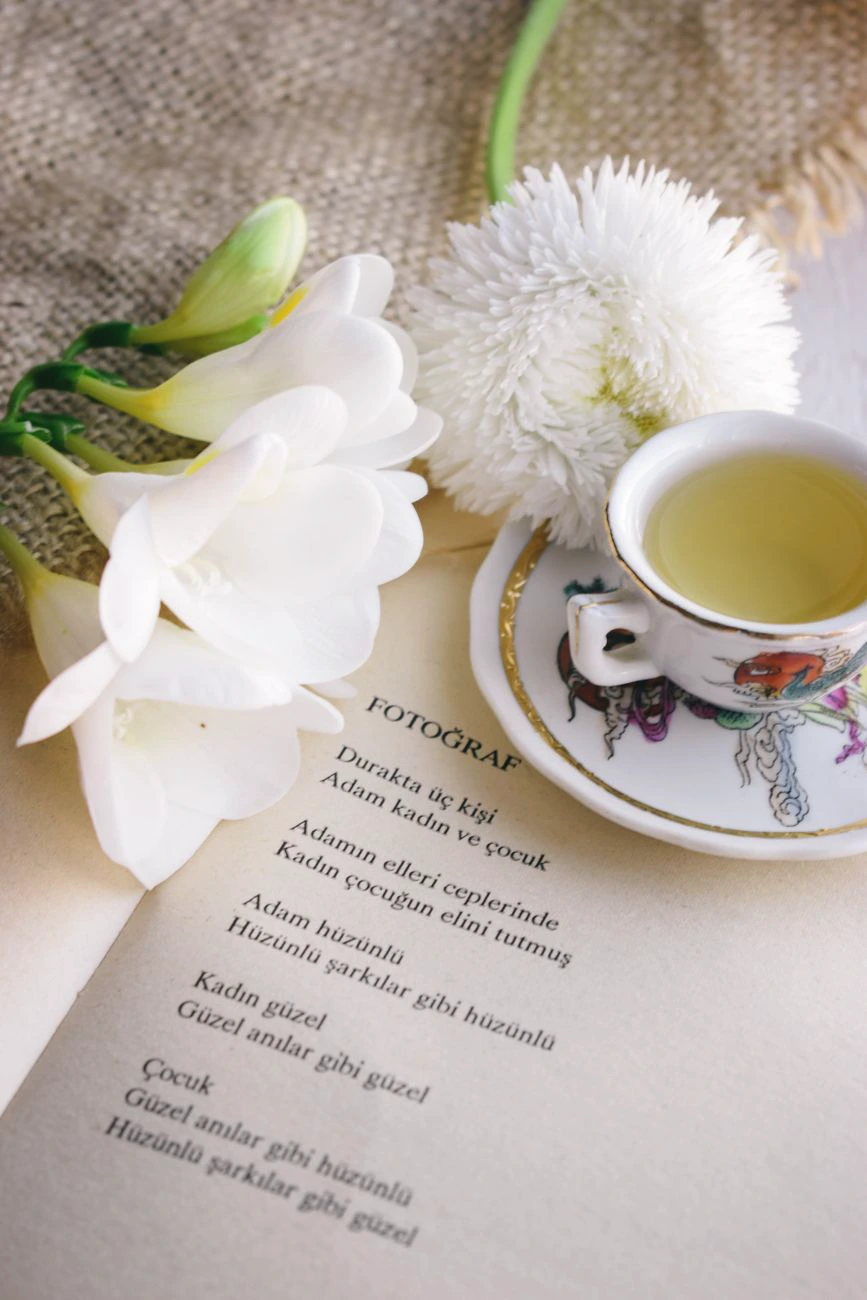
White tea is one of the least processed teas. It is often made from young, unopened buds and young leaves, which are simply withered and dried. This helps preserve its delicate flavour and natural characteristics.


Paste the code into your page. The player fits itself in, and every vote counts in Votur.
On WordPress, Ghost or Squarespace? Just paste the link of this page into your post.
This is how it looks
Also fun