 Get app
Step into the glitz, glamour, and occasional chaos of the world's biggest music competition. Test your knowledge on the songs, the rules, and the wildest moments in Eurovision history!
Casual Listener 0–4 · Dedicated Fan 5–8 · Eurovision Maestro 9–10

Tap the right answer
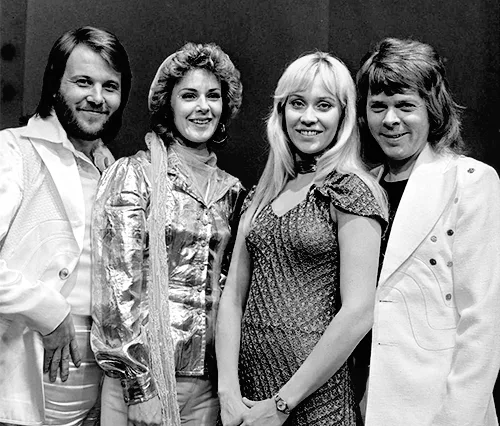
ABBA won the 1974 contest in Brighton with their hit song Waterloo. This victory catapulted the Swedish quartet to global super-stardom. Boney M., while also a massive European sensation in the seventies, never competed in the contest.
Photo: AVRO, Wikimedia Commons, CC BY-SA 3.0 nl.
Tap the right answer
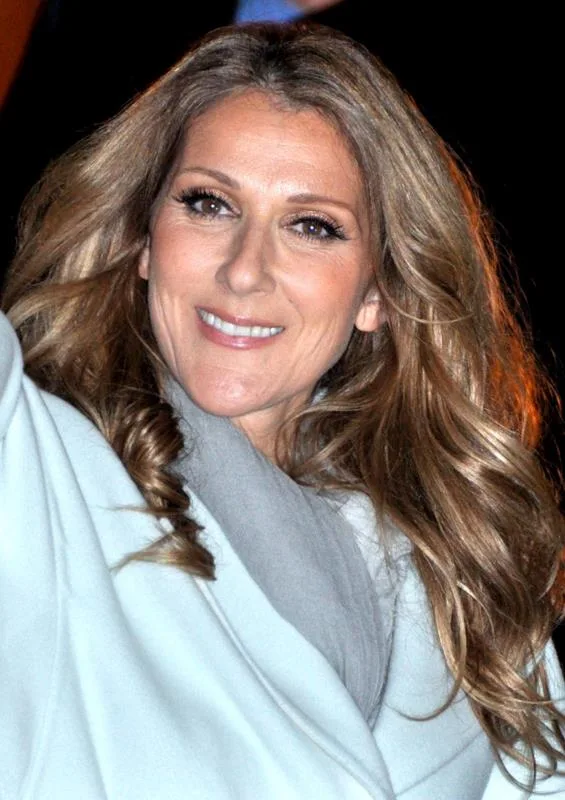
Canadian singer Celine Dion represented Switzerland in Dublin with the song Ne partez pas sans moi. Her dramatic victory helped launch her English-language career in Europe and America. Olivia Newton-John also competed in Eurovision, but represented the UK in 1974.
Photo: Georges Biard, Wikimedia Commons, CC BY-SA 3.0.
Tap the right answer
Switzerland won the inaugural contest on home soil in Lugano with the song Refrain, sung by Lys Assia. The first contest only featured seven participating countries, and each country was allowed to submit two different songs.
Tap the right answer
Ireland won in 1992, 1993 and 1994, a hat-trick that no other country has managed. It even won again in 1996, which meant Irish broadcaster RTÉ hosted the show again and again. During one of those home contests, in 1994, the world first saw Riverdance.
Tap the right answer
Australia was invited as a one-off guest because of the country's huge, long-standing fan base for the show. They did so well that they were invited back the following year. If Australia ever wins, they must co-host the show in a European city.
Tap the right answer
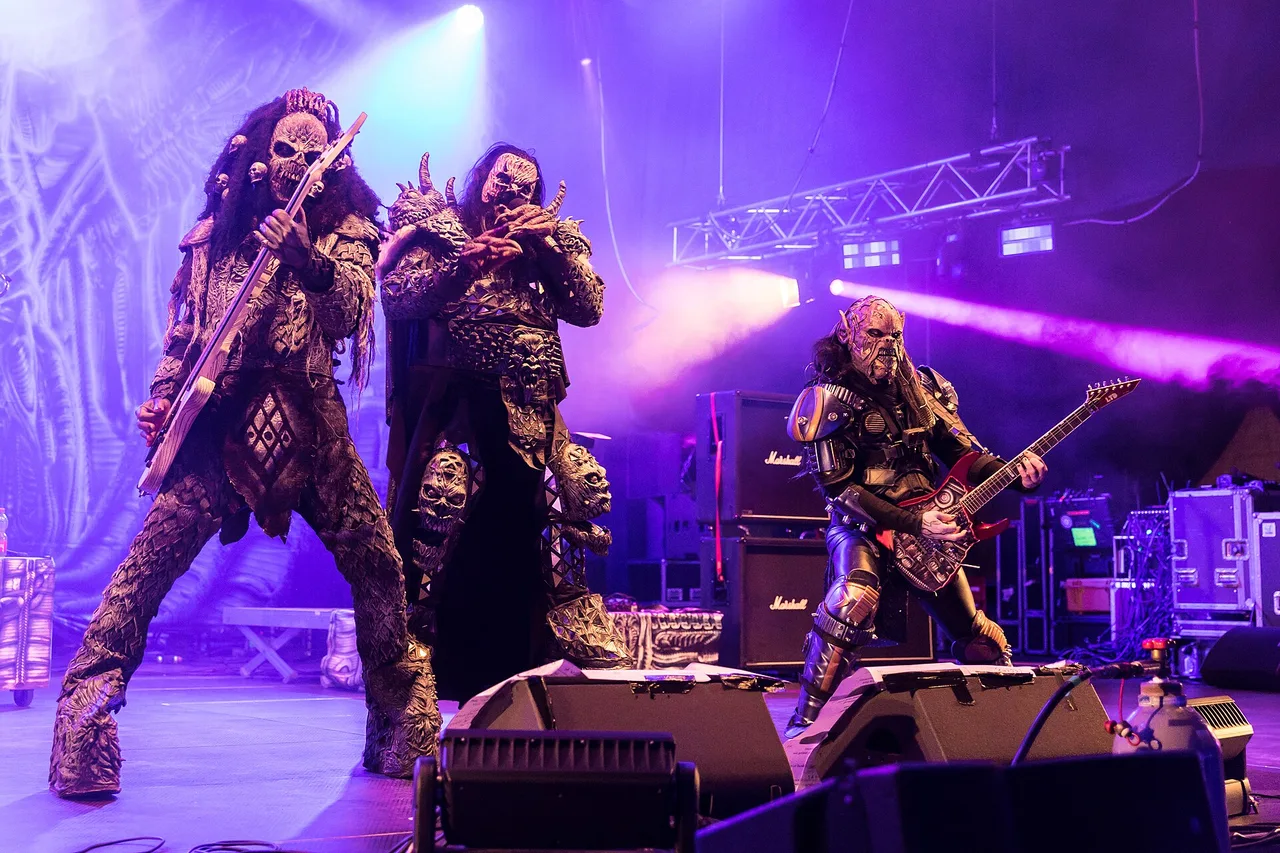
Lordi won the 2006 contest wearing elaborate monster masks and horror-themed costumes with their song Hard Rock Hallelujah. It was Finland's first-ever victory. Apocalyptica did not compete, but they did perform as the interval act when Finland hosted the next year.
Photo: S. Bollmann, Wikimedia Commons, Attribution.
Tap the right answer
Riverdance was created as a seven-minute interval act for the 1994 contest. The thunderous Irish step-dance performance received a standing ovation and quickly evolved into a massive, record-breaking global stage show.
Tap the right answer
Eurovision rules state that a song must not exceed three minutes to keep the live broadcast moving quickly. If a song is longer, it must be edited down for the stage. The rule came after Italy's 1957 entry lasted more than five minutes, still the longest song in the contest's history.
Tap the right answer
The 'Big Five' have traditionally been France, Germany, Italy, Spain and the United Kingdom. They skip the semi-finals because their national broadcasters make the largest financial contributions to the European Broadcasting Union, which produces the event.
Tap the right answer
The language rule was dropped in 1999, allowing countries to sing in any language they wanted. From 1977 until then, acts had to sing in one of their country's national languages, although there had been a short free period in the 1970s, when ABBA sang Waterloo in English. Sweden immediately took advantage of this and won the 1999 contest singing in English.


Want to make a quiz like this yourself? Do it on Votur, it's free.
Paste the code into your page. The player fits itself in, and every vote counts in Votur.
On WordPress, Ghost or Squarespace? Just paste the link of this page into your post.
This is how it looks
Also fun