Get app
 Photo: Rodion Gavriloi, Wikimedia Commons, CC BY-SA 4.0.
Explore the vibrant history and culture of Chișinău, the bustling capital of Moldova. Test your knowledge on its landmarks, traditions, and unique charm with these intriguing questions.
Chișinău Curious 0–4 · Local in Training 5–8 · Honorary Chișinăuian 9–10
Pick one

Nobody knows for sure, but one theory links the name to the old word 'chișla' (a spring of water) and 'nouă' (new), because the town grew up around a small spring. That spring is said to have been at the corner of today's Pușkin and Albișoara streets.
Photo: Rodion Gavriloi, Wikimedia Commons, CC BY-SA 4.0.
Pick one
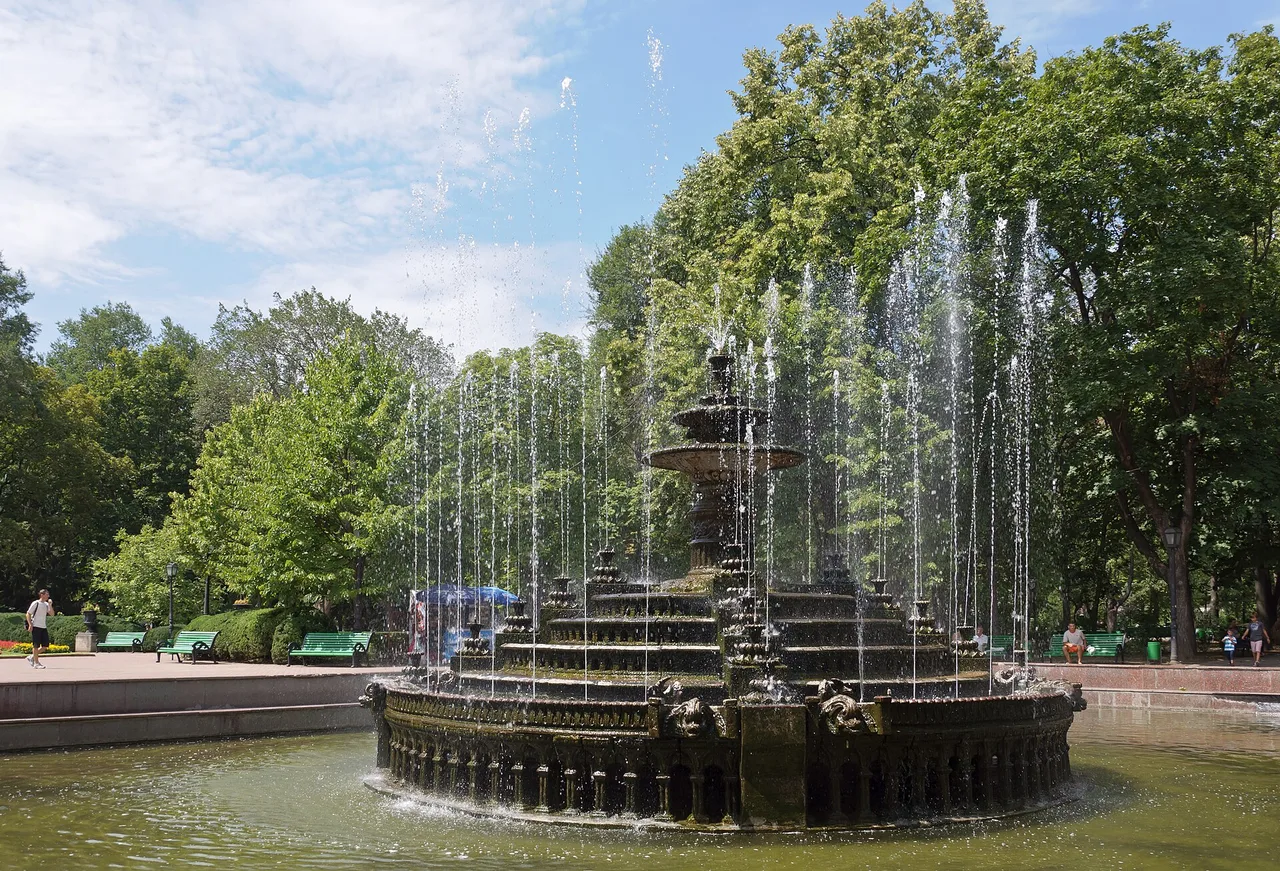
Stephen the Great Central Park, officially known as 'Parcul Ștefan cel Mare și Sfânt,' is Chișinău's oldest park, established in 1818. It is famous for its beautiful landscaping, mature trees, and the iconic monument of Stephen the Great, a national hero. The park serves as a beloved green oasis, popular for strolls and cultural events, embodying the city's historical spirit.
Photo: Myrabella, Wikimedia Commons, CC BY-SA 3.0.
Pick one
Stephen the Great and Holy Boulevard (Bulevardul Ștefan cel Mare și Sfânt) is the principal street in Chișinău, stretching through the city center. It is home to many important administrative buildings, cultural institutions, and shops. The boulevard is a vibrant hub, reflecting the city's pulse and serving as a central point for public gatherings and celebrations.
Pick one
The Triumphal Arch, also known as the Holy Gates, was erected in 1841 to commemorate the victory of the Russian Empire in the Russo-Turkish War. It stands proudly in the Great National Assembly Square, housing a large bell cast from captured Turkish cannons. Its design mirrors similar arches found in other European capitals, serving as a symbol of the city's enduring history.

Photo: Pelin Oleg, Wikimedia Commons, CC BY-SA 4.0.

Pick one
The Nativity Cathedral, built in the 1830s, is the main cathedral of the Moldovan Orthodox Church and a prominent landmark in Chișinău. Its neoclassical design and bell tower dominate Cathedral Park, offering a peaceful sanctuary amidst the city's bustle. Despite suffering damage during World War II and Soviet-era neglect, it has been meticulously restored to its original grandeur.
Photo: Pelin Oleg, Wikimedia Commons, CC BY-SA 4.0.
Pick one
The Bâc River, a tributary of the Dniester, flows right through Chișinău. Though it's often small and sometimes dries up in summer, it's central to the city's geography. Historically, it provided water and was used for transport, though its ecological state is now a concern.
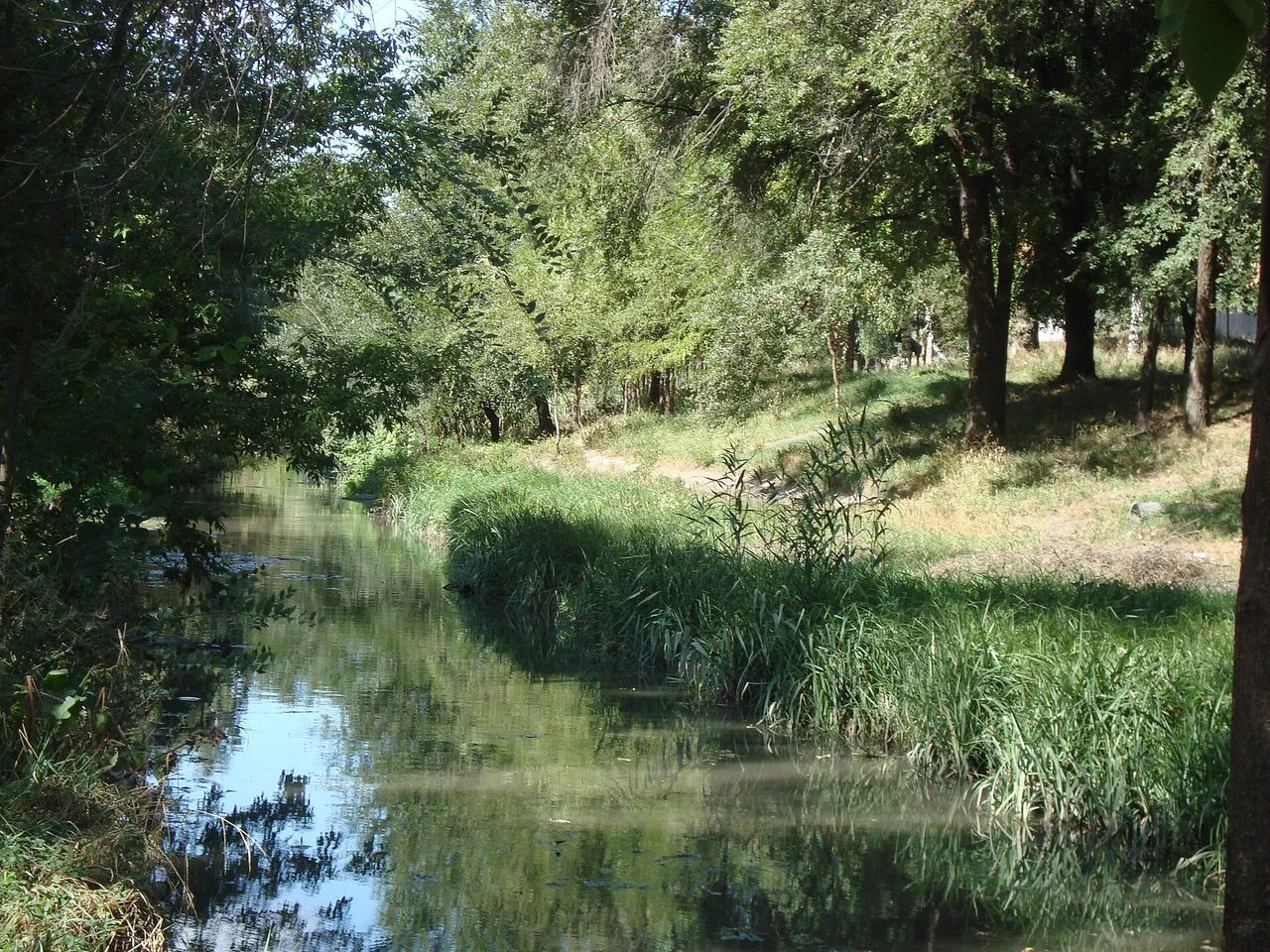
Photo: Kogayonon at Romanian Wikipedia, Wikimedia Commons, Public domain.
Pick one
Moldova State University opened on 1 October 1946 with just 320 students in five faculties, including physics, biology and chemistry. Today it is one of the country's largest universities, while the Technical University of Moldova only followed in 1964.
Pick one
The National Museum of History of Moldova, located in a former boys' grammar school, is the country's leading institution for preserving and showcasing its rich past. Its extensive collections span from prehistoric times to the modern era, including archaeological finds, medieval weaponry, and documents. In the museum's courtyard stands a copy of the Capitoline Wolf from Rome, a symbol of the shared Latin heritage.
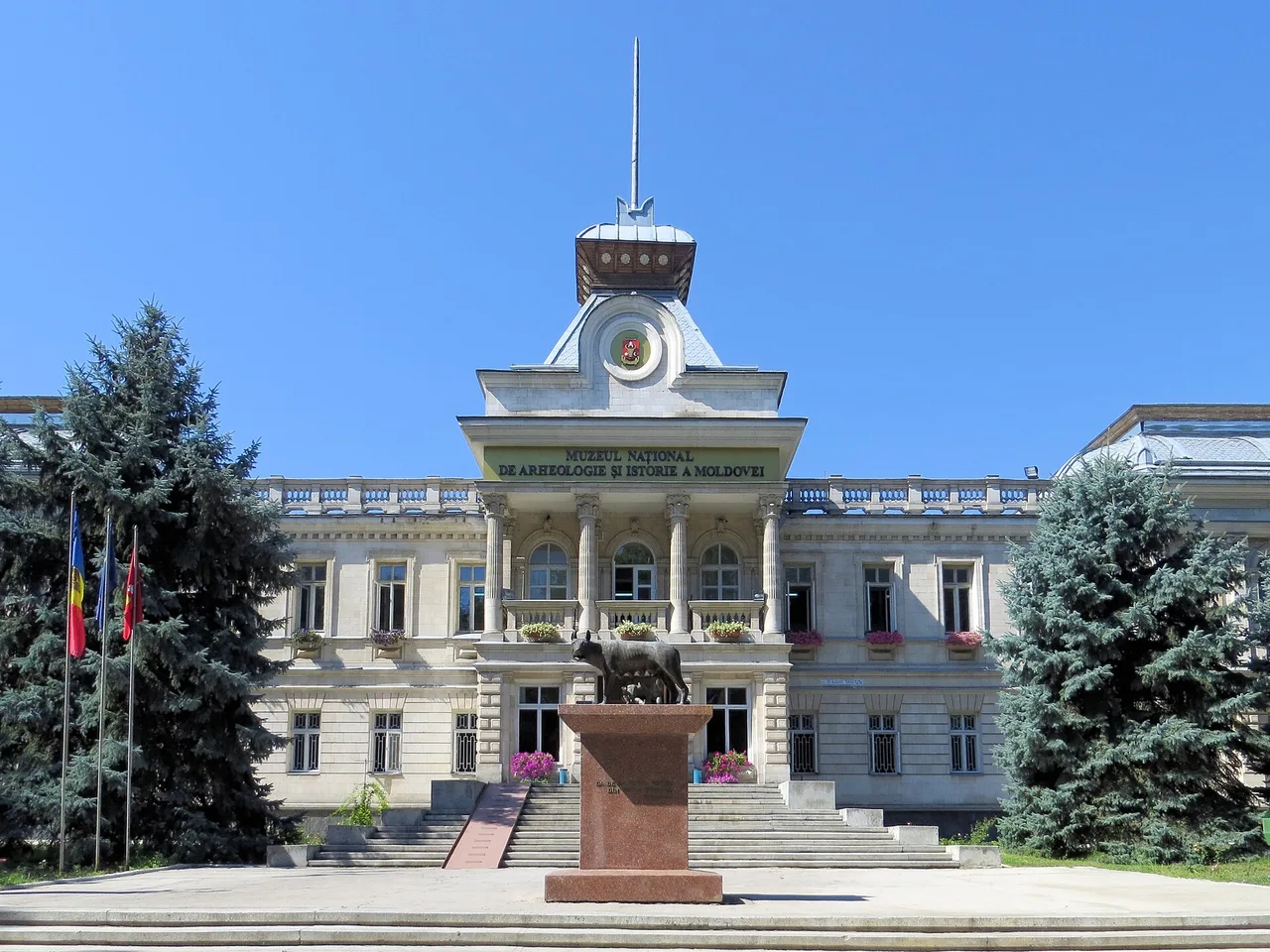
Photo: Alexandru Panoiu from Bucharest, Romania, Wikimedia Commons, CC BY 2.0.
Pick one
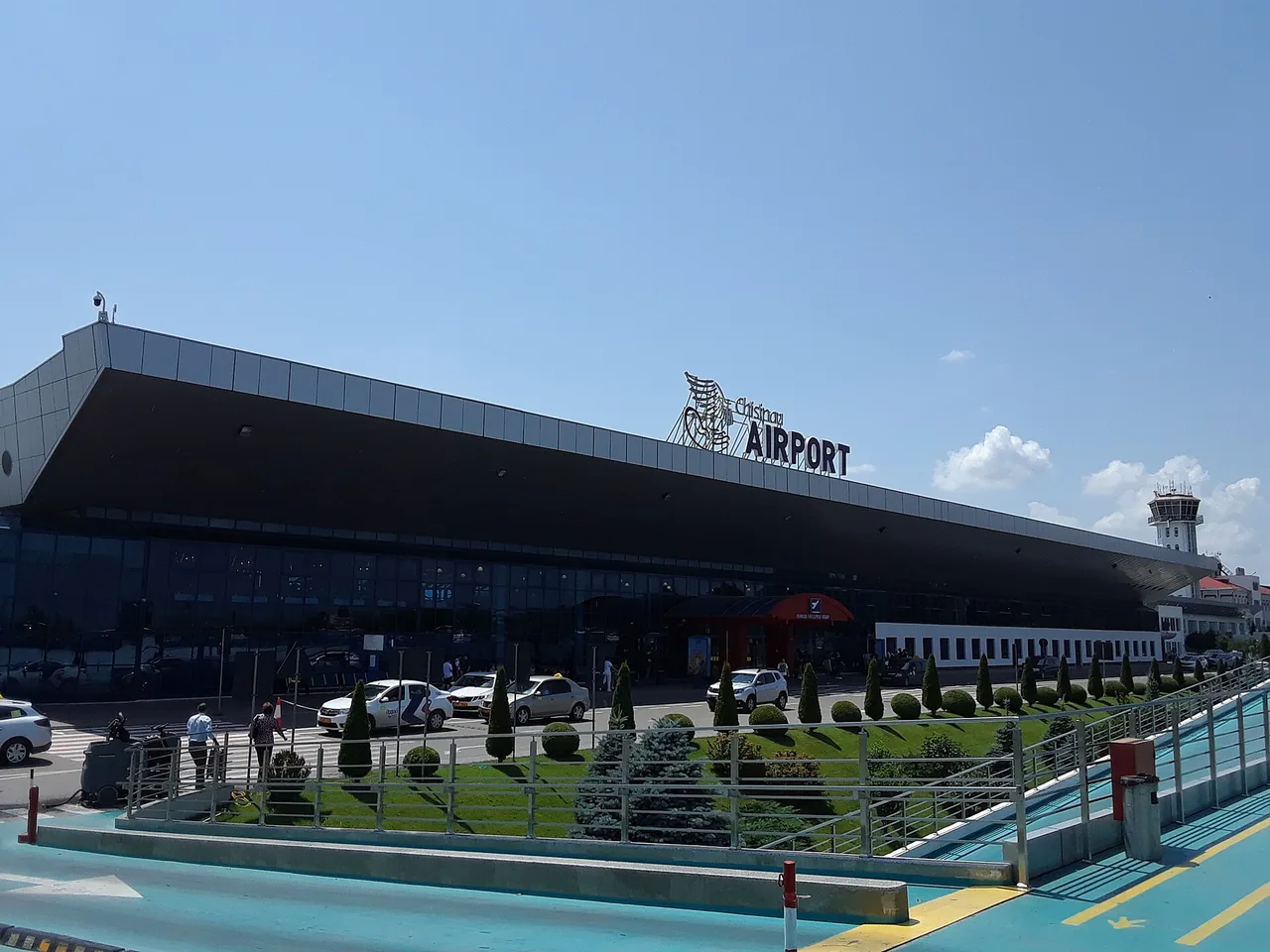
Eugen Doga was a much-loved Moldovan composer, famous around the world for his romantic waltzes, especially the 'Gramophone Waltz' from the film 'My Sweet and Tender Beast'. His song 'My White City' rings out every hour from the chimes of Chișinău City Hall. He died in 2025, and a month later the city's airport was named after him.
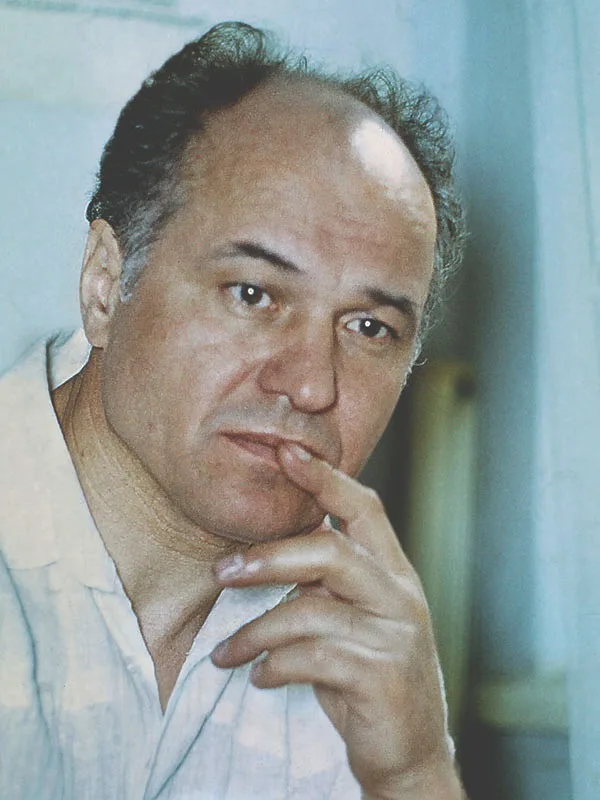
Photo: Ion Chibzii from Chisinau. , Moldova., Wikimedia Commons, CC BY-SA 2.0.
Pick one
Alexander Pushkin, one of Russia's greatest poets, spent three years in exile in Chișinău from 1820 to 1823. During this period, he produced some significant works, including parts of 'The Prisoner of the Caucasus.' His time in Chișinău is commemorated with a museum dedicated to his stay, located in the house where he lived.
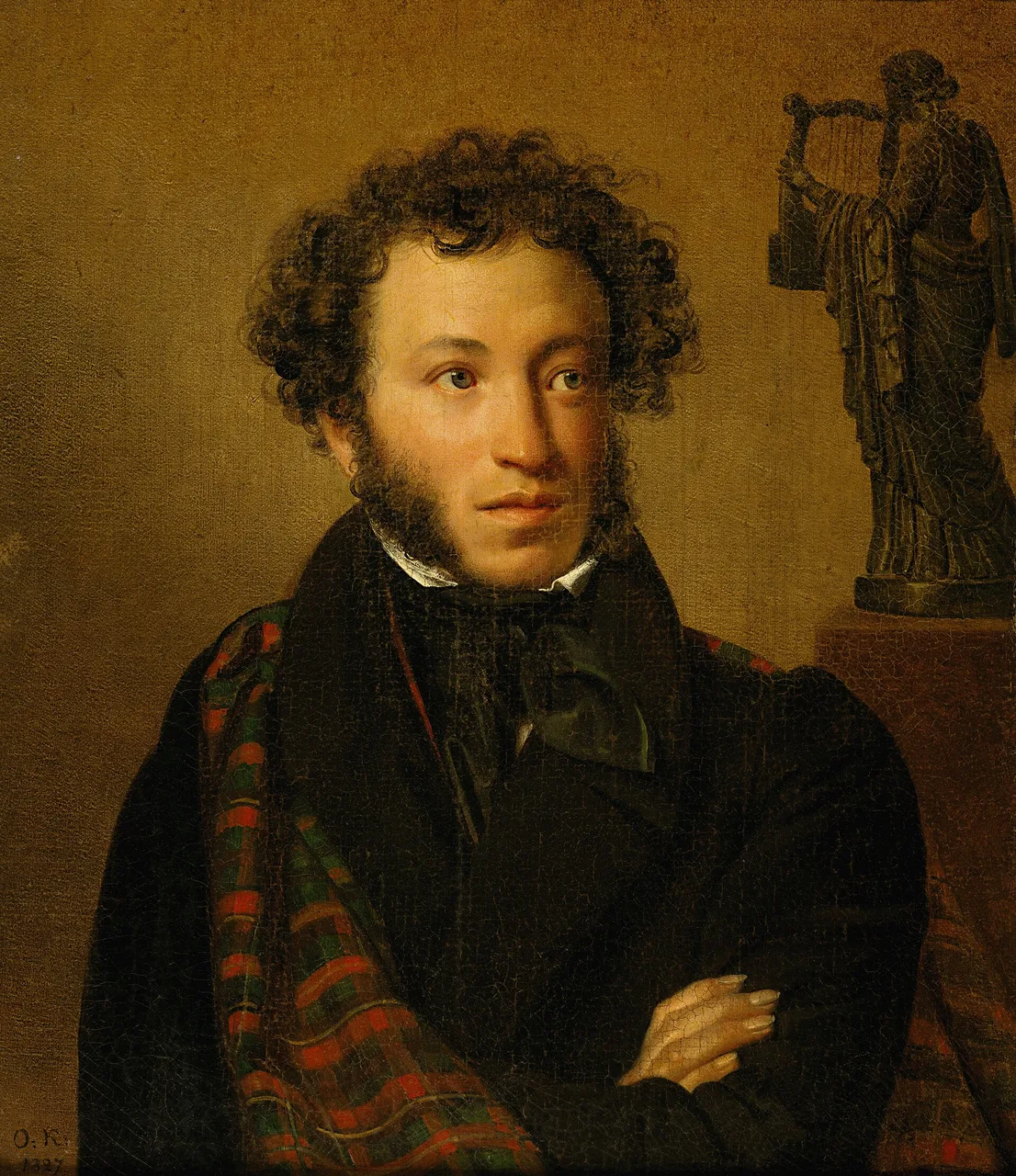
Photo: Orest Kiprensky, Wikimedia Commons, Public domain.


Paste the code into your page. The player fits itself in, and every vote counts in Votur.
On WordPress, Ghost or Squarespace? Just paste the link of this page into your post.
This is how it looks
Also fun