Get app
 Photo: Spiridon Manoliu, Wikimedia Commons, Public domain.
Explore the heart of Eastern Europe with this quiz about Moldova! Test your knowledge on its rich history, unique culture, delicious cuisine, and stunning natural beauty.
Just Arrived 0–4 · Savvy Explorer 5–8 · Moldovan Maestro 9–10
Pick one

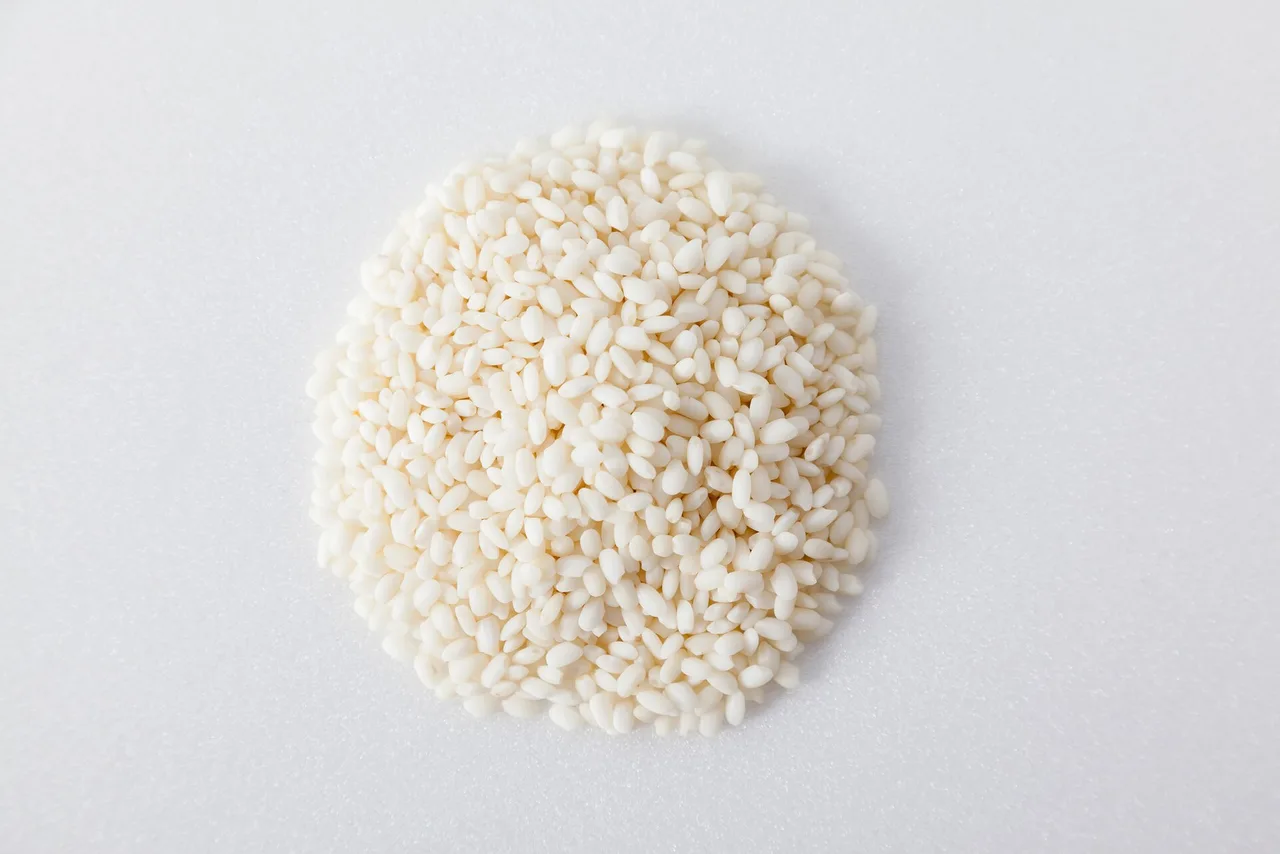
Moldova has some of the most fertile soil in Europe: rich black earth called chernozem. That makes it a great place for grain, and wheat is one of the country's top exports, alongside crops like sunflower seeds and maize. Rice, on the other hand, needs flooded fields and a much warmer climate, so it is hardly grown there.
Pick one
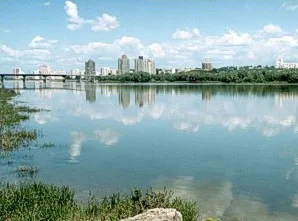
The Dniester River is the longest and most significant river in Moldova, forming a substantial portion of its eastern border and flowing into the Black Sea. It plays a vital role in the country's ecosystem, providing water for agriculture and hydroelectric power. The river's picturesque banks are also home to historic monasteries and natural reserves, making it a scenic and essential waterway.
Photo: http://pridnestrovie.net/tiraspol_dniester_photo.html; permission is in the lowe, Wikimedia Commons, CC BY 2.5.
Pick one
Stephen the Great (Ștefan cel Mare in Romanian) ruled Moldavia for 47 years in the 15th century, successfully defending the principality against the Ottoman Empire, Poland, and Hungary. He is revered for his military prowess and for commissioning numerous churches and monasteries, several of which, in what is now Romania, are UNESCO World Heritage Sites today. His legacy remains a cornerstone of Moldovan national identity.

Photo: Ninhursag3, Wikimedia Commons, CC0.
Pick one
Mărțișor is a cherished Moldovan and Romanian spring festival, celebrated on March 1st to welcome the arrival of spring and symbolize renewal. People exchange small talismans, often a red and white string with an ornament, which are worn for the entire month. The red symbolizes love and vitality, while the white represents purity and snow, embodying the transition from winter to spring.
Pick one
Orheiul Vechi, or Old Orhei, is a stunning archaeological complex featuring a cave monastery, ruins of ancient fortifications, and remnants of a Golden Horde city. Carved into a limestone cliff overlooking the Răut River, it offers a glimpse into thousands of years of history, from Dacian settlements to medieval monastic life. Its dramatic landscape and historical depth make it a unique open-air museum.
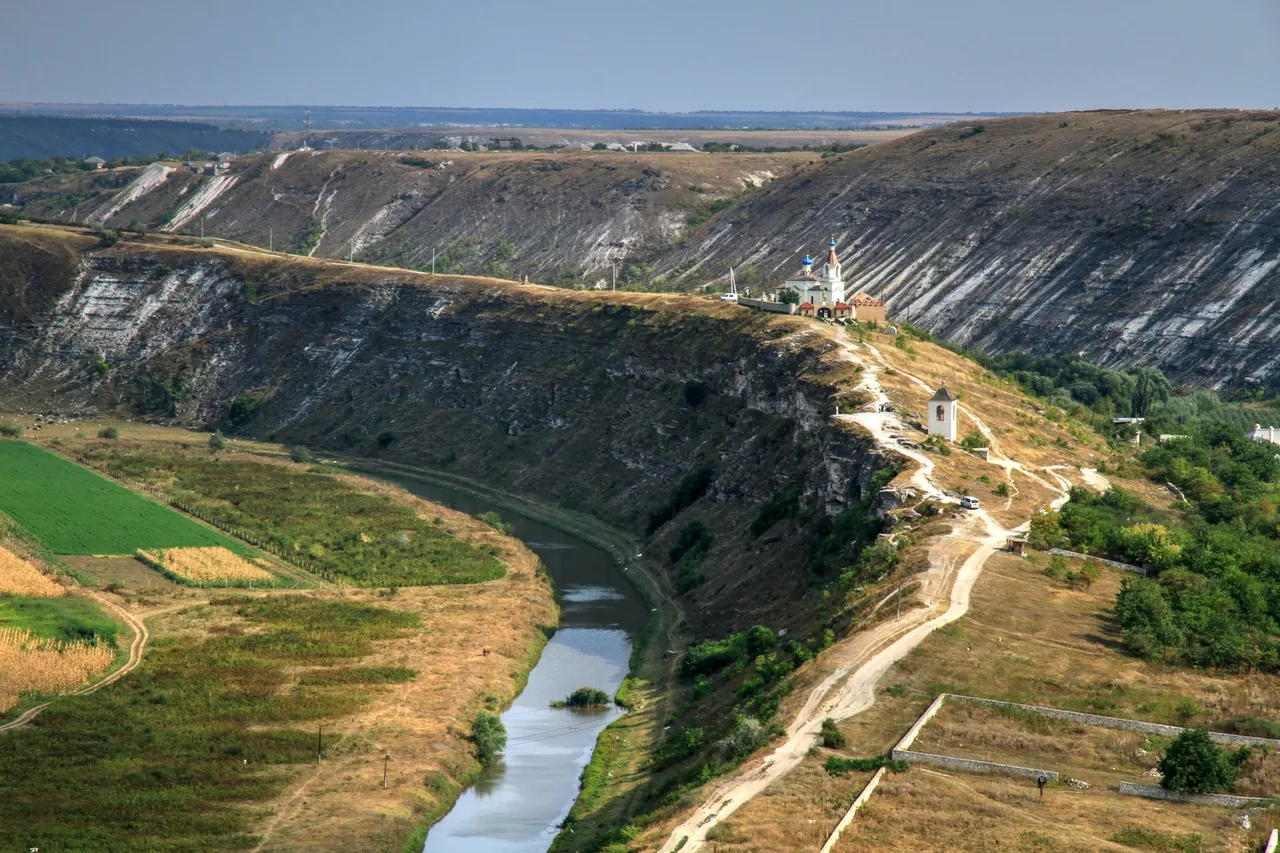
Photo: Alex Prodan md, Wikimedia Commons, CC BY-SA 4.0.
Pick one
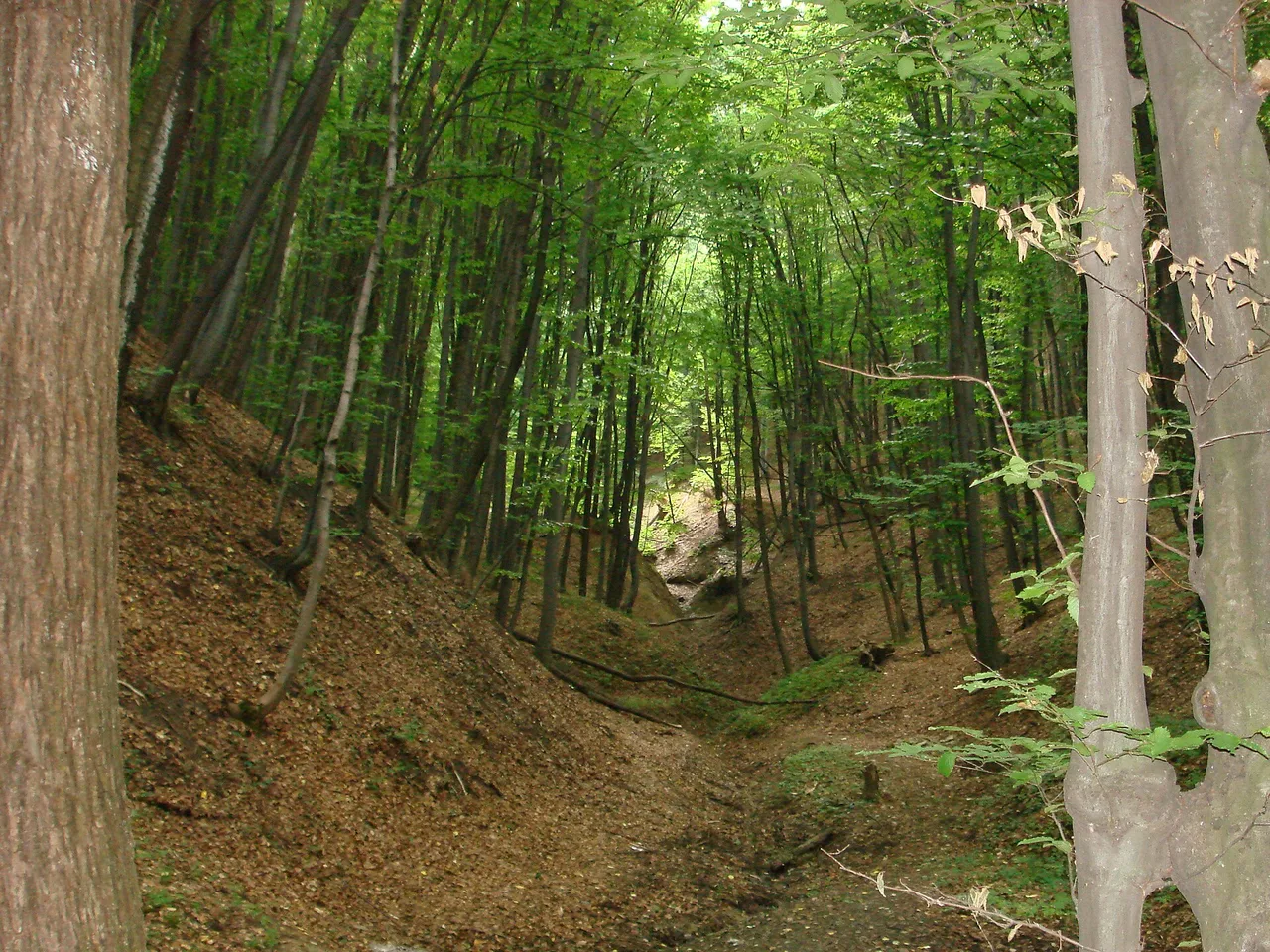
The Codri region, located in central Moldova, is a significant natural reserve characterized by its ancient forests and diverse ecosystems. These deciduous forests are home to a variety of flora and fauna, including rare plant species and various wildlife. The Codri are considered the "green heart" of Moldova, providing a vital ecological balance and offering beautiful landscapes for nature enthusiasts.
Photo: Wikimedia Commons, Public domain.
Pick one
Moldova is wedged between Romania to the west and Ukraine on its other three sides. It has no coastline, but it is only a short distance from the Black Sea. Moldovans and Romanians share the same language, written in the Latin alphabet.

Pick one
At about 430 metres, Bălănești Hill is Moldova's highest point. It rises in the Cornești Hills, part of the wooded heart of the country known as the Codri. It is more of a gentle rise than a towering peak, which suits Moldova's rolling, hilly landscape.
Photo: Joerggo, Wikimedia Commons, CC BY-SA 4.0.
Pick one
Moldova declared its independence from the Soviet Union on August 27, 1991, as the Soviet Union was falling apart, just days after the failed August coup in Moscow. This pivotal moment marked the end of decades of Soviet rule and the beginning of Moldova's journey as a sovereign nation. The declaration was a result of growing nationalistic sentiments and the broader political changes sweeping through Eastern Europe at the time.
Pick one
Mămăligă, a thick porridge made from yellow corn flour, is a staple in Moldovan cuisine, often served as a side dish to stews, cheeses, or meat. It's similar to polenta and has been a crucial part of the diet for centuries, especially among the rural population. It's traditionally eaten with a spoon or cut with a string, and its versatility makes it a beloved comfort food.
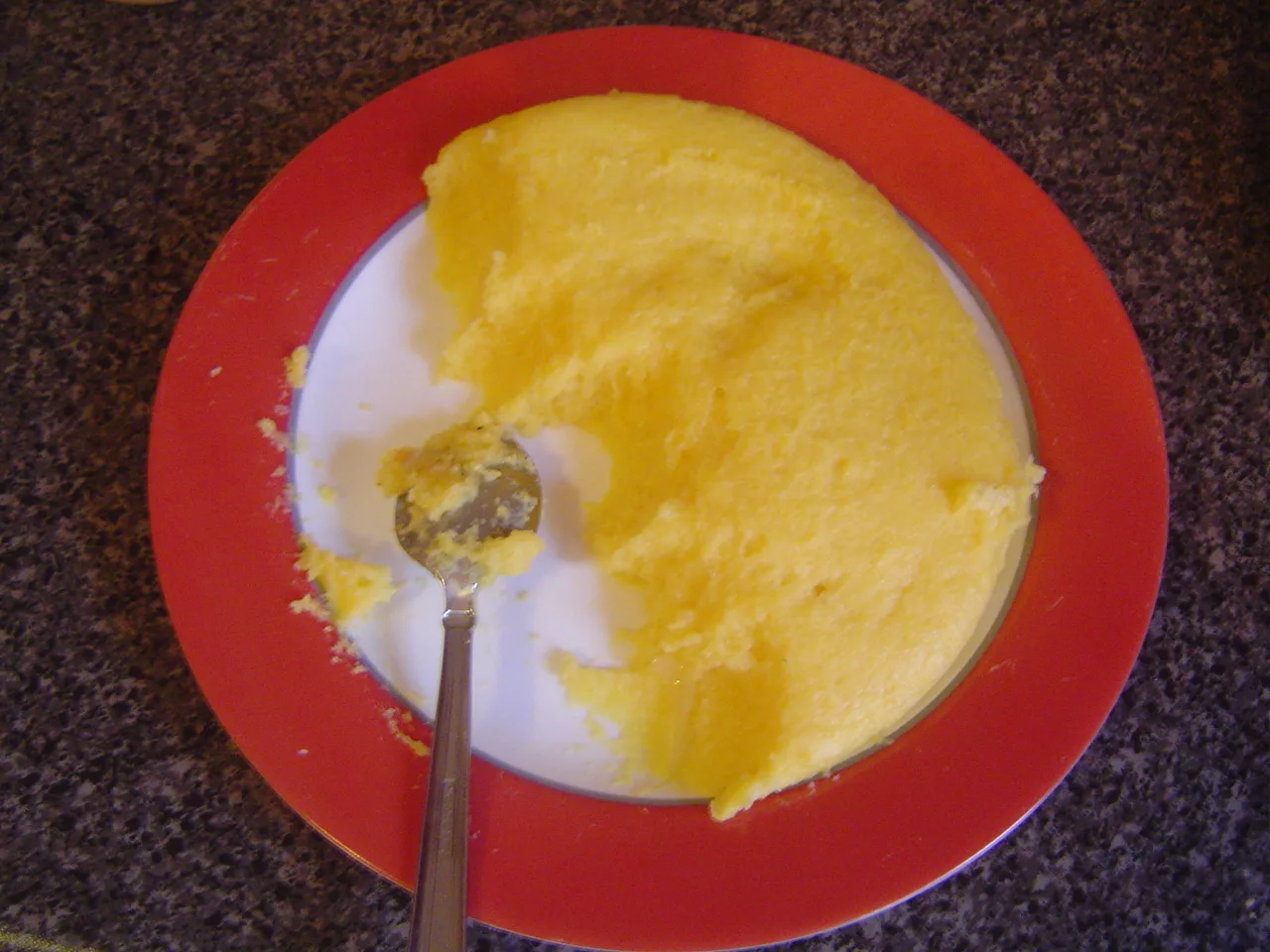
Photo: Wikimedia Commons, CC BY-SA 3.0.


Paste the code into your page. The player fits itself in, and every vote counts in Votur.
On WordPress, Ghost or Squarespace? Just paste the link of this page into your post.
This is how it looks
Also fun