 Get app
Embark on a journey through Estonia's captivating capital! Test your knowledge of Tallinn's rich history, stunning landmarks, vibrant culture, and natural beauty.
Tallinn Tourist 0–4 · City Discoverer 5–8 · Honorary Tallinner 9–10

Tap the right answer
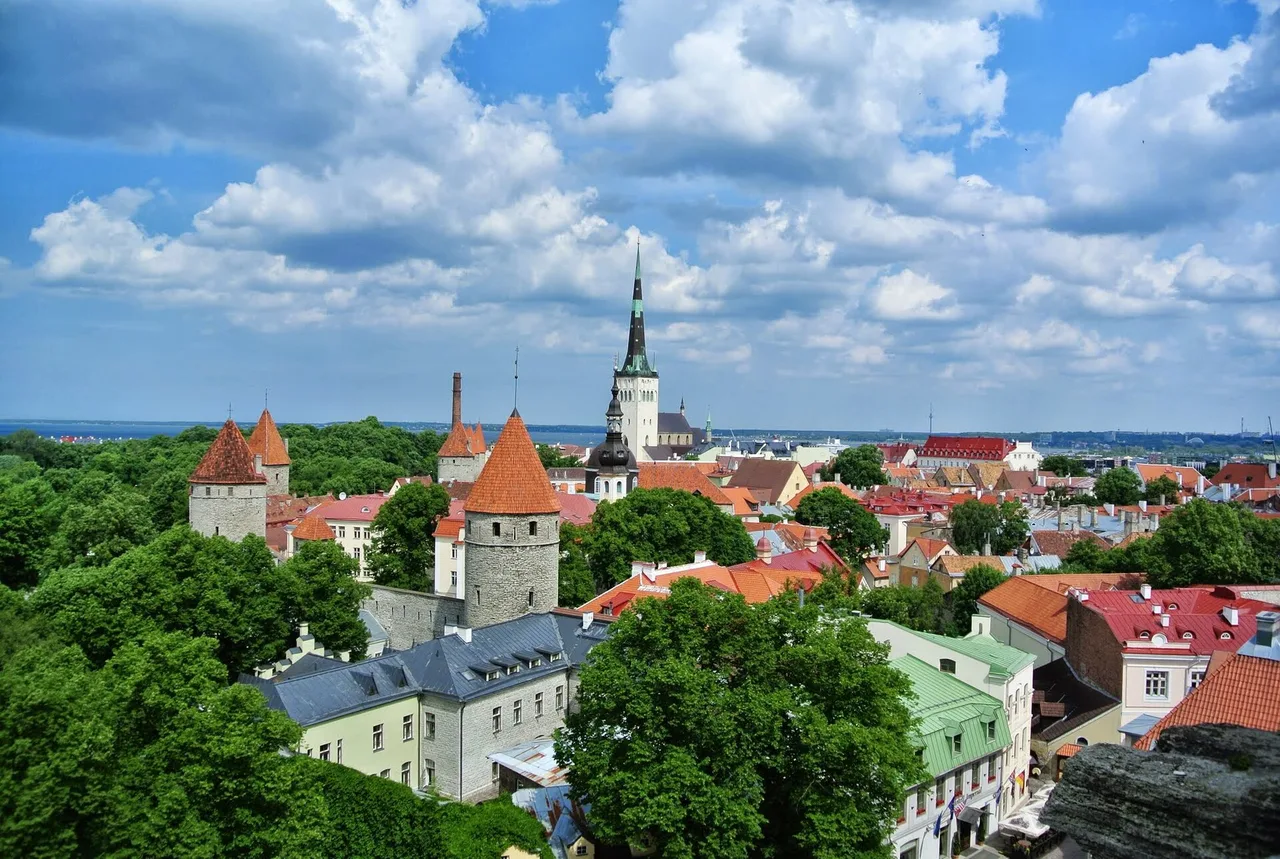
Tallinn's Old Town is a remarkably preserved medieval Hanseatic town that earned its UNESCO World Heritage status in 1997. It's one of the best examples of a medieval trading city in Northern Europe, with its cobblestone streets, Gothic architecture, and defensive walls still largely intact. A fun fact is that many of its streets retain their original names from centuries ago.
Photo: Ben Bender, Wikimedia Commons, CC BY-SA 3.0.
Tap the right answer
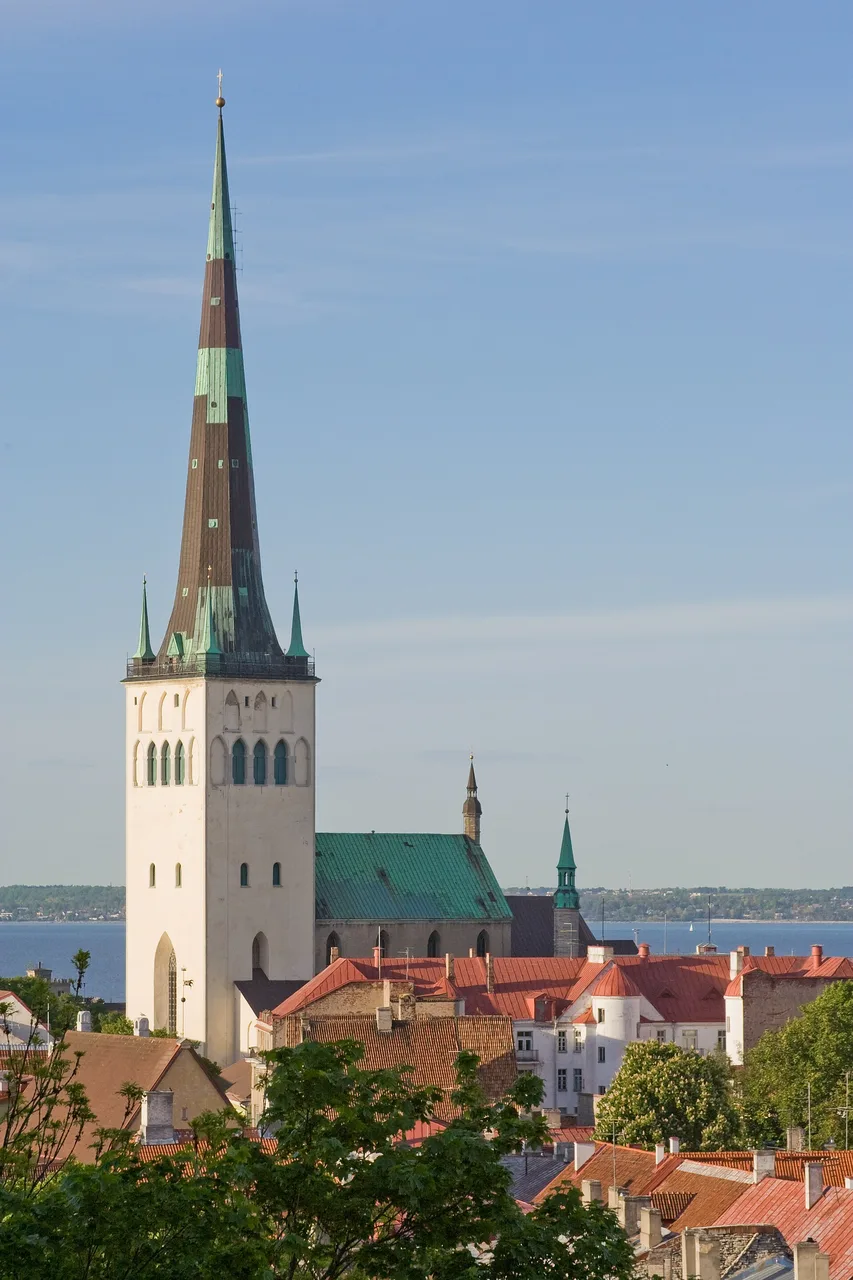
St. Olav's Church, or Oleviste Church, was indeed once a contender for the world's tallest building, reaching a height of 159 meters in the 16th century. Its towering spire served as a prominent landmark for ships approaching Tallinn from the sea. Unfortunately, it has been struck by lightning numerous times throughout its history, leading to several reconstructions and a slightly reduced current height.
Photo: Olga Itenberg, Wikimedia Commons, CC BY 2.0.
Tap the right answer
Lake Ülemiste is the largest lake near Tallinn and serves as the city's primary source of drinking water. Despite its crucial role, local legends tell of a mythical "Ülemiste Elder" who lives in the lake and will flood the city if asked if Tallinn is finished. This tale encourages continuous development and improvement in the city.
Photo: Hannu, Wikimedia Commons, Public domain.

Tap the right answer
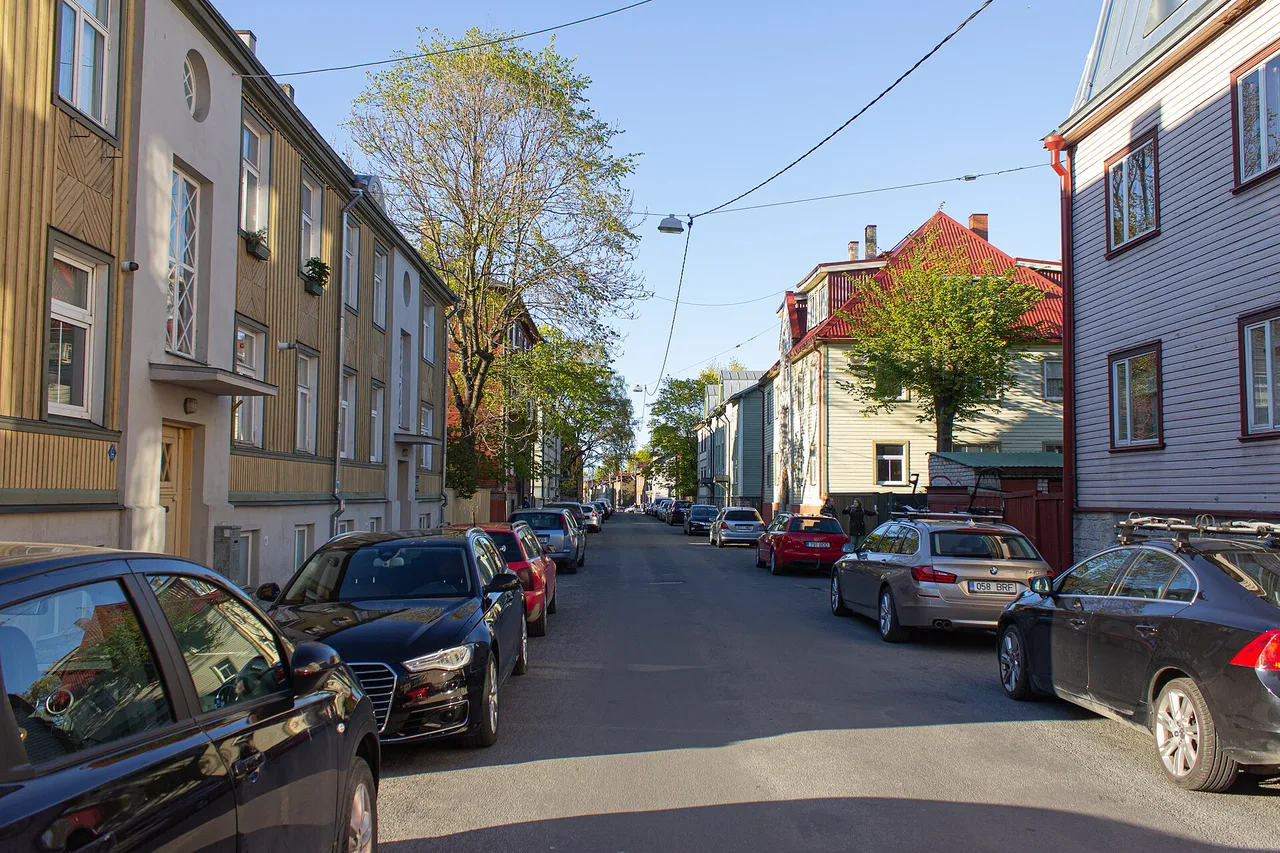
Kalamaja, meaning "Fish House" in Estonian, was historically a fishing village and later a working-class district. It's famous for its unique wooden apartment buildings, often painted in vibrant colors, which were originally built for factory workers. Today, it has transformed into a trendy bohemian neighborhood, popular for its cafes, art galleries, and relaxed atmosphere, while still retaining its distinctive architectural heritage.
Photo: Teet Koitjärv, Wikimedia Commons, CC BY-SA 4.0.
Tap the right answer
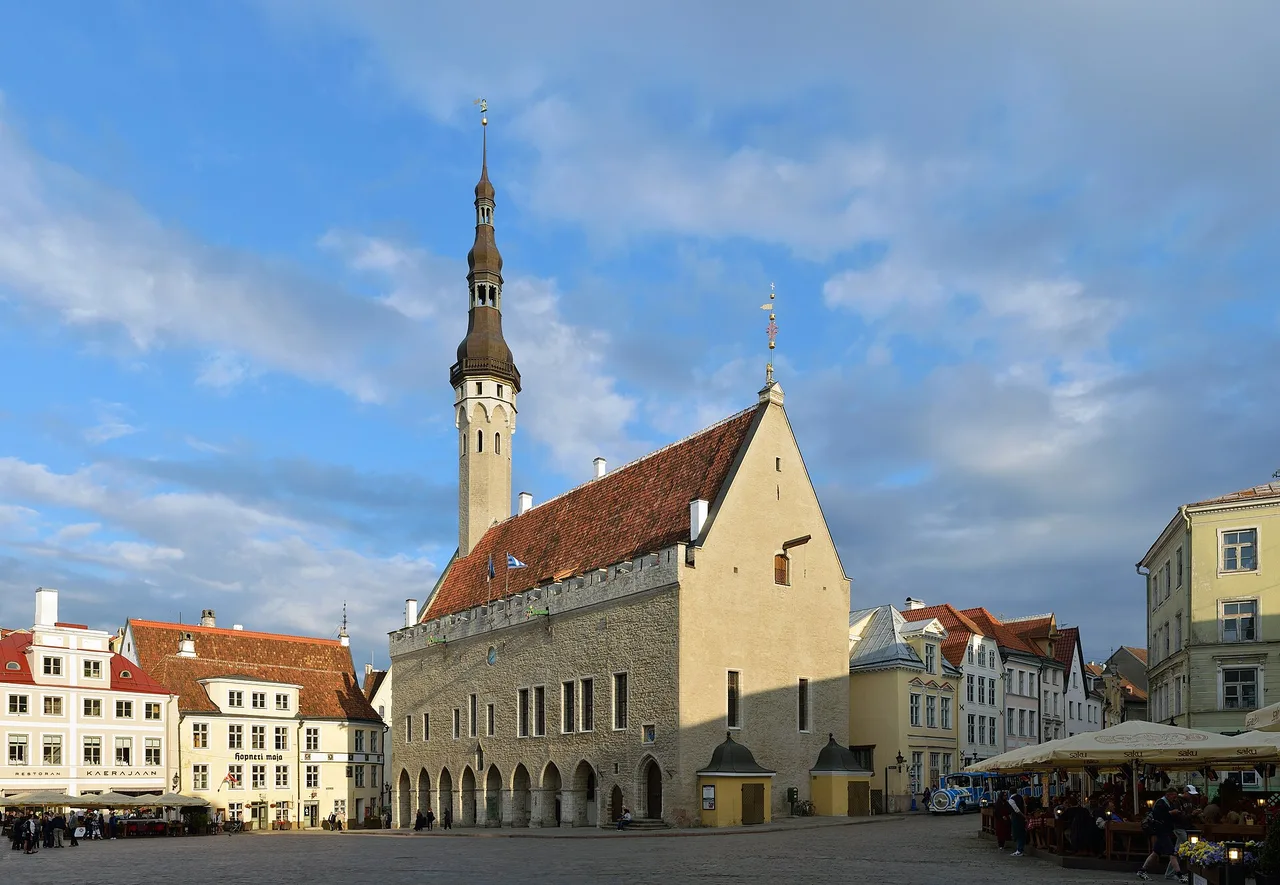
The Tallinn Town Hall stands proudly as the only completely preserved Gothic town hall in the entire Northern Europe. Completed in 1404, it has served as the city's administrative and judicial center for over 600 years. Its spire is topped by the iconic Old Thomas weathervane, a beloved symbol of Tallinn, watching over the city for centuries.
Photo: Ivar Leidus, Wikimedia Commons, CC BY-SA 3.0 ee.
Tap the right answer
Kadriorg Palace was commissioned by Peter the Great of Russia for his wife Catherine I shortly after the Great Northern War. Designed by Italian architect Niccolò Michetti, it is a stunning example of Baroque architecture. Today, the palace houses the Kadriorg Art Museum, displaying foreign art from the 16th to 20th centuries, and is surrounded by a beautiful formal garden.
Photo: A.Savin, Wikimedia Commons, FAL.
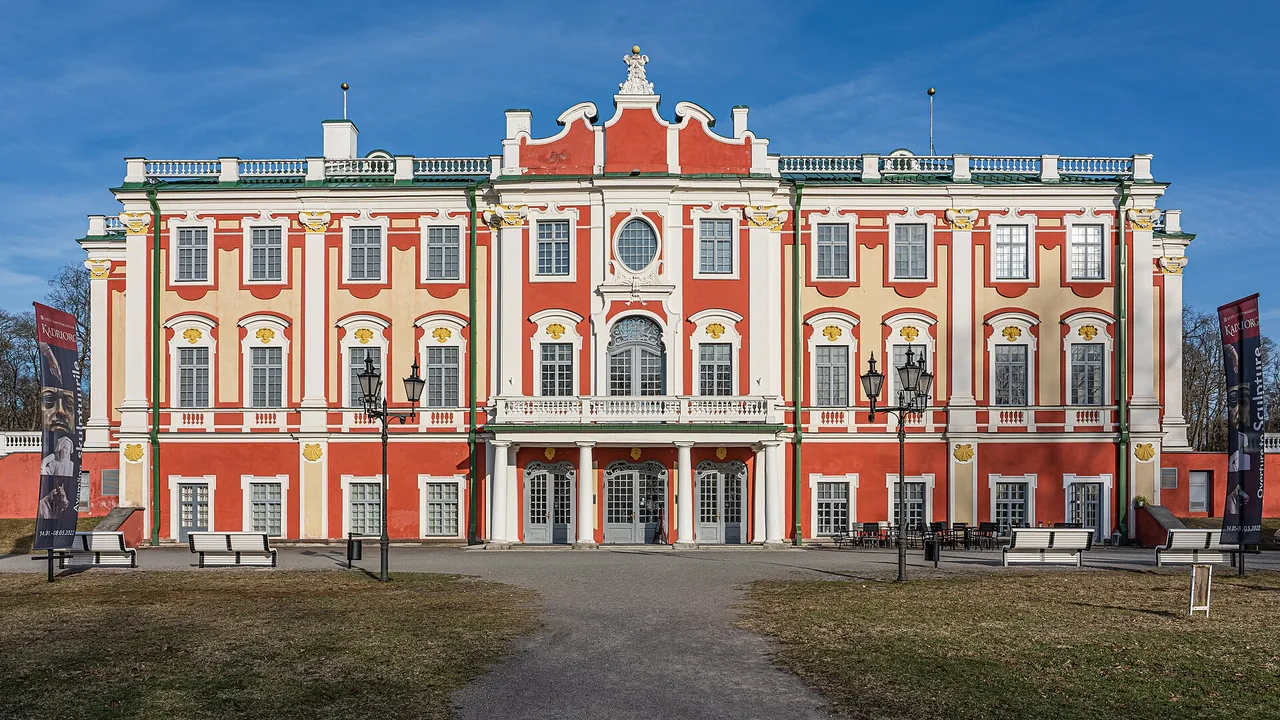
Tap the right answer
The name "Kiek in de Kök" is Low German and literally translates to "Peek into the Kitchen." This medieval cannon tower earned its peculiar name because its high vantage point allowed guards to literally see into the kitchens of the houses below the city walls. Today, it's a museum offering insights into Tallinn's defense history and panoramic views.
Photo: Diego Delso, Wikimedia Commons, CC BY-SA 3.0.
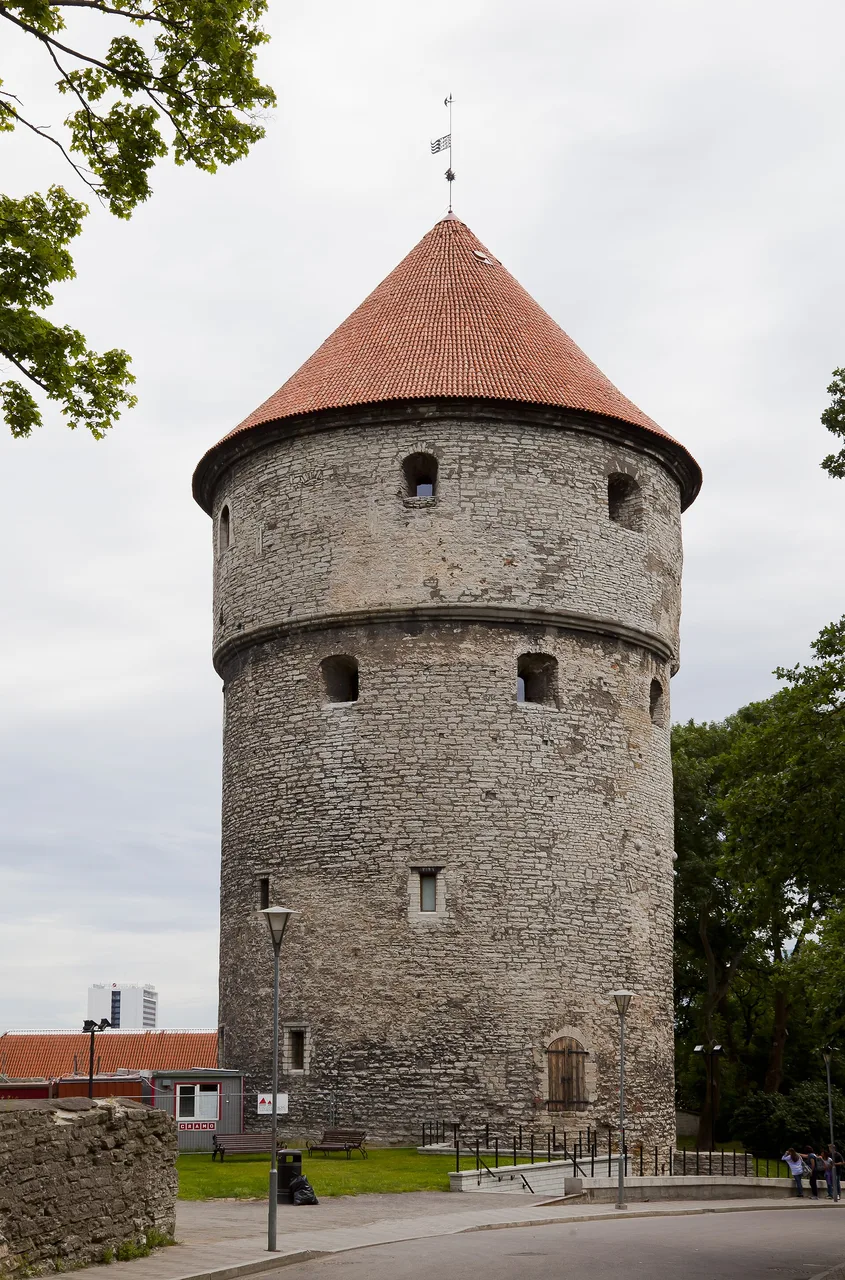
Tap the right answer
Vana Tallinn is a famous dark brown, rum-based herbal liqueur, an iconic Estonian product. It's known for its sweet, spicy flavor profile, often featuring notes of citrus, vanilla, and various herbs. It can be enjoyed neat, on the rocks, or as an ingredient in cocktails, and its distinctive bottle design is instantly recognizable.
Photo: User:Simm, Wikimedia Commons, CC BY-SA 2.5.
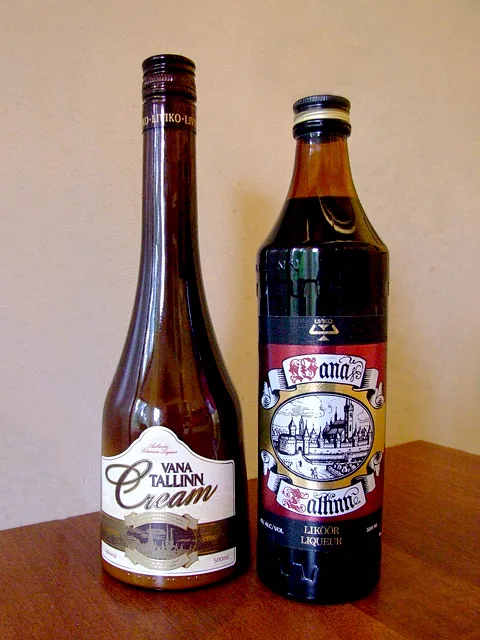
Tap the right answer
The Viru Gate, with its two picturesque, conical-roofed towers, is one of the most recognizable and photographed entrances to Tallinn's Old Town. While originally part of a larger system of gates and towers, much of the surrounding medieval wall was demolished in the 19th century to make way for traffic. The remaining towers serve as a charming gateway and a reminder of the city's fortified past.
Tap the right answer
The Estonian Open Air Museum, located in Rocca al Mare just outside central Tallinn, offers a fascinating journey through centuries of Estonian rural life. It features nearly 80 authentic farmhouses, mills, chapels, and other buildings relocated from different regions of Estonia. Visitors can explore traditional village settings, learn about historical crafts, and experience the cultural heritage of the country.


Want to make a quiz like this yourself? Do it on Votur, it's free.
Paste the code into your page. The player fits itself in, and every vote counts in Votur.
On WordPress, Ghost or Squarespace? Just paste the link of this page into your post.
This is how it looks
Also fun
How well do you know Madrid? · 10 →How well do you know Spain? · 10 →How well do you know Rome? · 10 →How well do you know Italy? · 10 →How well do you know Bern? · 10 →How well do you know Switzerland? · 10 →How well do you know Vienna? · 10 →How well do you know Austria? · 10 →How well do you know Berlin? · 10 →How well do you know London? · 10 →How well do you know the United Kingdom? · 10 →How well do you know Paris? · 10 →How well do you know France? · 10 →How well do you know Brussels? · 10 →How well do you know Amsterdam? · 10 →How well do you know the Netherlands? · 10 →How well do you know Copenhagen? · 10 →How well do you know Denmark? · 10 →How well do you know Athens? · 10 →How well do you know Greece? · 10 →How well do you know Lisbon? · 10 →How well do you know Portugal? · 10 →How well do you know Estonia? · 10 →Belgium · 8 →Universe · 10 →Which Greek hero are you? · 8 →Gulpen · 5 →How well do you know Dutch weather? · 10 →How well do you know Germany? · 10 →Who owns the Netherlands? · 10 →The little church village of Klimmen · 10 →Do you know Neutral Moresnet? · 10 →