Get app
Eight friendly questions about the essentials of Estonia, from everyday life to its wild nature. No expert knowledge needed: everyone can join in, young and old.
Happy first-timer 0–3 · Pine-forest explorer 4–6 · Estonia's new friend 7–8
Pick one

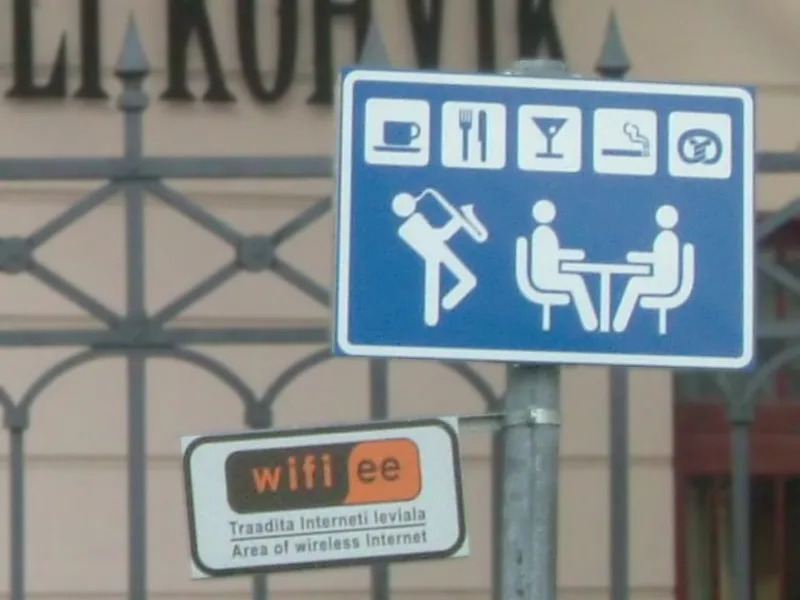
Almost all of Estonia's public services can be used online, day and night, with a digital ID card. The country started early: by 1997, almost every school was already connected to the internet, and since 2014 people anywhere in the world can even become an Estonian 'e-resident'.
Photo: A. Fiedler, Wikimedia Commons, CC BY-SA 2.5.
Pick one
Most of the stone wall built around Tallinn in the Middle Ages still stands, together with many of its towers, and the old town has been a UNESCO World Heritage Site since 1997. One tower has the funny nickname Kiek in de Kök, old Low German for 'peek into the kitchen', because the guards inside could look down into people's kitchens.
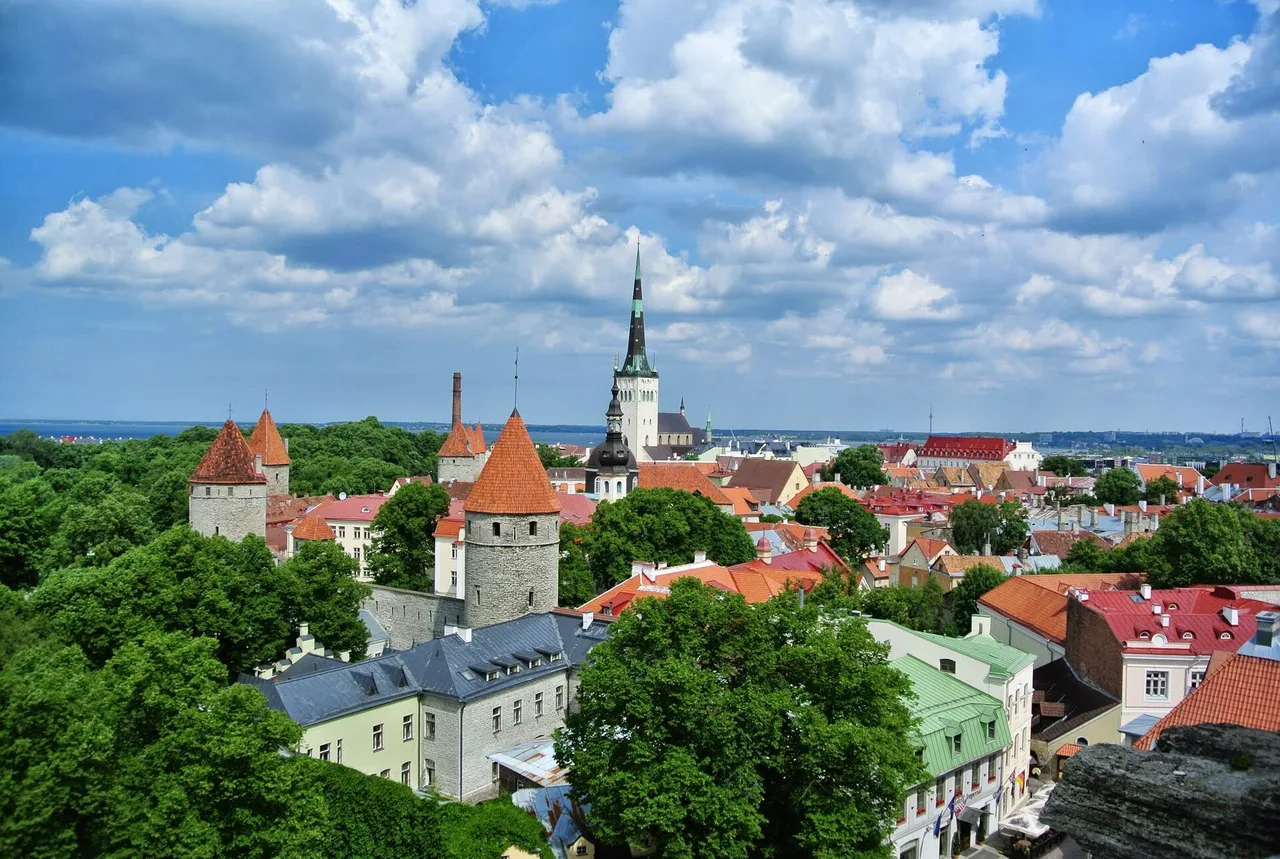
Photo: Ben Bender, Wikimedia Commons, CC BY-SA 3.0.
Pick one
Estonians call their flag sinimustvalge, which simply means 'blue-black-white'. It began as the flag of a students' society, which had the first one made in 1884, and a popular old poem says the blue stands for the sky above Estonia and the black for the soil of the homeland.
Pick one
Helsinki, the capital of Finland, lies just to the north, on the other side of the Gulf of Finland. Big passenger ferries sail between the two capitals several times a day, all year round, and the crossing takes only about two to three and a half hours.
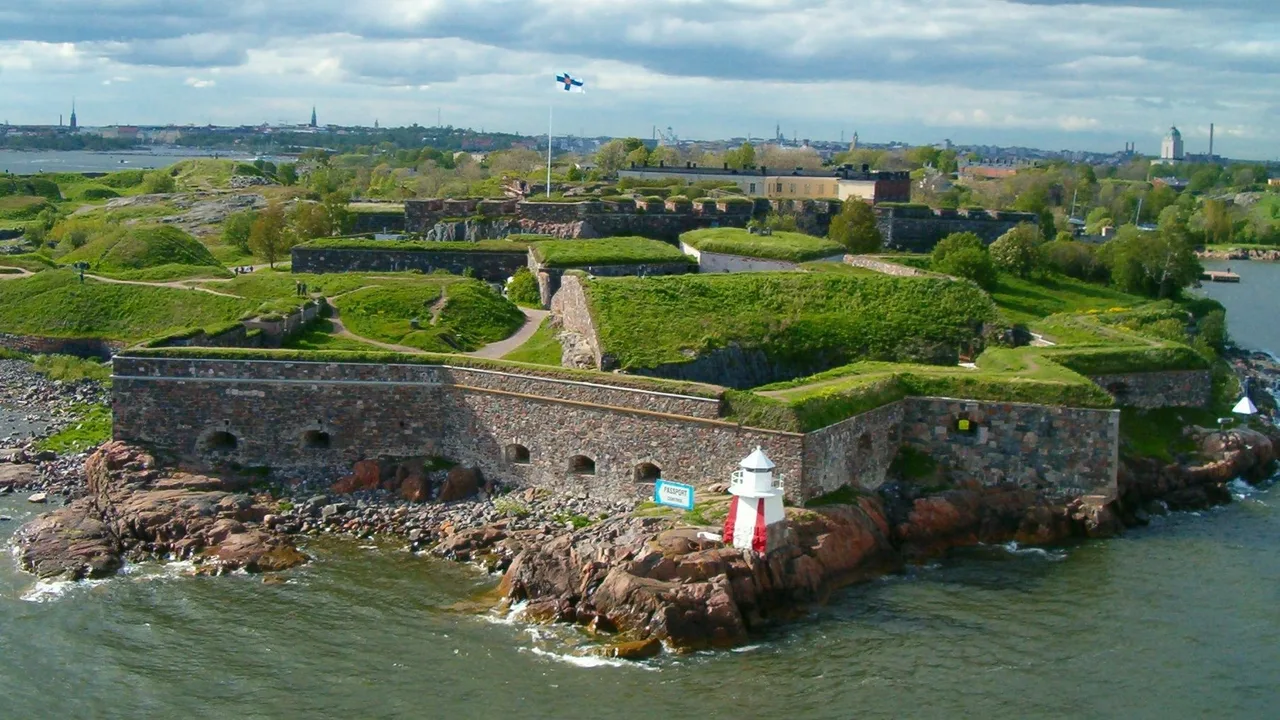
Photo: Michal Pise, Michal.Pise, Wikimedia Commons, CC BY 2.0.
Pick one
When the sea ice is thick enough, Estonia opens official ice roads, and the one to the island of Hiiumaa is about 26 km long. Drivers must keep their seatbelts unfastened so they can get out quickly, and they should avoid driving between 25 and 40 km/h, a speed that can make waves under the ice and crack it.
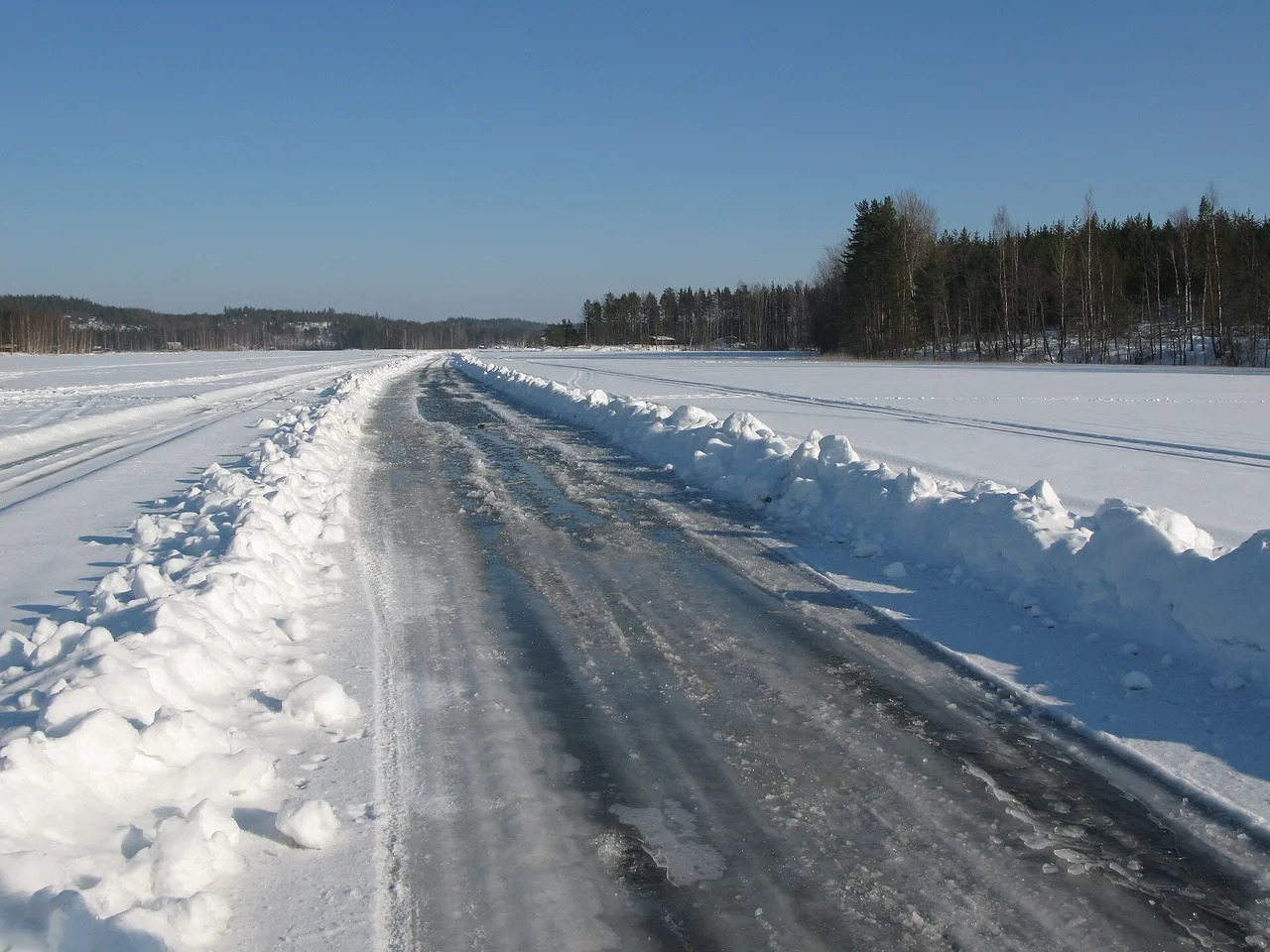
Photo: Becca8383, Wikimedia Commons, CC BY-SA 3.0.
Pick one
Bird lovers chose the barn swallow as Estonia's national bird in the early 1960s, and its twittering can be heard from almost every barn and roof in the country. Each autumn it flies thousands of kilometres to Africa, and many swallows come back year after year to nest in the very same spot.
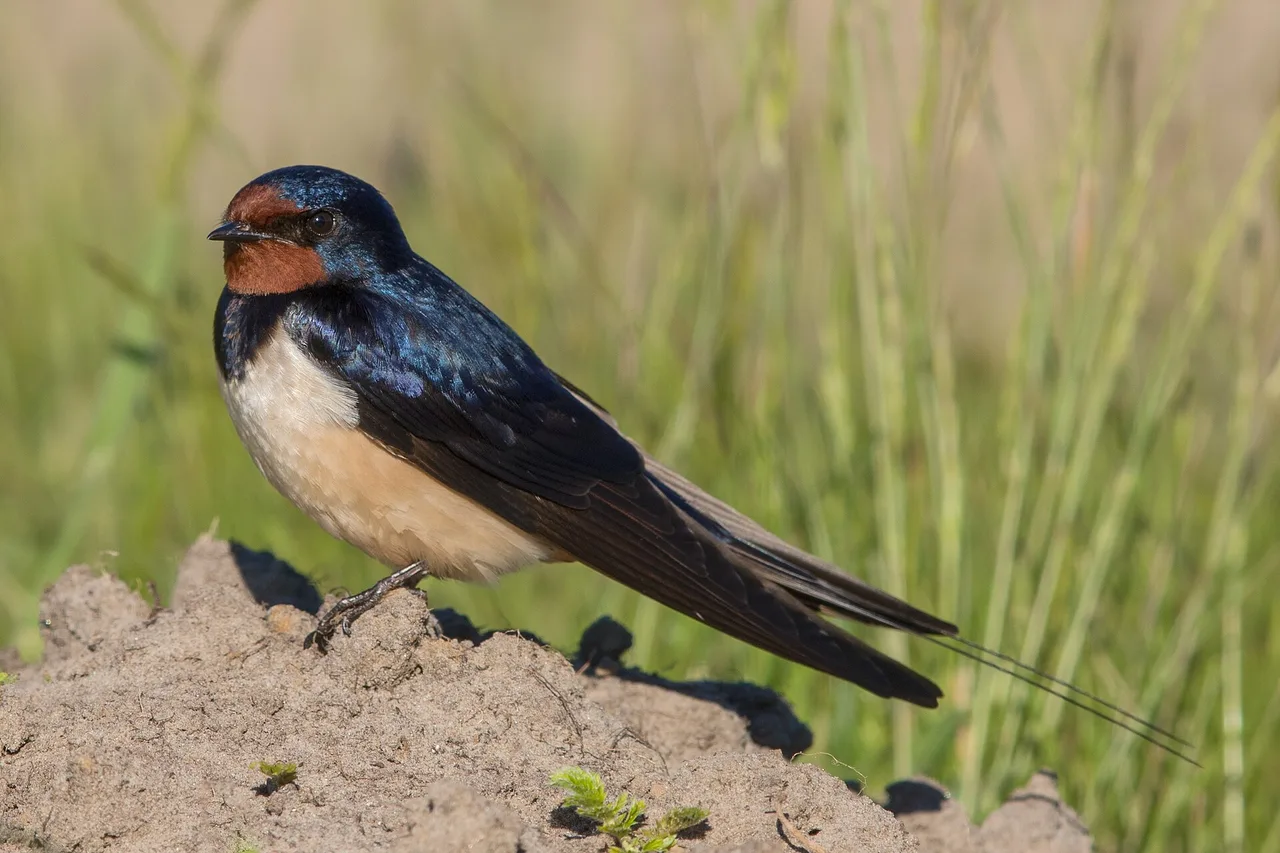
Photo: Andreas Trepte, Wikimedia Commons, CC BY-SA 2.5.
Pick one
Kiik means 'swing' in Estonian, and the sport was invented in 1993 by Ado Kosk. The kiiker's feet are strapped to the swing, and the longer its arms, the harder it is to get over the top: the record is more than 7 metres!
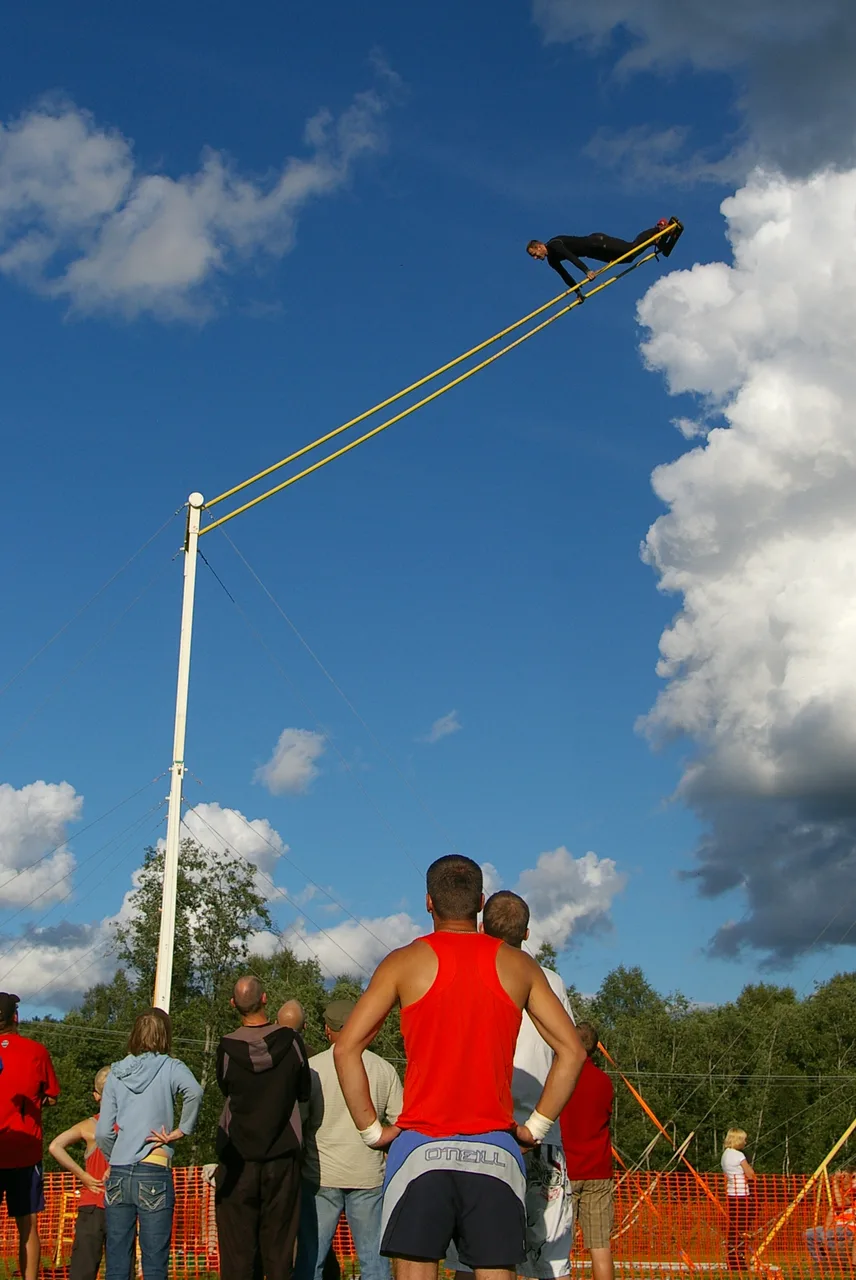
Photo: Eesti Kiikingi Liit, Wikimedia Commons, CC BY-SA 3.0.
Pick one
Soomaa means 'land of bogs', and when the snow melts in late March or April, the water can rise by a metre a day, covering roads, meadows and forests. It is probably the only place in Europe where people kept carving traditional dugout canoes from a single tree trunk into modern times.
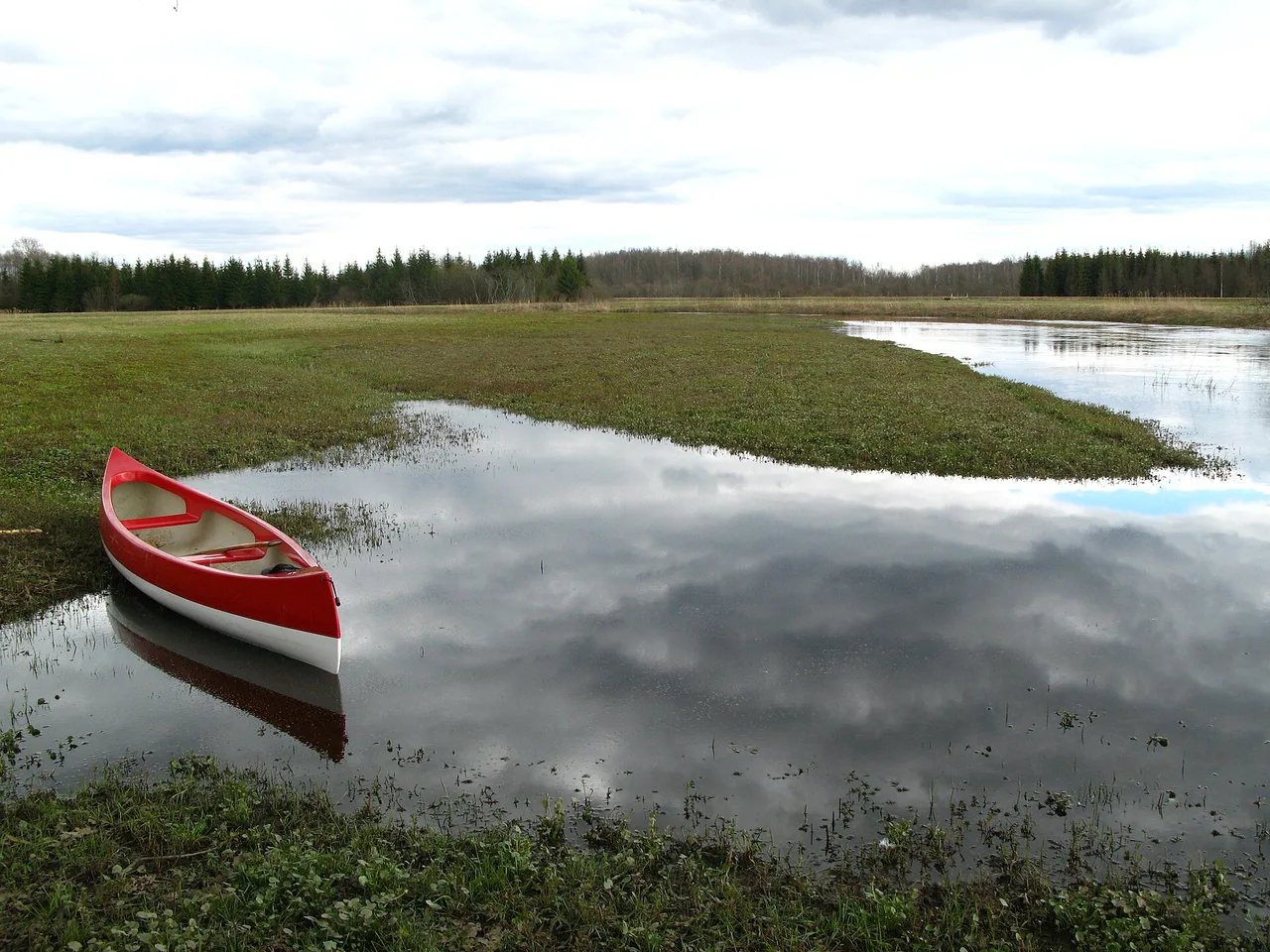
Photo: Joonas Plaan, Wikimedia Commons, CC BY 2.0.


Paste the code into your page. The player fits itself in, and every vote counts in Votur.
On WordPress, Ghost or Squarespace? Just paste the link of this page into your post.
This is how it looks
Also fun