Get app
 Photo: Jakub Hałun, Wikimedia Commons, CC BY-SA 4.0.
Test your knowledge of Hungary, a country rich in history, culture, and natural beauty. From its vibrant capital to its unique traditions, how much do you truly know?
Hungarian Novice 0–4 · Magyar Explorer 5–8 · Honorary Hungarian 9–10
Pick one

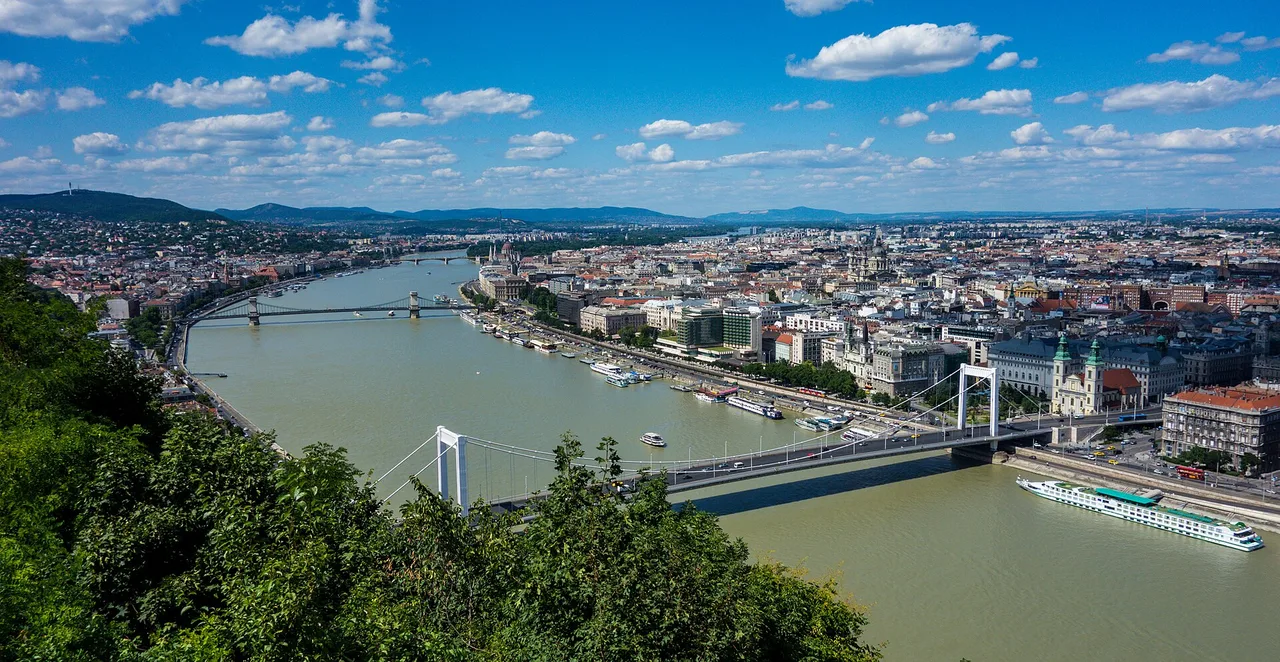
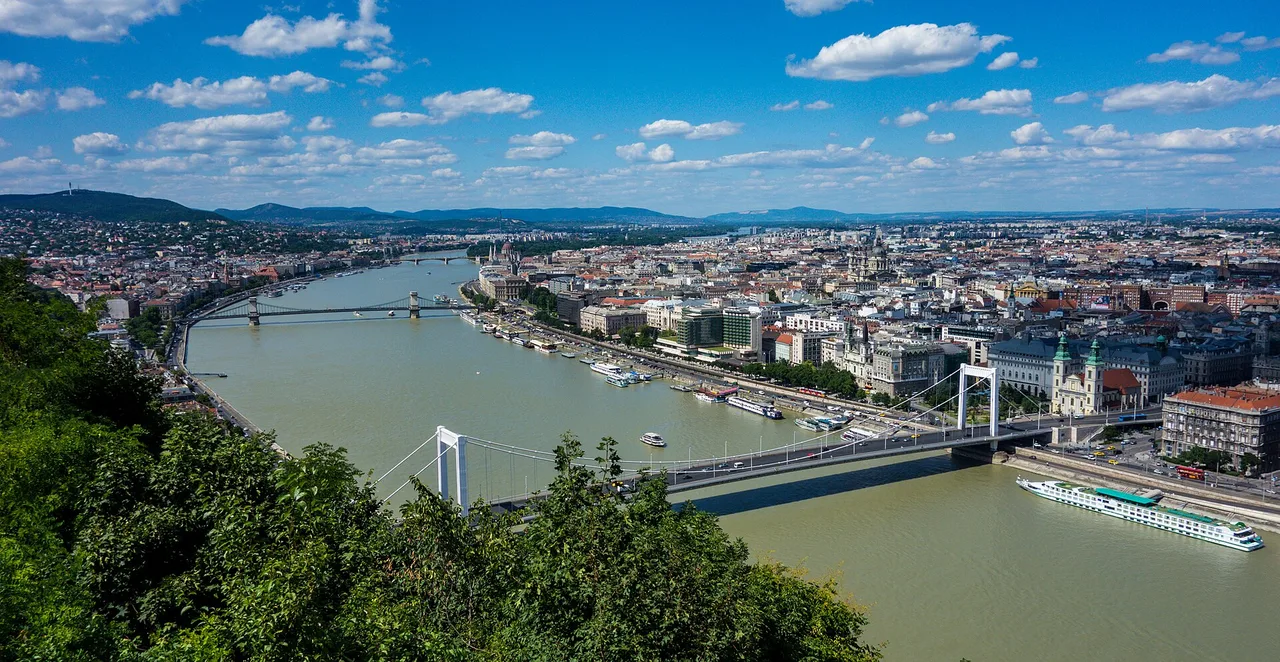
Budapest was born in 1873, when three towns joined together: Buda and Óbuda on the hilly west bank of the Danube, and Pest on the flat east bank. Their names were simply stuck together. The iconic Chain Bridge, opened in 1849, had already linked the two sides years before.
Photo: Visions of Domino, Wikimedia Commons, CC BY 2.0.
Pick one
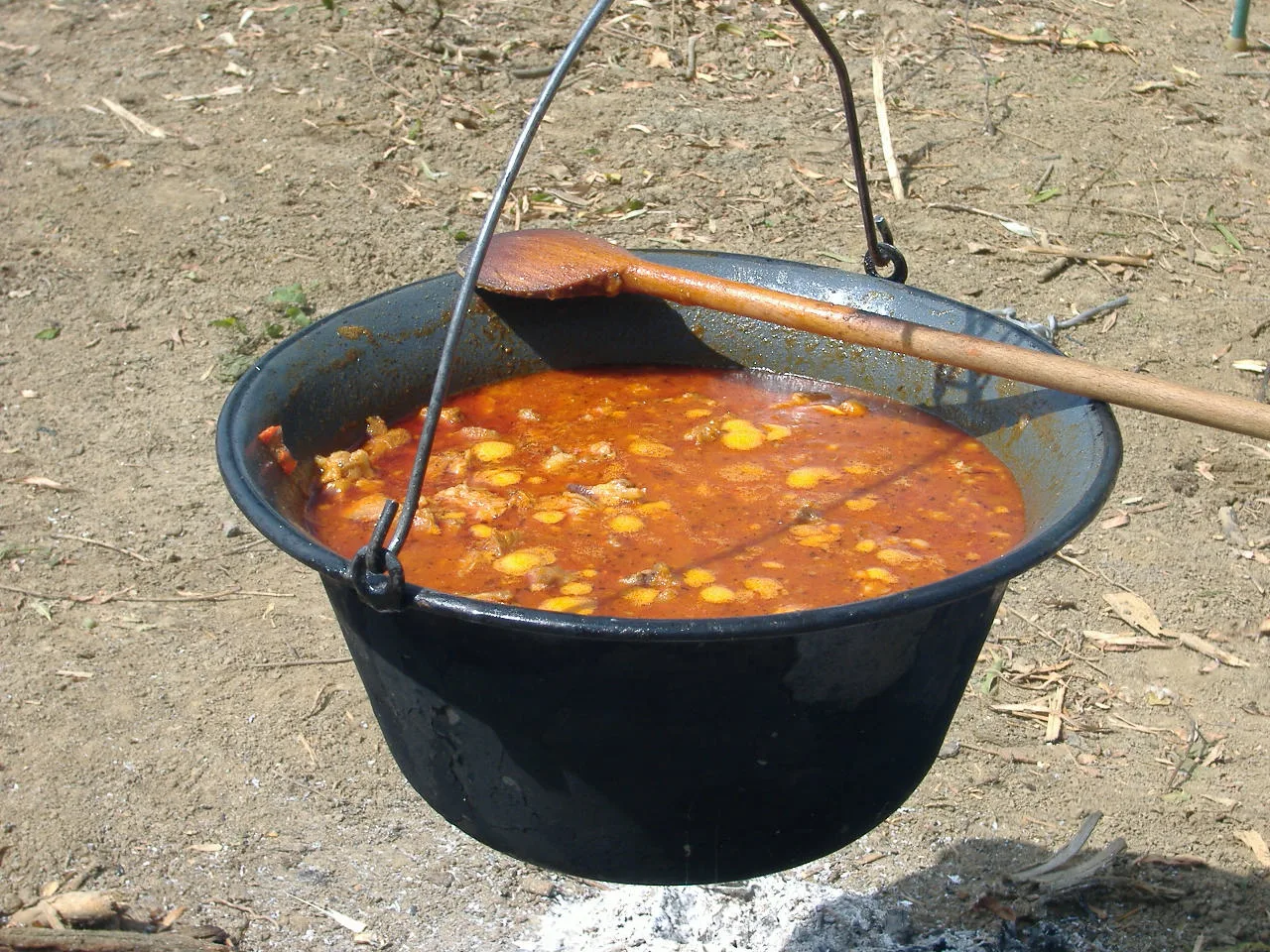
Authentic Hungarian Goulash is a hearty soup or stew primarily made with beef, often from the shin or shoulder, slow-cooked with onions, paprika, and other spices. While pork is common in Hungarian cuisine, goulash specifically refers to the beef dish, which originated with Hungarian herdsmen. It is often served with small egg noodles called csipetke.
Photo: Lily15, Wikimedia Commons, CC BY-SA 3.0.
Pick one
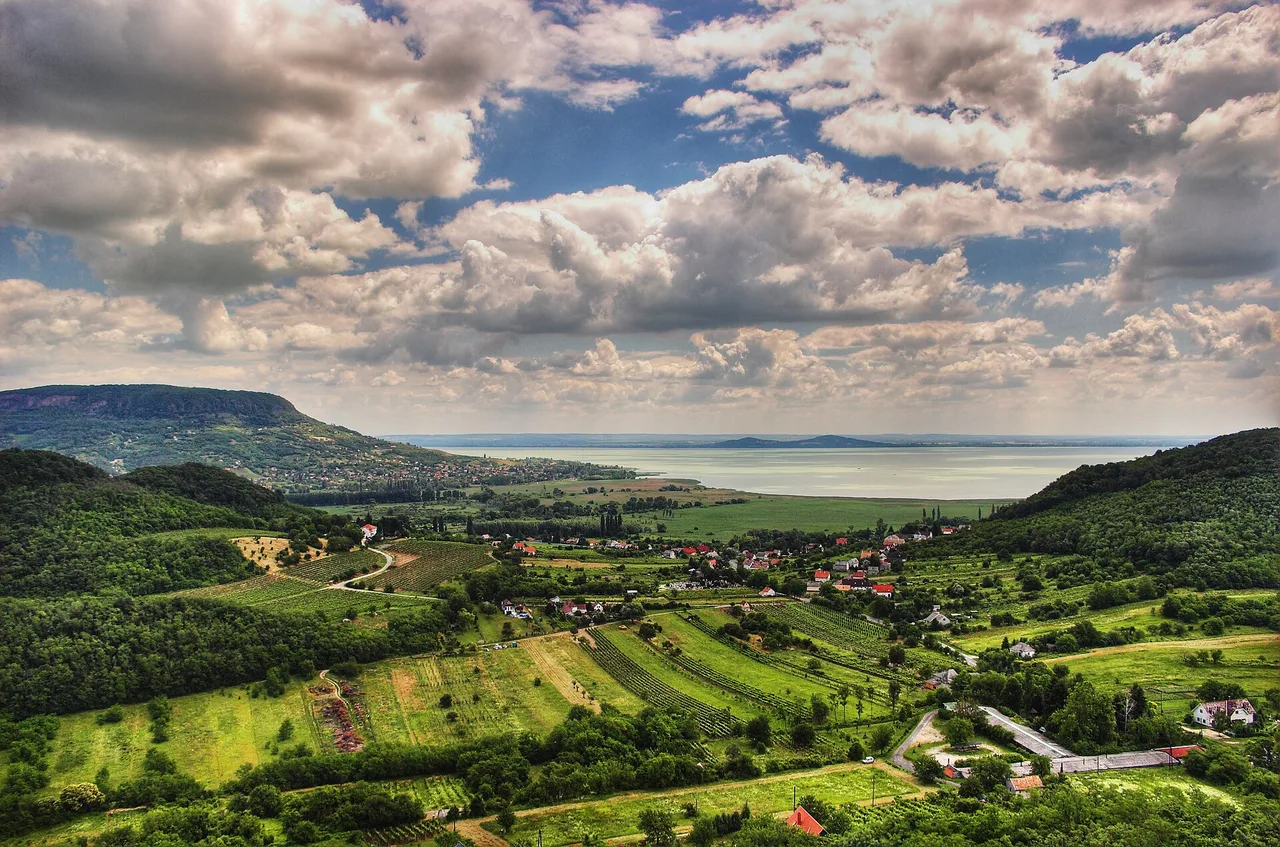
Lake Balaton, often called the "Hungarian Sea," is the largest lake in Central Europe and a major tourist attraction, especially during summer. Its shallow, warm waters are perfect for swimming and sailing, and its shores are dotted with resorts. Lake Neusiedl is also a significant lake in the region, shared between Austria and Hungary, but Balaton is considerably larger.
Photo: txd, Wikimedia Commons, CC BY 2.0.
Pick one
Franz Liszt, a towering figure of the Romantic era, was a brilliant pianist and composer known for his technical prowess and emotional depth. His nineteen "Hungarian Rhapsodies" are among his most celebrated pieces, incorporating traditional Hungarian folk melodies. Béla Bartók was another influential Hungarian composer, but from a later period, known for his ethnomusicological work.
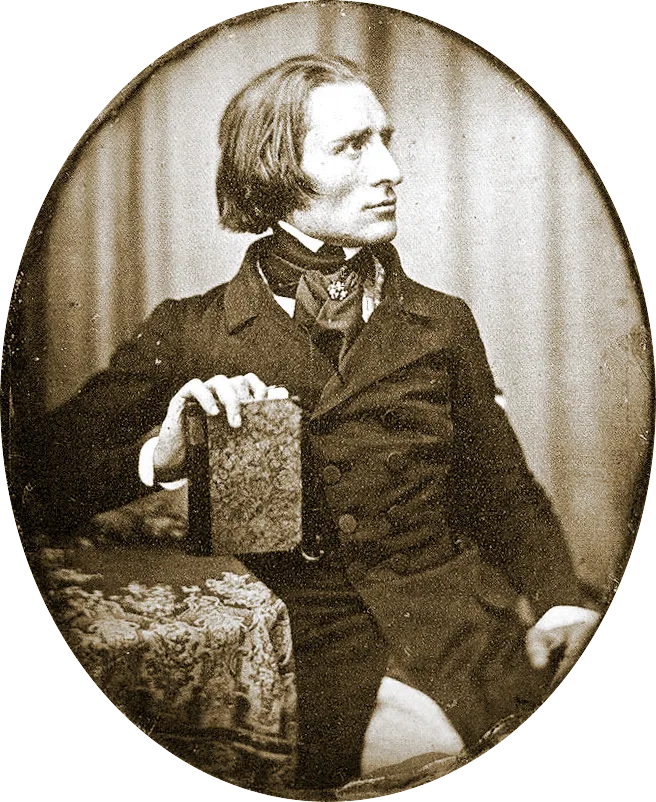
Photo: Herman Biow, Wikimedia Commons, Public domain.
Pick one
The Hungarian Parliament Building, an impressive Gothic Revival structure on the bank of the Danube, is one of Budapest's most iconic sights. It serves as the seat of the National Assembly and is where the revered Holy Crown of Hungary (Crown Jewels) is kept on public display. Buda Castle was historically a royal palace and is also a significant landmark.
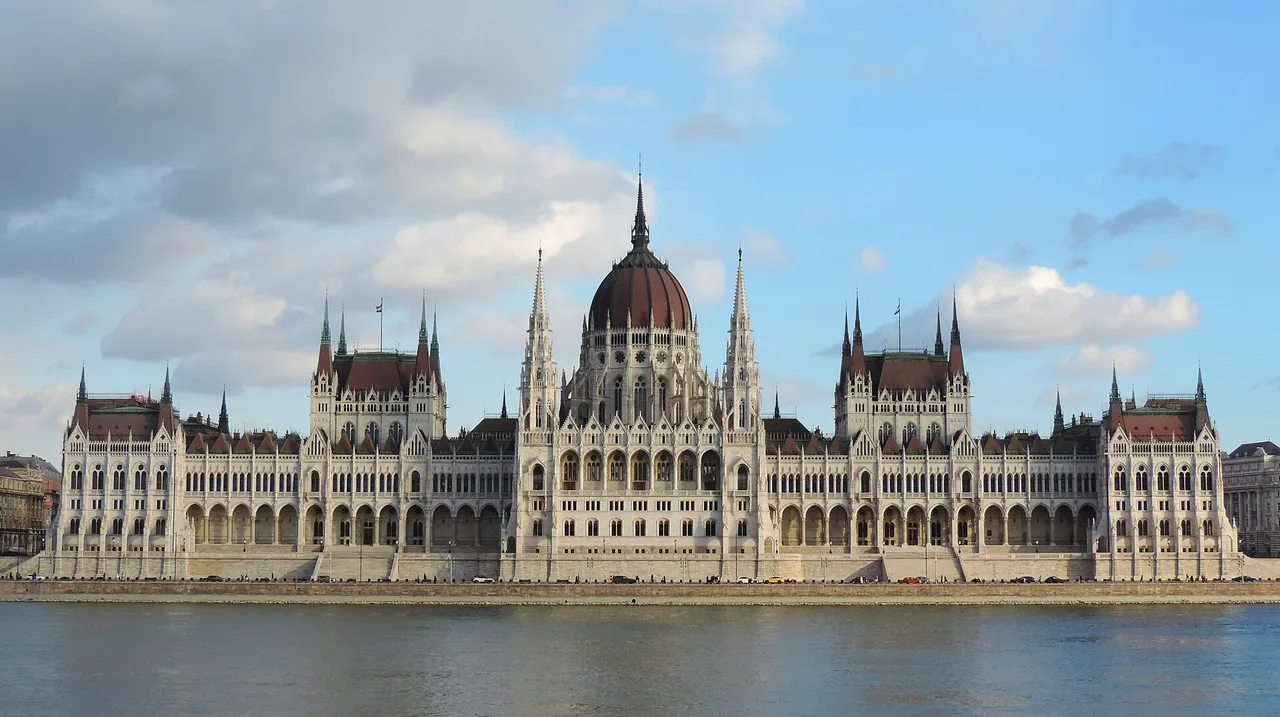
Photo: Kilyann Le Hen, Wikimedia Commons, CC BY 4.0.
Pick one
The Széchenyi Thermal Bath opened in 1913 in Budapest's City Park and is often called the largest medicinal bath in Europe. Its yellow palace holds 18 pools, fed by hot springs that bubble up at more than 70 °C. Locals even play chess while soaking in the warm outdoor pools, all year round.
Pick one
Stephen I, originally named Vajk, was crowned on Christmas Day in 1000 AD, marking the foundation of the Kingdom of Hungary. He is revered as a national saint for his role in Christianizing the country and establishing the Hungarian state. Matthias Corvinus was a significant king much later, in the 15th century, known for his patronage of arts and sciences.
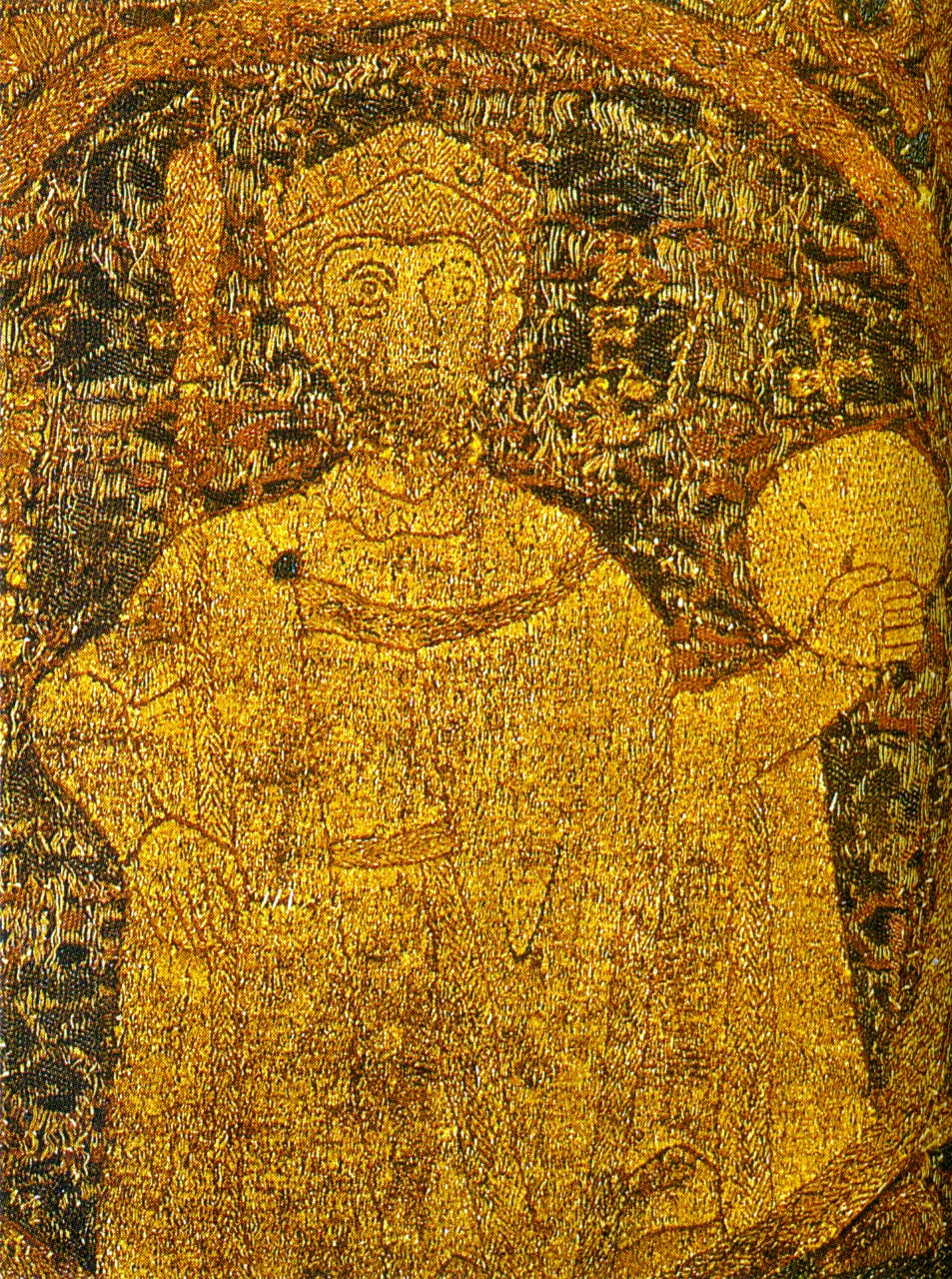
Photo: Wikimedia Commons, Public domain.
Pick one
László Bíró revolutionized writing with his invention of the modern ballpoint pen in the 1930s. He noticed that the ink used in newspaper printing dried quickly and tried to adapt it for pens, leading to the design we use today. Ernő Rubik is famous for inventing the Rubik's Cube, another globally recognized Hungarian invention.
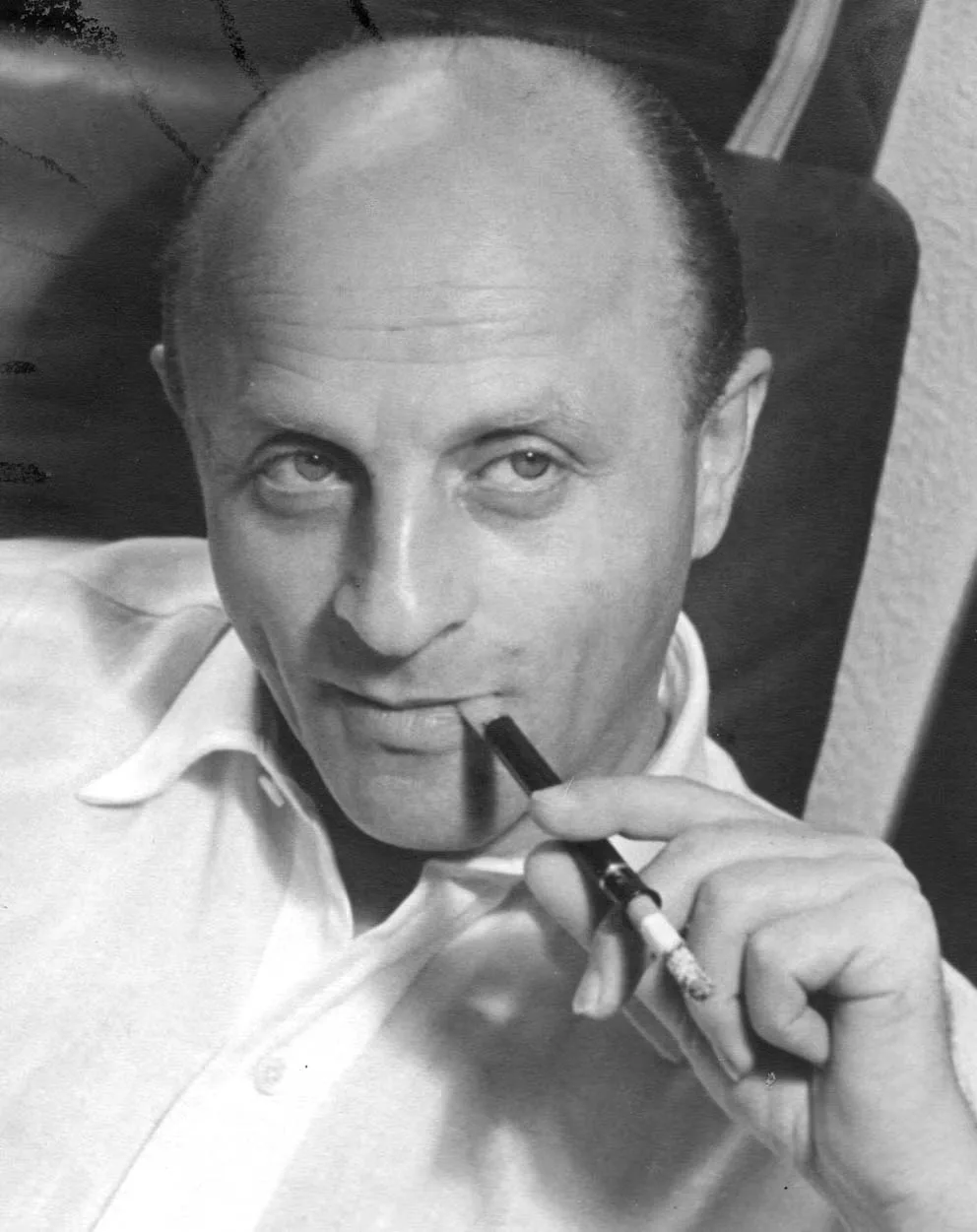
Photo: Wikimedia Commons, Public domain.
Pick one
The Aggtelek Karst in Hungary, together with the Slovak Karst, forms a spectacular UNESCO World Heritage site known for its exceptional system of caves. These limestone caves boast diverse formations and provide vital evidence of geological history. The Baradla Cave, stretching over 25 kilometers, is the most famous among them. Hungary is not known for active geysers, but rather for thermal springs.
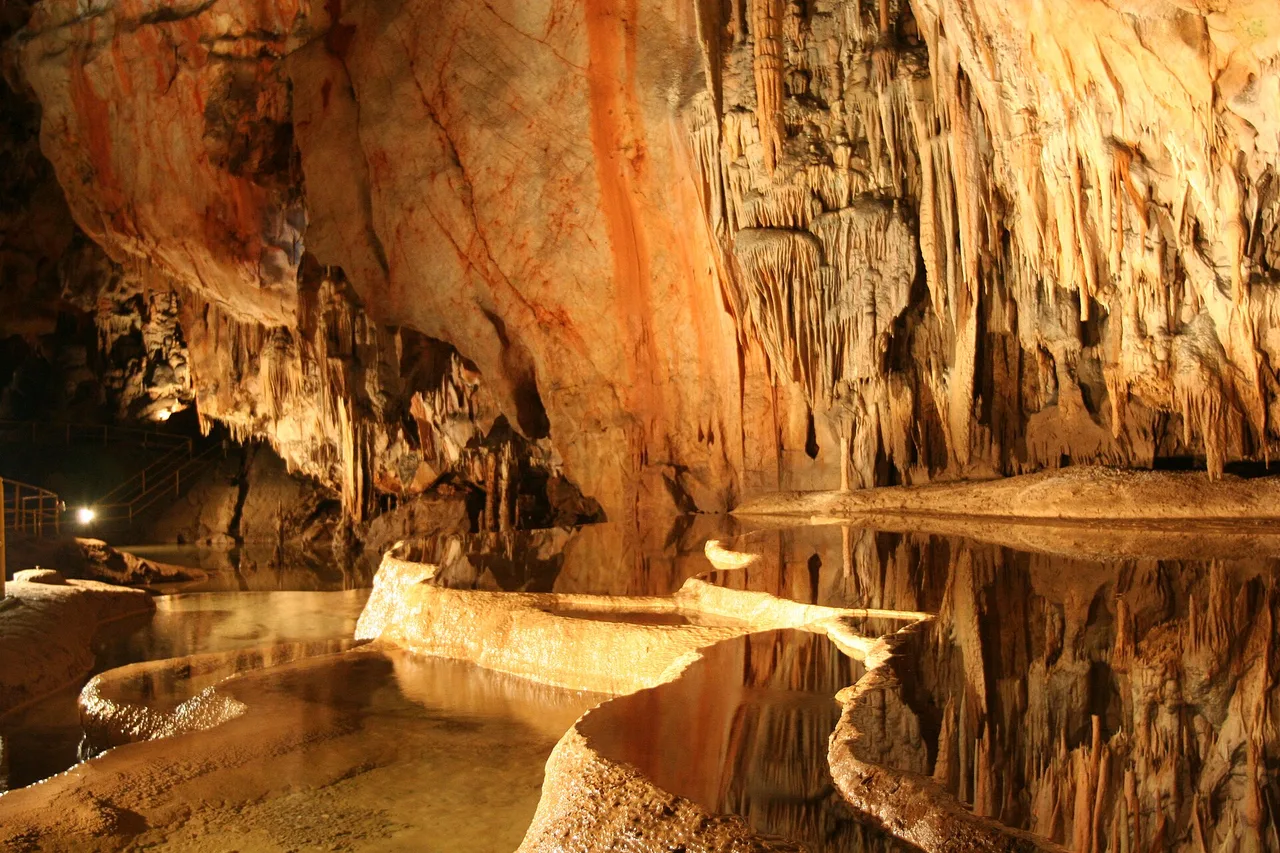
Photo: Jojo, en:Jojo_1, pl:Jojo, Wikimedia Commons, CC BY-SA 3.0.
Pick one
Austria-Hungary was formed in 1867 through a deal called the Compromise: Austria and Hungary each kept their own parliament but shared one ruler from the Habsburg family. It lasted until 1918, at the end of World War I. The Holy Roman Empire had already come to an end in 1806, long before.


Paste the code into your page. The player fits itself in, and every vote counts in Votur.
On WordPress, Ghost or Squarespace? Just paste the link of this page into your post.
This is how it looks
Also fun