Get app
The essentials of Hungary in eight welcoming questions. No expert knowledge needed: everyone can join in and discover something new along the way.
Wide-eyed guest 0–3 · Knows the way 4–6 · Honorary Hungarian 7–8
Pick one

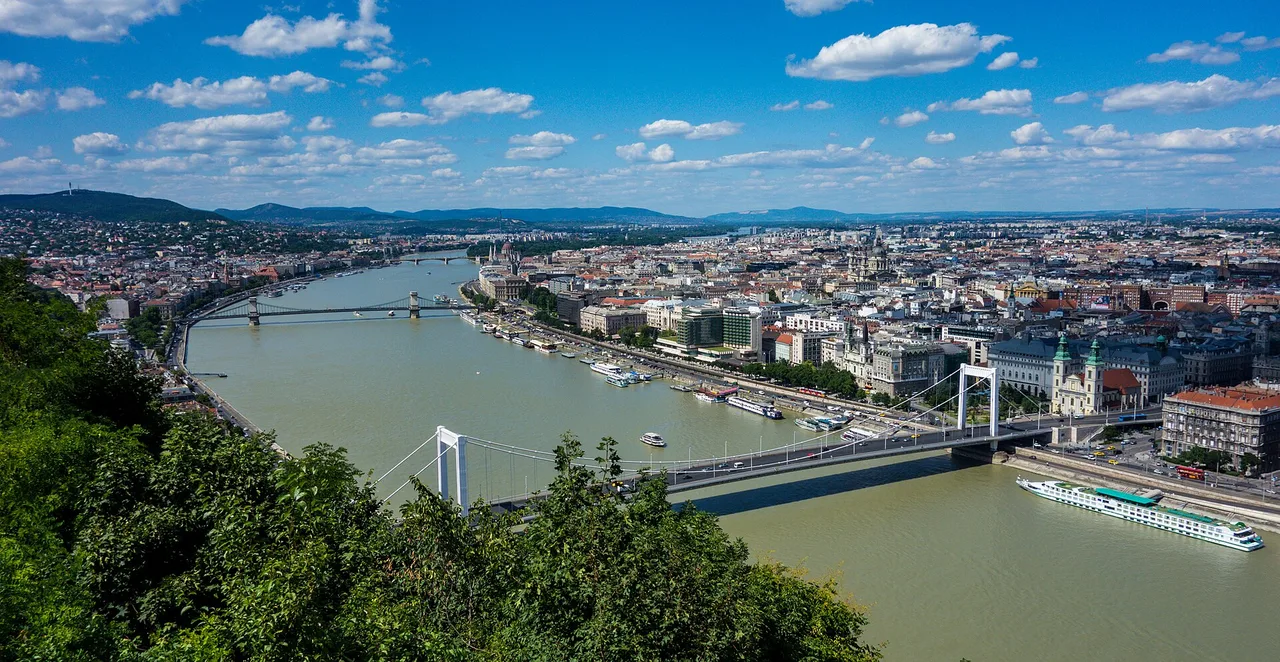
Budapest is by far the biggest city in Hungary, and about one in three Hungarians lives in or around it. Its first metro line opened in 1896 and was the first electric underground railway on the European mainland; only London's is older.
Photo: Visions of Domino, Wikimedia Commons, CC BY 2.0.
Pick one
Hungary's flag has three flat stripes: red on top, then white, then green. A popular old explanation, which has also been the official one since 2012, says that the red stands for strength, the white for faithfulness and the green for hope.
Pick one
The Chain Bridge opened in 1849 as the first permanent bridge across the Danube in Hungary, designed by an English engineer and built by a Scottish one. On its long way to the Black Sea, the Danube also flows through three other capital cities: Vienna, Bratislava and Belgrade.
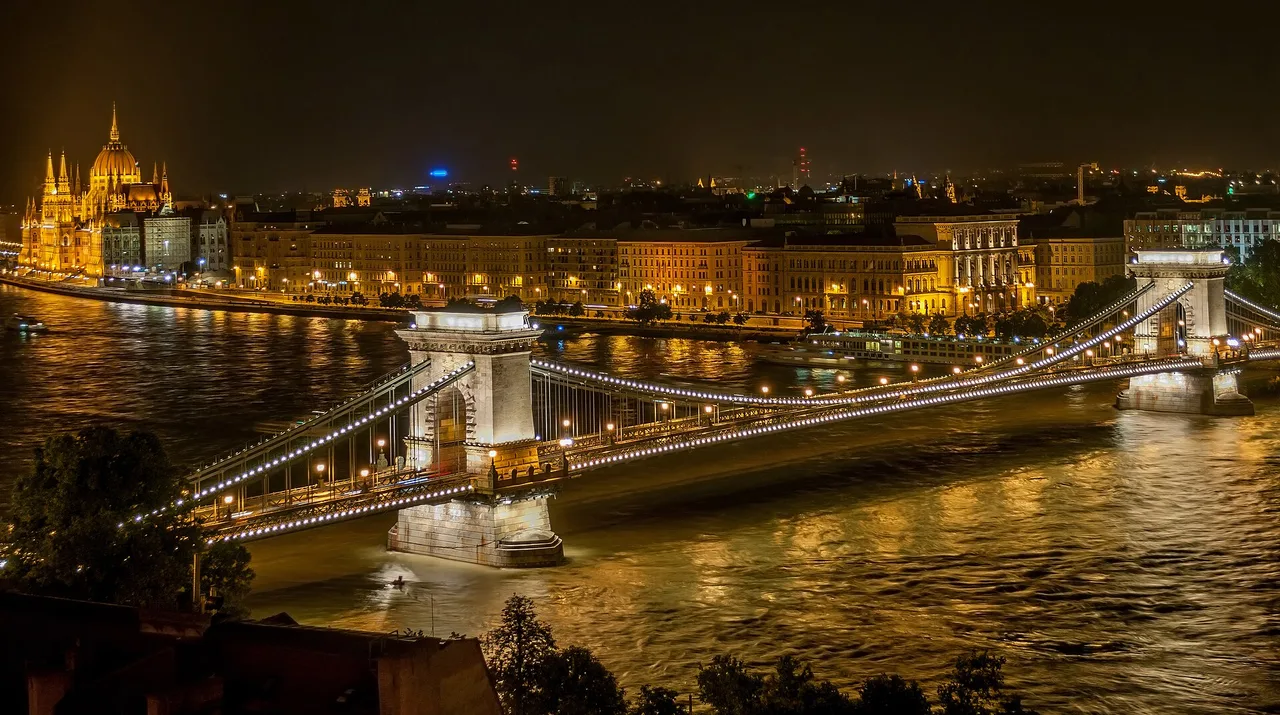
Photo: Wilfredor, Wikimedia Commons, CC0.
Pick one
English even borrowed the word 'paprika' from Hungarian, and in Hungary it gives many dishes their deep red colour. The Hungarian scientist Albert Szent-Györgyi, who won a Nobel Prize in 1937 for his work on vitamin C, used paprika as a source of the vitamin in some of his experiments.
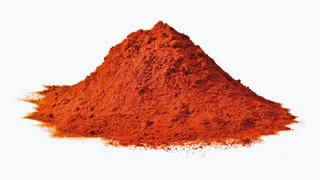
Photo: Marcosgarrido88, Wikimedia Commons, CC BY-SA 3.0.
Pick one
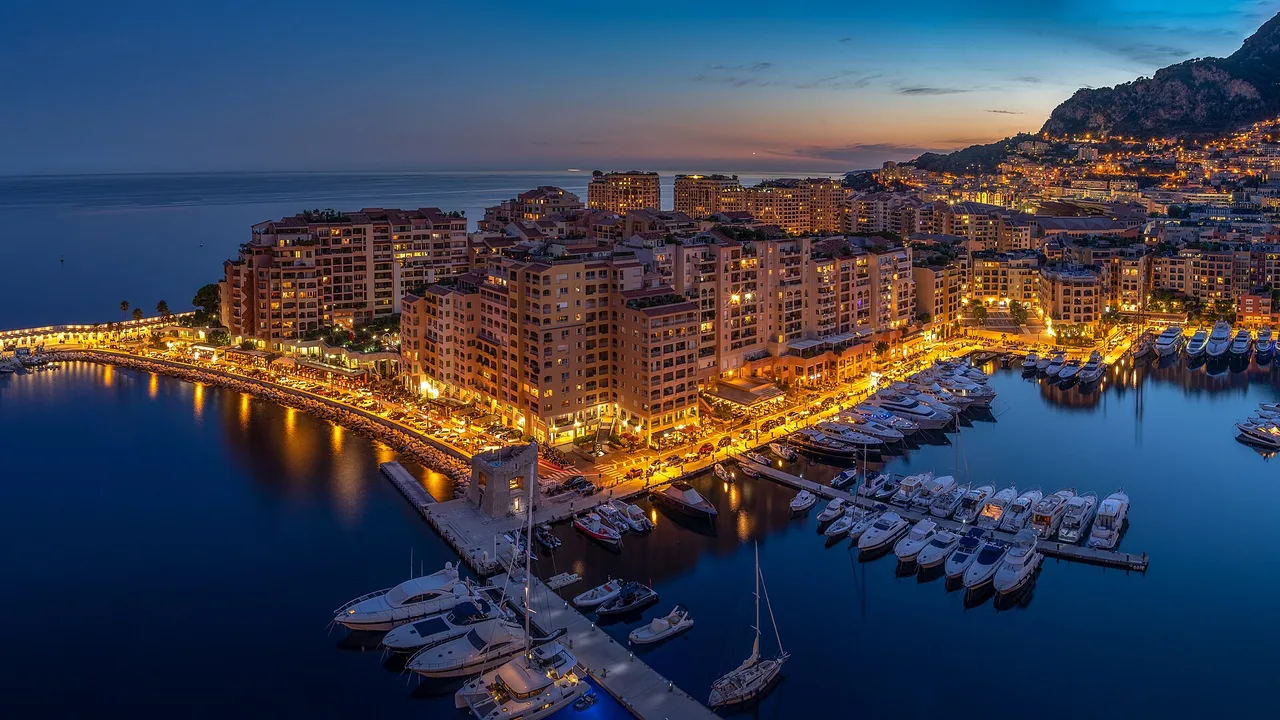
Budapest sits on more than 100 natural hot springs, and the Romans already built baths there almost 2,000 years ago. Some baths built more than 400 years ago, when the city was part of the Ottoman Empire, are still in use, and in 1934 Budapest was officially named a 'City of Spas'. Canals with gondolas belong to Venice, in Italy.
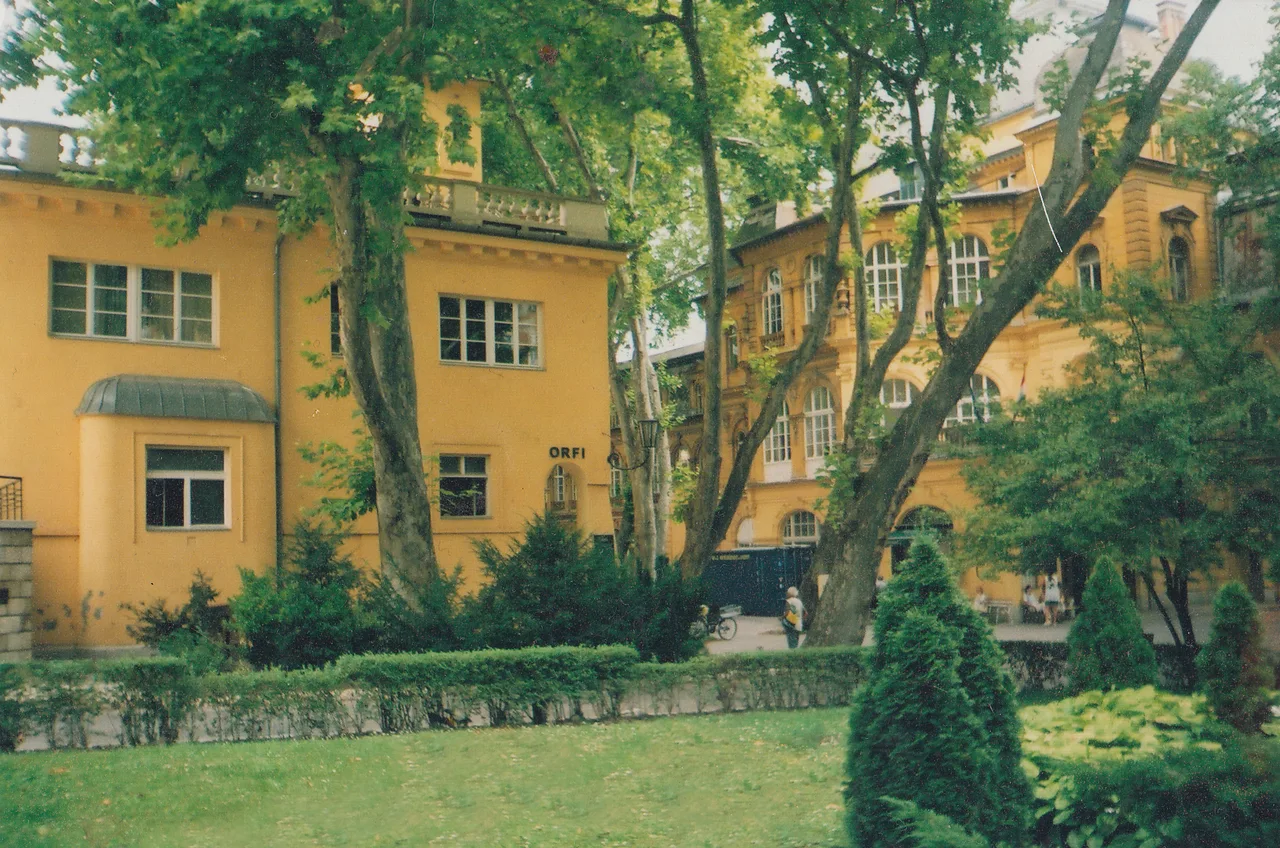
Photo: Christo, Wikimedia Commons, CC BY-SA 4.0.
Pick one
Ferenc Puskás scored 84 goals in 85 matches for Hungary and became Olympic champion in 1952. The prize named after him has been handed out every year since 2009, and football fans help to vote for the winning goal.
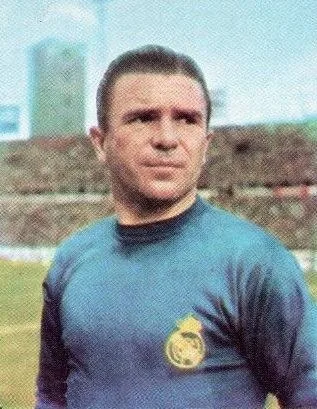
Photo: Panini, Wikimedia Commons, Public domain.
Pick one
The Puli's tight curls form long cords that look a bit like dreadlocks, and most Pulis are black. They probably came to Hungary with the Magyars more than 1,000 years ago, and ever since they have helped shepherds herd sheep on the Hungarian plains.
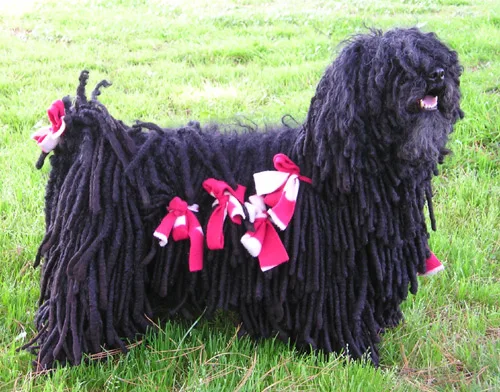
Photo: Original uploader was Elf at en.wikipedia, Wikimedia Commons, CC BY-SA 3.0.
Pick one
Ernő Rubik, who taught design and architecture in Budapest, first called his invention the Magic Cube. Once he had mixed up his own creation, it took him about a month of trial and error to solve it, and it went on to become one of the best-selling toys ever.
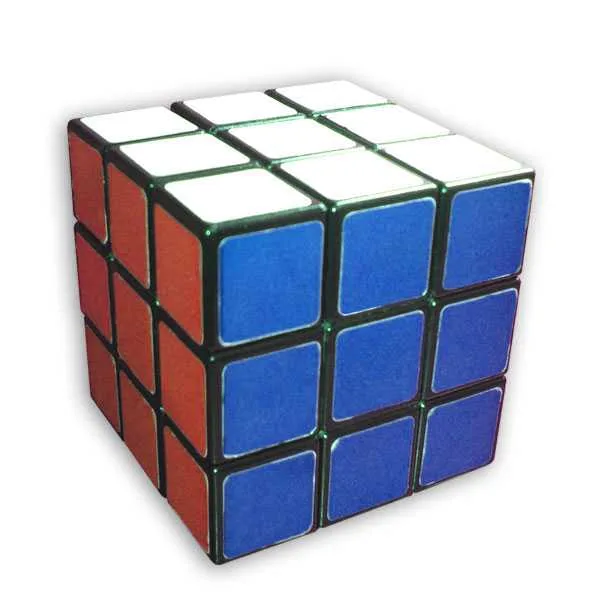
Photo: Mike Gonzalez ( TheCoffee ), Wikimedia Commons, CC BY-SA 3.0.


Paste the code into your page. The player fits itself in, and every vote counts in Votur.
On WordPress, Ghost or Squarespace? Just paste the link of this page into your post.
This is how it looks
Also fun