Get app
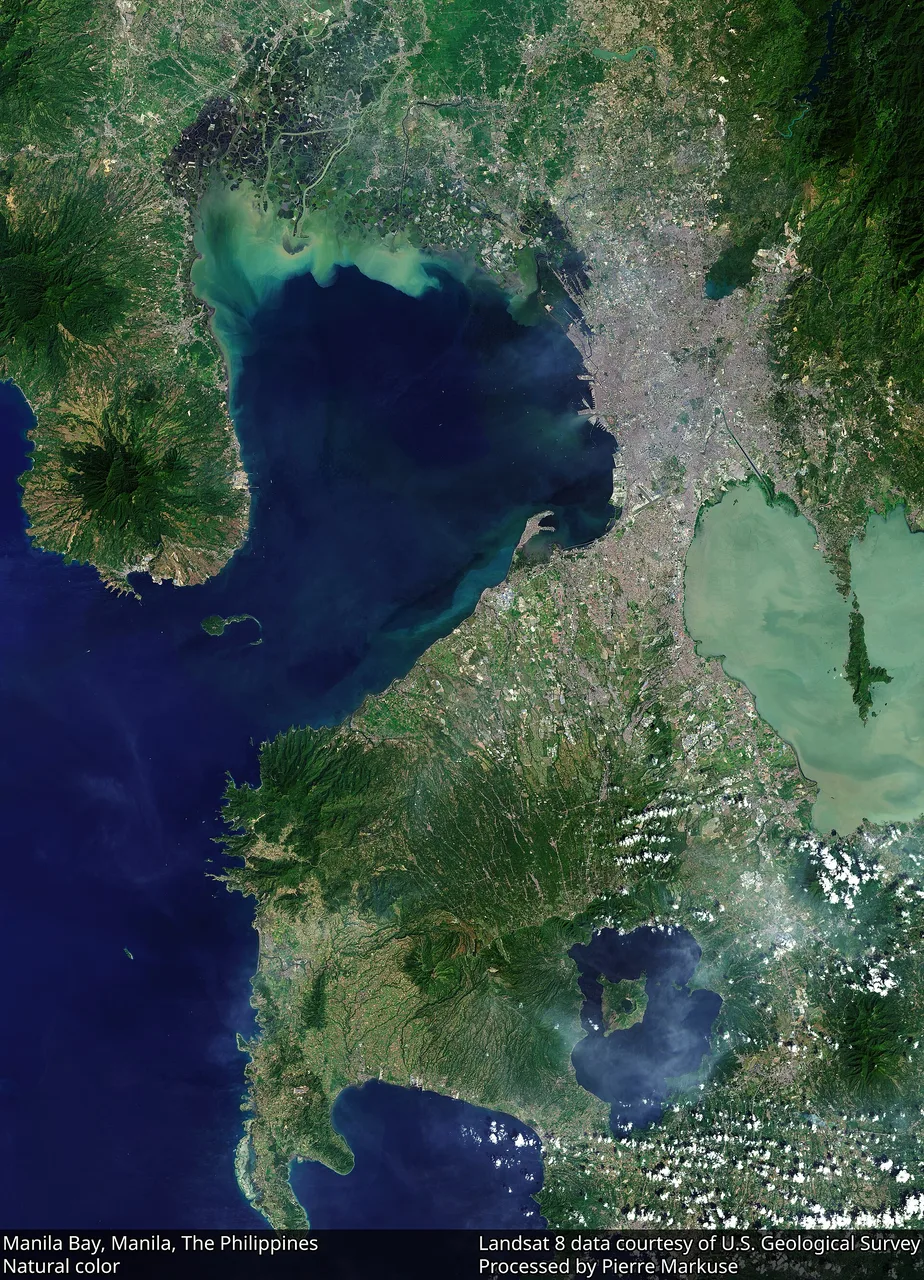
 Photo: Bahnfrend, Wikimedia Commons, CC BY-SA 4.0.
Test your knowledge of the Pearl of the Orient! Explore the rich history, vibrant street food, iconic landmarks, and unique culture of the Philippine capital.
Manila Visitor 0–4 · City Explorer 5–8 · True Manilenyo 9–10
Pick one

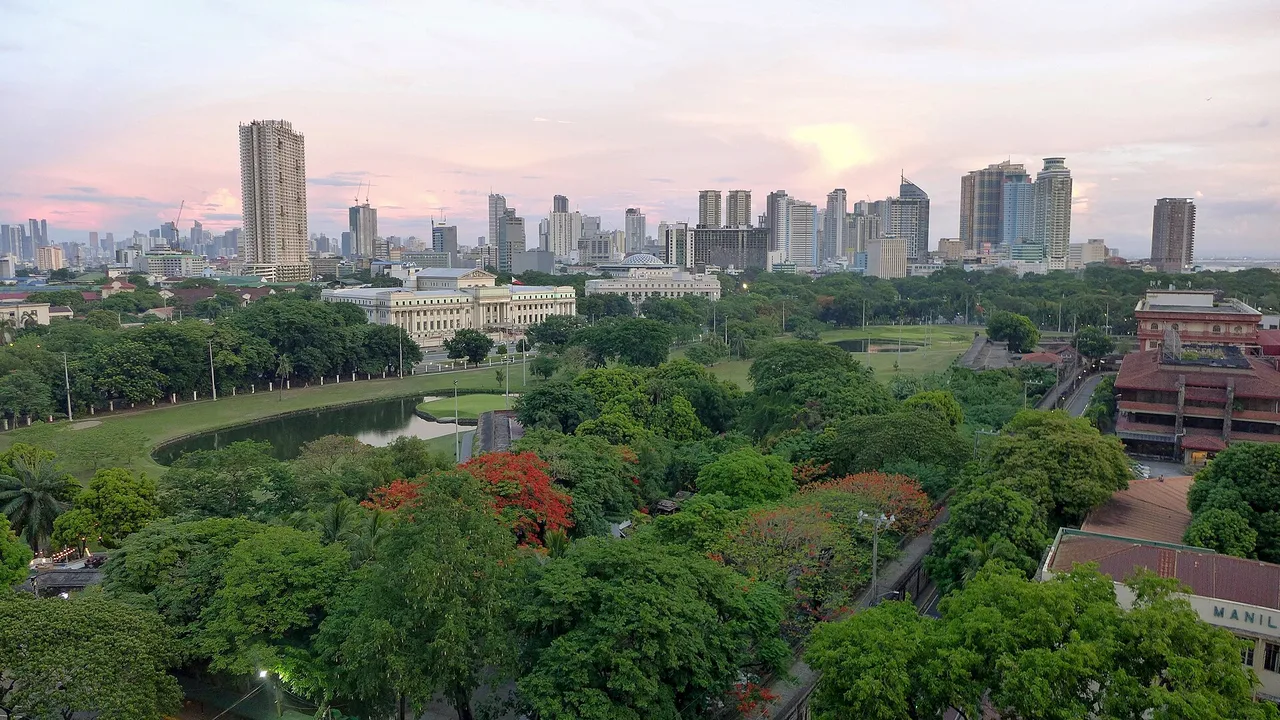
Manila Bay is a natural harbor that facilitates commerce for the national capital region. The golden hour views from the Manila Baywalk are legendary. Interestingly, despite its name, the nearby Laguna de Bay is actually a freshwater lake, not a bay.
Photo: Pierre Markuse from Hamm, Germany, Wikimedia Commons, CC BY 2.0.
Pick one
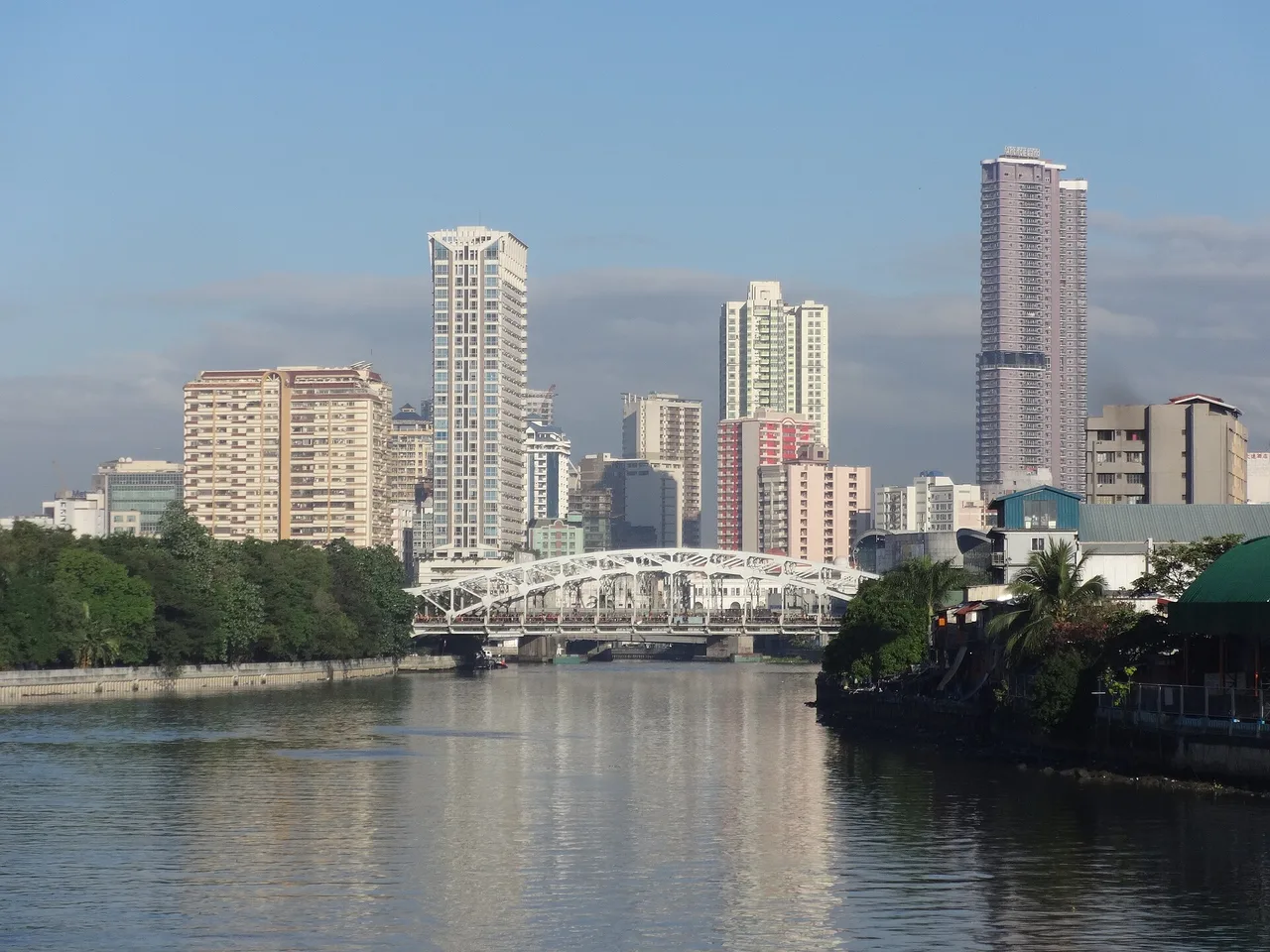
The Pasig River is a vital 25-kilometer waterway that historically served as a major transport route and source of water. Although it faced severe pollution challenges in the late 20th century, ongoing rehabilitation efforts aim to restore its ecology and promote ferry transit.
Photo: patrickroque01, Wikimedia Commons, CC BY-SA 4.0.
Pick one
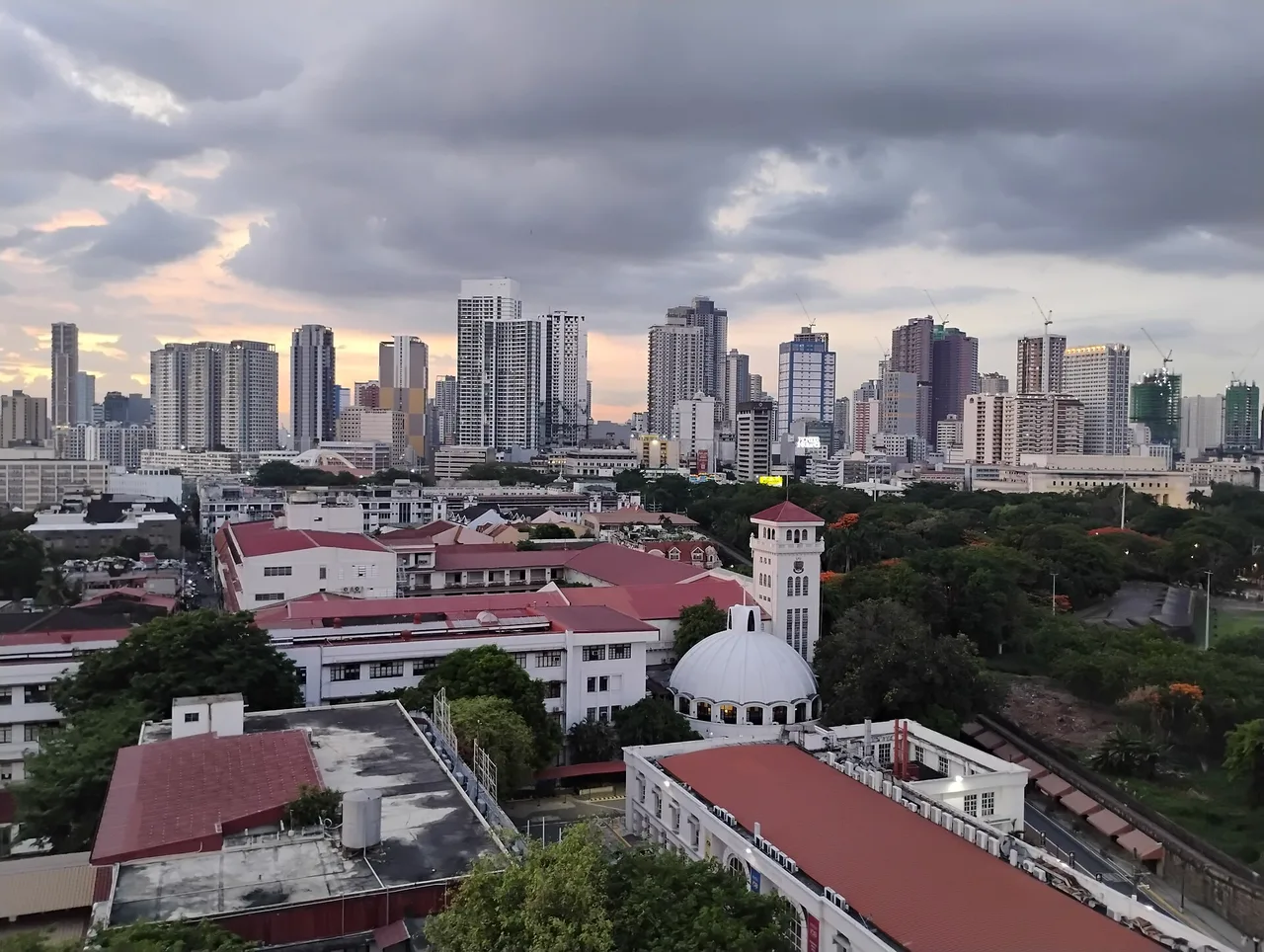
Intramuros, meaning 'within the walls,' was built by the Spanish in the late 16th century. It survived numerous conflicts, though it was heavily damaged during World War II. Today, it stands as a major cultural landmark where visitors can ride horse-drawn carriages called kalesas.
Pick one
The Black Nazarene is a life-sized dark wooden statue of Jesus Christ carrying the cross, brought from Mexico in 1606. The annual Traslacion procession is one of the world's largest religious gatherings, with barefoot devotees crowding the streets of Quiapo.
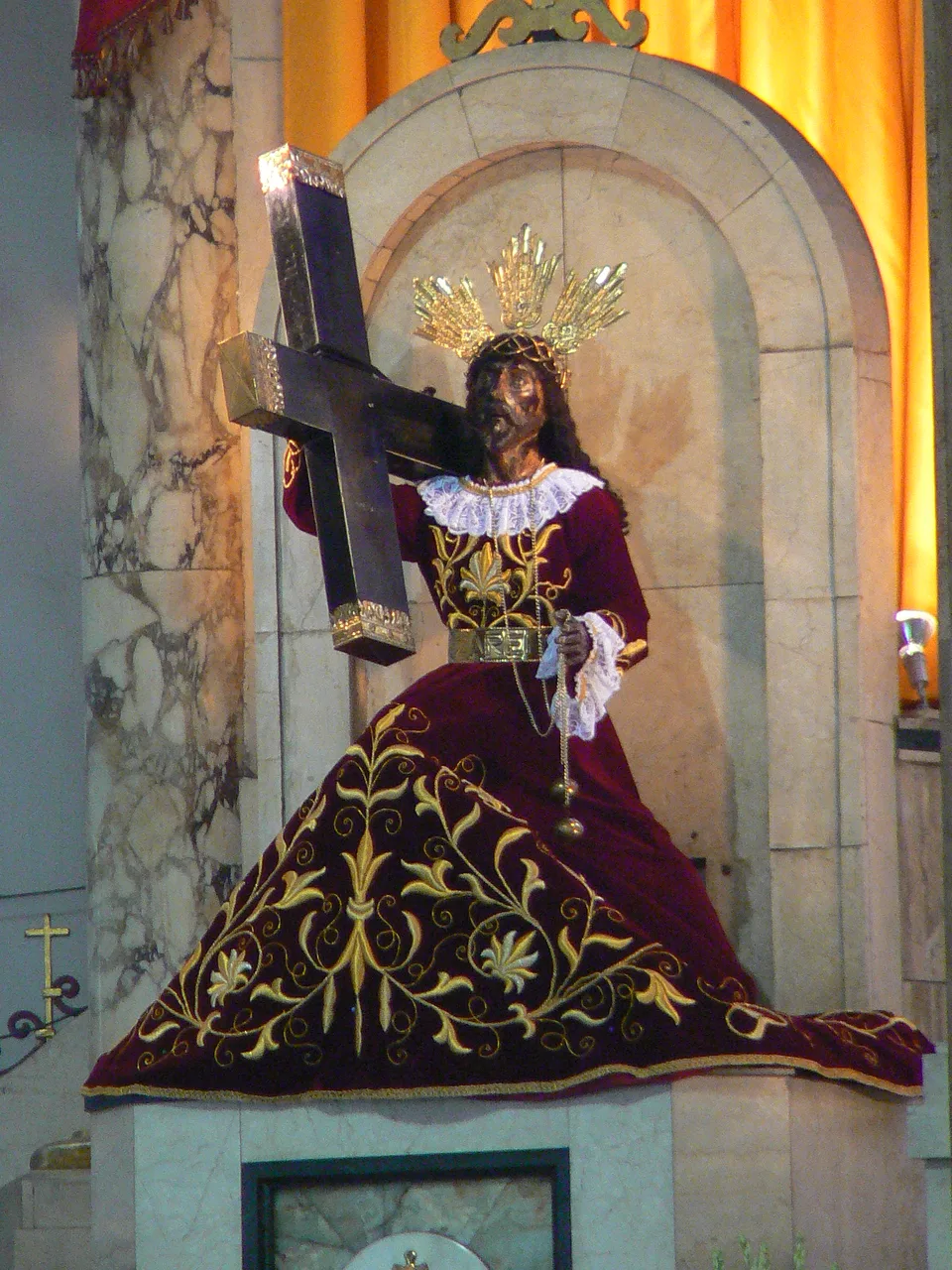
Photo: Constantine Agustin, Wikimedia Commons, CC BY-SA 2.0.
Pick one
Binondo was created by Spanish Governor-General Luis Perez Dasmarinas as a settlement for Catholic Chinese immigrants. Today, it is a bustling hub of commerce and a legendary culinary destination famous for its authentic Filipino-Chinese fusion dishes like hopia and soup No. 5.
Photo: Ralff Nestor Nacor, Wikimedia Commons, CC BY-SA 4.0.
Pick one
The University of Santo Tomas was established by the Spanish Dominican priest Miguel de Benavides. It actually predates Harvard University by a quarter of a century. Its historic campus in Sampaloc is famous for its beautiful historic buildings.
Pick one
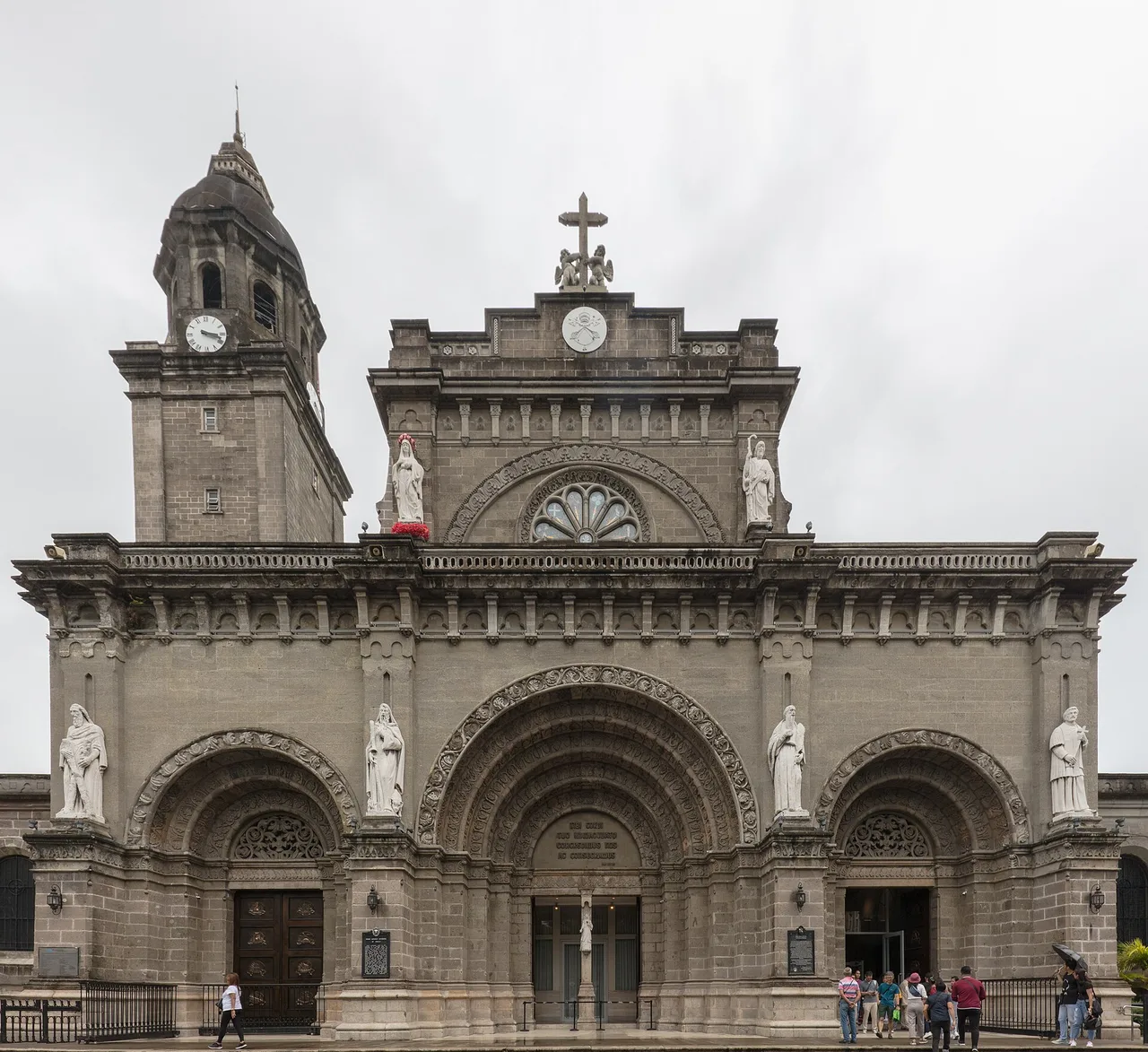
The Manila Cathedral, officially the Minor Basilica and Metropolitan Cathedral of the Immaculate Conception, has been destroyed and rebuilt several times due to earthquakes and war. The current structure, completed in 1958, features beautiful stained glass windows.
Photo: Diego Delso, Wikimedia Commons, CC BY-SA 4.0.
Pick one
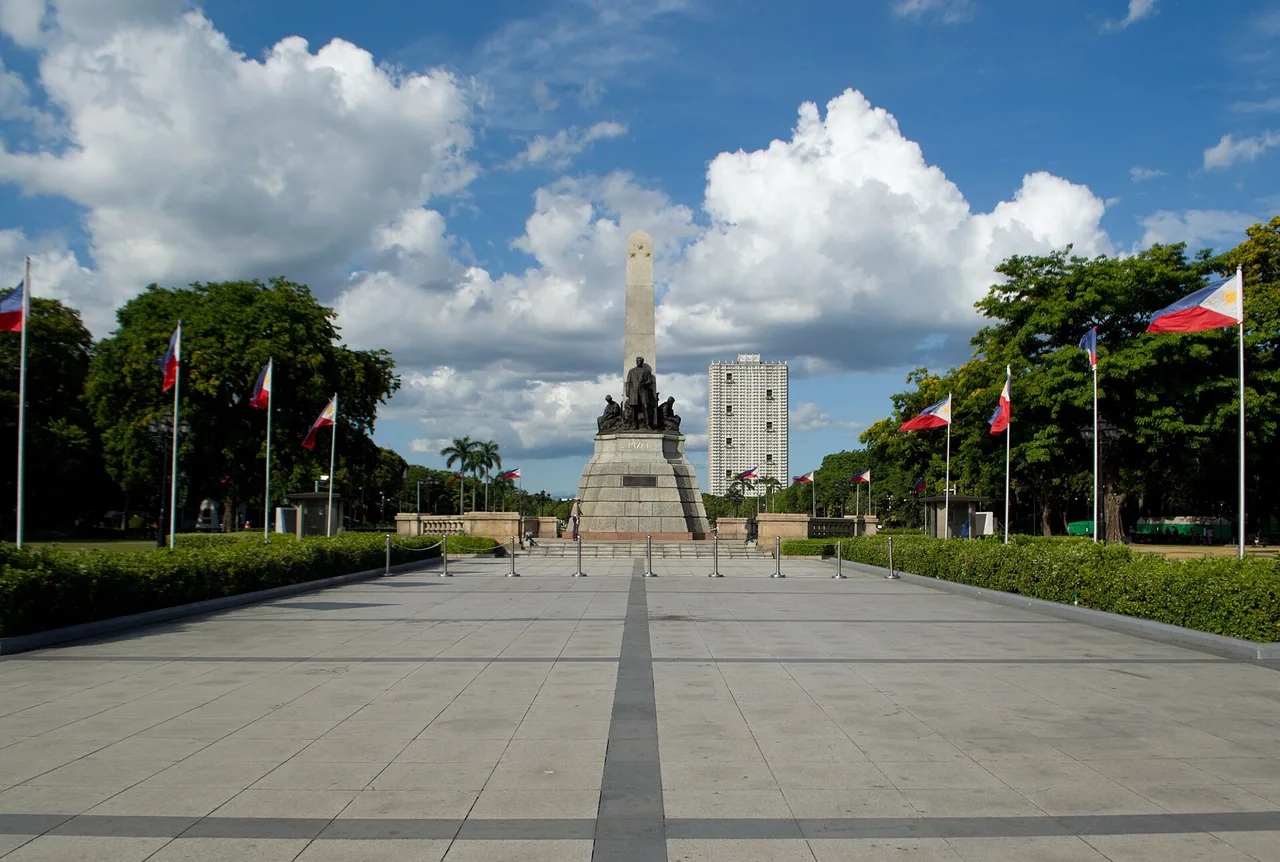
Rizal Park was once known as Bagumbayan, meaning 'new town', and later as Luneta, after a crescent-shaped fortification nearby. It is now one of the largest city parks in the Philippines, and the monument to national hero José Rizal stands at its heart.
Photo: Ernest Malsin, Wikimedia Commons, CC BY 4.0.
Pick one
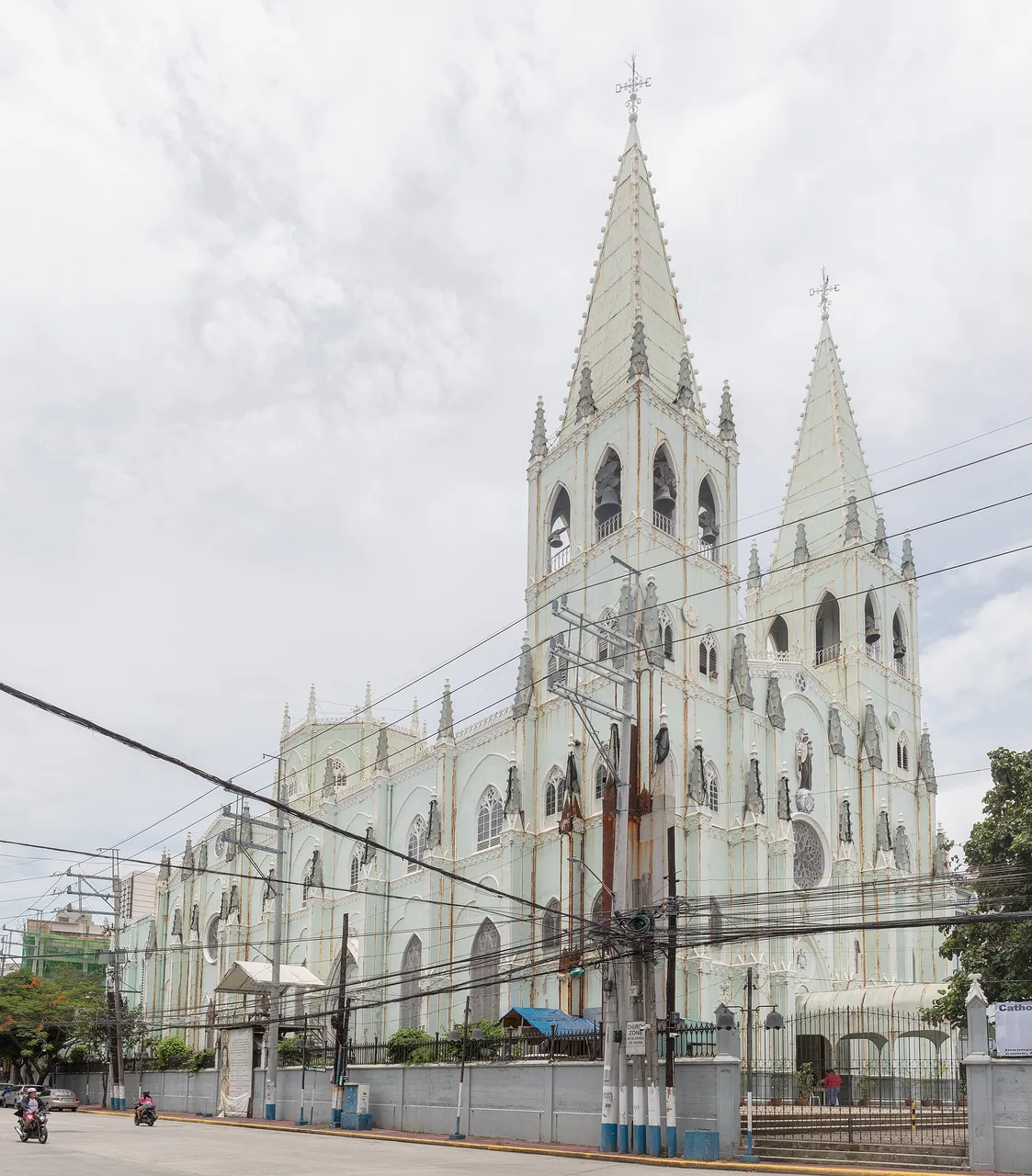
Completed in 1891, San Sebastian Church is a Gothic Revival masterpiece made entirely of prefabricated steel sections manufactured in Belgium. It was designed to resist both earthquakes and fires, which had repeatedly destroyed the previous wooden structures on the site.
Photo: Diego Delso, Wikimedia Commons, CC BY-SA 4.0.
Pick one
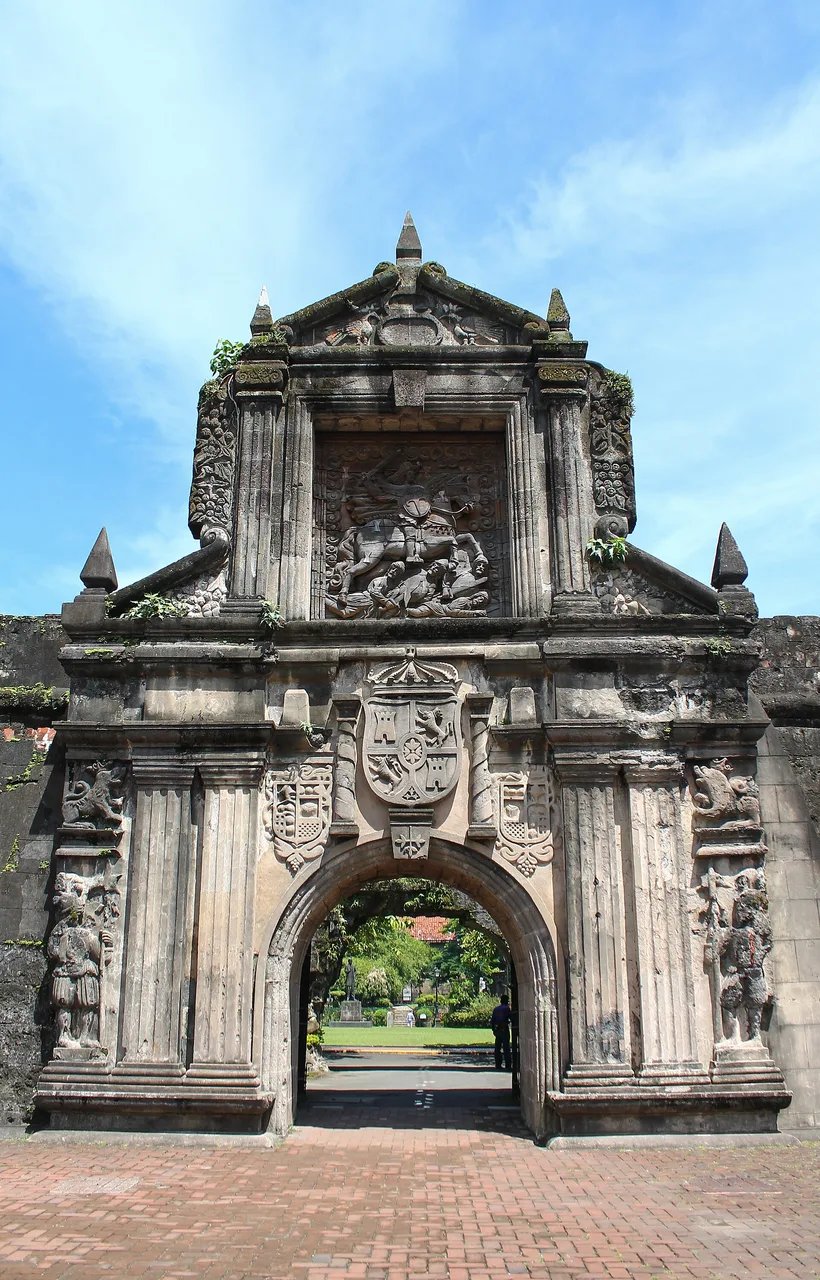
Fort Santiago was built in 1571 for the Spanish governor Miguel López de Legazpi and guarded the mouth of the Pasig River. National hero José Rizal was held prisoner here in 1896. Today the fort has a museum about his life and peaceful, well-kept gardens.
Photo: Elmer B. Domingo, Wikimedia Commons, CC BY-SA 3.0.


Paste the code into your page. The player fits itself in, and every vote counts in Votur.
On WordPress, Ghost or Squarespace? Just paste the link of this page into your post.
This is how it looks
Also fun