Get app
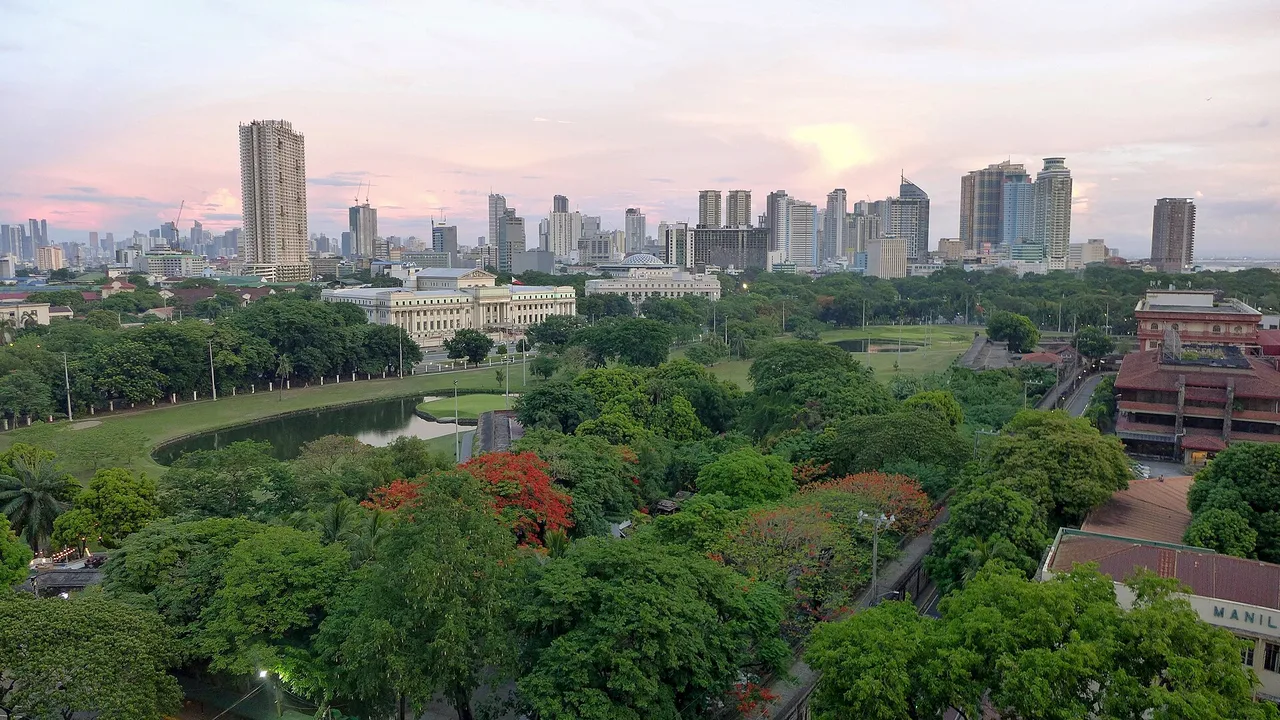
 Photo: Patrick Roque, Wikimedia Commons, CC BY-SA 4.0.
Test your knowledge of the Philippines! Explore the rich history, stunning natural wonders, vibrant culture, and delicious cuisine of this beautiful archipelago of over 7,000 islands.
Island Wanderer 0–4 · Friendly Neighbor 5–8 · True Insider 9–10
Pick one

Filipino is the national and official language of the country alongside English. It is heavily based on Tagalog, which is spoken widely in Manila and surrounding provinces. While Spanish was the official language for over three centuries, it is now spoken by only a tiny minority.
Pick one
Balut is a very popular street food in the Philippines: a fertilised duck egg with a developing chick inside, boiled and eaten straight from the shell. It is usually seasoned with salt, chilli or vinegar, and street vendors often keep the eggs warm in buckets of sand.
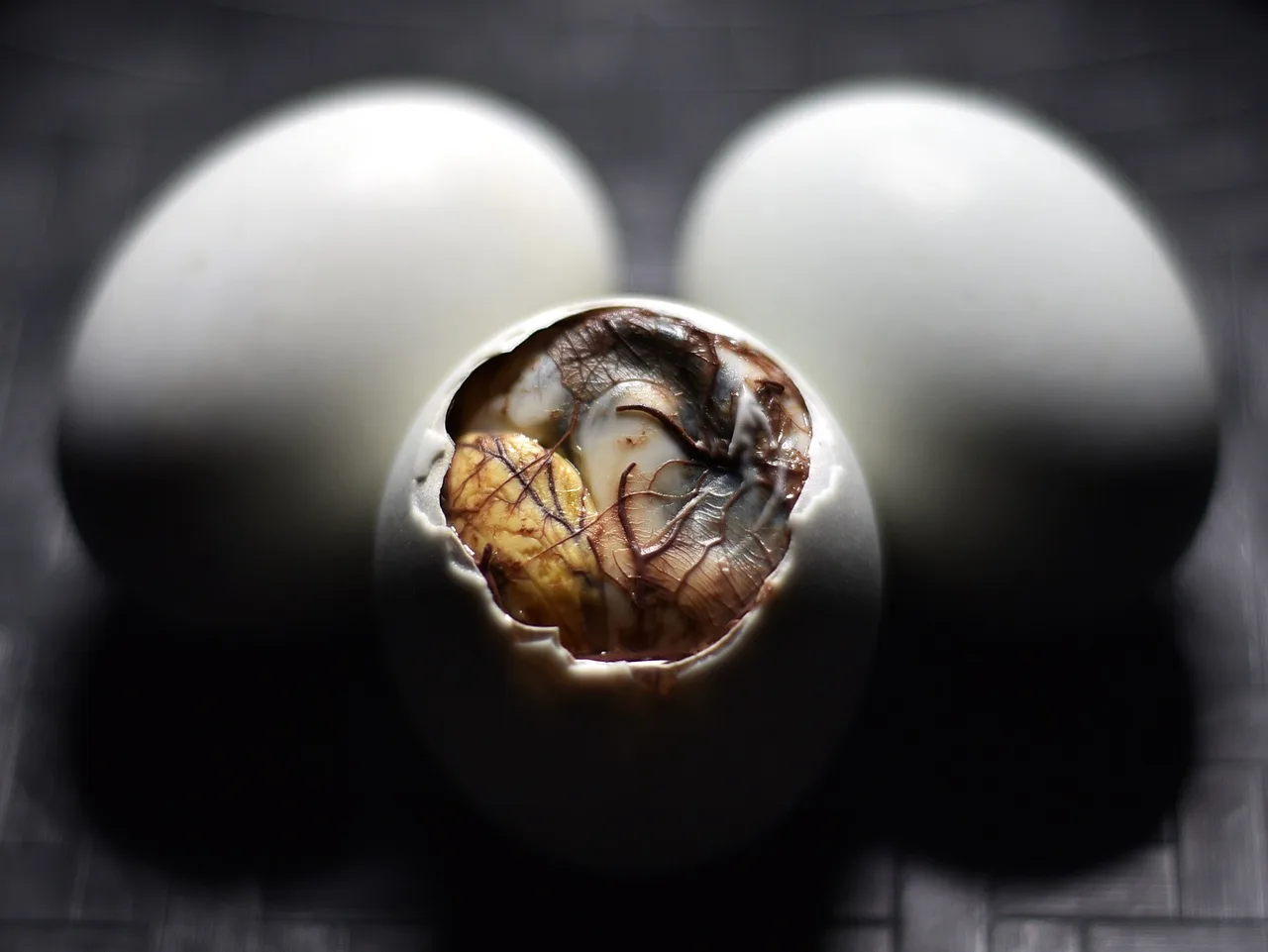
Photo: JBYBIOSA, Wikimedia Commons, CC BY-SA 4.0.
Pick one
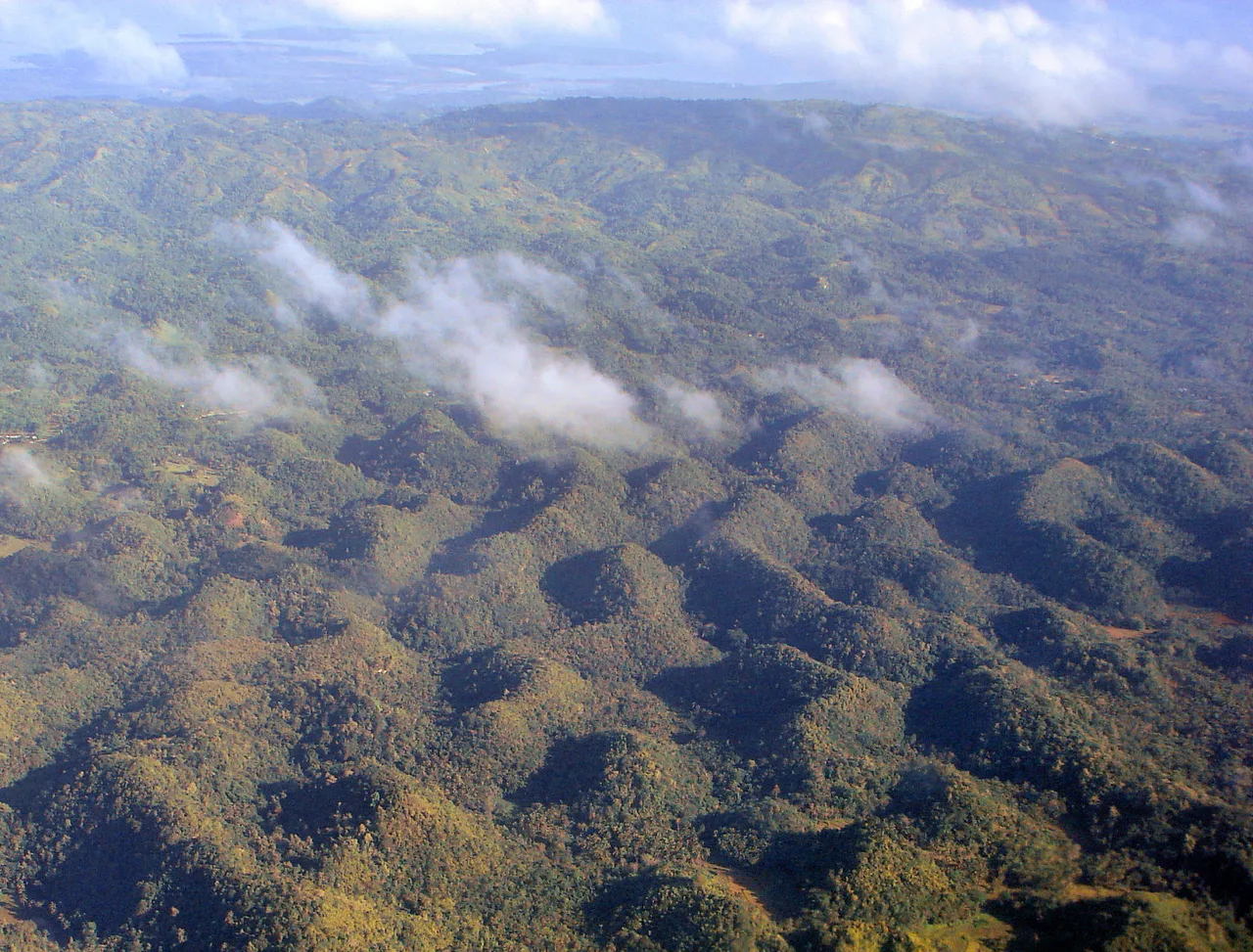
The Chocolate Hills are a famous geological formation in Bohol. There are at least 1,260 hills spread over an area of more than 50 square kilometers. They look green in the rainy season but turn brown like chocolate during the dry season.
Photo: P199, Wikimedia Commons, CC BY-SA 3.0.
Pick one
Philippine adobo is a beloved national dish made by simmering meat, usually chicken or pork, in a marinade of vinegar, soy sauce, garlic, bay leaves, and black peppercorns. This cooking method originally developed as a natural way to preserve meat in the tropical climate before refrigeration.
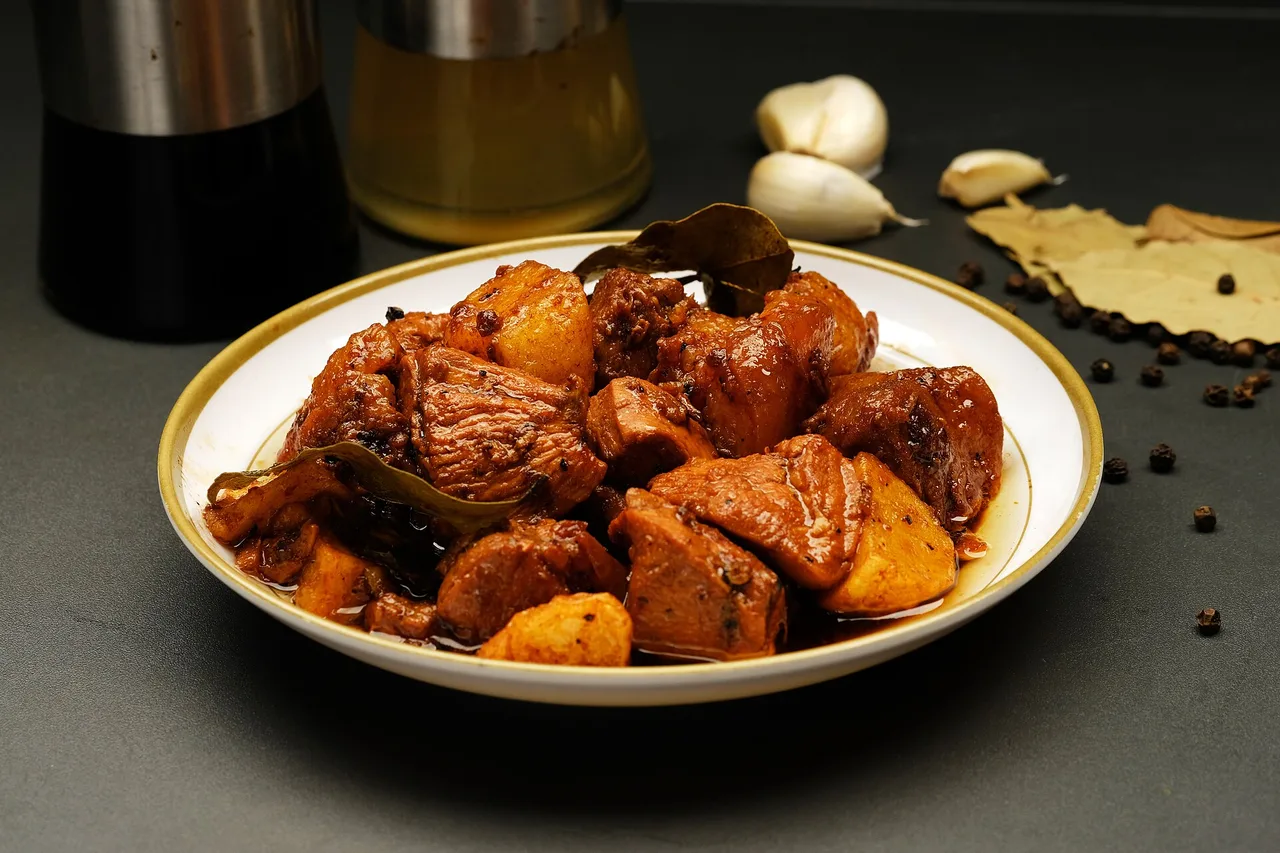
Photo: Joy D. Ganaden, Wikimedia Commons, CC BY-SA 4.0.
Pick one
Ferdinand Magellan led the Spanish expedition that arrived in the Philippines in 1521. Although he was Portuguese, he sailed under the Spanish flag. He was killed shortly after during the Battle of Mactan by the forces of the local chieftain Lapulapu.
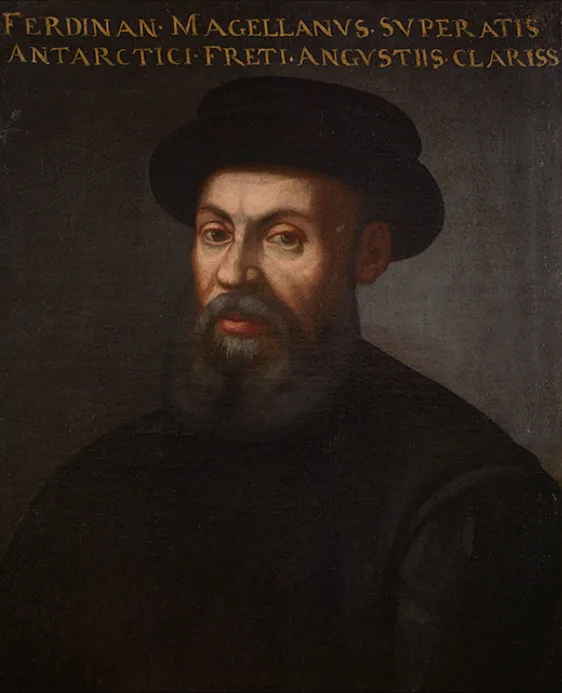
Photo: Wikimedia Commons, Public domain.
Pick one
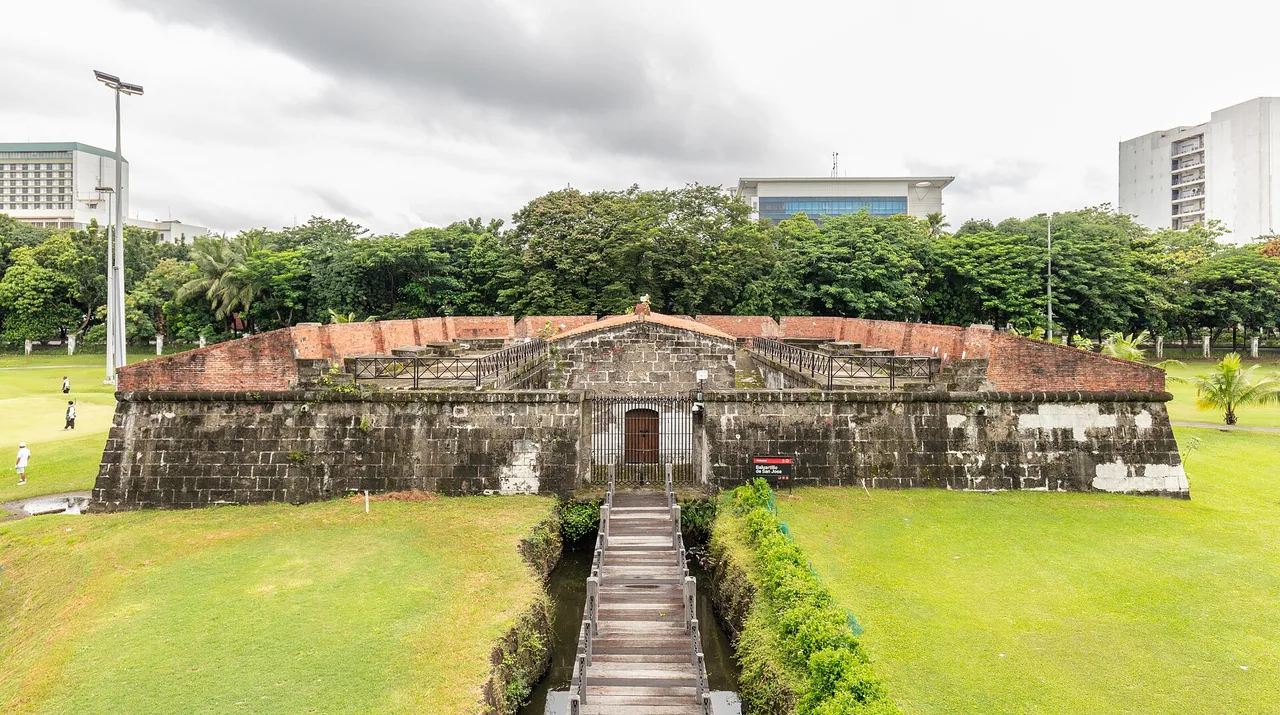
Intramuros, which literally translates to "inside the walls" in Latin, was the seat of Spanish government in the Philippines. It was almost completely destroyed in the Battle of Manila in 1945, but has since been largely rebuilt and today stands as a monument to colonial history, featuring ancient fortresses, cobblestone streets, and historic churches.
Photo: Diego Delso, Wikimedia Commons, CC BY-SA 4.0.
Pick one
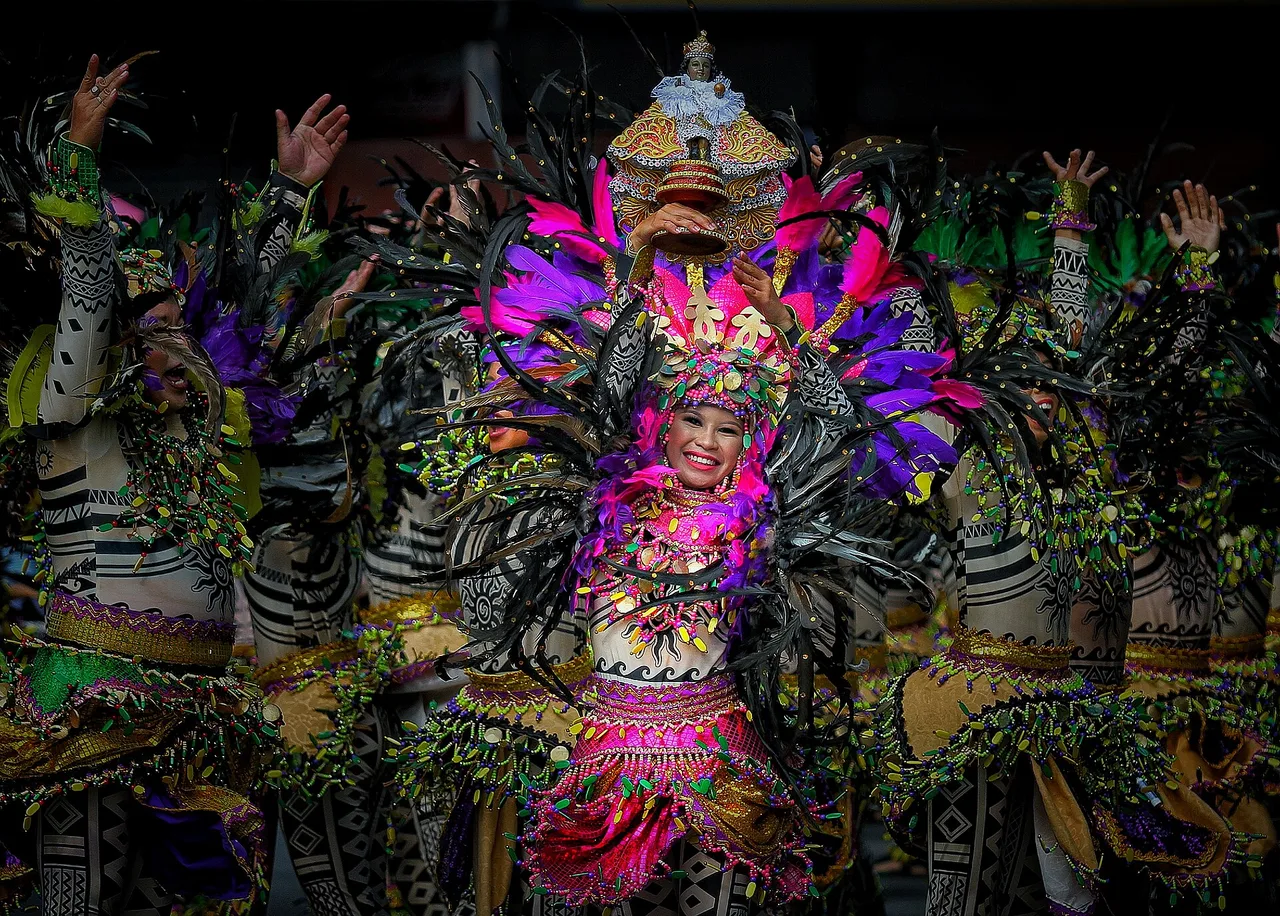
The Sinulog Festival is held every January in Cebu City to honor the Santo Niño (Child Jesus). It is famous for its vibrant street dancing, rhythmic drum beats, and beautiful traditional costumes. The dance steps mimic the movement of the water current, which is what "sinulog" means.
Photo: Herbert Kikoy, Wikimedia Commons, CC BY-SA 4.0.
Pick one
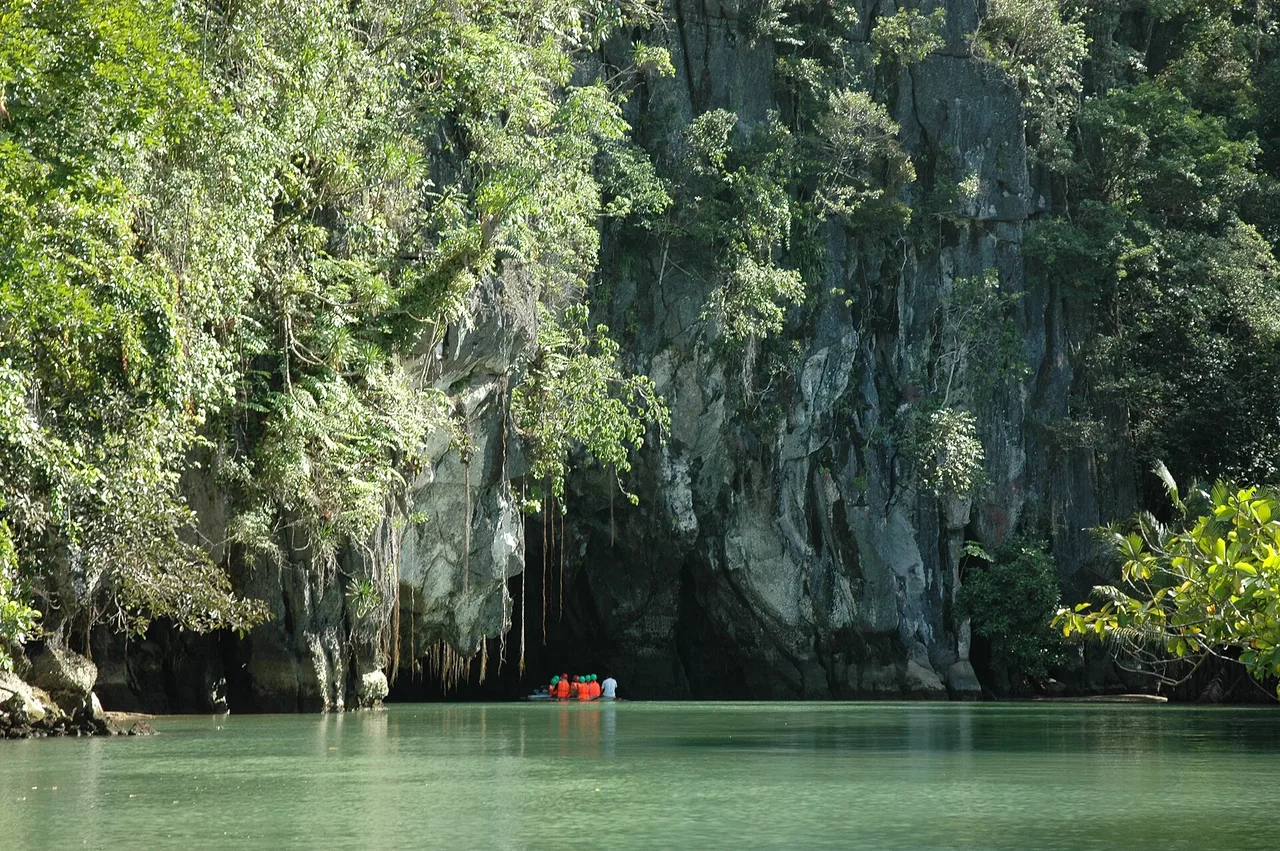
The Puerto Princesa Subterranean River National Park is located on the island of Palawan. It features an incredible limestone karst landscape with an 8.2-kilometer navigable underground river. The river flows directly into the sea, making its lower portion subject to tidal influences.
Photo: Ron Van Oers, Wikimedia Commons, CC BY-SA 3.0 igo.
Pick one
Ube halaya is a beloved Filipino dessert made from boiled and mashed purple yam, known locally as ube. Cooked slowly with condensed milk, coconut milk, and butter, it achieves a rich, velvety texture. While purple sweet potato is sometimes used as a substitute abroad, authentic halaya relies entirely on true purple yam to get its signature deep violet color and earthy, sweet flavor.
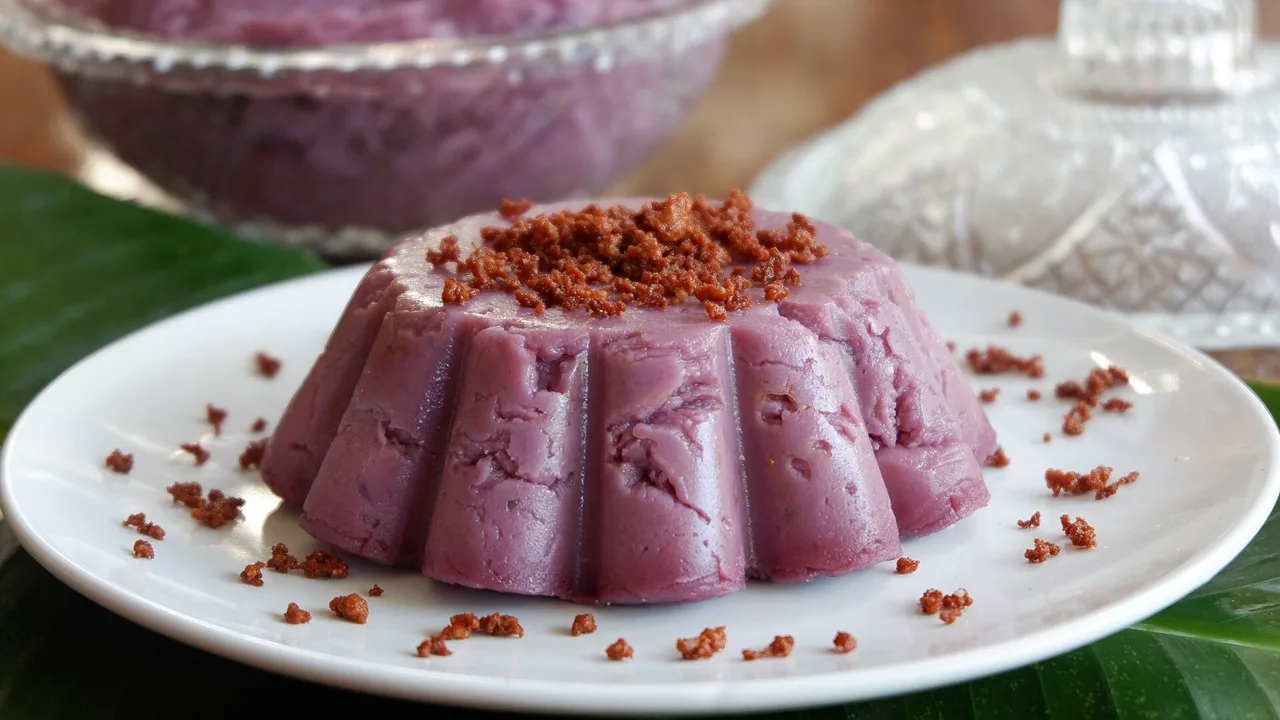
Photo: Lokalpedia, Wikimedia Commons, CC BY-SA 4.0.
Pick one
José Rizal was a brilliant all-rounder whose novels 'Noli Me Tángere' and 'El Filibusterismo' exposed the injustices of Spanish colonial rule and inspired the Philippine Revolution. He was also an eye doctor, a painter and a sculptor, and is said to have spoken more than 20 languages.
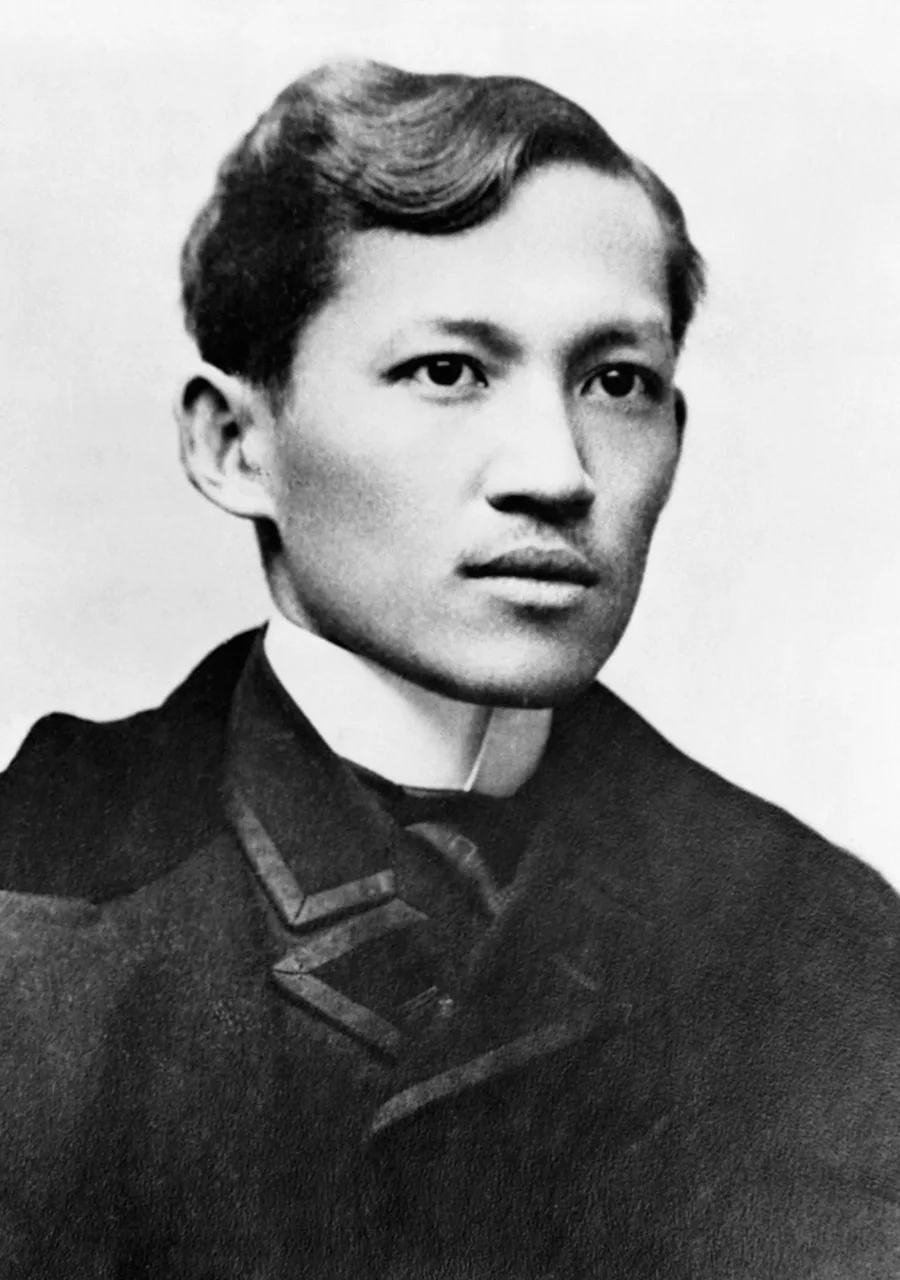
Photo: unknown author, Wikimedia Commons, Public domain.


Paste the code into your page. The player fits itself in, and every vote counts in Votur.
On WordPress, Ghost or Squarespace? Just paste the link of this page into your post.
This is how it looks
Also fun