Get app
 Photo: المصور أنس الحاج, Wikimedia Commons, CC BY-SA 2.0.
Journey to the southern end of the Arabian Peninsula! Test your knowledge on Yemen's rich history, spectacular mudbrick skyscrapers, unique island wildlife, and ancient traditions.
Desert Wanderer 0–4 · Market Regular 5–8 · Master of Socotra 9–10
Pick one

The Bab-el-Mandeb, meaning 'Gate of Tears' in Arabic, is one of the world's most vital maritime trade routes. Its dramatic name is thought to stem from the navigational hazards of its narrow waters or the ancient earthquakes that separated Asia and Africa.
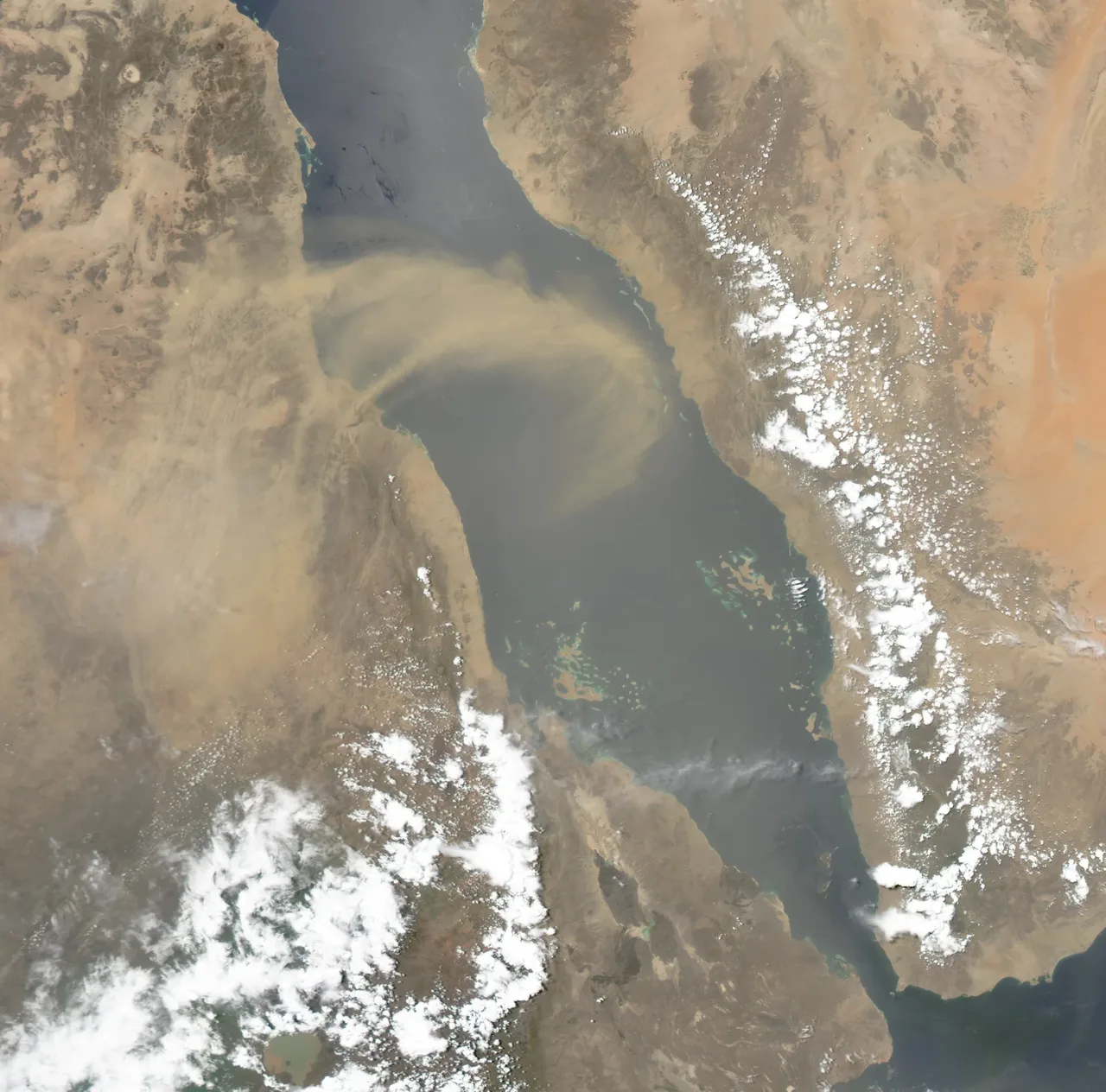
Photo: NASA, Wikimedia Commons, Public domain.
Pick one
The Dragon's blood tree produces a thick, crimson resin that has been used for centuries as medicine, dye, and cosmetic makeup. Its unique shape helps the tree capture moisture from mountain mists in its harsh, arid environment.
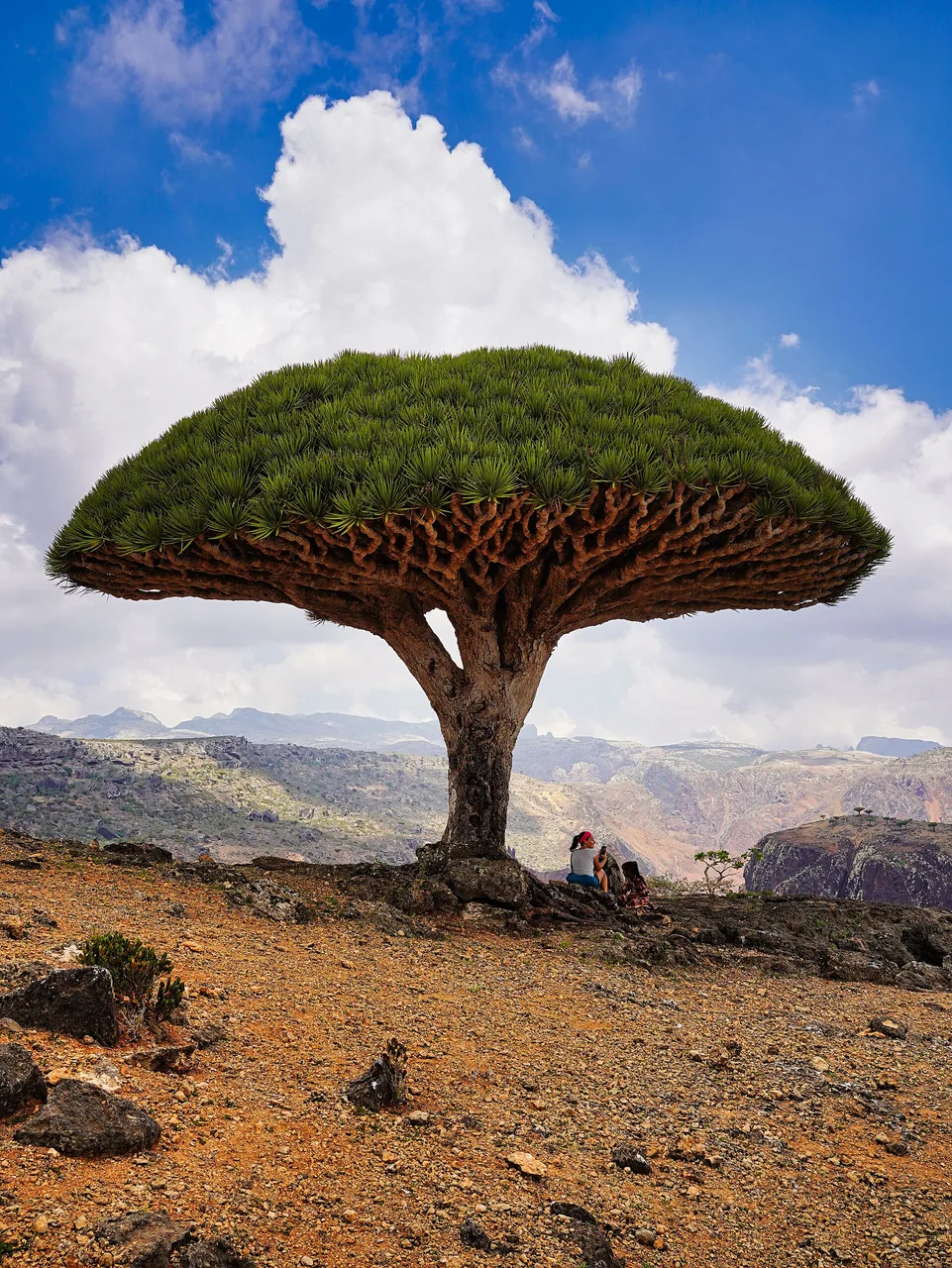
Photo: Alex38, Wikimedia Commons, CC BY 4.0.
Pick one
Saltah is served piping hot in a black stone bowl called a harth. The dish consists of a rich meat broth base combined with vegetables, rice, and a frothy layer of hulbah (whipped fenugreek), which gives it a distinct savory flavor.
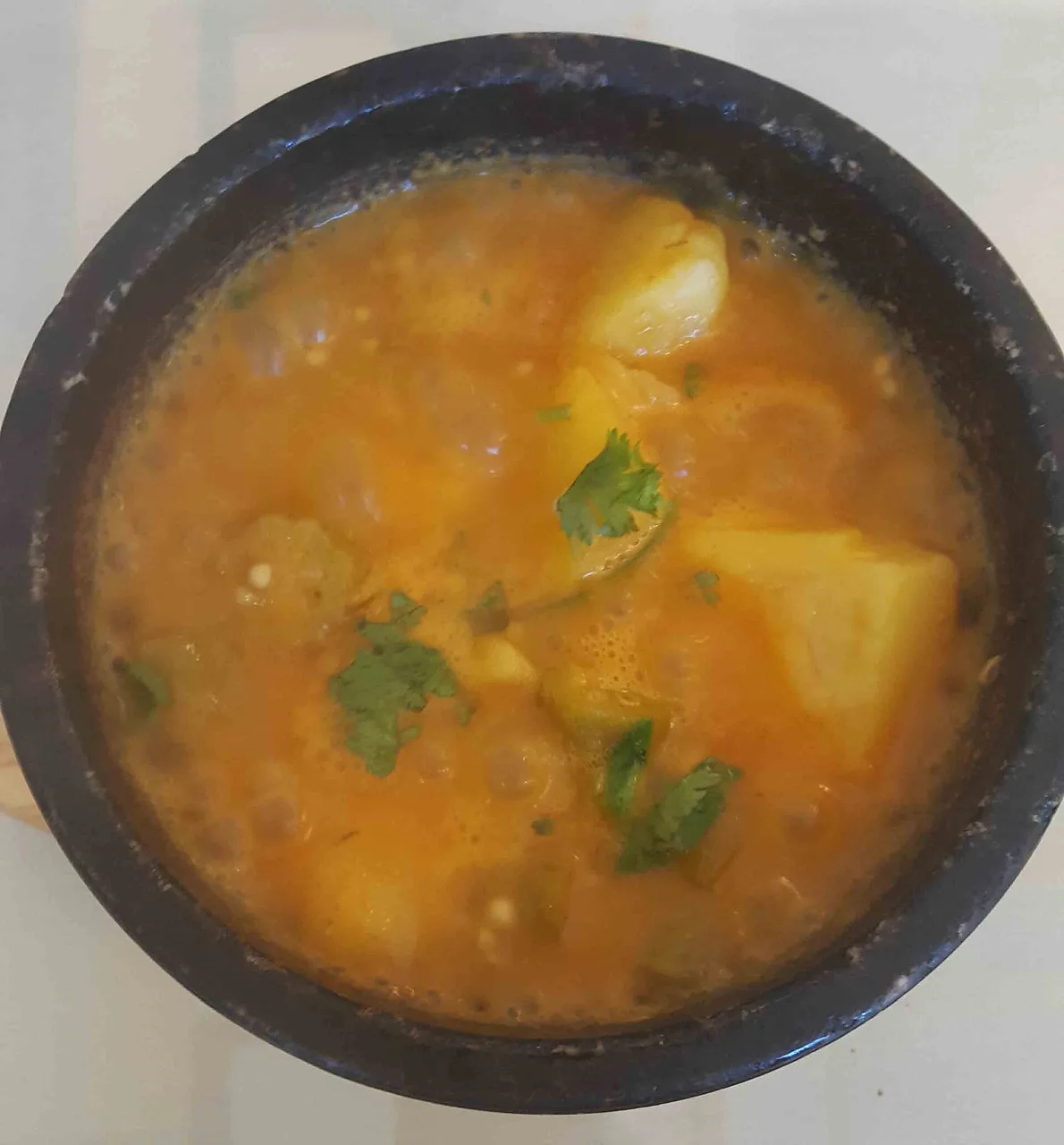
Photo: Rania al-Bahara, Wikimedia Commons, CC BY-SA 4.0.
Pick one
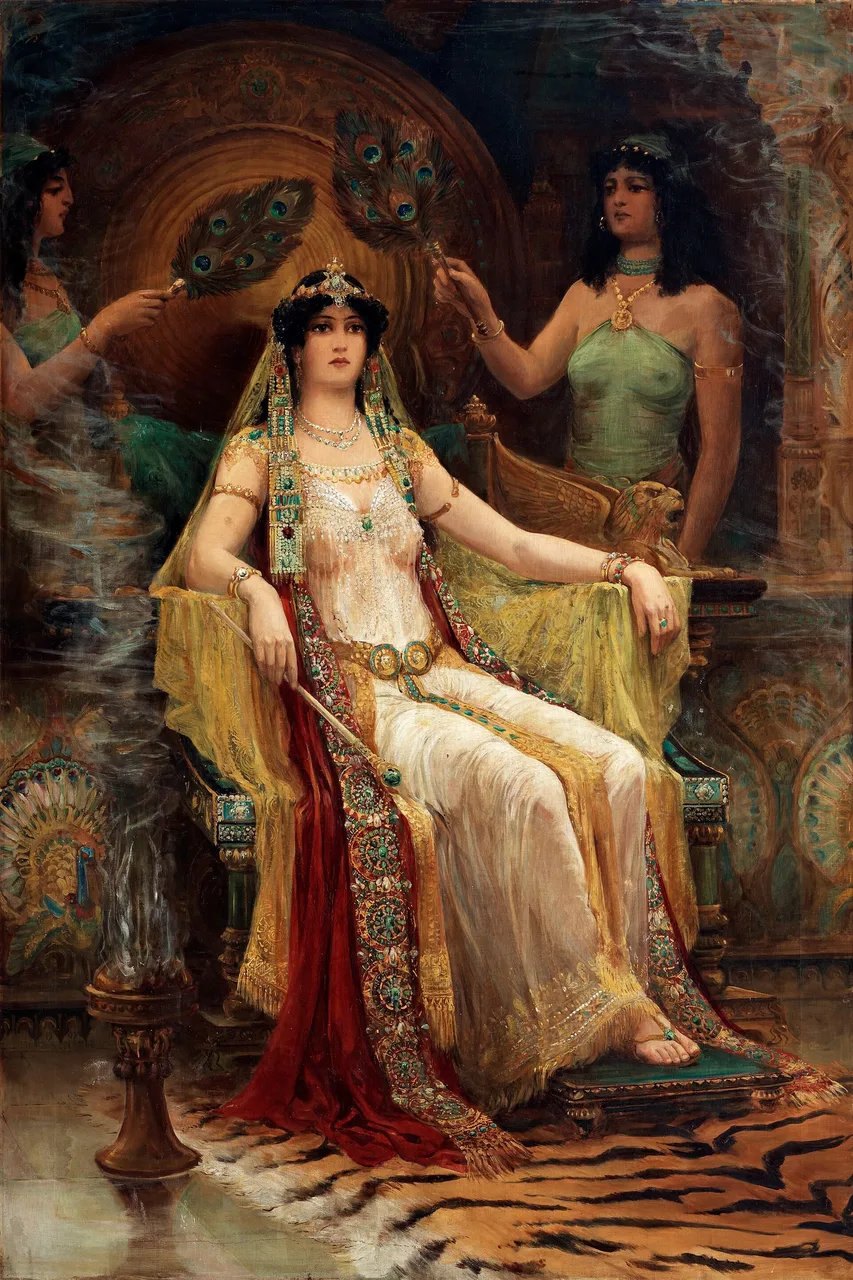
Bilqis is highly celebrated in Yemeni folklore as a wise and powerful ruler. Archaeologists have associated various ancient temple ruins in Marib, the historic capital of the Kingdom of Saba, with her legendary reign.
Photo: Edward Slocombe, Wikimedia Commons, Public domain.

Pick one
Dar al-Hajar, or the Stone Palace, was constructed in the 1930s for Yahya Muhammad Hamid ed-Din, the ruling Imam of Yemen. It features striking white gypsum decorations that contrast beautifully with the dark volcanic rock foundation.
Photo: Dar_al_hajar.jpg: Antti Salonen derivative work: MrPanyGoff, Wikimedia Commons, CC BY-SA 3.0.
Pick one
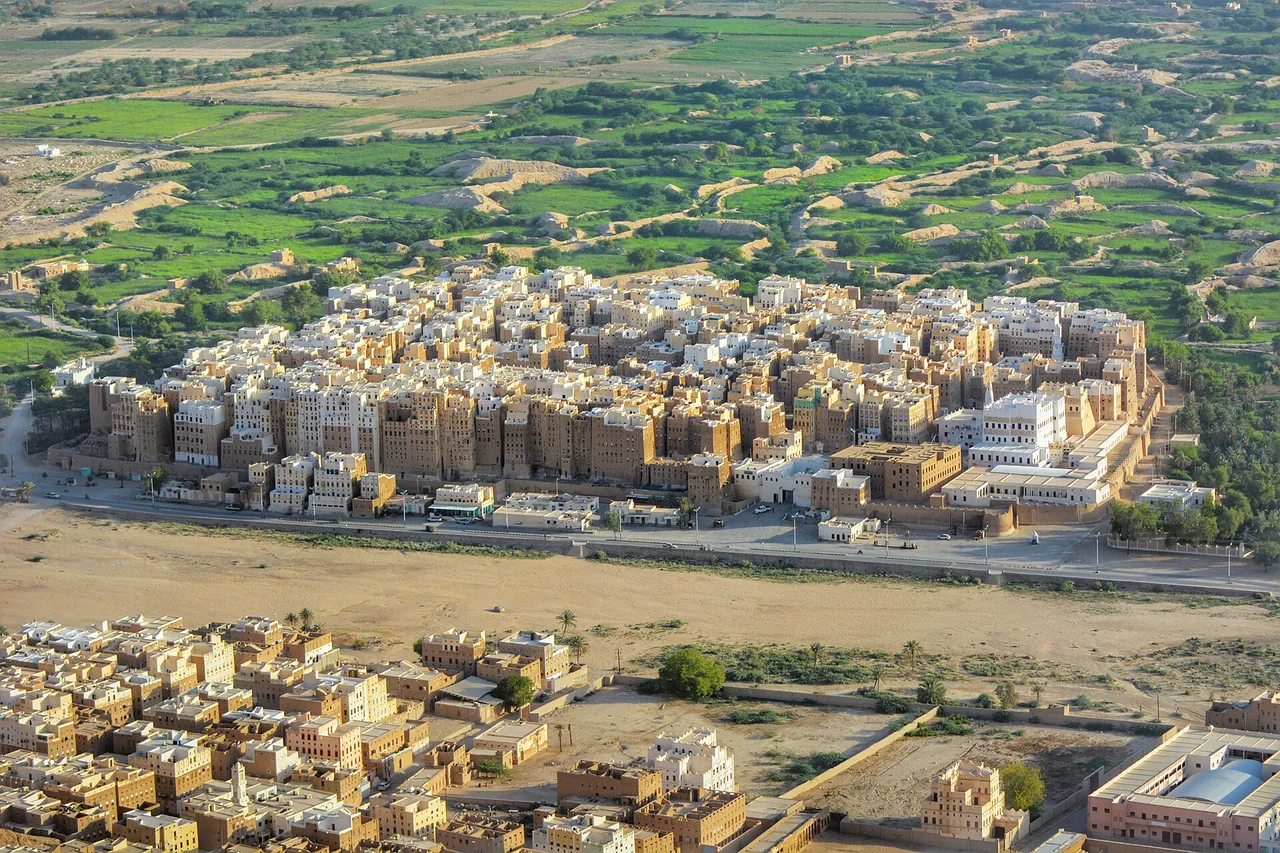
Shibam is a UNESCO World Heritage site known for its striking vertical architecture. These mudbrick buildings, some rising up to eleven stories high, were constructed starting in the 16th century to protect citizens from Bedouin raids.
Photo: Bkar6190, Wikimedia Commons, CC BY-SA 4.0.
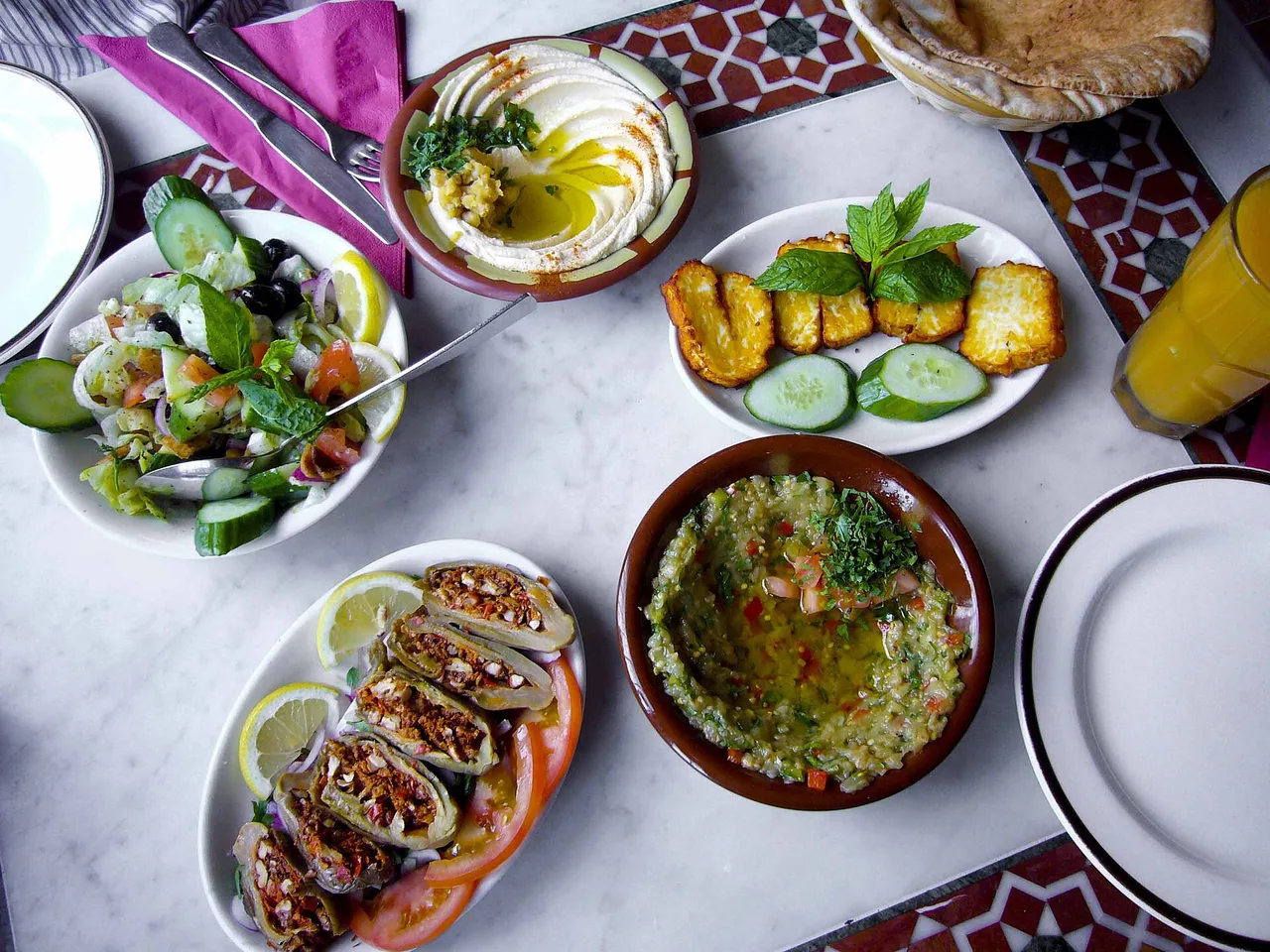
Pick one
Qishr is a beloved drink made from the dried husks of coffee cherries, spiced with ginger and sometimes cinnamon or cardamom. Historically, it was favored over bean-brewed coffee because it was cheaper and less stimulating, making it a daily staple.
Photo: Raimond Spekking, Wikimedia Commons, CC BY-SA 4.0.
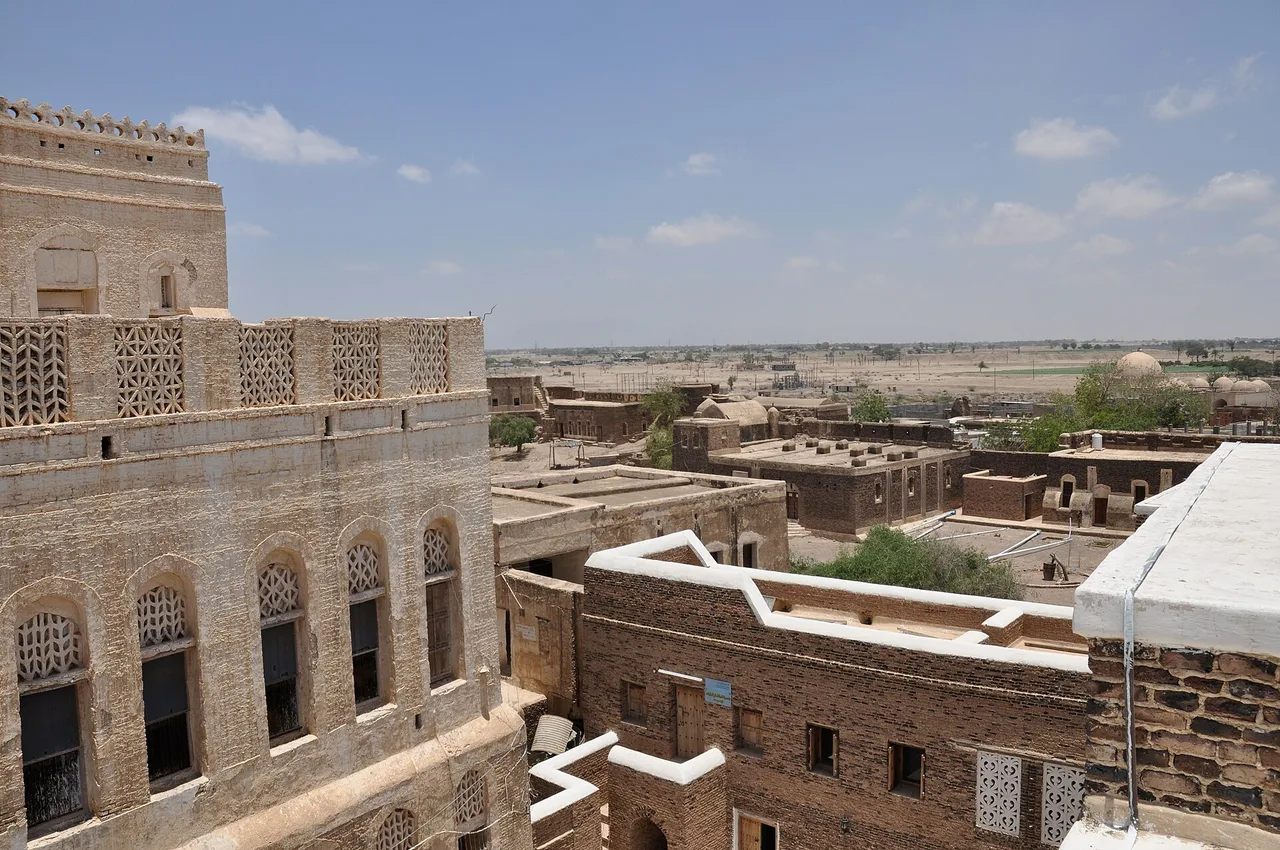
Pick one
Zabid is a UNESCO World Heritage site and one of the oldest towns in Yemen. For centuries its Great Mosque and university drew scholars from far and wide, and the remains of the old university can still be visited today.
Photo: Julien Harneis from Sana'a, Yemen, Wikimedia Commons, CC BY-SA 2.0.
Pick one
Queen Arwa al-Sulayhi ruled Yemen during the Sulayhid dynasty from 1067 until her death in 1138. She was a highly educated and beloved monarch who built roads, schools, and mosques, many of which still stand in Jibla today.

Pick one
The jambiya is a central part of traditional male attire in Yemen, worn at weddings, celebrations, and formal events. The handles of these prized daggers can be made from precious materials like polished horn, making them valuable family heirlooms.
Photo: Bernard Gagnon, Wikimedia Commons, CC BY-SA 3.0.


Paste the code into your page. The player fits itself in, and every vote counts in Votur.
On WordPress, Ghost or Squarespace? Just paste the link of this page into your post.
This is how it looks
Also fun