Get app
 Photo: Dan from Brussels, Europe, Wikimedia Commons, CC BY-SA 2.0.
Explore the ancient, high-altitude capital of Yemen. Test your knowledge on its unique gingerbread-style architecture, rich history, and vibrant culinary traditions!
First-Time Visitor 0–4 · Curious Explorer 5–8 · Master of Sanaa 9–10
Pick one

Bab al-Yemen is the iconic gateway built in its current form during the Ottoman period. It leads straight into the vibrant souks of the Old City. Interestingly, a gate has stood at this location for over 1,000 years, serving as a timeless monument of Yemeni history.
Pick one
Dar al-Hajar, or the "Stone Palace," is a stunning five-story building perched dramatically on a natural rock pillar in the Wadi Dhar valley. Built in the 1930s for Imam Yahya, it has become an iconic symbol of Yemeni architecture and is featured on national currency.
Pick one
During renovations of the Great Mosque of Sana'a, workers found a loft filled with thousands of ancient parchment fragments. These turned out to be some of the oldest surviving Quranic manuscripts in existence, written in early Hijazi script and offering priceless insights into early Islamic history.
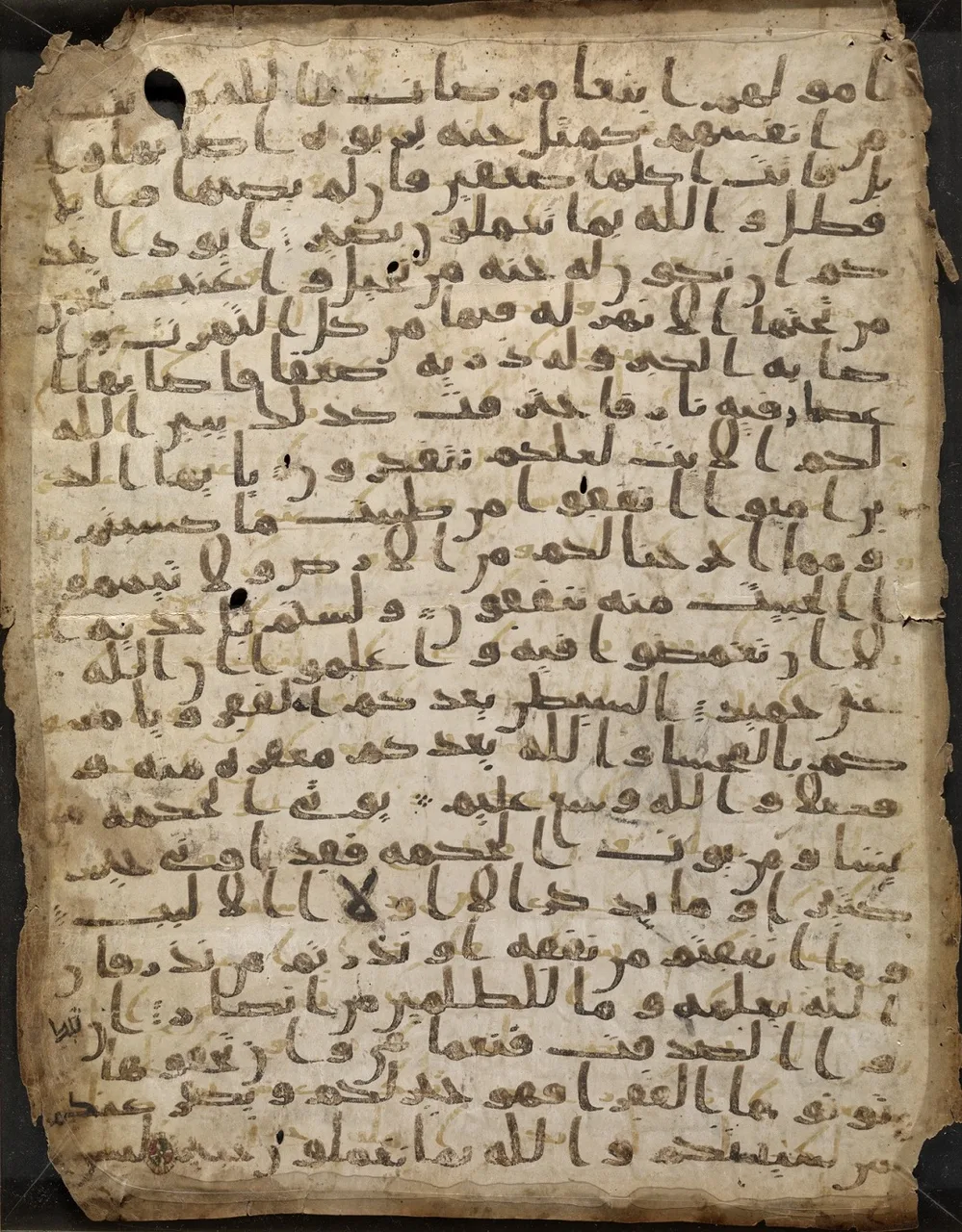
Photo: UnknownUnknown . The original uploader was Prima meditationes at English Wikiped, Wikimedia Commons, Public domain.
Pick one
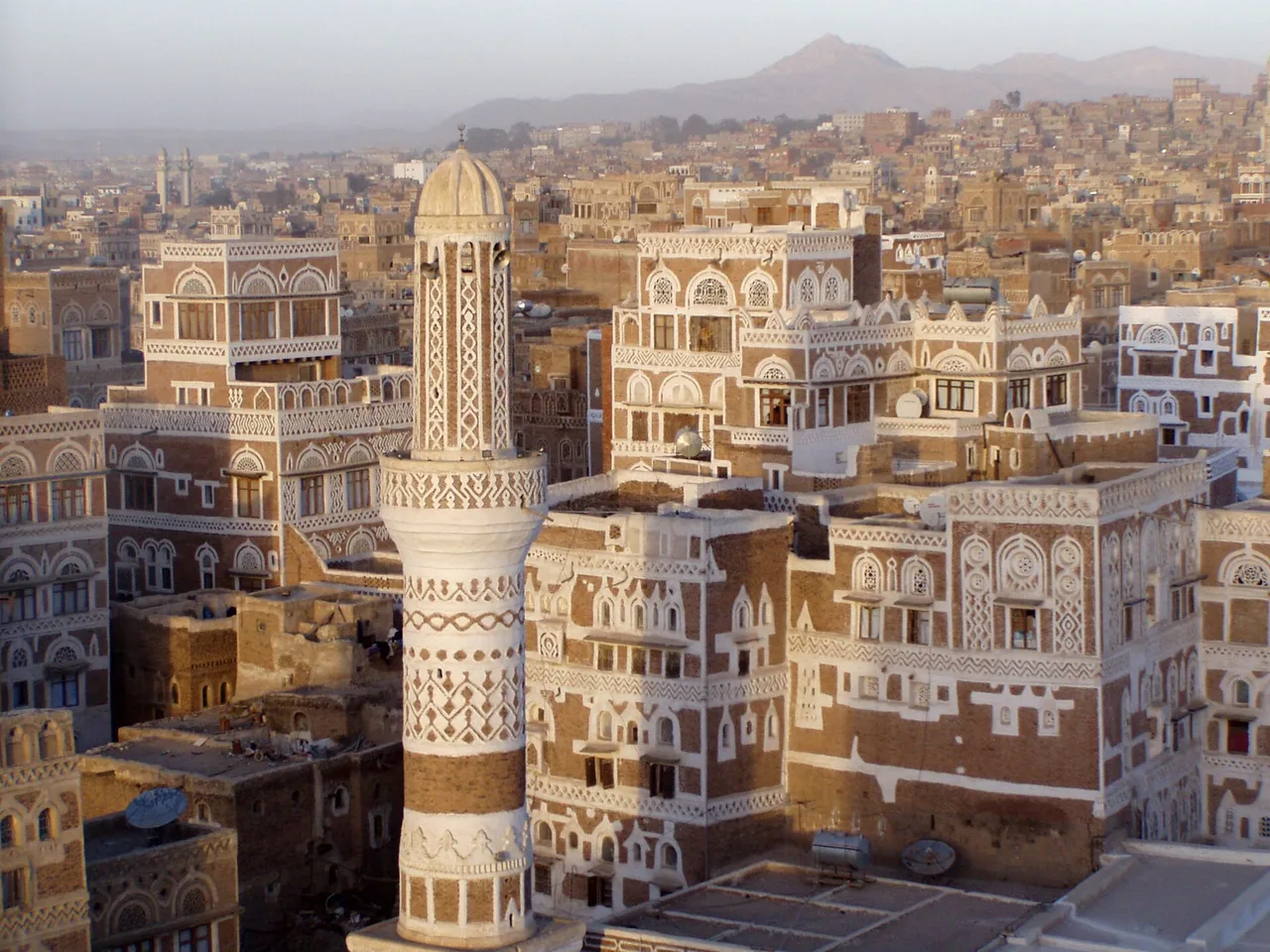
Known as qamariyah, these arched windows are made of intricate gypsum plaster tracery filled with colored glass. They filter the bright Yemeni sunlight into a soft, colorful glow, illuminating the indoor sitting rooms known as mafraj.
Photo: Dan from Brussels, Europe, Wikimedia Commons, CC BY-SA 2.0.

Pick one
Sana'a sits at an impressive altitude of about 2,300 meters (over 7,500 feet) in the Yemeni Highlands. This high elevation gives the city a surprisingly moderate and pleasant climate compared to the scorching desert heat found in the coastal lowlands of the Arabian Peninsula.
Photo: Dan from Brussels, Europe, Wikimedia Commons, CC BY-SA 2.0.
Pick one
The iconic tower houses of Sana'a feature dark basalt stone for the lower floors to provide a sturdy foundation against moisture, while the upper floors are built from lightweight, reddish-brown baked clay bricks. These are decorated with white gypsum patterns around the famous stained-glass windows.
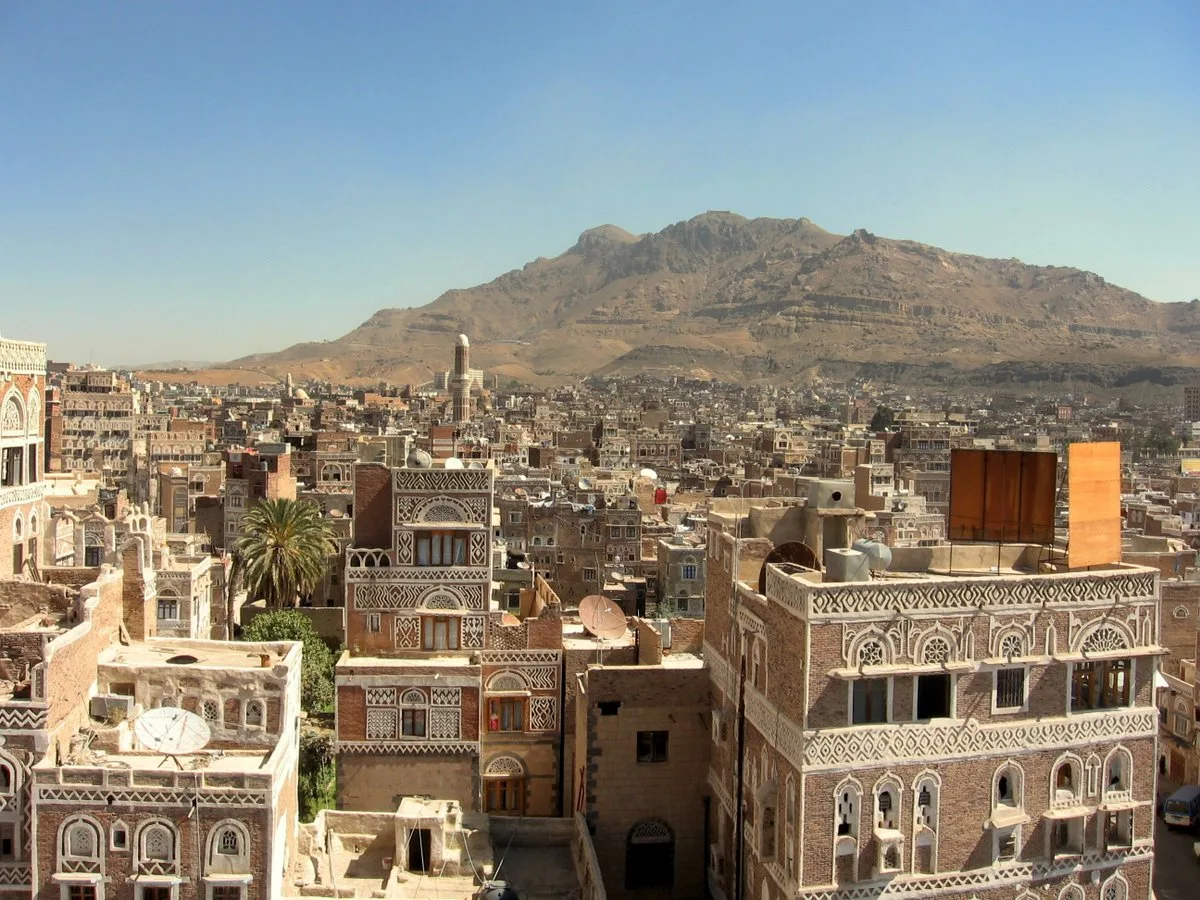
Photo: ai@ce, Wikimedia Commons, CC BY 2.0.
Pick one
The Himyarite Kingdom ruled much of what is now Yemen for more than 600 years. Its first capital was Zafar in the highlands, but power gradually moved to Sana'a, which had become its main centre by late antiquity.

Photo: DamiKarv, Wikimedia Commons, CC BY-SA 4.0.

Pick one
Imam Yahya Muhammad Hamid ed-Din secured Yemen's independence from the Ottoman Empire and established Sana'a as his capital. His son and successor, Imam Ahmad, later moved the capital south to Taiz in 1948, though Sana'a regained its capital status after the 1962 revolution.
Photo: Aamen Rihani, Wikimedia Commons, Public domain.
Pick one
Ghumdan Palace was an ancient fortified palace in the old walled city of Sana'a. The medieval scholar al-Hamdani described it as a huge building of twenty stories, though most accounts suggest six to ten. Only ruins remain today, but it is still celebrated in Yemeni history as an early architectural marvel.

Pick one
Jabal Nuqum rises dramatically to the east of Sana'a, standing at about 2,890 meters. Local legends once claimed that the mountain contained hidden treasures and iron mines, and it has historically served as a natural defensive barrier and military lookout for the city.
Photo: Sameer Alssayyad, Wikimedia Commons, CC BY-SA 3.0.


Paste the code into your page. The player fits itself in, and every vote counts in Votur.
On WordPress, Ghost or Squarespace? Just paste the link of this page into your post.
This is how it looks
Also fun