Get app
Eight friendly questions about the essentials of Japan. No expert knowledge needed: everyone can join in, from nine to ninety.
Just landed 0–3 · Bullet-train traveller 4–6 · Japan connoisseur 7–8
Pick one

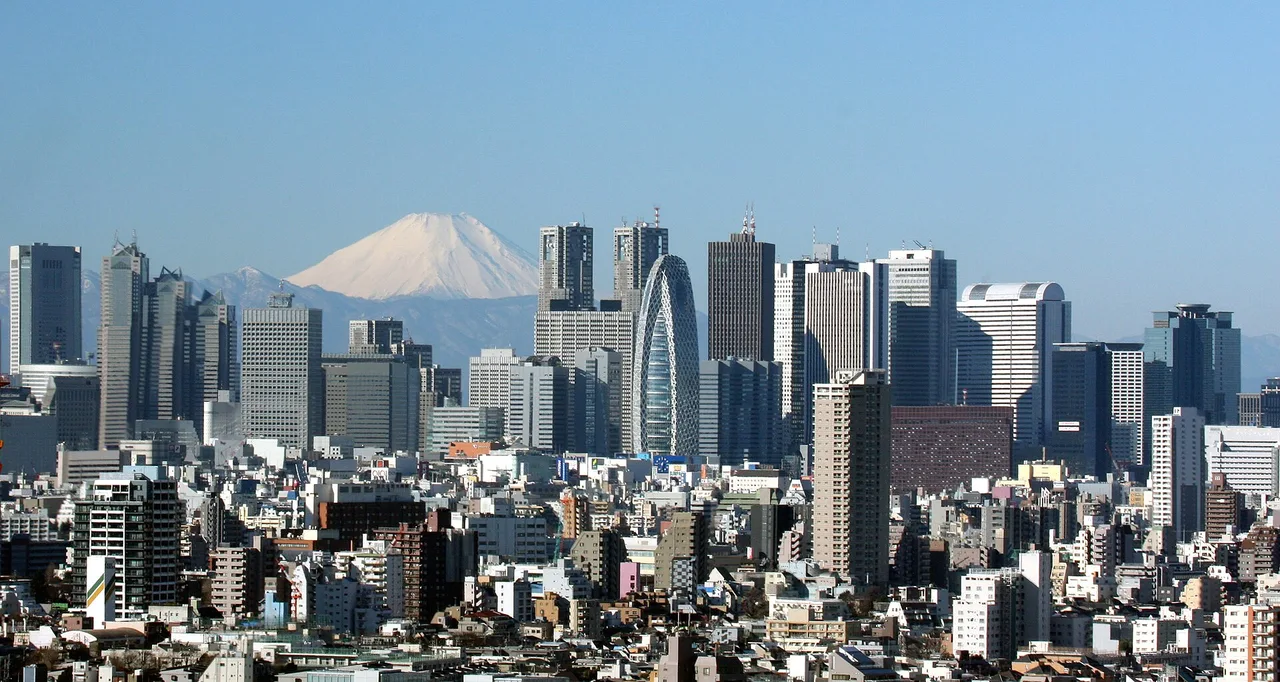
Tokyo was once a small fishing village called Edo, and by the 1700s it had grown into one of the biggest cities in the world. In 1868 the emperor's capital moved there from Kyoto, and the city got its new name, Tokyo, which means 'Eastern Capital'.
Photo: Morio, Wikimedia Commons, CC BY-SA 3.0.
Pick one
The red circle stands for the sun, and the flag is often called the Hinomaru, 'circle of the sun'. Japan's own name for the country, Nippon or Nihon, means 'sun origin', which is why it is known as the Land of the Rising Sun. Bangladesh also has a red circle on its flag, but on green.
Pick one
The rice is what makes it sushi: raw fish served on its own, without the rice, is a different dish called sashimi. And the classic hand-pressed sushi, called nigiri, is traditionally eaten with your fingers, even in a smart restaurant. Tempura is seafood or vegetables fried in a light batter.
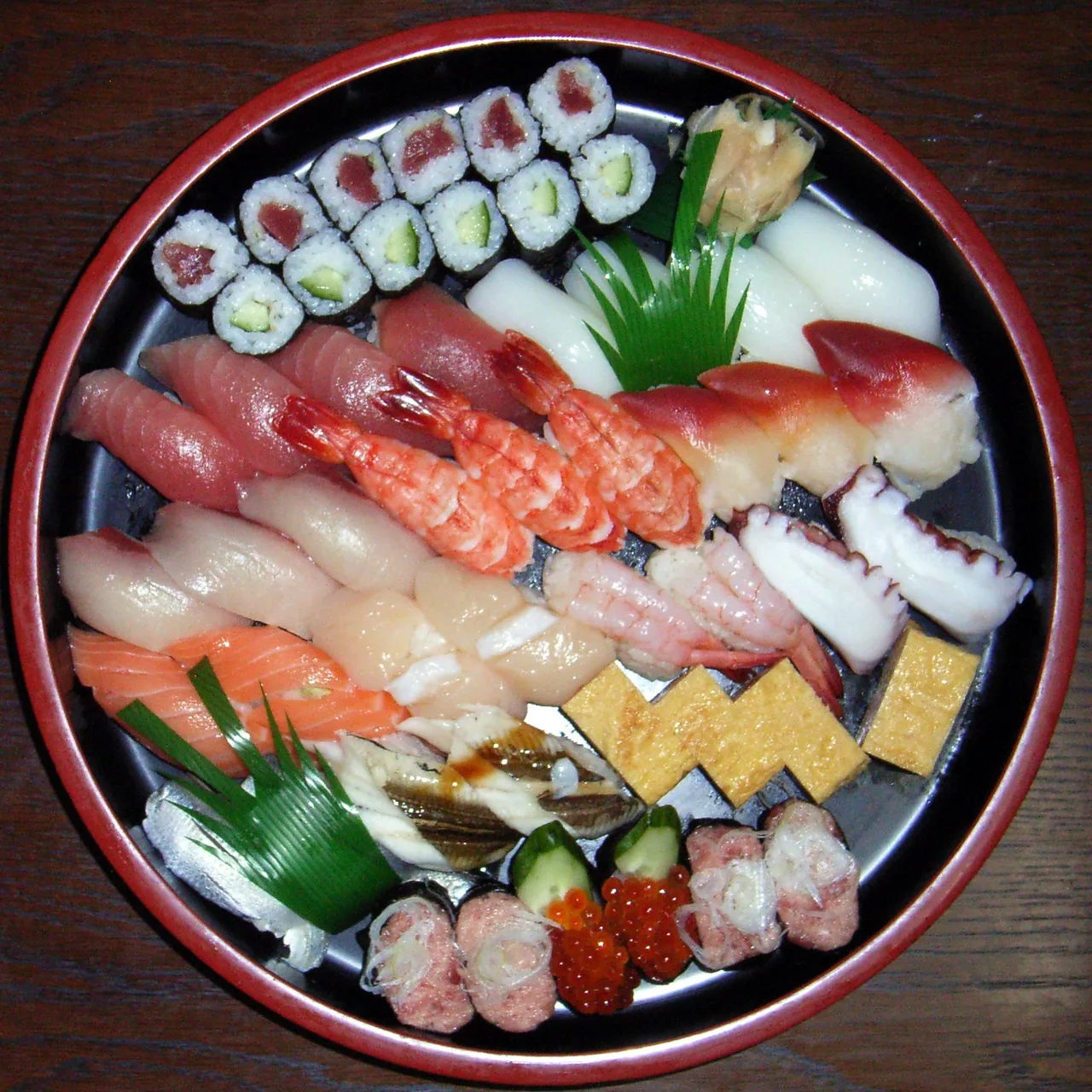
Photo: chidorian from Japan, Wikimedia Commons, CC BY-SA 2.0.
Pick one
Mount Fuji is about 3,776 metres high and stands about 100 km from Tokyo, where you can see it on clear days. It is still an active volcano, although its last eruption began back in December 1707. Most people who climb it set off at night, so they can watch the sun rise from the top.
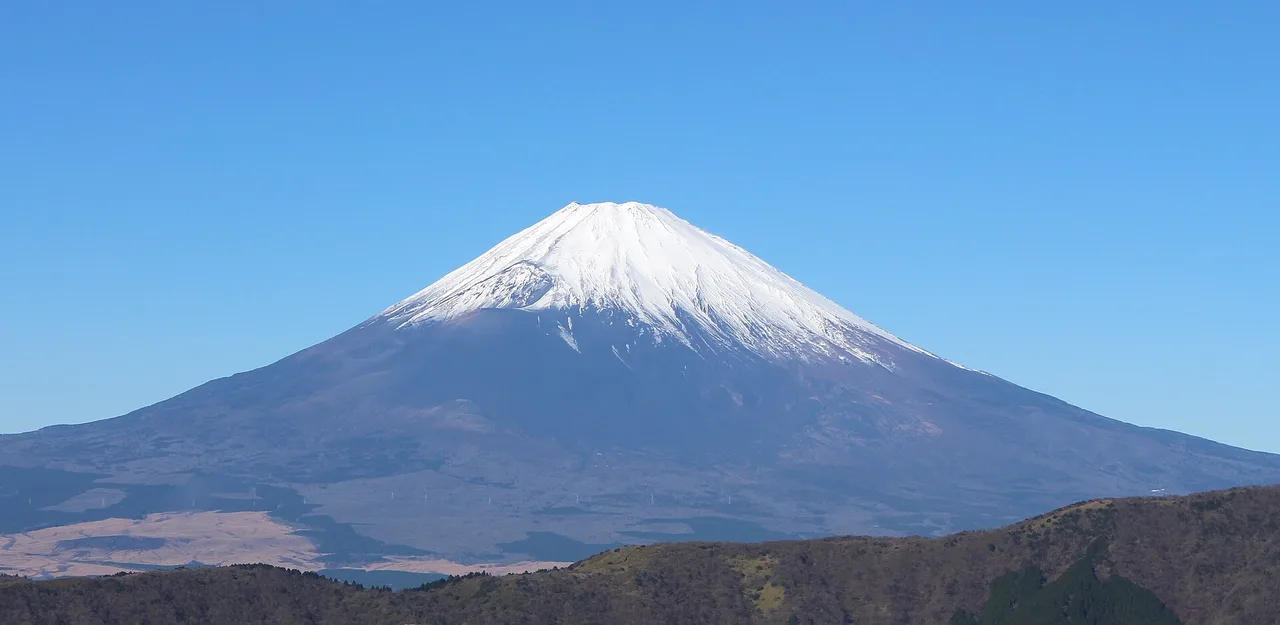
Photo: Suicasmo, Wikimedia Commons, CC BY-SA 4.0.
Pick one
This custom is called hanami, which means 'flower viewing'. The blossoms last only a week or two, so the news follows the 'cherry blossom front' as it moves from south to north. In 1912 Japan gave about 3,000 cherry trees to the United States as a gift of friendship, and they were planted in Washington, D.C.
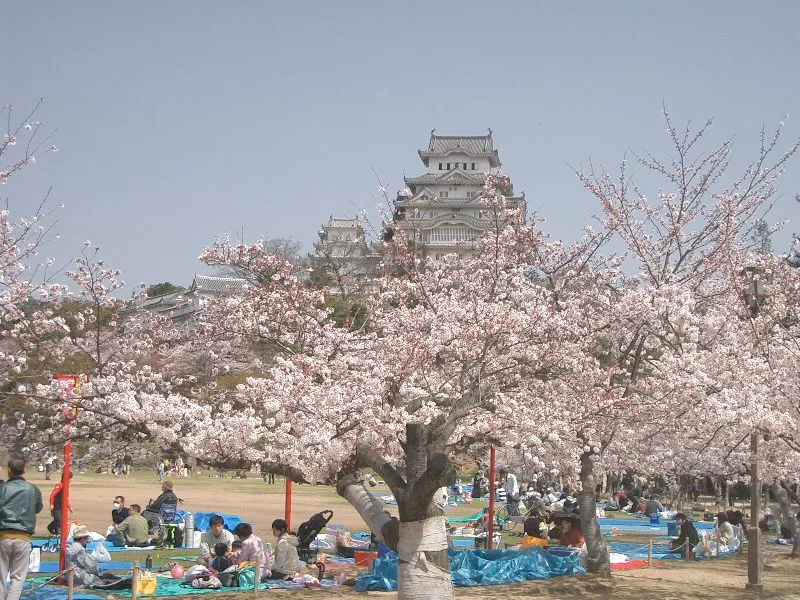
Photo: Wikimedia Commons, CC BY-SA 3.0.
Pick one
Judo was founded in 1882 by Kanō Jigorō, its name means 'the gentle way', and it first appeared at the Olympics in Tokyo in 1964. Kanō was also the first to show a fighter's rank by the colour of their belt, at first only white or black, which is where the famous black belt comes from. Taekwondo comes from Korea.
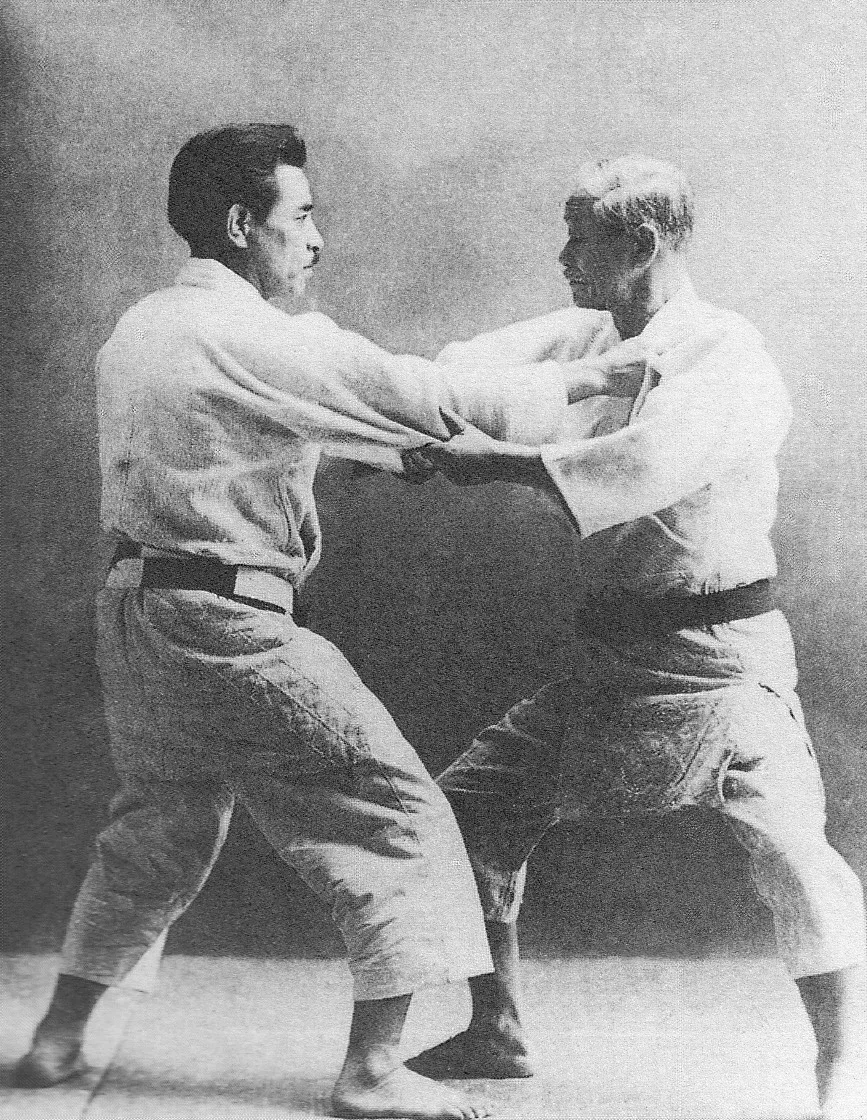
Photo: published by ベースボール・マガジン社, Wikimedia Commons, Public domain.
Pick one
The first emoji sets were made by Japanese electronics companies in the late 1980s and the 1990s, and later spread all over the world. The word comes from Japanese 'e', picture, and 'moji', character. It only looks like the English word 'emotion' by coincidence.
Pick one
Japanese homes have a small entrance area called a genkan, where you leave your outdoor shoes and step up into the house, often into indoor slippers. Schools do the same: they have big shoe cupboards with a little compartment for each pupil's outdoor shoes.
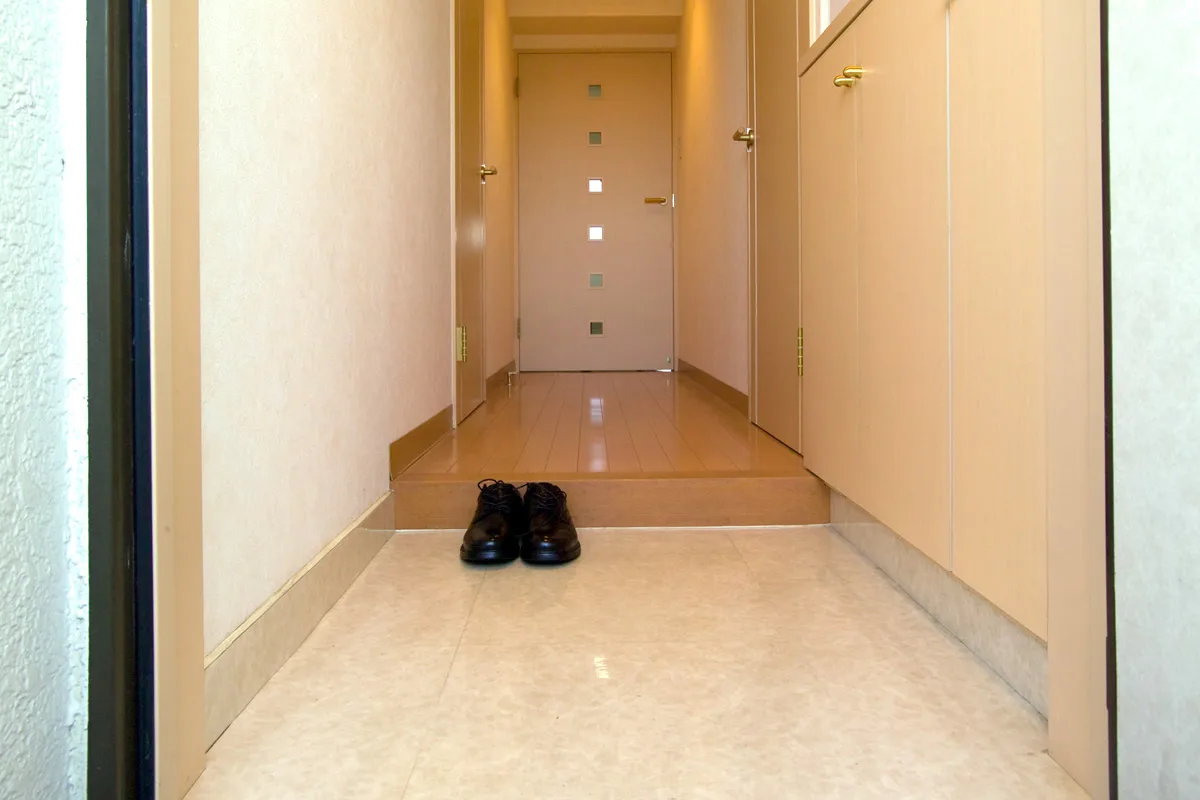
Photo: Fg2, Wikimedia Commons, Public domain.


Paste the code into your page. The player fits itself in, and every vote counts in Votur.
On WordPress, Ghost or Squarespace? Just paste the link of this page into your post.
This is how it looks
Also fun