Get app
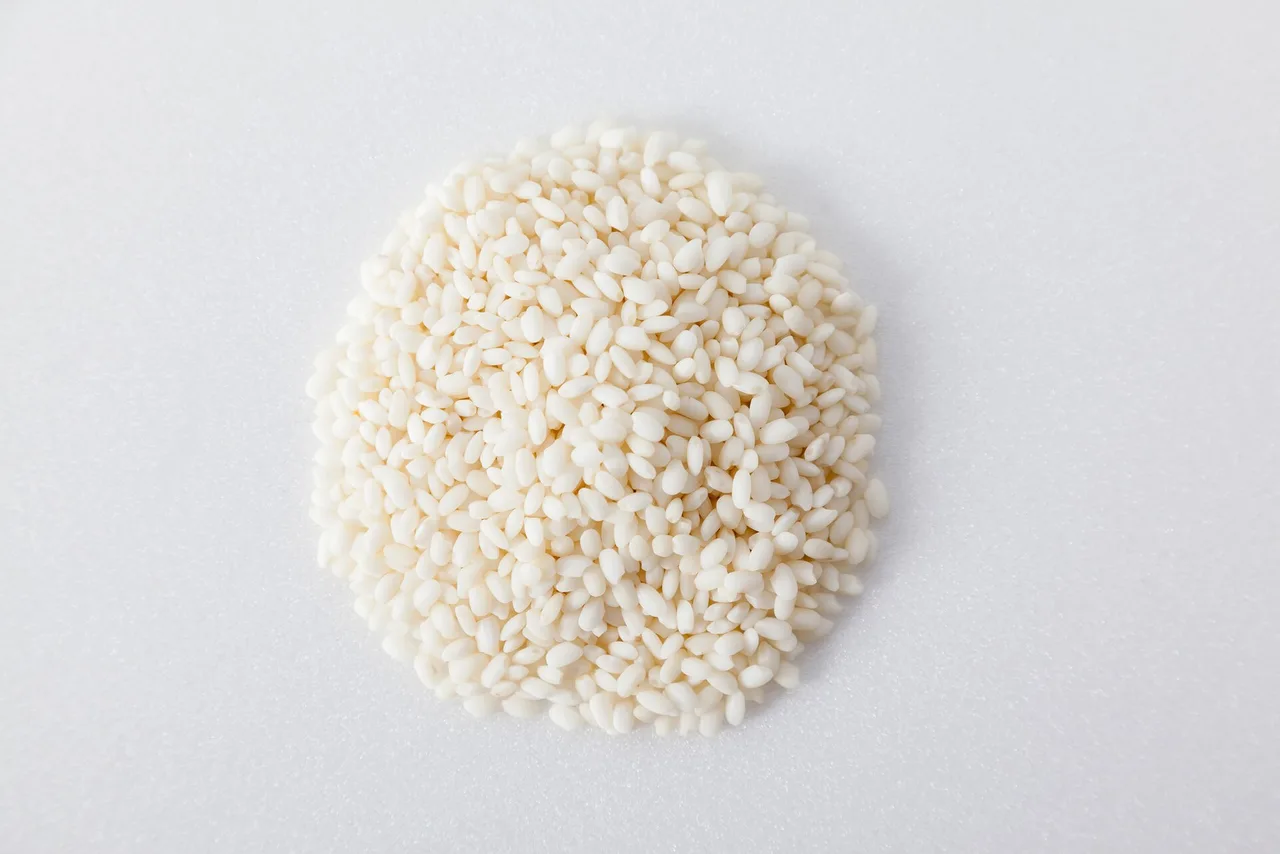
 Photo: Morio, Wikimedia Commons, CC BY-SA 3.0.
Test your knowledge of Japan! Journey through the country's rich history, stunning natural landmarks, unique traditions and delicious food.
Curious Wanderer 0–4 · Keen Observer 5–8 · True Insider 9–10
Pick one

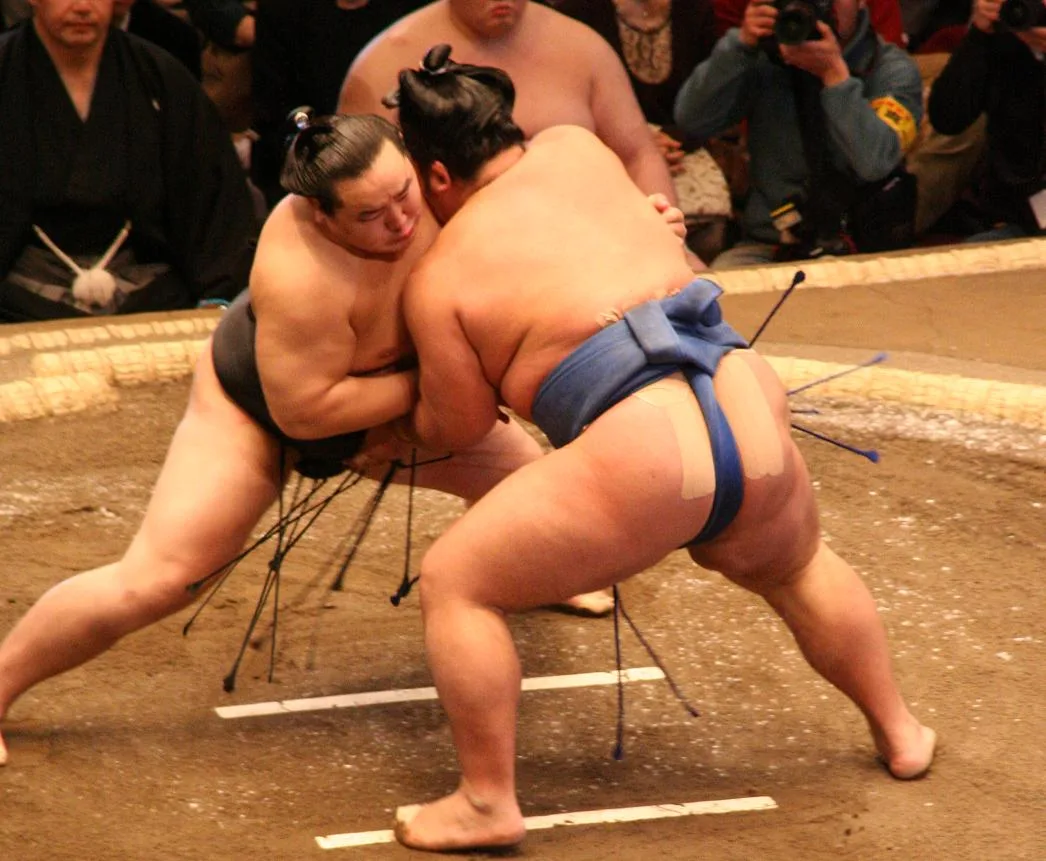
Sumo wrestlers throw handfuls of salt into the ring before a bout to purify the sacred space, a custom rooted in Shinto ritual. Before the fight they also rinse their mouths with chikara-mizu, which means 'power water'.
Photo: Eckhard Pecher User:Arcimboldo, Wikimedia Commons, CC BY 3.0.
Pick one
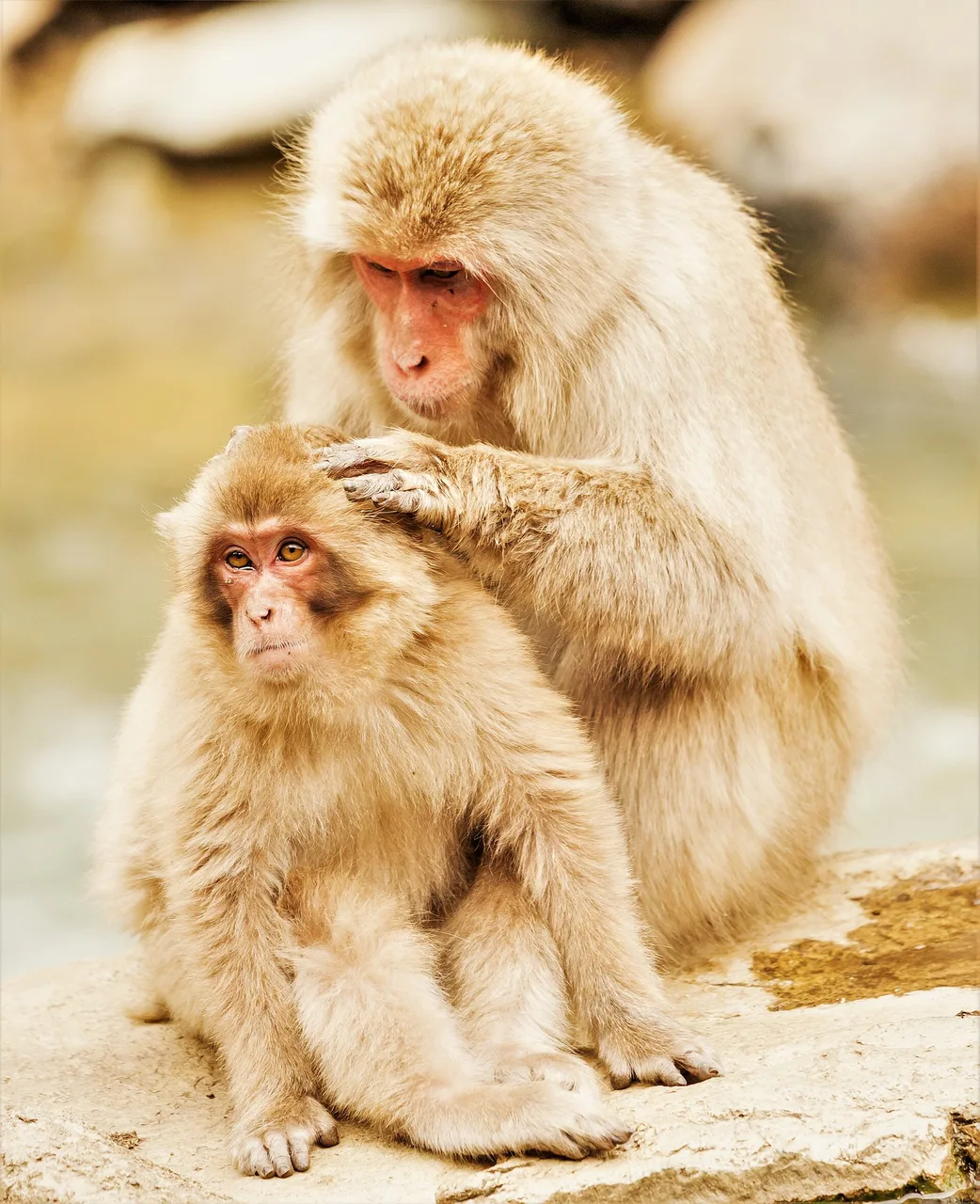
Known globally as snow monkeys, these Japanese macaques live further north than any other non-human primate. At Jigokudani Monkey Park in Nagano, they have developed the unique habit of soaking in warm volcanic hot springs to cope with freezing winter temperatures, delighting photographers from around the world.
Photo: Rocktendo & Adam Gman, Wikimedia Commons, CC BY-SA 4.0.
Pick one
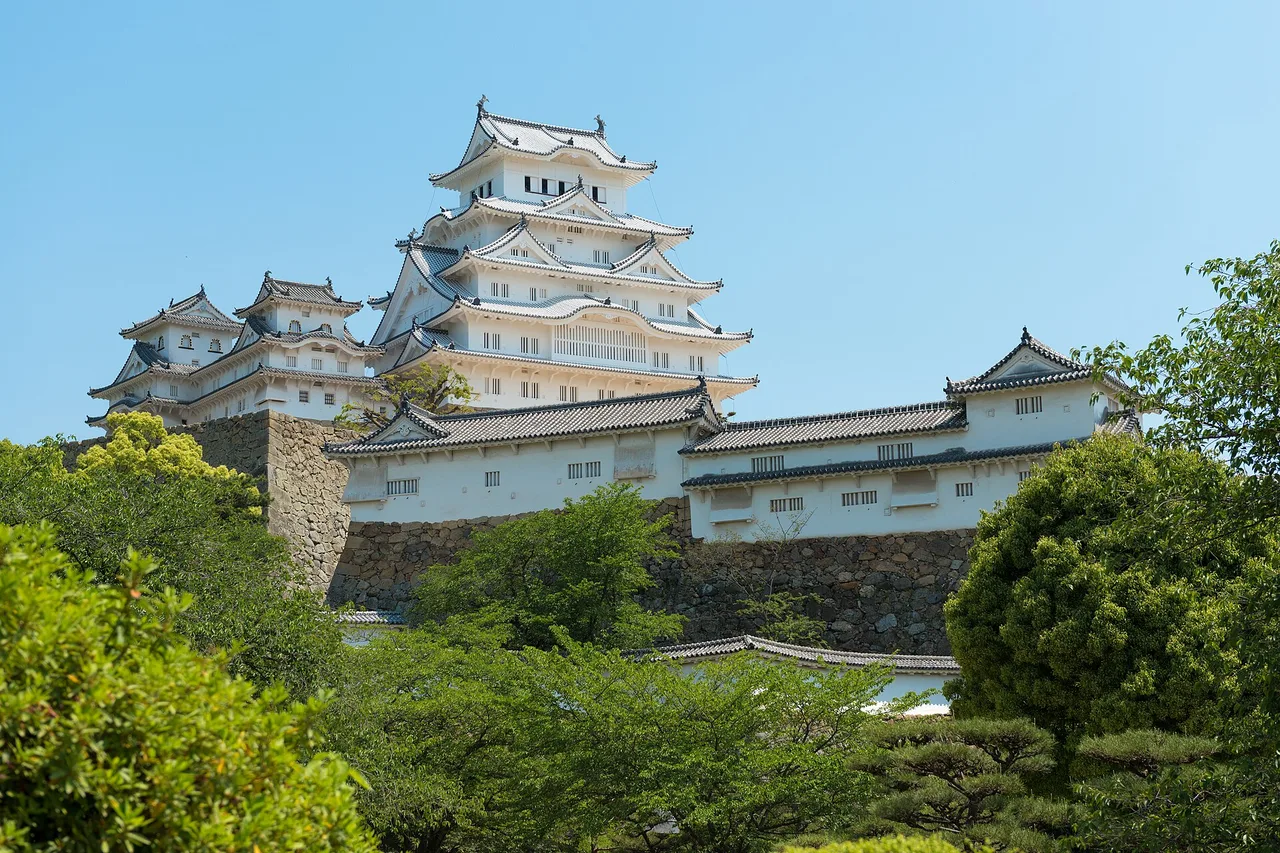
Himeji Castle is widely known as the "White Heron Castle" (Shirasagi-jo) because its white plastered walls resemble a bird taking flight. Built in the early 17th century, it is one of Japan's original twelve surviving castles and survived both the firebombings of World War II and the Great Hanshin Earthquake.
Photo: Nikos Kitsakis, Wikimedia Commons, CC BY-SA 4.0.
Pick one
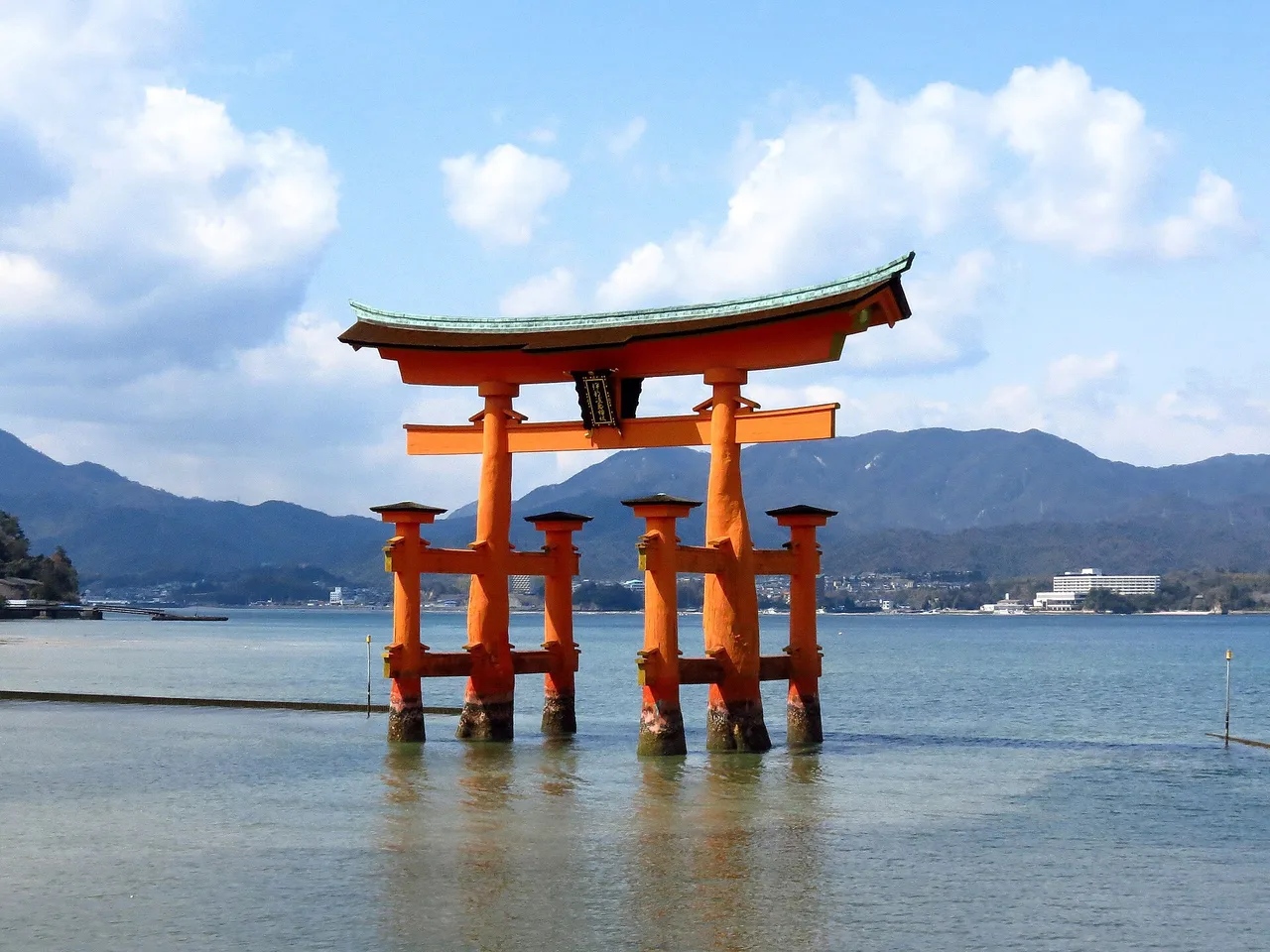
The famous vermilion torii gate of Itsukushima Shrine is located on Miyajima Island, just off the coast of Hiroshima. Built in the water, the gate appears to float on the sea during high tide, while at low tide, visitors can walk right up to its massive wooden pillars.
Photo: redlegsfan21, Wikimedia Commons, CC BY-SA 2.0.
Pick one
Authentic matcha is made from shade-grown tea leaves that are carefully ground into a fine powder using traditional stone mills. Grinding the leaves slowly prevents friction from heating the tea, which preserves its vibrant green color and delicate flavor.
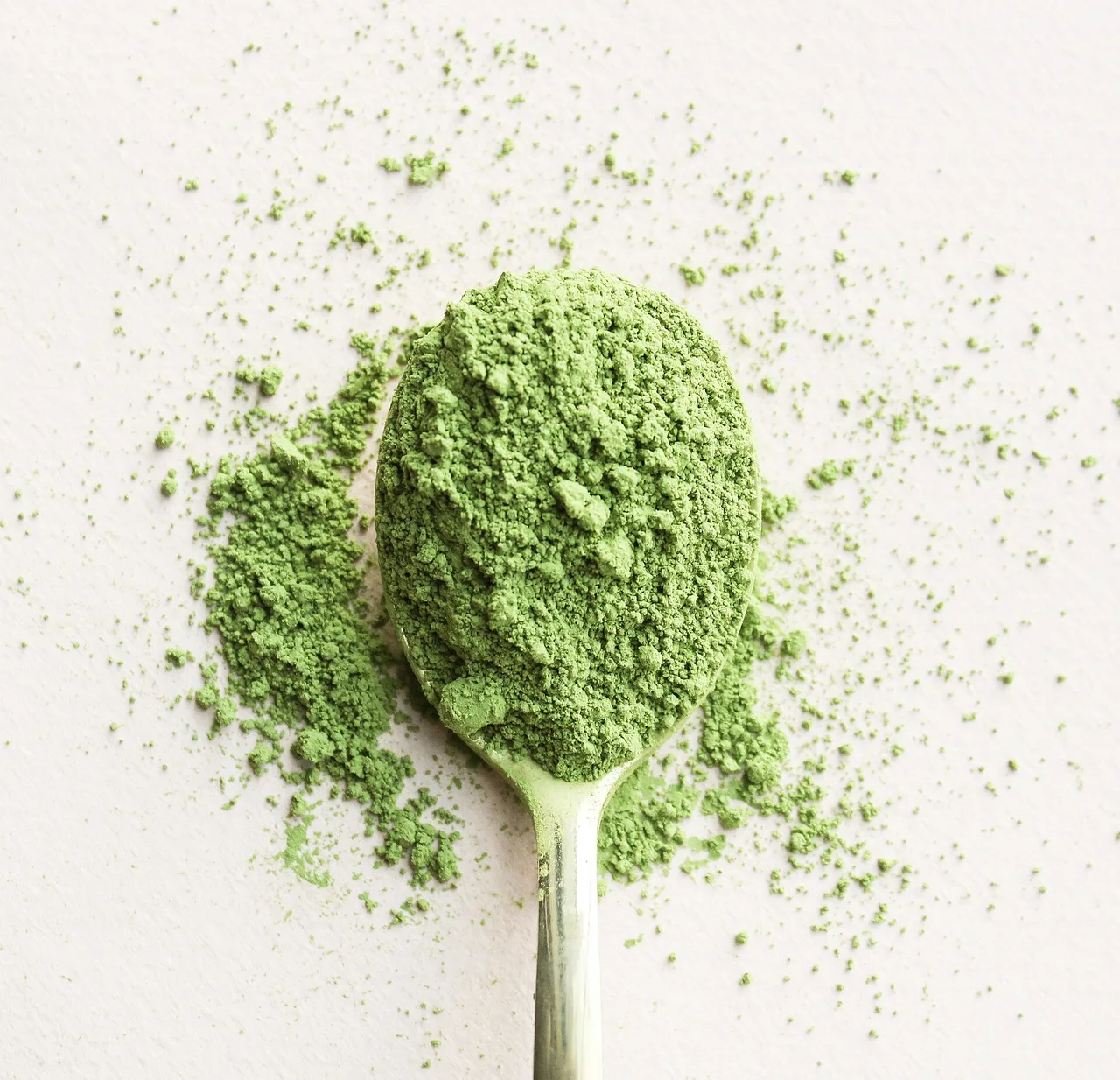
Photo: Evanhoever, Wikimedia Commons, CC BY-SA 4.0.
Pick one
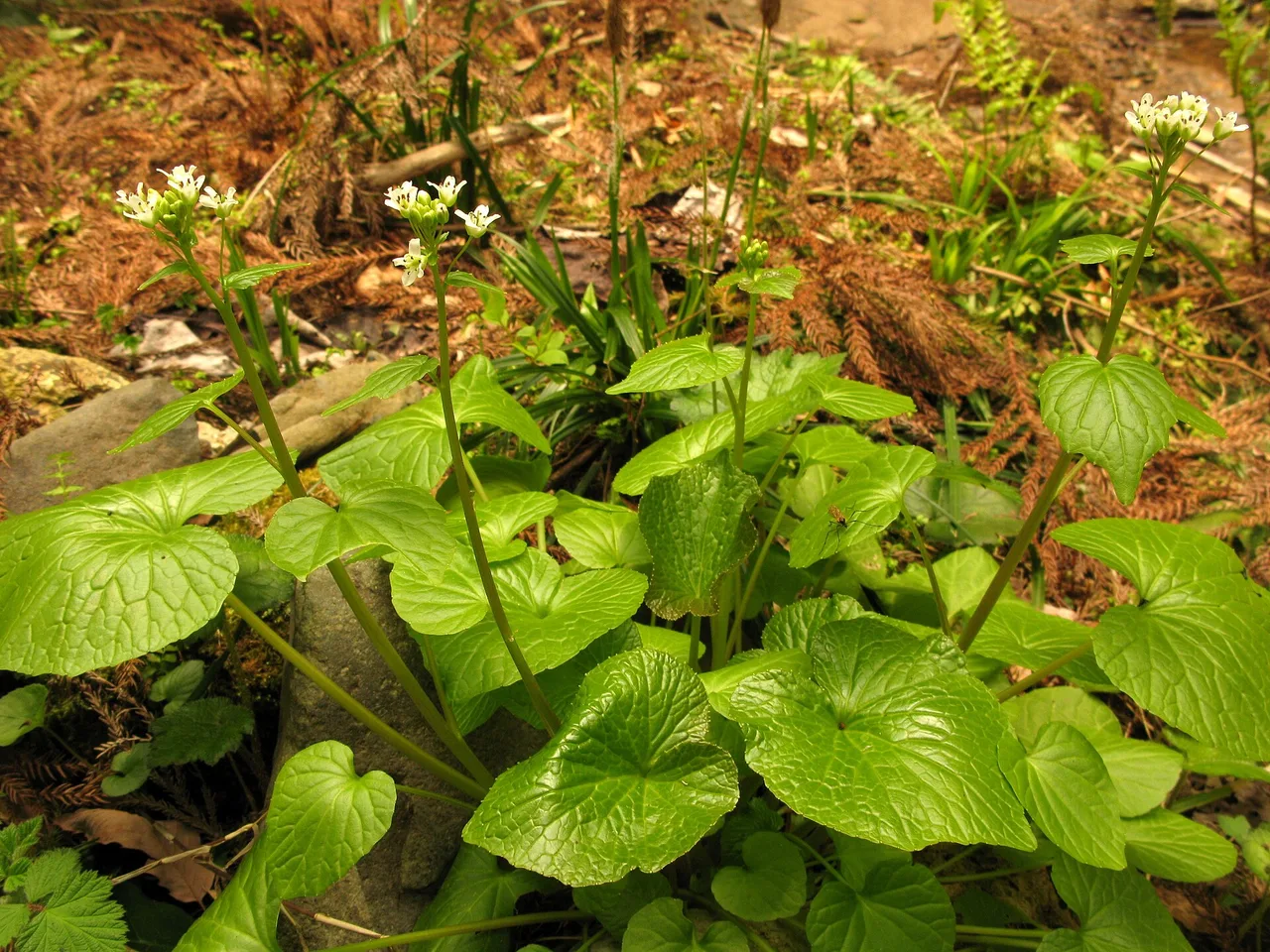
Real wasabi belongs to the Brassicaceae family, which also includes mustard, horseradish, and cabbage. Growing authentic wasabi is incredibly difficult because it requires clean, cold, running mountain water. This is why most restaurants outside Japan use a colored mix of European horseradish and mustard instead.
Photo: Qwert1234, Wikimedia Commons, CC BY-SA 3.0.
Pick one
The Tsugaru Strait connects the Sea of Japan with the Pacific Ocean and separates Honshu from Hokkaido. Today, travelers can cross beneath its deep waters via the Seikan Tunnel, which is one of the longest and deepest railway tunnels in the world, stretching over 53 kilometers.
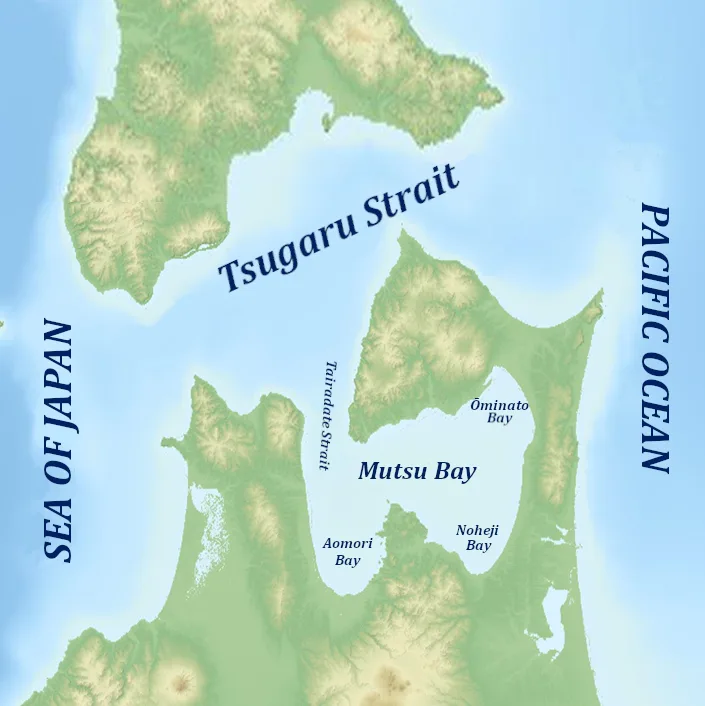
Photo: Bourrichon, Wikimedia Commons, CC BY-SA 4.0.
Pick one
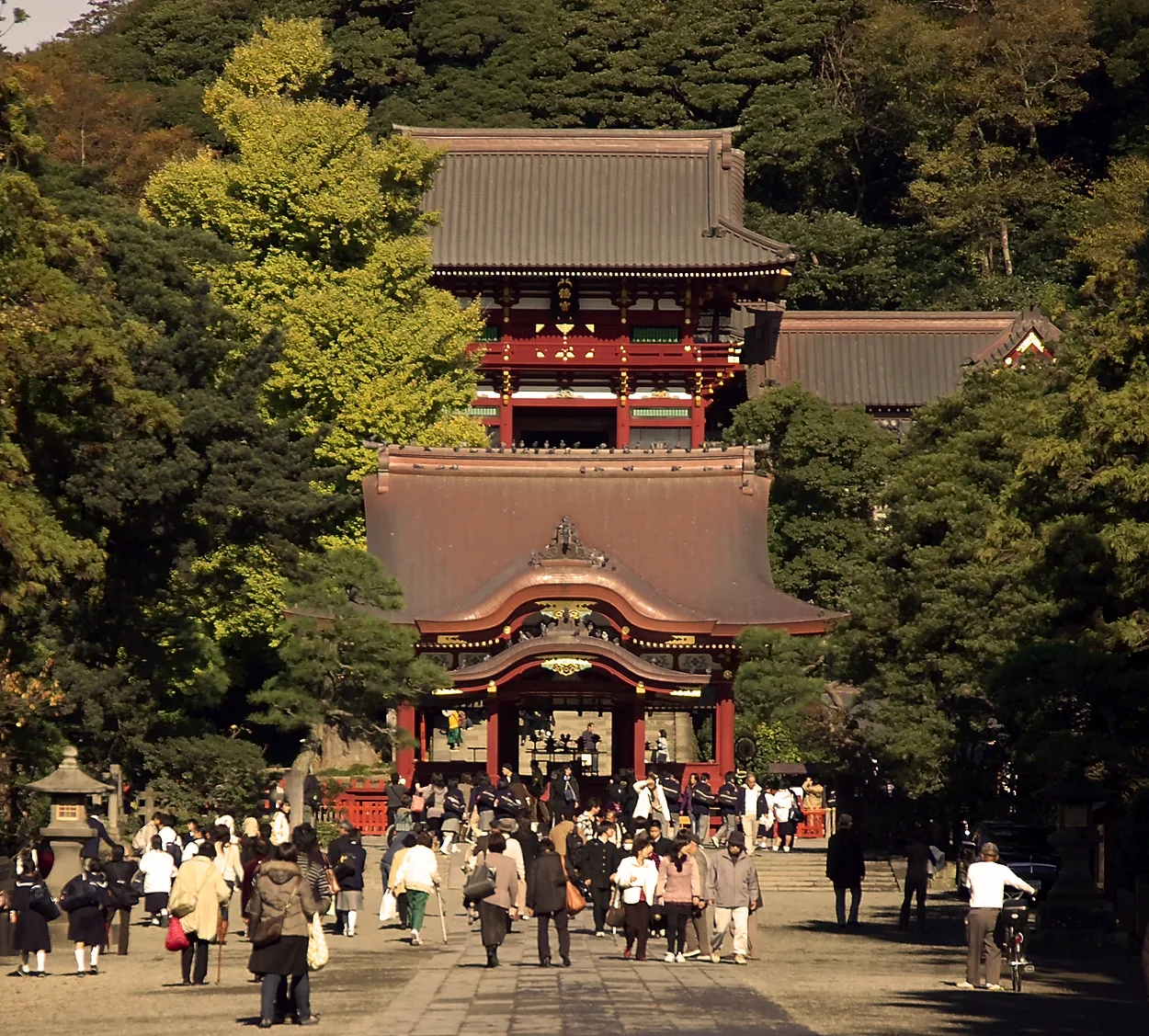
Minamoto no Yoritomo established his military government in Kamakura in 1192, ushering in the Kamakura period. He chose this coastal town because it was easily defensible, surrounded by hills on three sides and the ocean on the fourth. Today, it is famous for its giant bronze Buddha statue.
Photo: Fg2, Wikimedia Commons, Public domain.
Pick one
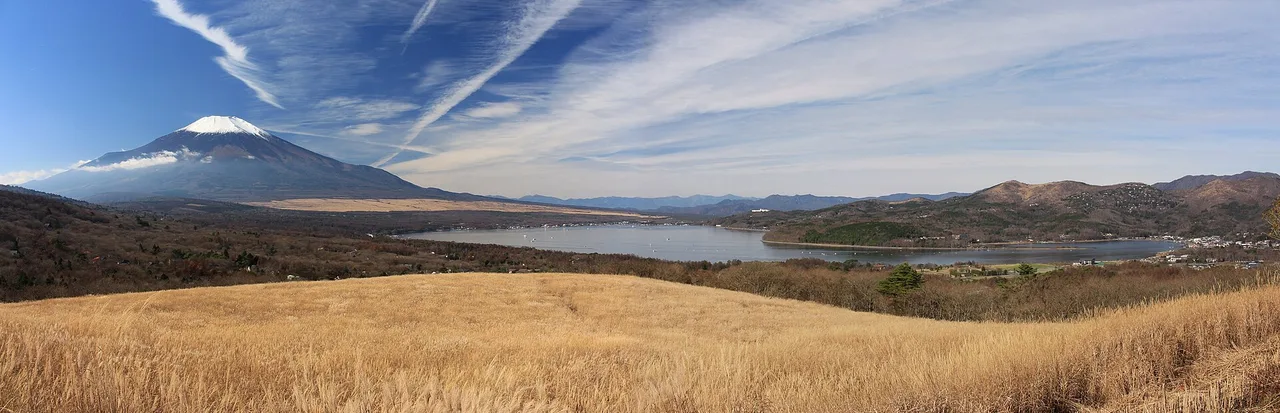
Lake Yamanaka is the largest of the Fuji Five Lakes by surface area and also sits at the highest elevation among them. At about 980 meters, it is also one of the highest large lakes in Japan. Visitors flock here for stunning views of Mount Fuji, especially during the winter months when the "Diamond Fuji" phenomenon can be seen.
Photo: Alpsdake, Wikimedia Commons, CC BY-SA 4.0.
Pick one
Yayoi Kusama is legendary for her immersive "Infinity Mirror Rooms" and signature polka-dot motifs, which she uses to represent her personal experiences with hallucinations. She has lived voluntarily in a Tokyo psychiatric hospital since 1977, continuing to produce art that commands millions at auctions worldwide.
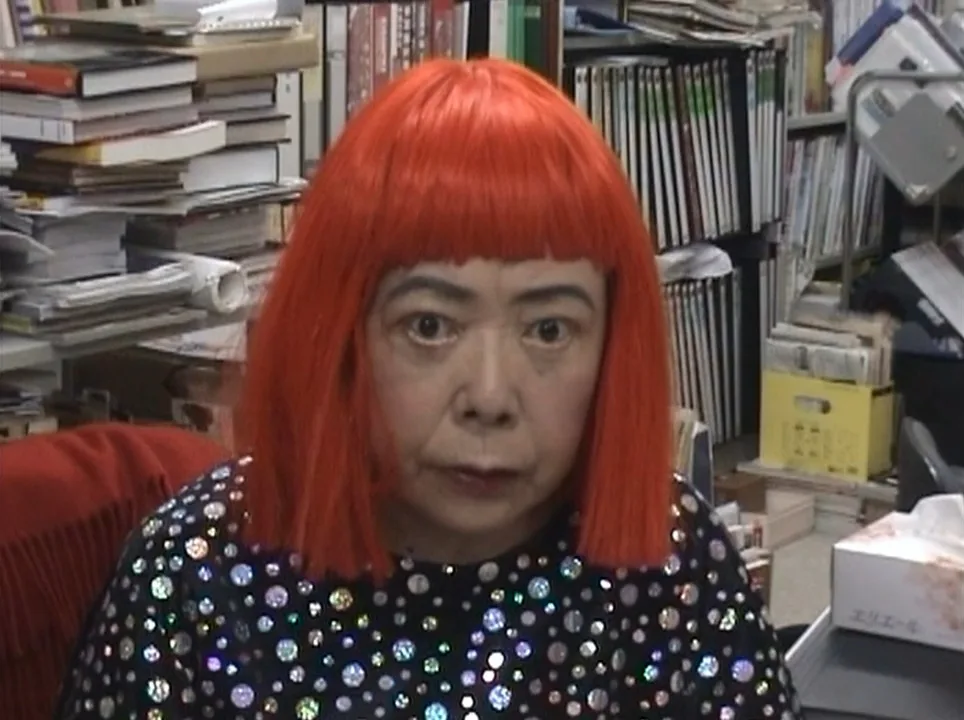
Photo: Muriel Guingand, Wikimedia Commons, CC BY 3.0.


Paste the code into your page. The player fits itself in, and every vote counts in Votur.
On WordPress, Ghost or Squarespace? Just paste the link of this page into your post.
This is how it looks
Also fun