Get app
The highest mountain on Earth: who climbed it first, what lives on its slopes and what is hidden in its rocks. Ten questions about the roof of the world.
Base camp visitor 0–4 · Seasoned climber 5–8 · On top of the world 9–10
Pick one

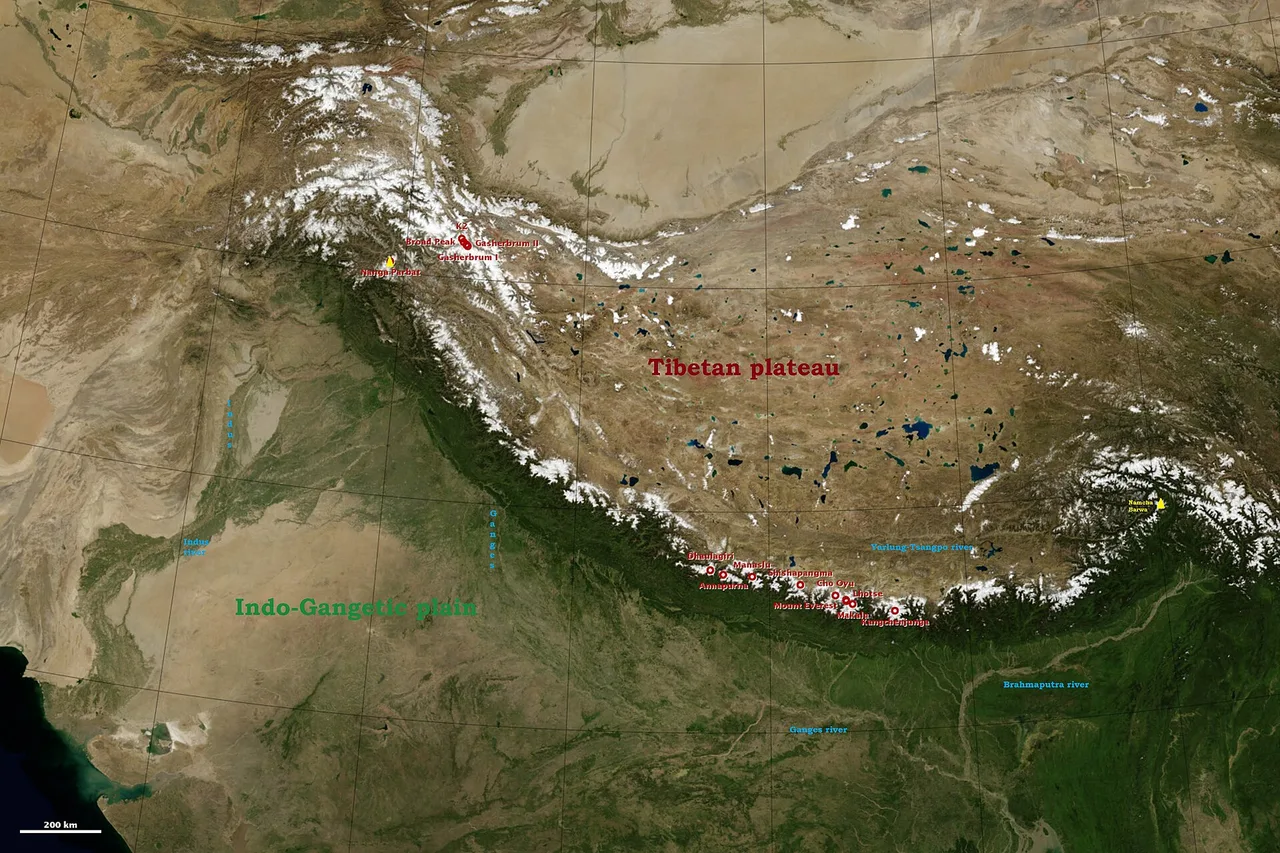
Everest is the highest peak of the Himalayas, the range that stretches for about 2,400 km across Asia. The Karakoram is a neighbouring range: that is where K2, the second-highest mountain, stands.
Photo: NASA Landsat image, Wikimedia Commons, Public domain.
Pick one
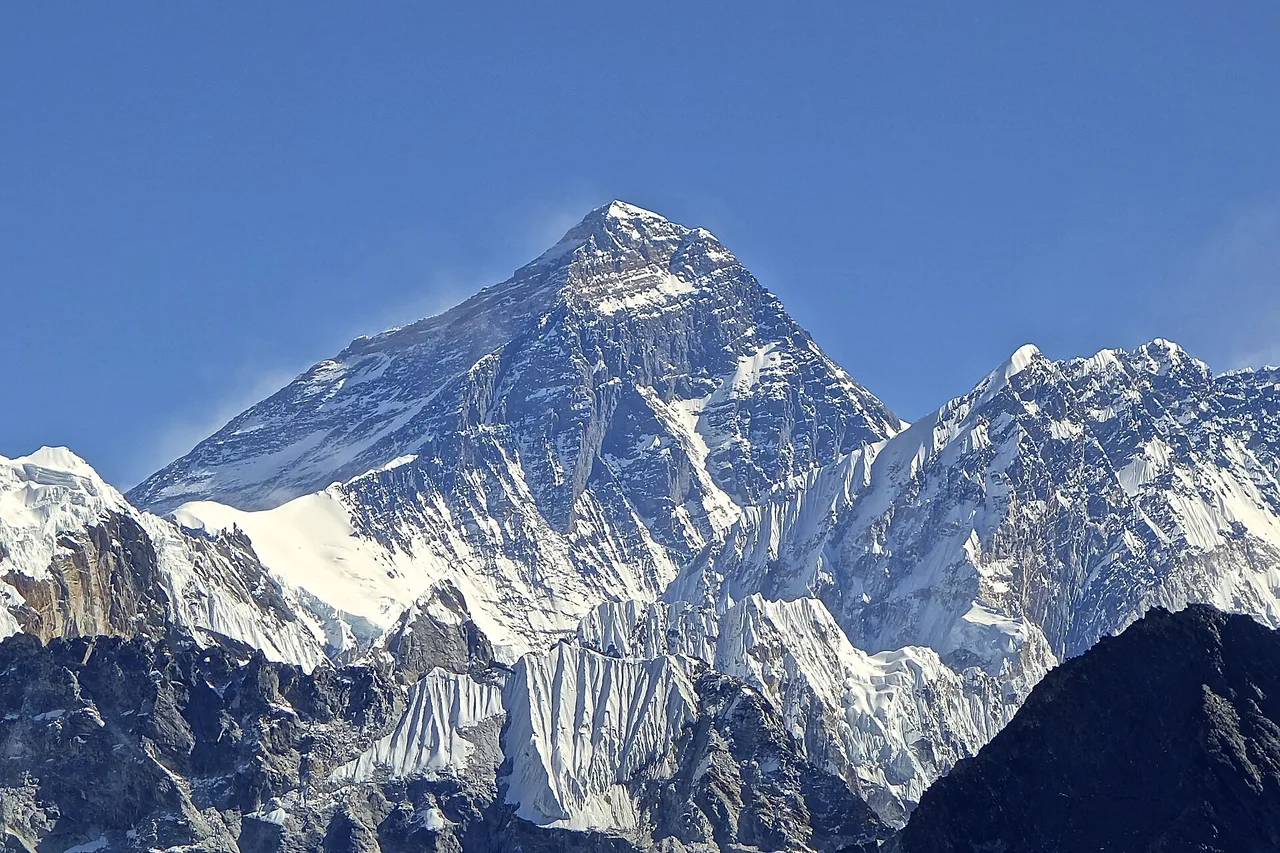
The border runs right across the summit. The south side is in Nepal, the north side in Tibet, a region of China. Climbers can start from either side.
Photo: Rdevany, Wikimedia Commons, CC BY-SA 3.0.
Pick one
On 29 May 1953 the New Zealander Edmund Hillary and the Sherpa Tenzing Norgay reached the top together. Mallory and Irvine disappeared high on the mountain in 1924; whether they made it to the top is still a mystery.
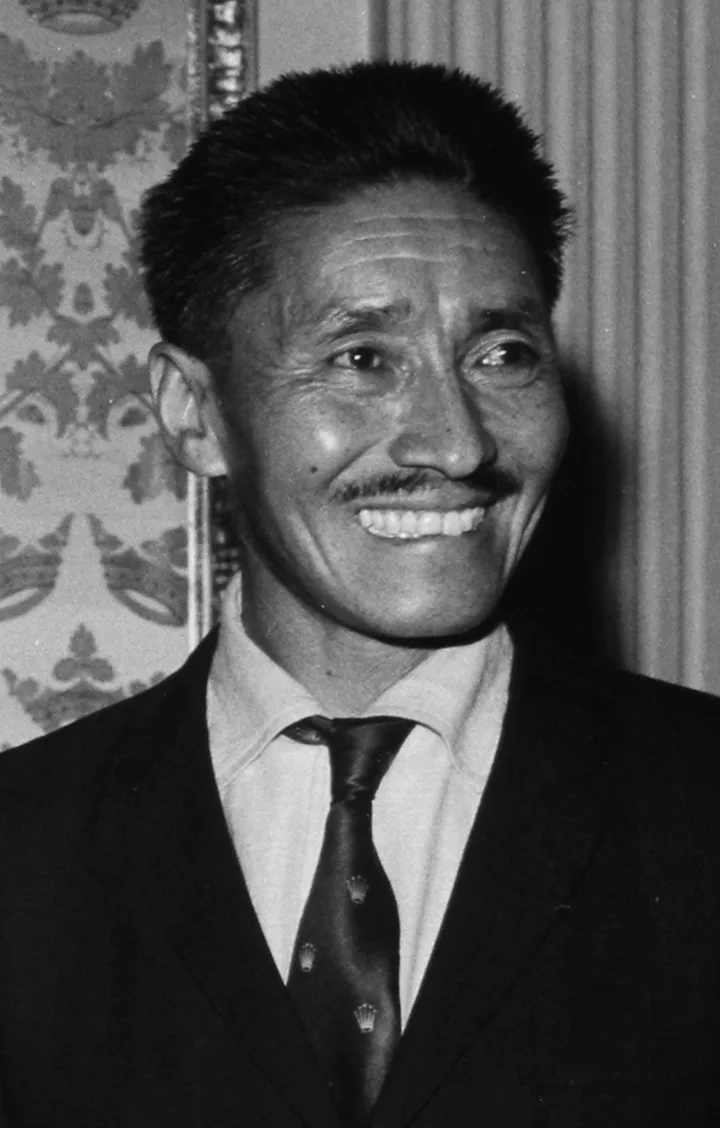
Photo: SAS Scandinavian Airlines, Wikimedia Commons, Public domain.
Pick one
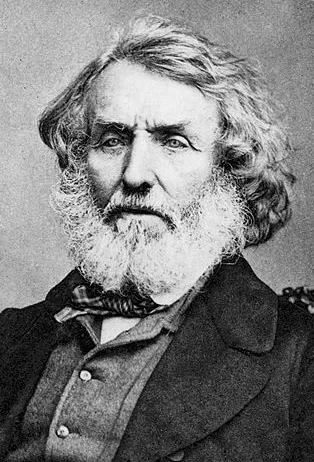
George Everest led the survey that mapped India in the 1800s. His successor put his name forward, but Everest himself objected: he had nothing to do with finding the mountain, and his name was hard to write and say in Hindi.
Photo: Maull & Polyblank, Wikimedia Commons, Public domain.
Pick one
Nepal and China measured it together in 2020: 8,848.86 metres above sea level. The other number is the height of Aconcagua, the highest mountain in South America.
Pick one
Most of Mauna Kea is hidden under the Pacific Ocean. Measured from its base on the sea floor it is more than 10,000 metres tall, over a kilometre more than Everest.
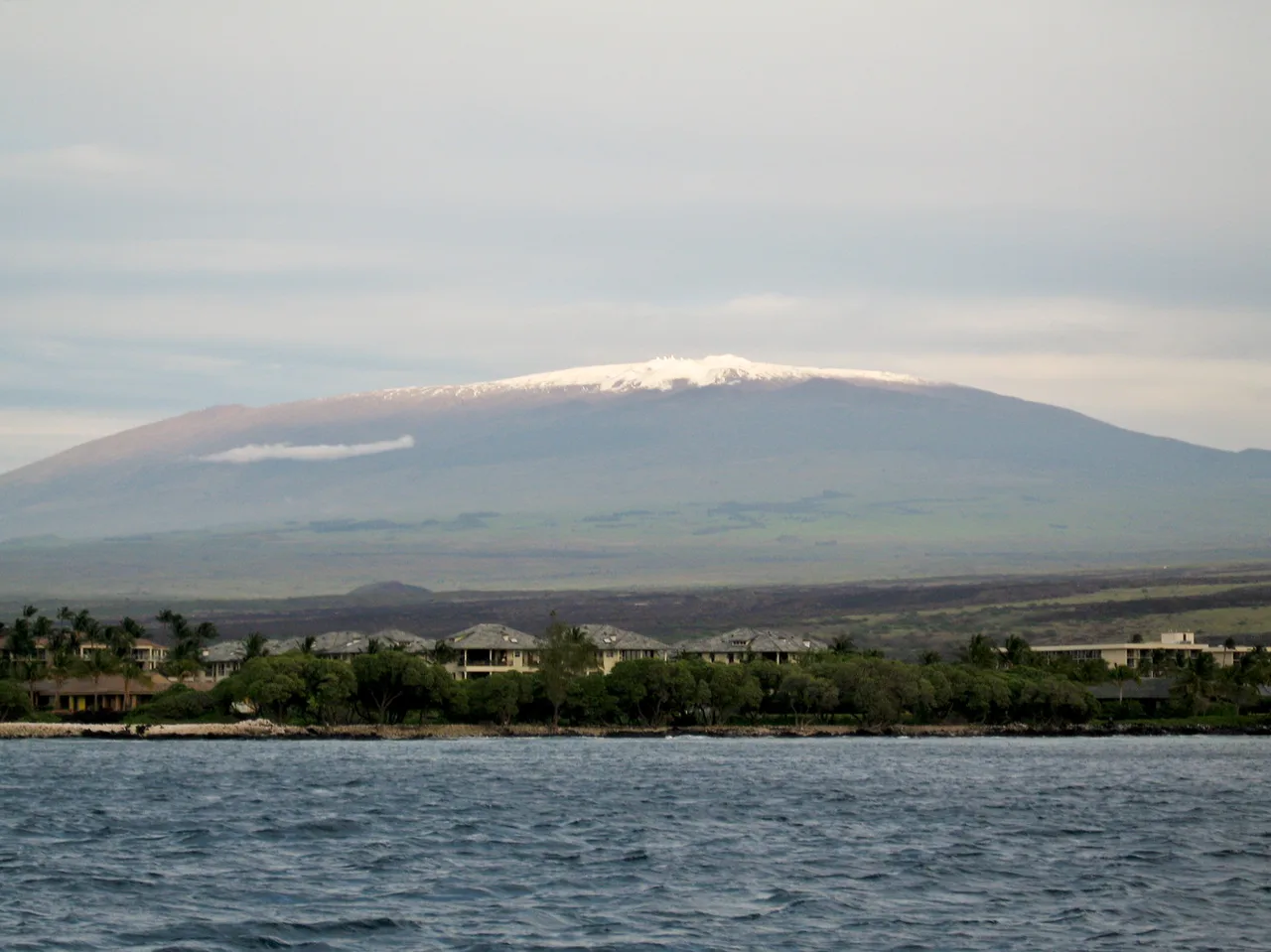
Photo: Vadim Kurland, Wikimedia Commons, CC BY 2.0.
Pick one
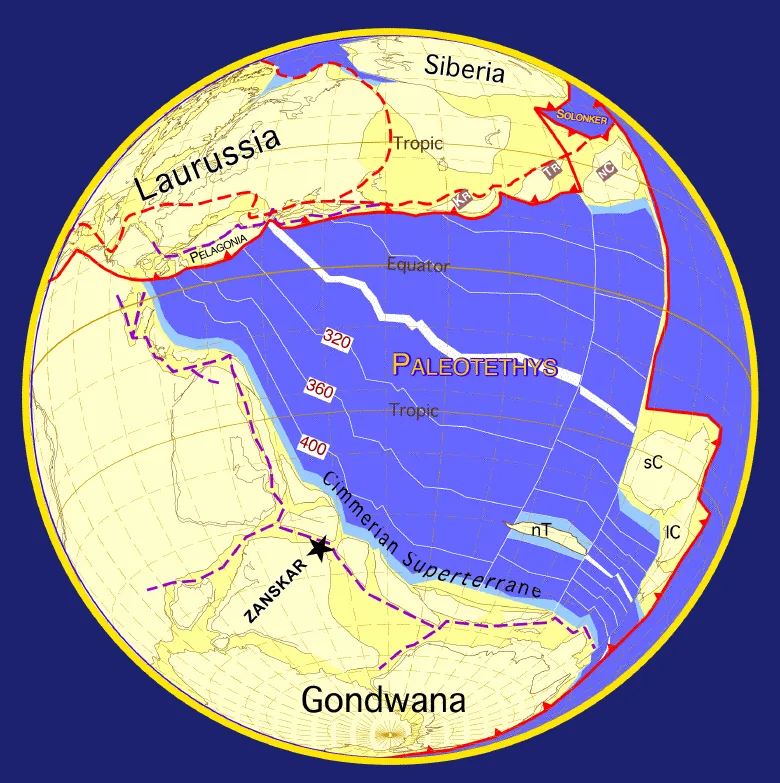
The limestone near the summit was once the floor of an ancient sea. When India slowly crashed into Asia, the seabed was pushed up into the sky, shells and all.
Photo: Moumine, Wikimedia Commons, Attribution.
Pick one
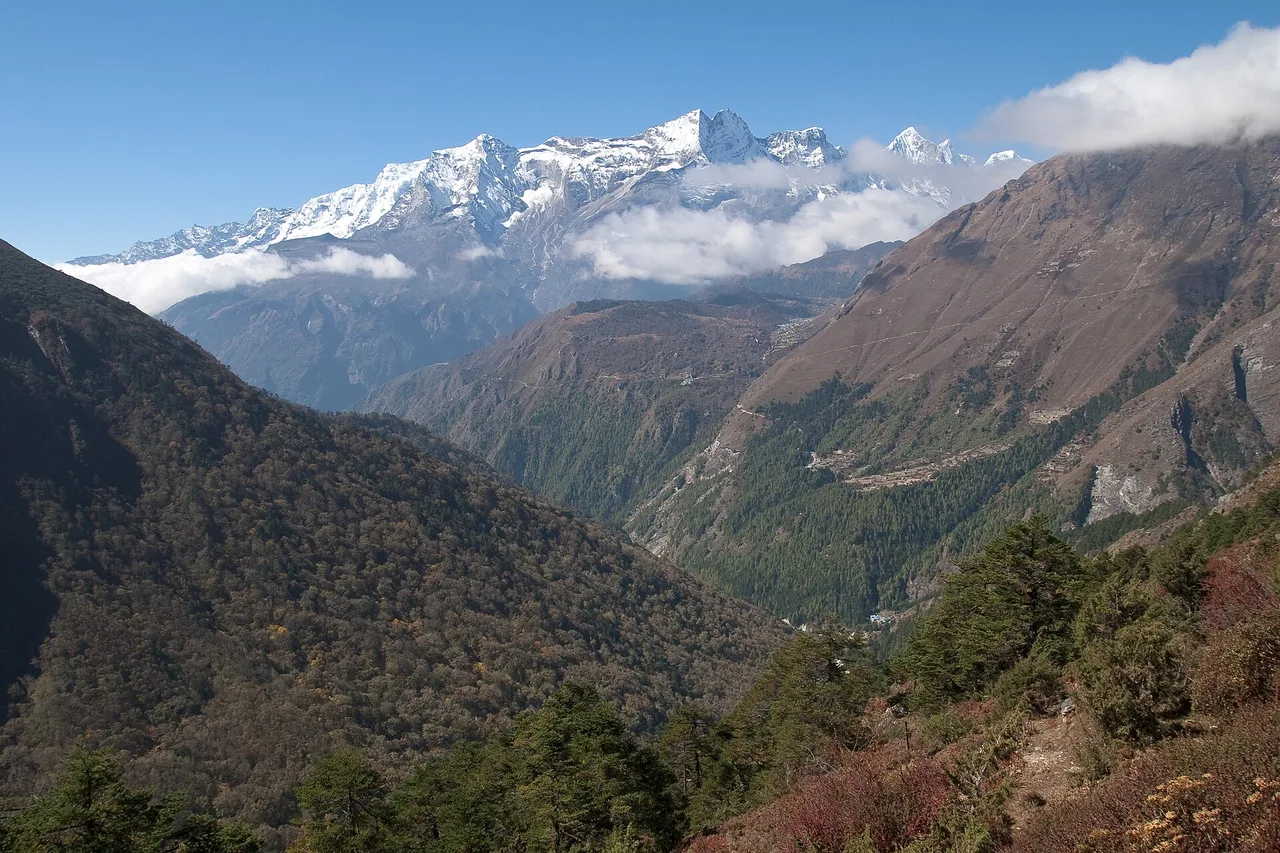
In Nepali it is Sagarmatha, and in Tibetan Chomolungma. Kangchenjunga is a real mountain too: the third highest in the world, on the border of Nepal and India.
Photo: Vyacheslav Argenberg, Wikimedia Commons, CC BY 4.0.
Pick one
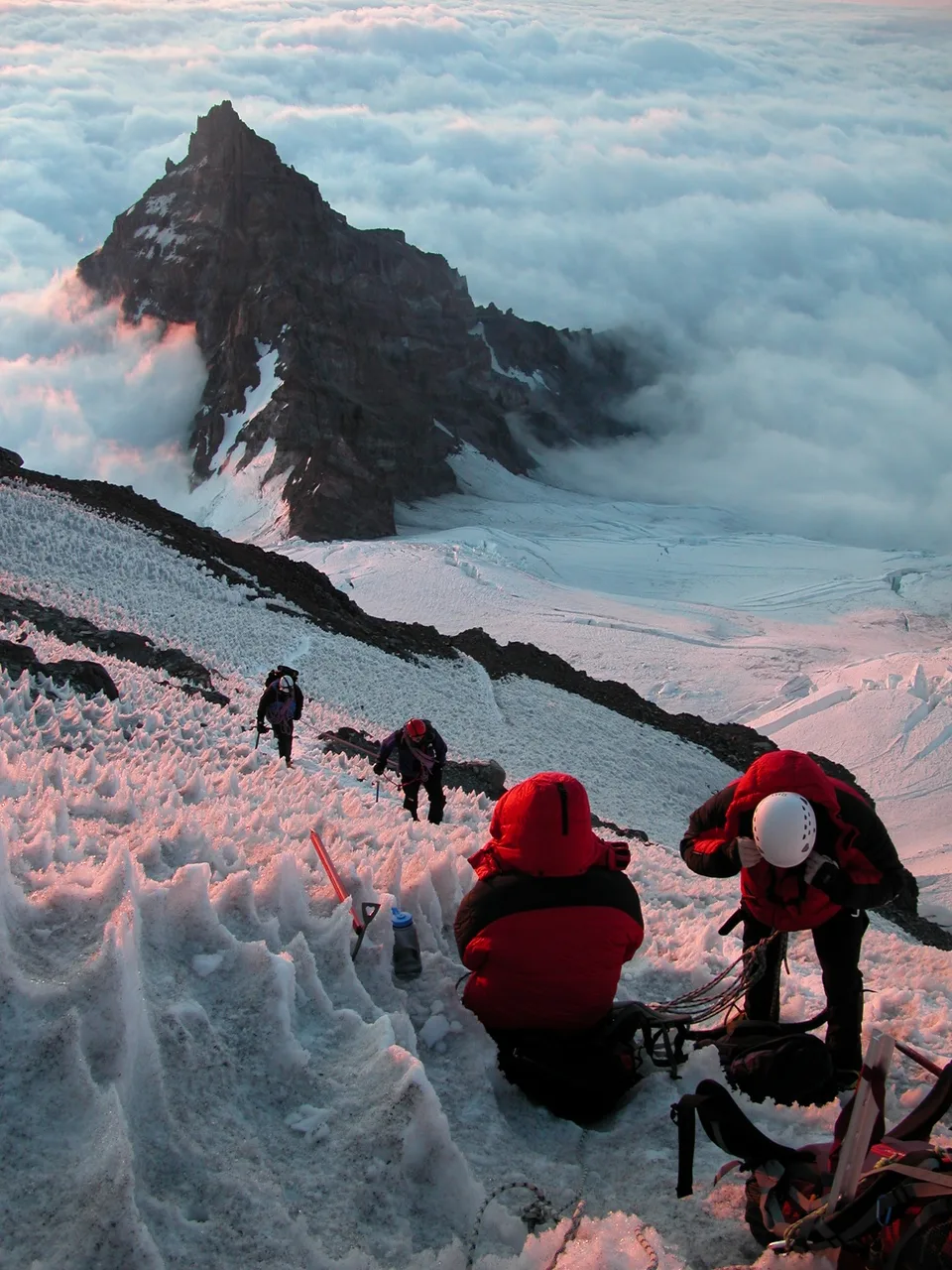
The air up there is so thin that every breath brings in only about a third of the oxygen you get at sea level. That is why most climbers carry bottled oxygen.
Photo: Debasish biswas kolkata, Wikimedia Commons, CC BY-SA 4.0.
Pick one
Yaks are built for the cold and thin air: thick hair, big lungs and sure feet. Llamas do a similar job, but in the Andes of South America.
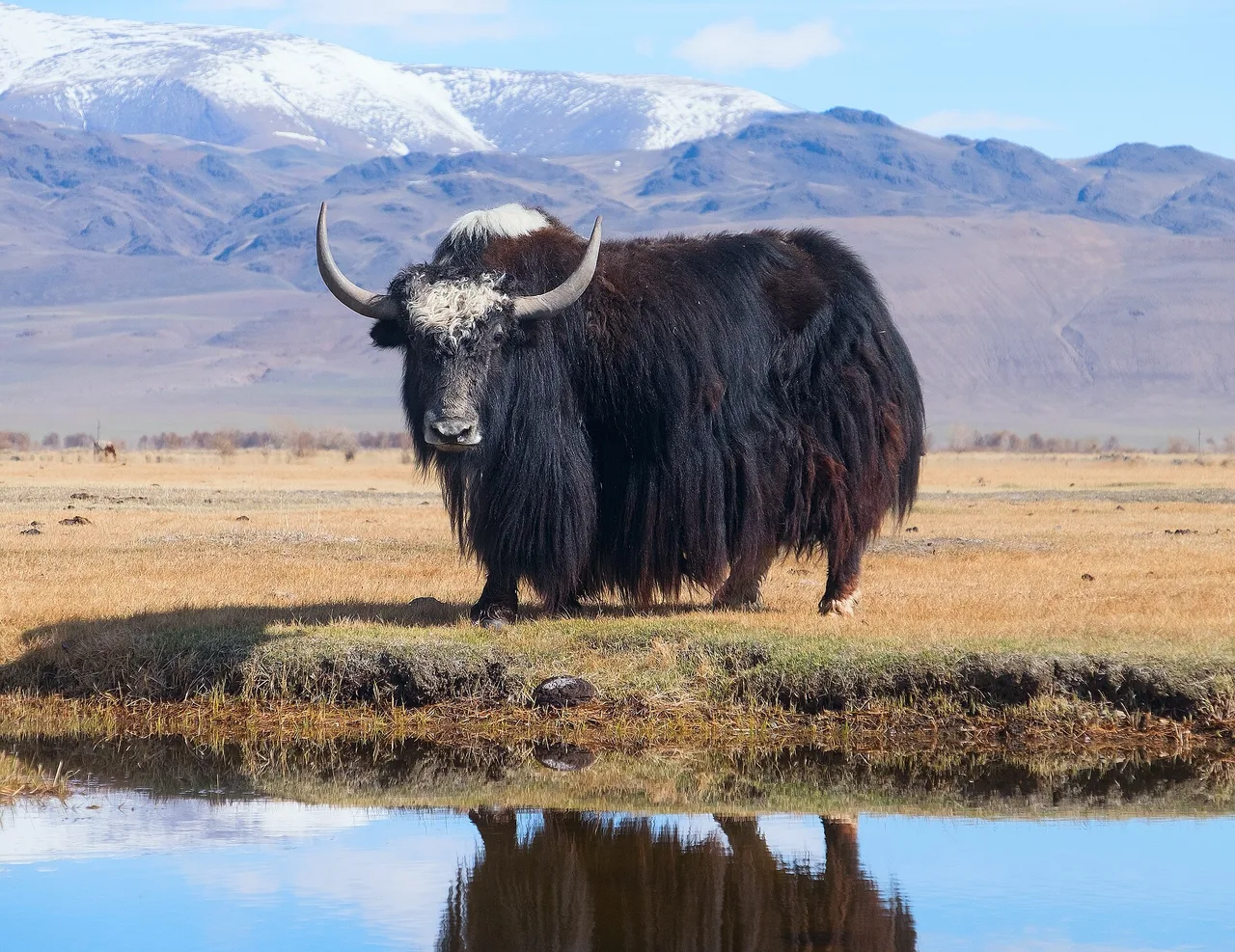
Photo: Alexandr frolov, Wikimedia Commons, CC BY-SA 4.0.


Paste the code into your page. The player fits itself in, and every vote counts in Votur.
On WordPress, Ghost or Squarespace? Just paste the link of this page into your post.
This is how it looks
Also fun