 Get app
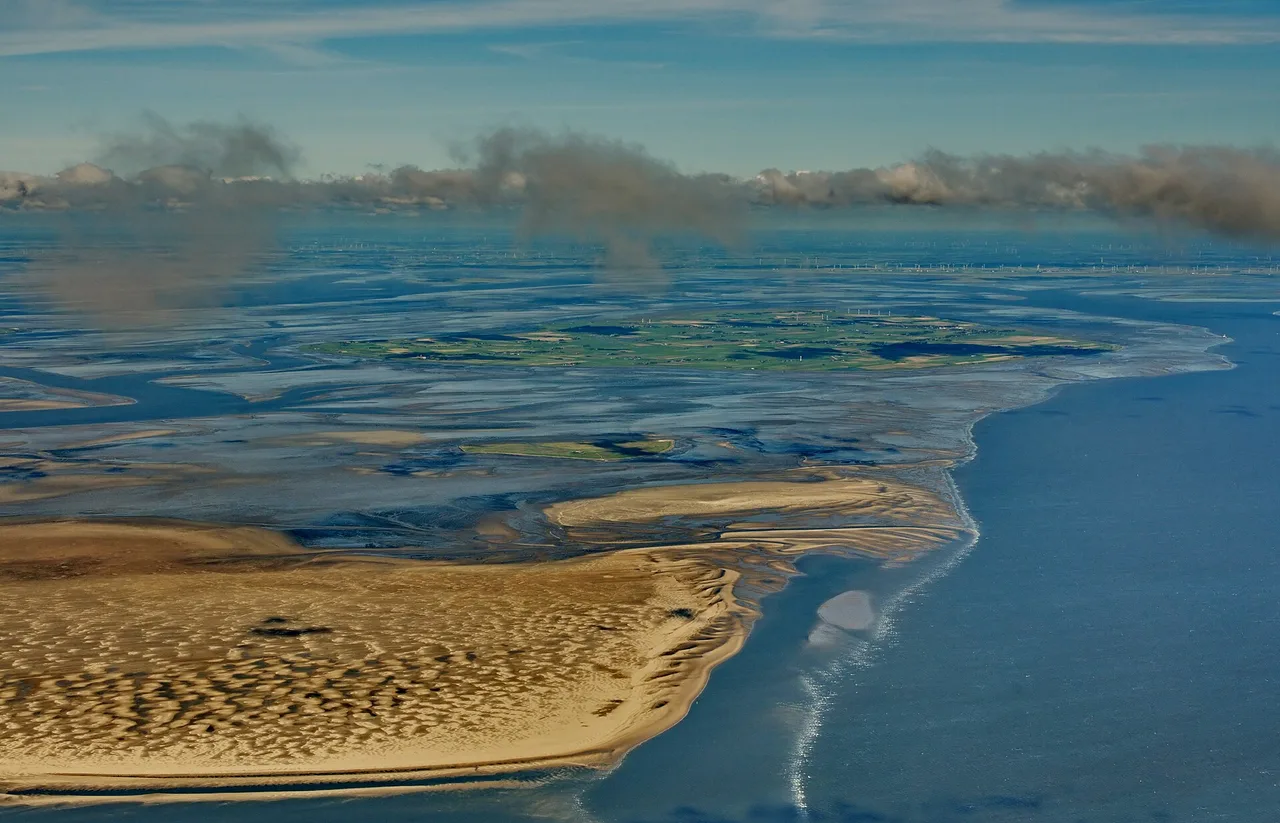
Twice a day the sea pulls back and the seabed appears. Who lives on the mudflats, which countries share them and what can you do there? Ten questions about the Wadden Sea.
Beachcomber 0–4 · Tide watcher 5–8 · Wadden Sea guardian 9–10

Tap the right answer
The Wadden Sea runs for about 500 km, from Den Helder in the Netherlands to Skallingen in Denmark. The three countries have worked together to protect it since 1978.
Photo: Ralf Roletschek, Wikimedia Commons, CC BY-SA 3.0.
Tap the right answer
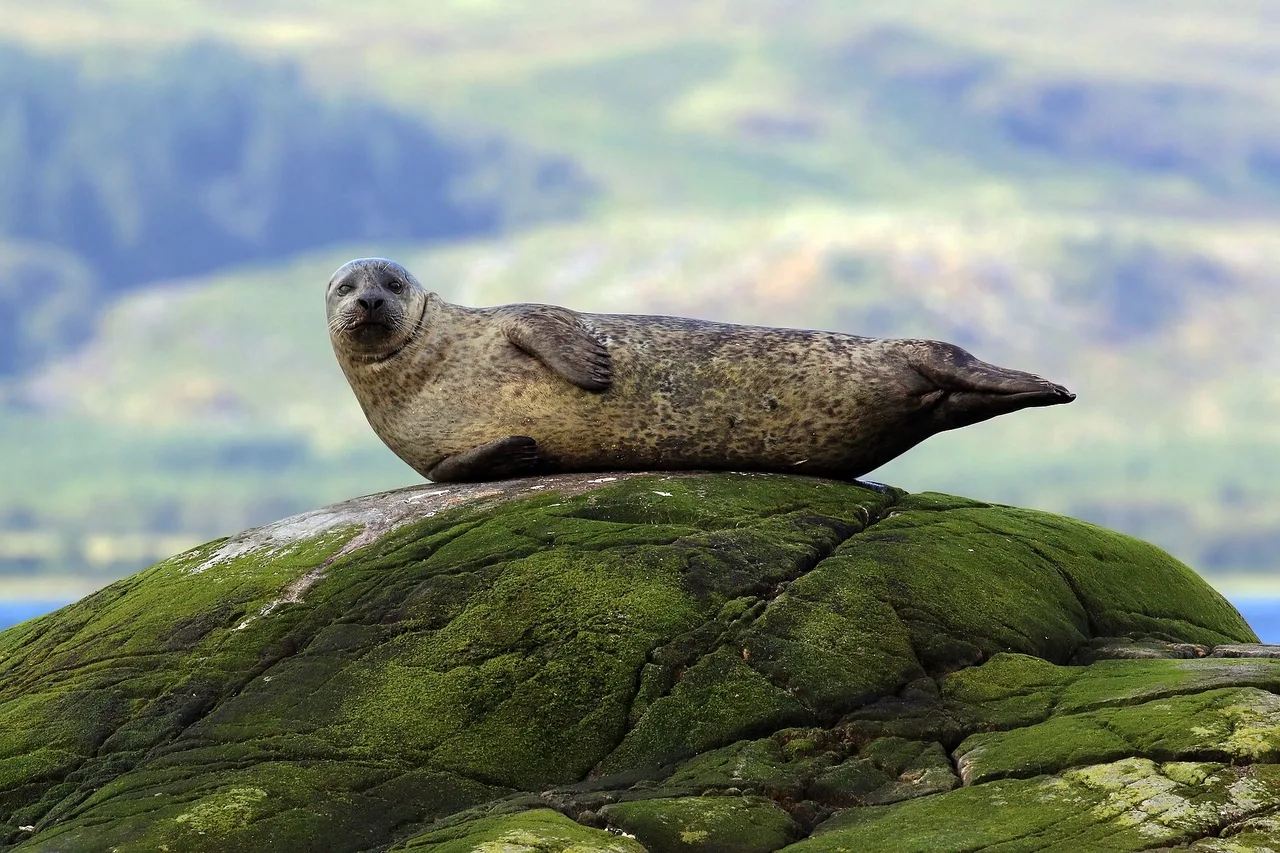
Both harbour seals and grey seals live in the Wadden Sea. Sea lions look similar, but they live in other oceans and are not found here in the wild.
Photo: Charles J. Sharp, Wikimedia Commons, CC BY-SA 4.0.
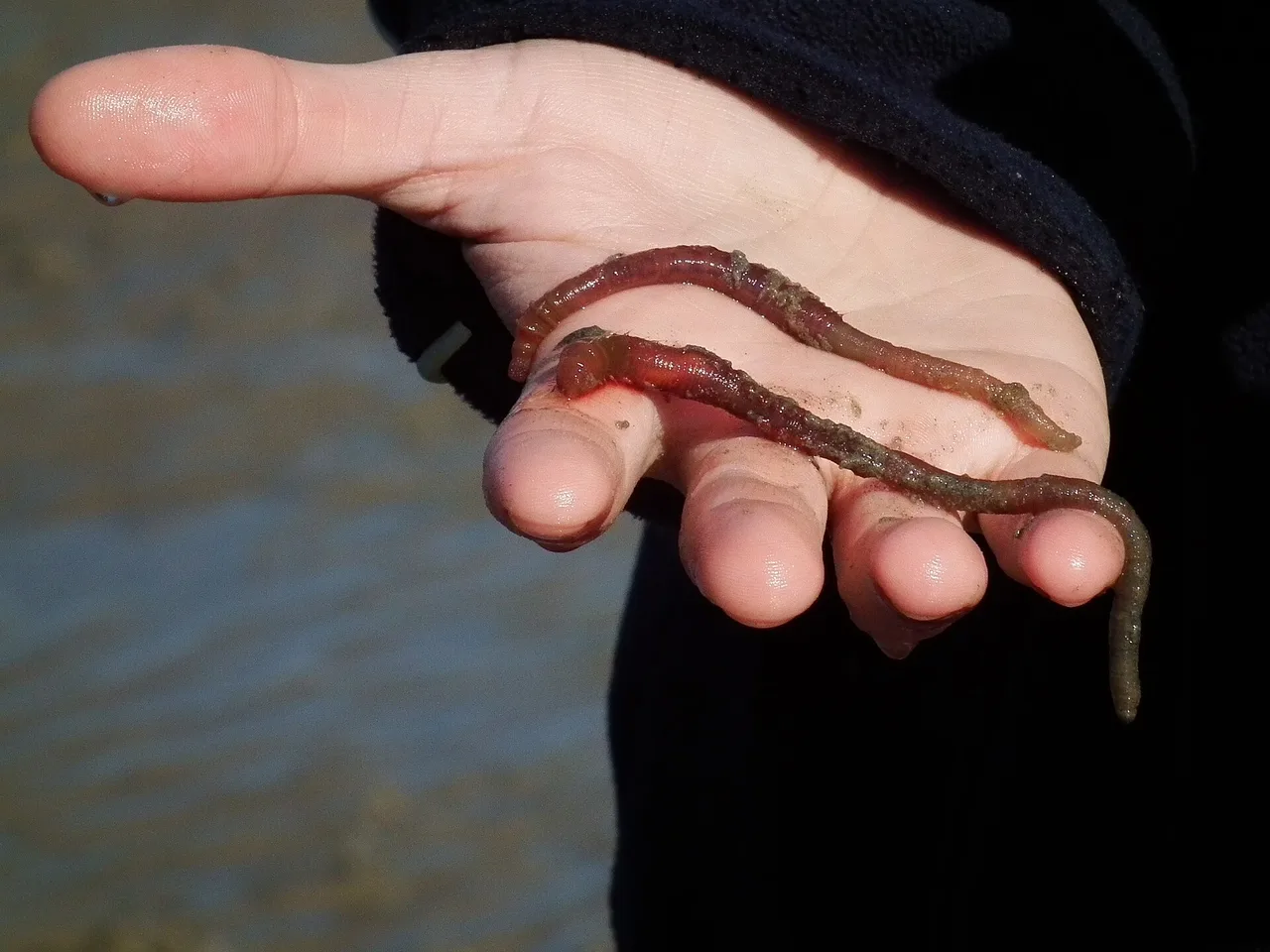
Tap the right answer
The lugworm lives in a U-shaped burrow and swallows sand to eat the tiny bits of food in it. The curly piles are the cleaned sand it pushes out again.
Photo: 4028mdk09, Wikimedia Commons, CC BY-SA 3.0.
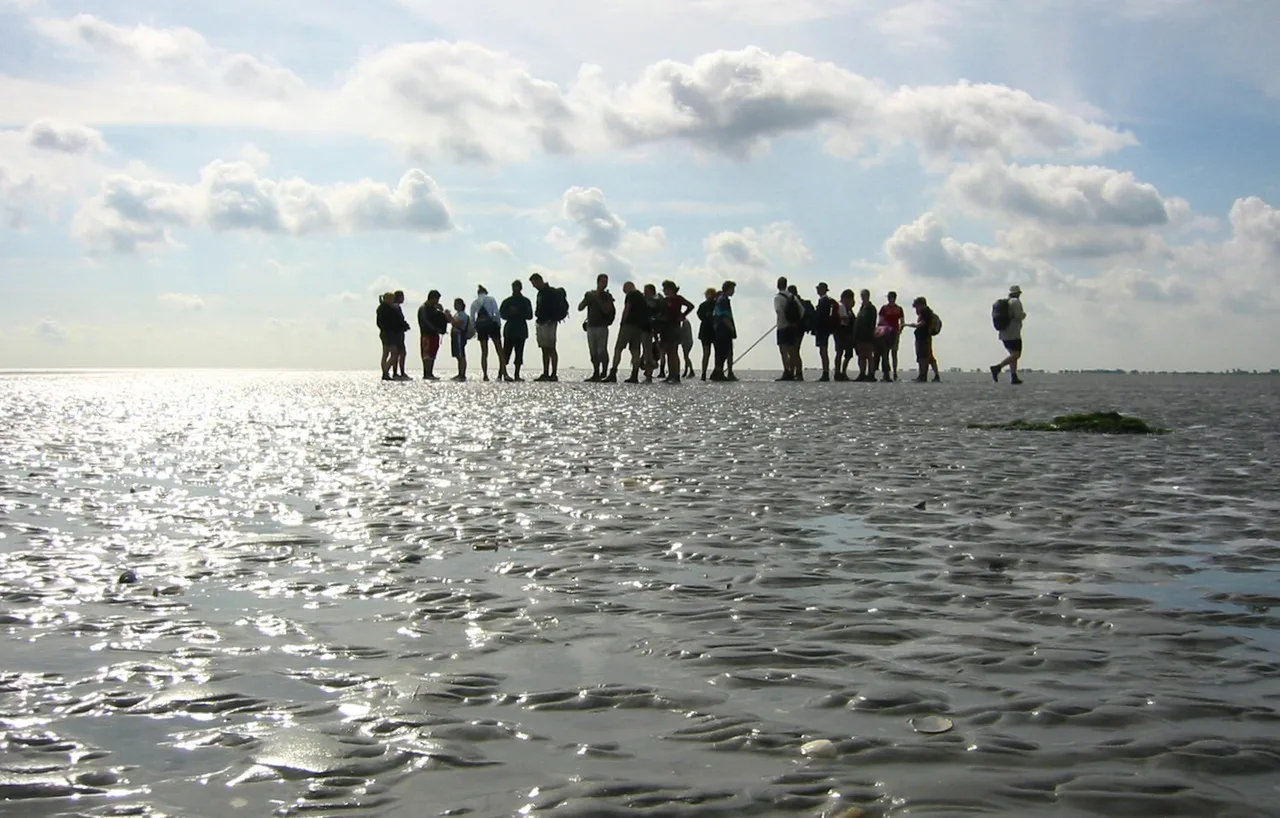
Tap the right answer
Wadlopen means mudflat hiking: you walk and wade across the dry seabed with a guide and a tide table. Fierljeppen is a different Dutch sport, vaulting over ditches with a long pole.
Photo: No machine-readable author provided. Michielvd assumed (based on copyright claim, Wikimedia Commons, CC BY-SA 3.0.
Tap the right answer
UNESCO added the Wadden Sea to its World Heritage List in 2009, and the Danish part joined in 2014.
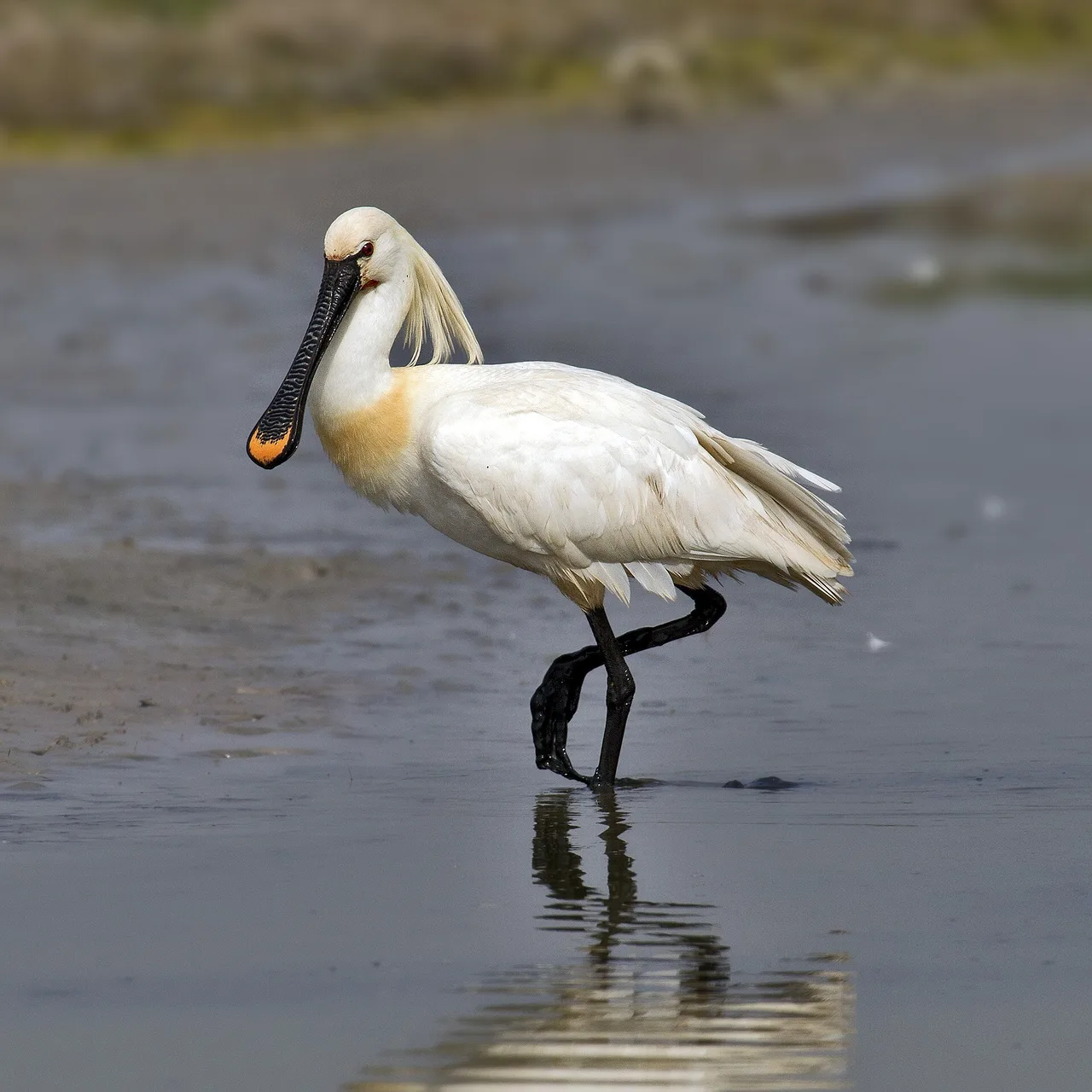
Tap the right answer
Spoonbills swing their beak through the water and snap it shut on small fish and shrimps. In 1968 fewer than 150 pairs bred in the Netherlands; by 2015 there were almost 3,000.
Photo: Andreas Trepte, Wikimedia Commons, CC BY-SA 2.5.
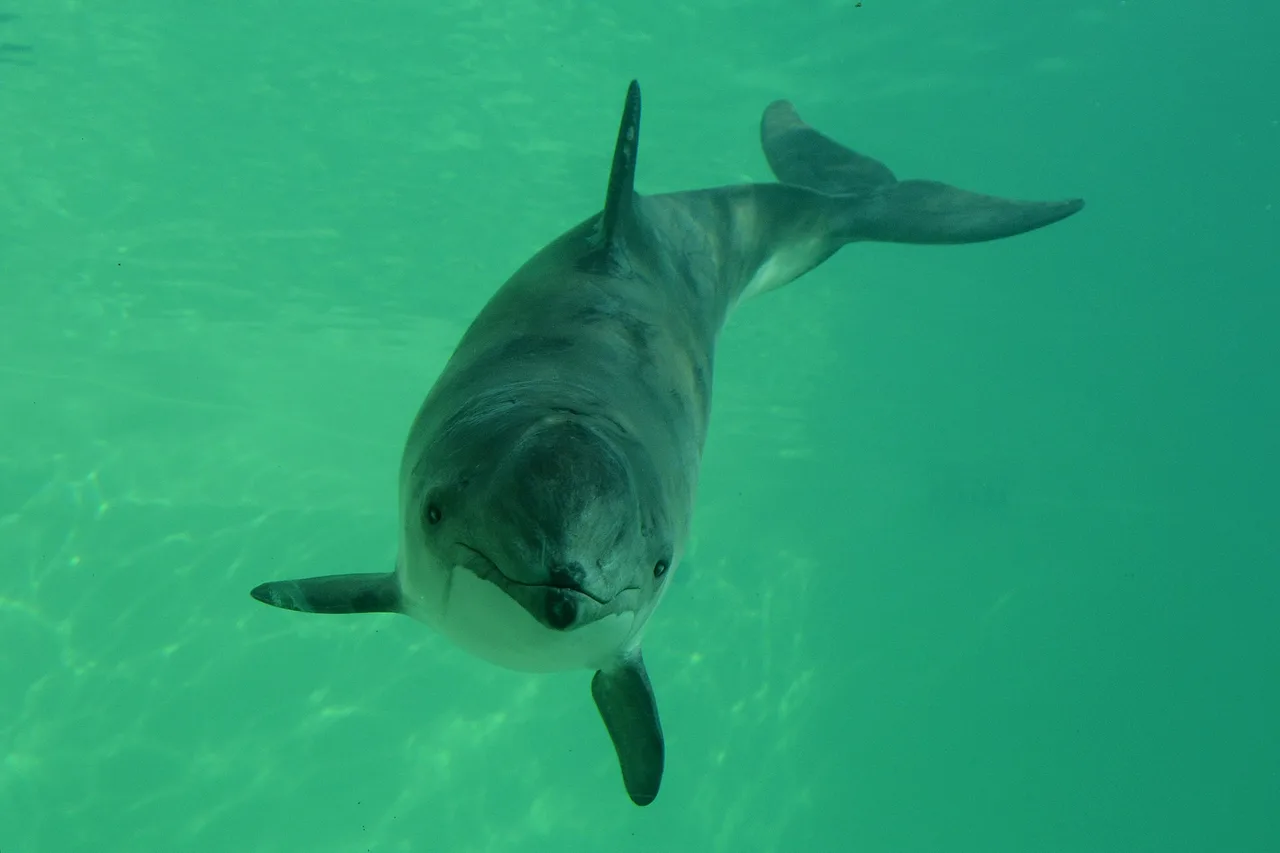
Tap the right answer
The harbour porpoise is one of the smallest whales in the world and likes to stay close to coasts. It once disappeared from the southern Wadden Sea but has come back.
Photo: Ecomare/Salko de Wolf, Wikimedia Commons, CC BY-SA 4.0.
Tap the right answer
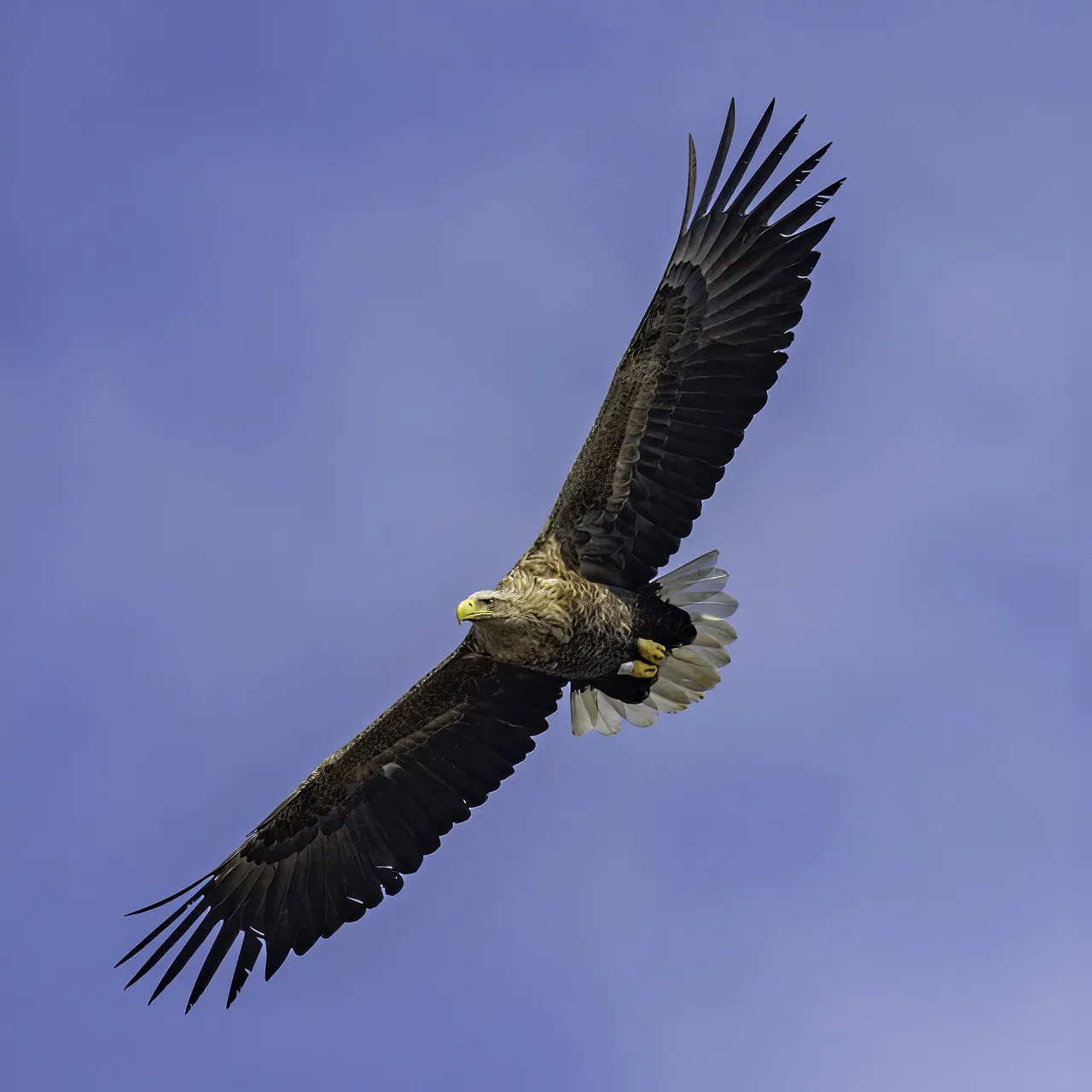
The white-tailed eagle is huge, with wings up to about 2.4 metres across. In winter, many young eagles gather around the Danish part of the Wadden Sea.
Photo: Bengt Nyman from Vaxholm, Sweden, Wikimedia Commons, CC BY-SA 2.0.
Tap the right answer
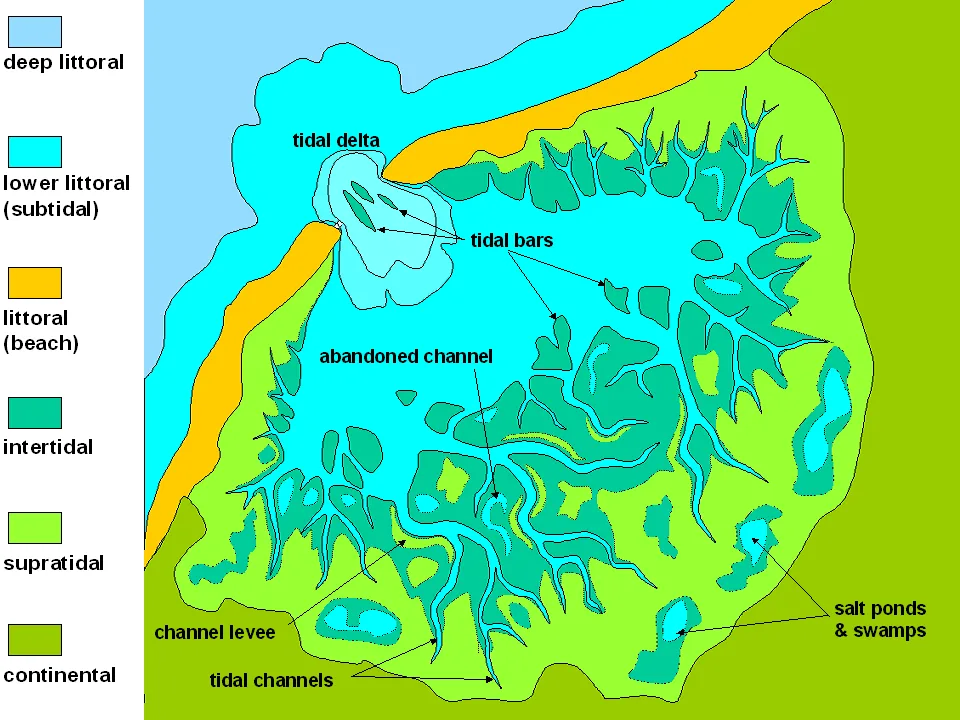
The German word Watt and the Danish word Vade mean the same thing. Large parts of the Wadden Sea fall dry at every low tide.
Photo: Foxbat deinos, Wikimedia Commons, Public domain.
Tap the right answer
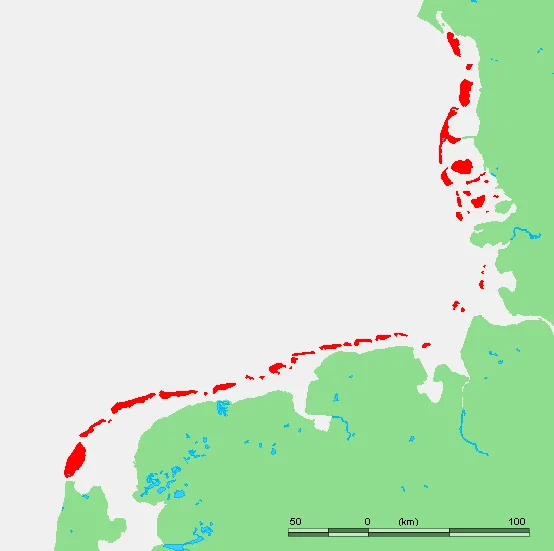
Waves and currents wash sand away from the western end of an island and drop it at the eastern end. So the islands creep slowly eastwards, losing land on one side and gaining it on the other.
Photo: edited by M.Minderhoud, Wikimedia Commons, Public domain.


Want to make a quiz like this yourself? Do it on Votur, it's free.
Paste the code into your page. The player fits itself in, and every vote counts in Votur.
On WordPress, Ghost or Squarespace? Just paste the link of this page into your post.
This is how it looks
Also fun