 Get app
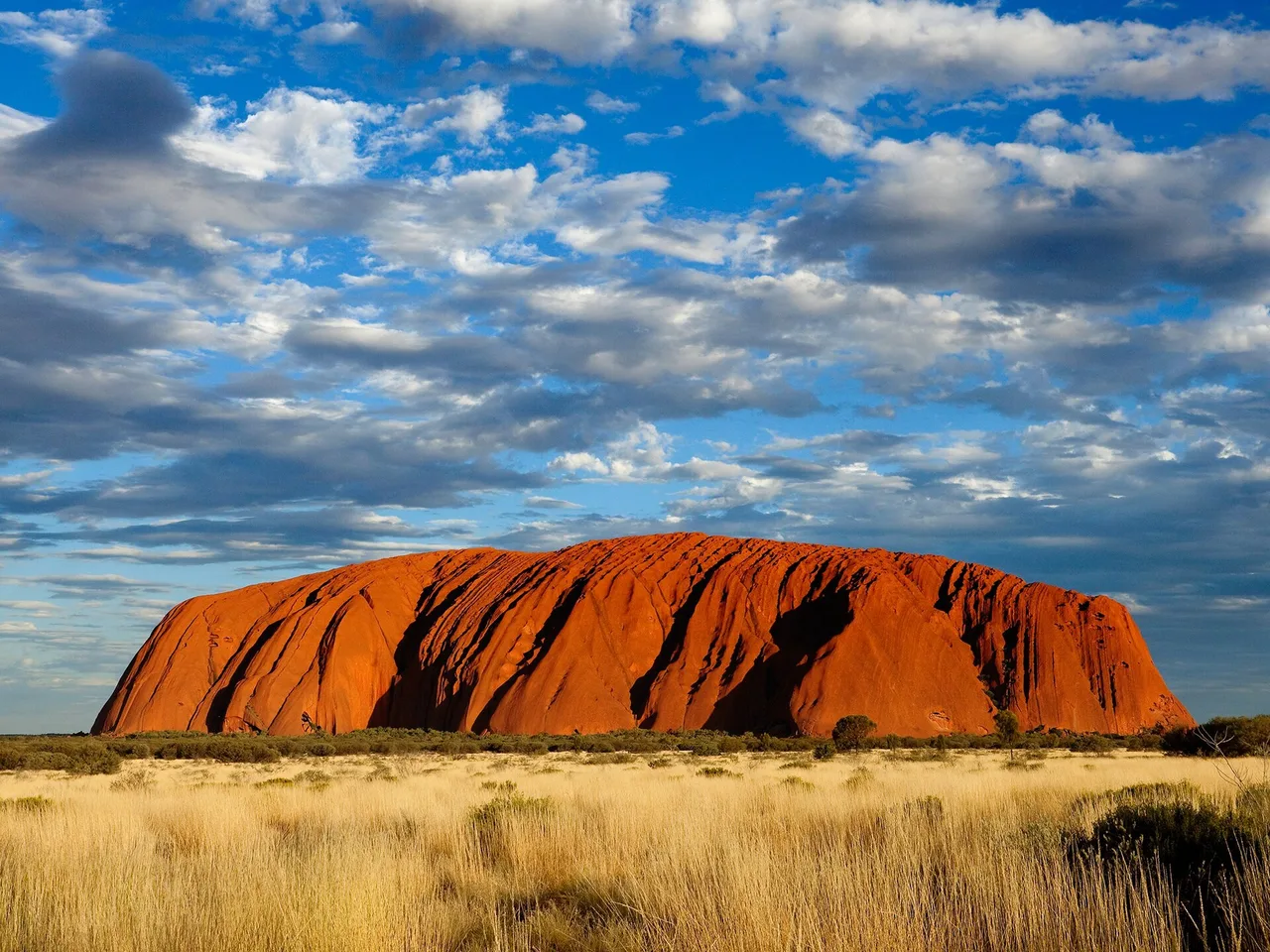
A giant red rock in the heart of Australia and a sacred place for the people of the desert. Ten questions about Uluru and the land around it.
Red dust rookie 0–4 · Outback explorer 5–8 · Friend of the Red Centre 9–10

Tap the right answer
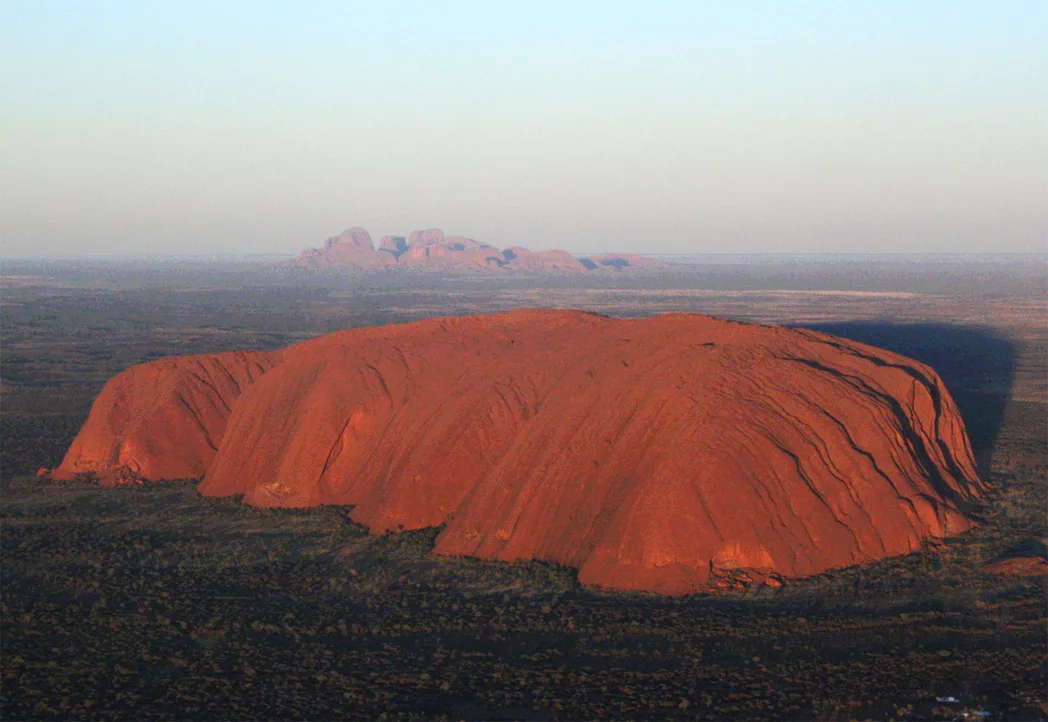
Uluru stands in the dry red heart of Australia, in the south of the Northern Territory. The nearest big town, Alice Springs, is more than 400 kilometres away by road.
Photo: Ek2030372672, Wikimedia Commons, CC BY-SA 4.0.
Tap the right answer
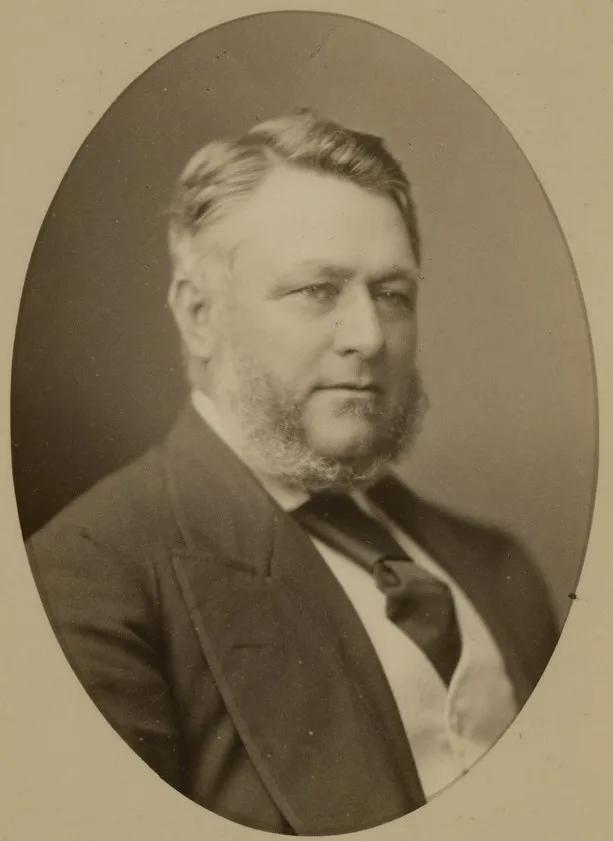
In 1873 the explorer William Gosse named it after Sir Henry Ayers, the Chief Secretary of South Australia. Today its official name is 'Uluru / Ayers Rock'. Wave Rock is a real rock shaped like a breaking wave, in Western Australia.
Photo: Photographer: J. Hubert Newman., Wikimedia Commons, Public domain.
Tap the right answer
The Anangu have lived in this desert for tens of thousands of years, and for them Uluru is a sacred place full of stories about how the land was made. In 1985 the land was handed back to its traditional owners. The Noongar live far away, in the south-west of Australia.
Tap the right answer
Uluru is sacred to the Anangu, who had long asked visitors not to climb it. The climb closed for good in 2019 and the chain that helped climbers was removed. The walk of about 10 kilometres around the base is still open.
Photo: Leonard G., Wikimedia Commons, Public domain.
Tap the right answer
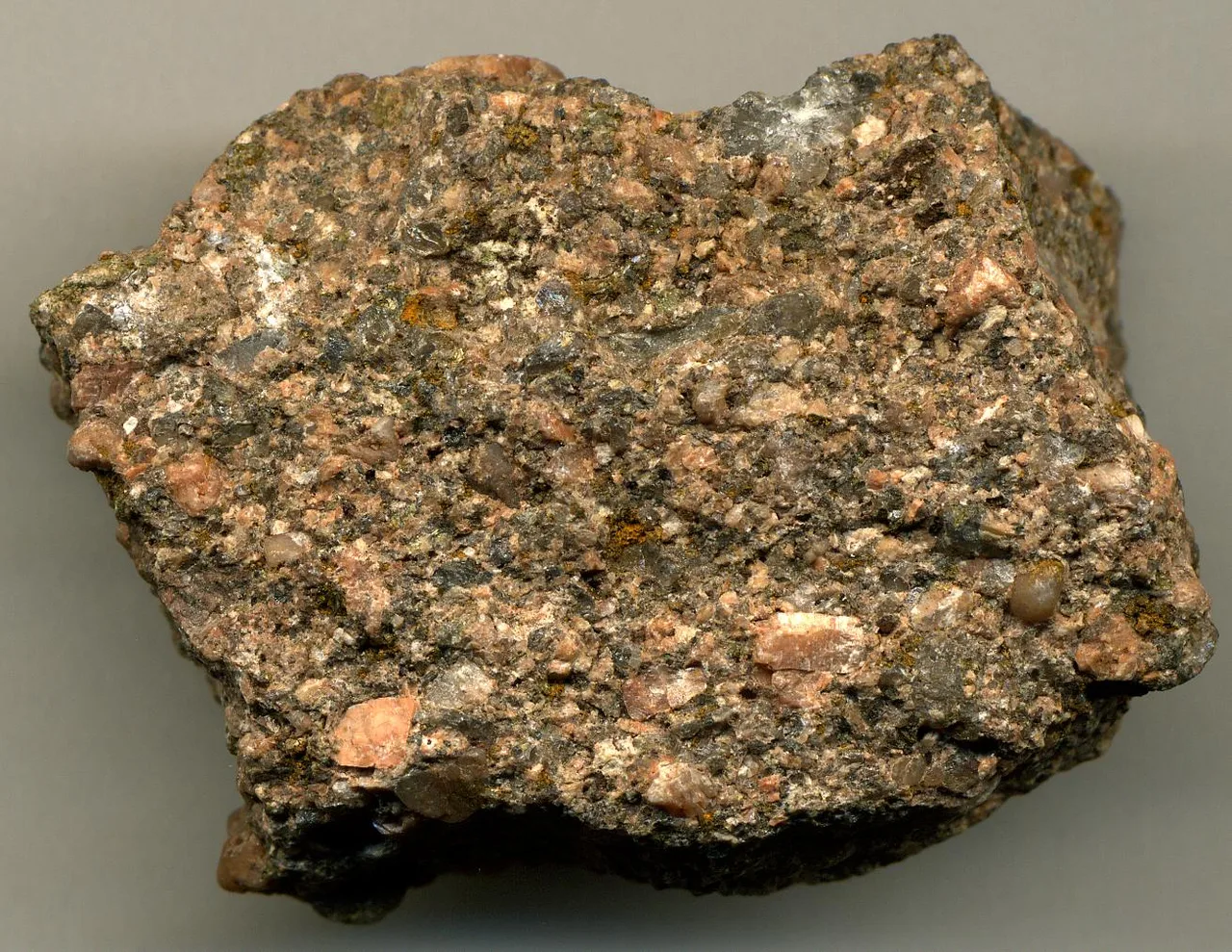
Underneath, the rock is grey. Iron in the outer layer reacts with the air, just like a rusty bike, and turns the surface red-brown. That is why Uluru seems to glow at sunrise and sunset.
Photo: James St. John, Wikimedia Commons, CC BY 2.0.
Tap the right answer
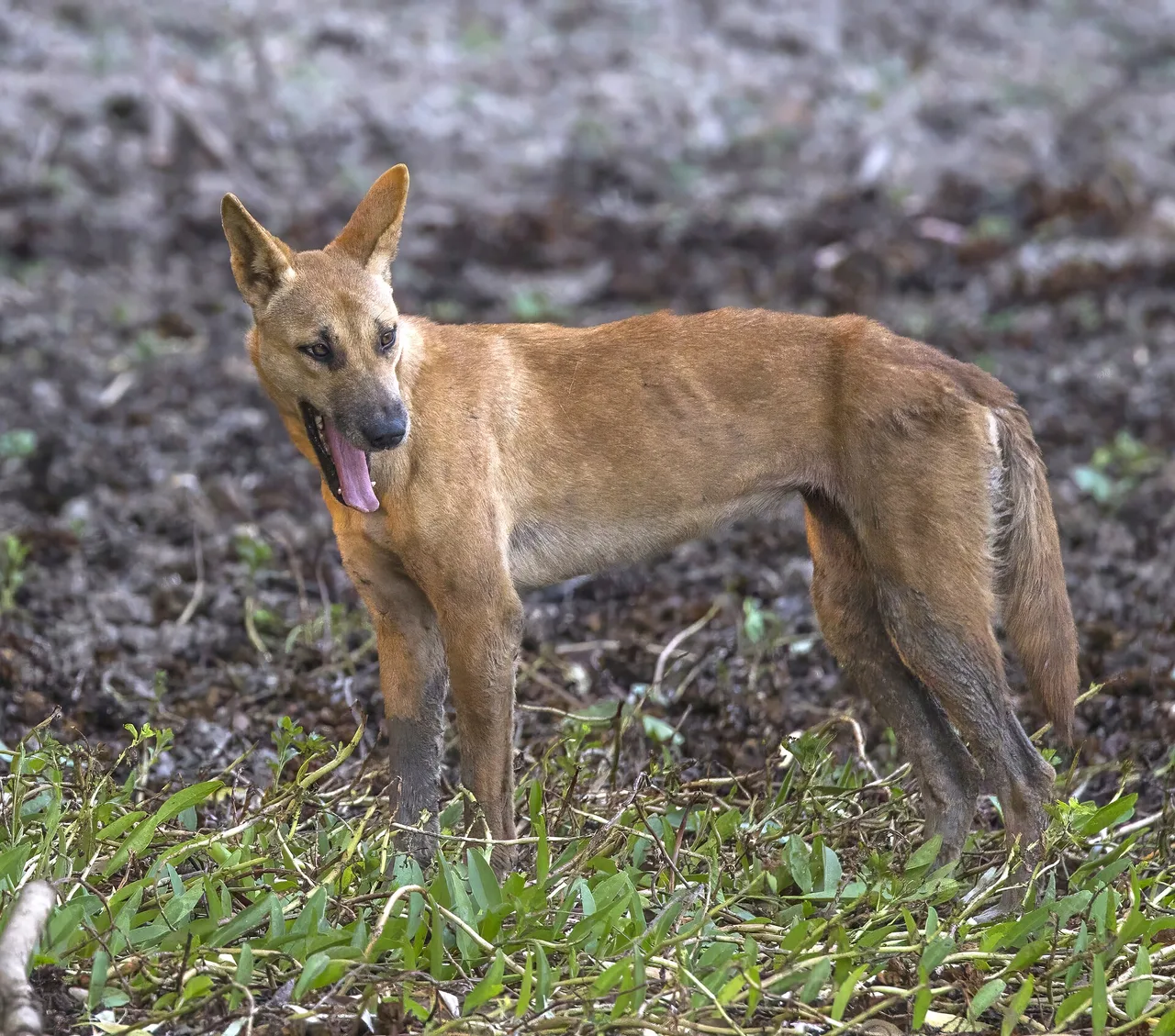
Dingoes have lived in Australia for thousands of years and cope well with the dry heat. The Tasmanian tiger looked a bit like a striped dog, but it died out in the 1930s.
Photo: Charles J. Sharp, Wikimedia Commons, CC BY-SA 4.0.
Tap the right answer
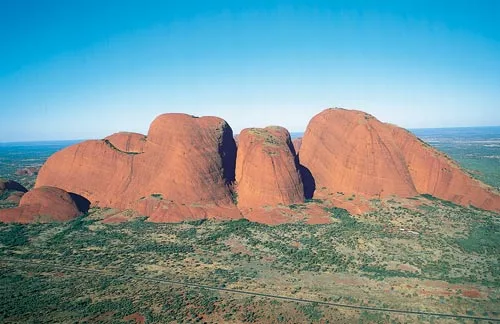
Kata Tjuta means 'many heads': it is a cluster of 36 domes, and the tallest one rises higher than Uluru. The Bungle Bungles are striped, beehive-shaped hills in Western Australia.
Photo: Tourism NT, Wikimedia Commons, Attribution.
Tap the right answer
Uluru rises about 350 metres, a little taller than the Eiffel Tower. A lonely rock hill like this is called an inselberg, German for 'island mountain'.
Tap the right answer
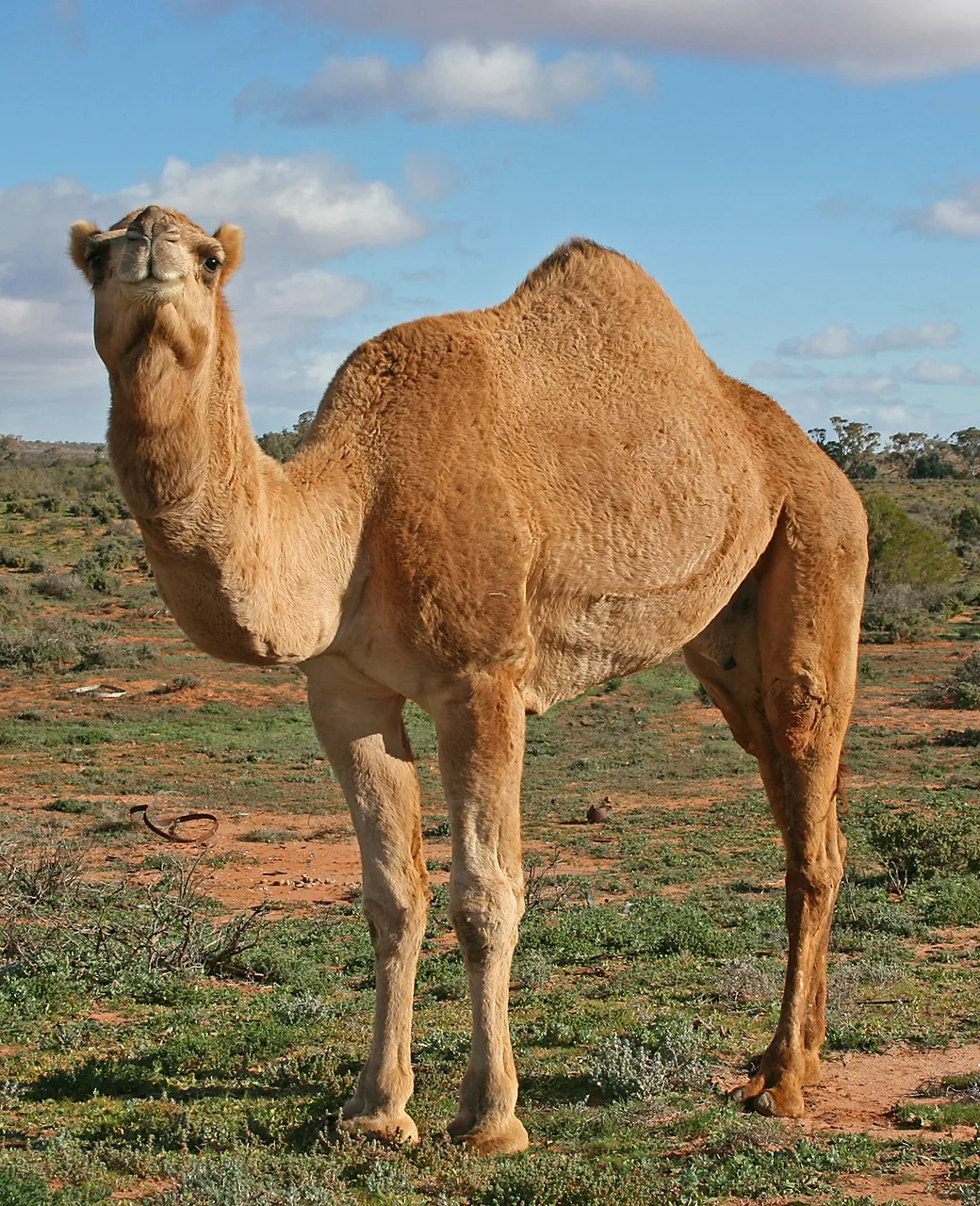
Camels were brought to Australia in the 1800s to carry loads across the outback. When trucks and trains took over, many were set free, and today hundreds of thousands live in the wild.
Photo: Jjron, Wikimedia Commons, CC BY-SA 3.0.
Tap the right answer
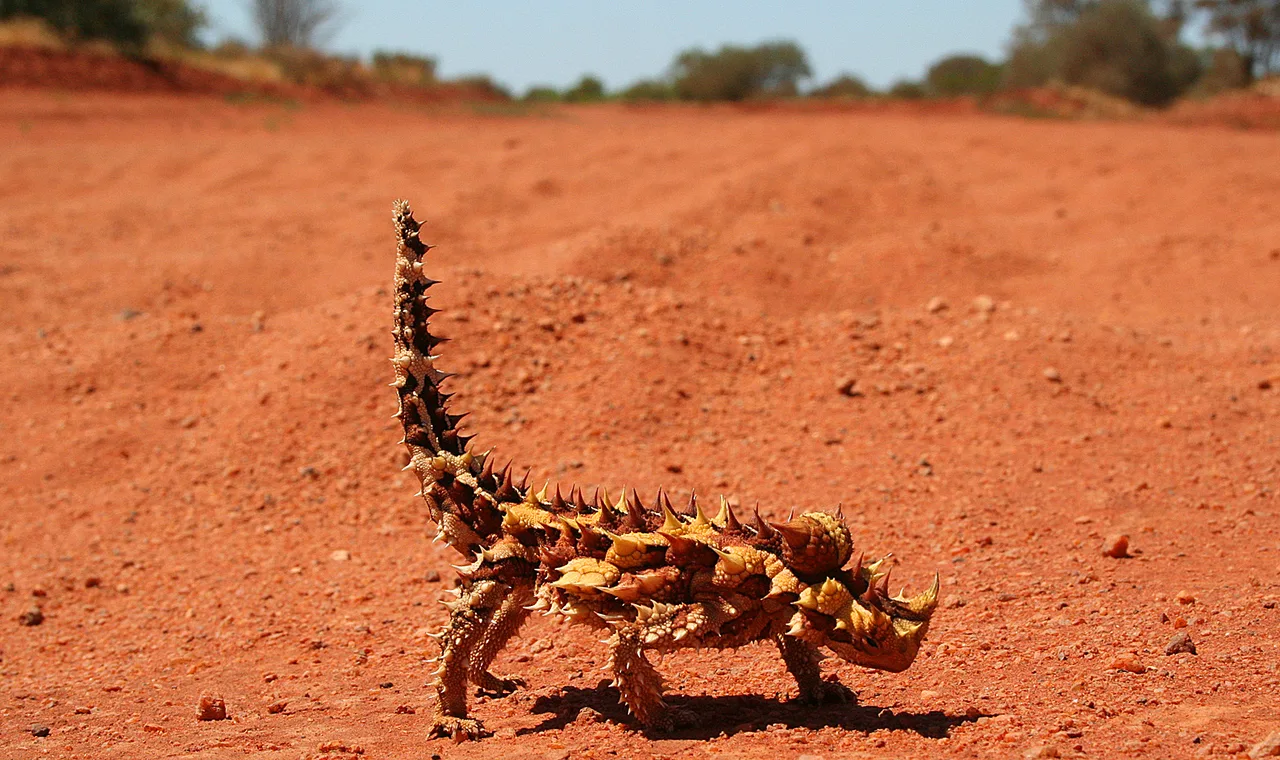
When the thorny devil touches dew or damp sand, the water creeps along grooves between its spikes all the way to its mouth. It lives on ants and can eat thousands of them in a day.
Photo: Bäras ( talk · contribs ), Wikimedia Commons, CC BY-SA 3.0.


Want to make a quiz like this yourself? Do it on Votur, it's free.
Paste the code into your page. The player fits itself in, and every vote counts in Votur.
On WordPress, Ghost or Squarespace? Just paste the link of this page into your post.
This is how it looks
Also fun