Get app
A friendly tour of Egypt's essentials in eight questions. No history degree needed: everyone can join in and learn something along the way.
Desert wanderer 0–3 · Temple explorer 4–6 · Keeper of ancient secrets 7–8
Pick one

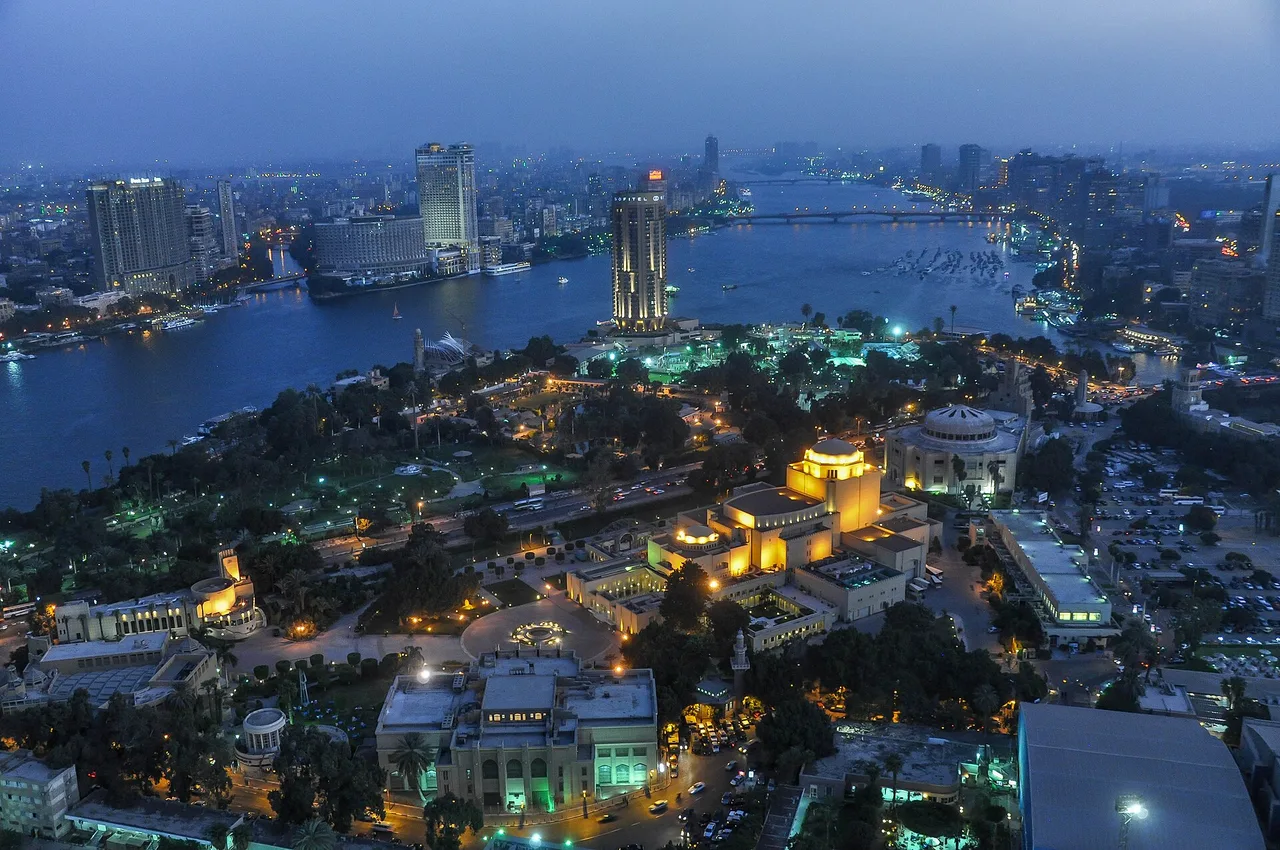
Cairo is one of the biggest cities in Africa. Its name comes from the Arabic al-Qahira, meaning 'the Conqueror', and because of the slender towers of its many old mosques, it is nicknamed 'the city of a thousand minarets'.
Photo: Jorge Láscar from Melbourne, Australia, Wikimedia Commons, CC BY 2.0.
Pick one
At least 138 pyramids have been found in Egypt, most of them built as tombs for pharaohs and queens. When they were new, most were covered in polished white limestone that shone in the sun and could be seen from far away; on most of them that smooth outer layer is now gone.
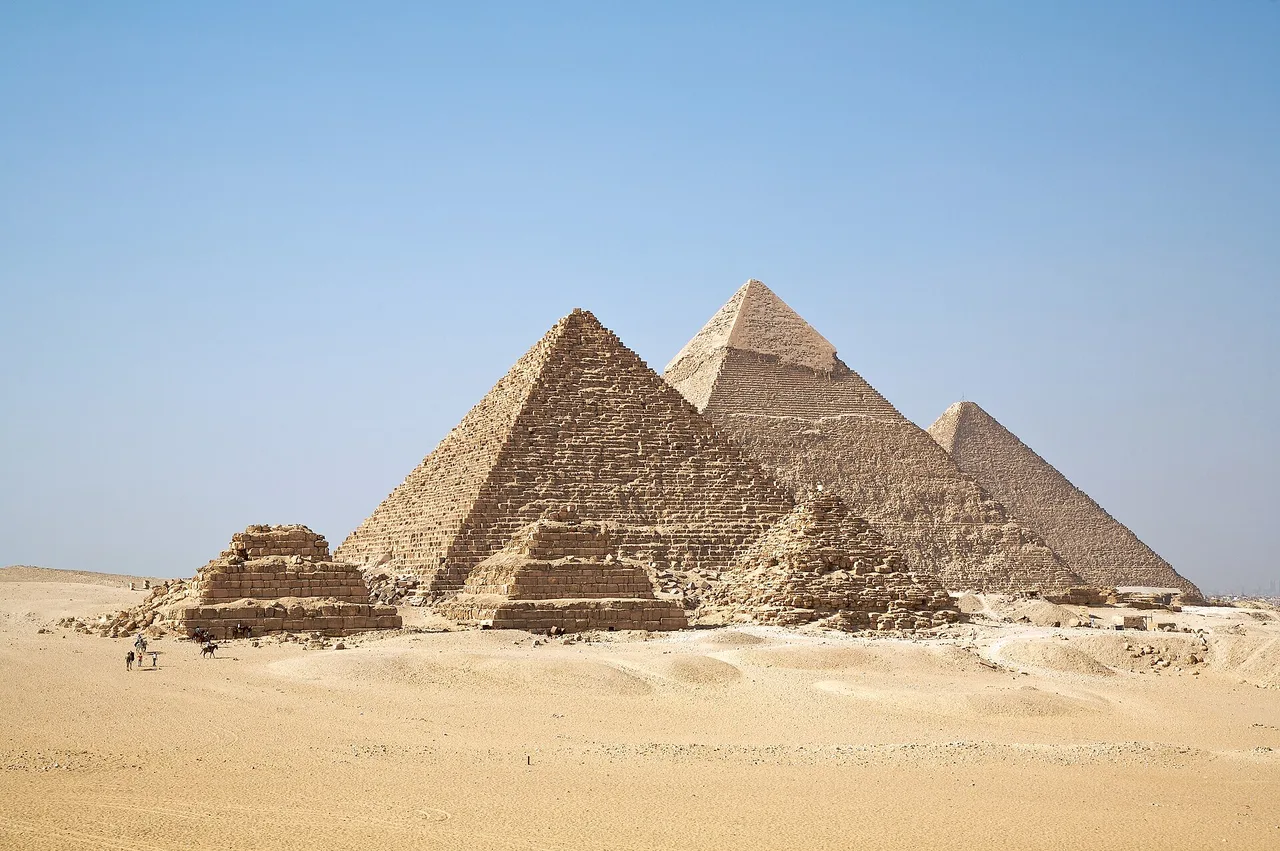
Photo: Ricardo Liberato, Wikimedia Commons, CC BY-SA 2.0.
Pick one
Almost all Egyptians live in the narrow green strip along the Nile and its delta, which covers only about 5% of the country's land. The ancient Egyptians called their country Kemet, the 'black land', probably after the dark, rich mud the river left behind.
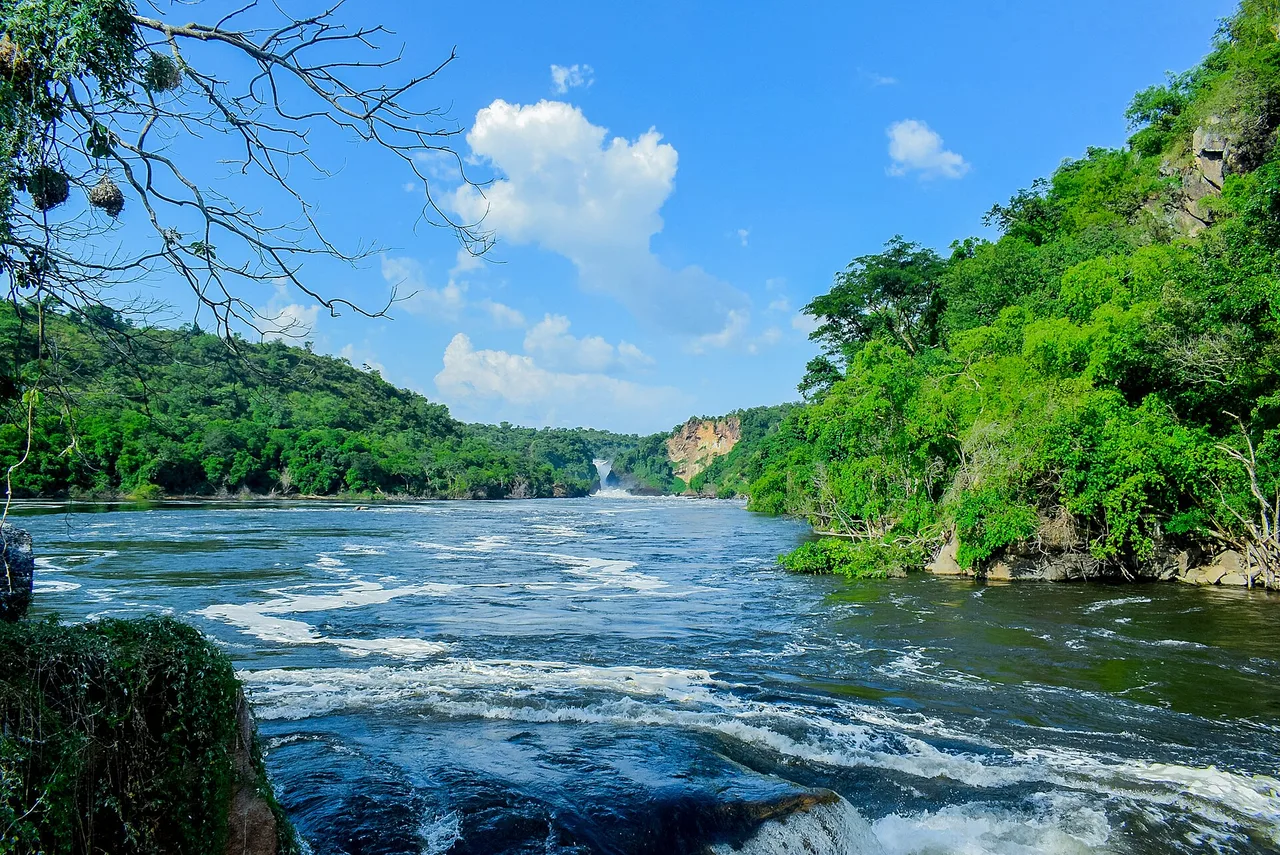
Photo: Fiktube, Wikimedia Commons, CC BY-SA 4.0.
Pick one
The Sphinx, a lion with a human head, was carved straight out of the rock of the Giza plateau. Nobody knows exactly how it lost its nose: a popular story blames Napoleon's soldiers, but drawings from 1737, long before they arrived in 1798, already show it missing.
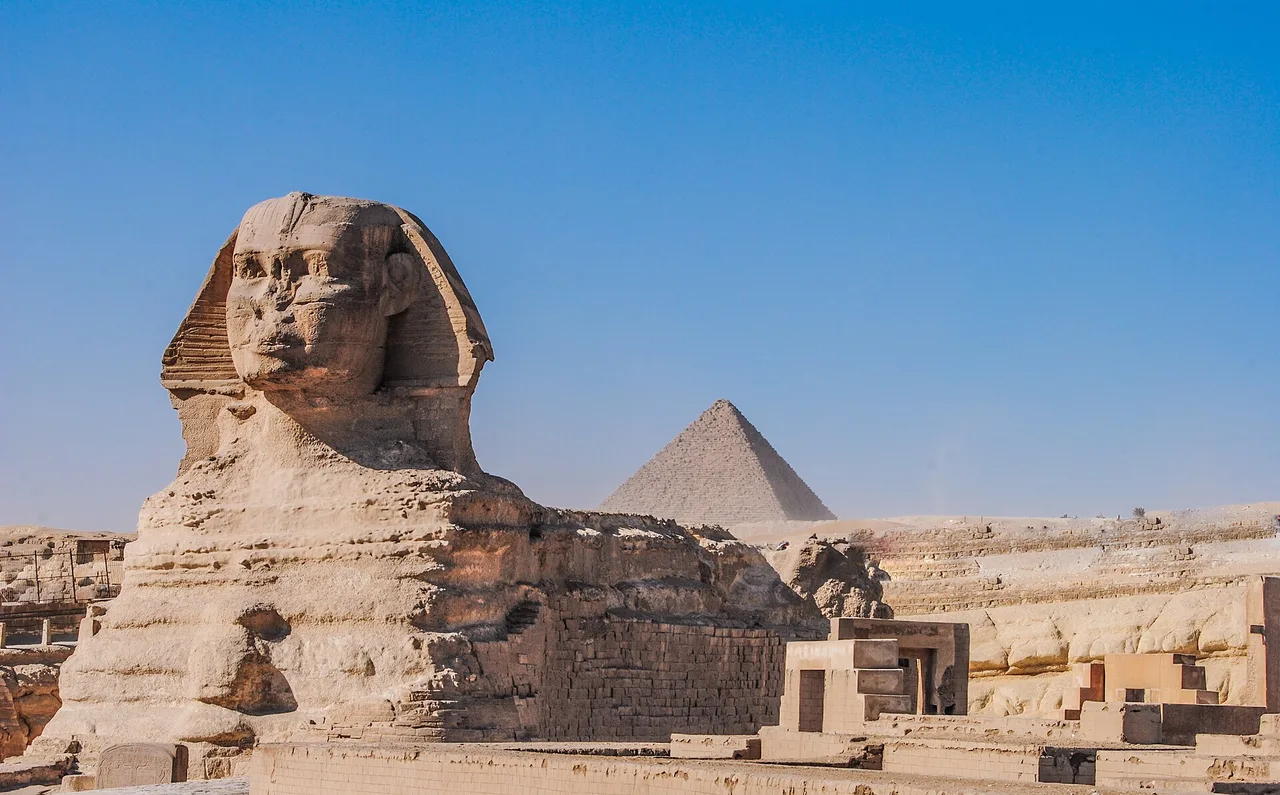
Photo: Hesham Ebaid, Wikimedia Commons, CC0.
Pick one
Hieroglyphs used more than 1,000 different signs, from birds and snakes to eyes and feet. They were usually written from right to left but could also go the other way, and the direction in which the people and animals in the signs are facing tells you which way to read.
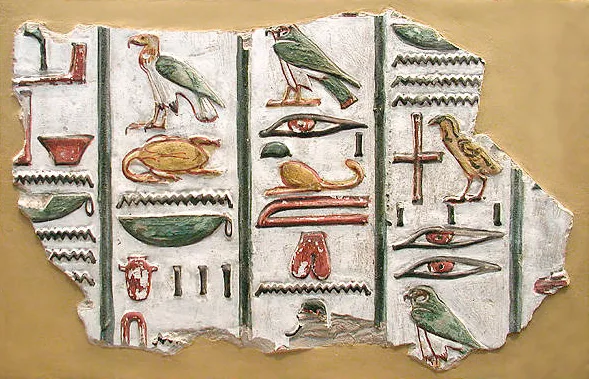
Photo: unknown Egyptian scribe, Wikimedia Commons, Copyrighted free use.
Pick one
The Suez Canal opened in 1869 and is about 193 km long. It has no locks, because the two seas lie at almost the same level, so seawater flows freely through it. Before it was dug, ships travelling between Europe and Asia had to sail all the way around Africa.
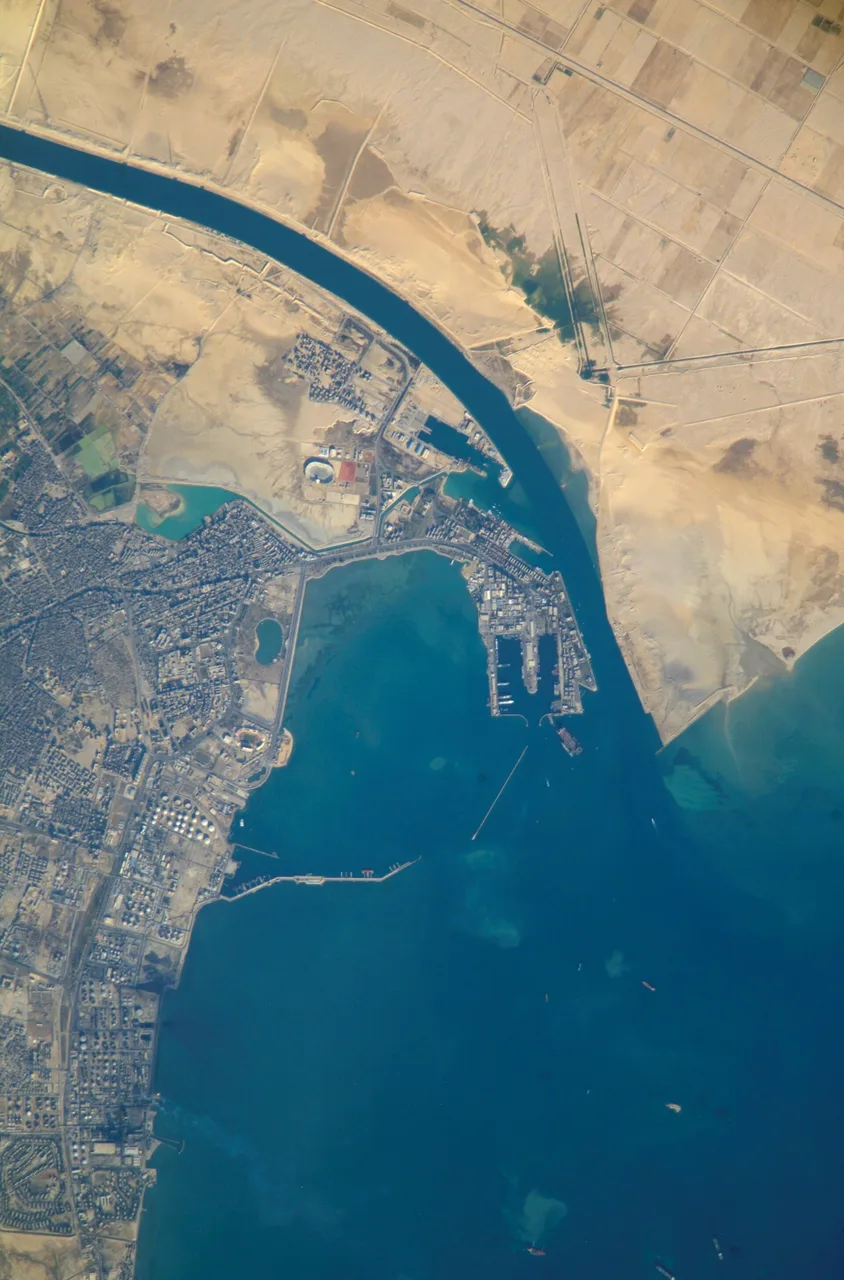
Photo: NASA, Wikimedia Commons, Public domain.
Pick one
Tutankhamun became king at only about nine years old and ruled for about nine years. His tomb held more than 5,000 objects, including his famous golden mask and a coffin of solid gold, and the archaeologist Howard Carter needed about ten years to list them all.
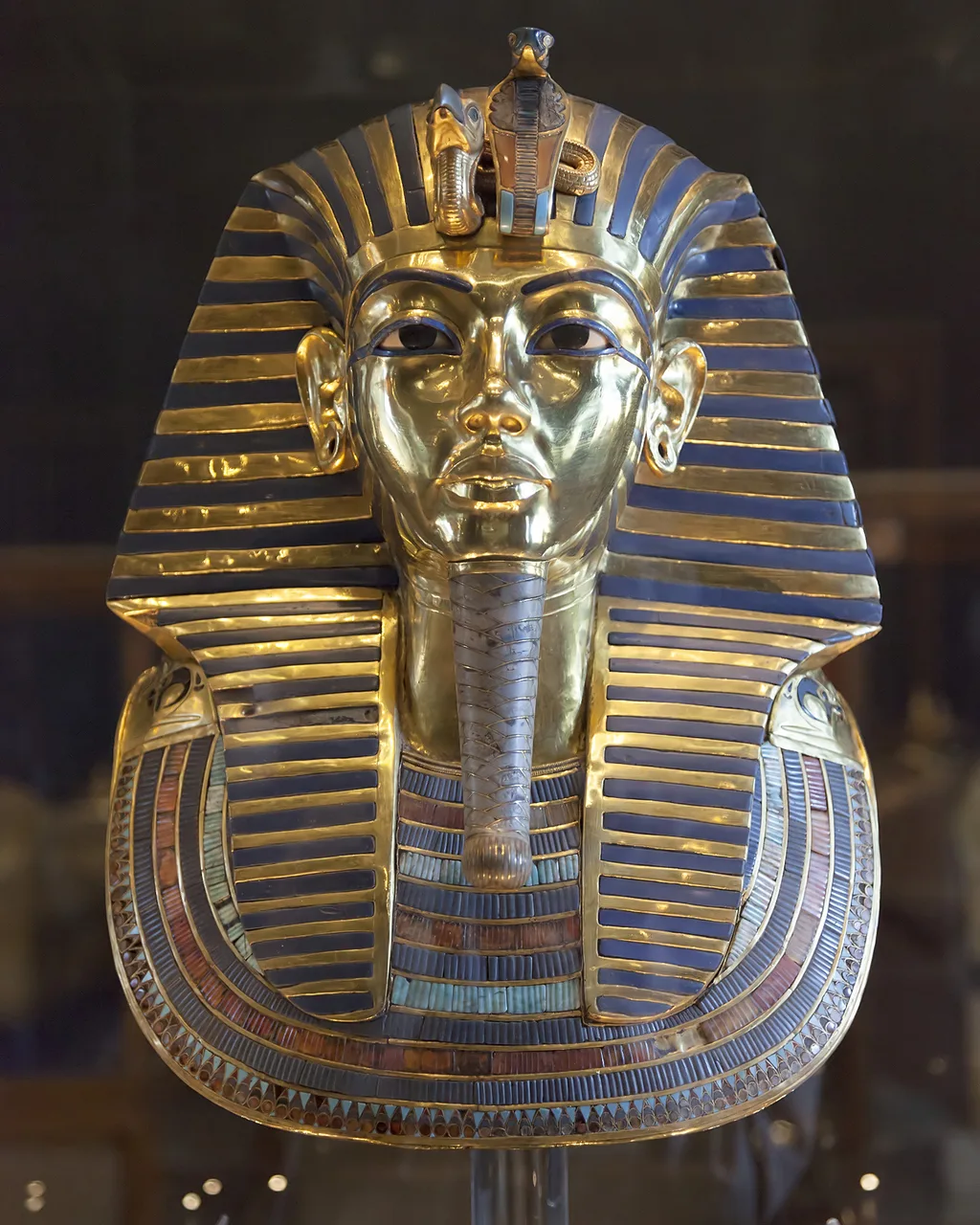
Photo: Roland Unger, Wikimedia Commons, Public domain.
Pick one
Egypt's camels have one hump, and it is filled with fat, not water as many people think. A camel can go about ten days without drinking, even in great heat, and then gulp down well over 100 litres of water in one go.
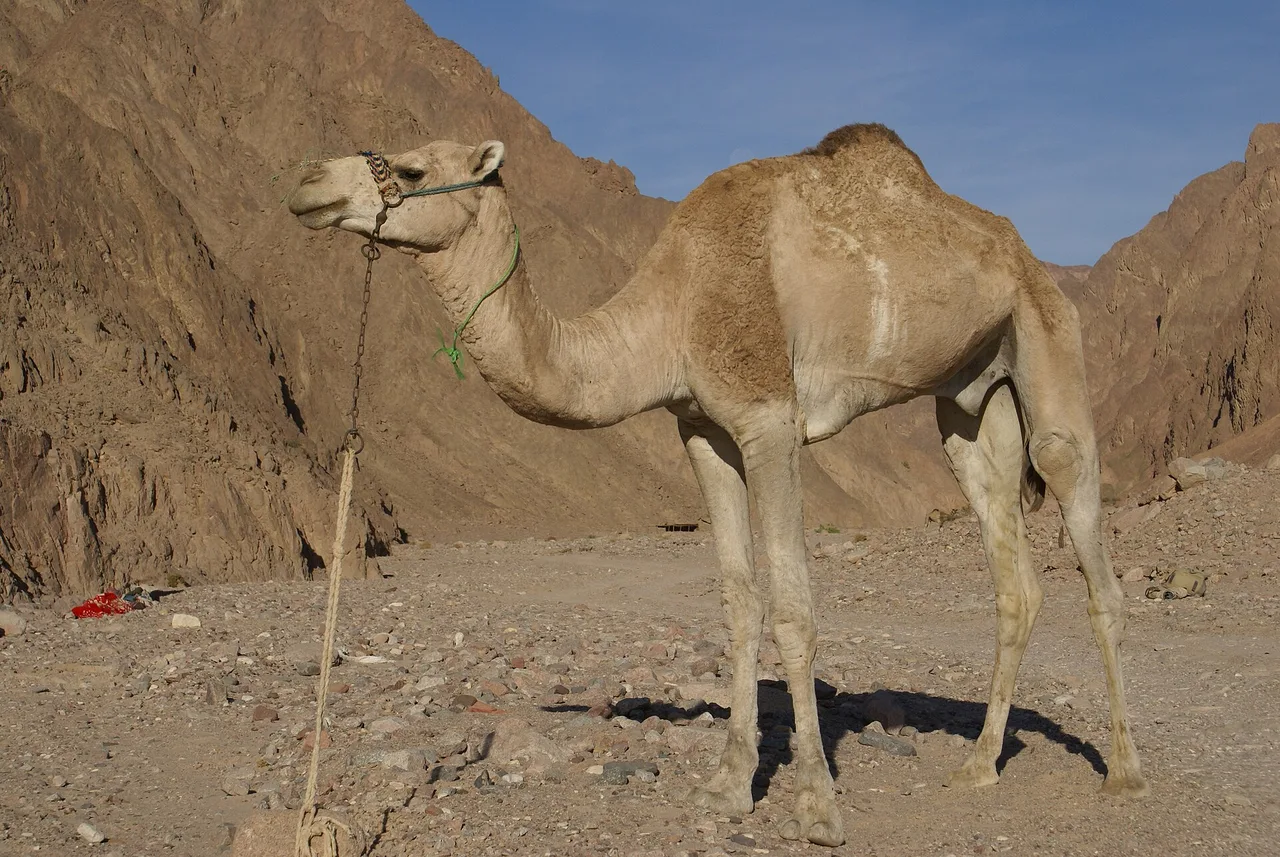
Photo: Florian Prischl, Wikimedia Commons, CC BY-SA 3.0.


Paste the code into your page. The player fits itself in, and every vote counts in Votur.
On WordPress, Ghost or Squarespace? Just paste the link of this page into your post.
This is how it looks
Also fun