Get app
 Photo: Sascha Grabow www.saschagrabow.com, Wikimedia Commons, CC BY-SA 3.0.
Explore Madagascar's lively hilltop capital, with its royal past, busy markets, lakes and rivers. How well do you know Antananarivo?
Curious Wanderer 0–4 · High City Regular 5–8 · Master of Analamanga 9–10
Pick one

The name Antananarivo translates to 'The City of the Thousand'. This refers to the thousand soldiers deployed by King Andrianjaka in the 17th century to guard the newly established garrison on the hill. Today, locals affectionately shorten the name of their bustling capital to 'Tana'.
Pick one
The Rova of Antananarivo is a royal palace complex that served as the home of the sovereigns of the Kingdom of Imerina. Situated on Analamanga, the highest hill in the city, it offers panoramic views. Sadly, a devastating fire in 1995 destroyed much of the wooden structure, but it has since been reconstructed.
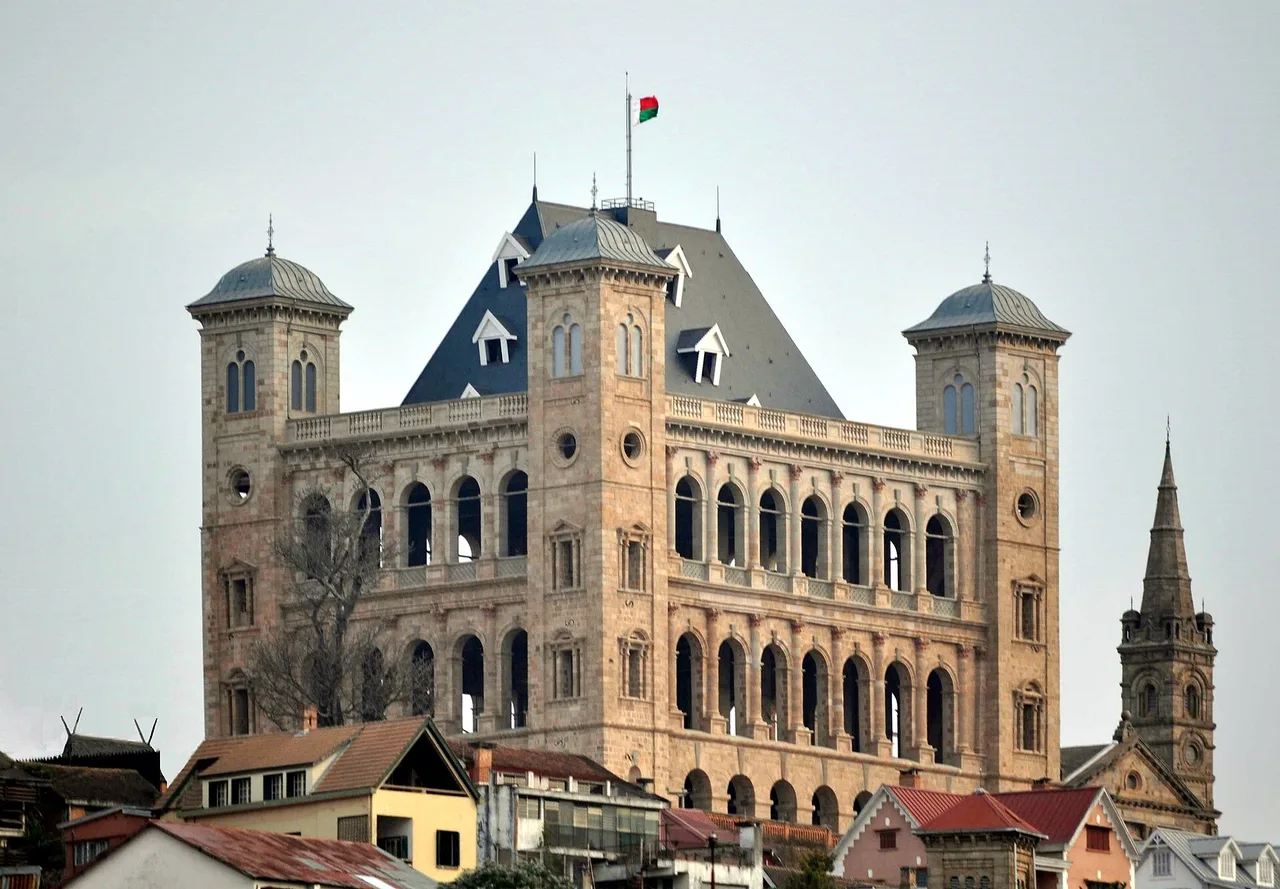
Photo: Hery Zo Rakotondramanana, Wikimedia Commons, CC BY-SA 2.0.
Pick one
Tsimbazaza Zoo is the only zoo in Antananarivo, offering visitors a chance to see Madagascar's unique flora and fauna up close. It houses several endangered lemur species, chameleons, and a museum of Malagasy paleontology. The name 'Tsimbazaza' translates to 'not for children', though it is now a favorite family spot.
Photo: Woodlouse from Brighton, UK, Wikimedia Commons, CC BY-SA 2.0.
Pick one
Analakely Market is one of the most vibrant and crowded marketplaces in Antananarivo. Visitors can find everything here, from fresh tropical fruits to traditional clothing. The market area is famous for its distinctive white-roofed pavilions, which were originally built during the French colonial period to organize vendors.
Pick one
Built between 1908 and 1910, Soarano Station is a beautiful landmark of French colonial architecture in Antananarivo. While regular passenger train services have largely ceased, the building has been restored and transformed into a stylish commercial center with shops and restaurants, preserving its historic charm.
Pick one
Ambohimanga, about 24 km from the capital, is the best known of the twelve sacred hills of Imerina and a UNESCO World Heritage Site. Over the centuries more than twelve places were named sacred, but people kept saying twelve because the number is special in Malagasy tradition.
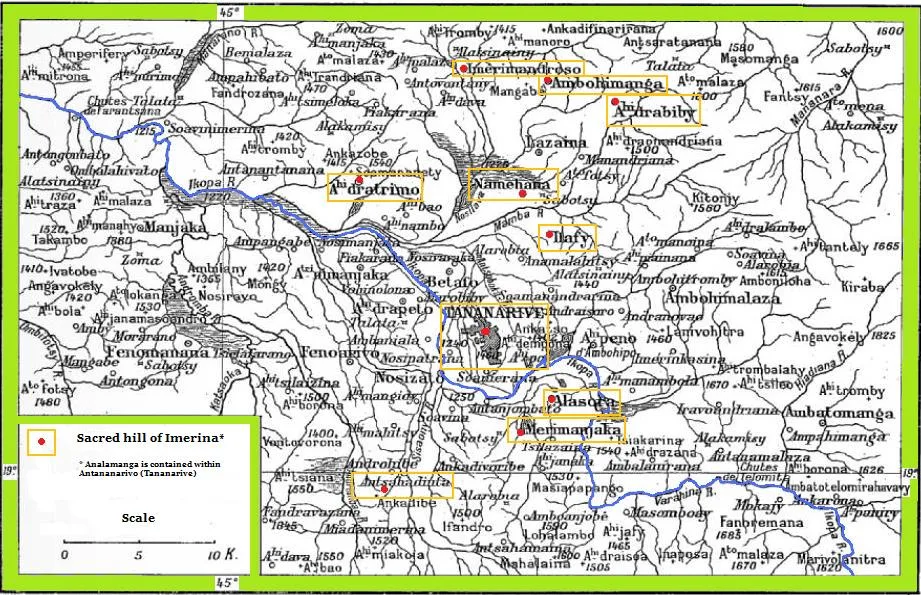
Photo: Lemurbaby, after an engraving by Th. Dieudonné, Wikimedia Commons, CC BY-SA 3.0.
Pick one
Queen Ranavalona I ruled Madagascar for 33 years, from 1828 to 1861, from the royal palace in Antananarivo. She worked hard to keep her island free of British and French plans, and after her reign her son became King Radama II.
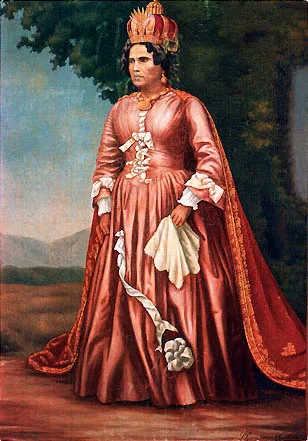
Photo: Philippe-Auguste Ramanankirahina (1860-1915), Wikimedia Commons, Public domain.
Pick one
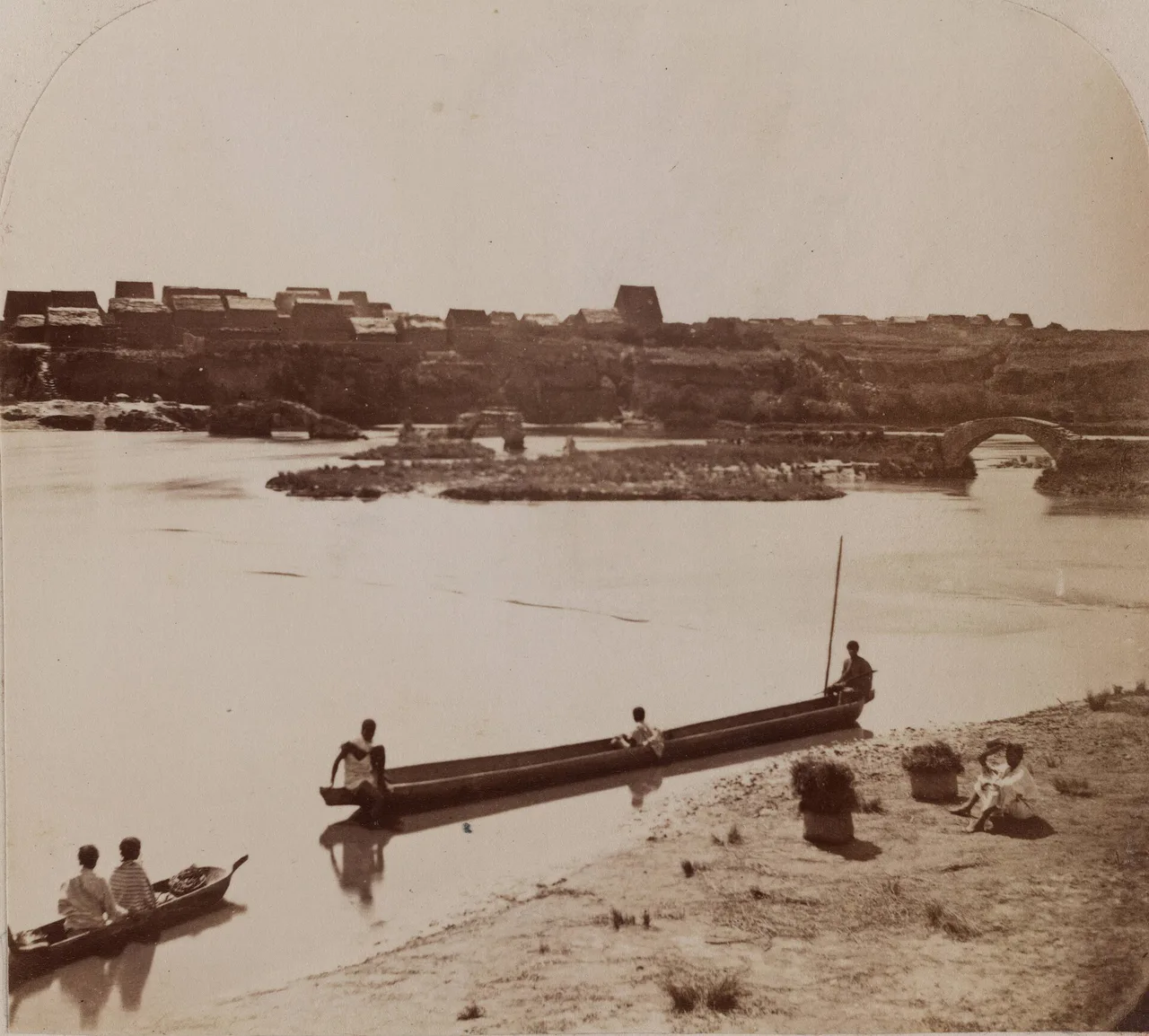
The Ikopa River is the primary waterway passing through Antananarivo. It plays a crucial role in irrigating the vast, green rice paddies that encircle the capital. Over the years, the river has also been a key source of clay, which locals use to make the red bricks characteristic of the city's houses.
Photo: Parrett, John, 1841-1918, Wikimedia Commons, Public domain.
Pick one
General Joseph Gallieni was made governor after France took over Madagascar in 1896. He kept the old royal capital Antananarivo as the centre of the colony and had roads, stairways and drained marshes built there. Early in 1897 he abolished the monarchy and sent the last queen into exile, first to Réunion and later to Algeria.
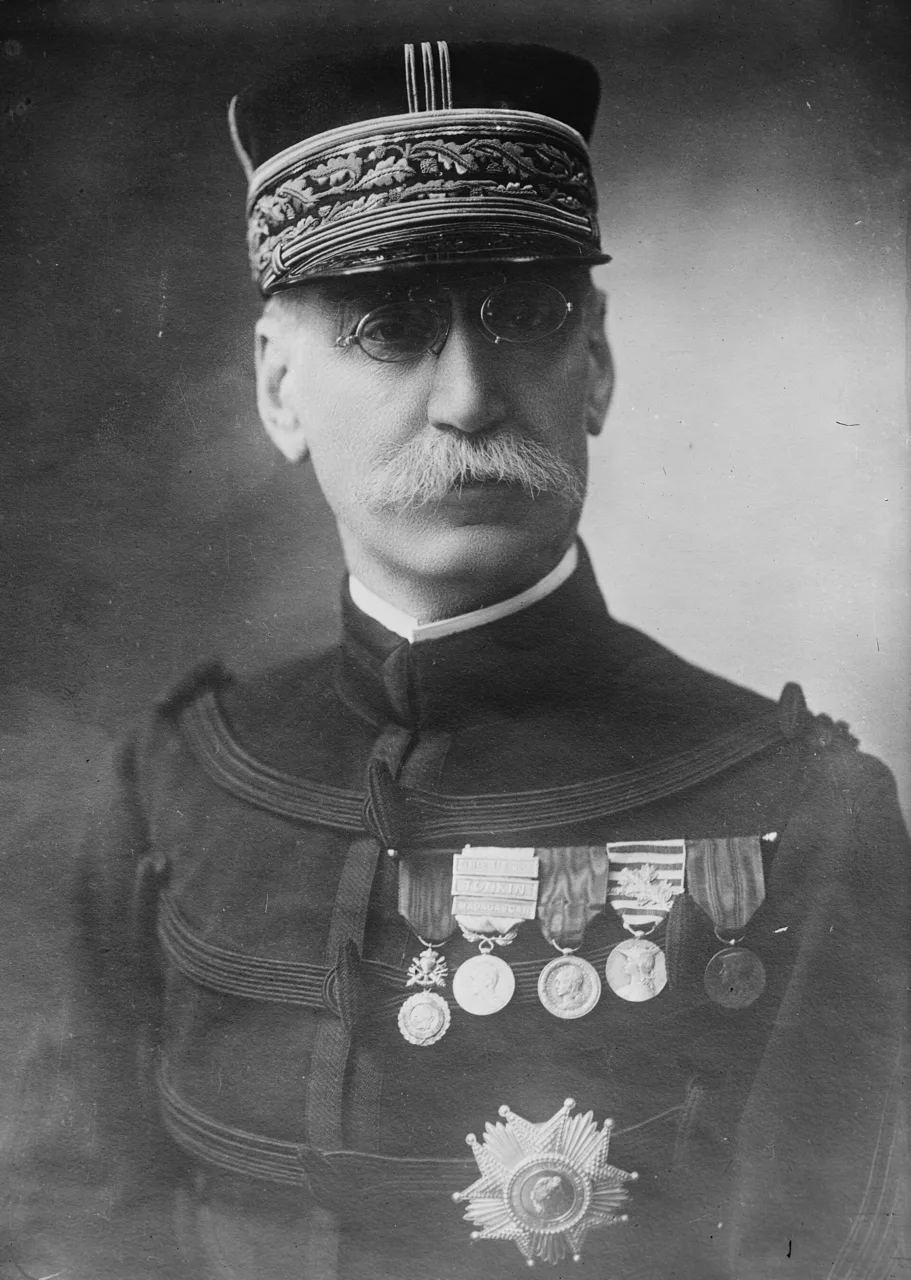
Photo: Bain News Service, publisher, Wikimedia Commons, Public domain.
Pick one
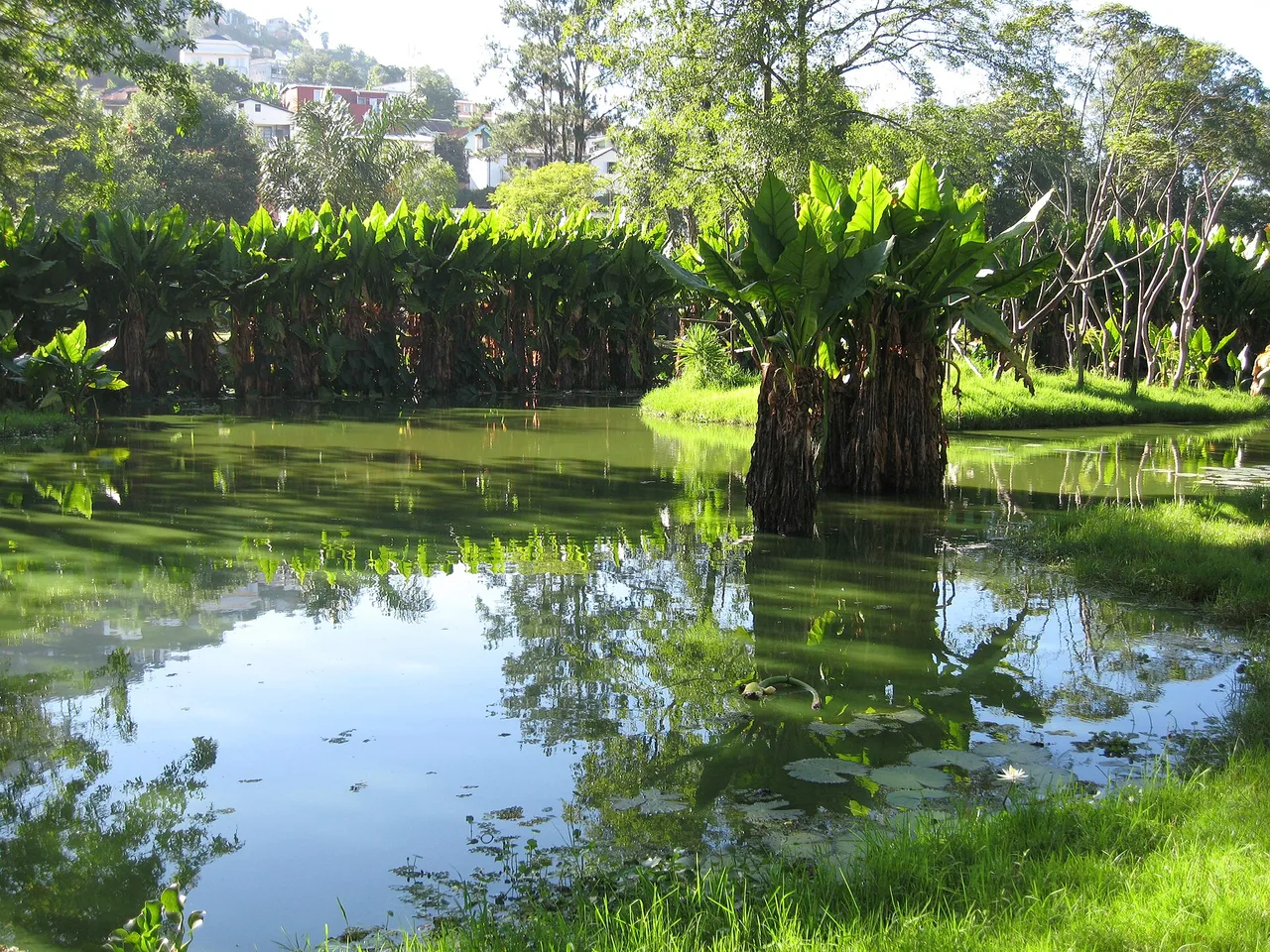
Lake Anosy was once a swamp: work on the lake began under King Radama I, and the Scottish missionary James Cameron gave it its heart shape. On its little island stands a monument to Malagasy soldiers of World War I, and the jacaranda trees along its shore bloom purple every October.


Paste the code into your page. The player fits itself in, and every vote counts in Votur.
On WordPress, Ghost or Squarespace? Just paste the link of this page into your post.
This is how it looks
Also fun