Get app
Eight friendly questions about the essentials of Greece, from ancient legends to island life. Everyone can join in, from nine to ninety!
Curious visitor 0–3 · Island hopper 4–6 · Honorary Greek 7–8
Pick one

The flag has nine blue and white stripes and a white cross on blue in the top corner. Greeks often simply call it 'the Blue-and-White'. The stripes have no official meaning, but many people say the blue and white stand for the Greek sky and sea.
Pick one
Greece swapped its drachma for the euro in 2002. Every euro country designs one side of its own coins, and the Greek 1-euro coin shows an owl copied from a silver coin of ancient Athens, about 2,500 years old. The Athenians nicknamed those coins 'little owls'.
Pick one
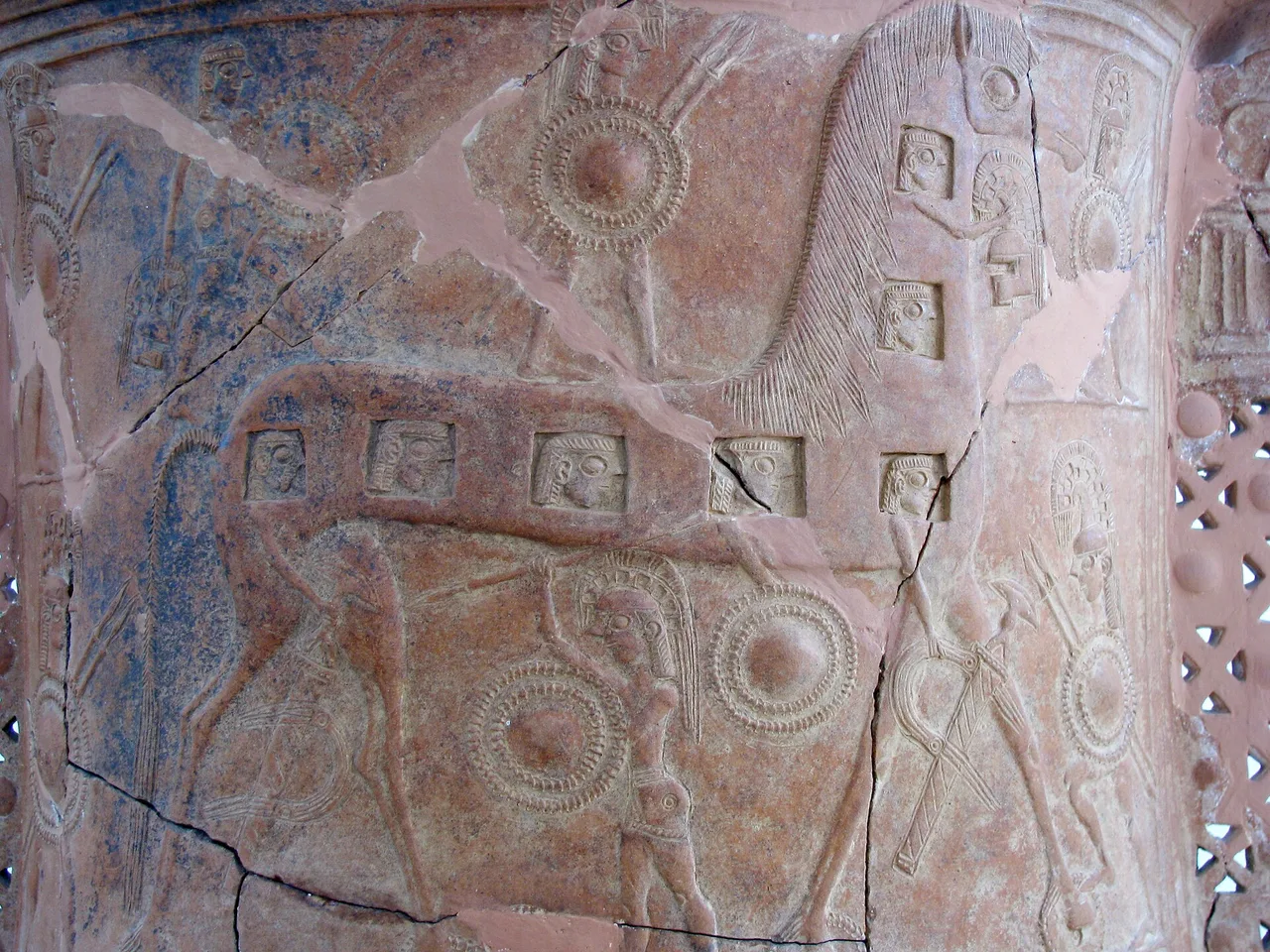
After ten years of war, the Greeks built a huge wooden horse, hid soldiers inside and pretended to sail away. The people of Troy pulled it into their city as a trophy. Today a sneaky computer program that pretends to be harmless is still called a 'Trojan horse'.
Photo: Travelling Runes, Wikimedia Commons, CC BY-SA 2.0.
Pick one
A legend tells of a messenger who ran from the town of Marathon all the way to Athens to announce a victory. The race's odd length of 42.195 kilometres was fixed in 1921, based on the route of the 1908 London Olympics, from Windsor Castle to the stadium.
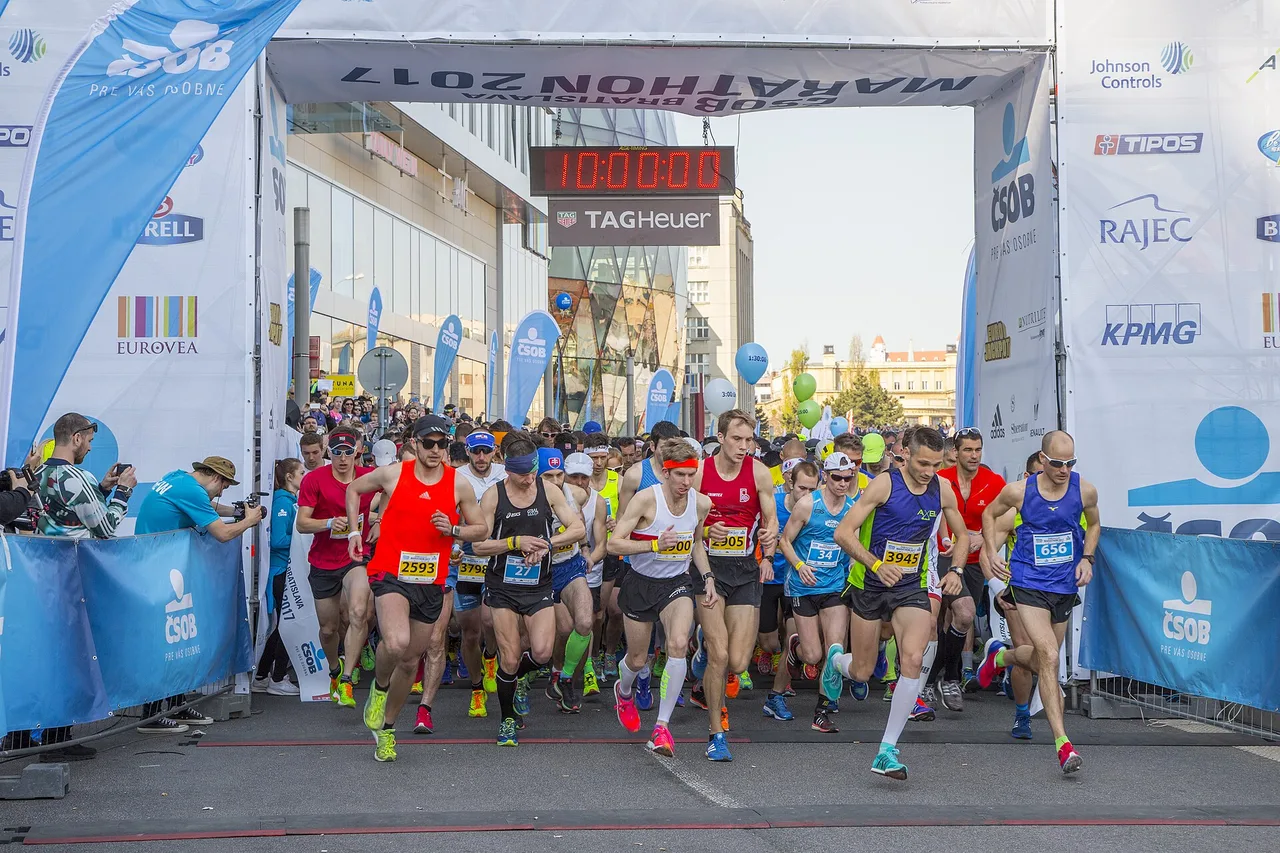
Photo: Bratislavská župa from Bratislava, Slovakia, Wikimedia Commons, CC BY 2.0.
Pick one
Poseidon ruled the seas and carried a three-pronged spear called a trident. The Greeks also saw him as the god of earthquakes and of horses, and myths say he made springs of water burst from the ground with his trident. Fire belonged to Hephaestus, the blacksmith god.
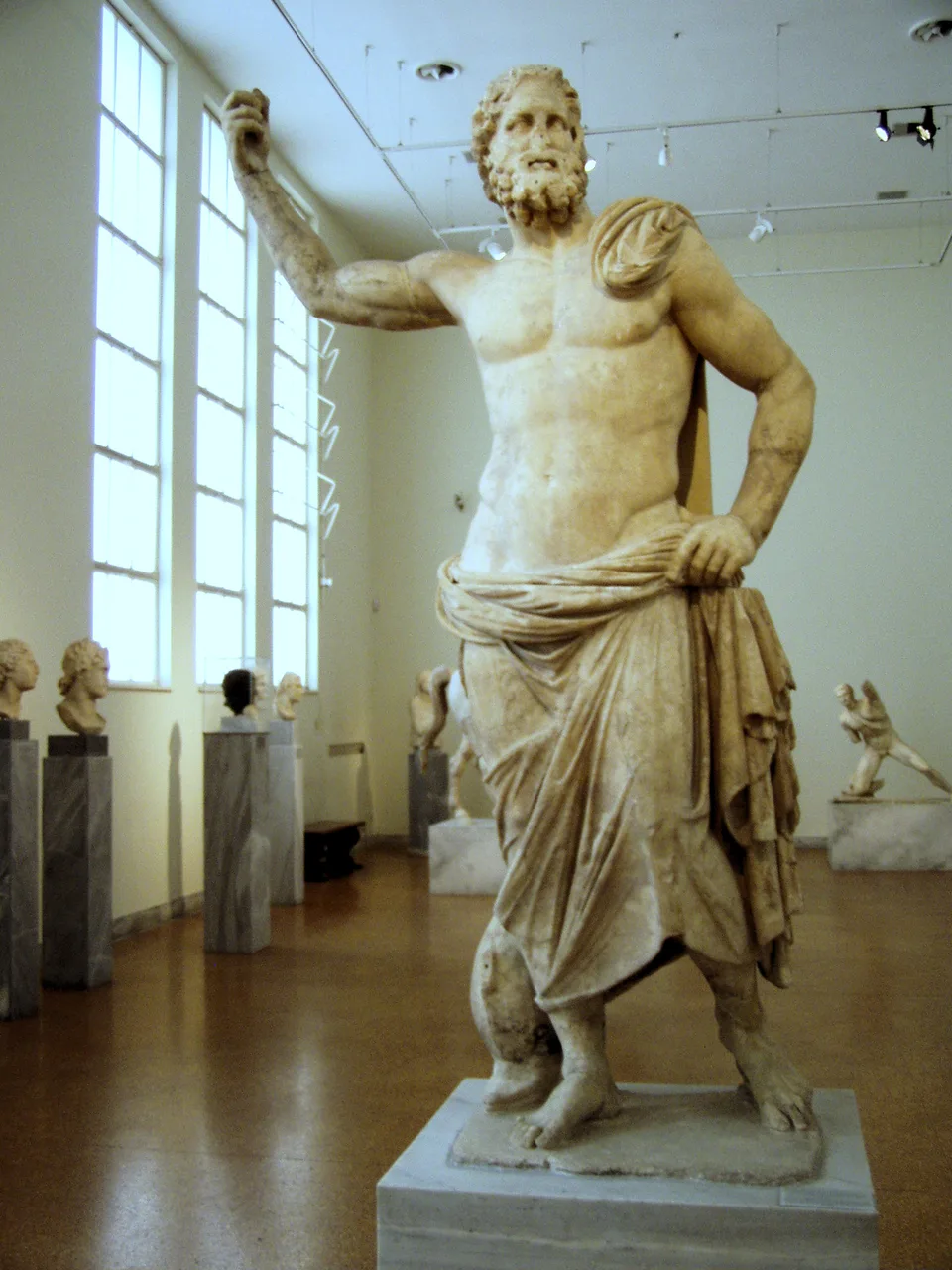
Photo: — DerHexer (Talk), Wikimedia Commons, CC BY-SA 3.0.
Pick one
Santorini is what is left of a volcano. About 3,600 years ago one of the largest eruptions in human history left a huge sea-filled crater, ringed by the cliffs where the villages now stand. Some people even think this eruption inspired the legend of Atlantis.
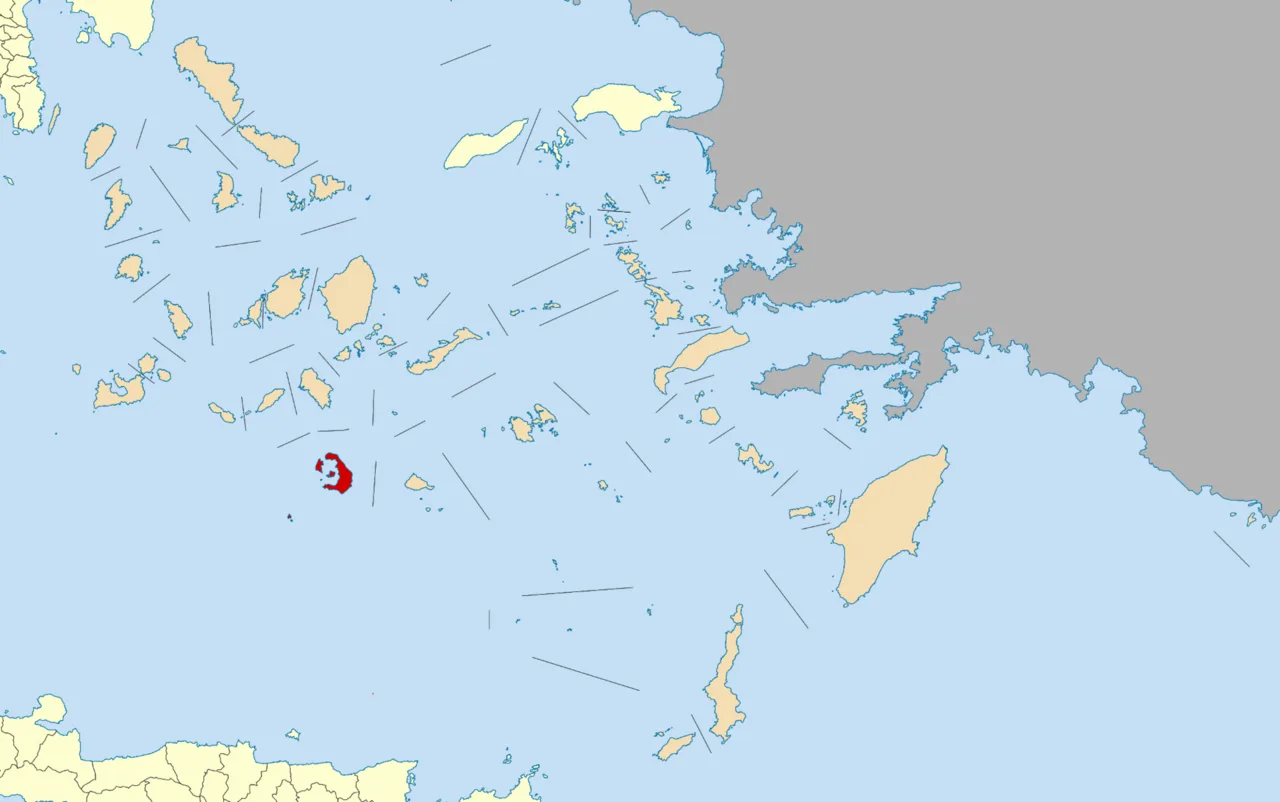
Photo: Pitichinaccio, Wikimedia Commons, CC BY 3.0.
Pick one
The name gyros comes from the Greek word for 'turn' or 'circle', because the meat slowly turns in front of the heat. It is often served with tomato, onion, chips and tzatziki. Moussaka is something else: baked layers of aubergine, minced meat and a creamy sauce.
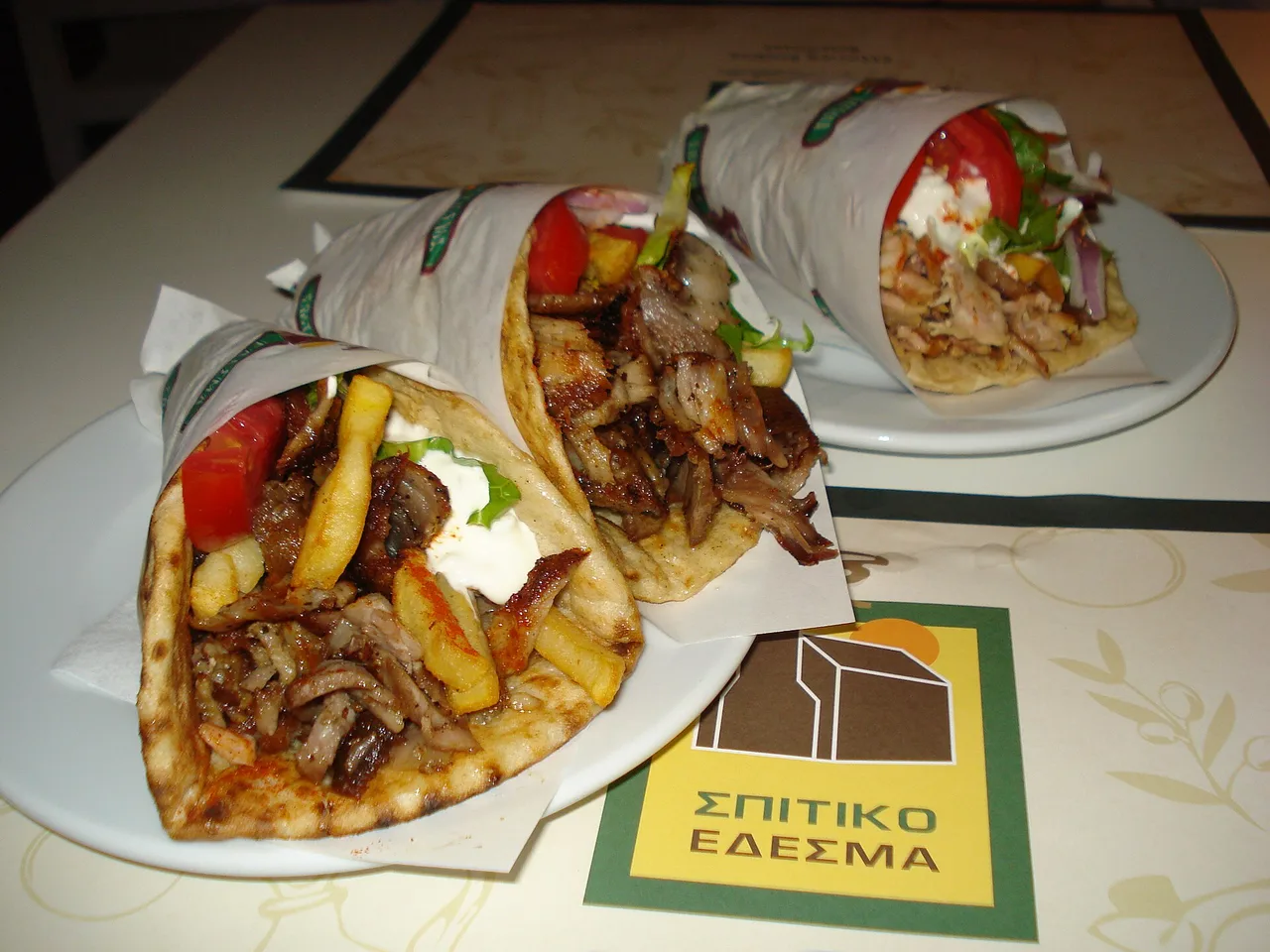
Photo: Antonio Fajardo i López, Wikimedia Commons, CC BY-SA 3.0.
Pick one
Alpha and beta joined up to make 'alphabet', a word that travelled through Latin into English and many other languages. The Greek alphabet has 24 letters, and some show up in maths and science all over the world, like π (pi). Omega is the very last letter.


Paste the code into your page. The player fits itself in, and every vote counts in Votur.
On WordPress, Ghost or Squarespace? Just paste the link of this page into your post.
This is how it looks
Also fun