 Get app
Embark on a journey through the land of gods, philosophers, and breathtaking landscapes. Test your knowledge on Greece's rich history, vibrant culture, and stunning geography with these intriguing questions.
Curious Traveler 0–4 · Hellenic Explorer 5–8 · Oracle of Olympus 9–10

Tap the right answer
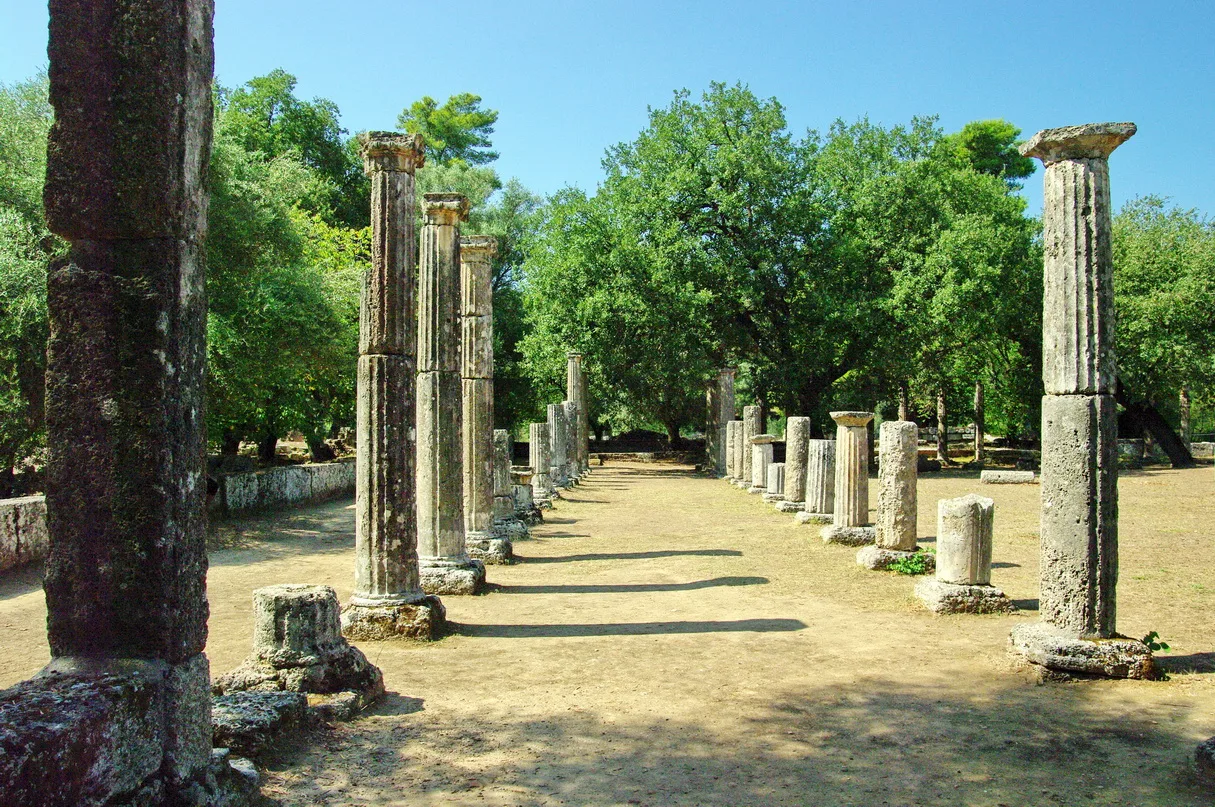
Mount Olympus is Greece's highest peak, revered in ancient Greek mythology as the home of the Olympian gods. Its highest summit, Mytikas, reaches 2,917 meters (9,570 feet). The mountain is also a National Park and a World Biosphere Reserve, known for its rich biodiversity and endemic plant species.
Photo: kallerna, Wikimedia Commons, CC BY-SA 4.0.

Tap the right answer
The ancient Olympic Games were held in Olympia, a sanctuary site dedicated to Zeus, located in the western Peloponnese, not in Athens. They were a series of athletic competitions among representatives of city-states and one of the Panhellenic Games of Ancient Greece. The first recorded games date back to 776 BC.
Photo: Bgabel, Wikimedia Commons, CC BY-SA 3.0.
Tap the right answer
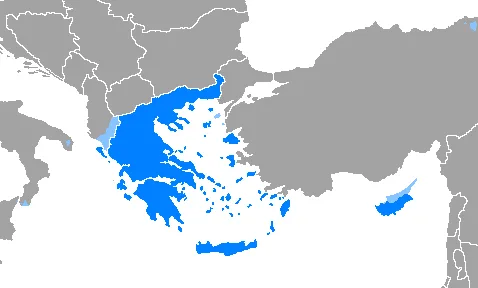
The official language of Greece is Greek, a Hellenic language that forms its own branch within the Indo-European family. It has the longest documented history of any Indo-European language, spanning 34 centuries of written records. The term 'Hellenic' refers to the broader language family, not the specific modern language.
Photo: Fobos92, Wikimedia Commons, CC BY-SA 3.0.
Tap the right answer
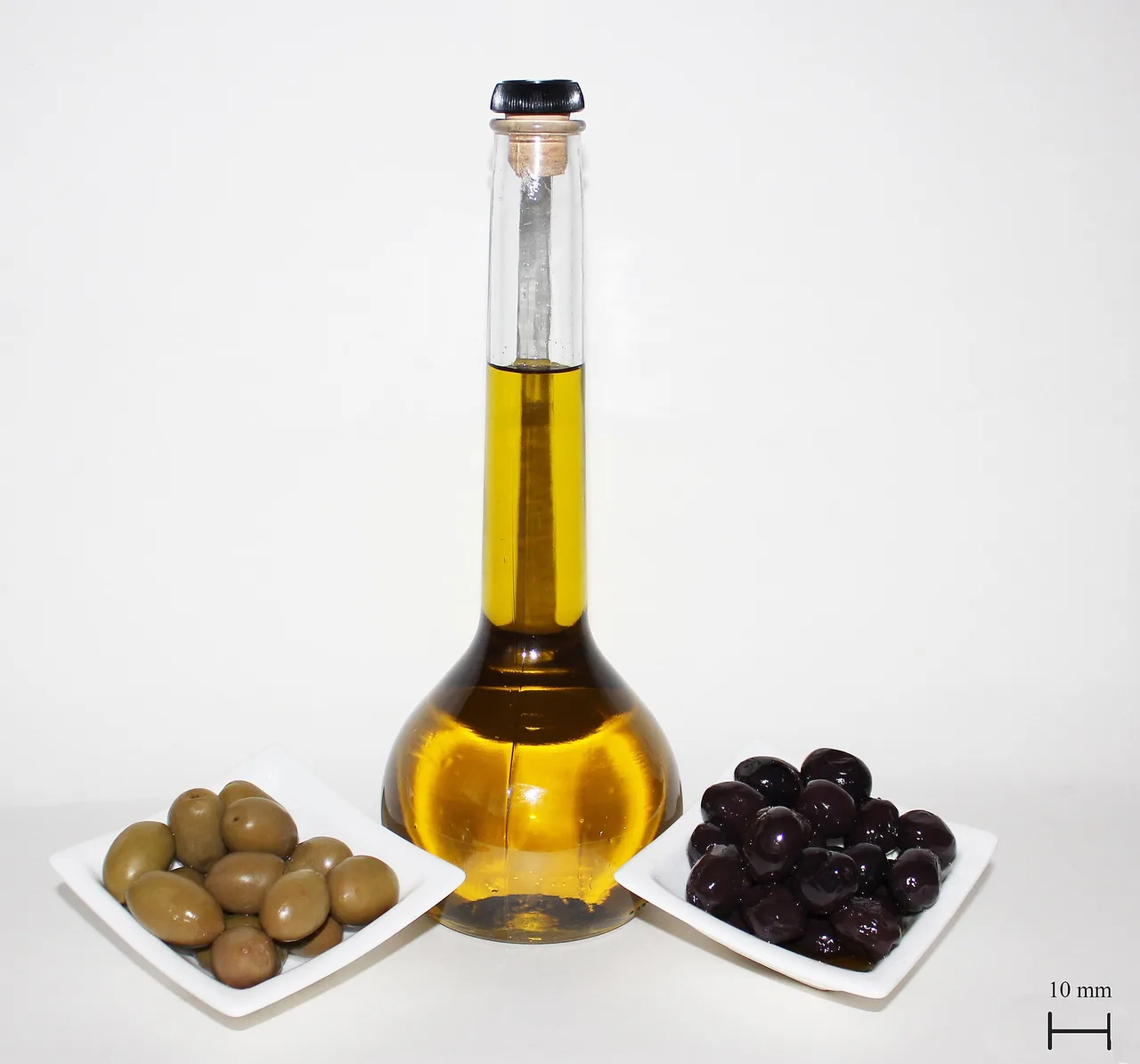
Olive oil is arguably the most fundamental and ubiquitous ingredient in Greek cuisine, used generously in cooking, salads, and dressings. Greece is one of the world's top producers of olive oil, and it has been a cornerstone of the Greek diet for thousands of years, deeply ingrained in its cultural and culinary identity.
Photo: Poyraz 72, Wikimedia Commons, CC BY-SA 4.0.
Tap the right answer
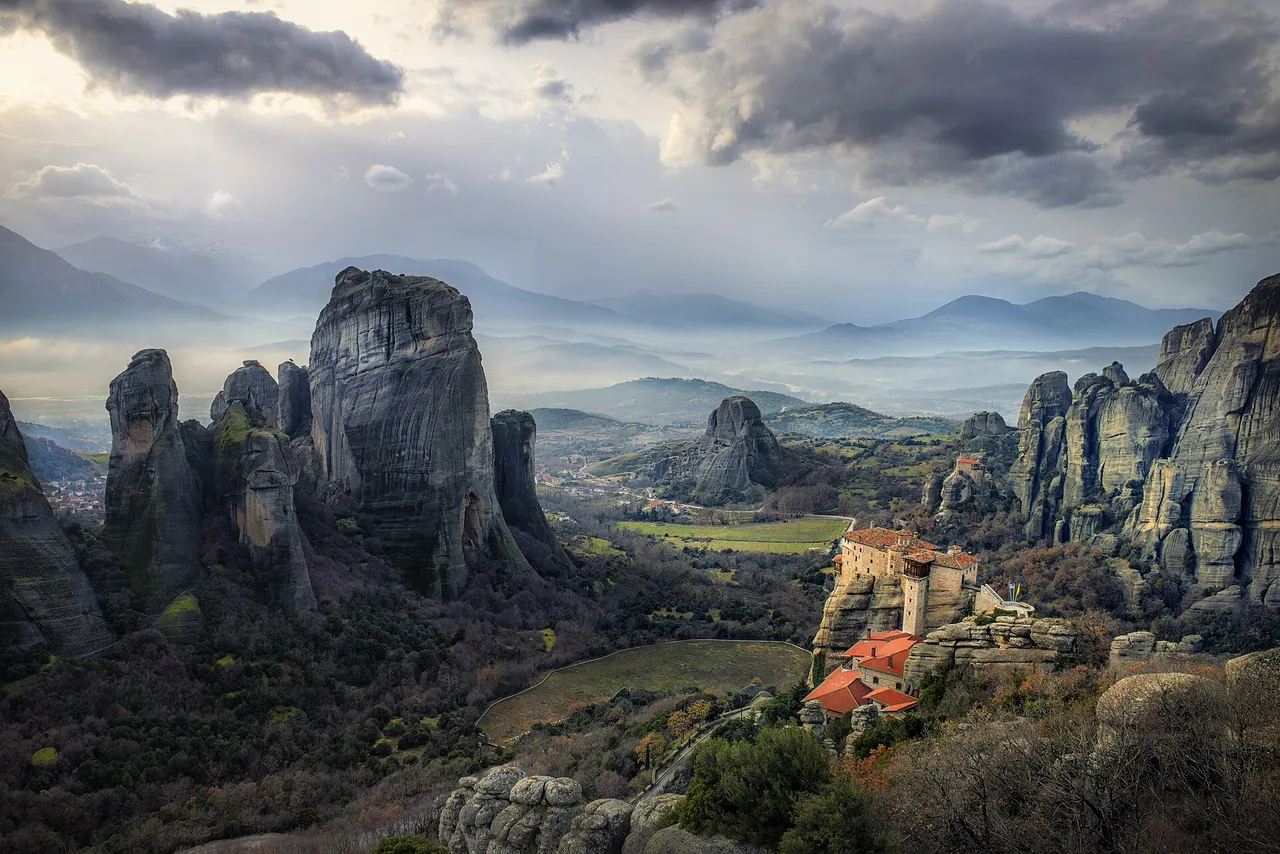
Meteora is a unique complex of Eastern Orthodox monasteries built on natural sandstone rock pillars in central Greece. The name 'Meteora' literally means 'suspended in the air' or 'in the heavens above,' perfectly describing their dramatic location. Mount Athos is another significant monastic state, but it is a peninsula with monasteries, not rock pillars.
Photo: Stathis floros, Wikimedia Commons, CC BY-SA 4.0.
Tap the right answer
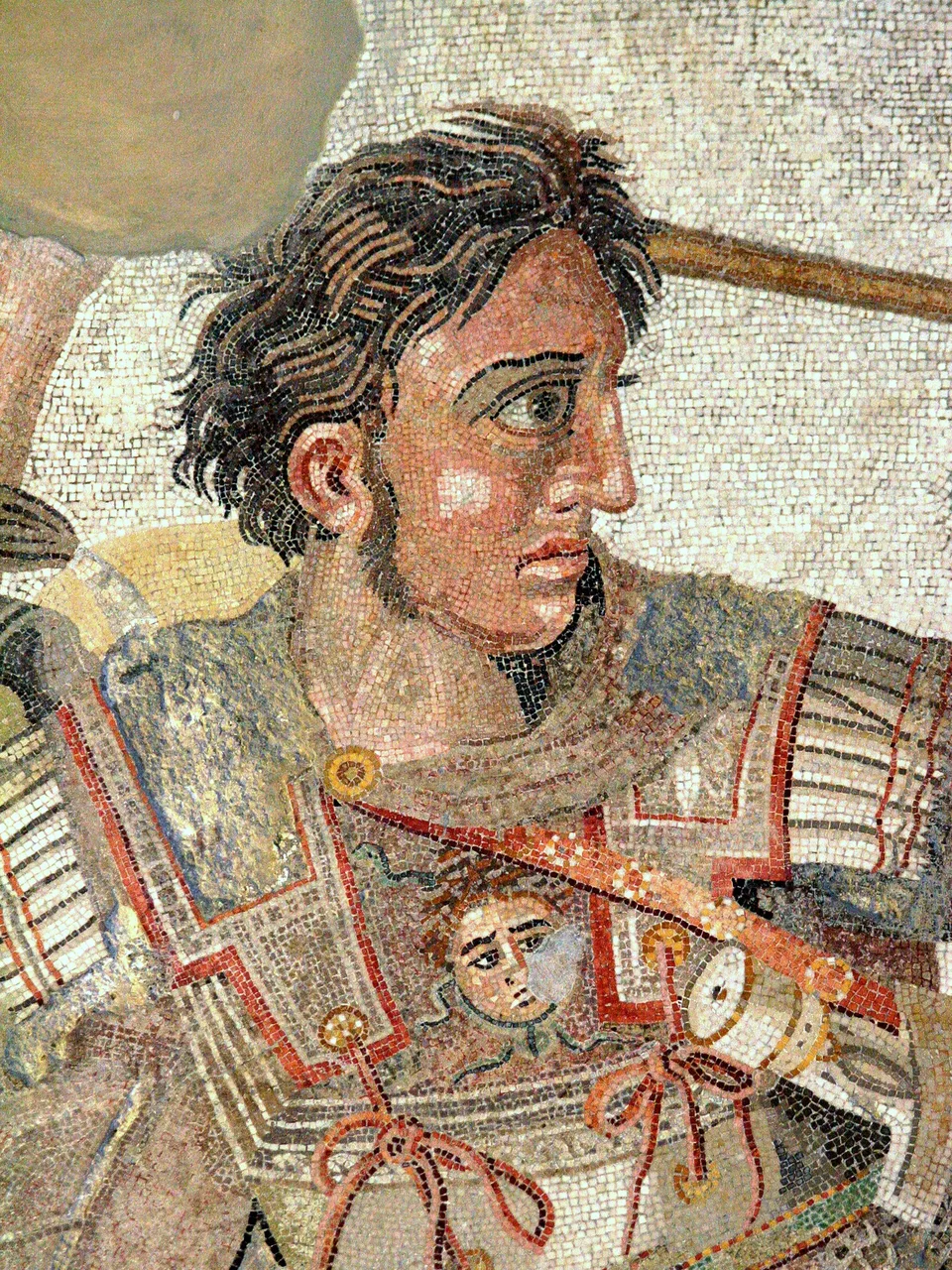
Alexander the Great was a king of the ancient Greek kingdom of Macedon, which was located in the northeastern part of the Greek peninsula. He succeeded his father, Philip II, to the throne in 336 BC and, through his military campaigns, forged one of the largest empires of the ancient world, stretching from Greece to India.
Photo: Unknown authorUnknown author, Wikimedia Commons, Public domain.
Tap the right answer
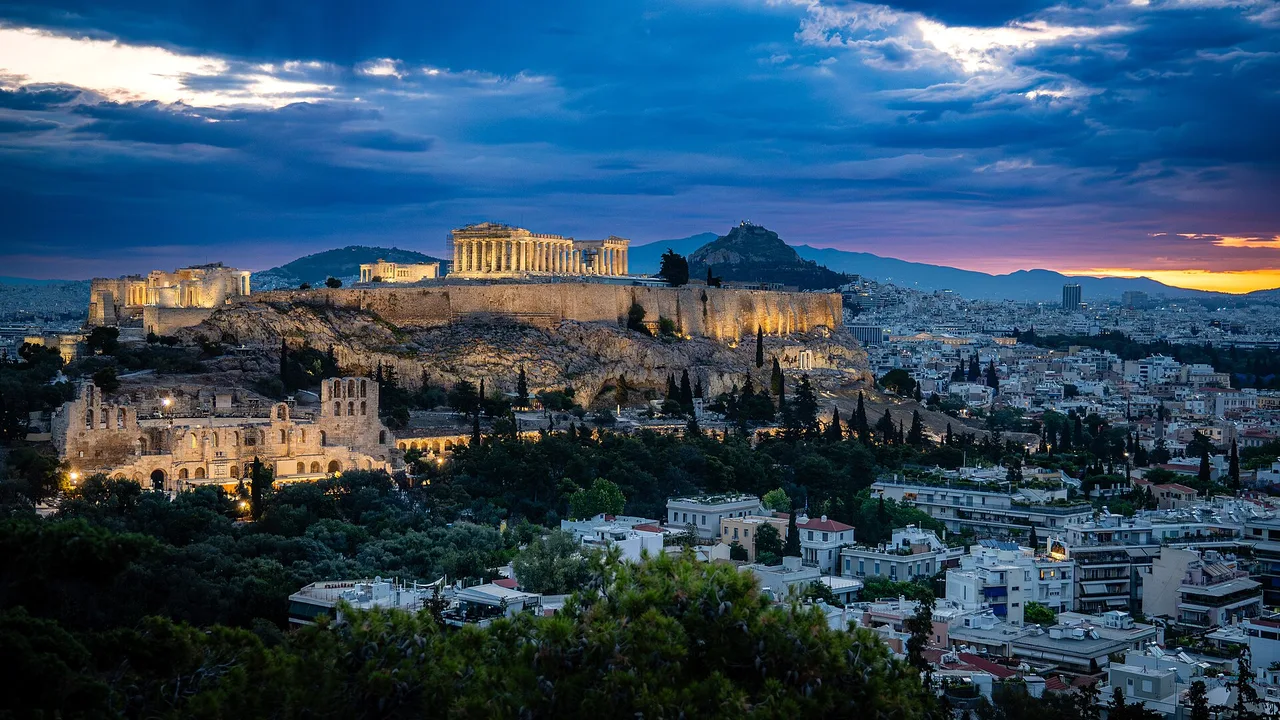
Athens is not only the capital but also the largest city in Greece, and one of the world's oldest cities, with its recorded history spanning over 3,400 years. It is renowned for its archaeological sites, including the iconic Acropolis, and is a major center for economics, finance, politics, and culture.
Photo: Andrew Parlette, Wikimedia Commons, CC BY 4.0.
Tap the right answer
In ancient Greek mythology, Zeus was the king of the gods, ruler of Mount Olympus, and god of the sky, thunder, and lightning. He was the most powerful deity, often depicted with a thunderbolt. Poseidon was his brother and the god of the sea, earthquakes, and horses, making him a powerful figure but not the supreme ruler.
Photo: Unknown artistUnknown artist, Wikimedia Commons, Public domain.

Tap the right answer
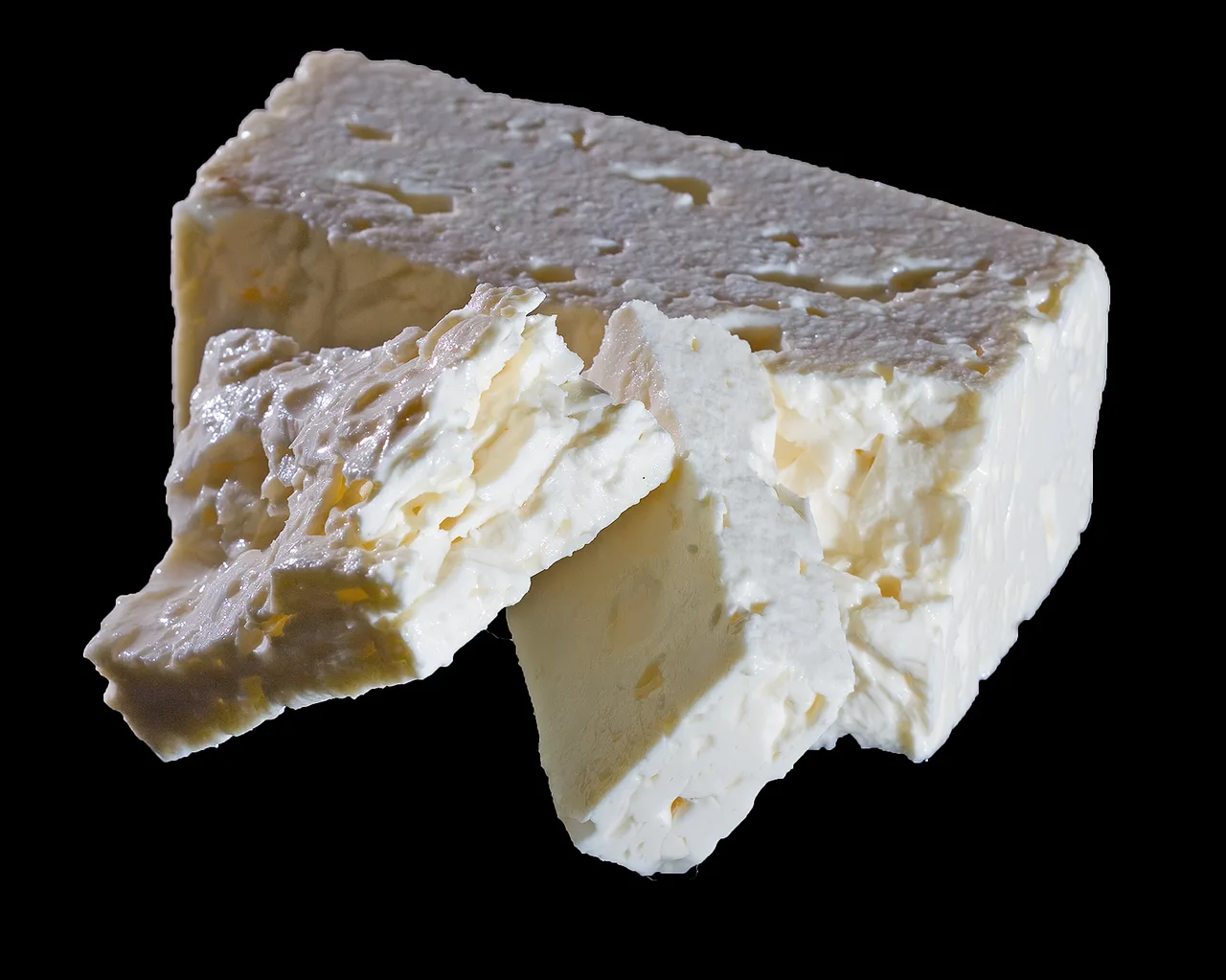
Feta is a brined curd cheese traditionally produced in Greece, primarily from sheep's milk or a blend with up to 30% goat's milk. It has a salty, tangy flavor and a crumbly texture, often used in salads and pastries. Halloumi is a similar brined cheese but originates from Cyprus.
Photo: JJ Harrison (https://www.jjharrison.com.au/), Wikimedia Commons, CC BY-SA 2.5.
Tap the right answer
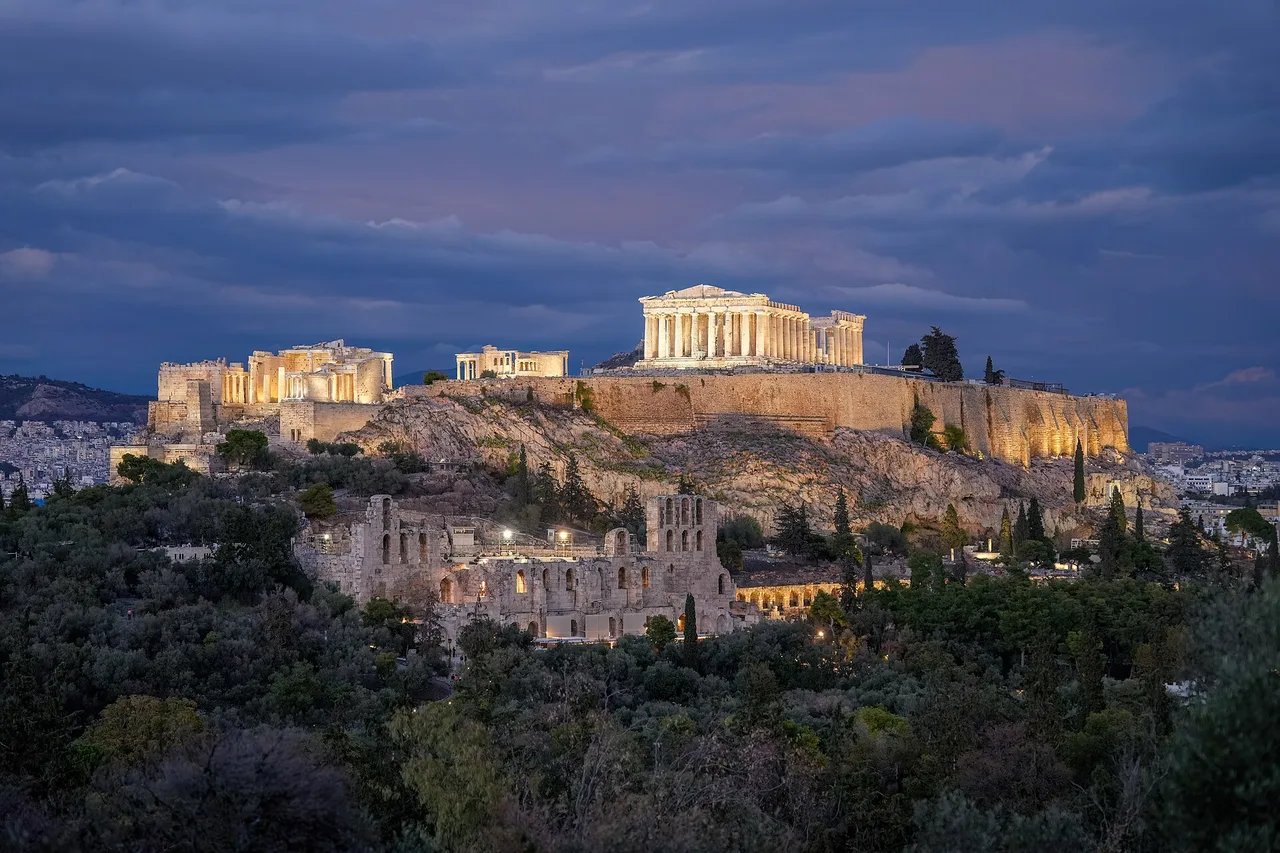
The Acropolis of Athens is an ancient citadel located on a rocky outcrop above the city, containing the remains of several ancient buildings of great architectural and historic significance, most notably the Parthenon. The Agora was the central public space in ancient Greek city-states, often located below the Acropolis and serving as a marketplace and assembly point.
Photo: Giles Laurent, Wikimedia Commons, CC BY-SA 4.0.


Want to make a quiz like this yourself? Do it on Votur, it's free.
Paste the code into your page. The player fits itself in, and every vote counts in Votur.
On WordPress, Ghost or Squarespace? Just paste the link of this page into your post.
This is how it looks
Also fun
How well do you know Madrid? · 10 →How well do you know Spain? · 10 →How well do you know Rome? · 10 →How well do you know Italy? · 10 →How well do you know Bern? · 10 →How well do you know Switzerland? · 10 →How well do you know Vienna? · 10 →How well do you know Austria? · 10 →How well do you know Berlin? · 10 →How well do you know London? · 10 →How well do you know the United Kingdom? · 10 →How well do you know Paris? · 10 →How well do you know France? · 10 →How well do you know Brussels? · 10 →How well do you know Amsterdam? · 10 →How well do you know the Netherlands? · 10 →How well do you know Copenhagen? · 10 →How well do you know Denmark? · 10 →How well do you know Athens? · 10 →How well do you know Lisbon? · 10 →How well do you know Portugal? · 10 →How well do you know Tallinn? · 10 →How well do you know Estonia? · 10 →Belgium · 8 →Universe · 10 →Which Greek hero are you? · 8 →Gulpen · 5 →How well do you know Dutch weather? · 10 →How well do you know Germany? · 10 →Who owns the Netherlands? · 10 →The little church village of Klimmen · 10 →Do you know Neutral Moresnet? · 10 →