Get app
 Photo: Parallelepiped09, Wikimedia Commons, CC BY-SA 4.0.
Explore Sucre, the constitutional capital of Bolivia! Test your knowledge on its rich colonial history, stunning architecture, prehistoric wonders, and vibrant cultural traditions.
Plaza Tourist 0–4 · White City Wanderer 5–8 · True Sucrense 9–10
Pick one

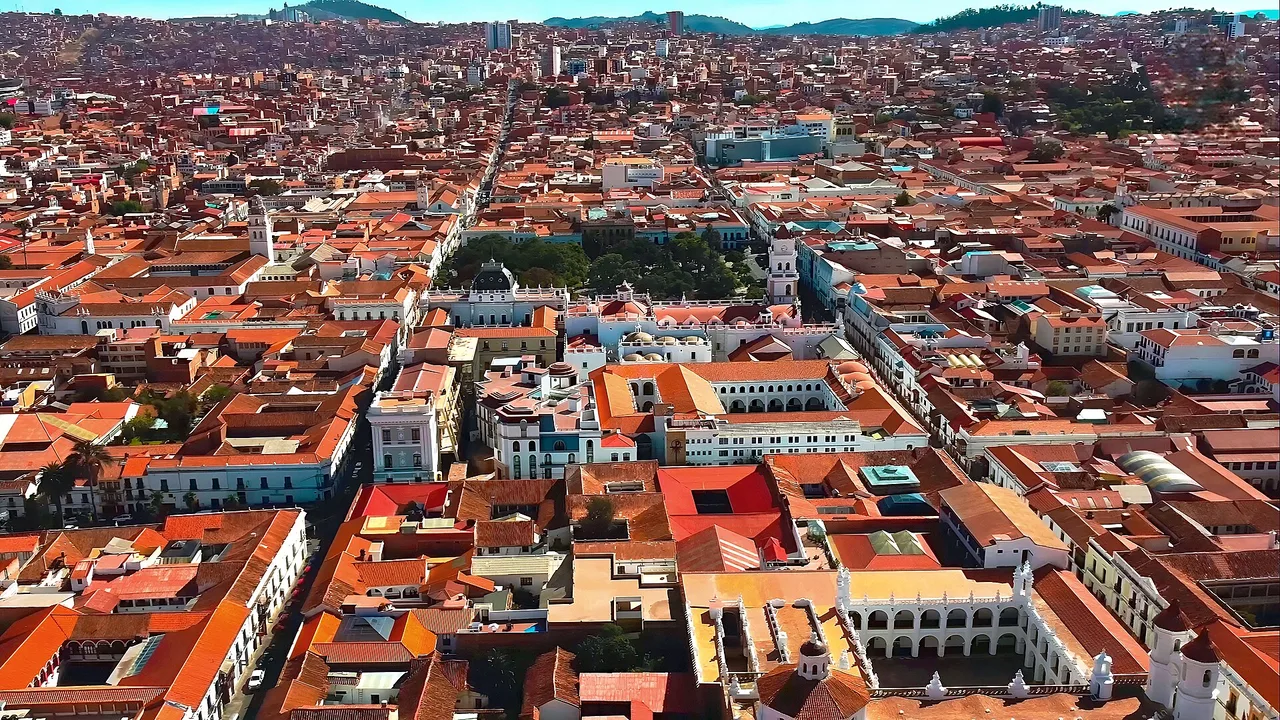
The Spanish founded the city in 1538 as La Plata, which means 'silver'. It has also been called Charcas and Chuquisaca, and today it carries the name of Antonio José de Sucre, a hero of South American independence. No wonder it is nicknamed the city of four names!
Photo: Parallelepiped09, Wikimedia Commons, CC BY-SA 4.0.
Pick one
Juana Azurduy de Padilla led guerrilla fighters alongside her husband in the struggle for independence from Spain, and in 1816 her riders even briefly captured the silver mountain of Potosí. In 2009 Argentina made her a general, long after her death, and Sucre's airport now carries her name.
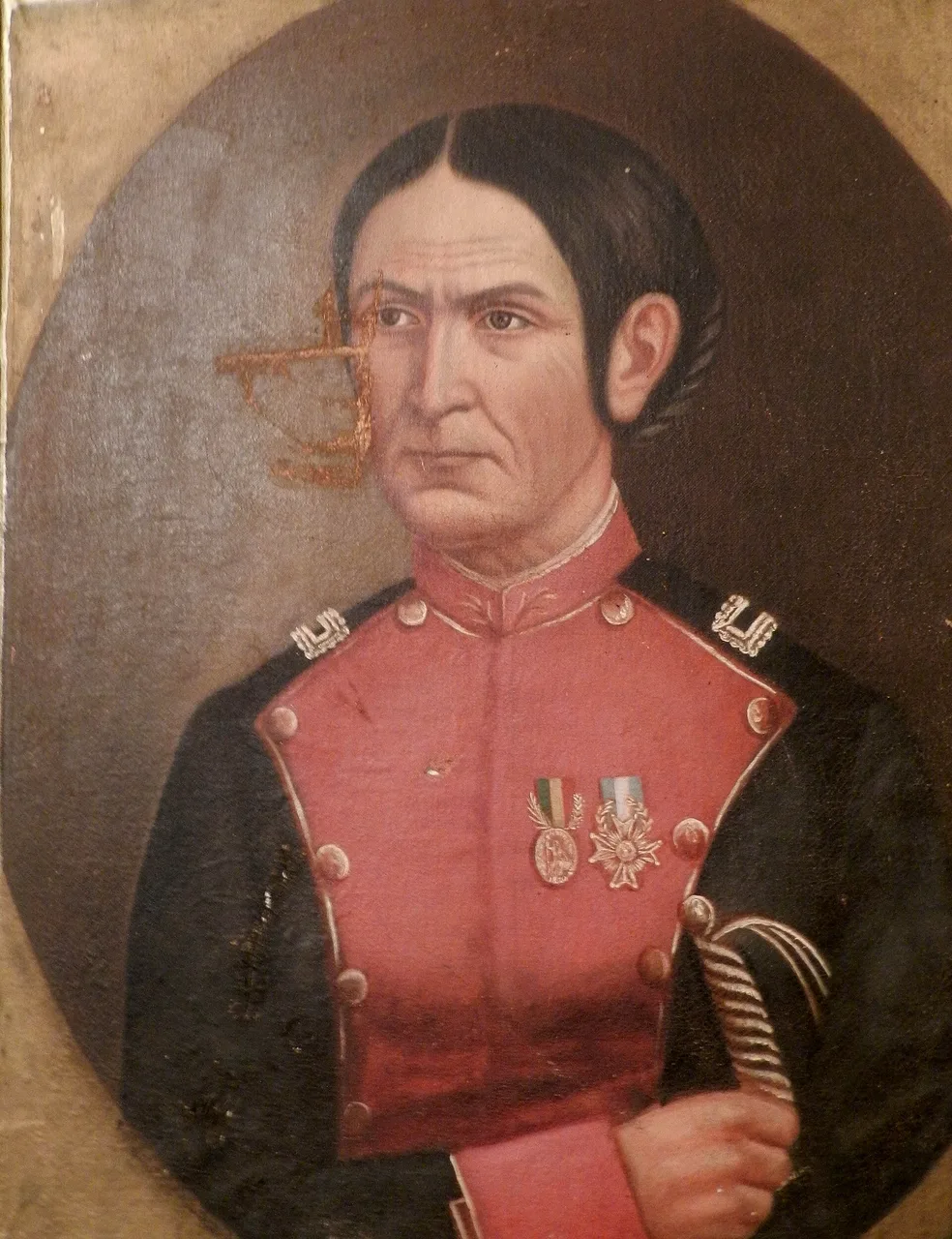
Photo: AnonymousUnknown author, Wikimedia Commons, Public domain.
Pick one
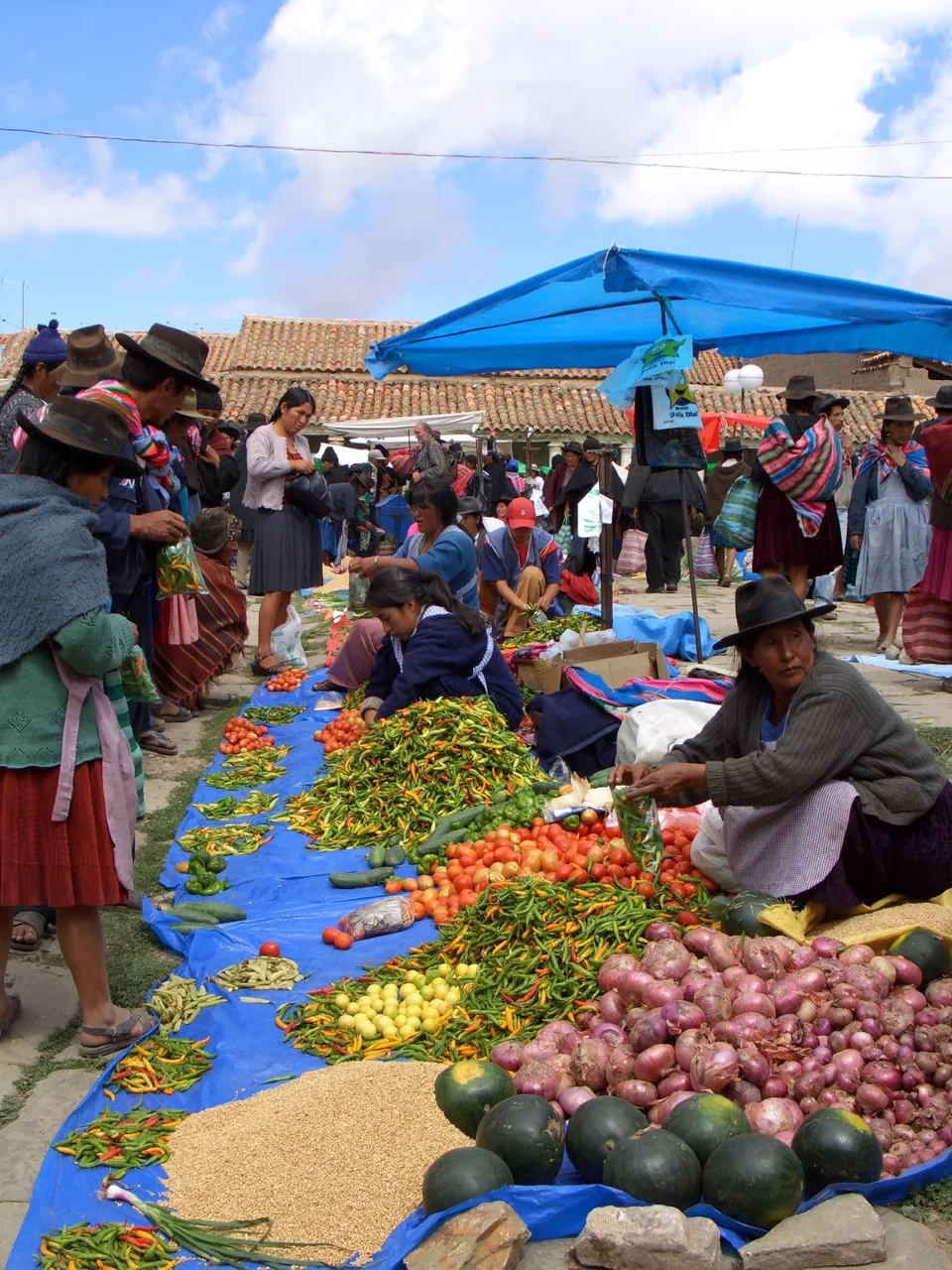
Tarabuco is famous for its weekly market where indigenous Yampara people gather to trade goods and sell highly intricate, colorful textiles. The town also hosts the annual Pujllay festival, celebrating a historic victory over Spanish forces.
Photo: Jenni Frog, Wikimedia Commons, CC BY 2.0.
Pick one
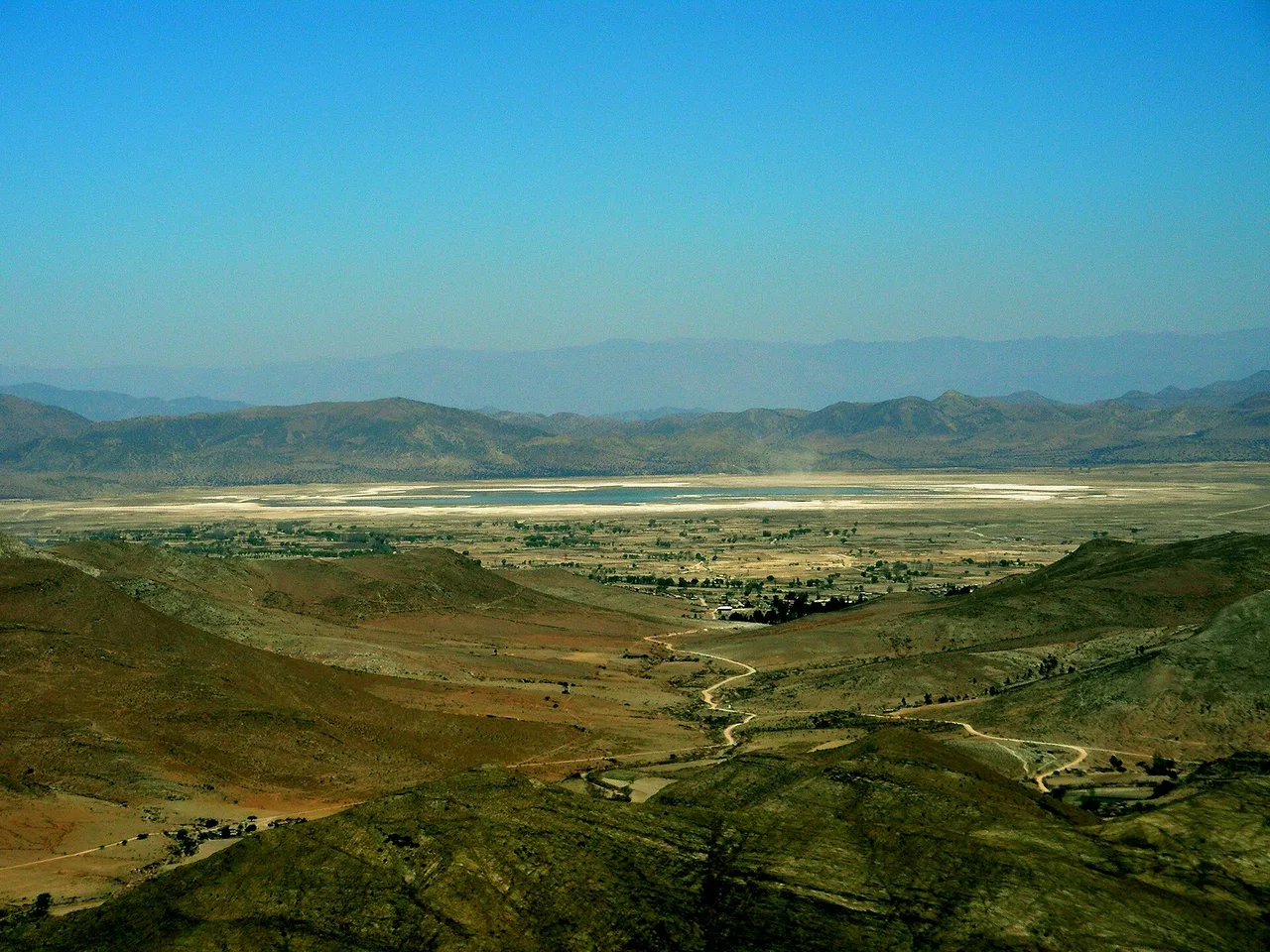
Sucre serves as the capital of the Chuquisaca Department in south-central Bolivia. The department's name comes from the original indigenous name of the region, Chuquichaca, which later became Chuquisaca.
Photo: Luis Heredia Cavero, Wikimedia Commons, Public domain.
Pick one
Sucre's historic center is famous for its gleaming whitewashed houses and churches with red-tiled roofs, which earned it the nickname 'La Ciudad Blanca', the White City. The whole historic center has been a UNESCO World Heritage Site since 1991.
Pick one
The Universidad Mayor, Real y Pontificia de San Francisco Xavier de Chuquisaca was a major intellectual hub during the colonial era. It played a pivotal role in fostering the revolutionary ideas that eventually liberated South America.
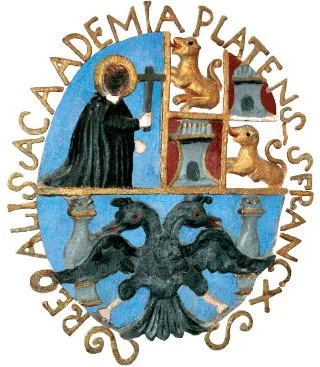
Photo: Universidad de Chuquisaca, Wikimedia Commons, Public domain.
Pick one
Cal Orck'o has one of the world's largest collections of dinosaur footprints, on a huge, almost vertical wall of limestone in a quarry. Scientists have mapped more than 12,000 tracks there, left about 68 million years ago by several kinds of dinosaurs.
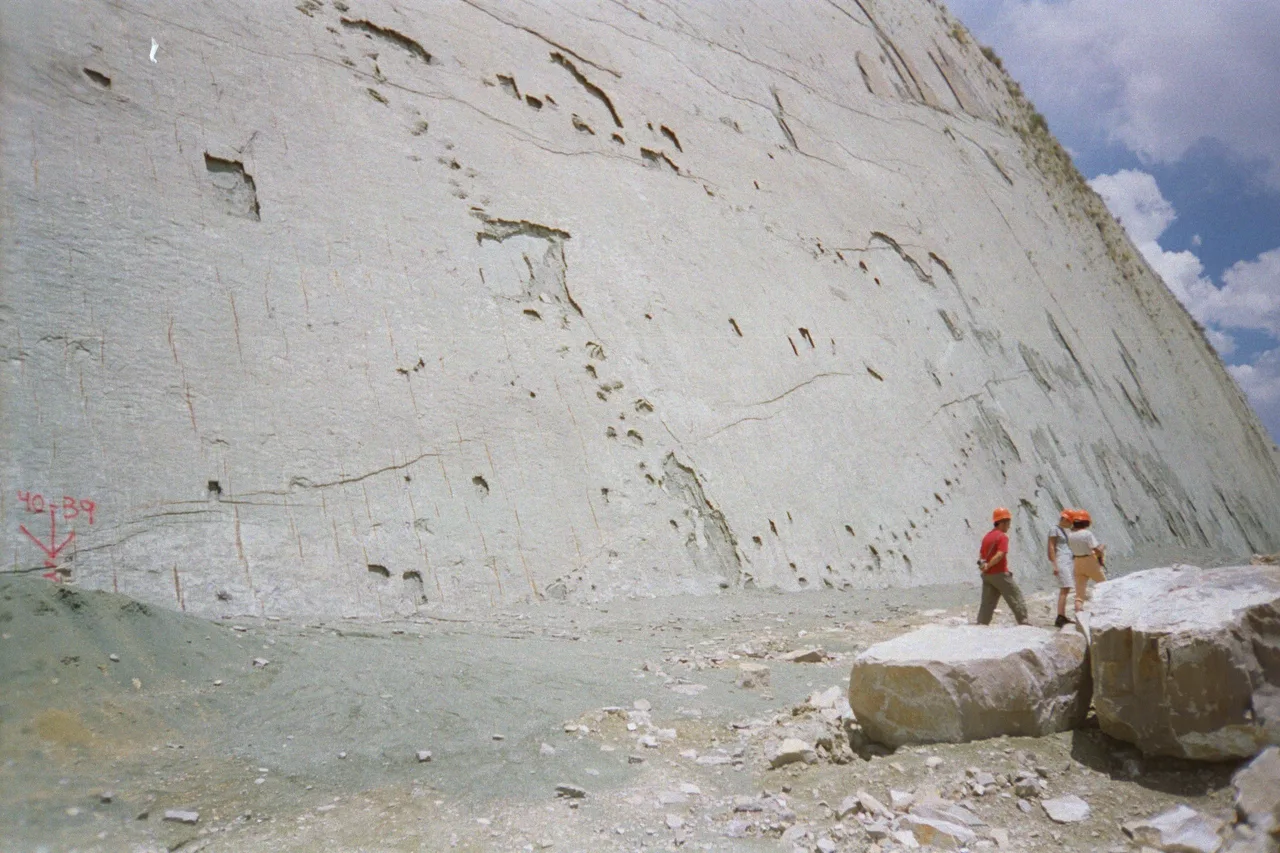
Photo: John Martin Perry, Wikimedia Commons, CC BY-SA 4.0.
Pick one
While the president and the parliament meet in La Paz, Sucre remains the constitutional capital of Bolivia and the seat of its judiciary, including the Supreme Court. This split system dates back to a civil conflict at the end of the 19th century.
Pick one
The uprising on May 25, 1809, is traditionally hailed as the 'Primer Grito Libertario' (First Cry of Liberty) in Spanish America. It set off a chain reaction of independence movements across the entire continent.
Pick one
The Casa de la Libertad is the cradle of Bolivian independence. In 1825, the declaration of independence was signed here, officially creating the Republic of Bolívar, which was later renamed Bolivia. Today, the building serves as an important museum housing the original document.


Paste the code into your page. The player fits itself in, and every vote counts in Votur.
On WordPress, Ghost or Squarespace? Just paste the link of this page into your post.
This is how it looks
Also fun