Get app
Bolivia in eight friendly questions about the essentials. No expert knowledge needed: everyone can join in, from nine to ninety, and discover something new.
Market wanderer 0–3 · Seasoned explorer 4–6 · Honorary Bolivian 7–8
Pick one

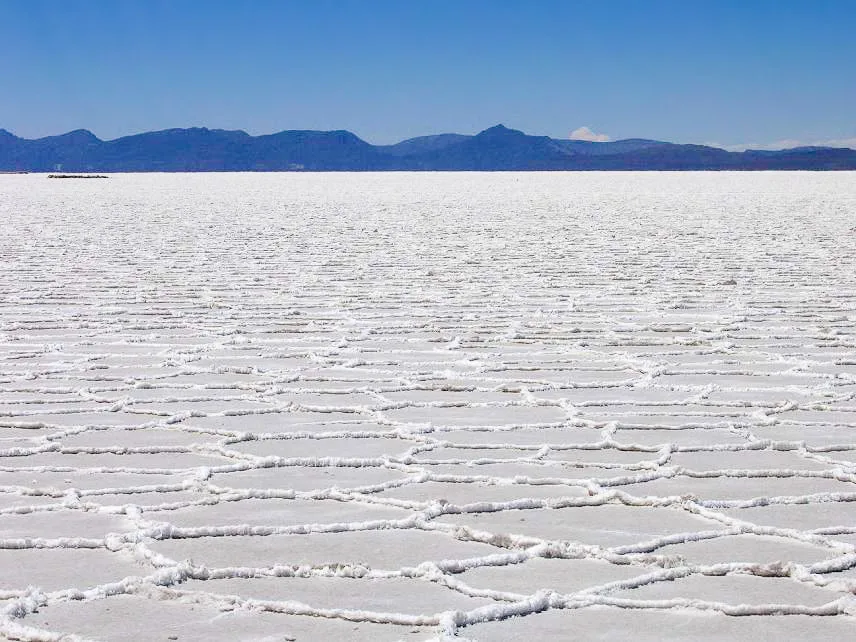
Just a few centimetres of still water turn the Salar de Uyuni, the largest salt flat in the world, into a mirror about 129 km across. The ground is so flat that its height changes by less than a metre over more than 10,000 square kilometres, so scientists use it to check the instruments of satellites in space.
Photo: Anouchka Unel, Wikimedia Commons, FAL.
Pick one
La Paz's Hernando Siles Stadium lies about 3,600 metres above the sea, which makes it one of the highest big stadiums in the world. Up there every breath holds less oxygen, so visiting players can tire quickly, while local players are used to the thin air.
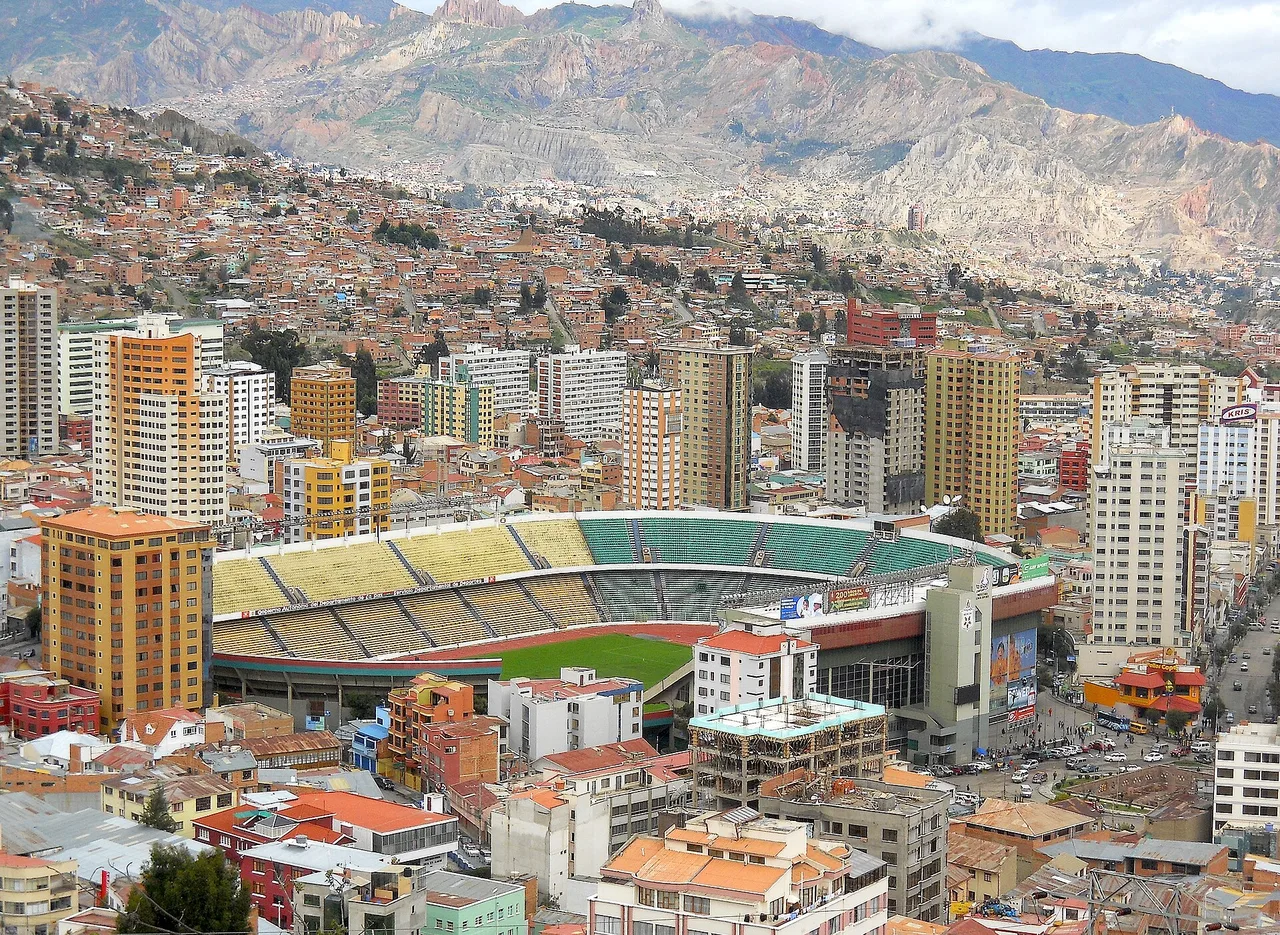
Photo: psyberartist, Wikimedia Commons, CC BY 2.0.
Pick one
The cable cars of Mi Teleférico opened in 2014 and have grown into one of the biggest city cable-car networks in the world, with lines named after colours such as Red, Yellow and Green. Every station has two names, one in Spanish and one in Aymara, a local language.
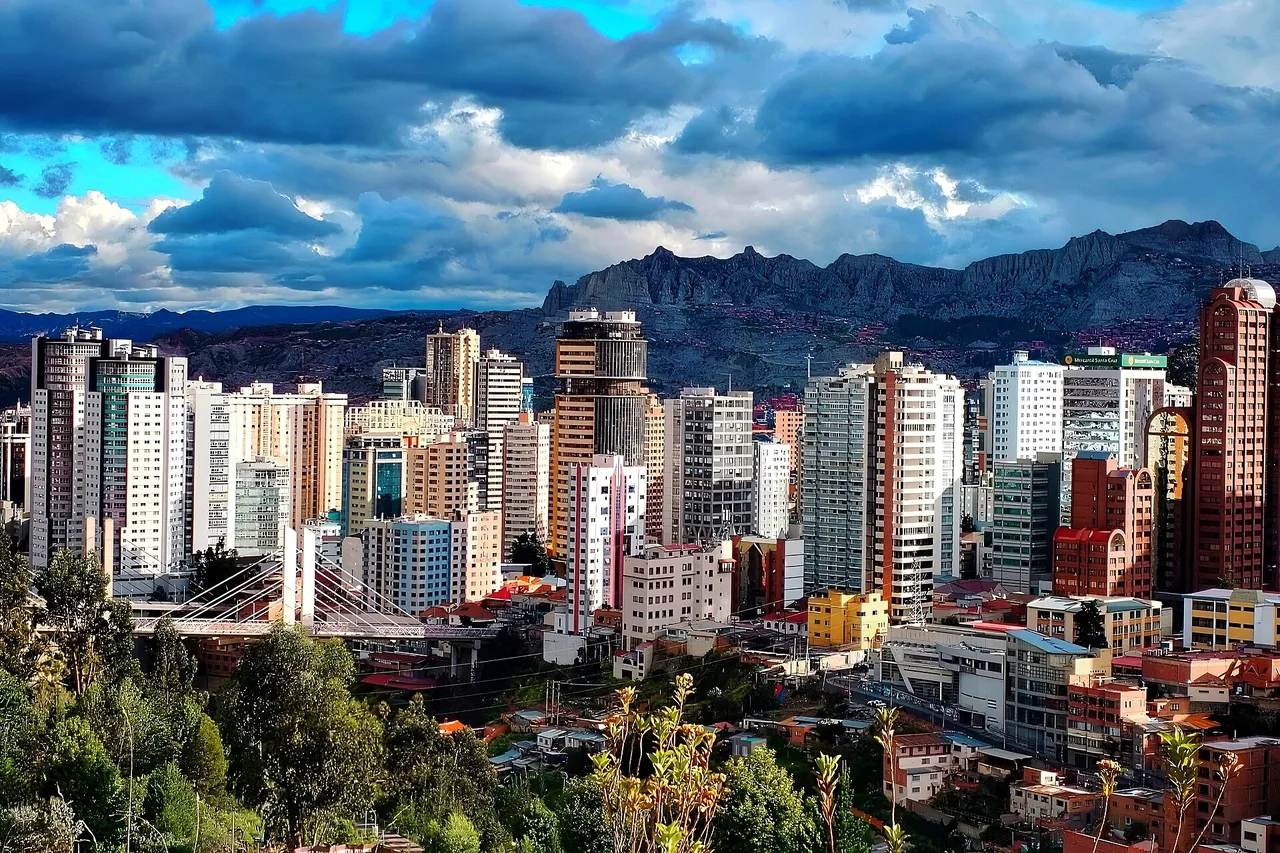
Photo: Parallelepiped09, Wikimedia Commons, CC BY-SA 4.0.
Pick one
After a few icy nights, whole families tread on the potatoes with their feet to squeeze out the water, and the dry chuño can then last for years, sometimes even decades. Long ago, Inca soldiers carried it on their marches, because it was light, nourishing and kept so well.
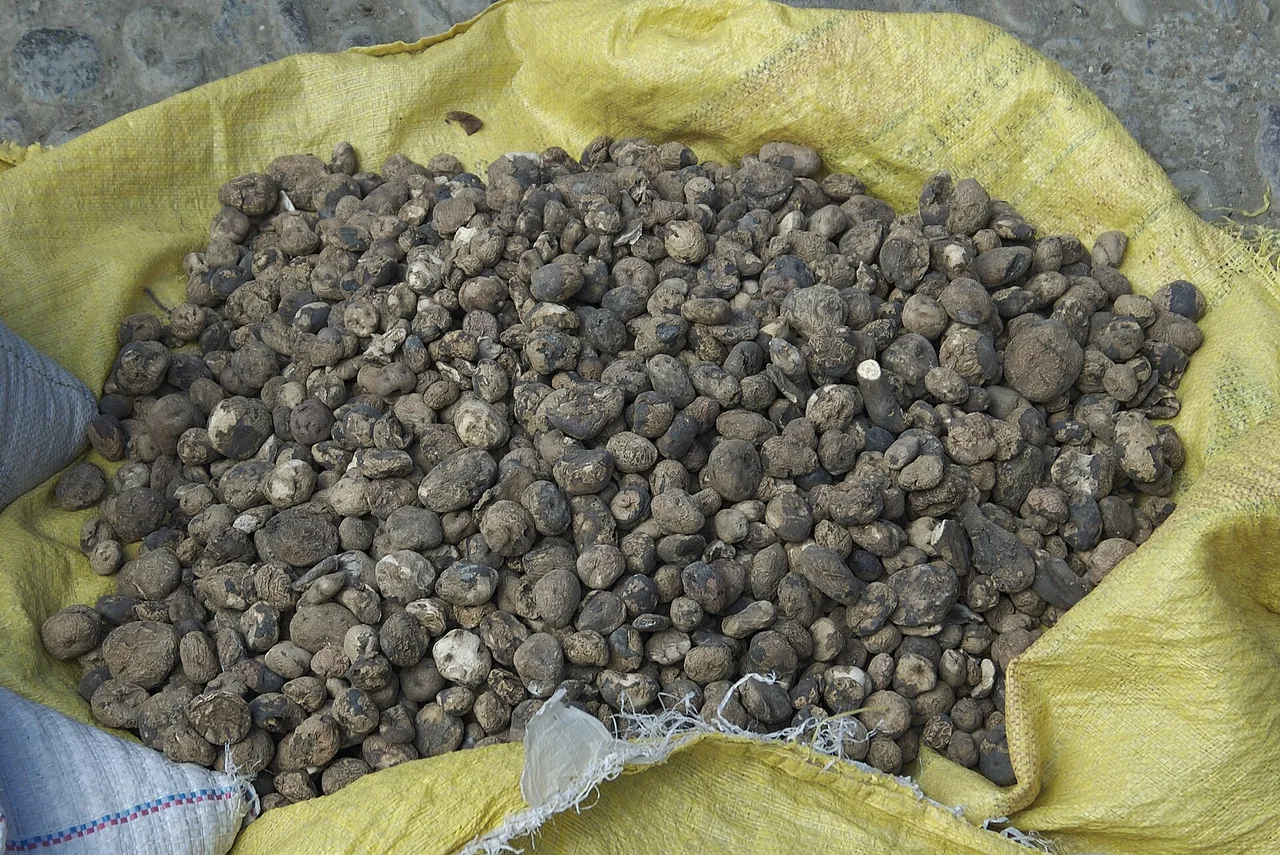
Photo: Eric in SF, Wikimedia Commons, CC BY-SA 3.0.
Pick one
In 2024 more than half of all the money paid for Brazil nuts sold from one country to another went to Bolivia, more than to Brazil itself. The trees bear nuts almost only in untouched forest, because only big wild bees can pollinate their flowers, and the nuts grow packed like orange segments inside a hard, round fruit that can weigh up to 2 kg.
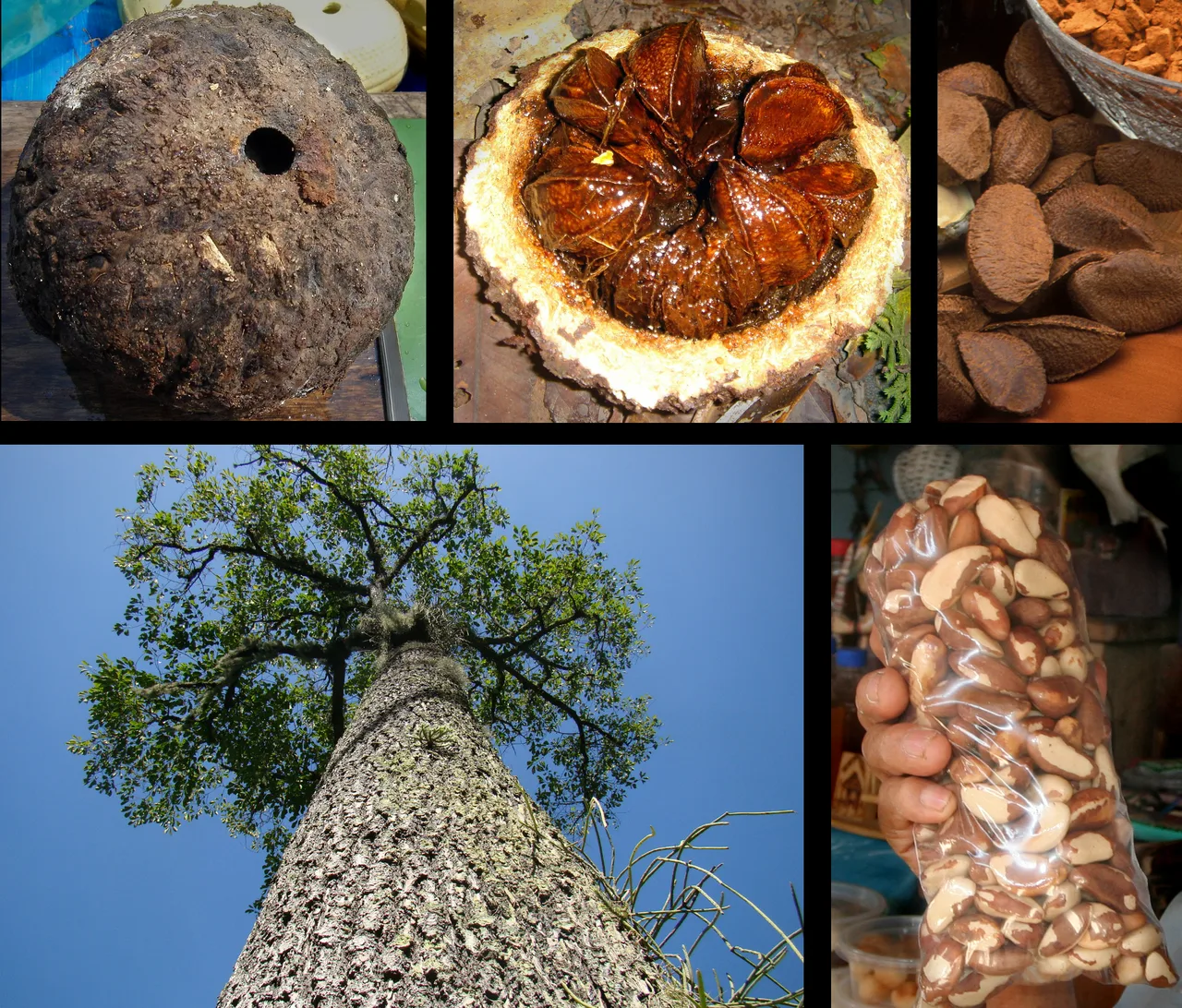
Photo: Lior Golgher (upper left photo and upper middle photo), U.S. Department of Agric, Wikimedia Commons, CC BY-SA 4.0.
Pick one
One popular story says that in the 1920s a hat seller in La Paz received bowler hats that were too small for the railway workers he meant to sell them to, so he sold them to women instead. By tradition the hat can even send a message: worn straight, it shows a woman is married, and tilted, that she is single.
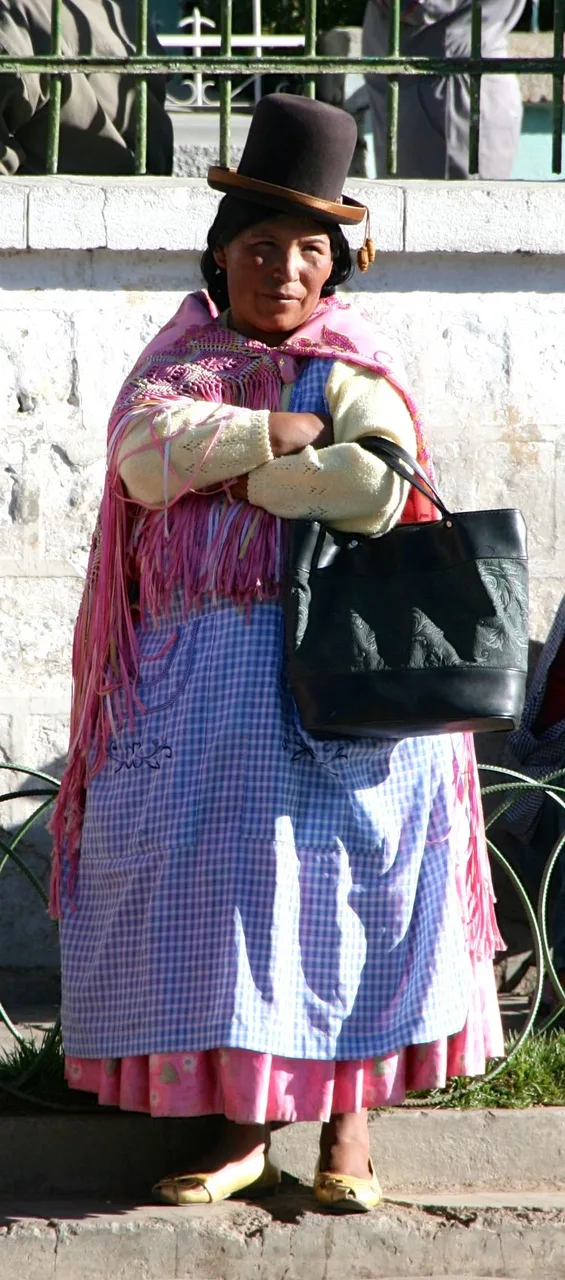
Photo: Melchior2006, Wikimedia Commons, CC BY-SA 3.0.
Pick one
Scientists have mapped more than 12,000 tracks on the wall at Cal Orck'o, left by several kinds of dinosaur, including giant long-necked plant-eaters. Long ago the rock was the flat, muddy shore of a lake, and much later the movement of the Earth tilted it until it stood almost straight up.
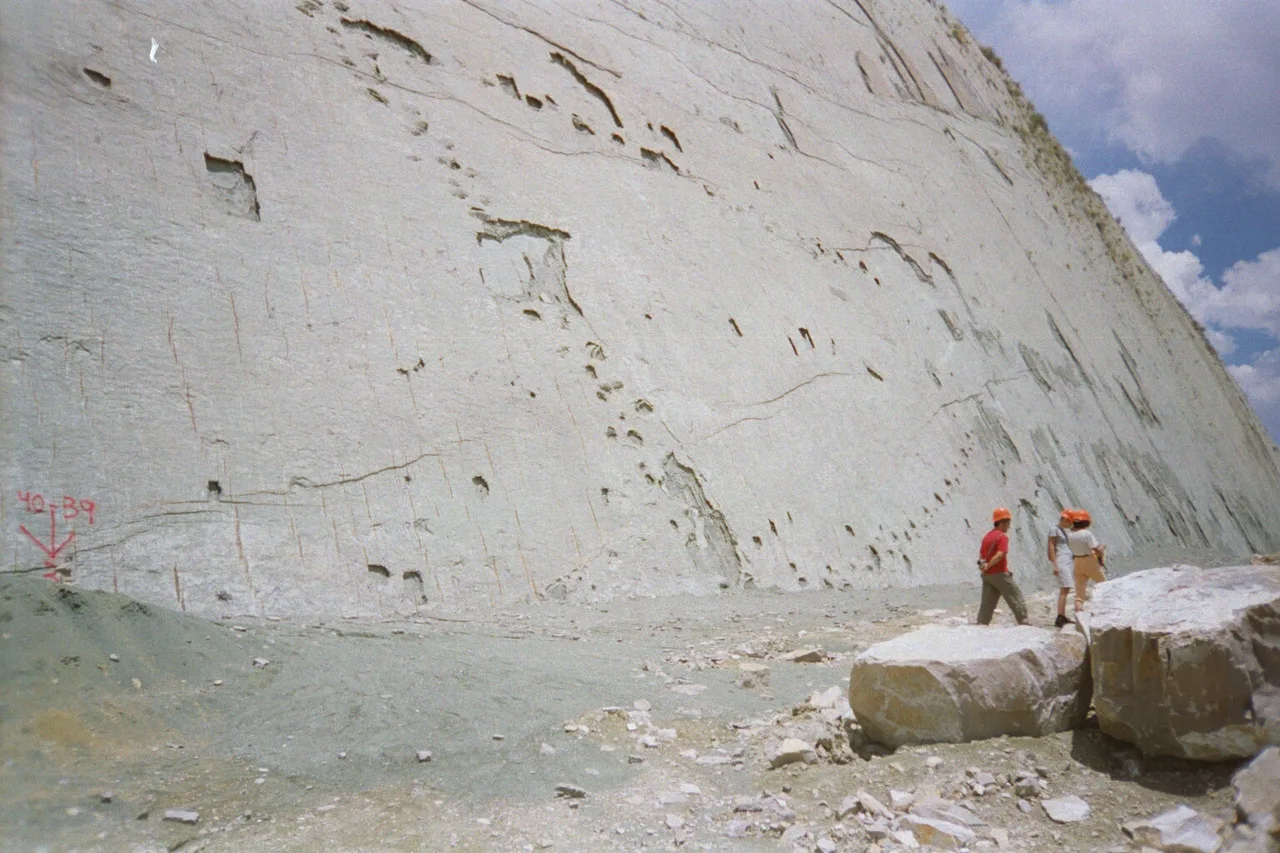
Photo: John Martin Perry, Wikimedia Commons, CC BY-SA 4.0.
Pick one
The 'cebras' began in 2001, inspired by the black-and-white stripes of zebra crossings, and they dance, joke and wave at drivers to make them slow down and stop for people on foot. Thousands of young people have worked as zebras since then, and visitors can even sign up to be a 'zebra for a day'.
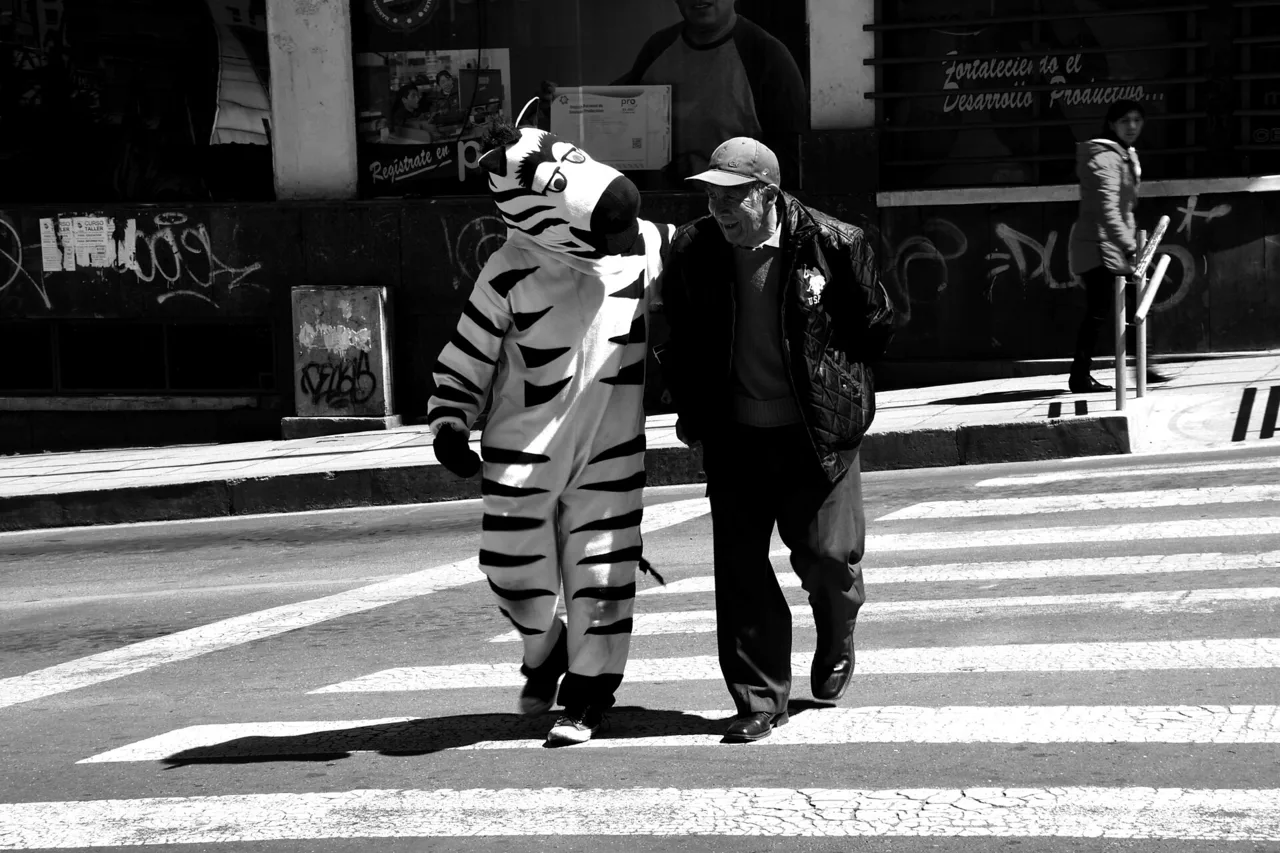
Photo: Micaelagaymer, Wikimedia Commons, CC BY-SA 4.0.


Paste the code into your page. The player fits itself in, and every vote counts in Votur.
On WordPress, Ghost or Squarespace? Just paste the link of this page into your post.
This is how it looks
Also fun