Get app
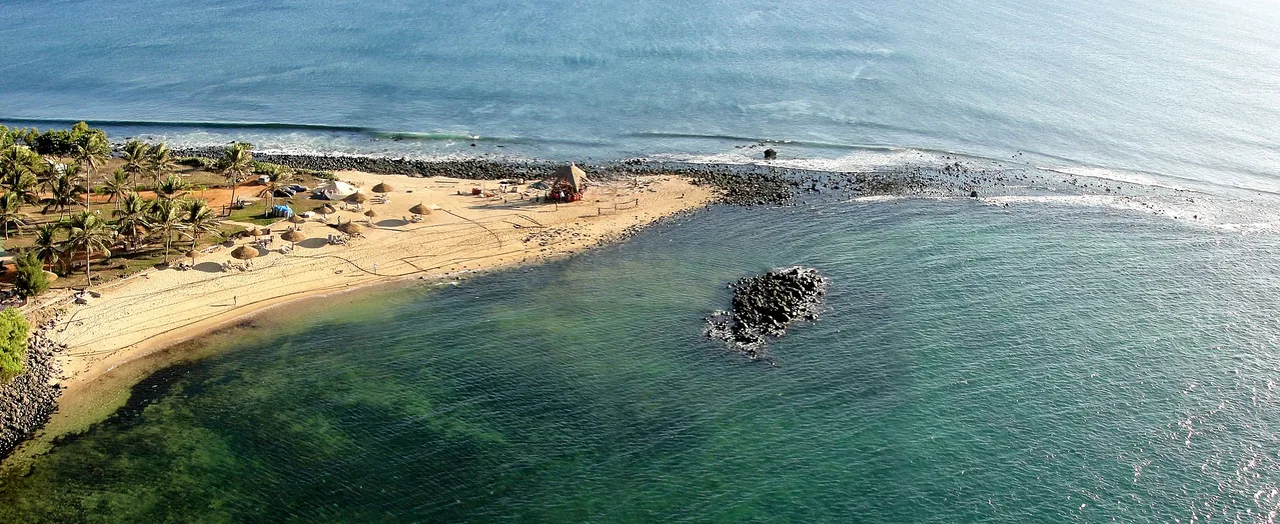
 Photo: Iamdelcioborges, Wikimedia Commons, CC BY 4.0.
Test your knowledge of Angola! From its stunning natural wonders and ancient history to its vibrant music scenes and unique wildlife, how much do you know about this captivating southwest African nation?
Friendly Visitor 0–4 · Curious Explorer 5–8 · True Angolan Insider 9–10
Pick one

Angola's men's national basketball team is one of the most successful sports teams in African history, dominating the AfroBasket tournament from the late 1980s through the 2010s, and winning it again on home soil in 2025. Their success has made basketball immensely popular across the country. Angola has also represented Africa multiple times at the Olympic Games and FIBA World Cup.
Pick one
The kwanza became Angola's official currency in 1977, replacing the colonial escudo after independence. It gets its name from the Kwanza River, which flows entirely within Angola's borders. Interestingly, the river is also a major source of hydroelectric power for the country, featuring several large dams like the Capanda Dam.
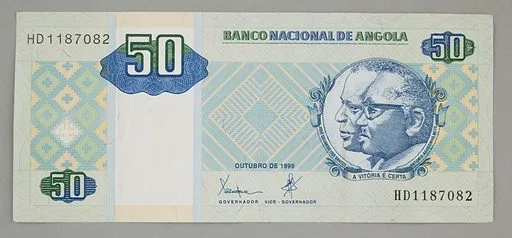
Photo: Wikimedia Commons, CC0.
Pick one
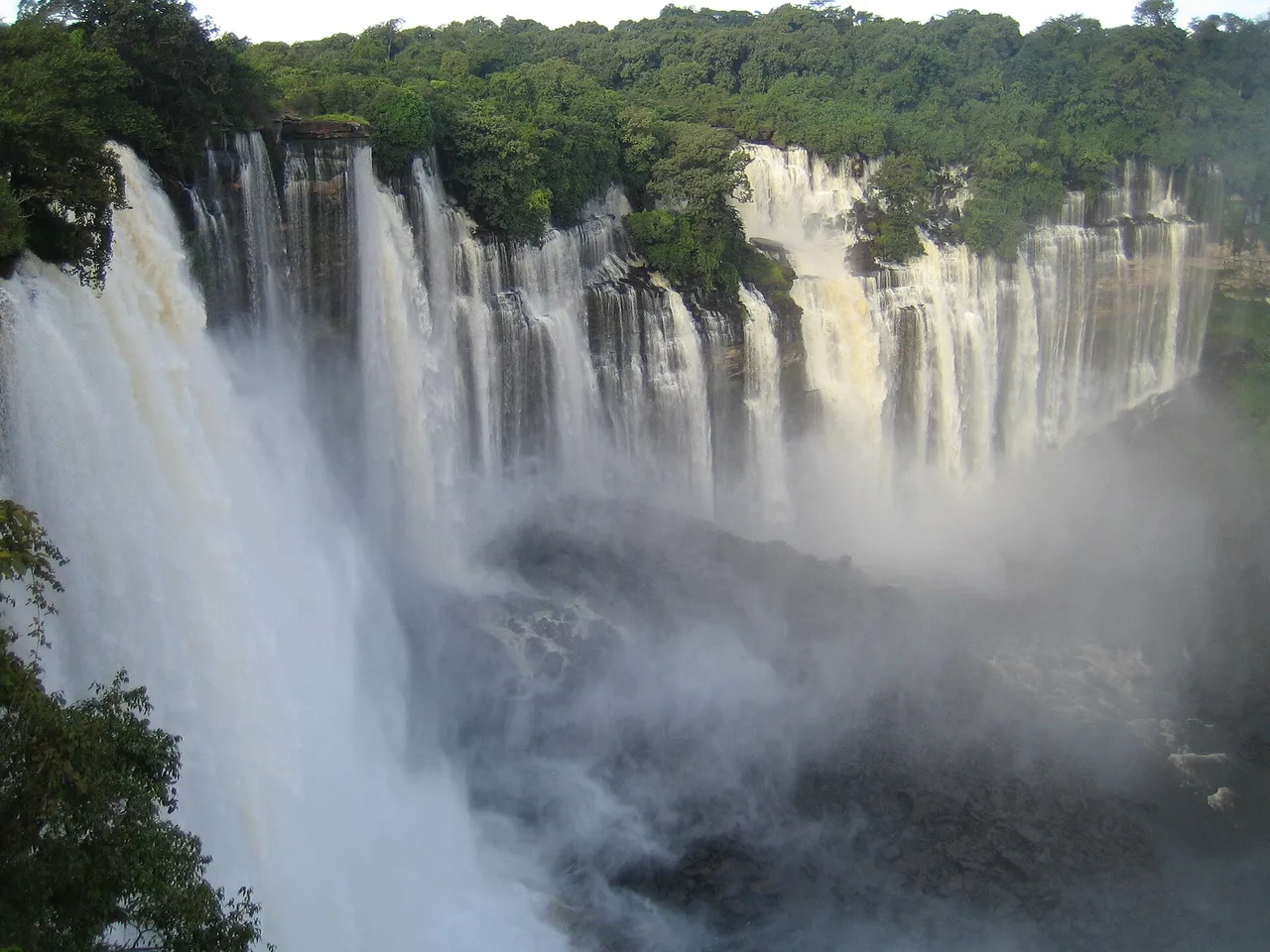
Kalandula Falls, formerly known as Duque de Bragança Falls, are among the largest waterfalls in Africa by volume. Plunging about 105 meters, they create a stunning mist-covered panorama in Malanje Province. A local tradition suggests visiting during the rainy season when the water flow is at its most thunderous and majestic.
Photo: Paulo César Santos, Wikimedia Commons, CC0.
Pick one
The giant sable antelope, or Palanca Negra Gigante, is endemic to the wooded grasslands between the Cuango and Luando rivers. It was feared extinct during the long Angolan Civil War, but was rediscovered by scientists in 2004 using camera traps. Today, it is a proud symbol of national identity, featured on the jerseys of Angola's national football team.
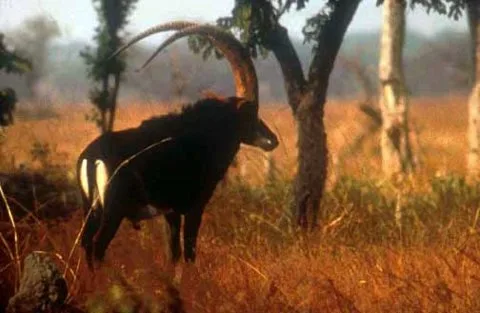
Photo: Fnardin, Wikimedia Commons, CC0.
Pick one
Welwitschia mirabilis is a unique gymnosperm that produces only two leaves, which grow continuously throughout its long life and get split into shreds by the desert winds. It survives on moisture from coastal fog rather than rainfall. The plant is so revered that it is featured on Namibia's coat of arms and is highly protected in Angola.
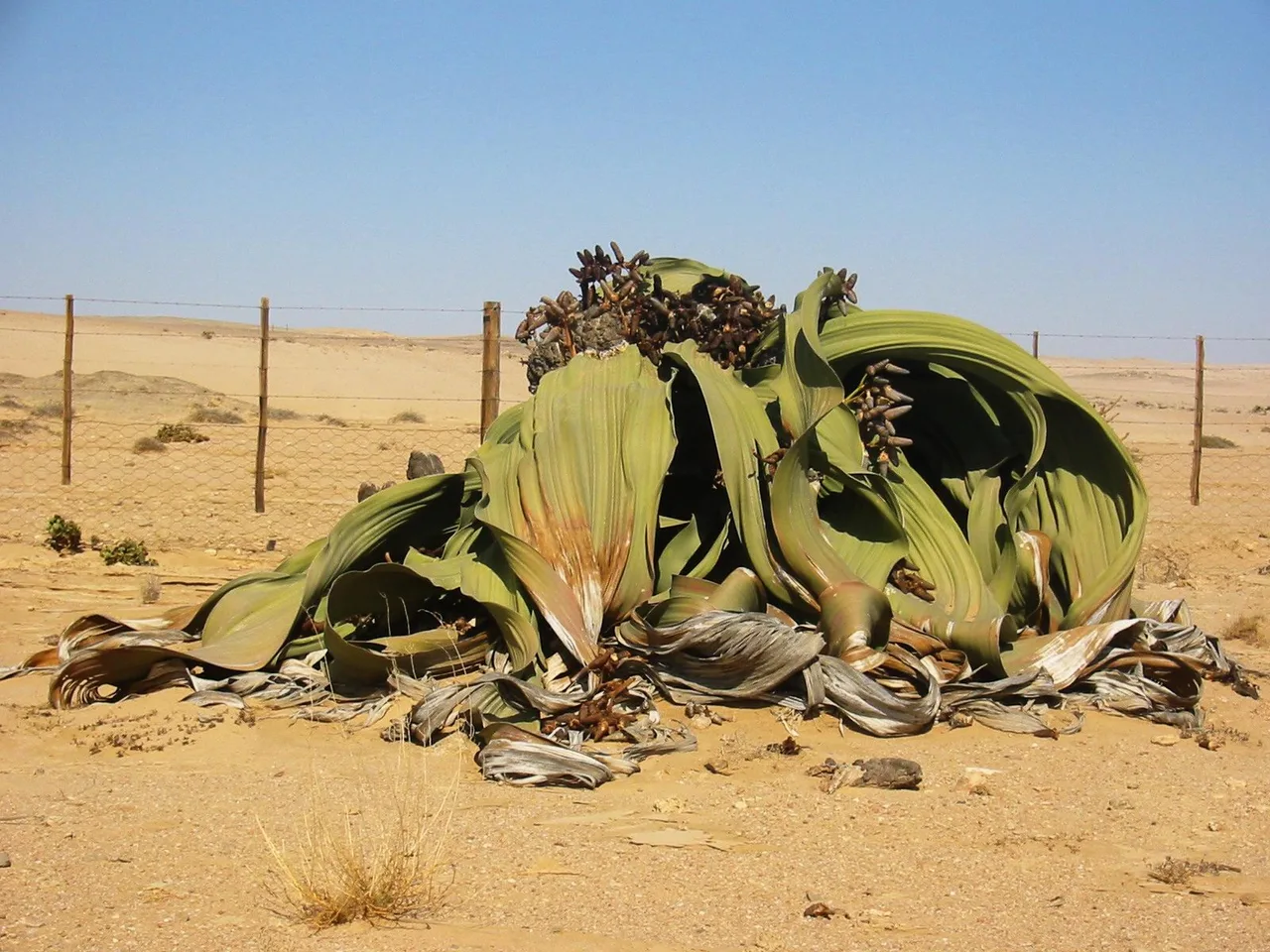
Photo: Thomas Schoch, Wikimedia Commons, CC BY-SA 3.0.
Pick one
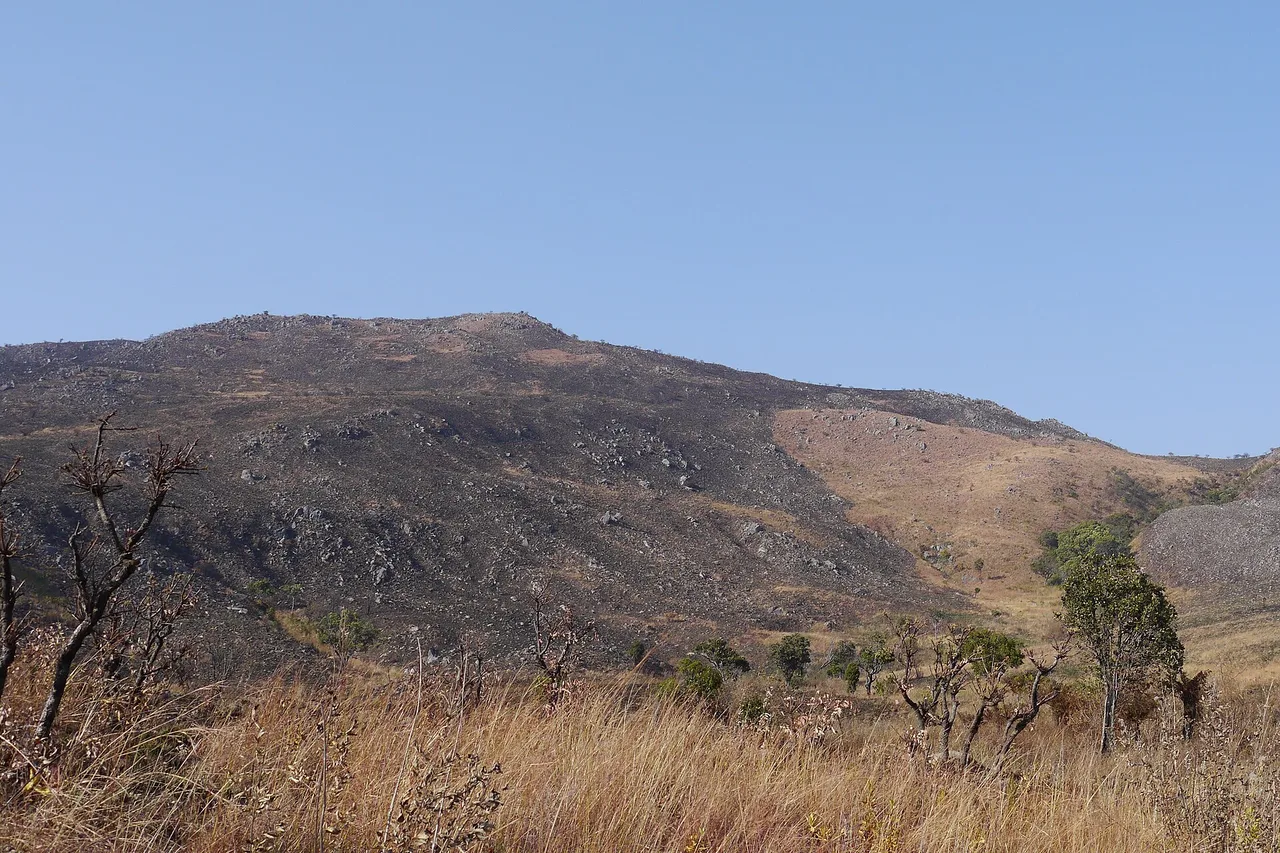
Mount Moco is located in the Huambo Province and serves as a vital ecological sanctuary, harboring some of the last remaining patches of Afromontane forest in the country. It is a hotspot for endemic bird species, making it a dream destination for conservationists. Despite its ecological value, the mountain's forests face threats from firewood collection.
Photo: Benjamin Stauch (Wikischaaf (talk)), Wikimedia Commons, CC0.
Pick one
The name kuduro is Portuguese slang for a 'stiff' backside, a nod to the stiff, energetic dance moves that go with the fast tempo. It combines traditional African rhythms like semba with modern electronic beats and calypso. The genre originally grew out of Luanda's inner-city clubs and quickly spread to become a global phenomenon.
Pick one
Benguela was established as a major Portuguese trading post and port on the Atlantic coast. The cold Benguela Current flows northward along the southwestern coast of Africa, driving a highly productive marine ecosystem. This current is also responsible for the dry, desert-like climate found along Angola's southern coastline.
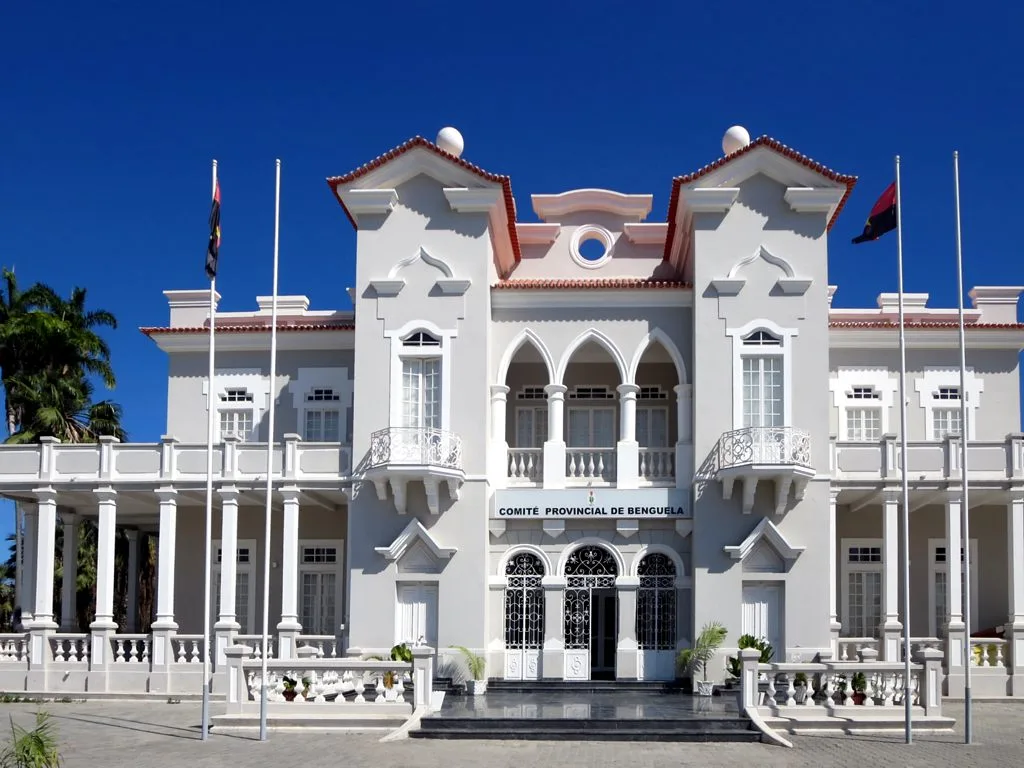
Photo: David Stanley from Nanaimo, Canada, Wikimedia Commons, CC BY 2.0.
Pick one
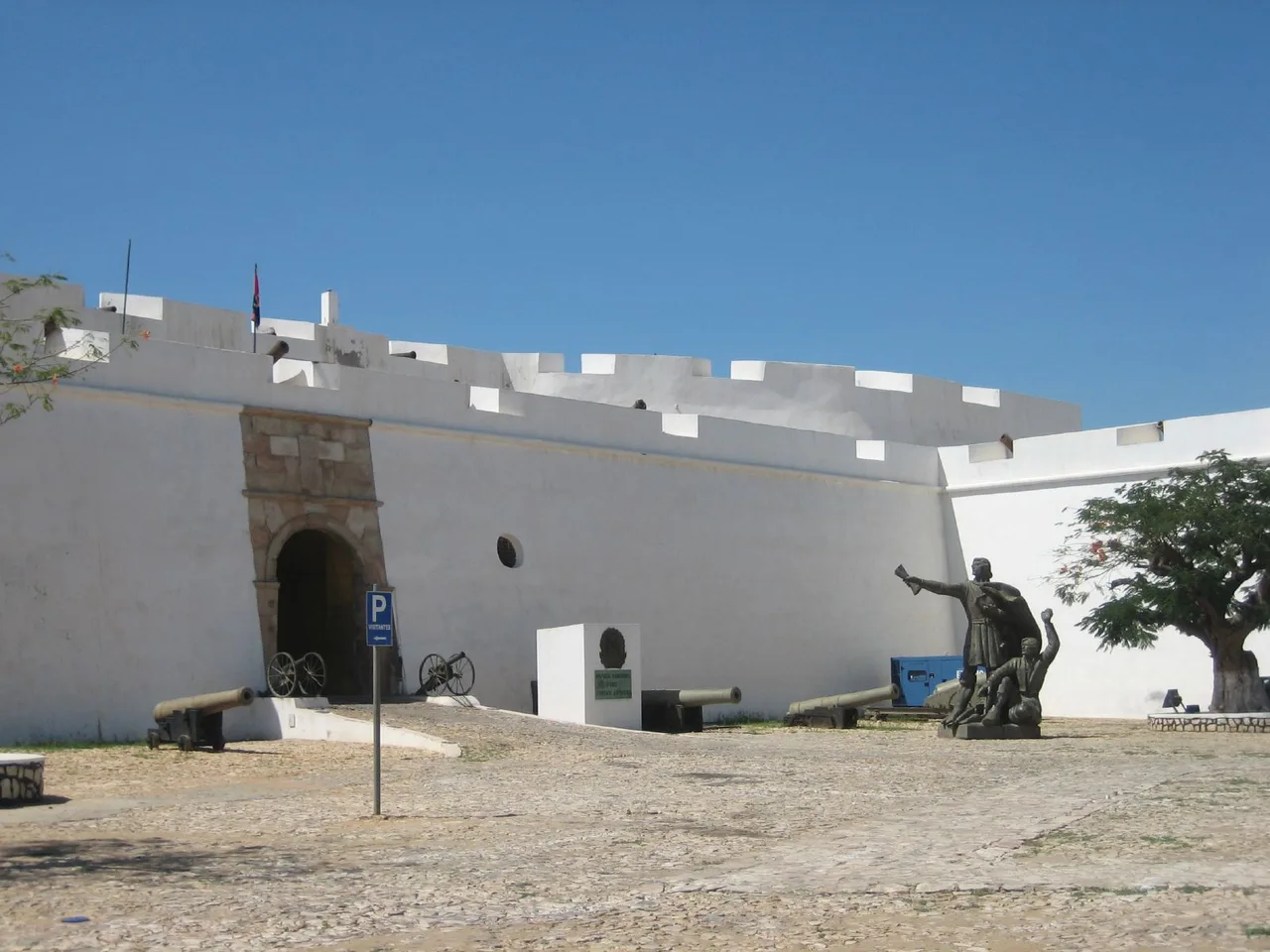
Built by the Portuguese in 1576, the Fortress of São Miguel was the administrative center of the colony and a major hub for the transatlantic slave trade. Its thick stone walls still feature beautiful blue-and-white glazed tiles depicting the history of Angola. From its ramparts, visitors can enjoy a sweeping view of Luanda's modern skyline and bay.
Photo: Erik Cleves Kristensen, Wikimedia Commons, CC BY 2.0.
Pick one
Angola was ruled by Portugal until 1975, and Portuguese is still its official language. Luanda, the capital, is the biggest Portuguese-speaking city outside Brazil. Many Angolans also speak African languages such as Umbundu and Kimbundu.
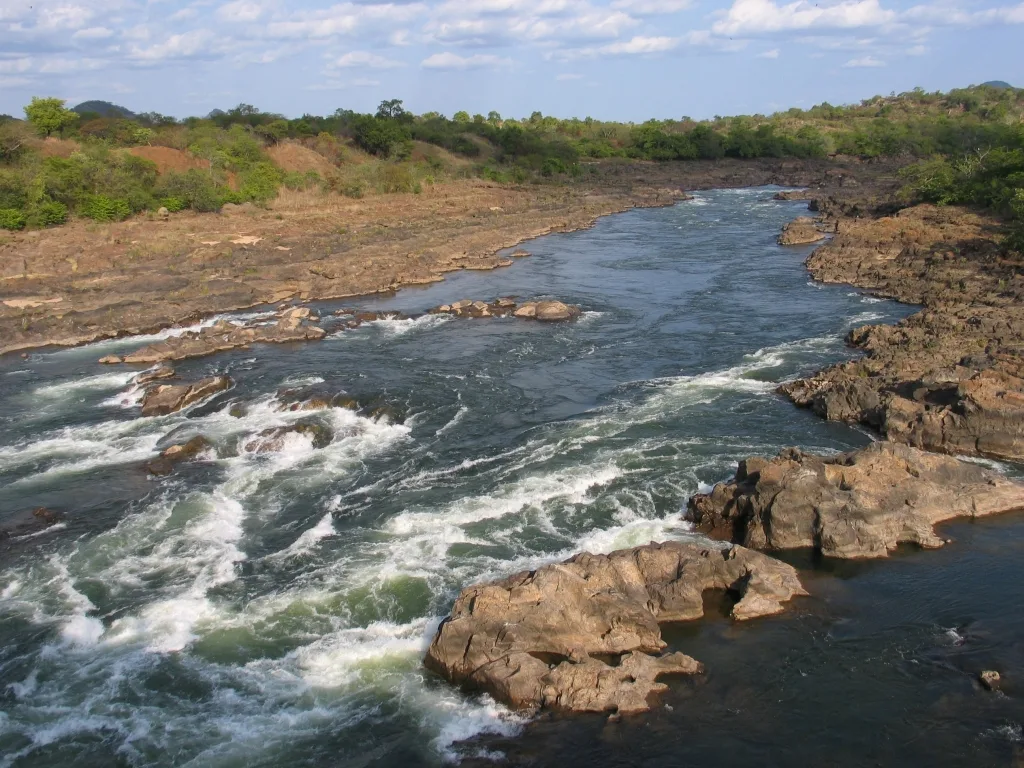
Photo: Iamdelcioborges, Wikimedia Commons, CC BY 4.0.


Paste the code into your page. The player fits itself in, and every vote counts in Votur.
On WordPress, Ghost or Squarespace? Just paste the link of this page into your post.
This is how it looks
Also fun