Get app
 Photo: Iamdelcioborges, Wikimedia Commons, CC BY 4.0.
How well do you know Angola's bustling seaside capital? Test your knowledge on the vibrant culture, rich history, and famous landmarks of Luanda!
Bay Explorer 0–4 · Ilha Regular 5–8 · True Luandense 9–10
Pick one

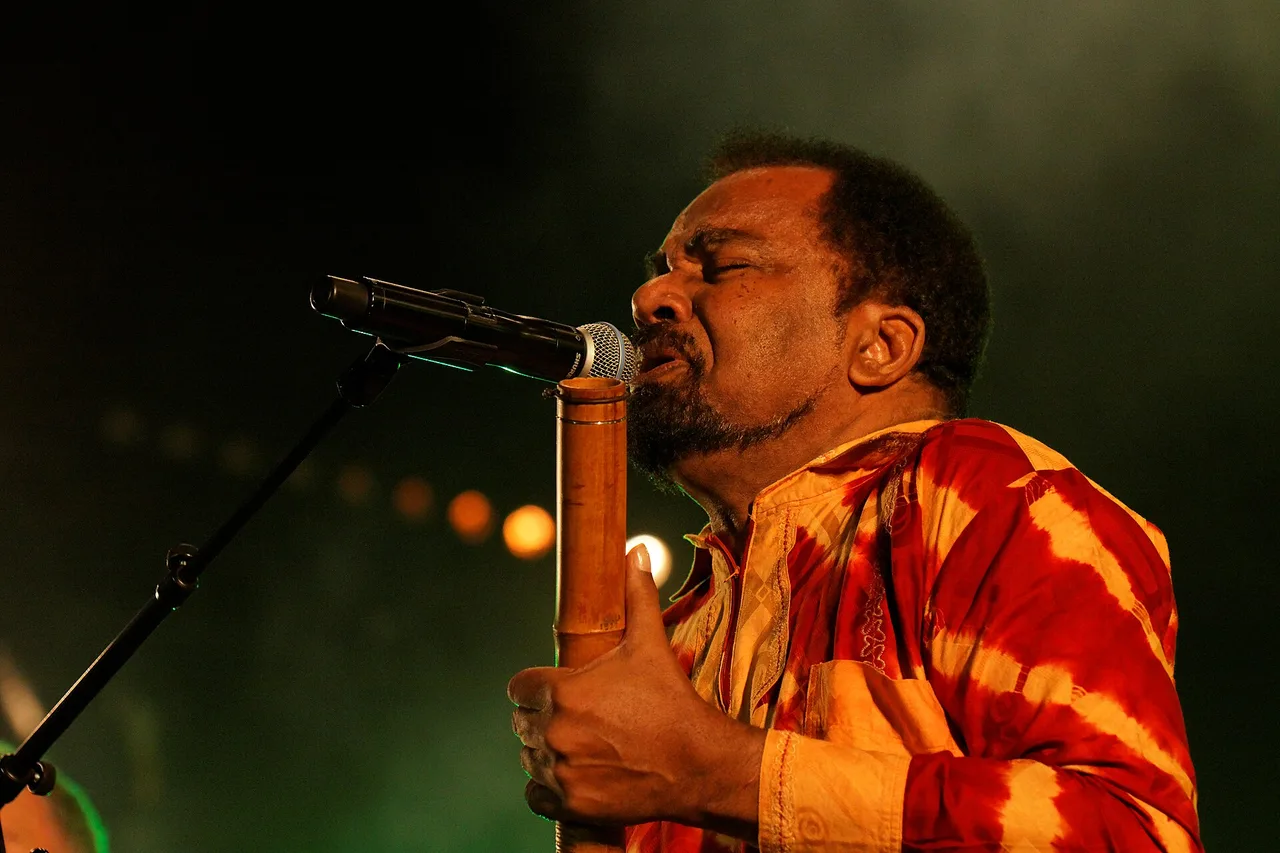
Semba takes its name from 'masemba', a touch of the belly buttons, one of the best-known moves of the dance. It is still played at almost every Angolan party, and it later gave rise to newer styles such as kizomba, which grew out of semba in the 1980s with a dash of Caribbean zouk.
Photo: Thesupermat, Wikimedia Commons, CC BY-SA 3.0.
Pick one
Funge is the backbone of Angolan cuisine, typically served hot alongside fish, meat, or vegetable stews. It is traditionally eaten using one's fingers to scoop up the accompanying rich sauces.
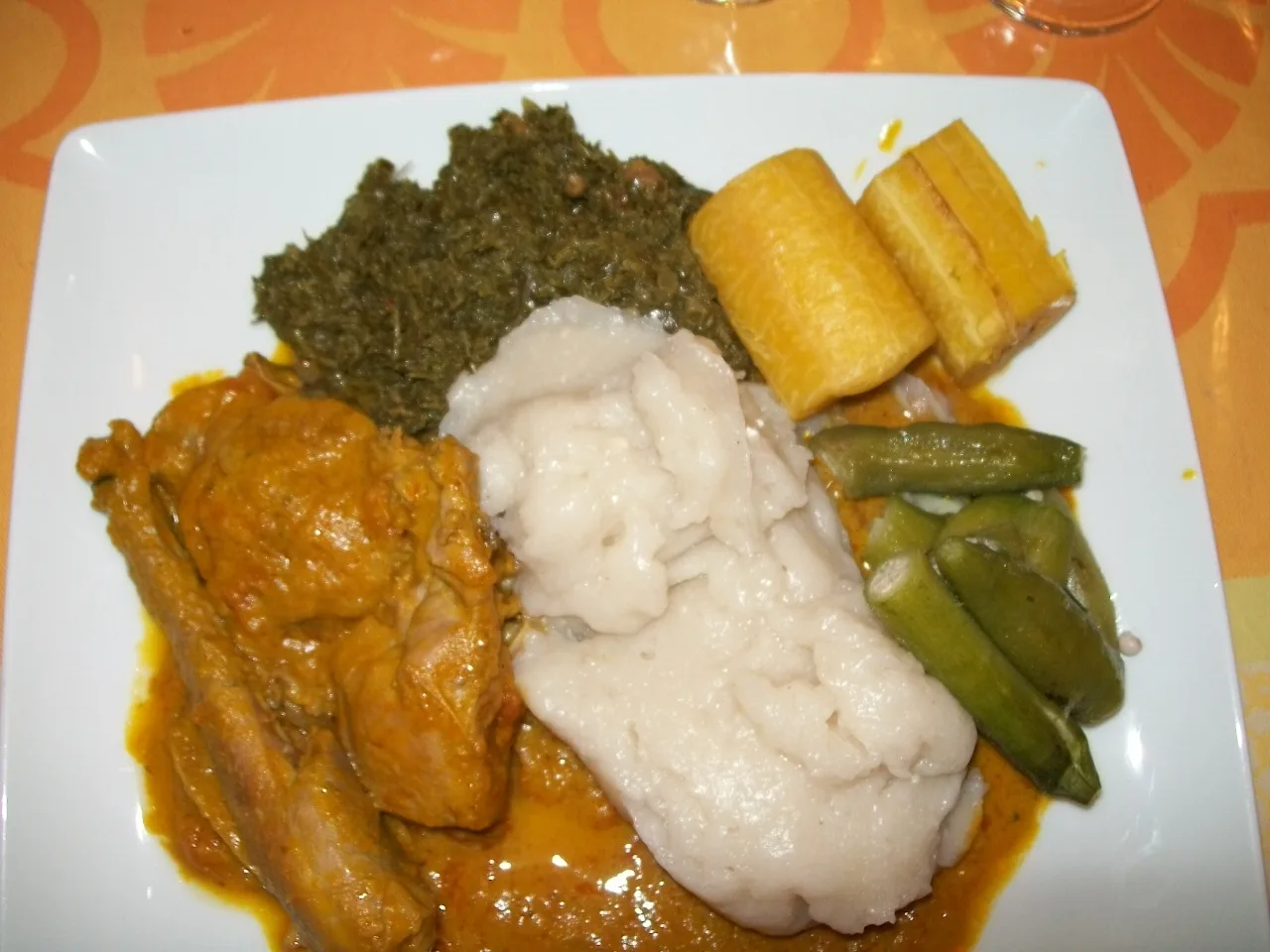
Photo: Rui Gabriel Correia, Wikimedia Commons, CC BY-SA 3.0.
Pick one
The Palácio de Ferro is a beautiful yellow iron structure built in France and shipped to Angola in the late 19th century. While local legend strongly attributes its design to Gustave Eiffel's studio, no official documentation has ever fully proven this connection.
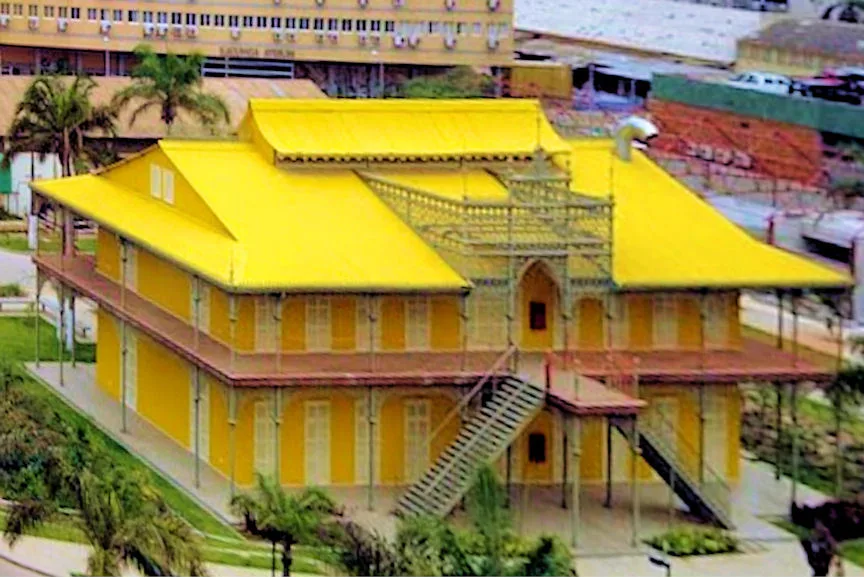
Photo: Zorglub, Wikimedia Commons, CC BY-SA 3.0.
Pick one
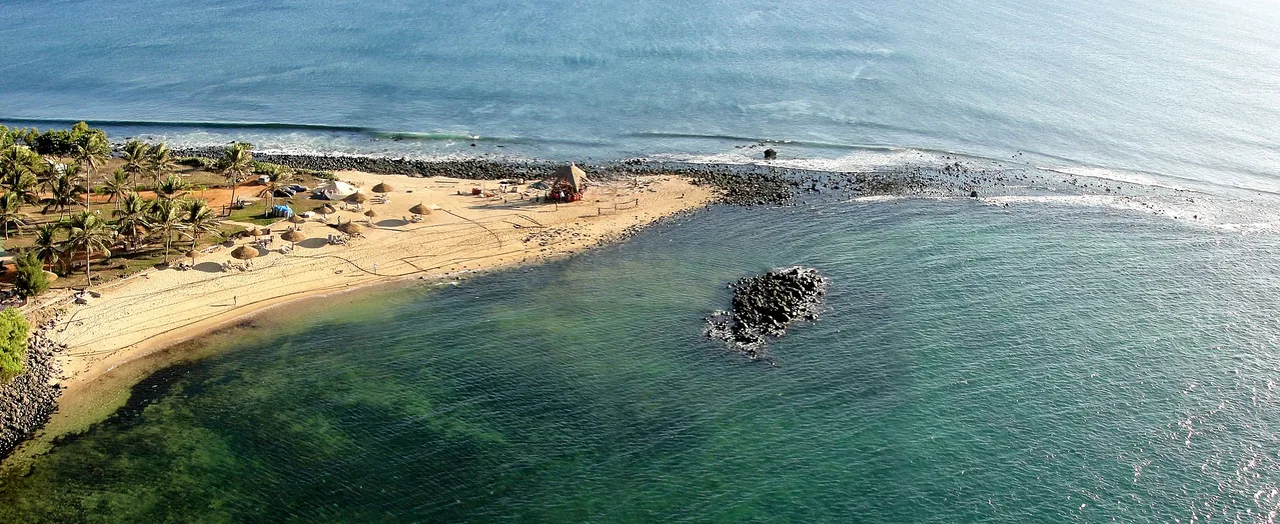
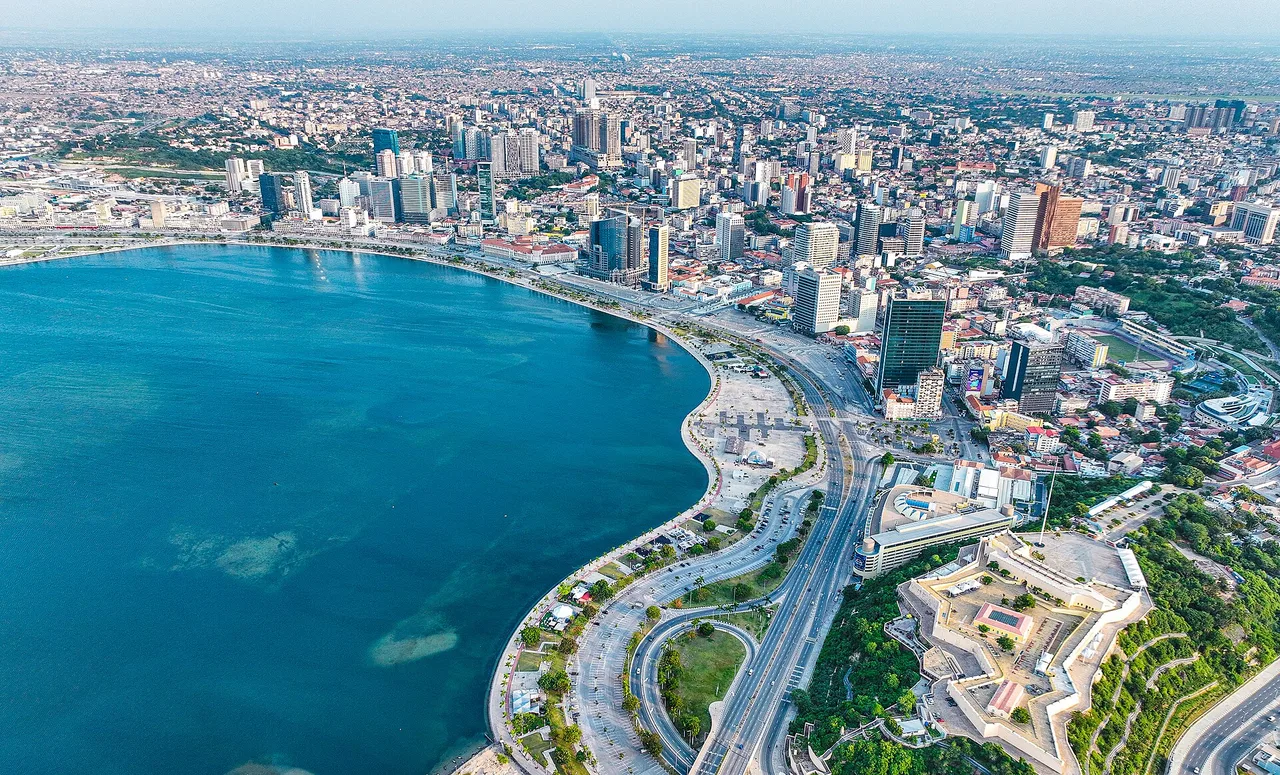
Ilha do Cabo, often simply called 'Ilha' by locals, is a narrow spit of land that protects the Luanda Bay. It is a major social hub filled with upscale restaurants and beaches. Mussulo is a larger peninsula located further south, known for weekend getaways but not directly forming the city harbor.
Pick one
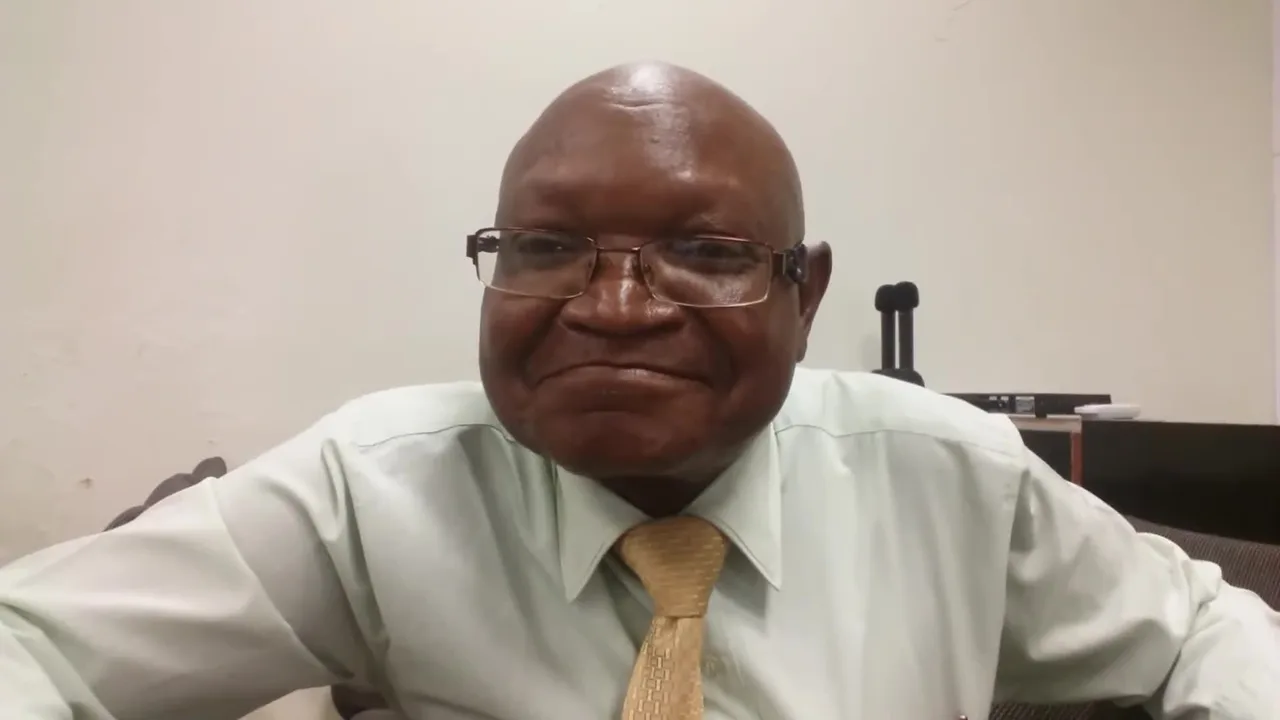
Kimbundu is the traditional language of the Ambundu people who inhabit the Luanda region. Many local Portuguese slang words used in Luanda today actually originate from Kimbundu. Umbundu is another major Bantu language of Angola, but it is primarily spoken in the central highlands.
Photo: Wikitongues, Stefan Hélder, Wikimedia Commons, CC BY-SA 4.0.
Pick one
The Dutch West India Company captured Luanda to control the slave trade, renaming it Fort Aardenburgh. However, Portuguese forces from Brazil successfully recaptured the city seven years later.
Photo: Iamdelcioborges, Wikimedia Commons, CC BY 4.0.
Pick one
Paulo Dias de Novais founded Luanda with a group of soldiers and settlers. He chose the site because of its excellent natural harbor, sheltered by the spit of land today known as the Ilha de Luanda.
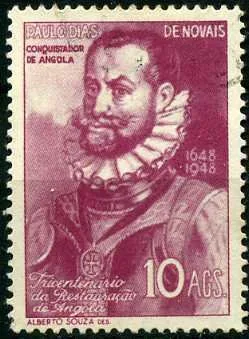
Photo: Post of Angola, Wikimedia Commons, Public domain.
Pick one
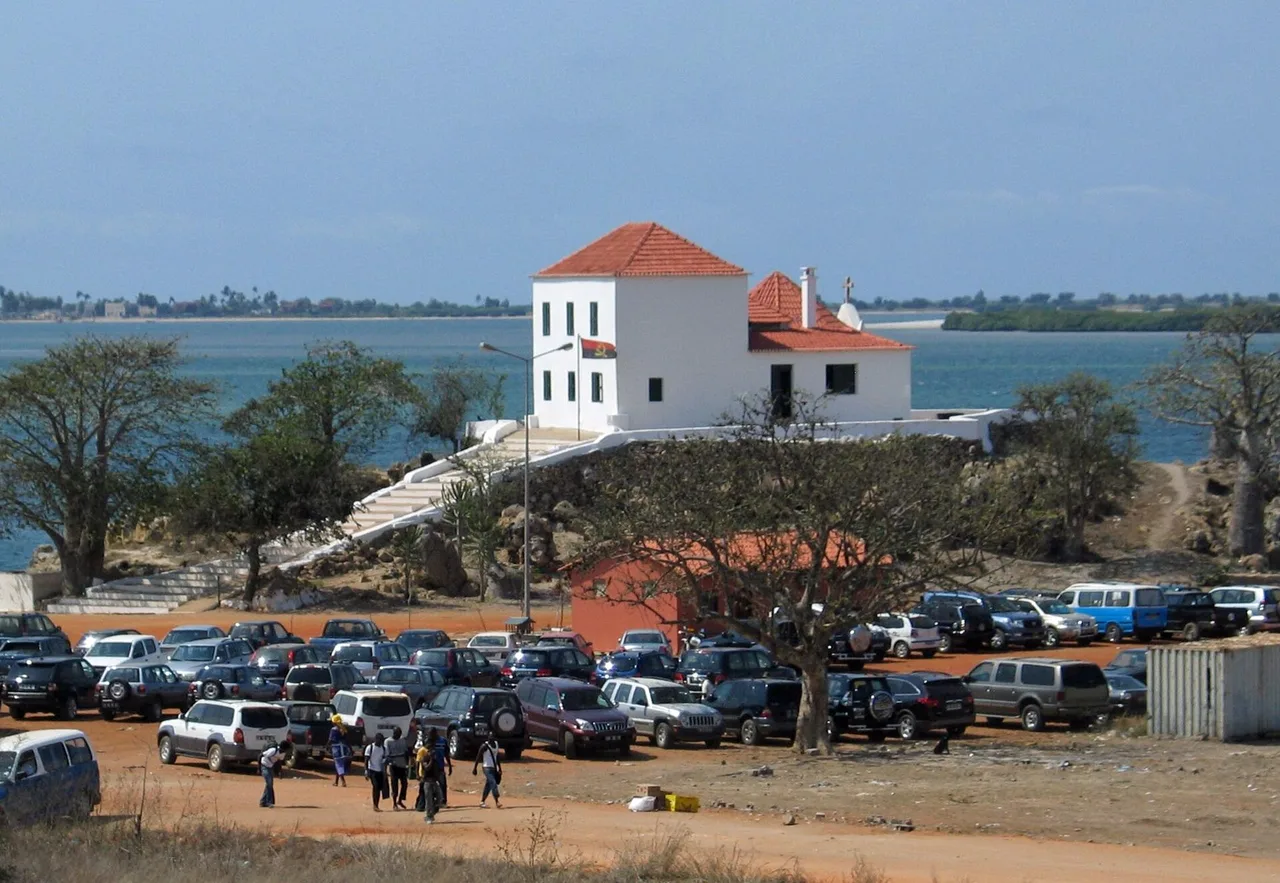
Established in 1977, the National Museum of Slavery is housed in a historic 17th-century chapel where slaves were forcibly baptized before being shipped to the Americas. The National Museum of Anthropology is another real museum in Luanda, but it focuses on traditional cultural artifacts.
Photo: João Sousa, Wikimedia Commons, CC BY-SA 3.0.
Pick one
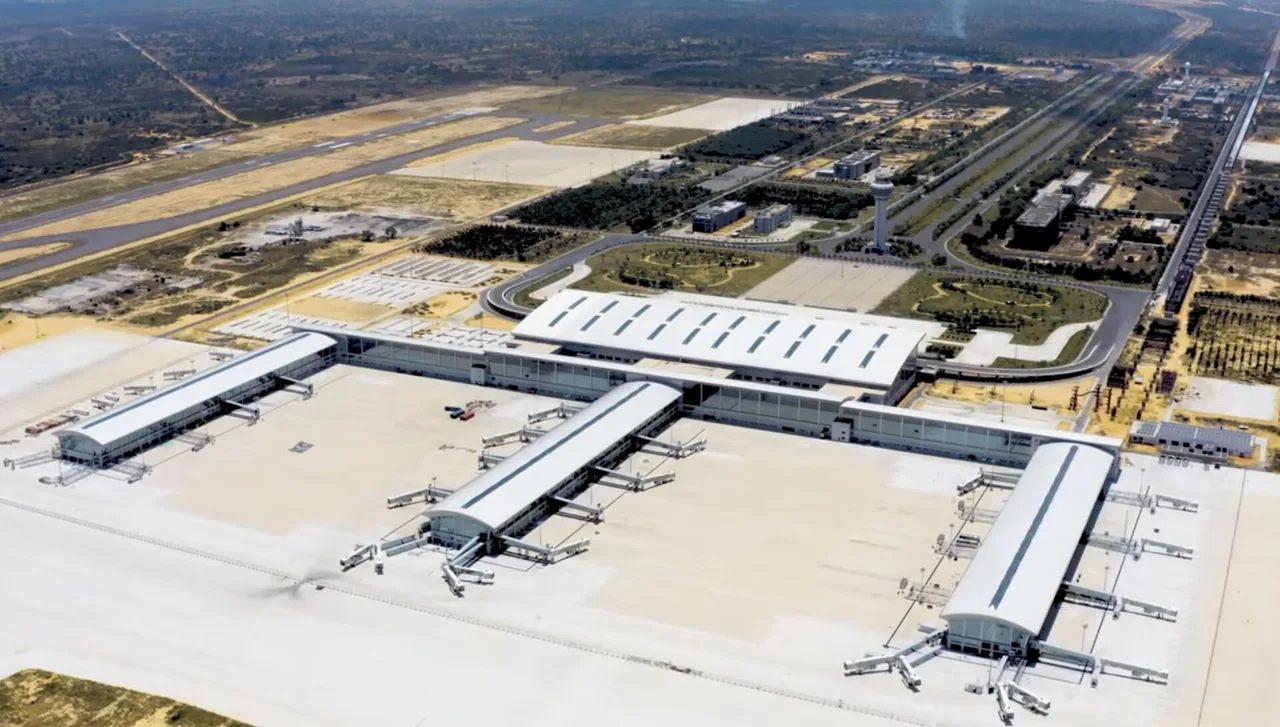
Dr. António Agostinho Neto was the first president of independent Angola. This massive new airport was designed to modernise the country's aviation hub and gradually take over international passenger traffic from the older city airport.
Photo: Yezzispapi, Wikimedia Commons, CC BY-SA 4.0.
Pick one
This striking modernist structure stands over 120 meters tall and took decades to complete. It houses the remains of Angola's first president and serves as a powerful symbol of national independence.
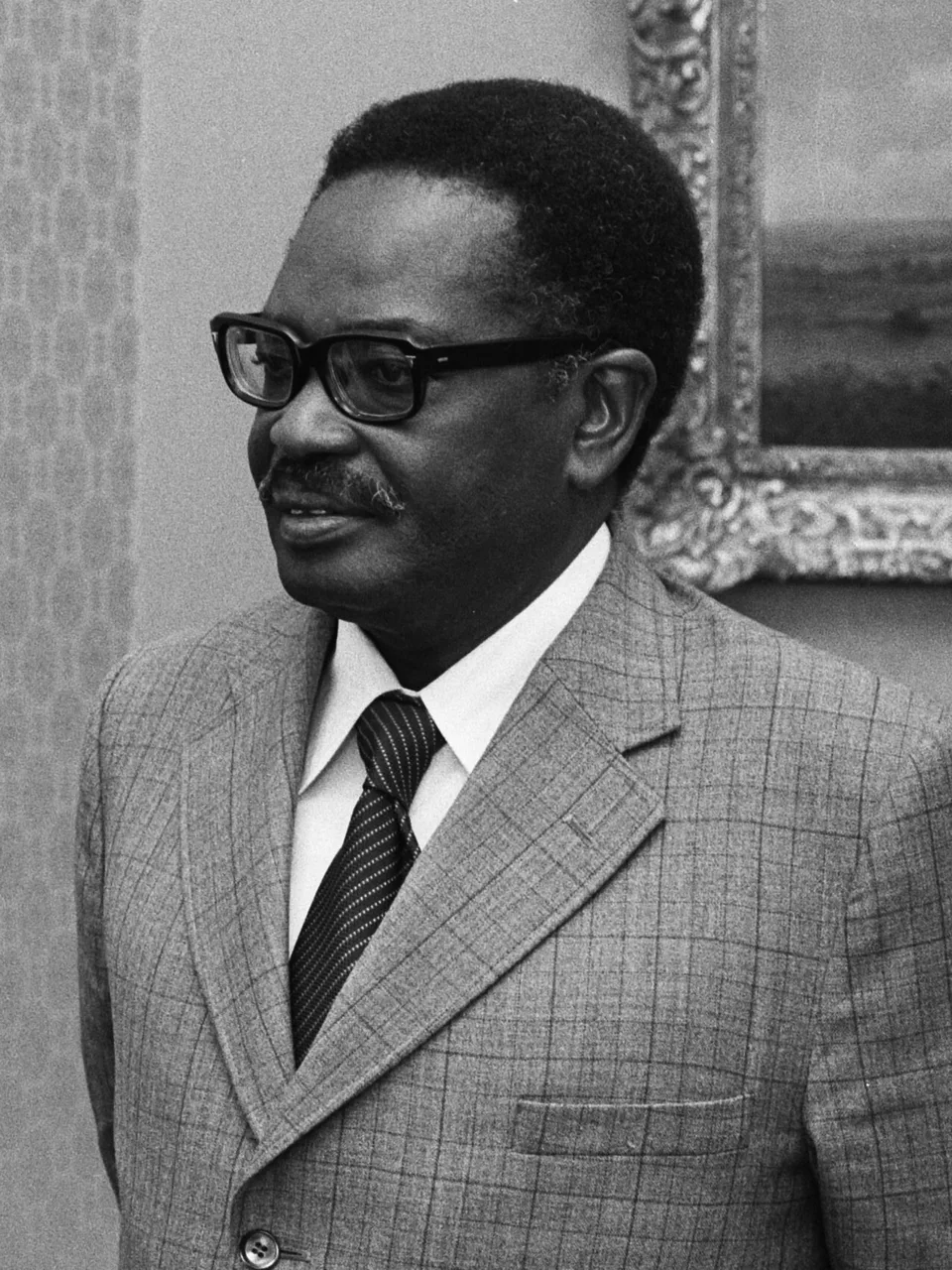
Photo: Rob Mieremet / Anefo, Wikimedia Commons, CC0.


Paste the code into your page. The player fits itself in, and every vote counts in Votur.
On WordPress, Ghost or Squarespace? Just paste the link of this page into your post.
This is how it looks
Also fun