Get app
A warm welcome to Cuba in eight questions about the essentials. Everyone can play along, young and old, and learn something new.
Palm-tree dreamer 0–3 · Old-town explorer 4–6 · Cuban through and through 7–8
Pick one

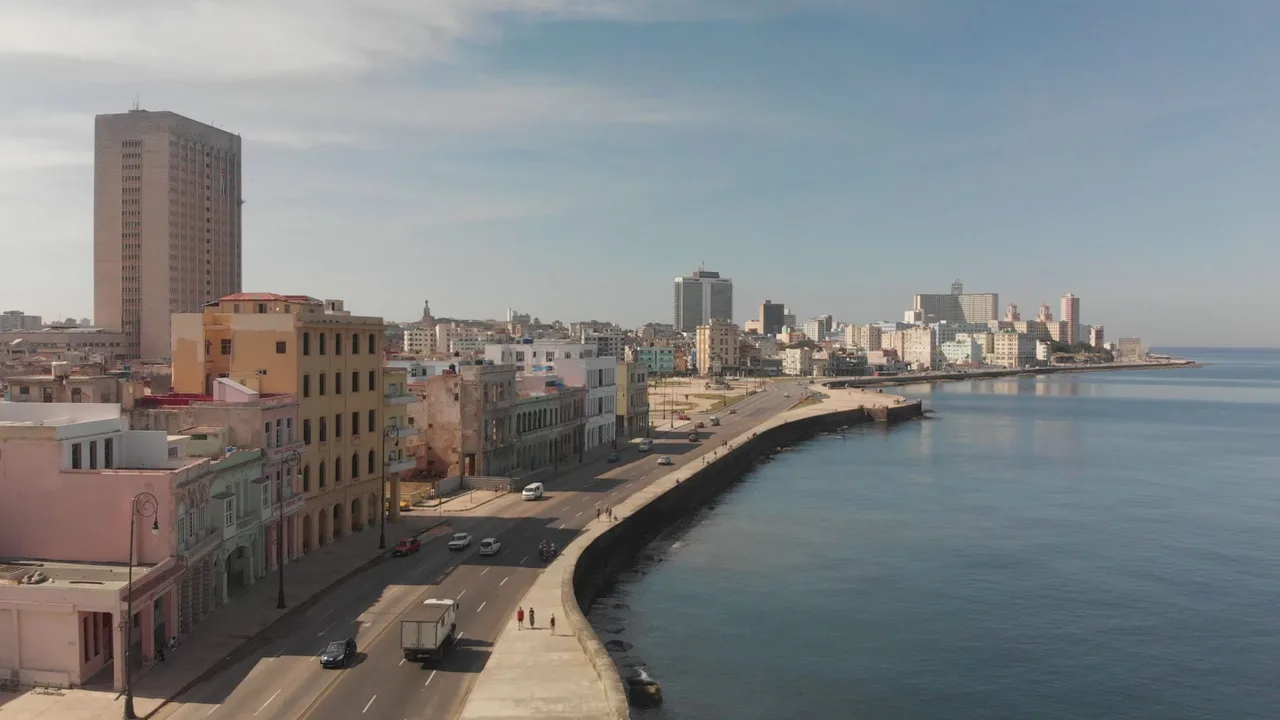
Havana was founded in 1519, and its old town, full of colourful houses and shady squares, has been a UNESCO World Heritage Site since 1982. Along the sea runs the Malecón, an 8 km seafront wall and promenade, built to hold back the waves of winter storms.
Photo: RenaatPeeters, Wikimedia Commons, CC BY-SA 4.0.
Pick one
The red triangle holds a single white star, and the three blue stripes stand for the three regions the island was divided into when the flag was designed in 1849. Cuba's national bird, the tocororo, wears the very same red, white and blue, and its name copies its call: 'toco-toco-tocoro'.
Pick one
Cuban Spanish sounds a lot like the Spanish of the Canary Islands, because many settlers came to Cuba from those islands between the late 1600s and the early 1900s. Many everyday Cuban words come from there too: a bus, for example, is a 'guagua' instead of the usual 'autobús'.
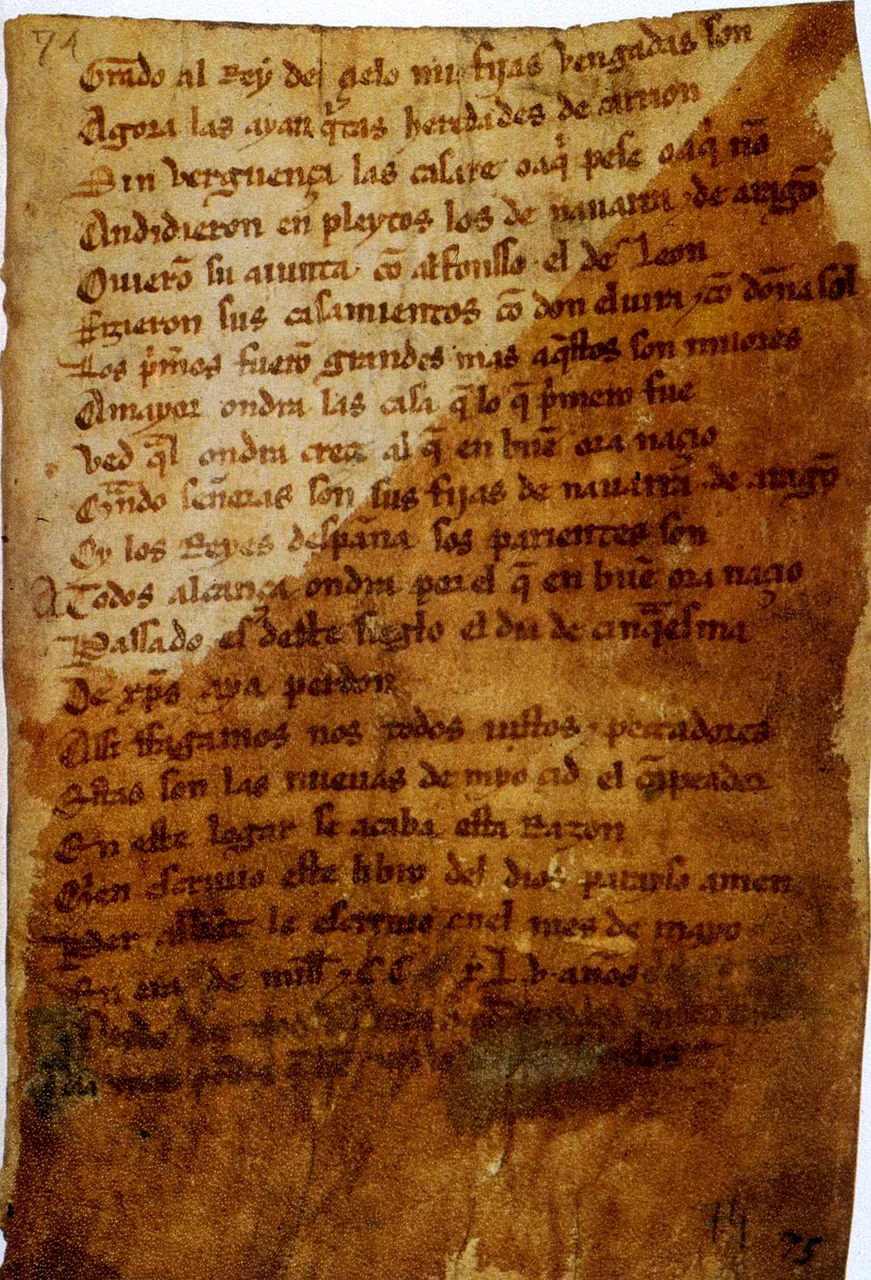
Photo: Wikimedia Commons, Public domain.
Pick one
Cuba's main island is about 1,250 km long, bigger than its neighbours Hispaniola and Jamaica. Around it lie more than 4,000 smaller islands, islets and cays, so Cuba is really a whole group of islands rather than just one.
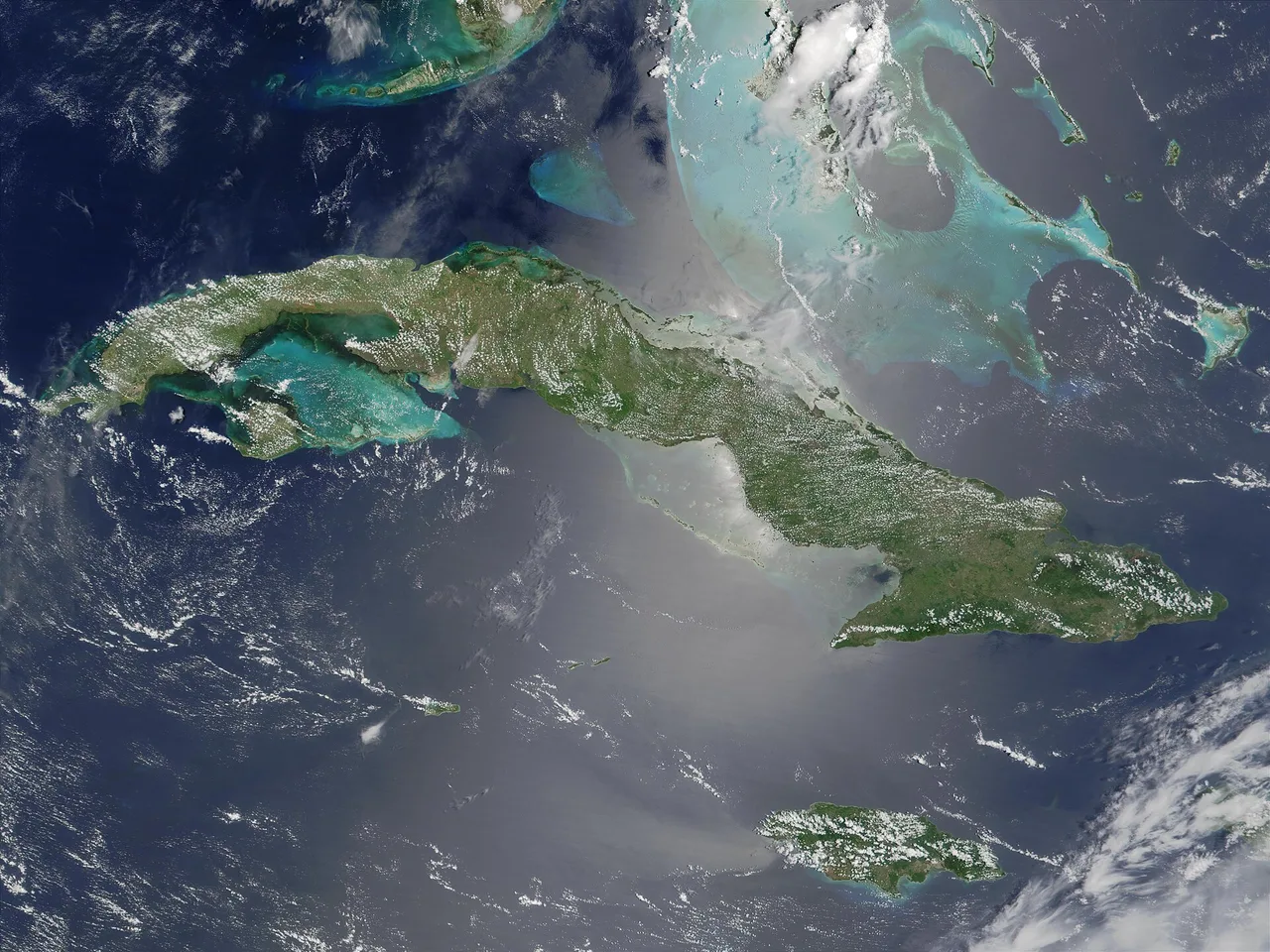
Photo: Wikimedia Commons, Public domain.
Pick one
The sea between Cuba and the Florida Keys, a chain of small islands at the tip of Florida, is called the Straits of Florida and is about 150 km wide at its narrowest point. A powerful ocean current rushes through it: the start of the Gulf Stream, which carries warm water all the way across the Atlantic towards Europe.
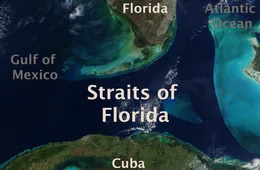
Photo: Jacques Descloitres, MODIS Rapid Response Team, NASA/GSFC cropped, and labelled, Wikimedia Commons, Public domain.
Pick one
Bongos began in eastern Cuba at the end of the 1800s. The two drums are joined by a small wooden bridge: the bigger one is called the hembra, meaning 'female', the smaller one the macho, meaning 'male', and players usually hold them between their legs.
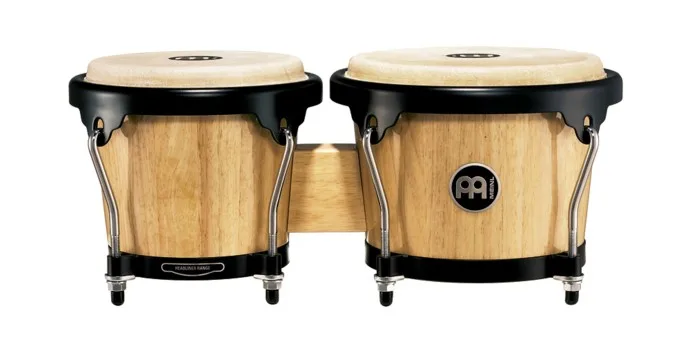
Photo: Wikimedia Commons, CC BY-SA 4.0.
Pick one
The cha-cha-cha took shape in the early 1950s around new music by the Cuban violinist Enrique Jorrín, whose band played in the dance halls of Havana. Its funny name copies the shuffling sound of dancers' feet on the floor, and today it is a favourite in ballroom dance competitions.
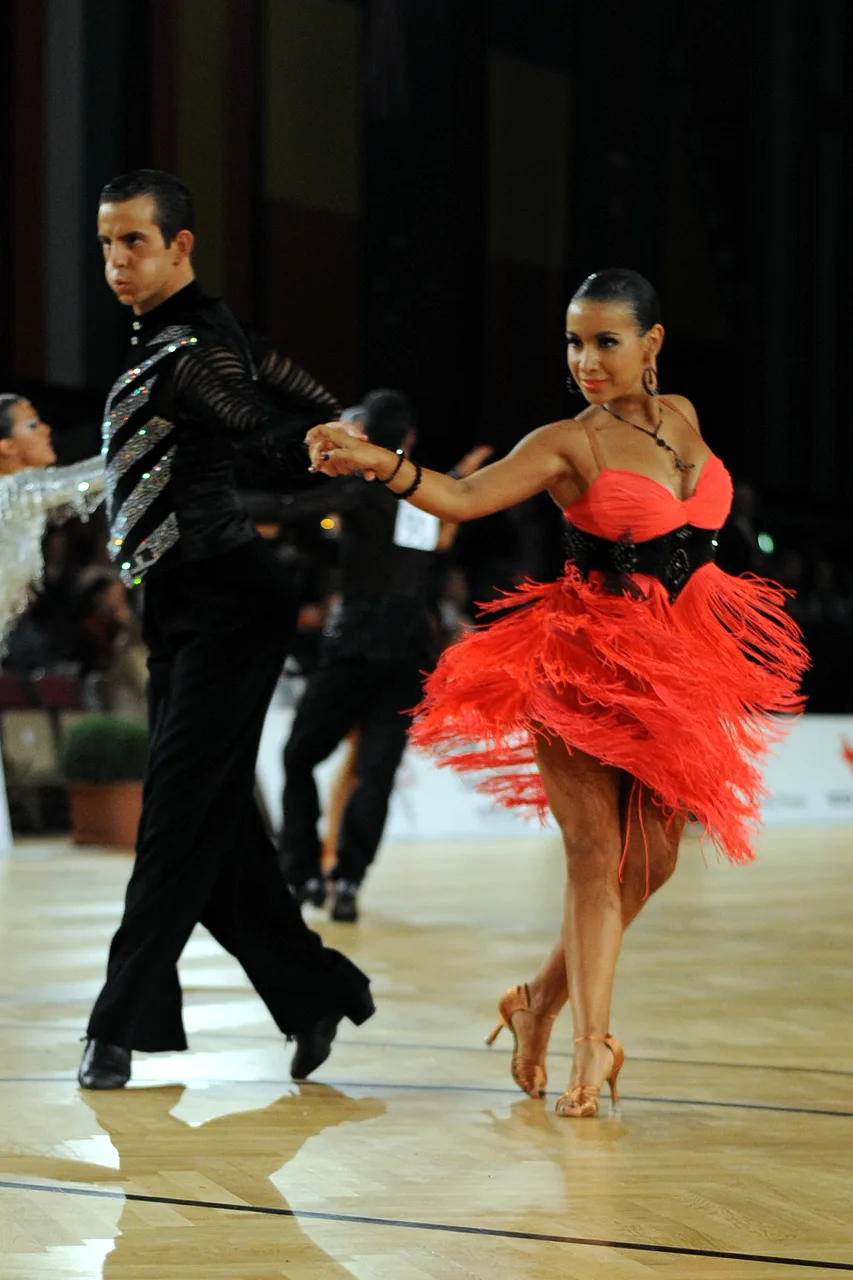
Photo: Ailura, Wikimedia Commons, CC BY-SA 3.0.
Pick one
Cubans call these cars almendrones, 'big almonds', and as many as 60,000 old American cars are still in use on the island. For more than 60 years hardly any new American cars or spare parts came in, so owners keep them running with clever homemade repairs, and many now work as taxis.
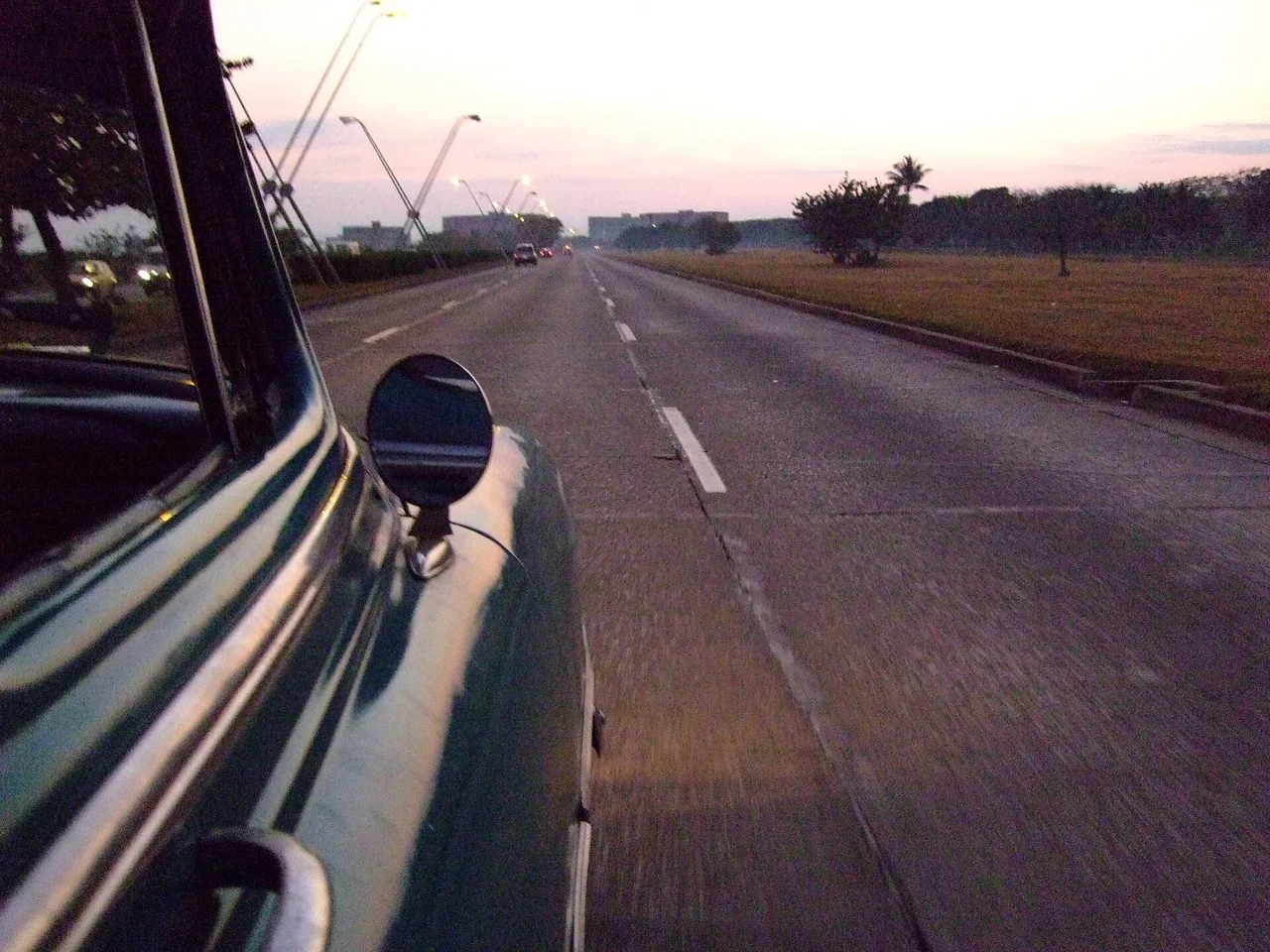
Photo: Arnoud Joris Maaswinkel, Wikimedia Commons, CC BY-SA 4.0.


Paste the code into your page. The player fits itself in, and every vote counts in Votur.
On WordPress, Ghost or Squarespace? Just paste the link of this page into your post.
This is how it looks
Also fun