Get app
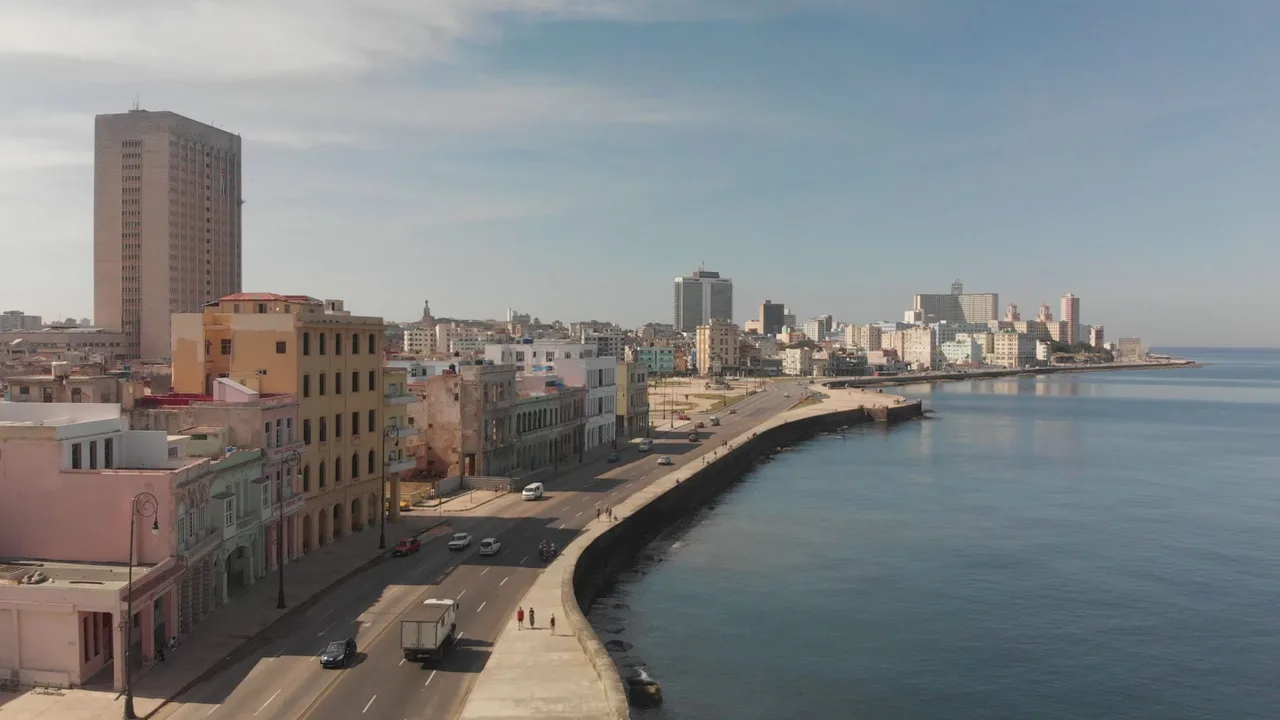
 Photo: Виктор Пинчук (автор фото и книги), Wikimedia Commons, CC BY-SA 4.0.
Embark on a journey through Cuba! Test your knowledge on the Caribbean island's rich history, vibrant music, unique wildlife, and breathtaking landscapes.
Friendly Visitor 0–4 · Rhythm Seeker 5–8 · Habana Connoisseur 9–10
Pick one

While Cuba is world-famous for its Olympic boxers, baseball is the undisputed national sport, introduced to the island in the 1860s. The Cuban National Series is highly competitive, and the country has won multiple Olympic gold medals in the sport, producing many legendary players.

Photo: U.S. Department of State from United States, Wikimedia Commons, Public domain.
Pick one
Celia Cruz was one of the most popular Latin artists of the 20th century, earning multiple Grammy awards and global fame. Her famous exclamation "¡Azúcar!" (meaning sugar) started as a spontaneous response to a waiter asking if she wanted sugar in her coffee.
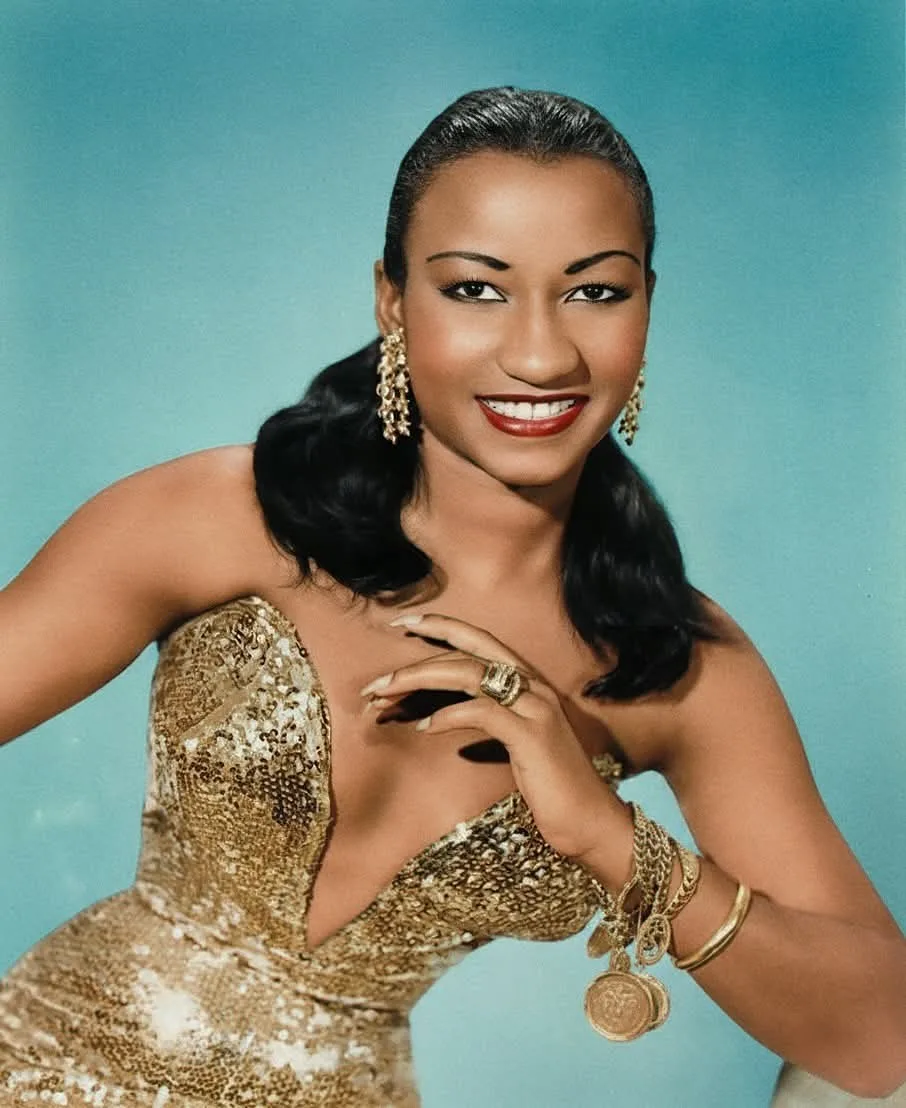
Photo: Ibrahim Arce (Narcy Studios photographer), most likely, Wikimedia Commons, Public domain.
Pick one
The Cuban peso is the official currency of Cuba. For many years, the country operated under a unique dual-currency system that also included the Cuban convertible peso, which was pegged to the US dollar. However, the government officially phased out the convertible peso in 2021.
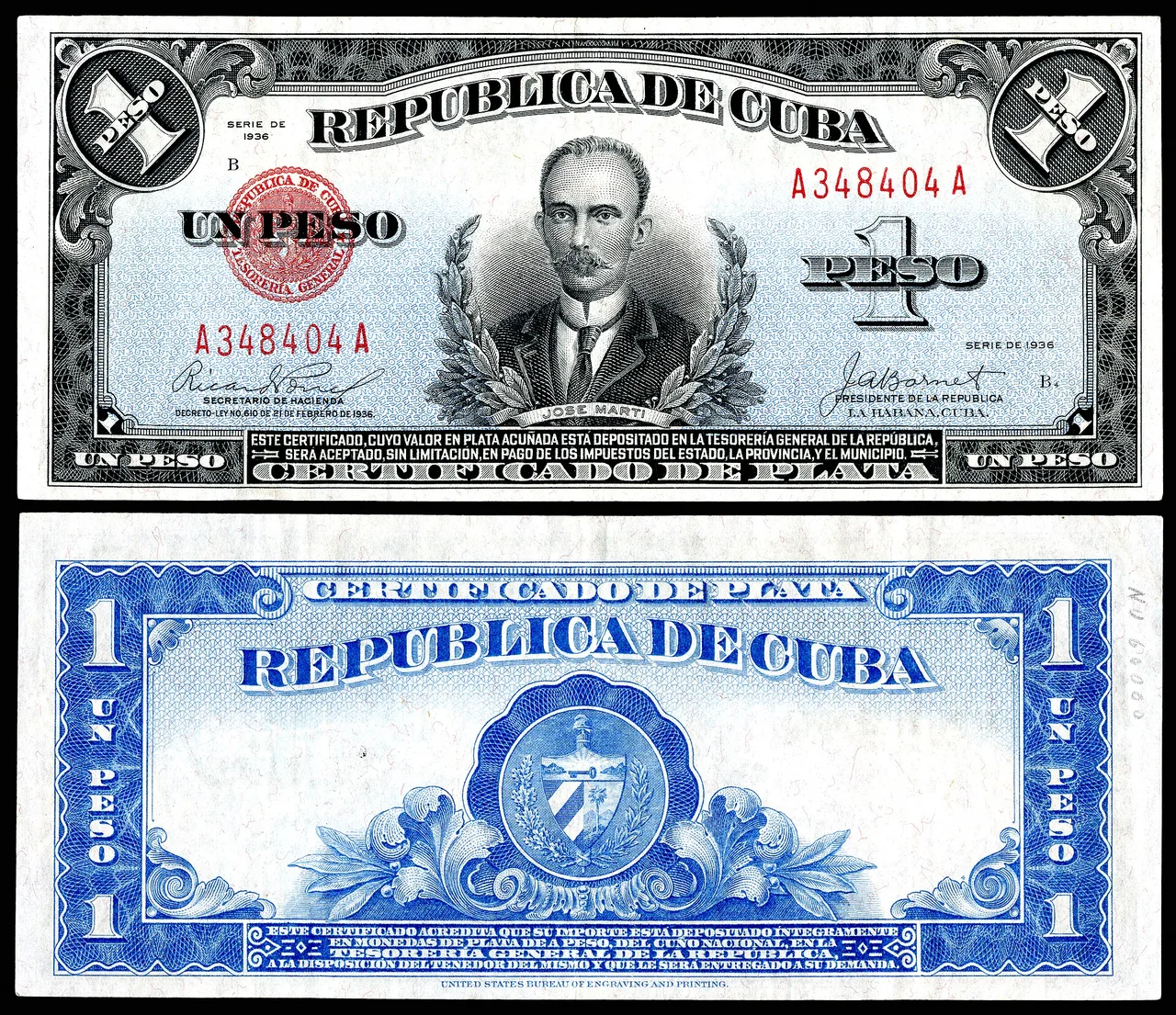
Photo: National Museum of American History, Wikimedia Commons, Public domain.
Pick one
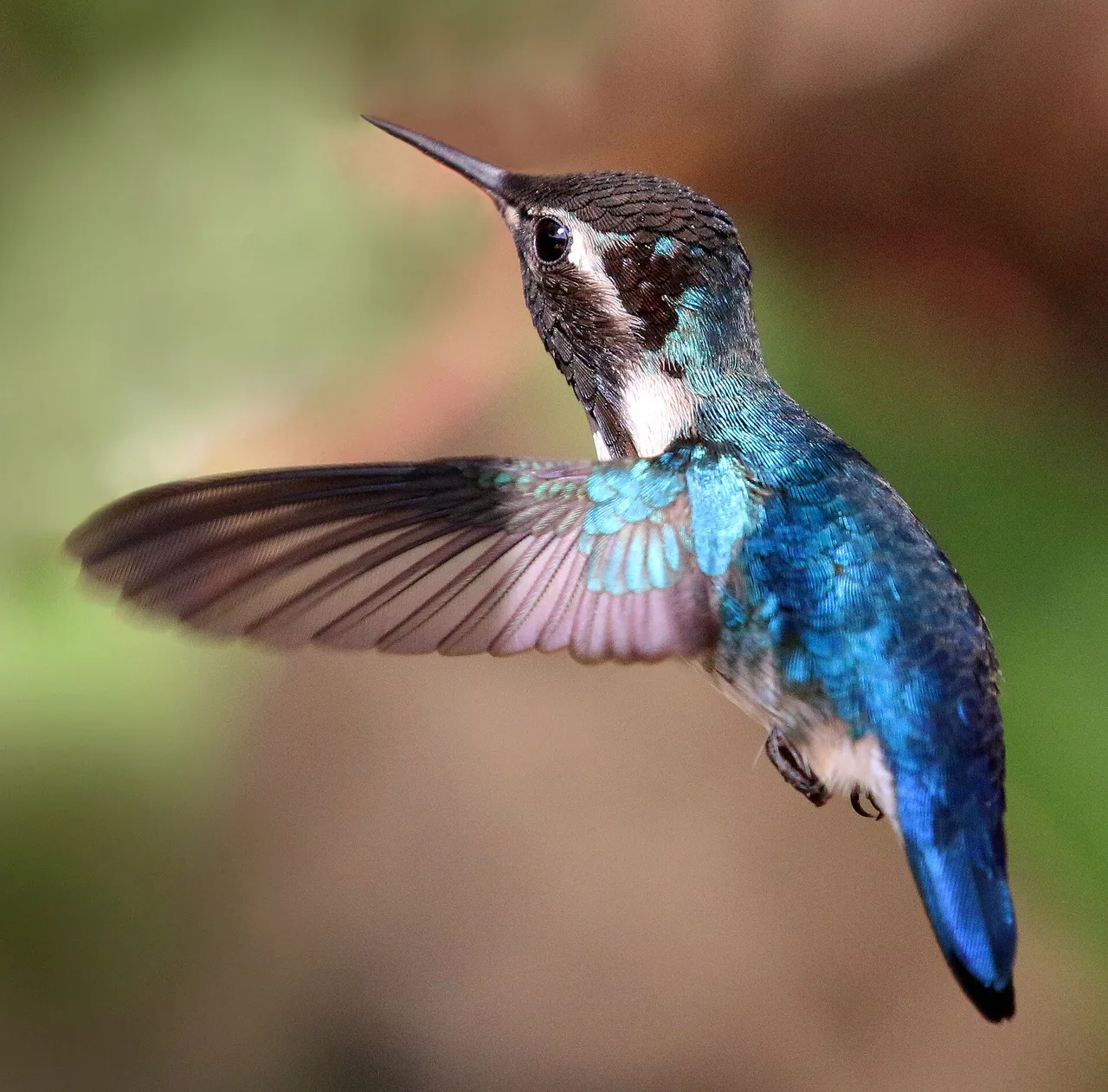
The bee hummingbird, endemic to Cuba, is the smallest living bird in the world, weighing less than a single penny. These tiny creatures are so small that they are often mistaken for bees as they hover around flowers to drink nectar, beating their wings up to 80 times per second.
Photo: Charles J. Sharp, Wikimedia Commons, CC BY-SA 4.0.
Pick one
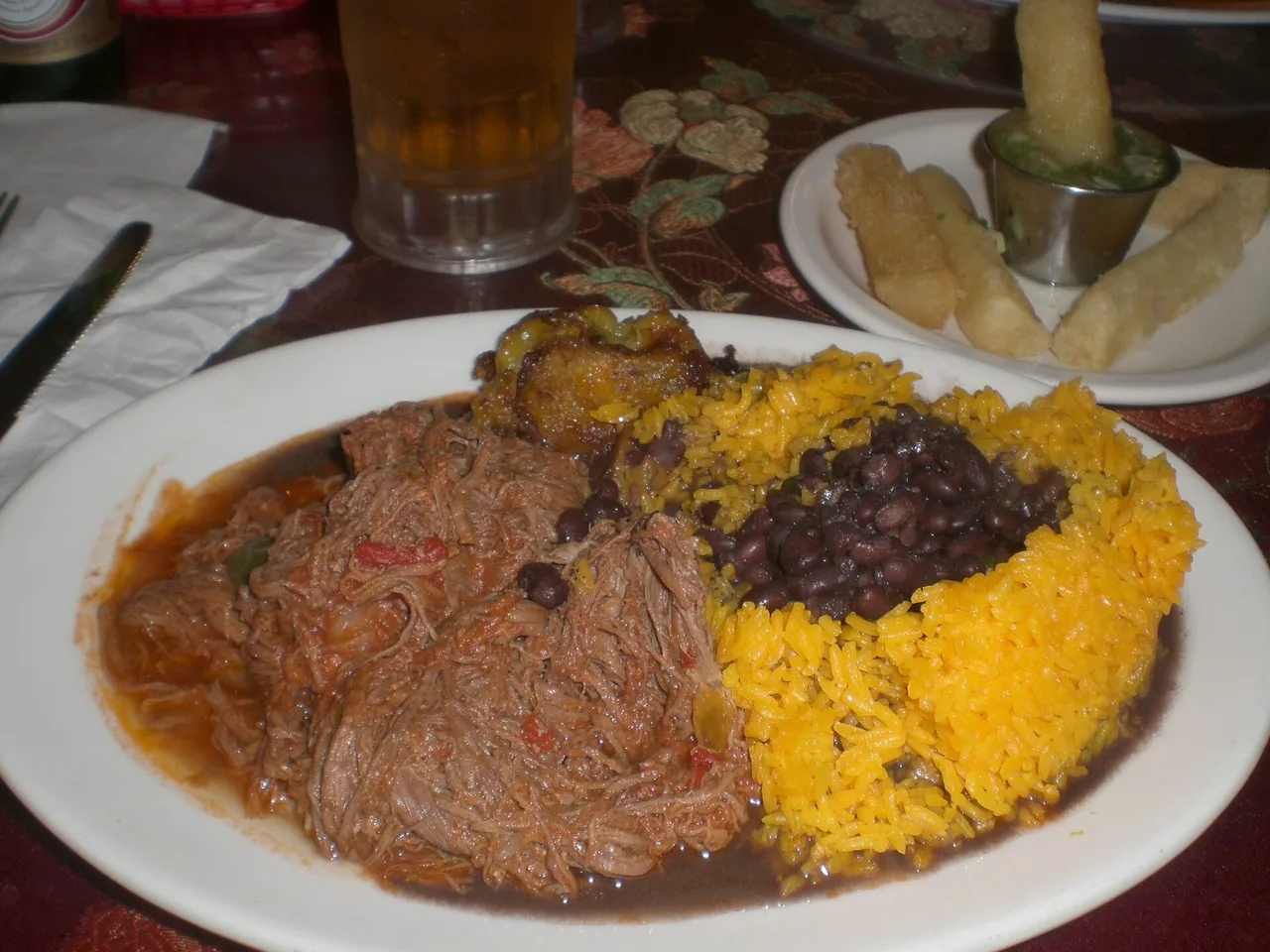
Ropa vieja, which translates to "old clothes" in Spanish, is the beloved national dish of Cuba. The name comes from an old legend about a poor man who shredded and cooked his own clothes to feed his family, praying for a miracle that turned the rags into a rich beef stew.
Photo: Marc Averette, Wikimedia Commons, Public domain.
Pick one
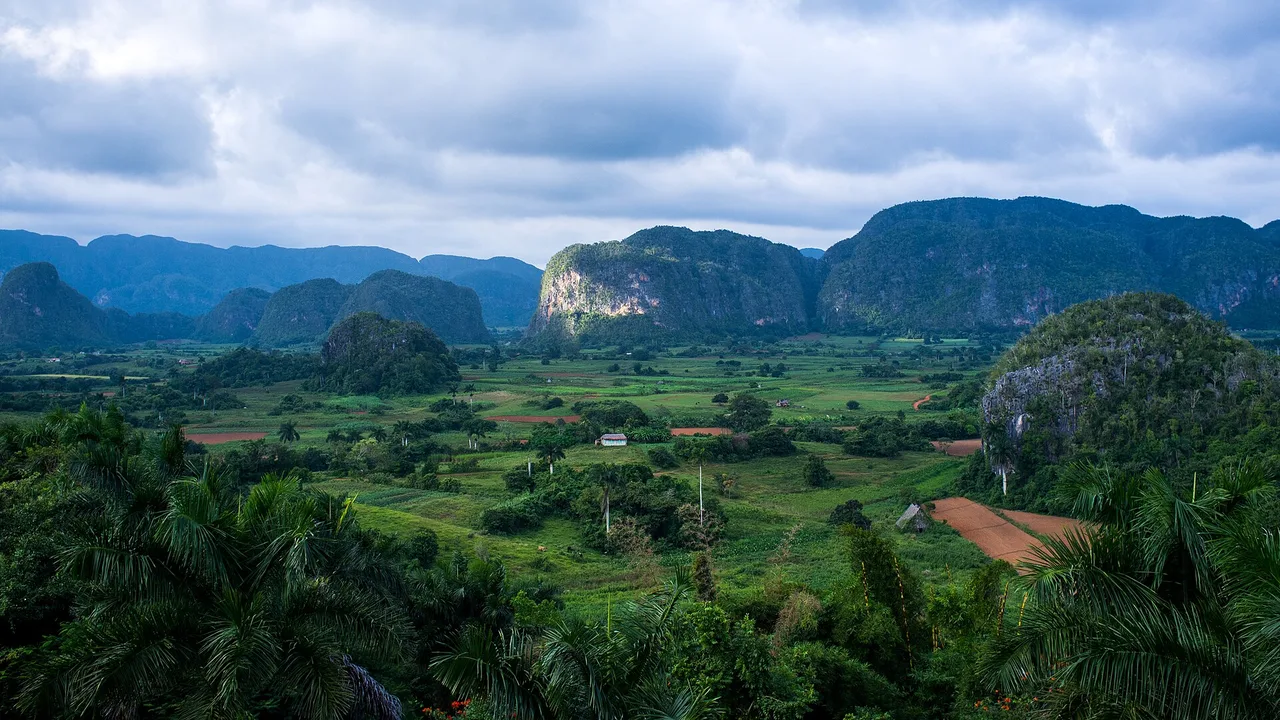
The Viñales Valley is a UNESCO World Heritage site famous for its mogotes: steep-sided, rounded limestone hills that rise from the flat valley floor like islands. Farmers here still grow tobacco with traditional methods that are centuries old, and dry the leaves in thatched-roof barns.
Photo: Severin.stalder, Wikimedia Commons, CC BY-SA 3.0.
Pick one
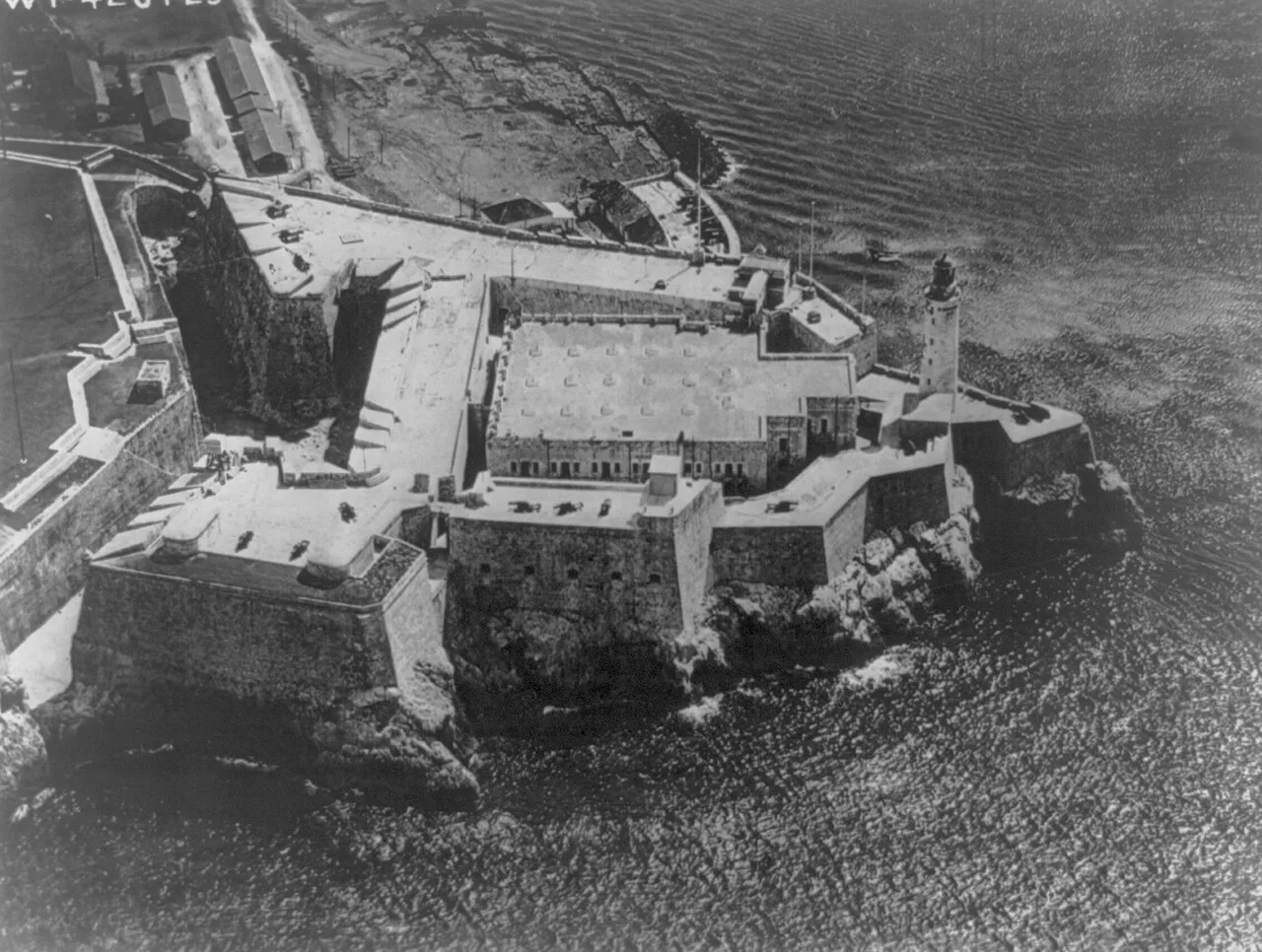
Morro Castle, officially Castillo de los Tres Reyes del Morro, was built by Spanish engineers in the late 16th century to defend Havana against pirates. Every night, a traditional cannon-firing ceremony called "El Cañonazo de las nueve" still takes place at the neighboring La Cabaña fortress, keeping a colonial curfew tradition alive.
Photo: National Photo Company Collection, Wikimedia Commons, Public domain.
Pick one
Son cubano originated in the highlands of eastern Cuba during the late 19th century. By combining Spanish lyrical structures and guitar strings with African percussion and call-and-response patterns, it became the heartbeat of Cuban music and directly inspired modern salsa.
Pick one
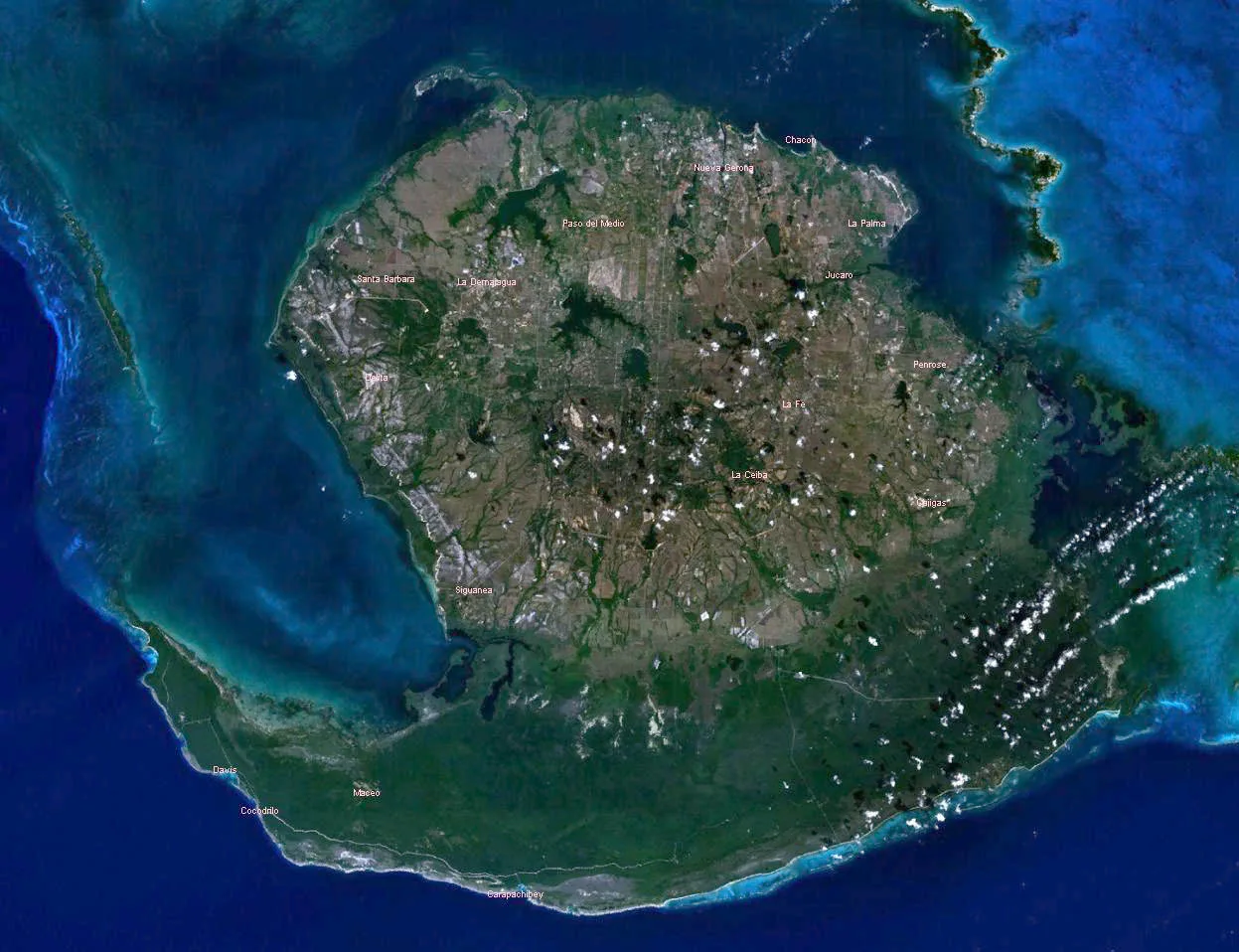
Isla de la Juventud (Isle of Youth) is the second-largest island in the Cuban archipelago. It was renamed in 1978 to honor the thousands of international students who came to study there. The island has a rich history, having served as a pirate haven and a penal colony.
Photo: NASA, Wikimedia Commons, Public domain.
Pick one
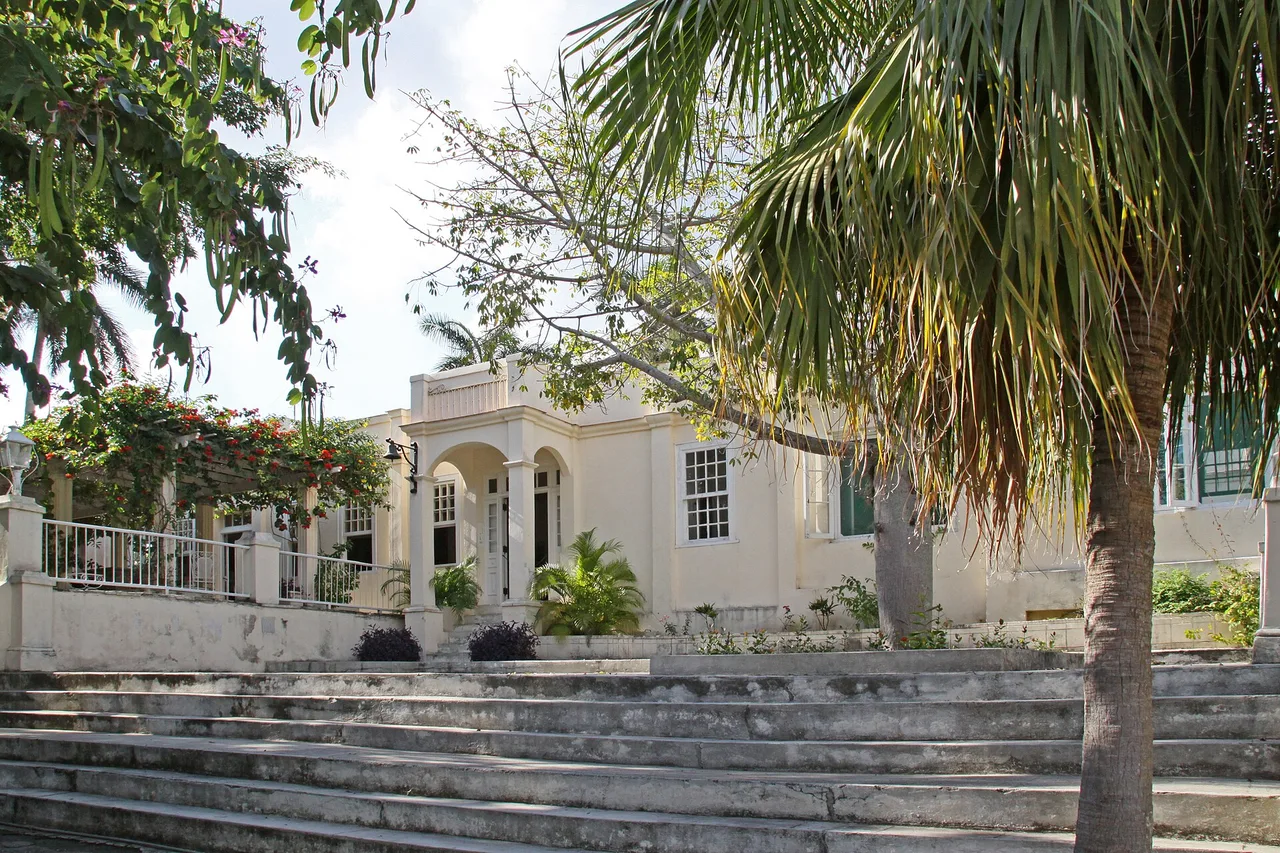
Ernest Hemingway bought the Finca Vigía estate near Havana in 1940 and wrote some of his greatest works there, including "The Old Man and the Sea." The house has been preserved exactly as he left it, complete with his personal library, hunting trophies, and his beloved fishing boat.
Photo: Tony Hisgett from Birmingham, UK, Wikimedia Commons, CC BY 2.0.


Paste the code into your page. The player fits itself in, and every vote counts in Votur.
On WordPress, Ghost or Squarespace? Just paste the link of this page into your post.
This is how it looks
Also fun