Get app
 Photo: Christopher J. Fynn, Wikimedia Commons, CC BY-SA 3.0.
Explore the unique culture, stunning landmarks, and rich traditions of Thimphu, the capital city of Bhutan. Test your knowledge on everything from sacred architecture to the national animal!
Mountain Dreamer 0–4 · Valley Wanderer 5–8 · True Bhutanese Spirit 9–10
Pick one

The preserve began as a mini-zoo. The King of Bhutan felt that locking animals up did not suit a Buddhist country and had them set free, but the tame takins refused to leave and wandered Thimphu's streets for weeks looking for food. So a patch of forest at the edge of the city was fenced off as their new home.
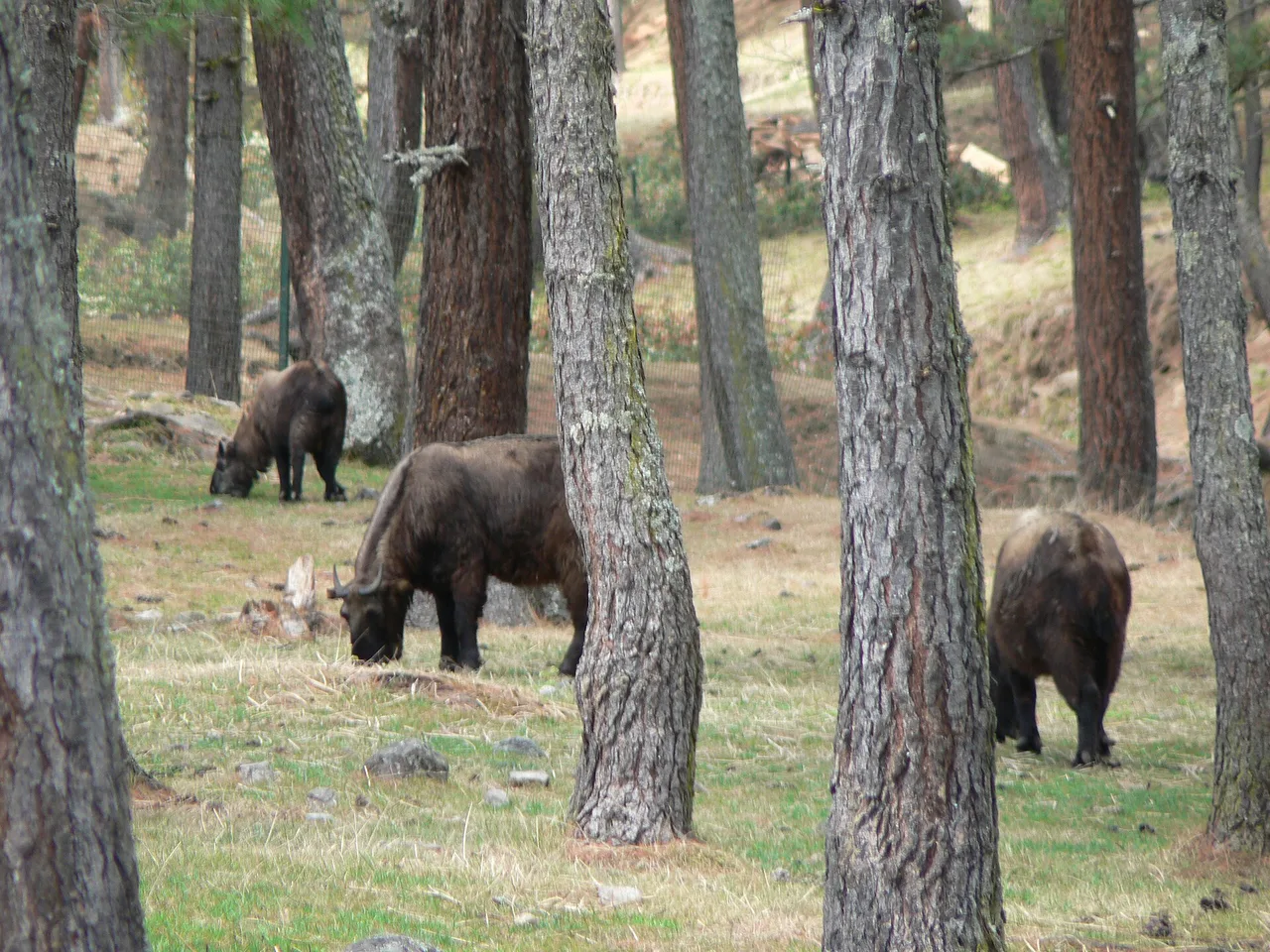
Photo: Stephen Shephard, Wikimedia Commons, CC BY-SA 3.0.
Pick one
Thimphu is famously one of the only capital cities in the world without a single traffic light. When local authorities tried installing automatic lights, residents complained they were too impersonal, so the city returned to its beloved human traffic directors. The officers direct traffic with highly stylized, dance-like hand movements that have become a tourist attraction in their own right.
Photo: Christopher J. Fynn, Wikimedia Commons, CC BY-SA 3.0.
Pick one
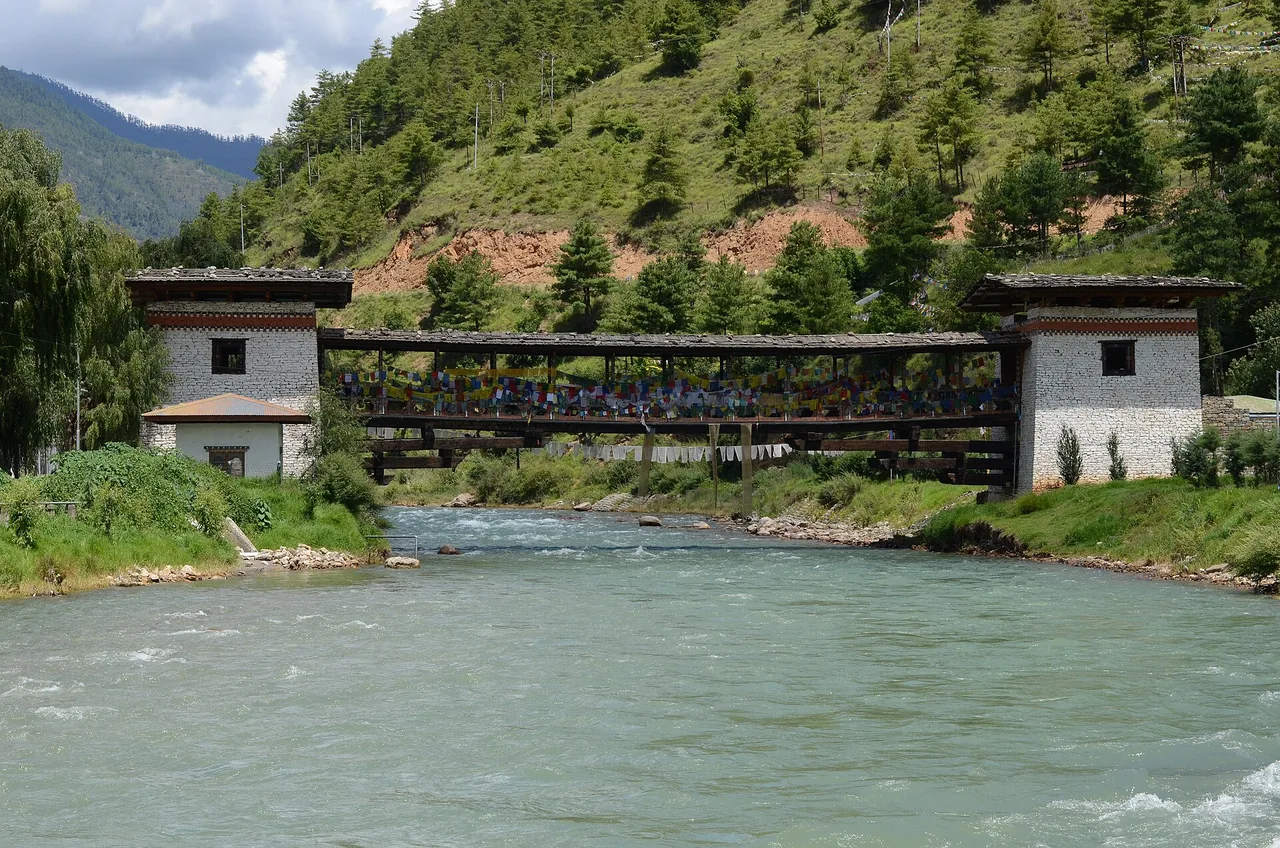
The Wang Chhu river flows southward through the capital city, providing scenic beauty and a vital water source. It eventually joins other rivers to form the Raidak River, which flows into India. The riverbanks in Thimphu are popular spots for locals to relax, and the river itself is known for offering excellent opportunities for white-water rafting and fly fishing.
Photo: Chris Fynn, Wikimedia Commons, CC BY-SA 3.0.
Pick one
Standing at over 51 meters tall, the Great Buddha Dordenma is one of the largest Buddha rupa statues in the world. It is constructed of bronze and gilded in shimmering gold. The statue is not empty inside; it actually houses over one hundred thousand smaller gilded bronze Buddha statues, making it a massive multi-layered temple that can be seen from almost anywhere in the valley.
Pick one
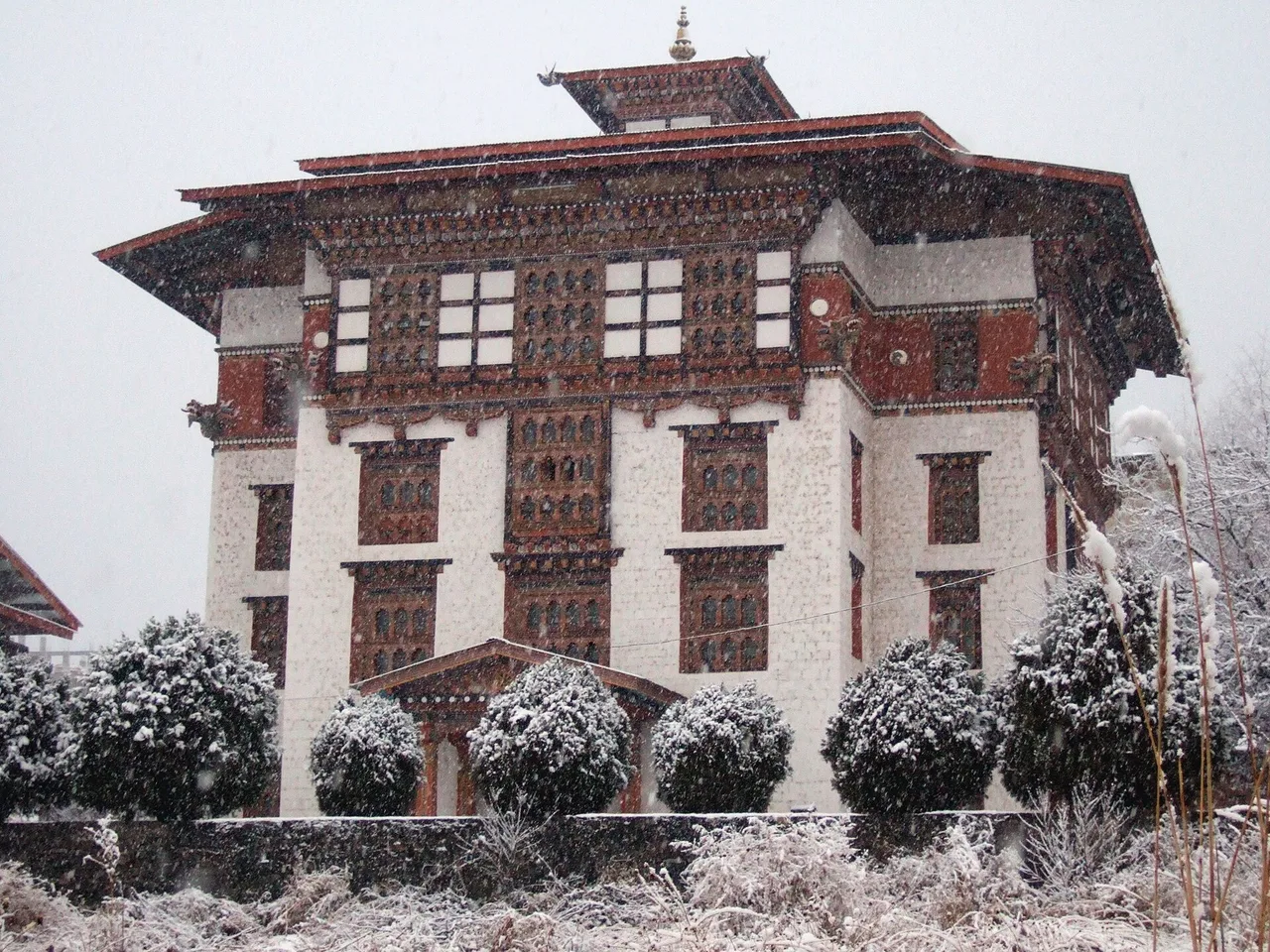
Established in 1967, the National Library of Bhutan preserves the country's rich religious and cultural heritage. It holds a huge collection of Tibetan and Bhutanese block-printed books and manuscripts, many of them sacred Buddhist texts. It also has a giant printed book about Bhutan weighing about 60 kilograms, which once held the Guinness World Record for the largest book.
Photo: Christopher J. Fynn, Wikimedia Commons, CC BY-SA 3.0.
Pick one
Popularly known as the painting school, the National Institute for Zorig Chusum offers courses ranging from four to six years. Students learn the thirteen traditional arts of Bhutan, which include painting, woodcarving, embroidery, and clay sculpting. Visitors can walk through the classrooms to watch the students meticulously practice these ancient techniques, which are vital for preserving Bhutanese identity.
Pick one
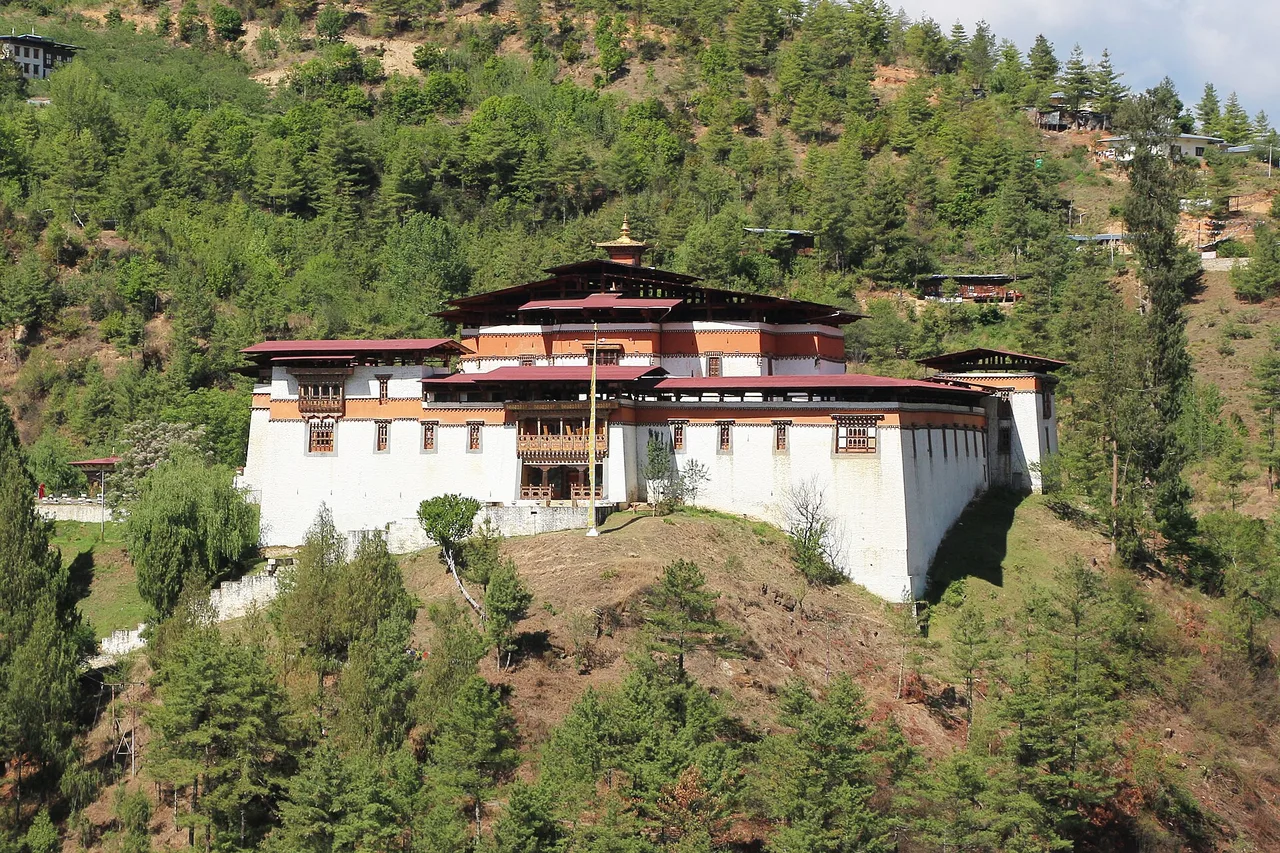
Simtokha Dzong, officially known as Sangak Zabdhon Phodrang, was built by the unifier of Bhutan, Zhabdrung Ngawang Namgyal. It is the oldest dzong that has survived in its complete original form. Today, it serves as an important institute for the study of Dzongkha, the national language, and houses beautiful slate carvings depicting various Buddhist figures.
Photo: Bernard Gagnon, Wikimedia Commons, CC BY-SA 4.0.
Pick one
The National Memorial Chorten was erected in 1974 to honor the memory of the third Druk Gyalpo, Jigme Dorji Wangchuck, who is widely regarded as the father of modern Bhutan. Unlike most stupas, it does not enshrine human remains but instead fulfills the late King's wish to build a chorten representing the mind of the Buddha. It is a popular spot where elderly residents gather daily to spin prayer wheels.
Pick one
Dechencholing Palace is located in the northern end of the Thimphu valley. Built in 1953 by the third King, it is set amidst beautiful lawns, ponds, and willow trees. While the current King resides at another palace, Dechencholing is still used for royal banquets and hosting foreign dignitaries. It is also where the late Royal Grandmother spent much of her life.
Pick one
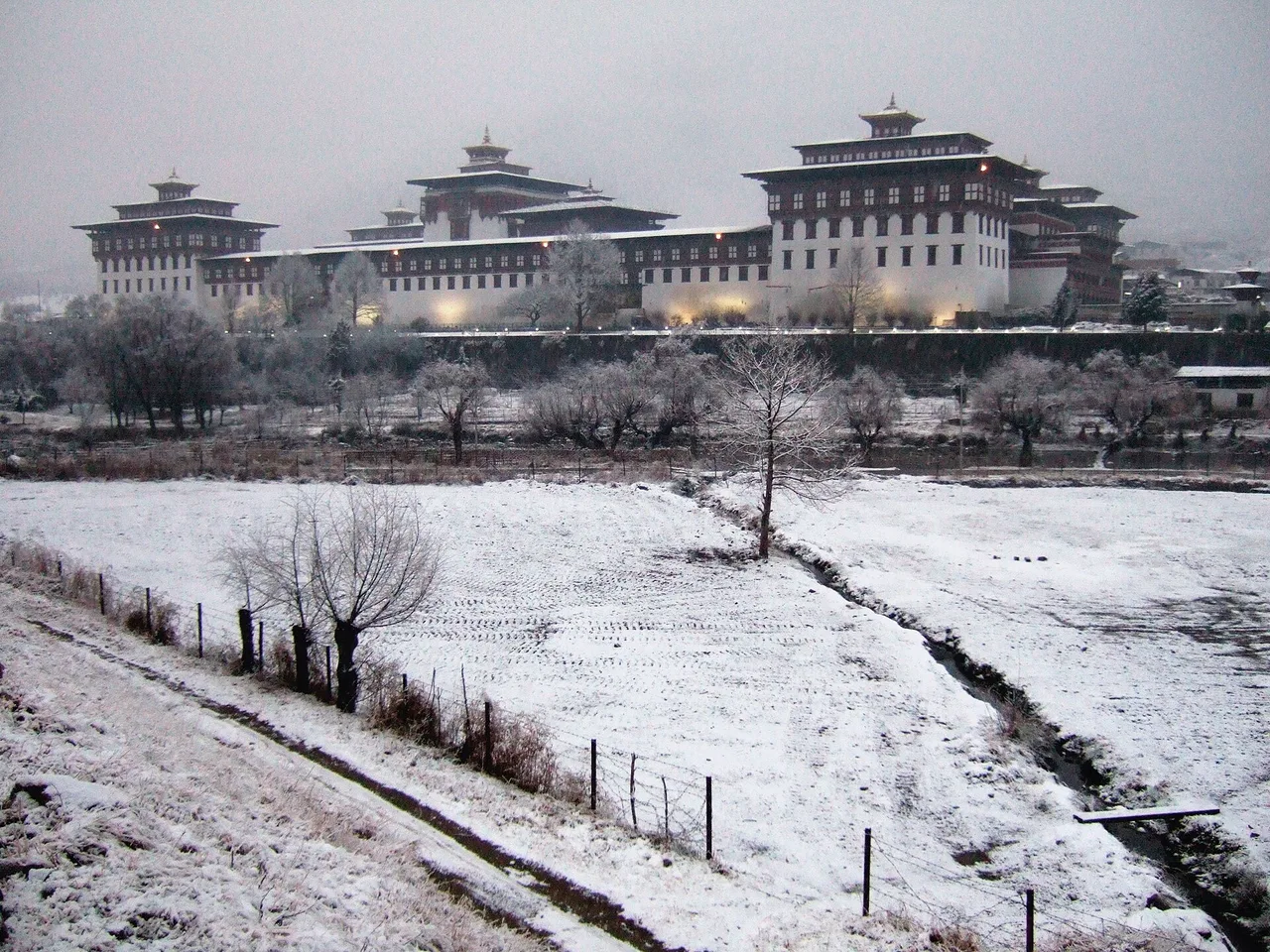
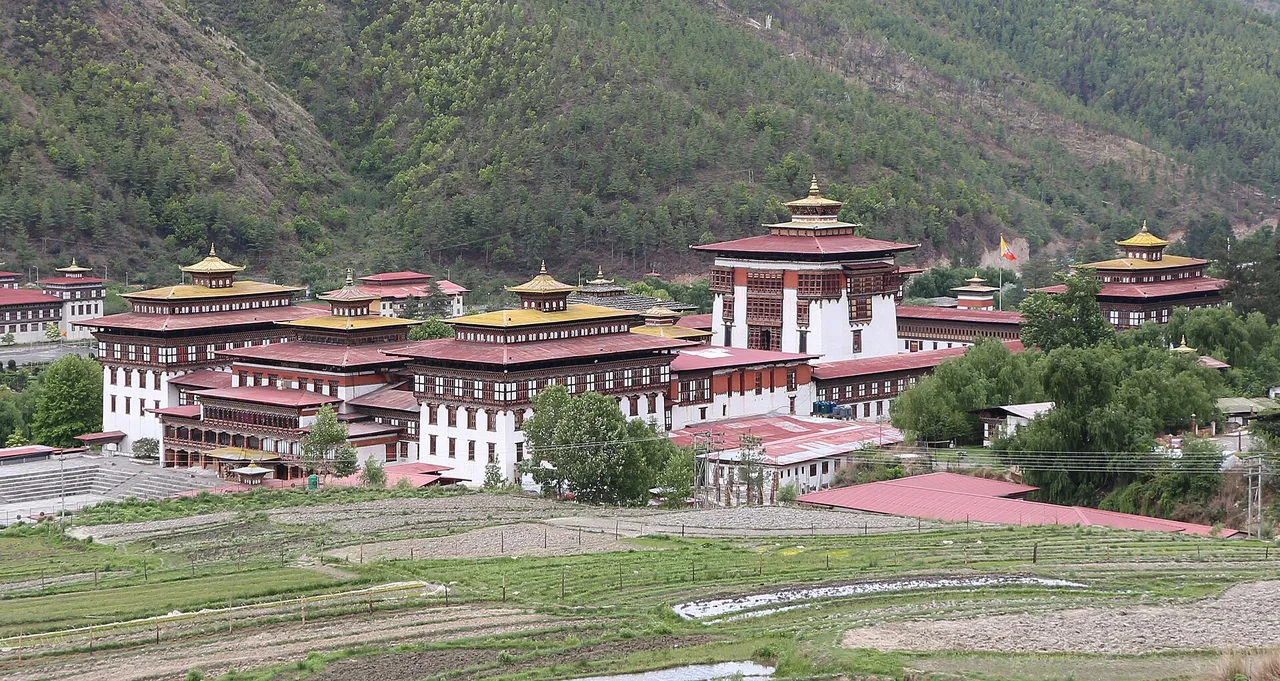
Tashichho Dzong is a stunning Buddhist monastery and fortress on the northern edge of the city. It has been the seat of Bhutan's government since 1968 and currently houses the throne room and offices of the king. Interestingly, the entire massive complex was reconstructed in the 1960s using traditional methods without a single metal nail or written architectural plan.
Photo: Bernard Gagnon, Wikimedia Commons, CC BY-SA 4.0.


Paste the code into your page. The player fits itself in, and every vote counts in Votur.
On WordPress, Ghost or Squarespace? Just paste the link of this page into your post.
This is how it looks
Also fun