Get app
 Photo: Christopher J. Fynn, Wikimedia Commons, CC BY-SA 3.0.
How well do you know the Land of the Thunder Dragon? Test your knowledge on the unique culture, stunning geography, and rich history of Bhutan!
Mountain Wanderer 0–4 · Valley Explorer 5–8 · Guardian of the Peaks 9–10
Pick one

Archery, known locally as Dha, was declared the national sport in 1971. In Bhutanese tournaments, the targets are placed a whopping 145 meters away, which is nearly double the Olympic distance. Teams celebrate hits with lively traditional songs and dances to cheer on their players.
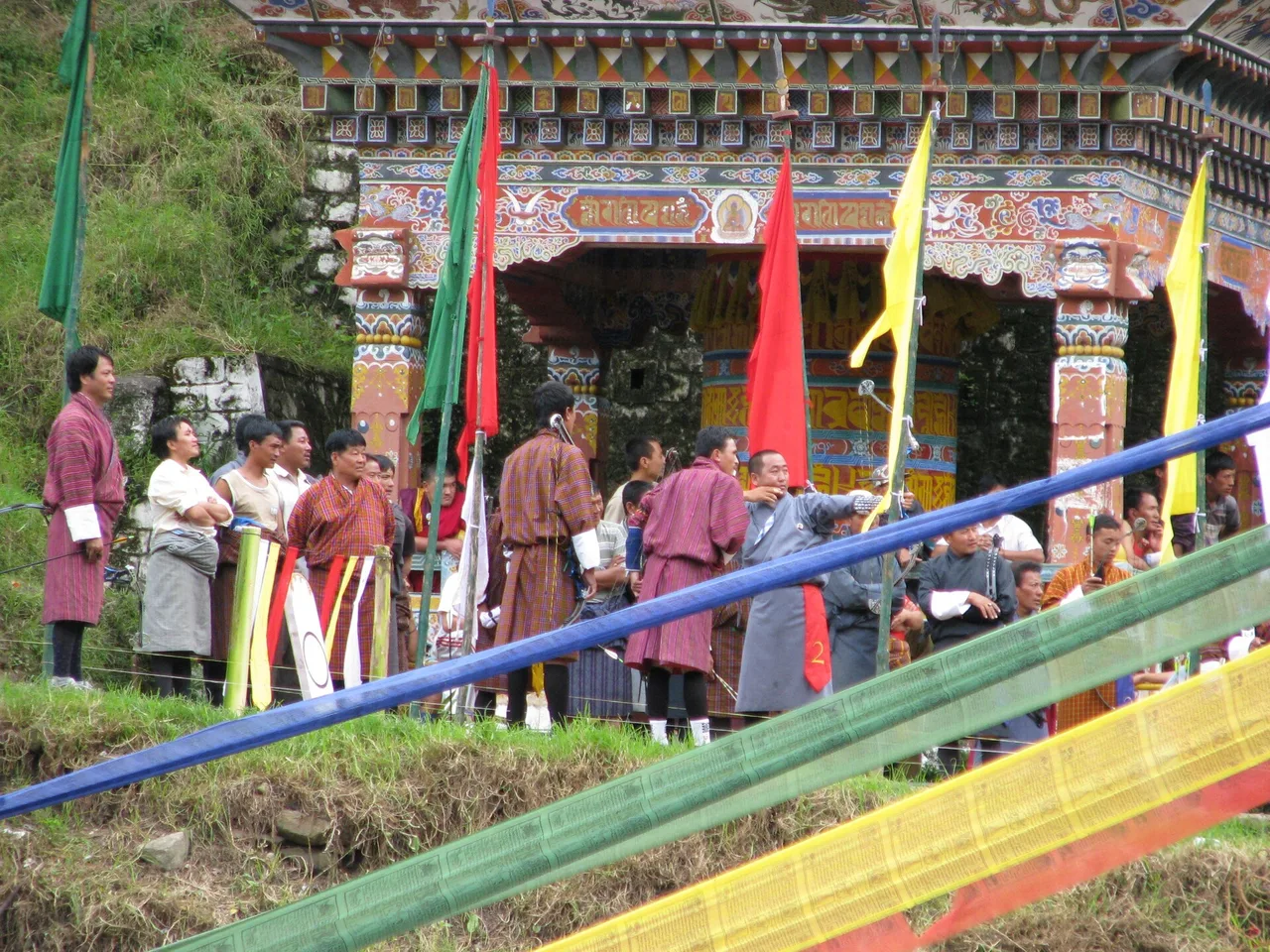
Photo: muddum27, Wikimedia Commons, CC BY 2.0.
Pick one
Paro Taktsang clings dramatically to a sheer cliff face about 900 meters above the Paro Valley floor. It was built around a cave where Guru Padmasambhava, who introduced Buddhism to Bhutan, is said to have meditated for over three years.
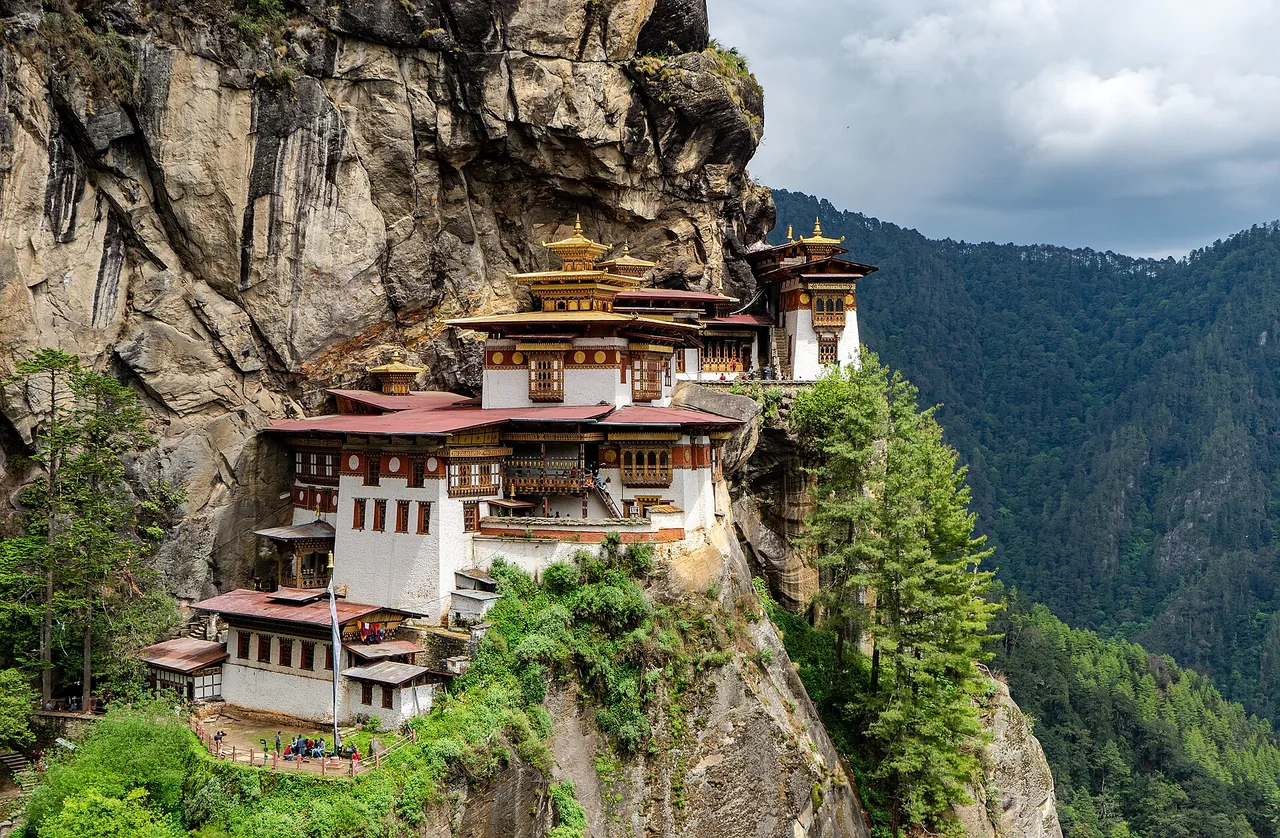
Photo: Original: Nina R from Africa Derivative work: UnpetitproleX, Wikimedia Commons, CC BY 2.0.
Pick one
Bhutan's fourth king introduced Gross National Happiness in 1972, declaring it more important than Gross National Product. This philosophy guides the government's decisions, ensuring that economic growth does not come at the expense of culture or the environment.
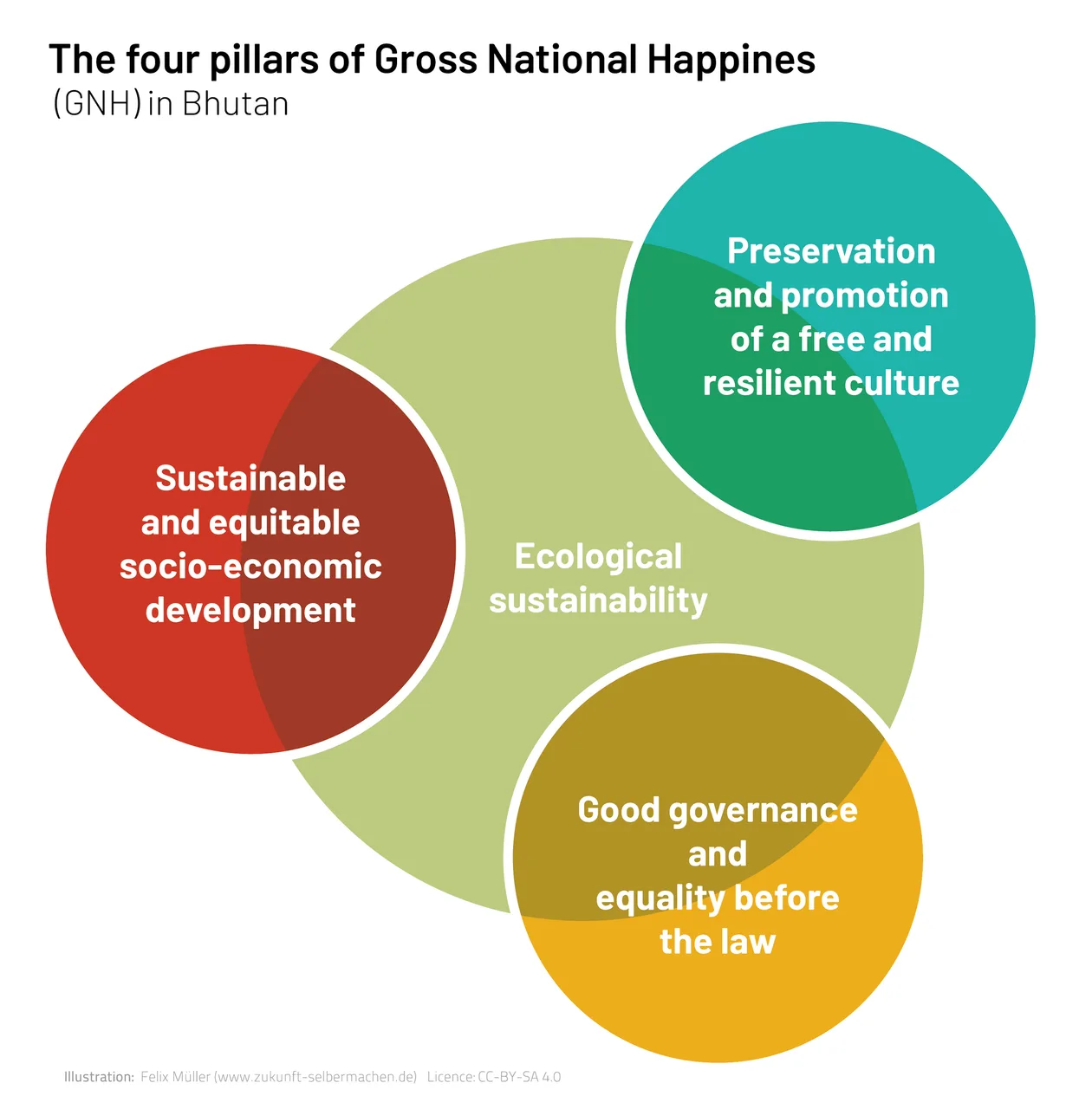
Photo: Felix Mueller, Wikimedia Commons, CC BY-SA 4.0.
Pick one
The takin is a rare, stocky mammal that looks like a cross between a goat and a cow. According to local legend, the animal was miraculously created by the 15th-century saint Drukpa Kunley. It thrives in the high-altitude bamboo forests of the Himalayas.
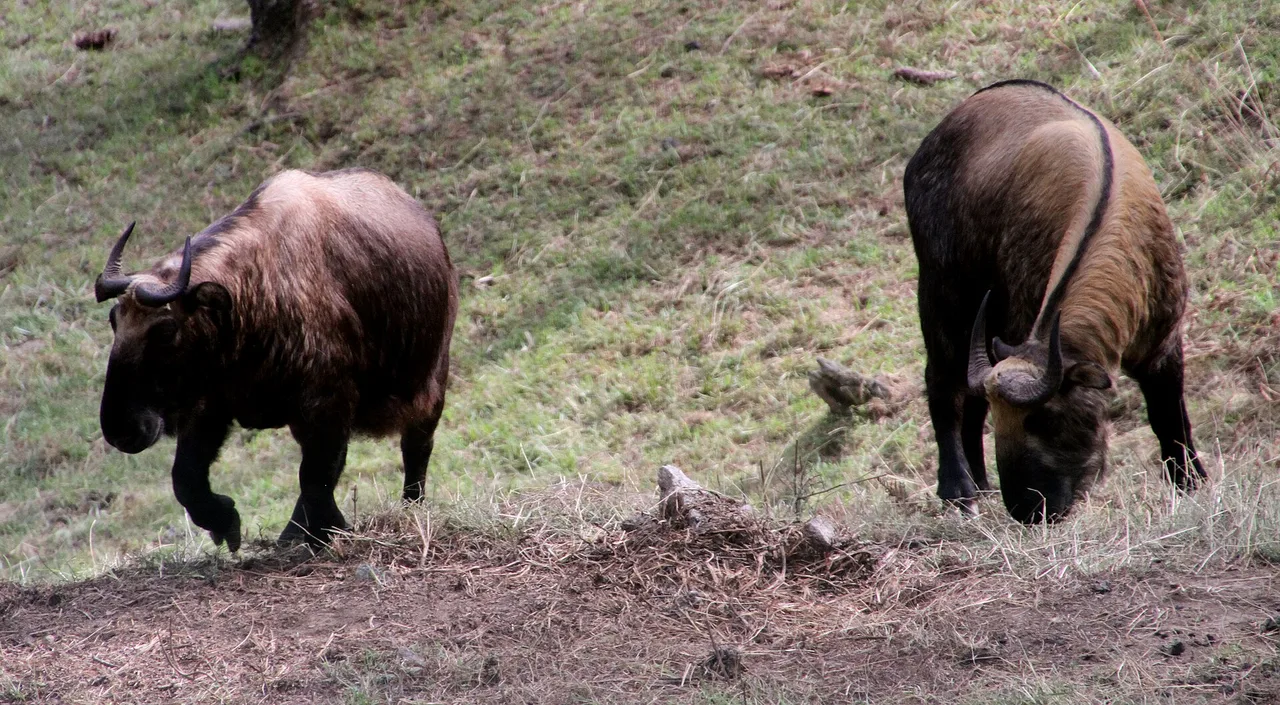
Photo: Gerd Eichmann, Wikimedia Commons, CC BY-SA 4.0.
Pick one
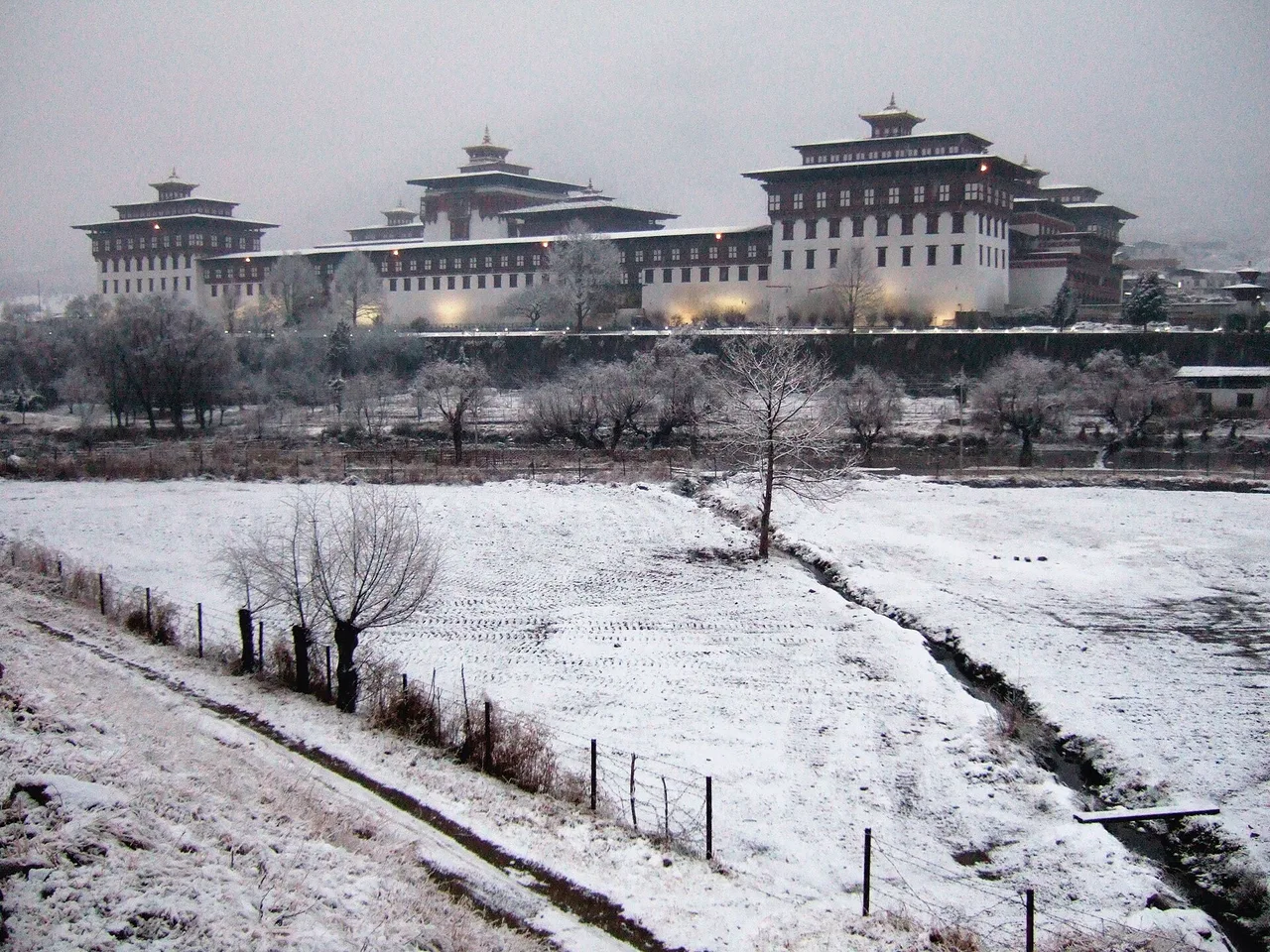
Thimphu took over from the old capital, Punakha, in 1955 and was officially declared the capital in 1961. Unlike most capitals, it has no airport of its own: visitors fly into Paro, about 50 kilometres away. Phuntsholing is Bhutan's busy border town next to India.
Photo: Christopher J. Fynn, Wikimedia Commons, CC BY-SA 3.0.
Pick one
The gho is a traditional robe for men that is hoisted up to the knees and tied at the waist with a belt, forming a large pouch in the front. This pocket is historically used to carry everything from keys to bowls and even mobile phones today.
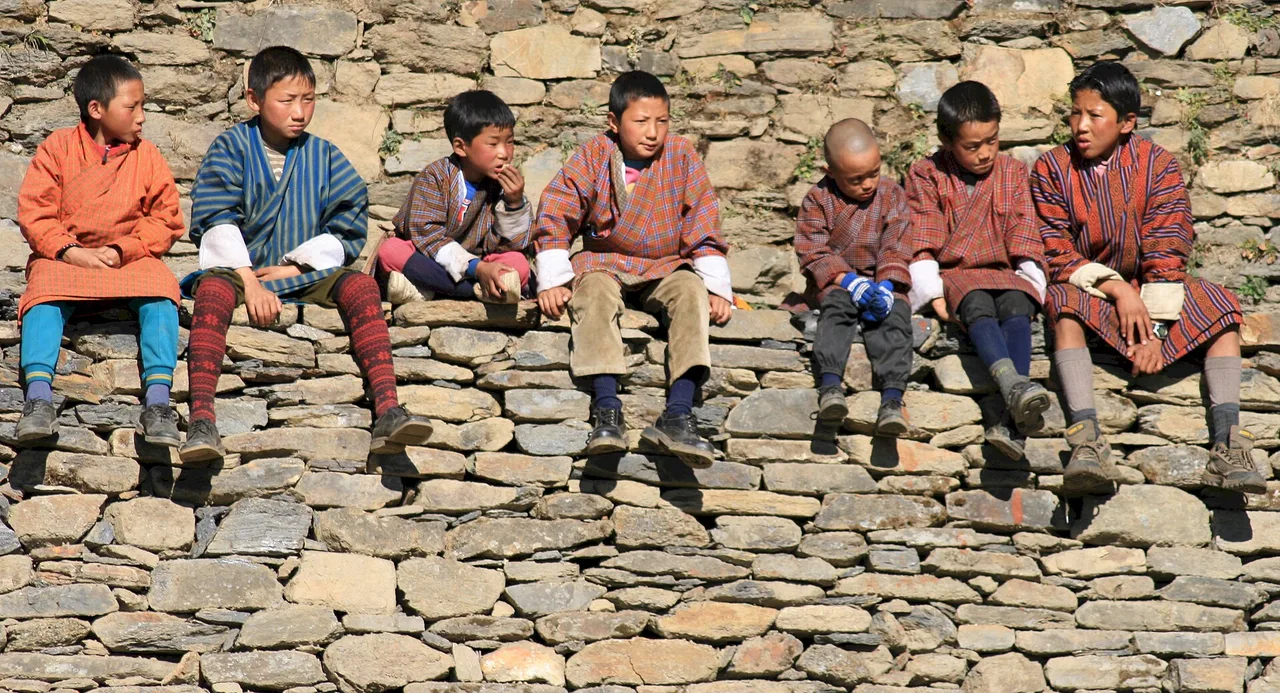
Photo: Keith Mason, Wikimedia Commons, CC BY-SA 3.0.
Pick one
A dzong is a massive fortress characterized by towering exterior walls, elegant courtyards, and beautiful woodwork. Historically built for defense, today they uniquely house both the regional government offices and the active Buddhist monastic bodies.
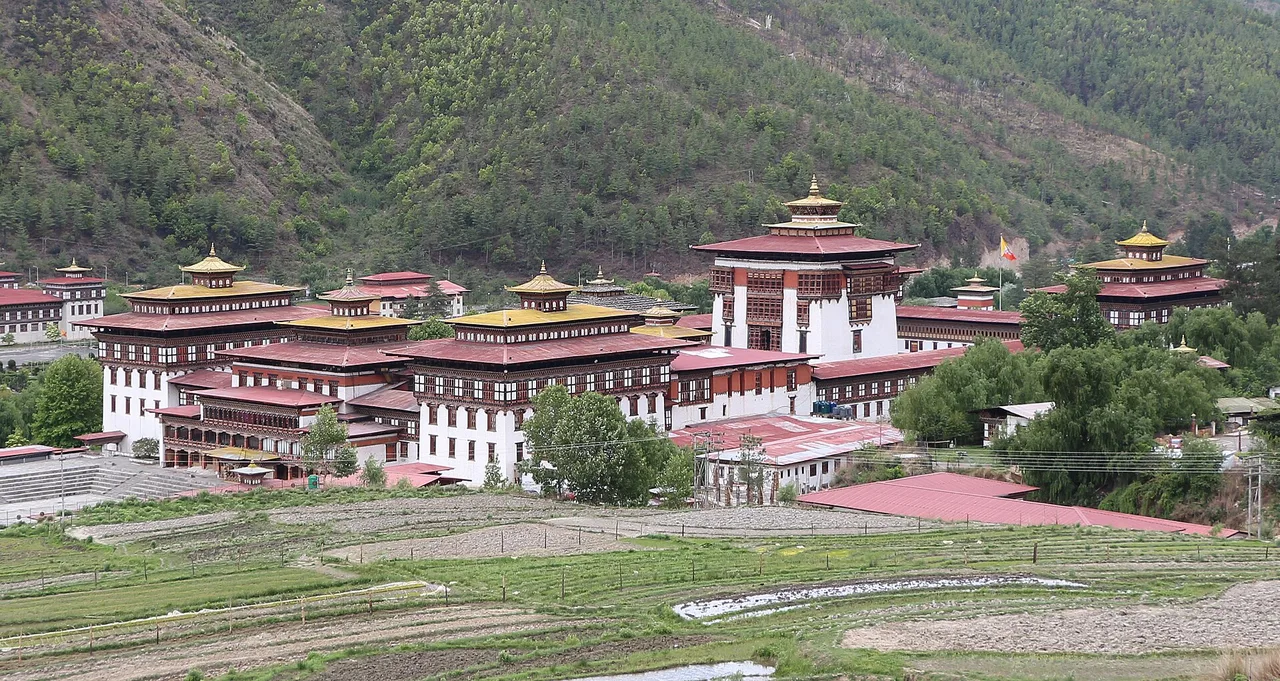
Photo: Bernard Gagnon, Wikimedia Commons, CC BY-SA 4.0.
Pick one
The Bhutanese ngultrum has been the official currency since 1974. It is pegged at a one-to-one ratio with the Indian rupee, which is also widely accepted for transactions across the country. The name comes from ngul meaning silver and trum meaning money.
Pick one
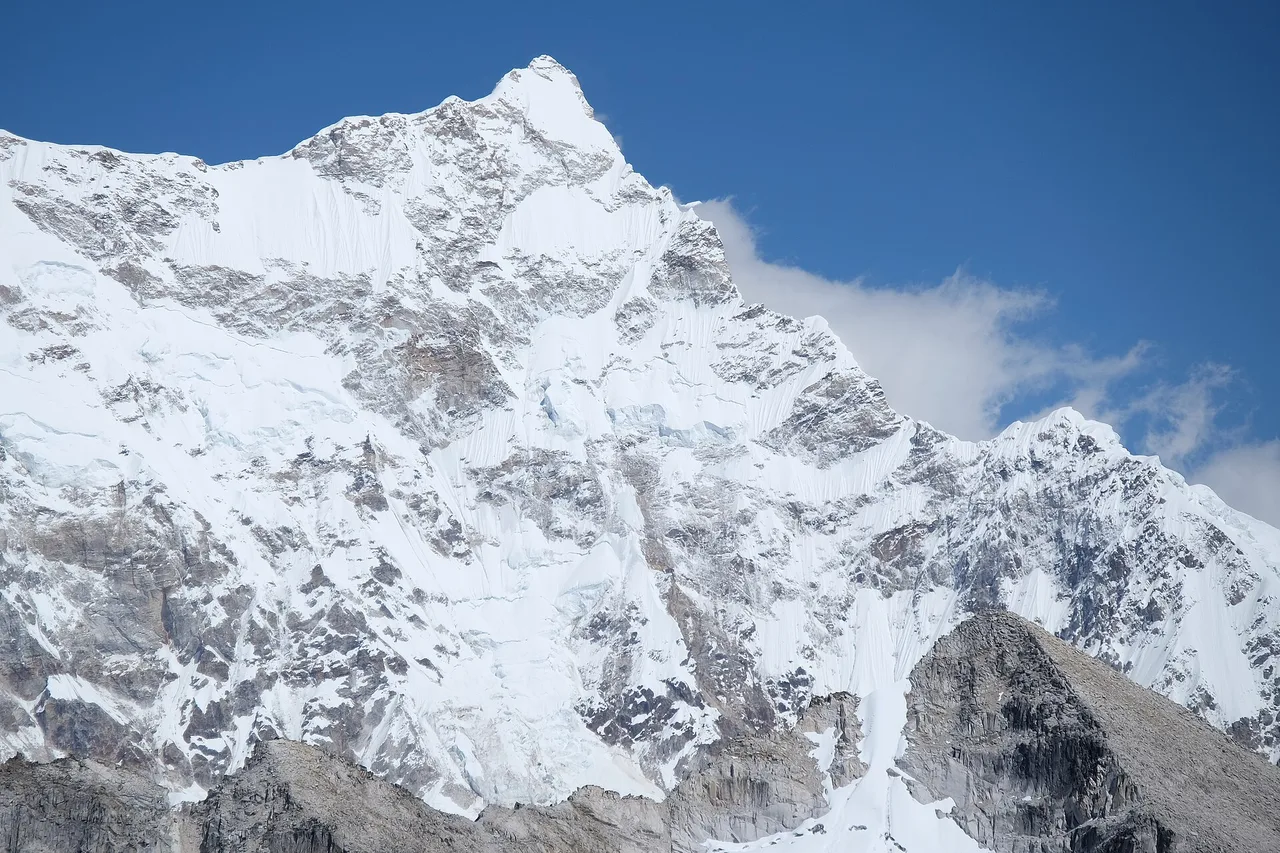
Gangkhar Puensum stands at 7,570 meters and remains completely unclimbed. Out of respect for local spiritual beliefs, which hold that mountains are the homes of sacred deities, Bhutan banned all high-altitude mountaineering above 6,000 meters in 1994.
Photo: Gradythebadger, Wikimedia Commons, CC BY-SA 4.0.
Pick one
Ema Datshi is the beloved national dish of Bhutan, combining fiery hot green or red chili peppers with local yak or cow milk cheese. Unlike in many other cultures where chilies are used as seasoning, in Bhutan, they are treated as the main vegetable.
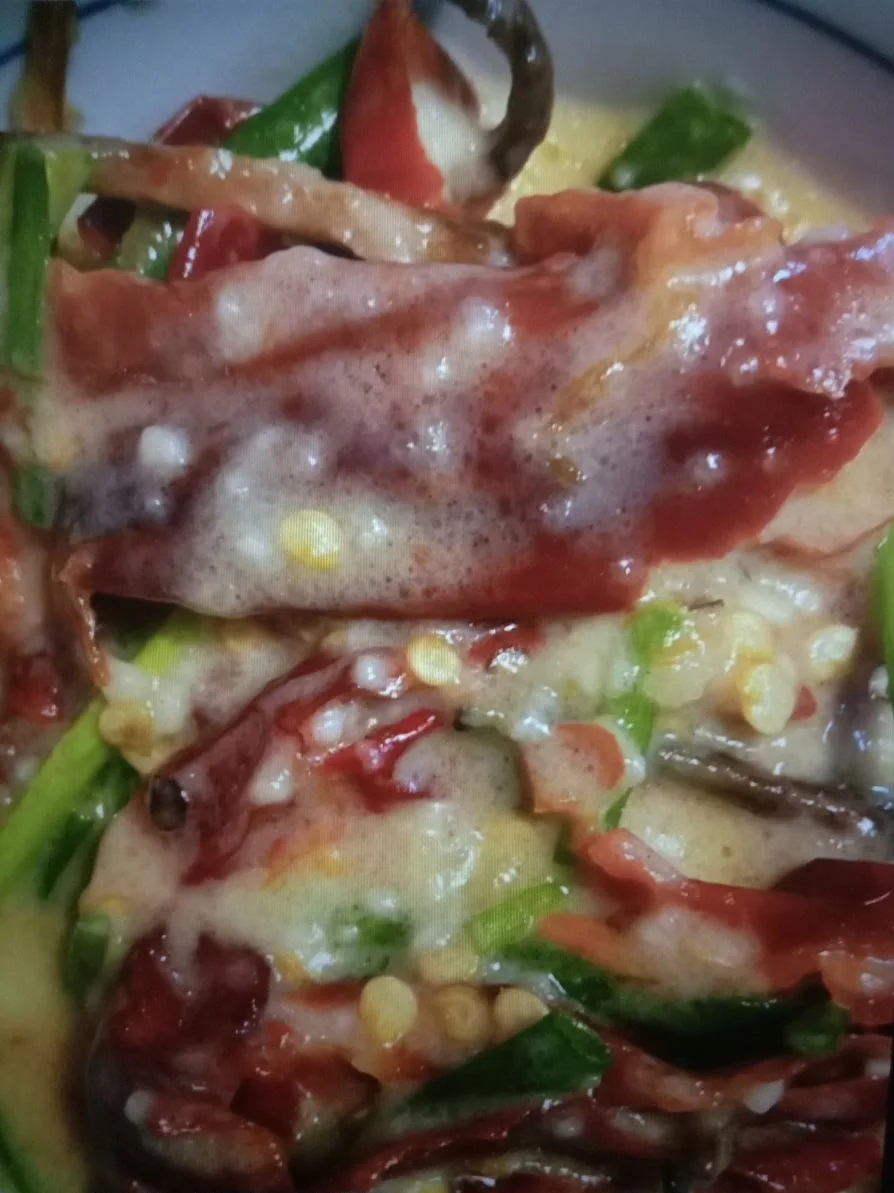
Photo: Rigzen Dema, Wikimedia Commons, CC BY-SA 4.0.


Paste the code into your page. The player fits itself in, and every vote counts in Votur.
On WordPress, Ghost or Squarespace? Just paste the link of this page into your post.
This is how it looks
Also fun