Get app
 Photo: CIAT, Wikimedia Commons, CC BY-SA 2.0.
How well do you know the world's largest tropical rainforest? Test your knowledge on the mysteries, wildlife, and history of the mighty Amazon!
Canopy Curious 0–4 · Forest Friend 5–8 · Amazon Oracle 9–10
Pick one

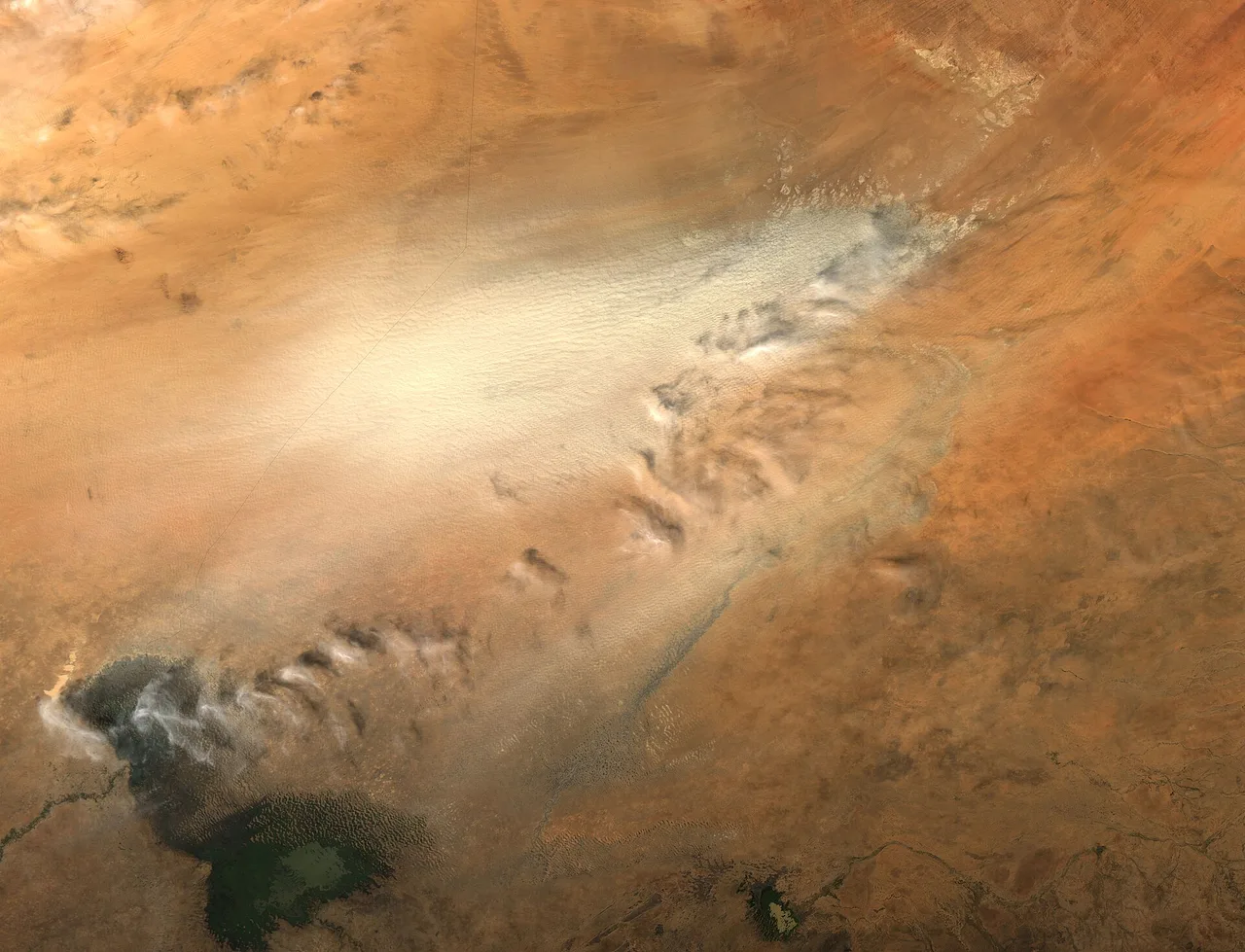
Every year, strong winds carry millions of tons of dust from the Sahara Desert, specifically from the Bodélé Depression, all the way across the Atlantic to the Amazon Basin. This dust is rich in phosphorus, an essential plant nutrient that is otherwise easily washed away by the heavy tropical rains. Without this unexpected African fertilizer, the lush rainforest would struggle to maintain its incredible biodiversity.
Photo: NASA, Wikimedia Commons, Public domain.
Pick one
The most distant source of the Amazon is usually said to be a glacial stream on Nevado Mismi, a peak of about 5,600 metres in the Peruvian Andes. Its water feeds the Apurímac River, which joins other rivers to form the mighty Amazon. Scientists pinpointed this source in 1996, and it has been confirmed several times since.
Photo: European Space Agency, Wikimedia Commons, CC BY-SA 3.0 igo.
Pick one
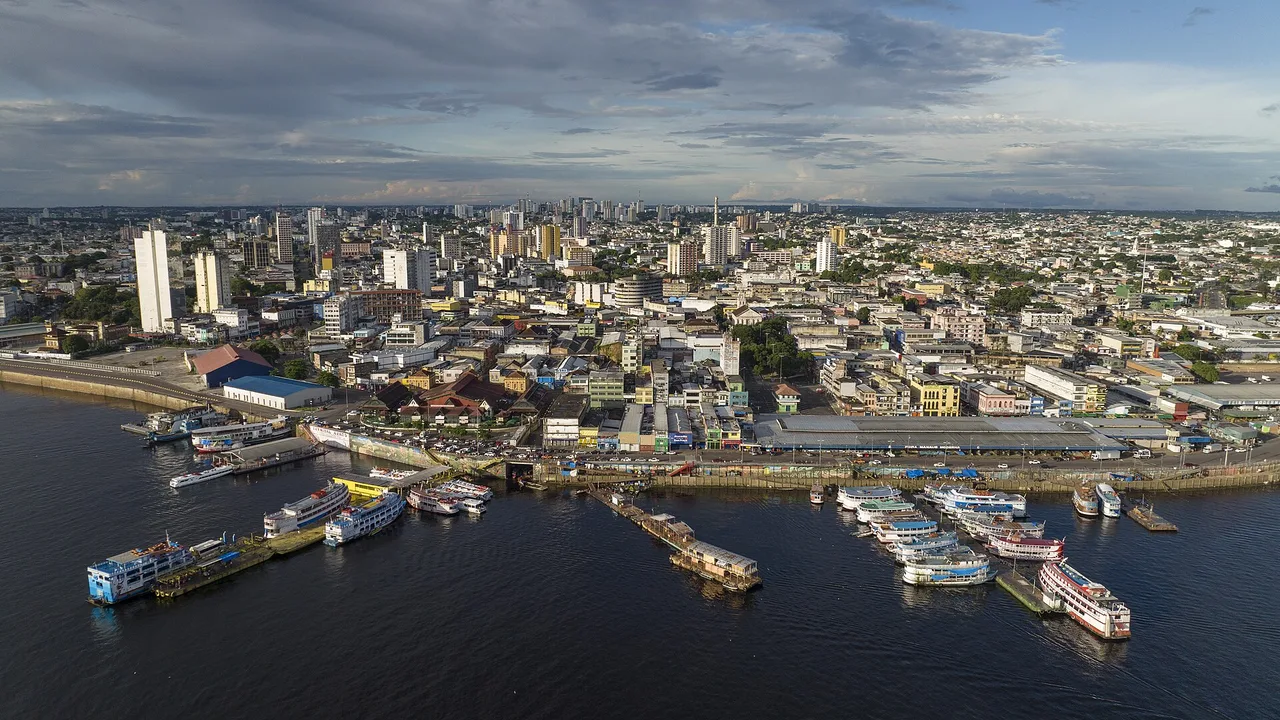
Manaus is the capital of the Brazilian state of Amazonas and has a population of over two million people. Located at the confluence of the Negro and Solimões rivers, it grew rapidly during the late 19th-century rubber boom. Today, it remains a major industrial hub that is surprisingly accessible primarily by boat or plane rather than by road.
Photo: Arne Müseler, Wikimedia Commons, CC BY-SA 3.0 de.
Pick one
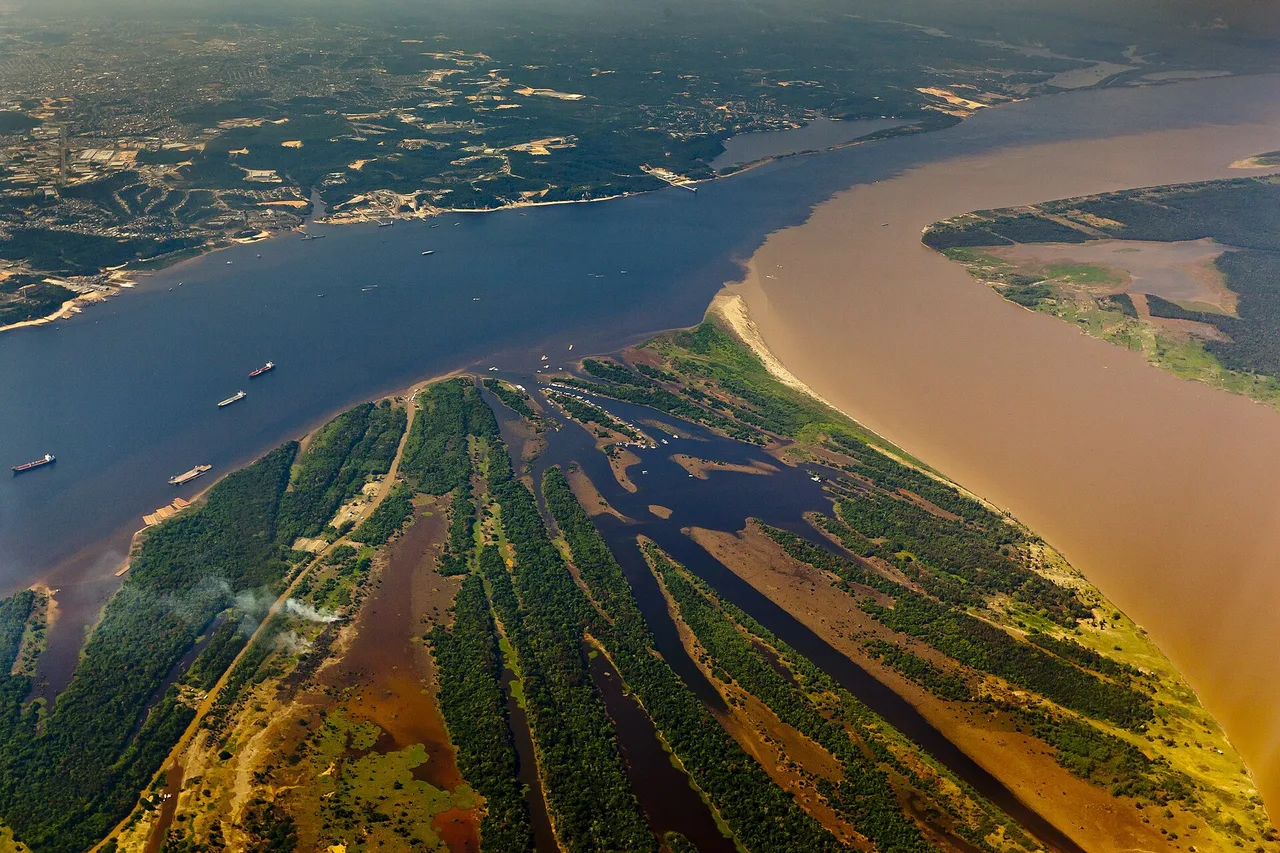
The spectacular 'Meeting of Waters' occurs where the dark, acidic Rio Negro meets the pale, sandy Solimões River (the upper Amazon). Because of their distinct temperatures, speeds, and water densities, the two rivers flow side-by-side in the same channel for almost four miles (6 km) without mixing, creating a striking visual boundary visible even from space.
Photo: Portal da Copa, Wikimedia Commons, CC BY 3.0 br.
Pick one
Francisco de Orellana completed the first known navigation of the entire length of the Amazon River between 1541 and 1542. During this epic and dangerous journey, he encountered fierce resistance from indigenous warriors, whom he compared to the mythical female warriors of Greek mythology, thus giving the river its name.

Photo: Unknown authorUnknown author, Wikimedia Commons, Public domain.
Pick one
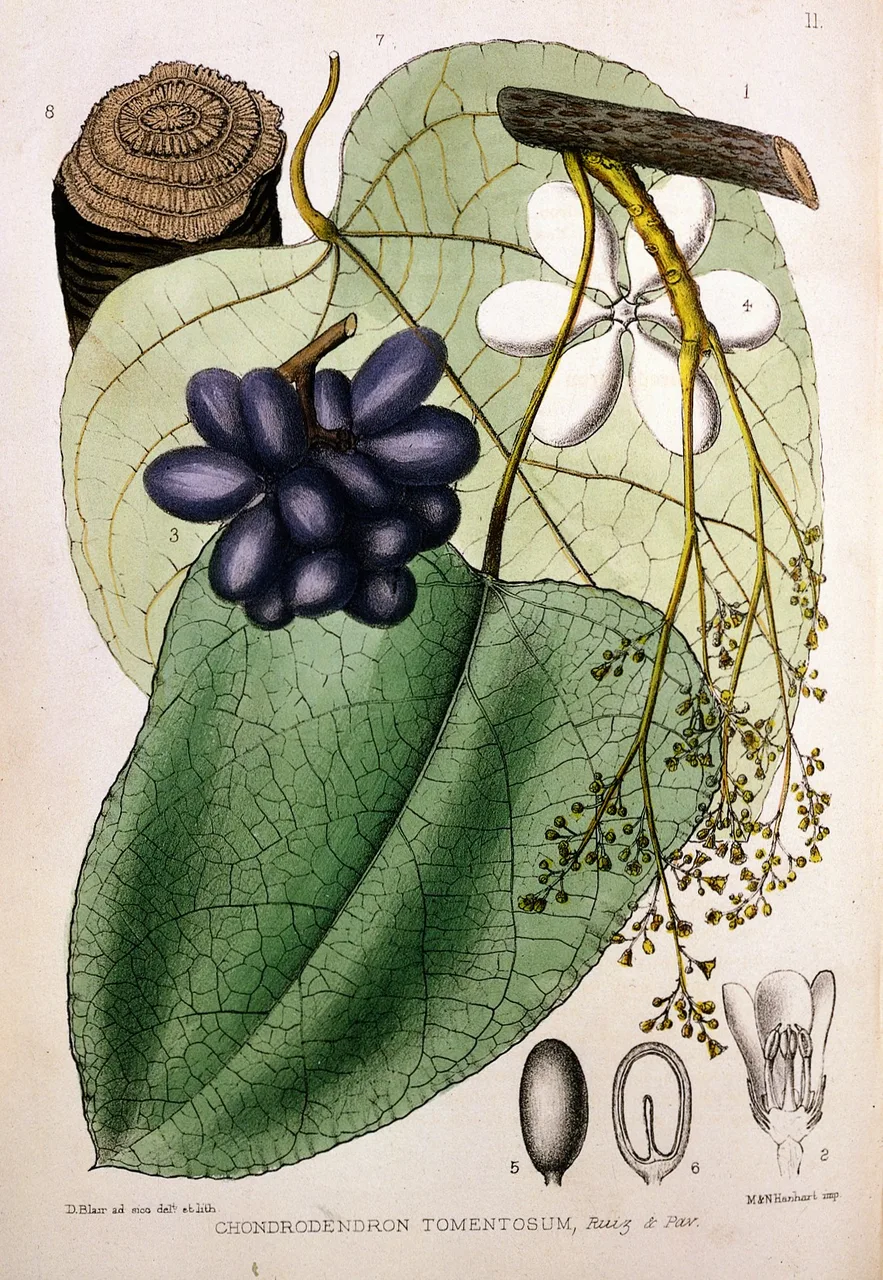
Curare is a generic term for various plant-derived arrow poisons used by indigenous South American hunters to paralyze prey. In the 20th century, scientists isolated its active ingredients to create powerful muscle relaxants, which revolutionized modern surgery by allowing doctors to perform delicate operations without causing muscle spasms.
Photo: Wikimedia Commons, CC BY 4.0.
Pick one
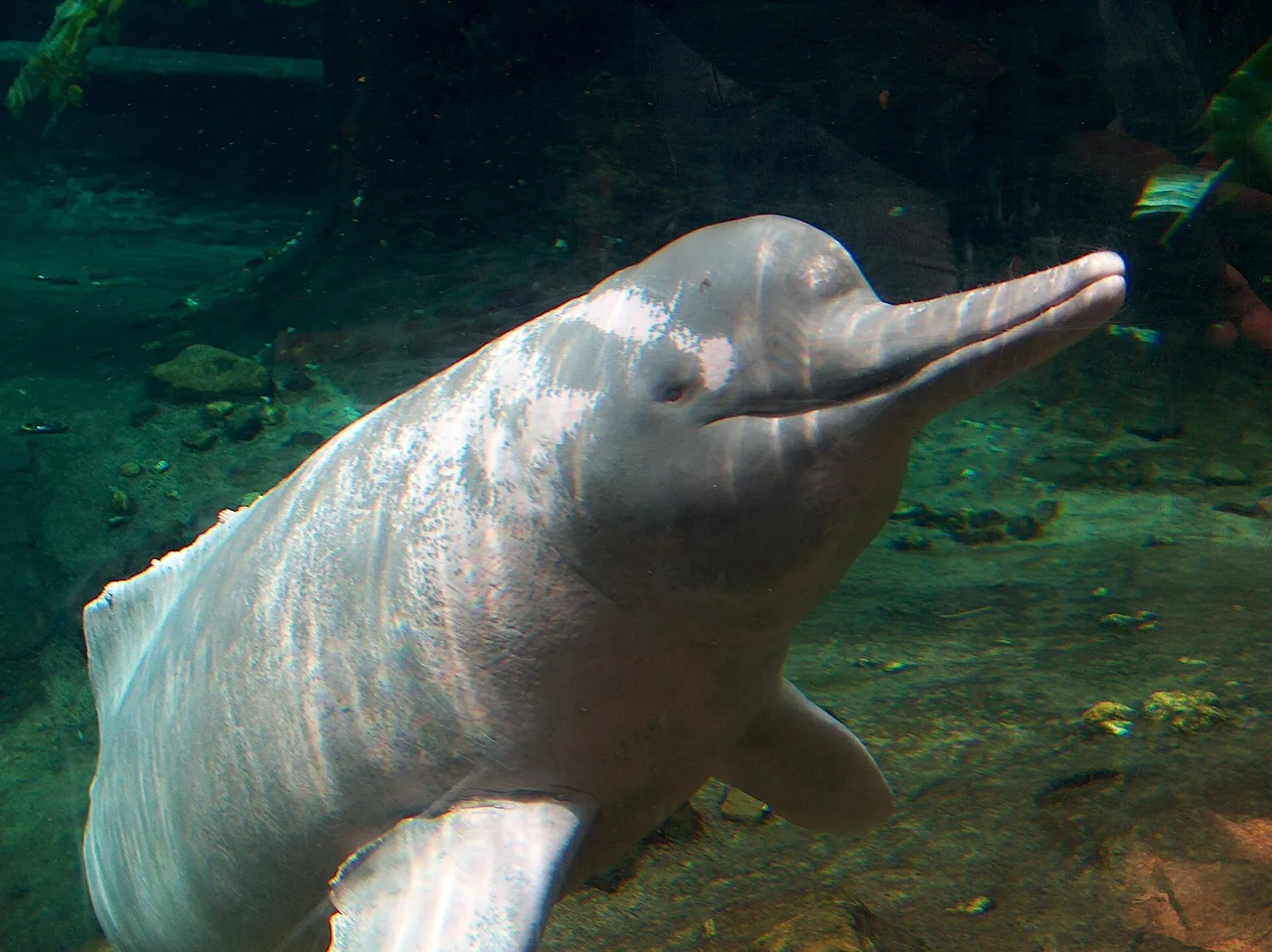
Unlike most marine dolphins, the Amazon river dolphin (or boto) has unfused neck vertebrae, allowing it to turn its head a full 90 degrees left or right. This incredible flexibility is crucial for maneuvering around tree trunks and branches in the flooded forest during the wet season. They also use echolocation to hunt fish in the murky, debris-filled waters.
Photo: Oceancetaceen, Wikimedia Commons, CC BY-SA 2.0 de.
Pick one
The Yanomami inhabit the vast mountainous rainforests along the Brazil-Venezuela border. They live in large, circular communal houses called yanos or shabonos and have fought for decades to protect their ancestral lands from illegal gold miners and external encroachment.
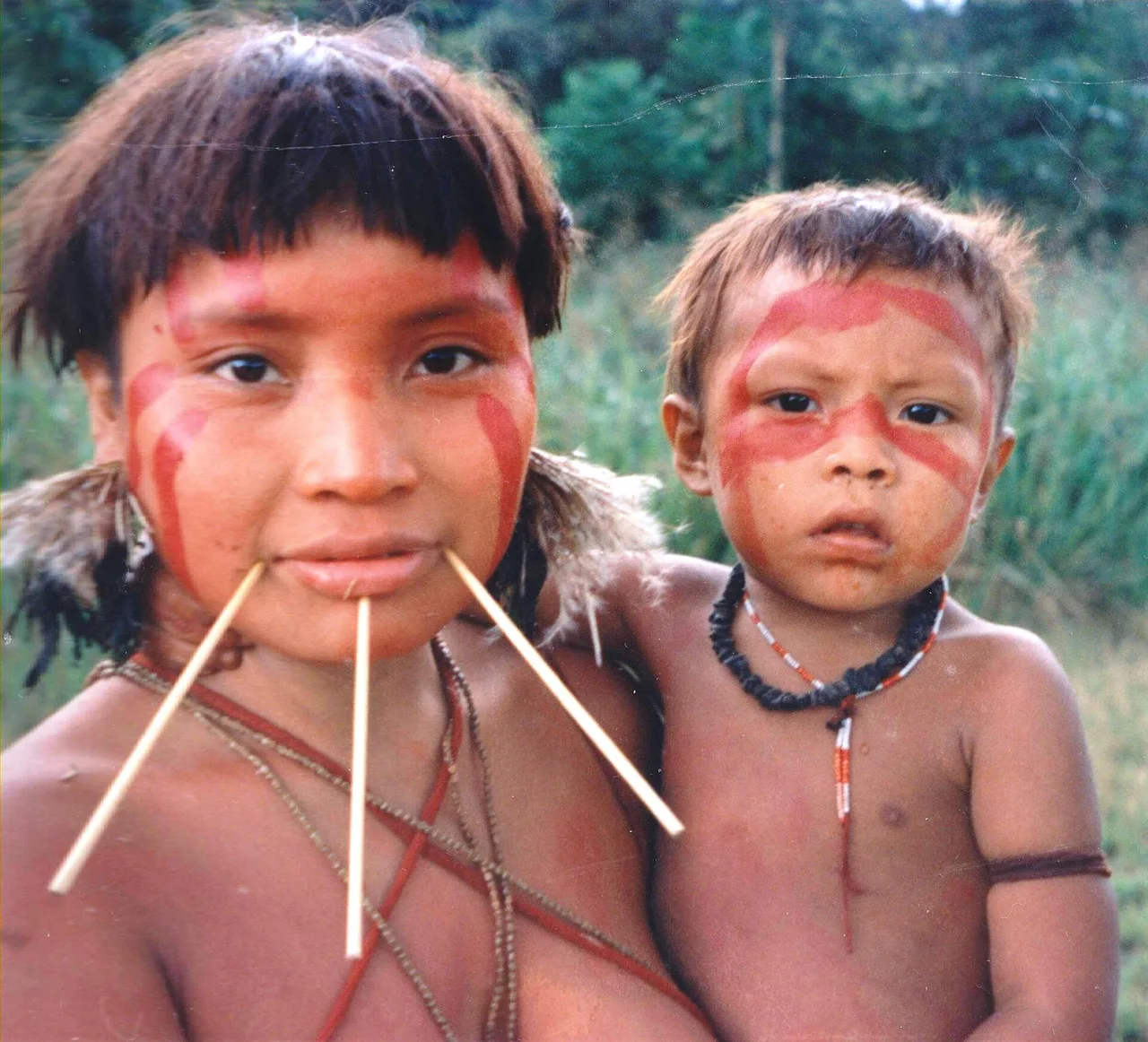
Photo: Cmacauley, Wikimedia Commons, CC BY-SA 3.0.
Pick one
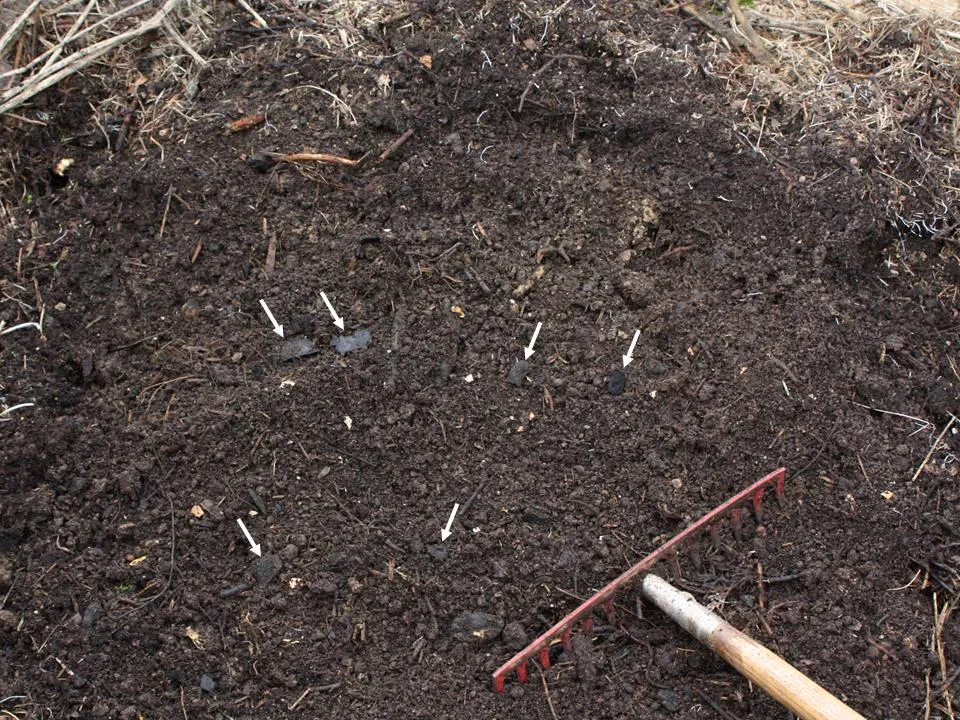
Terra preta (meaning 'black earth') is an incredibly fertile soil created by ancient indigenous populations thousands of years ago. By mixing charcoal, bone, and organic waste into the otherwise nutrient-poor Amazonian clay, they engineered a self-regenerating soil that still supports farming today. This discovery proved that the Amazon once hosted large, settled civilizations.
Photo: Holger Casselmann, Wikimedia Commons, CC BY-SA 3.0.
Pick one
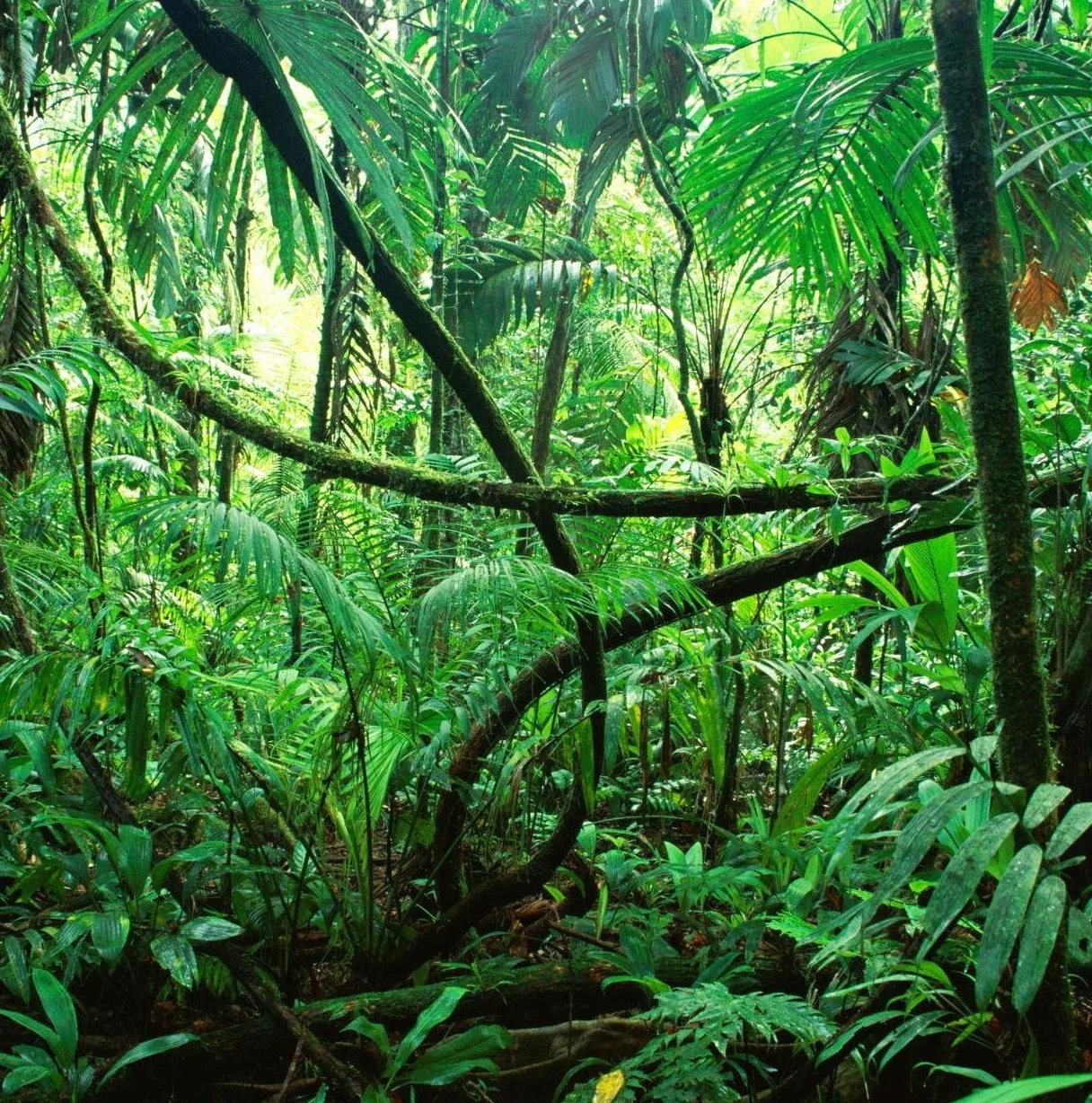
The emergent layer is made of giant trees, some reaching up to 200 feet (60 meters) tall, that push through the forest canopy to bathe in direct sunlight. These hardy trees must withstand intense heat, strong winds, and dry conditions compared to the sheltered layers below. Eagles, bats, and monkeys frequently use these high outposts to spot food and predators.
Photo: Bild von bere von awstburg auf Pixabay https://pixabay.com/de/photos/die-dschung, Wikimedia Commons, CC0.


Paste the code into your page. The player fits itself in, and every vote counts in Votur.
On WordPress, Ghost or Squarespace? Just paste the link of this page into your post.
This is how it looks
Also fun